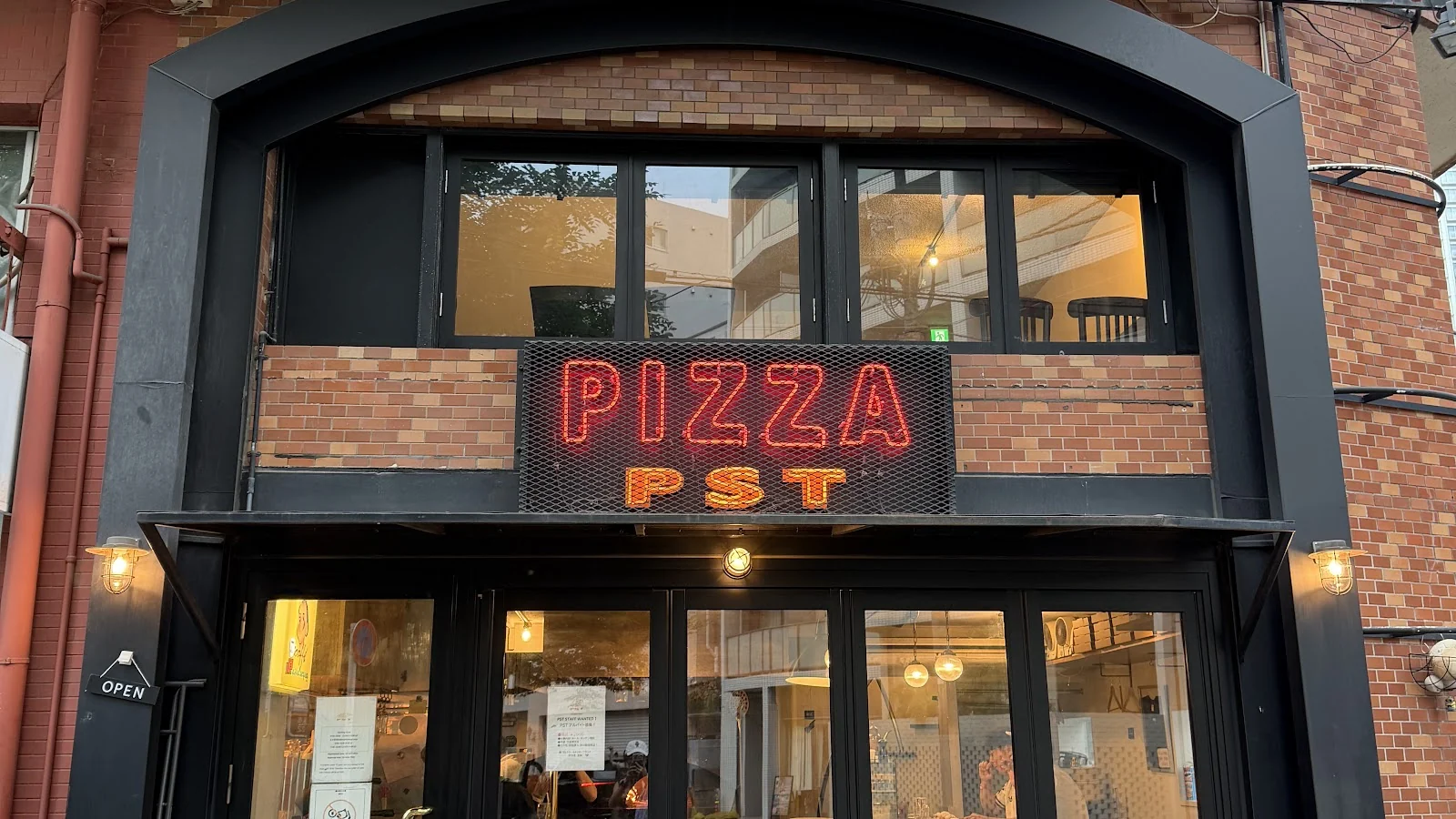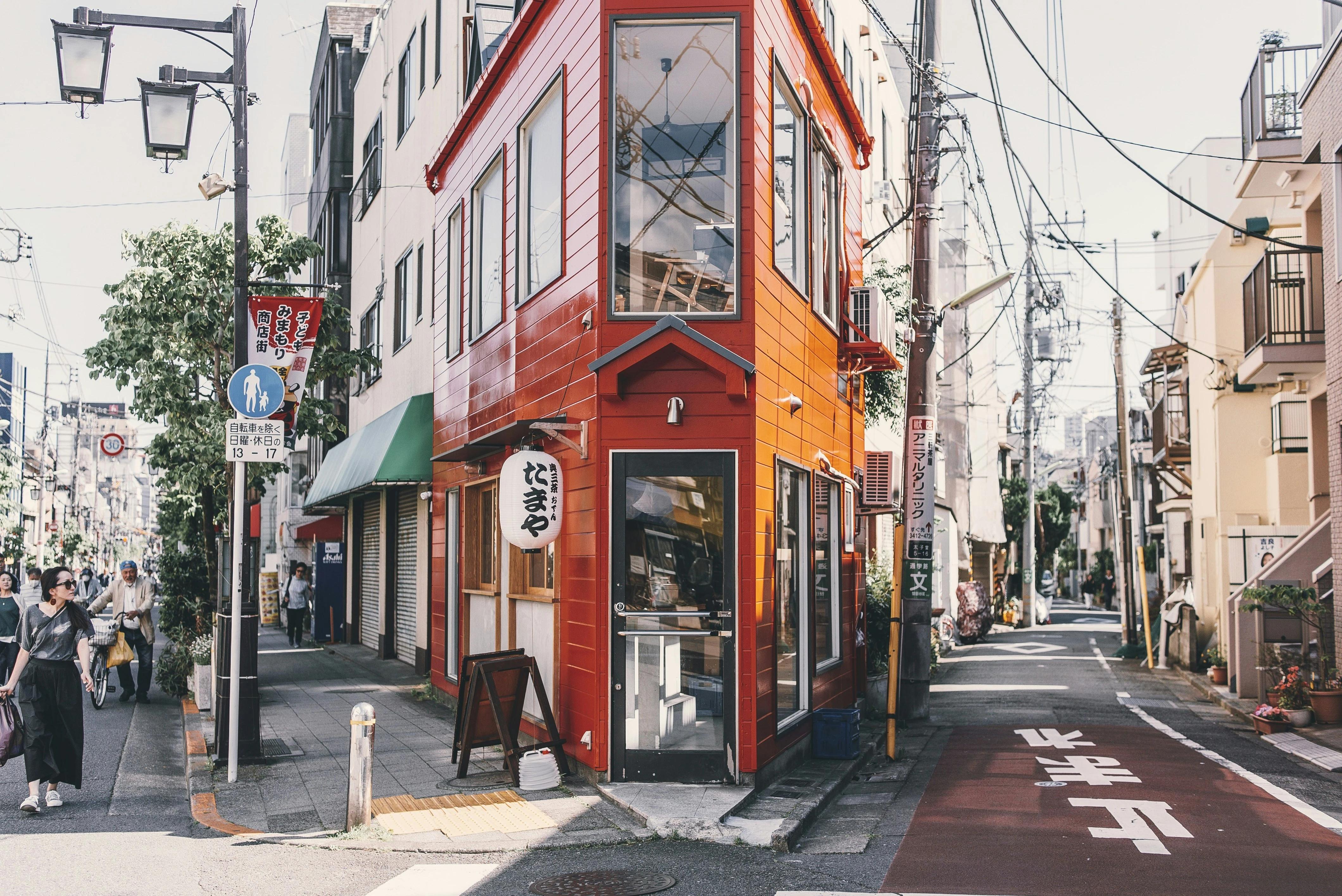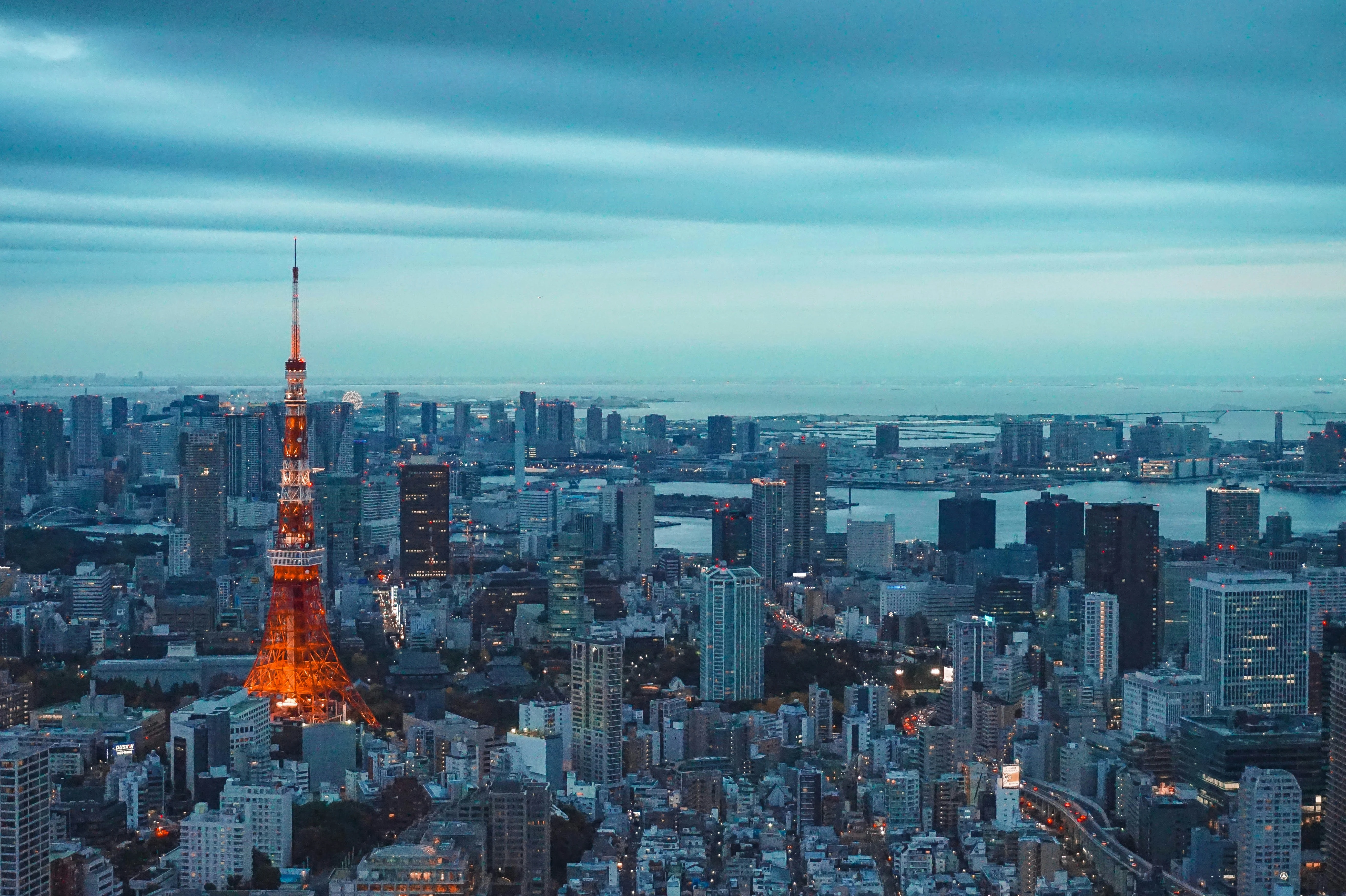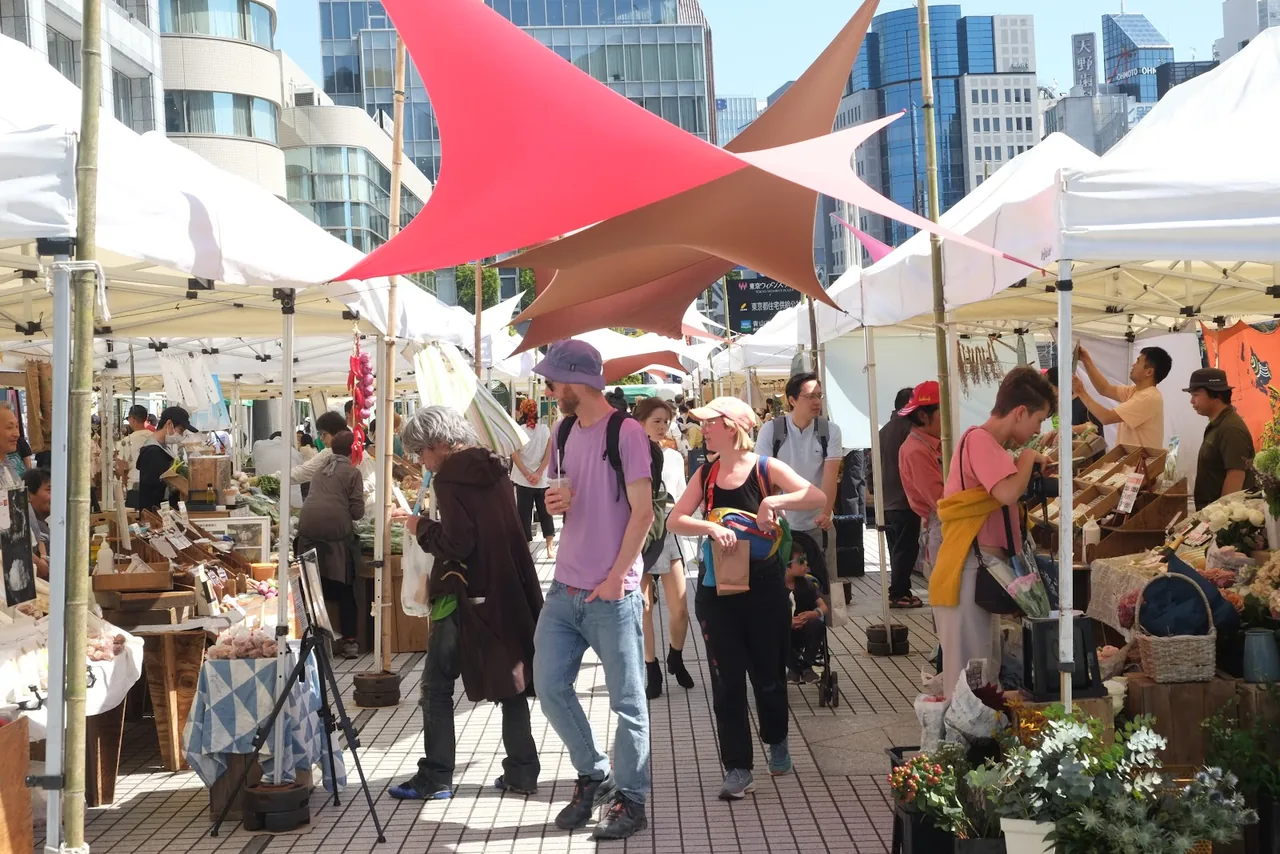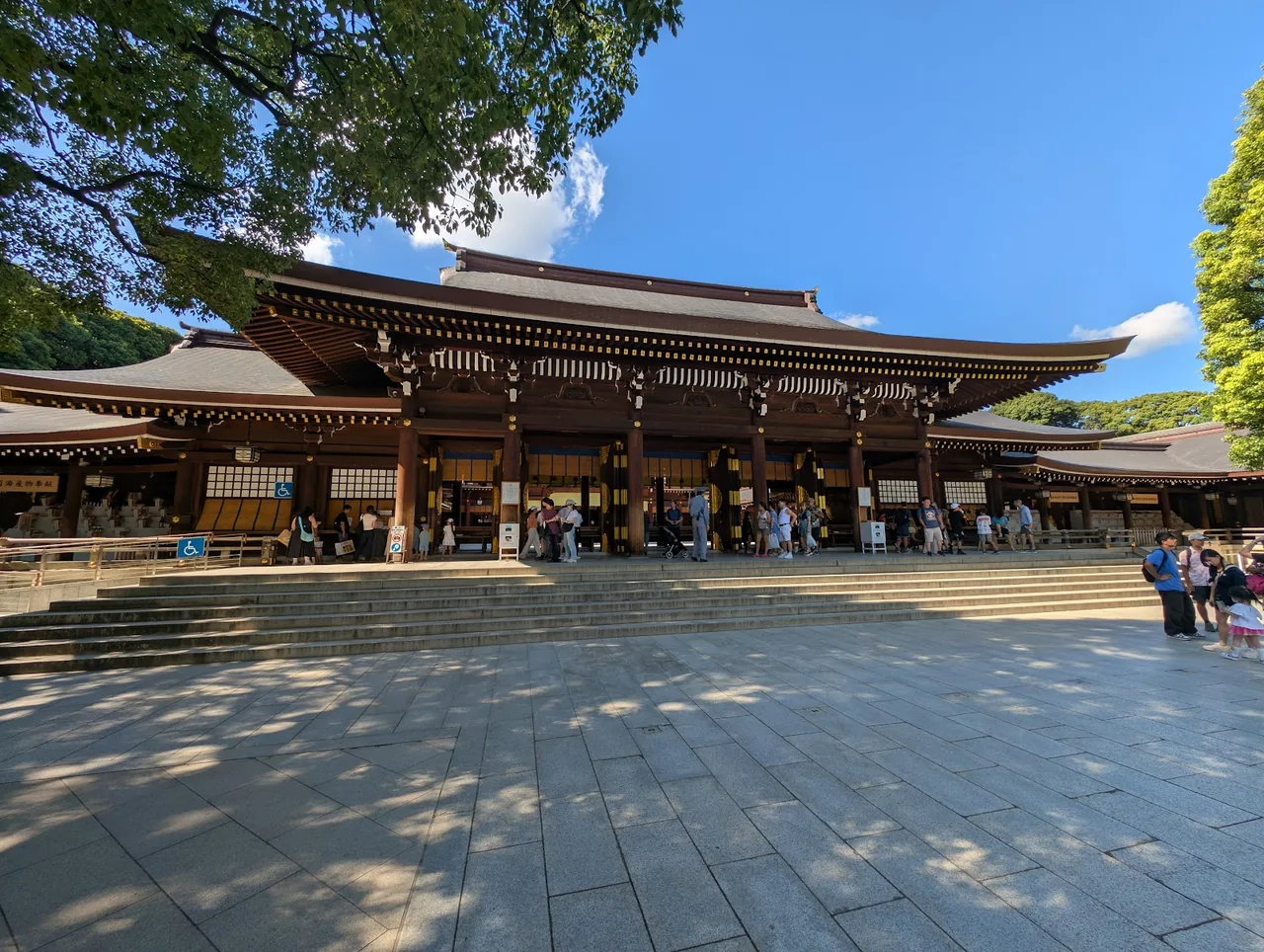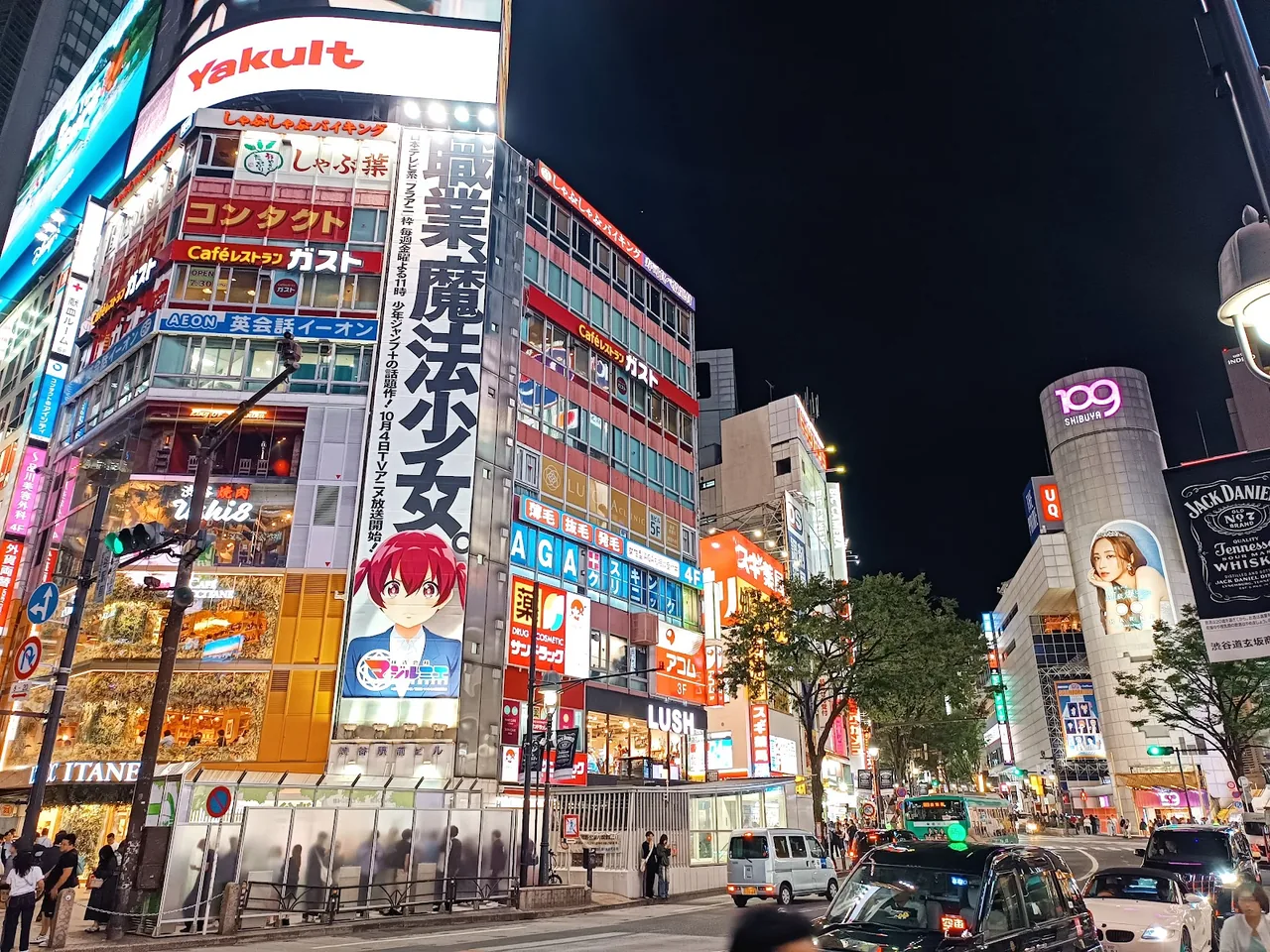


Harajuku is the district between Shinjuku and Shibuya on the JR Yamanote: Takeshita-dori for the candy-coloured youth-fashion subcultures, the cedar-forest approach to Meiji-jingu shrine for the spiritual contrast, and Omotesando’s tree-lined boulevard south for the luxury flagships. Two metro lines deep but only one short walk between extremes.
Character of the District
Harajuku as fashion district crystallised in the 1980s when the post-war Olympic Village west of the station became Yoyogi Park, and the train-line walls between station and park became Sunday gathering ground for performance-fashion subcultures (Lolita, Decora, Visual-kei, Ganguro). Most of those scenes thinned in the 2010s; the candy-coloured shopfronts on Takeshita-dori survive as the icon you photograph.
South of the JR tracks, Omotesando’s 1.1km tree-lined boulevard runs to Aoyama, the same district plus 30 years and a luxury price tag. Tadao Ando, SANAA and Herzog & de Meuron designed flagship buildings here; you can do an architecture walk for the price of free entry.
What to See in Harajuku
Five anchors that frame the Harajuku-Omotesando walk:
How to Get There
Getting There
- 1Take JR Yamanote Line → Harajuku Station
- 1Take Tokyo Metro Marunouchi Line → Akasaka-mitsuke
- 2Transfer to Ginza Line → Omotesando Station
- 1Take JR Yamanote Line → Harajuku Station
Tips
- Sunday is the day if you want subculture. Cosplayers gather around the JR-line wall 12:00–17:00; Mondays the street is just shops.
- Walk Takeshita 10:00 not 14:00. Same shops, half the queue at the famous crepe stalls.
- Cat Street between Takeshita and Omotesando. Vintage clothes + indie coffee, far less crowded than the main streets.
- Pair with Yoyogi Park or Meiji-jingu. Same train station; gardens by morning, fashion by afternoon.
Consider Daikanyama Instead

- Where
- Daikanyamachō, Shibuya-ku, Tokyo 150-0034
- Hours
- Open daily; individual shops and venues have varying hours
- Map
- Open in Google Maps →
Daikanyama offers a similar fashion-focused urban exploration experience to Harajuku, with boutique shopping and trendy cafes replacing mass-market street culture, and notably lower foot traffic despite being less than 1 km away. The neighborhood maintains Tokyo's youth fashion scene but in a more curated, residential setting—appealing to visitors seeking the same creative energy without the crowds on Takeshita Street. Both are easily accessible within a single Shibuya-area visit, making Daikanyama a practical same-day alternative.
Adjacent Neighborhoods
Districts on Harajuku’s edge or one stop away:
FAQ
Is Harajuku still ‘Harajuku’ or has it become a cliché?
Both. The candy-coloured Takeshita-dori survives as a Sunday cosplay magnet for under-25 visitors. The actual Lolita/Decora street culture peaked 2005–2015 and has thinned. The shrine + park + Omotesando architecture remain unchanged.
Best time to visit?
Sunday 11:00–15:00 if you want the subculture spectacle. Weekday morning if you want photos without crowds. Avoid public holiday Sundays, when Takeshita-dori becomes a one-direction-only push.
How does Harajuku compare to Shimokitazawa?
Harajuku = mainstream youth-fashion + tourists; Shimokitazawa = working-age vintage + locals. Same DNA, different demographics.