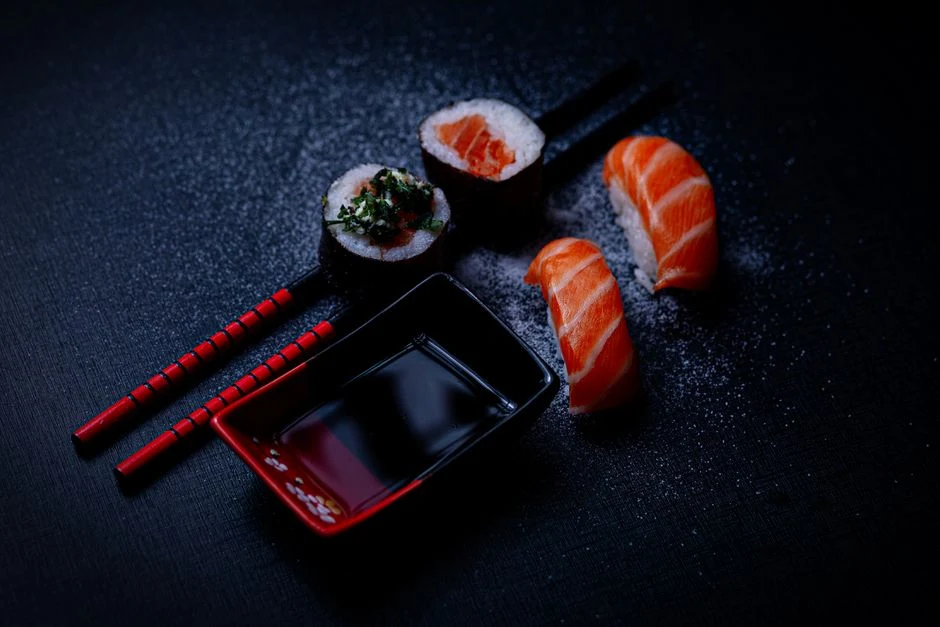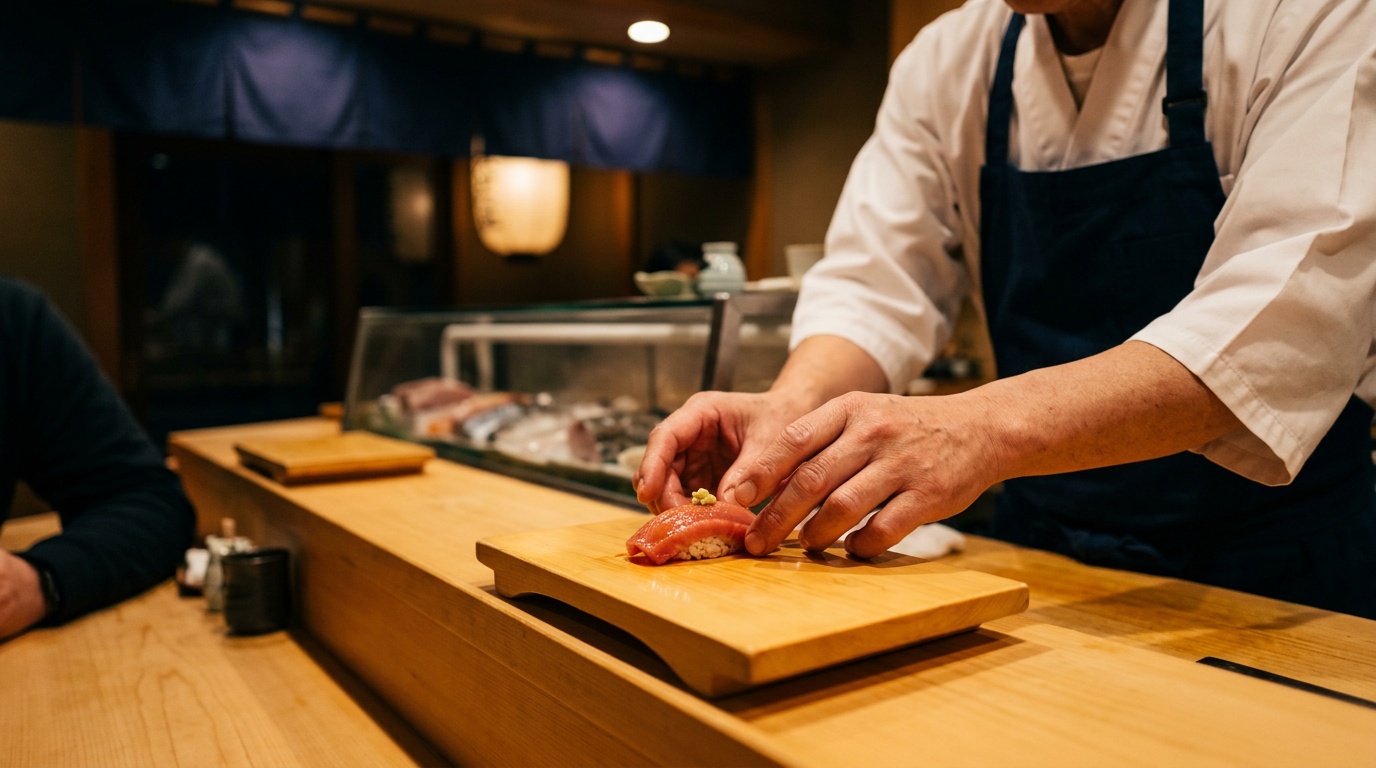




Sushi is the dish most travellers arrive wanting and the one they understand least. In Japan it is not one experience but a spectrum, from a standing counter at Toyosu at 6am to a ten-seat omakase where the chef sets the pace. This is the map to the whole cluster: start with the fundamentals, learn to read a menu, then pick the room that matches your budget and your nerve.
Start with the fundamentals
What sushi actually is, where it came from, the regional styles, and how to behave at the counter. Sushi in Japan: the complete guide is the long read that underpins everything else here.
Know the types
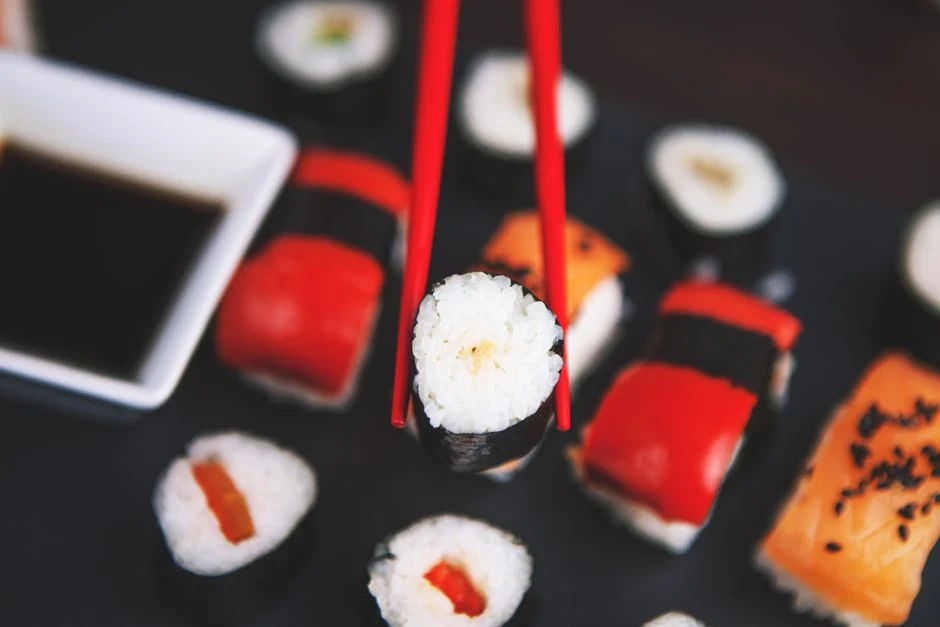
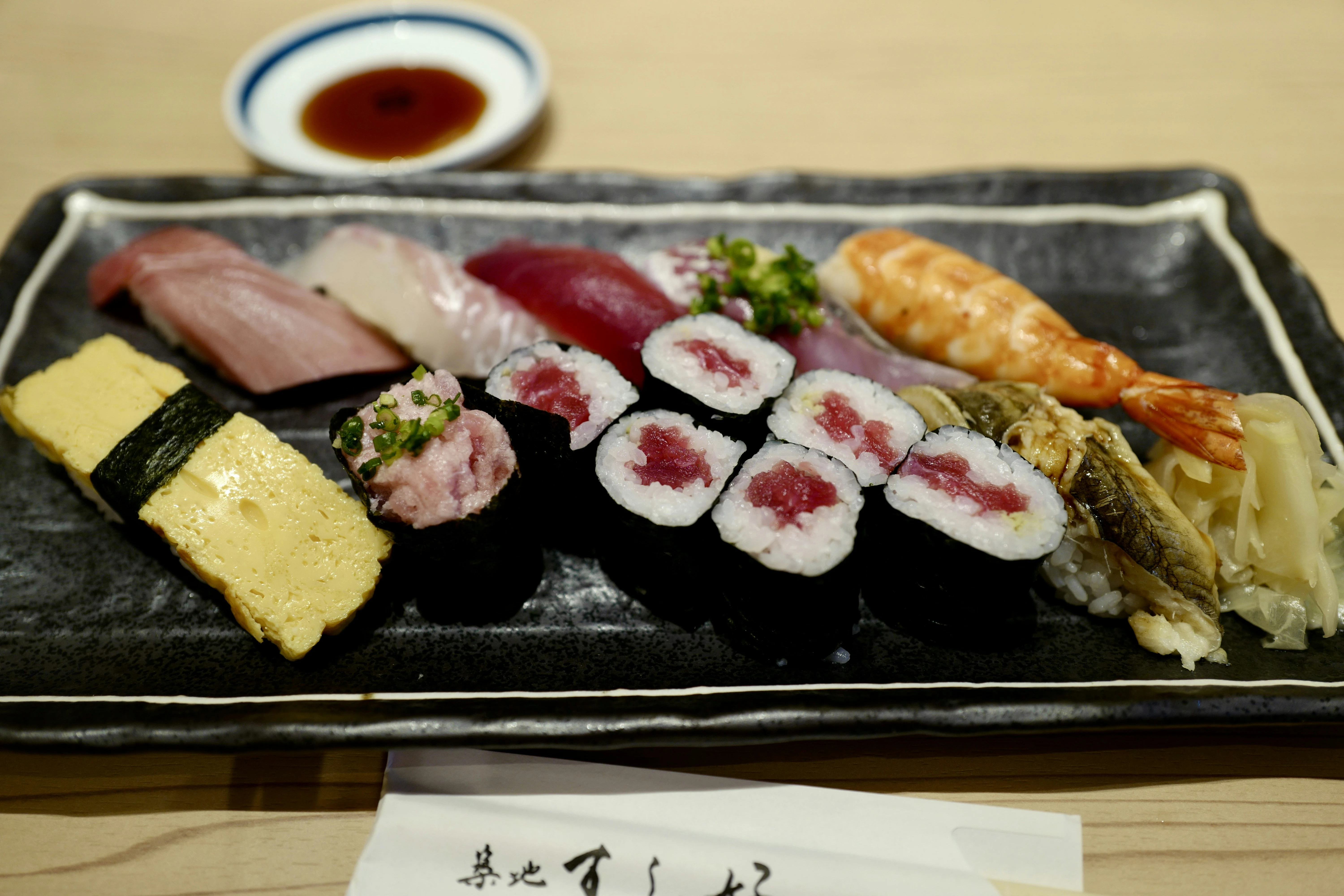
Nigiri, maki, uramaki, temaki, gunkan, chirashi, sashimi: seven forms that get confused constantly. Types of sushi explained shows each one with a photo, so you can order by name instead of pointing.
Where to eat in Tokyo
Thirteen counters worth crossing the city for, from Toyosu market stalls to Ginza institutions, sorted by price and neighbourhood. The best sushi in Tokyo is the shortlist, with a photo and a location for each.
Conveyor-belt sushi (kaitenzushi)
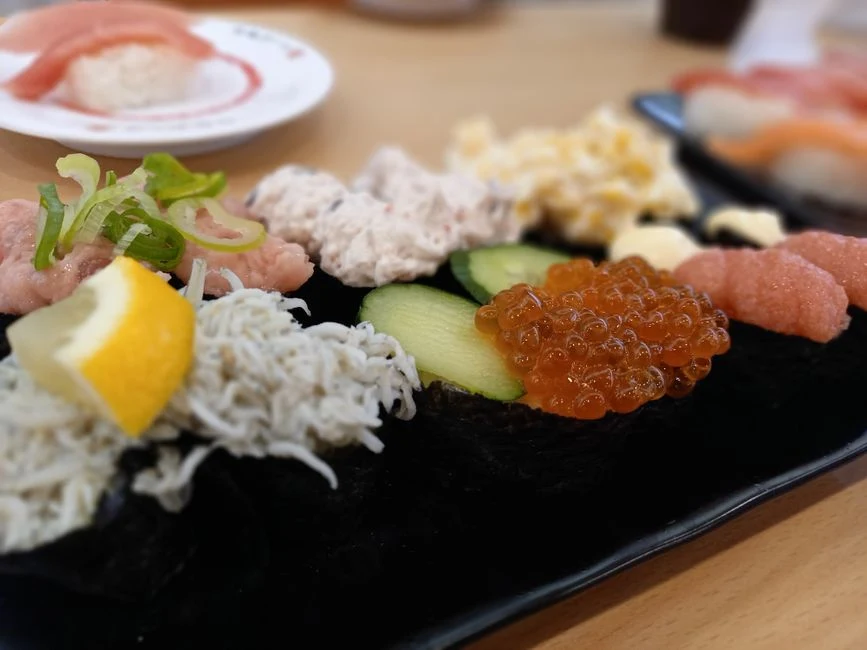
The cheapest and most beginner-friendly way to eat sushi in Japan, and genuinely good once you know the chains. Conveyor-belt sushi covers how it works, what to order, and which chains are worth your time.
Omakase for beginners
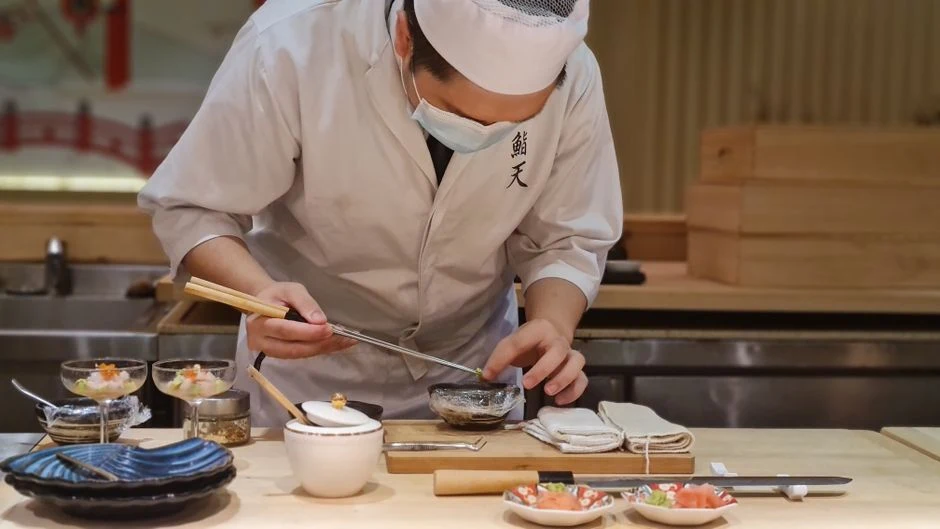
The chef chooses, you eat, and the bill can be gentle or brutal. Omakase in Japan: a beginner's guide demystifies the format, the etiquette, and how to book a first counter without overpaying.
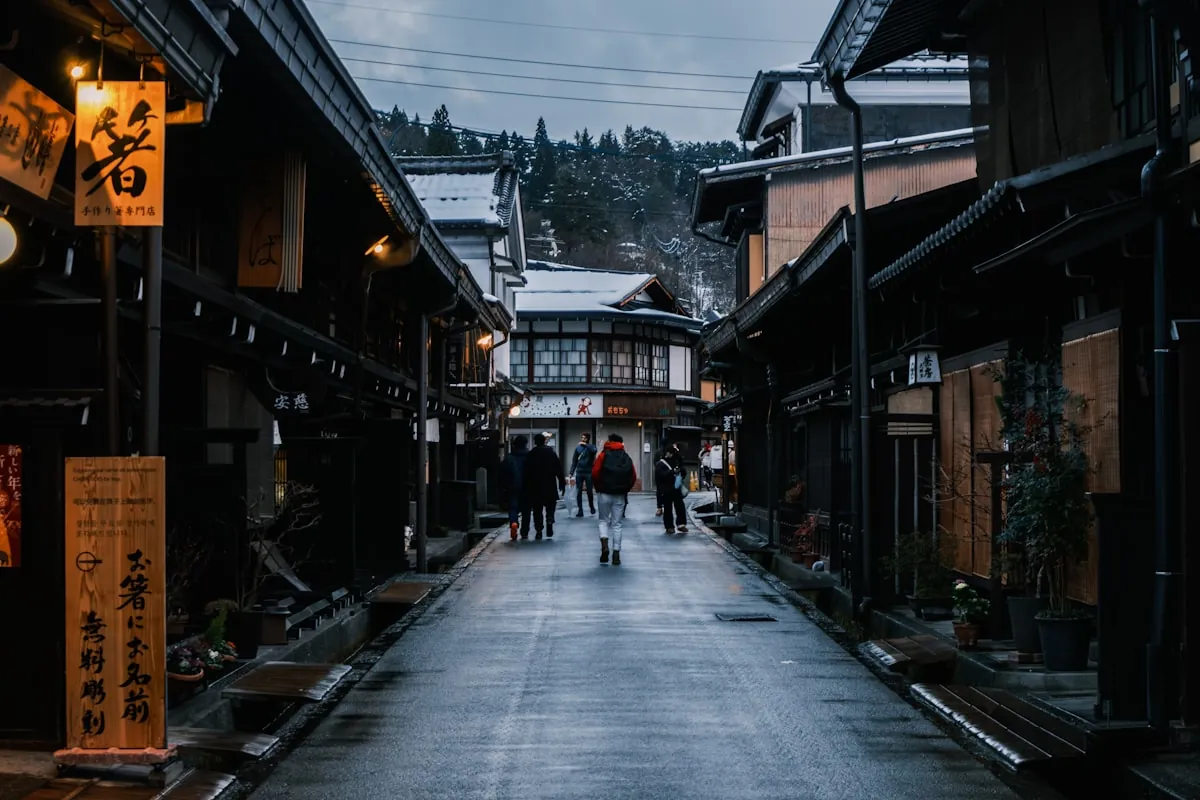
Eat well by matching the room to the moment: kaitenzushi for a fast, cheap lunch, a neighbourhood counter for dinner, one omakase as the splurge. Skip the tourist traps by the stations and walk two streets further, the same rule that works everywhere else in Japan.