




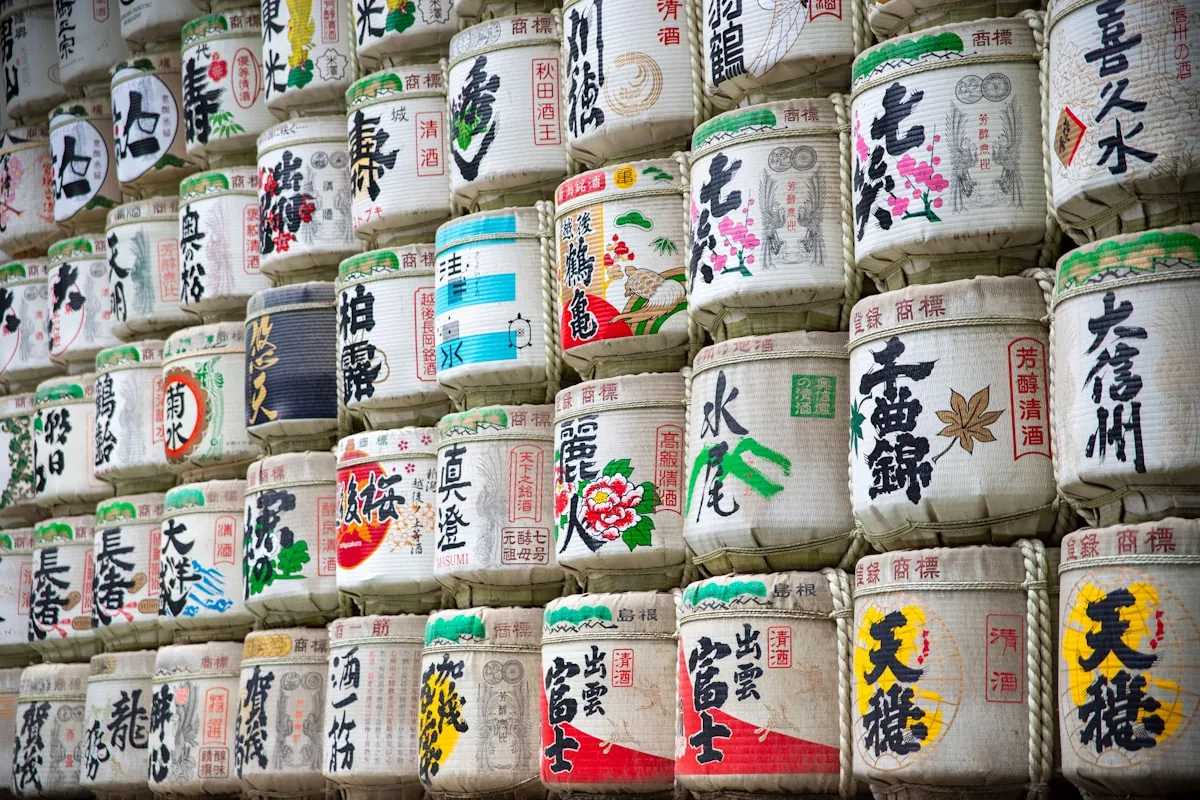


Sushi is not one dish but a family of them. Learn to tell nigiri from maki, gunkan from temaki, and sashimi from actual sushi, and a Japanese menu stops being a guessing game. This guide walks through every common type of sushi, what each one is, how to eat it, and where you will meet it, so you can order with confidence anywhere in Japan.
What you need to know
One thing defines sushi: shari, seasoned vinegared rice. Whatever sits on top or inside, the rice is what makes it sushi. That is why sashimi, sliced raw fish served without rice, is a separate dish, even though it shares every menu. Keep that single rule in mind and the whole family falls into place. For the bigger picture of how and where to eat it, start with the complete guide to sushi in Japan.
The types of sushi, one by one
Here is every common form, what it is, and how to handle it at the table.
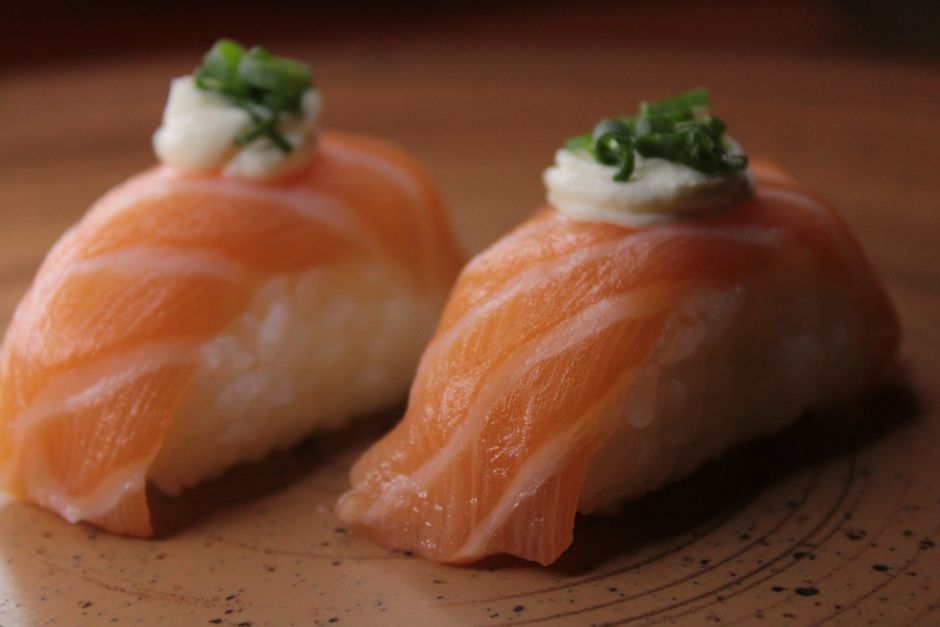
Nigiri
A hand-pressed finger of vinegared rice topped with a slice of fish or seafood, the purest form of sushi. Eat it in one bite, and dip the fish rather than the rice in soy. It is the benchmark by which a sushi chef is judged.
Maki
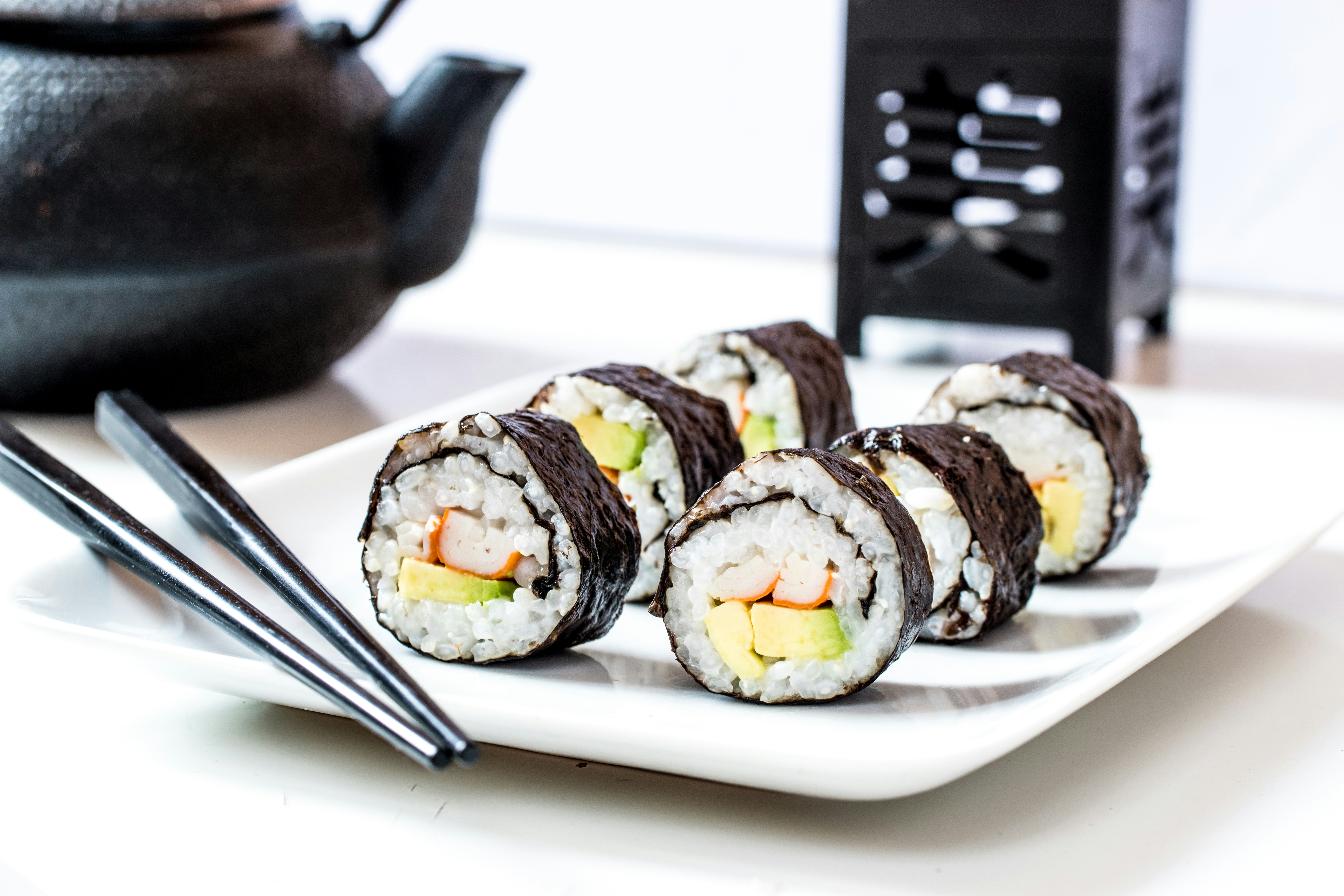
Rolls of rice and filling wrapped in a sheet of nori seaweed and sliced into bite-size pieces. Thin rolls (hosomaki) keep to a single filling; fat rolls (futomaki) pack in several. Chopsticks handle them easily.
Uramaki (inside-out rolls)
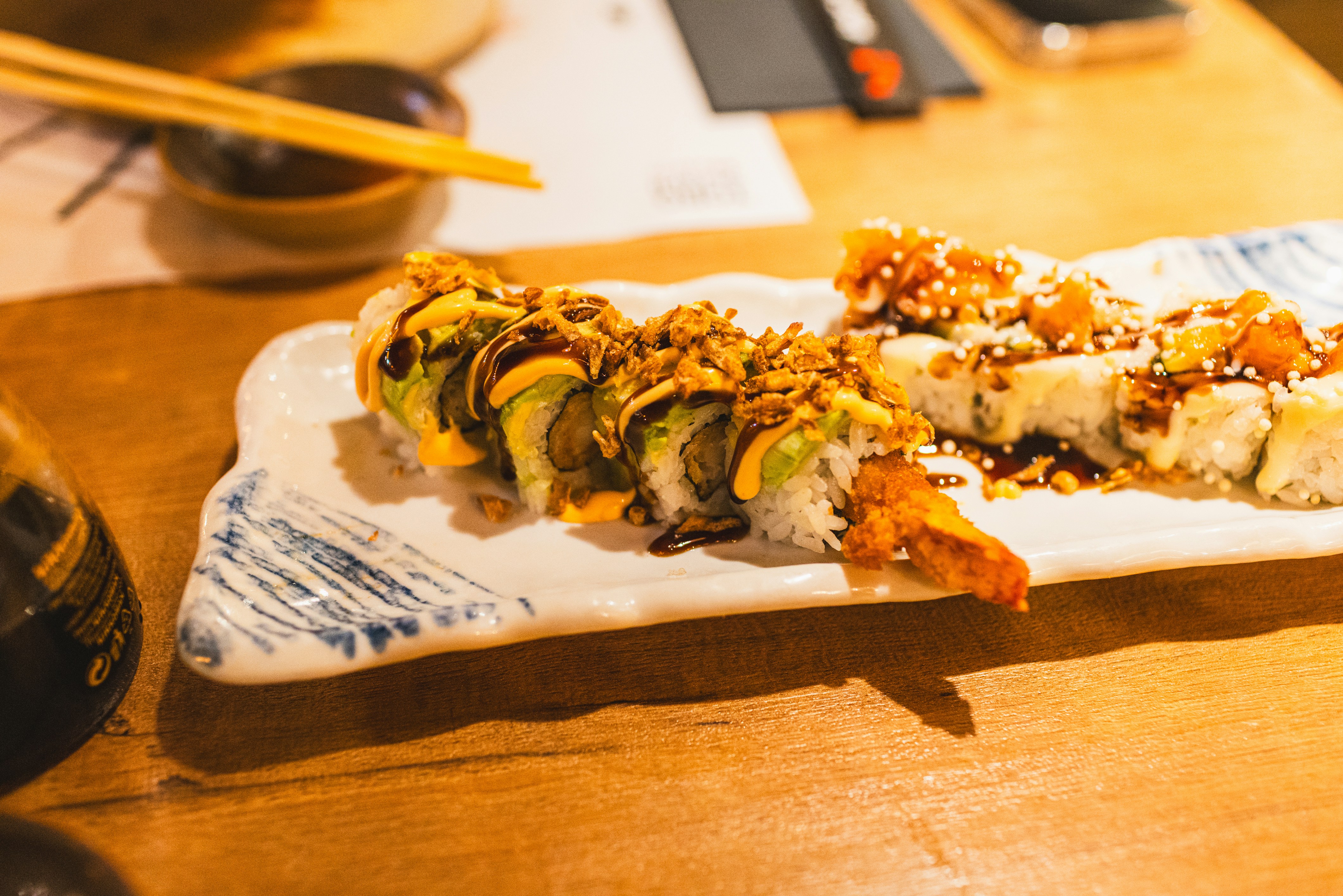
The inside-out roll, with the rice on the outside and the nori hidden within, the family the California roll belongs to. Often finished with sesame, roe or a light sauce. A modern, approachable style you will see far beyond Japan.
Temaki (hand rolls)
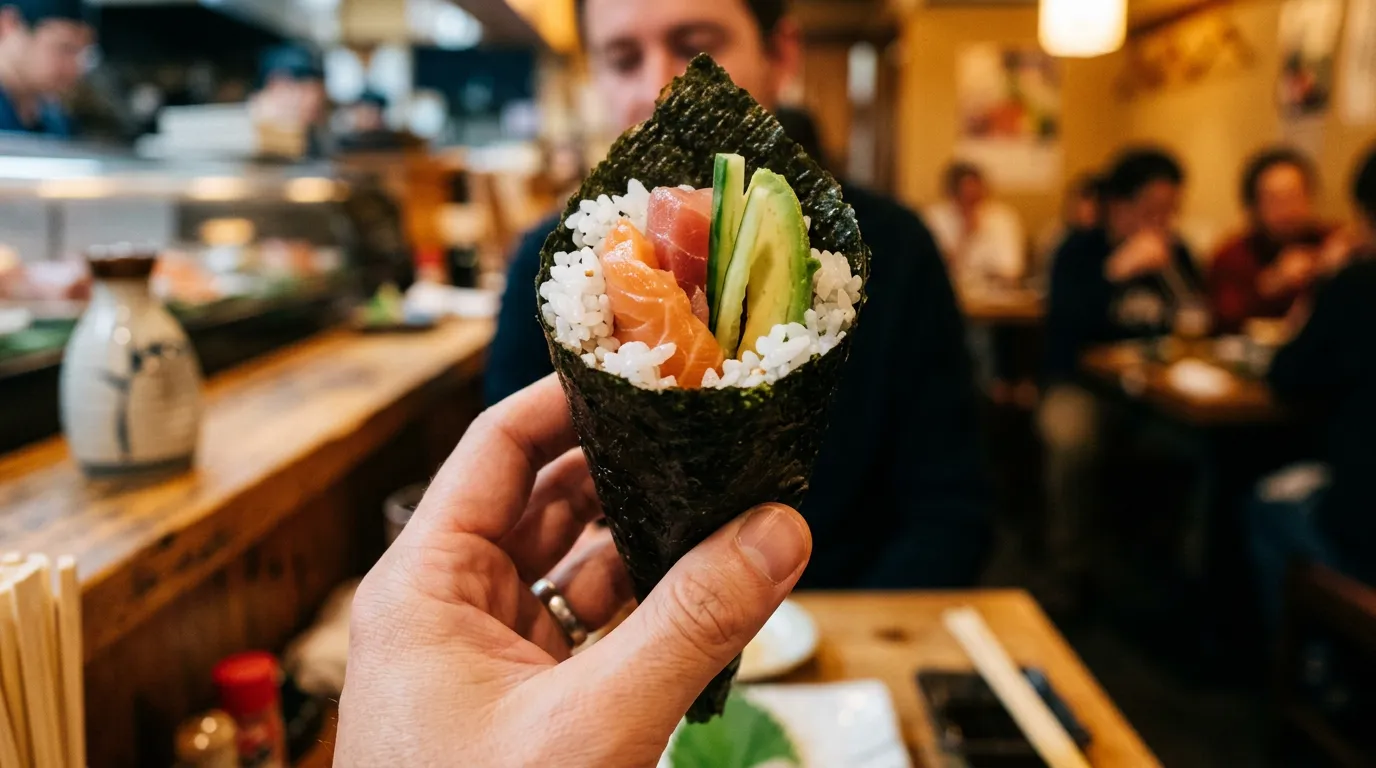
A cone of crisp nori hand-rolled around rice and filling, eaten straight away before the seaweed softens. Best picked up with the fingers. Casual, generous, and a little messy in the best way.
Gunkan
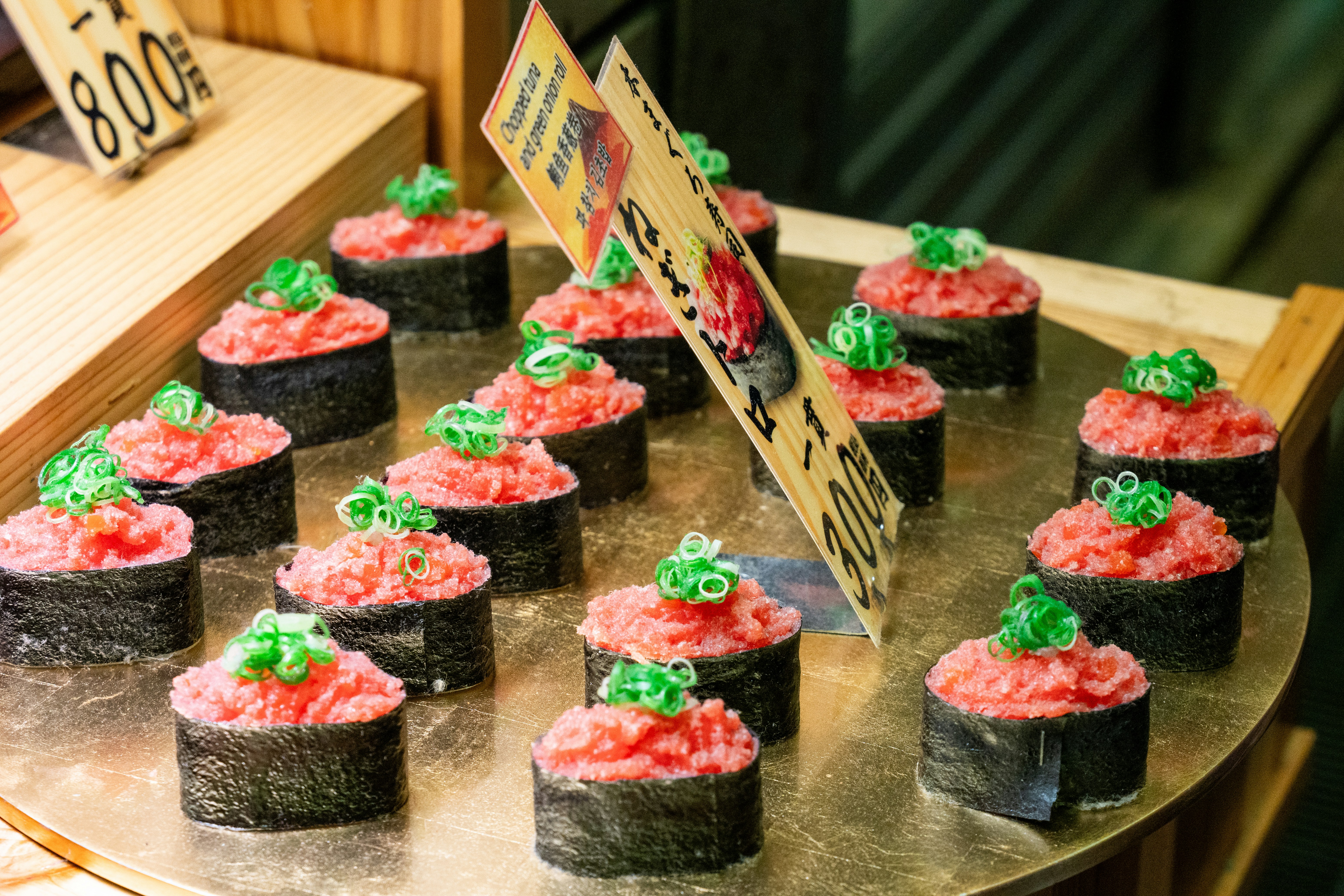
The "battleship": an oval of rice belted with a strip of nori to hold soft toppings such as salmon roe or sea urchin. Keep it level and eat it in one bite. A staple of counters and the better conveyor belts.
Chirashi
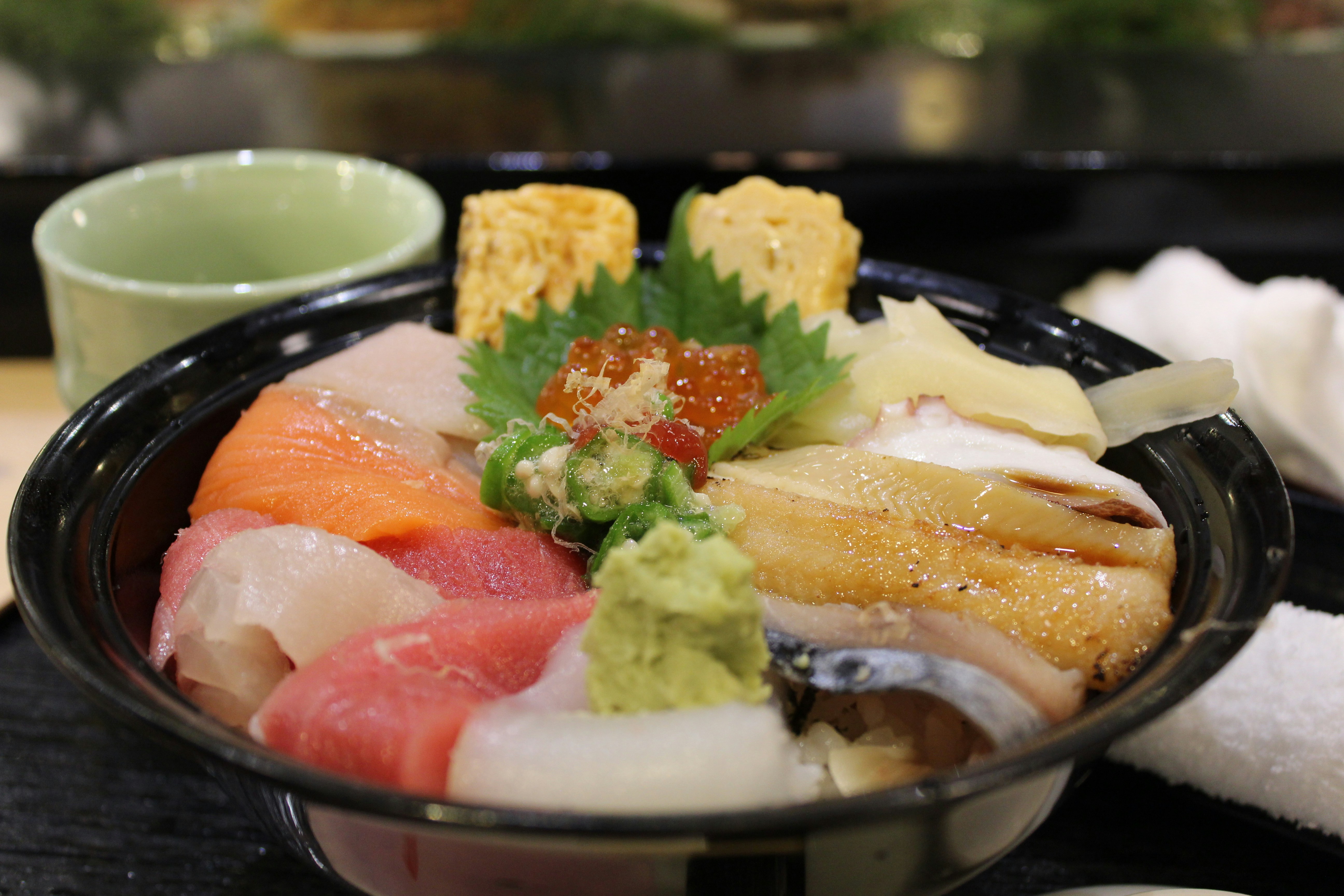
"Scattered sushi", a bowl of seasoned rice topped with an array of sliced fish and garnishes. Eaten with chopsticks like a rice bowl, it is a generous, good-value lunch, and a relaxed way to sample many fish at once.
Sashimi
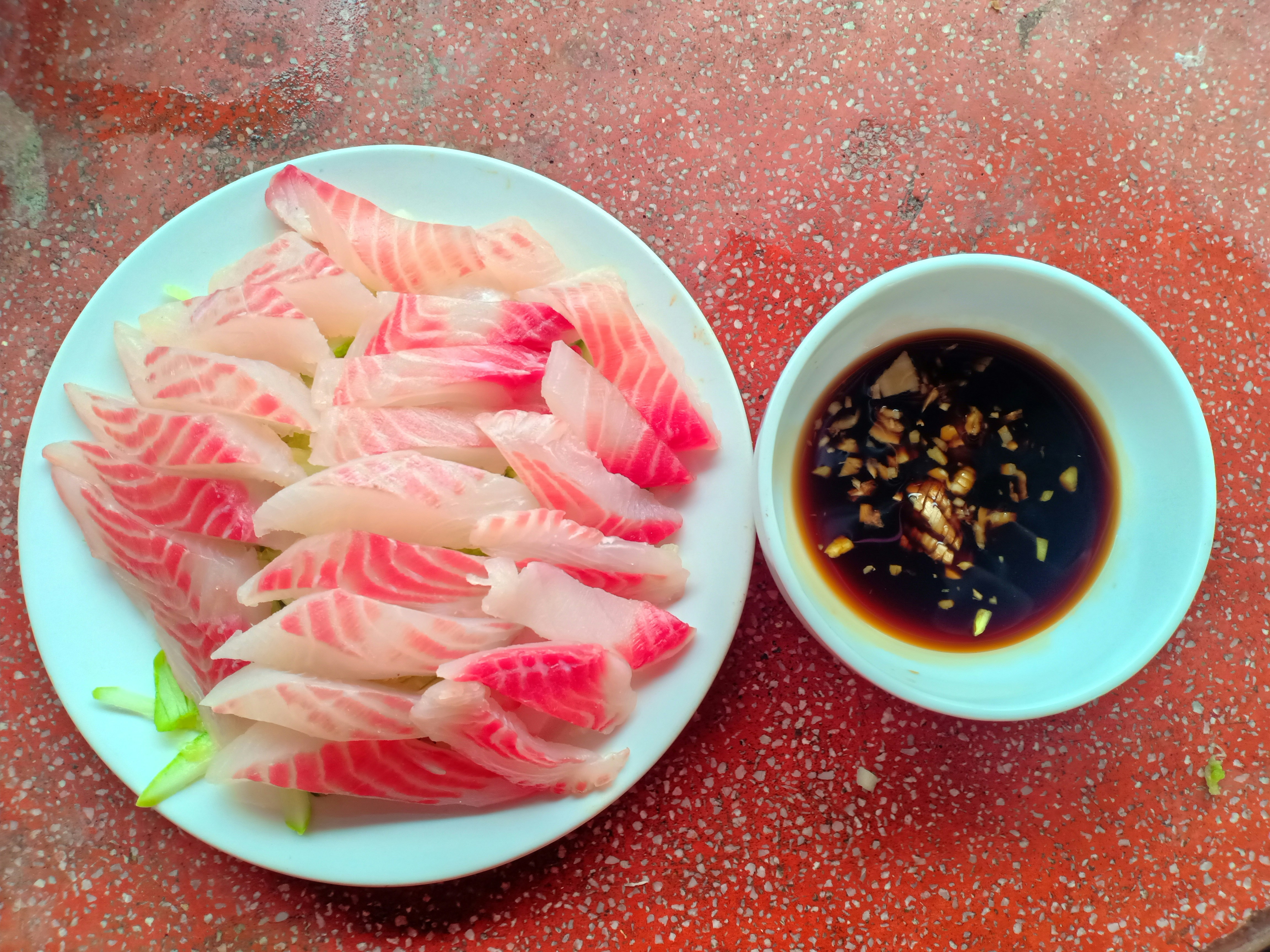
Sliced raw fish served without any rice, which, strictly, makes it not sushi at all. It shares every sushi menu and shows off the fish at its purest. Dip a corner lightly in soy, and taste before adding wasabi.
How to order sushi like you know it
Start with what you recognise
Salmon, tuna and shrimp nigiri are friendly first orders. Point at the belt or name the fish at a counter, no full sentences required.
Order nigiri two pieces at a time
At a counter, order in small rounds so nothing sits and warms. On a conveyor belt, take what looks freshest or order fresh from the tablet.
Handle the rolls the easy way
Maki and uramaki take chopsticks well. Eat a temaki hand roll immediately, while the nori is still crisp.
Treat sashimi as its own course
It has no rice to hold seasoning, so dip a corner lightly in soy and taste the fish before reaching for wasabi.
Finish with something rich
A piece of unagi (eel) or a gunkan of roe makes a natural closer. Then let the ginger reset your palate.
Tips and common mistakes
- Dip the fish, not the rice. Rice-first and it falls apart and over-salts, the clearest tell of a first-timer.
- Wasabi is often already there. Good nigiri has a smear tucked under the fish, so taste before you add more.
- Ginger is a palate cleanser, not a topping. Eat a slice between pieces, not on top of them.
- Eat nigiri in one bite. Halving it collapses the rice and loses the balance the chef built.
- Do not confuse sashimi with sushi. If it has no rice, it is sashimi, lovely, but a different thing.
FAQ
What is the difference between nigiri and sashimi?
Nigiri is a slice of fish on a small bed of vinegared rice, so it is sushi. Sashimi is the same quality of fish sliced and served with no rice at all, which makes it a separate dish despite sharing the menu.
Is a California roll real sushi?
Yes. A California roll is a type of uramaki, an inside-out maki with the rice on the outside. It was created for export tastes but is genuine sushi, built on the same vinegared rice.
What is gunkan sushi?
Gunkan, or "battleship" sushi, is an oval of rice wrapped in a collar of nori that holds soft toppings such as salmon roe or sea urchin. Eat it in one bite and keep it level so the topping stays put.
How many types of sushi are there?
The everyday menu comes down to a handful of forms, nigiri, maki, uramaki, temaki, gunkan and chirashi, plus sashimi alongside. Within those, the varieties are endless, since each different fish or topping counts as its own item.
Which type should a beginner try first?
Start with nigiri of salmon or tuna and a simple maki roll. They are widely available, easy to eat, and a clean introduction to the texture and balance of good sushi. A conveyor belt restaurant is a low-pressure place to experiment.
Where can I try all these types in Japan?
Tokyo covers every type at every budget. See the guide to the best sushi in Tokyo, and for the full chef's-choice experience, read how omakase works.