

Omakase means "I'll leave it to you": you sit at the counter and the chef decides, course by course, what you eat. It is the peak of the sushi experience and, for a first-timer, the most intimidating. It should not be. Here is what omakase actually involves, what it costs, how to behave, and how to book one in Japan without the anxiety.
What you need to know
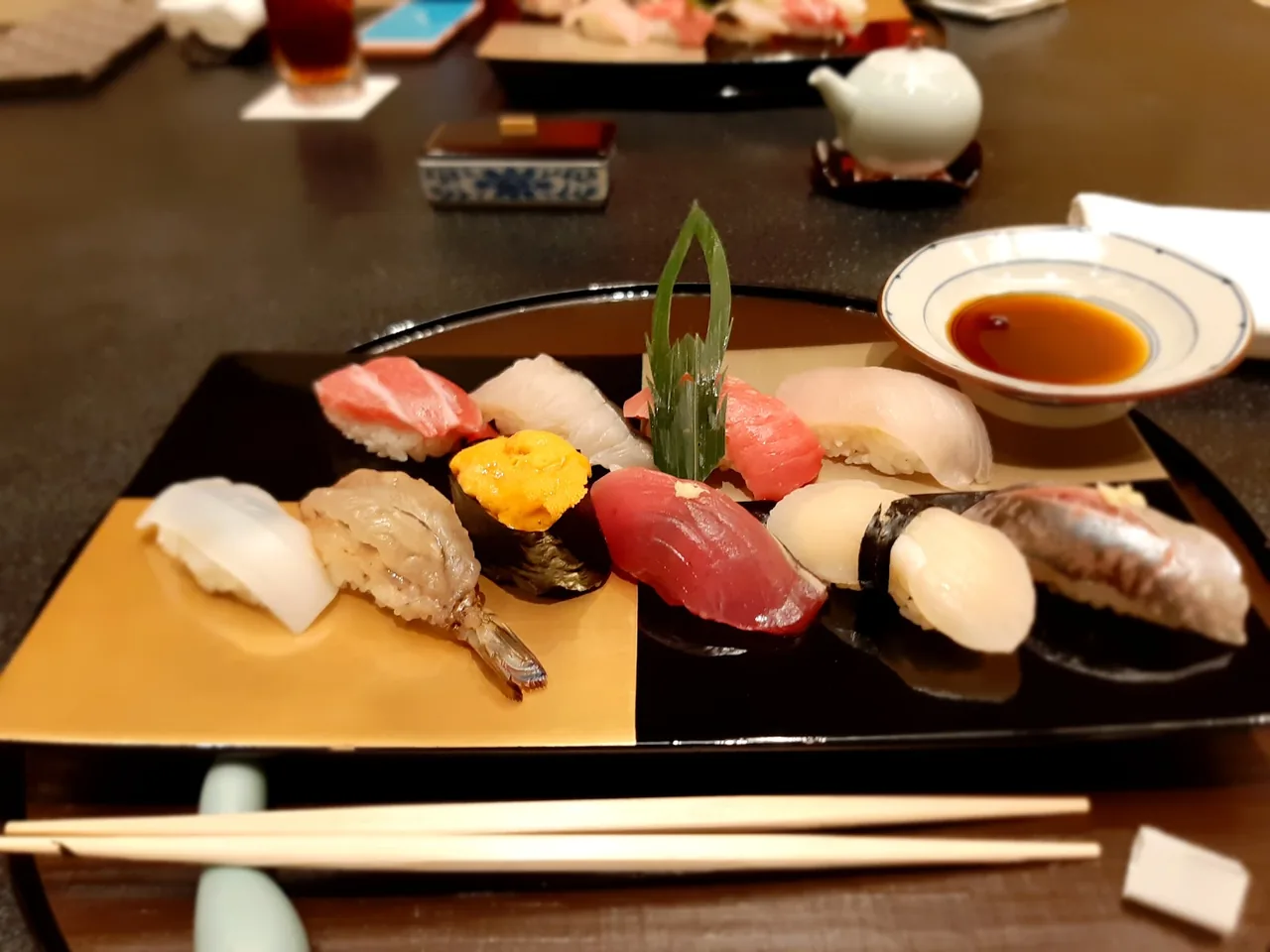
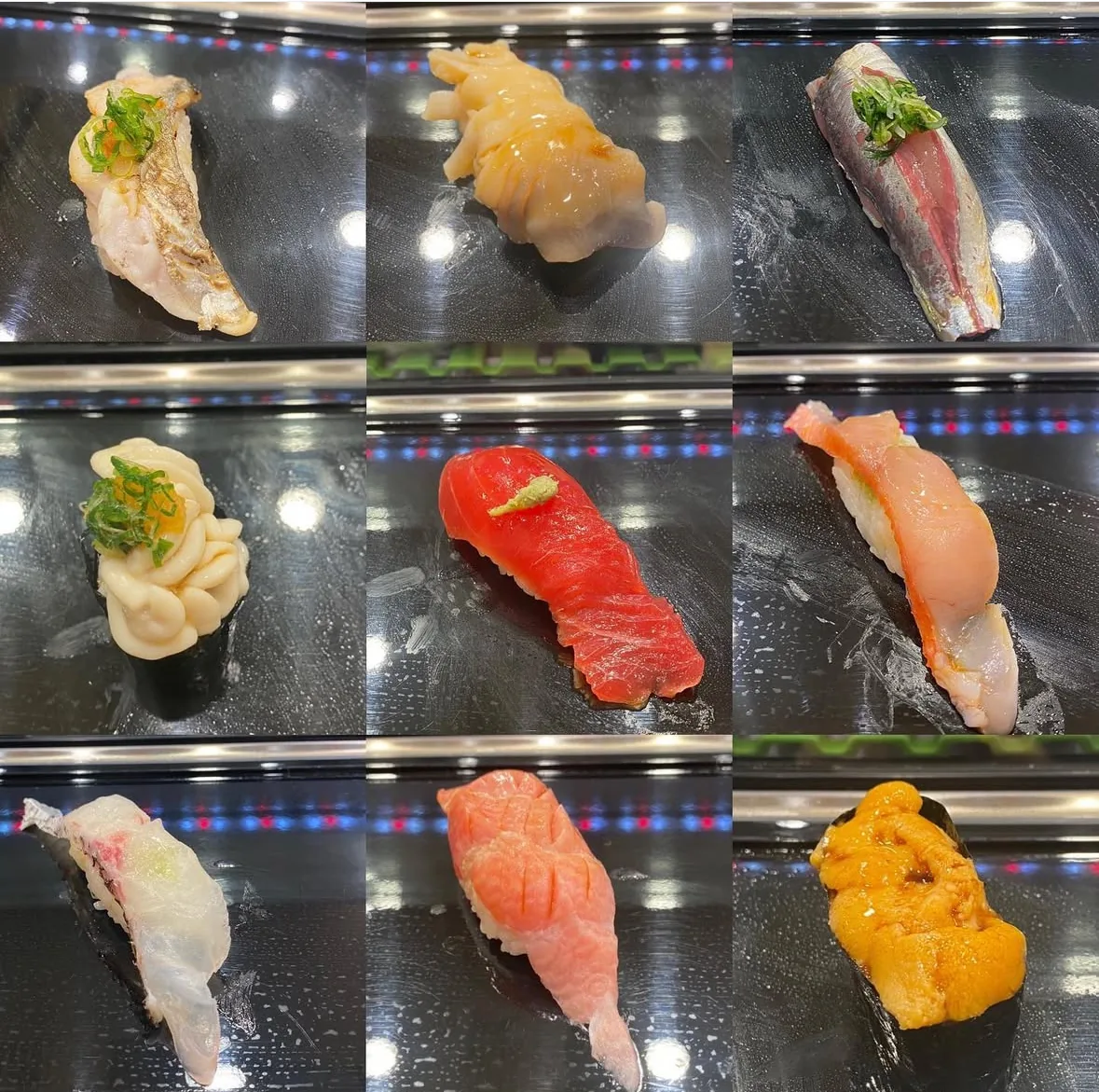
At an omakase counter there is no menu. The chef reads the day's fish and your pace, and hands you one piece at a time, at its peak. Your job is simple: eat it promptly, enjoy it, and trust the sequence. It is hospitality, not a test, and once you understand the rhythm, it becomes the most relaxing meal in Japan. For the wider context, start with the complete guide to sushi in Japan.
Lunch or dinner omakase
The easiest way in is lunch. Compare the two before you book.
| Option | Typical price | What to expect | Best for |
|---|---|---|---|
| Lunch omakase | ¥5,000–10,000 (~£27–54) | A shorter set, same kitchen, daytime calm | First-timers and tighter budgets |
| Dinner omakase | ¥15,000–30,000+ (~£80–160+) | A longer course, the full experience, harder to book | A planned splurge and special occasions |
How to do an omakase
Book the right way
Many counters do not take online bookings from abroad. A hotel concierge, a reservation app, or simply going at lunch will open doors that a website will not.
Arrive on time and travel light
Counters are small and run to a schedule. Be punctual, skip strong perfume, and keep bags off the counter.
Eat each piece straight away
Nigiri is built to be eaten the moment it is placed, in one bite. Waiting lets the rice cool and the balance slip.
Season with restraint
Most pieces are already brushed with soy or seasoned, so taste before reaching for more. Dip the fish, never the rice.
Follow the chef's pace, and do not tip
Let the sequence unfold rather than ordering ahead, and tell the chef what you loved. Tipping is not part of Japanese dining.
Tips and common mistakes
- Lunch is the affordable entry. The same craft, a shorter set, a fraction of the dinner price.
- Do not drench the fish. A light touch of soy, and only if it is not already seasoned.
- Eat, don't photograph. A quick photo is usually fine; a full shoot while the fish warms is not.
- Say what you like. The chef will happily steer the meal if you mention a favourite fish.
- Book ahead for dinner. The best counters fill weeks out; lunch is the flexible option.
Accessible omakase to start with
There is no need for a famous three-star counter to try omakase. These four are a gentle, genuine first taste, and far easier to book.
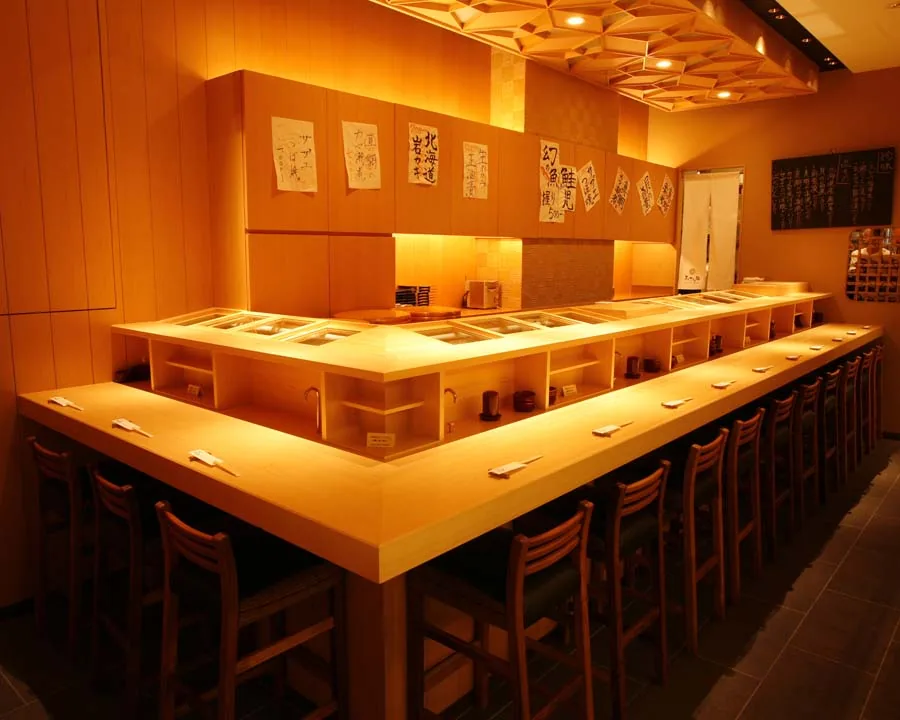
Manten Sushi: a polished, made-to-order counter in Marunouchi, without the reservation marathon.
 まんてん鮨 丸の内
Sushi (omakase)
Manten Sushi Marunouchi
Kyūbey: a Ginza classic since the 1930s that welcomes visitors, with an approachable lunch set.
 Max Wright
Sushi (omakase)
Ginza Kyūbey Ginza Honten
Sushi Dai: a chef-chosen set at dawn inside the Toyosu fish market. Expect a queue, but a memorable one.
 yumi mika
Sushi (omakase)
Sushi Dai
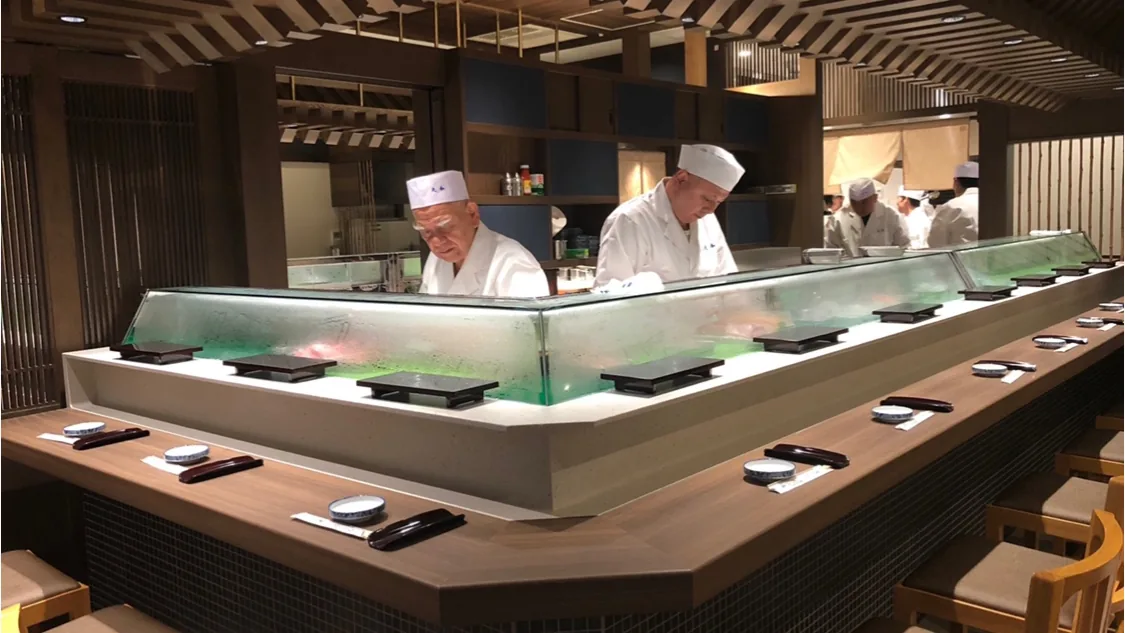
Daiwa Sushi: the market's other legendary early-morning counter, straight from the auction.
 大和寿司 東京 豊洲市場
Sushi (omakase)
Daiwa Sushi
When you are ready to compare more counters, see the guide to the best sushi in Tokyo.
FAQ
What does omakase mean?
It translates as "I'll leave it to you." The diner entrusts the meal to the chef, who serves a sequence of their best pieces rather than working from a menu.
How much does omakase cost in Japan?
Lunch omakase typically runs ¥5,000–10,000, while dinner ranges from ¥15,000 to ¥30,000 or more. Price reflects the length of the course and the level of the counter.
What is the etiquette at an omakase counter?
Eat each piece straight away and in one bite, dip the fish rather than the rice, use the ginger to cleanse your palate, skip strong perfume, and do not tip. Above all, follow the chef's pace.
Do I need to speak Japanese?
It helps but is not essential, especially at visitor-friendly counters and at lunch. A hotel concierge can book on your behalf and note any allergies in advance.
Is omakase only sushi?
Most famously, yes, but the format also appears in tempura, kaiseki and other cuisines. In every case it means the same thing: the chef chooses, and you enjoy the ride.