






Few things say "sushi in Japan" like a plate of tuna gliding toward you on a belt. Kaitenzushi, conveyor belt sushi, turned a formal craft into a cheap, fast, low-pressure meal, and it is one of the best ways for a newcomer to eat well without a word of Japanese. Here is how it actually works, what it costs, and where to try it in Tokyo.
What kaitenzushi actually is
The idea is simple and quietly radical: plates of sushi circle the room on a belt, priced by the plate, and you take what you fancy. No menu to decode, no counter etiquette to master, no bill anxiety until the plates are counted. A meal that once required knowledge now only requires an appetite.
"The genius of the belt is that it stripped away the intimidation and kept the fish. Anyone can sit down and eat brilliantly for the price of a coffee."
How it works, plate by plate
You are seated with green tea, a tap for hot water, soy sauce and a pot of pickled ginger. From there you have two moves: take a plate as it passes, or order fresh from a touch-screen tablet, which is usually available in English. Freshly made orders often arrive on a separate express lane, at some chains a small bullet-train car, so they reach you at their best rather than after three laps of the room.
Pricing is colour-coded. Each plate colour maps to a price, from around ¥120 to ¥500, and a chart at the table or on the wall explains the key. When you are done, staff count your plates by colour and hand you a bill. That is the whole system.
Where to try it in Tokyo
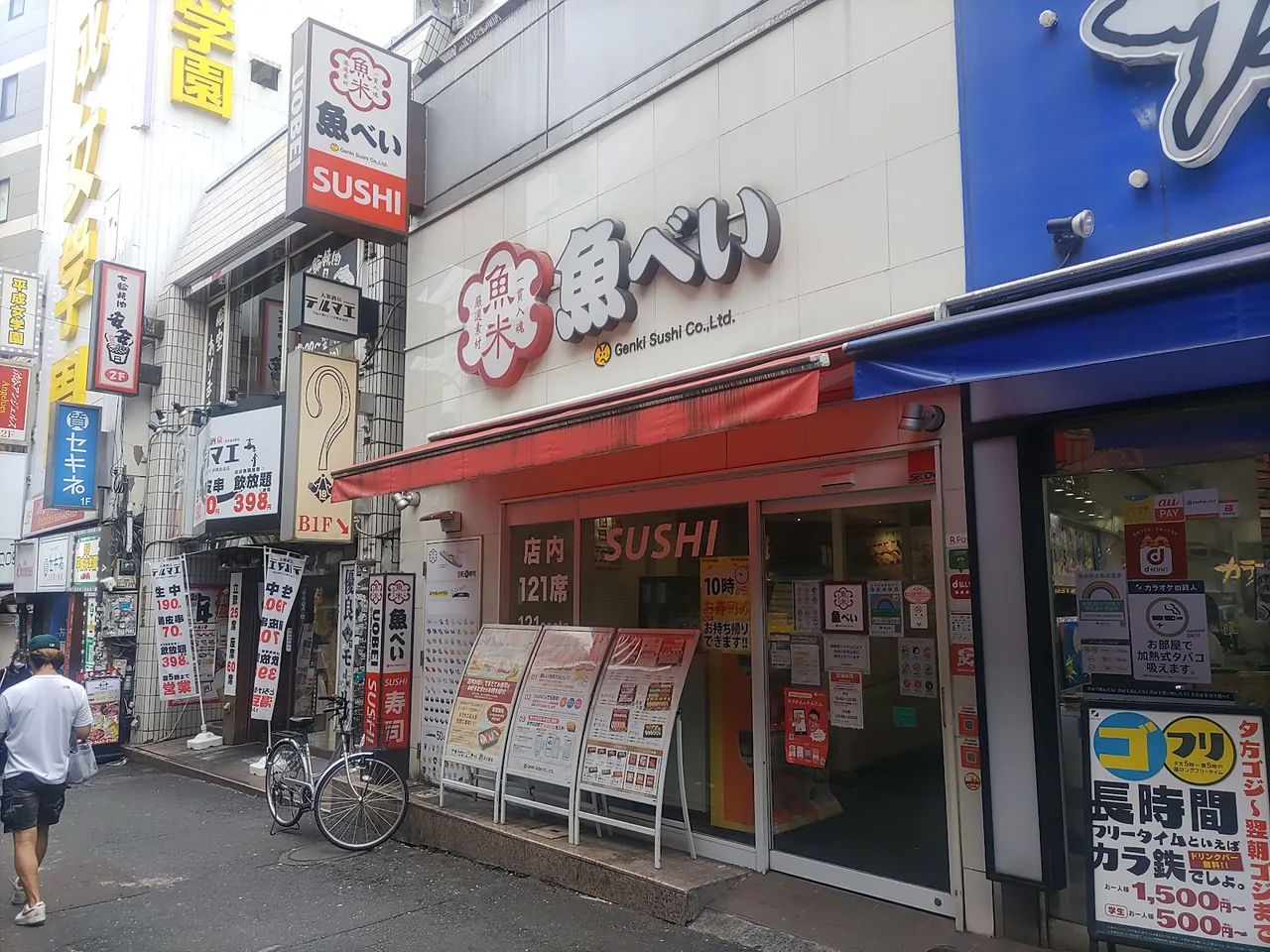
Uobei Shibuya: all touch-screen ordering and express-lane delivery, with no belt at all. A modern take that first-timers love.
 Hiroyuki Kikuchi
Sushi
Uobei Shibuya Dogenzaka Store
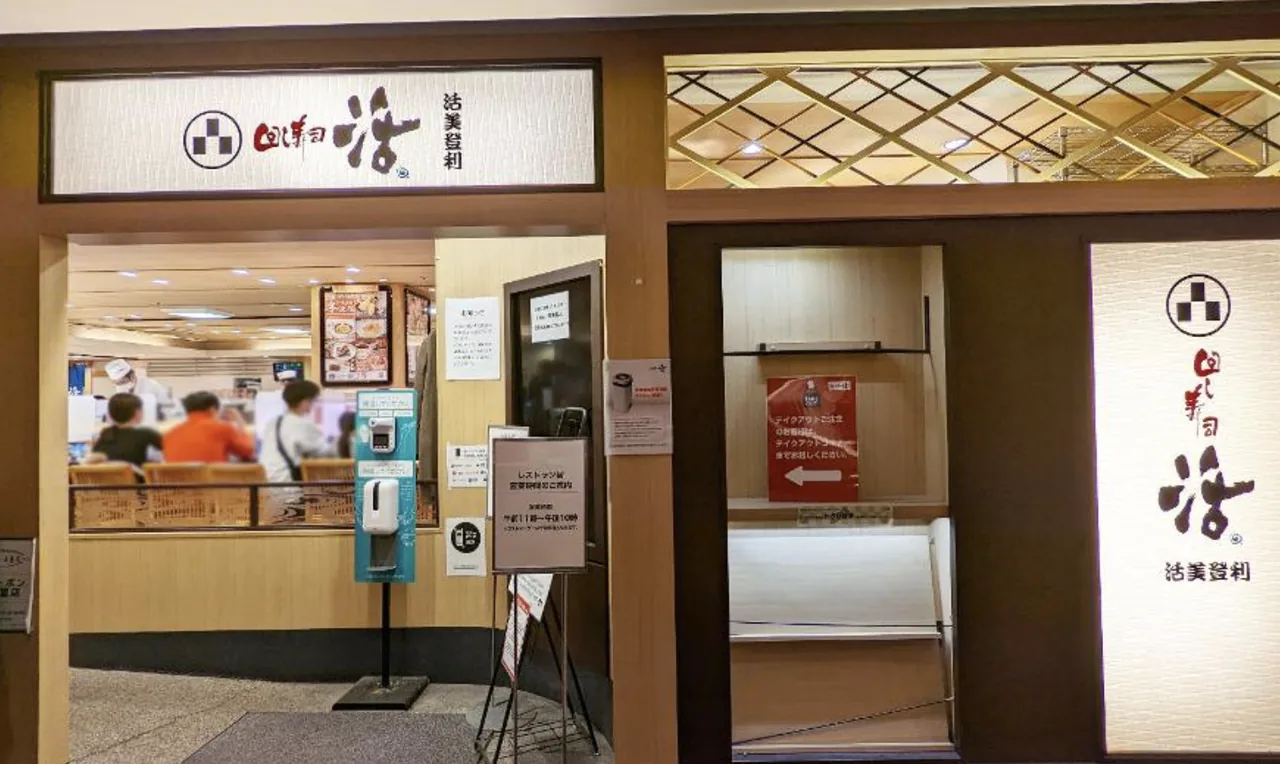
Katsu Midori: a short walk away, drawing a queue for quality that punches well above its plate prices.
 回し寿司活 西武渋谷店
Sushi
Mawashi Sushi Katsu Seibu Shibuya
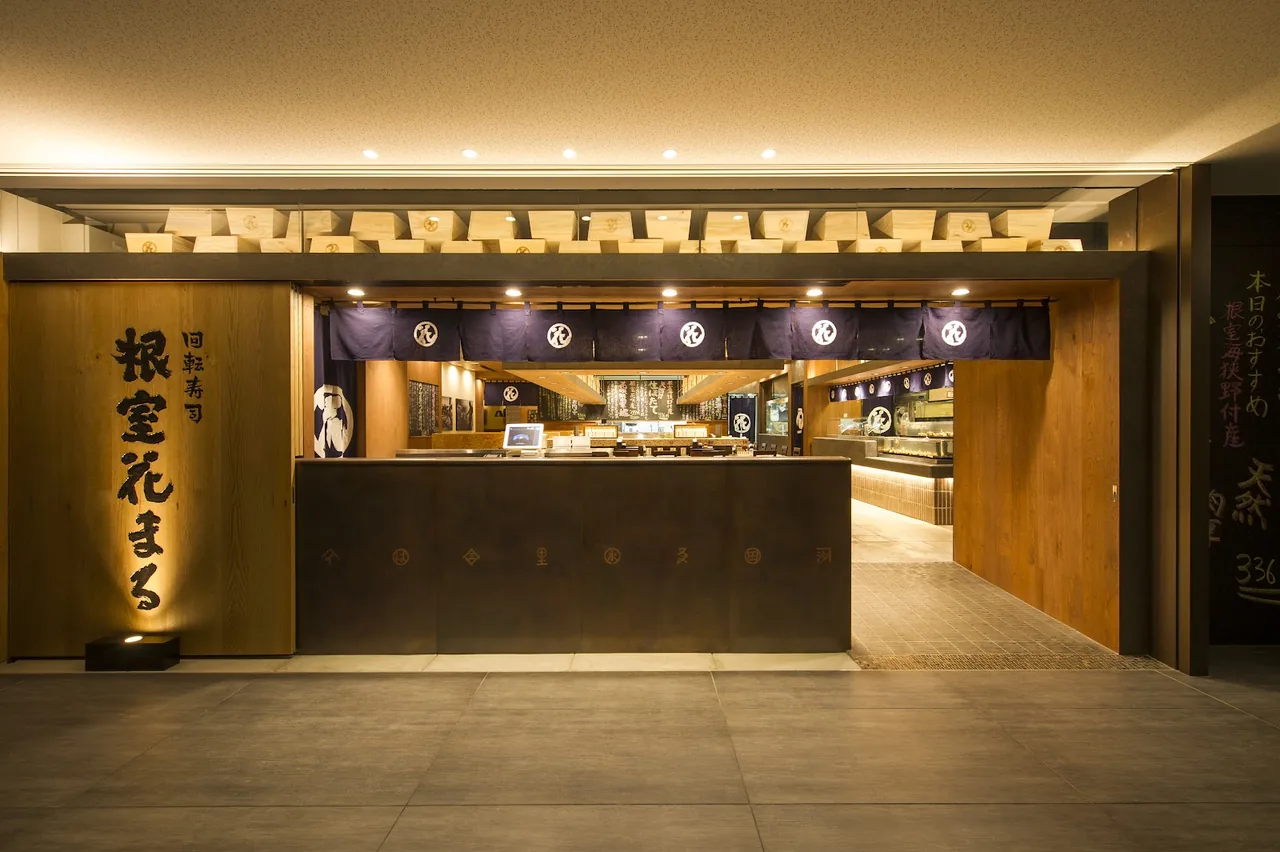
Nemuro Hanamaru: a few minutes from Tokyo Station, bringing Hokkaido fish to a busy, welcoming counter that is easy to reach between trains.
 回転寿司 根室花まる KITTE丸の内店
Sushi
The big chains you will see everywhere
Three names dominate conveyor belt sushi across Japan, and you will spot them in almost every city and station.
Sushiro: the national favourite, prized for quality that belies its rock-bottom prices.
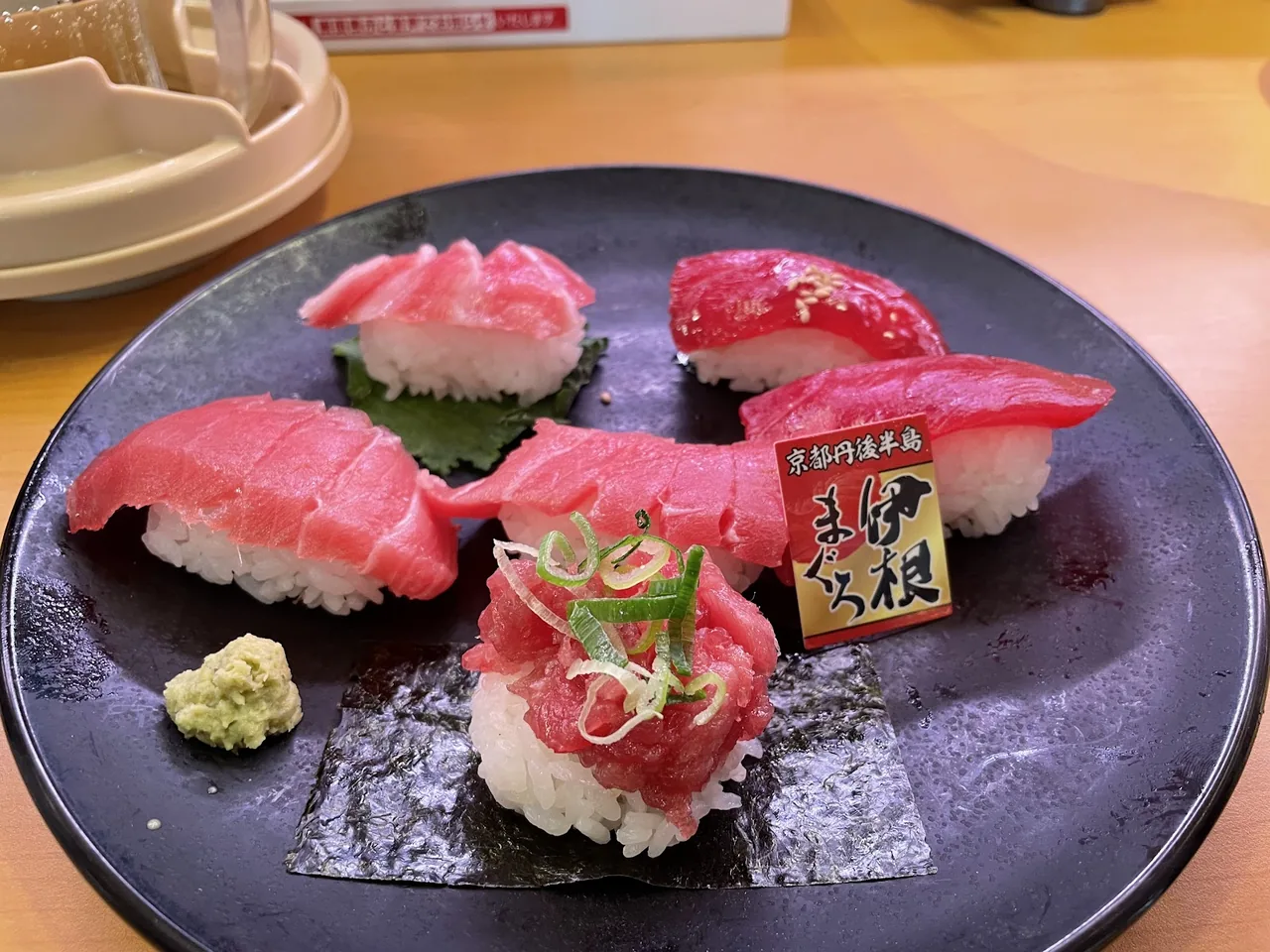 森下寿
森下寿Sushi
Sushiro Shibuya Station Square
Kura Sushi: turns the meal into a game, dropping a capsule-toy prize for every few plates you post back through the slot. A hit with families.
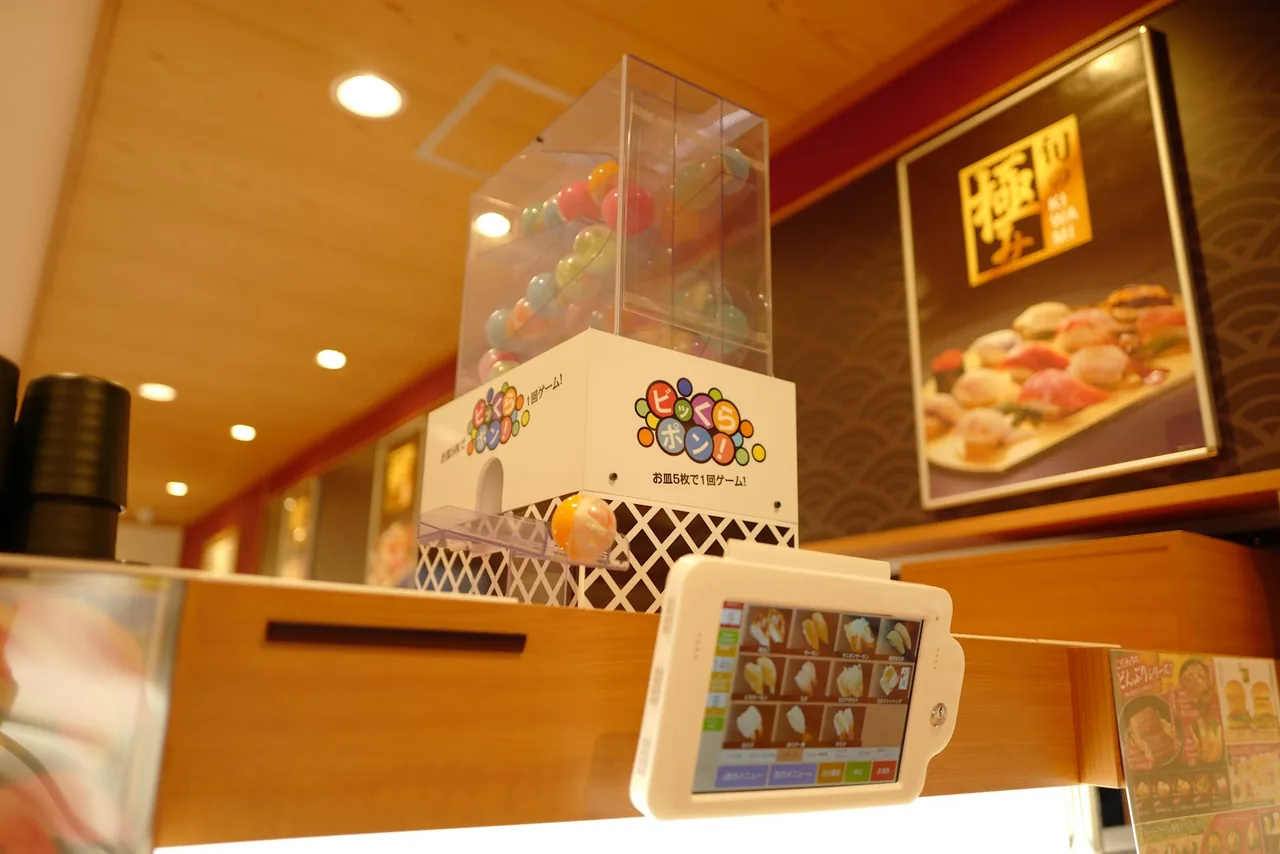 くら寿司グローバル旗艦店 浅草ROX
Sushi
Kura Sushi Global Flagship Store Asakusa
Hama Sushi: the bargain champion, routinely among the cheapest plates in the country. All three are reliable, welcoming and a fine first stop.
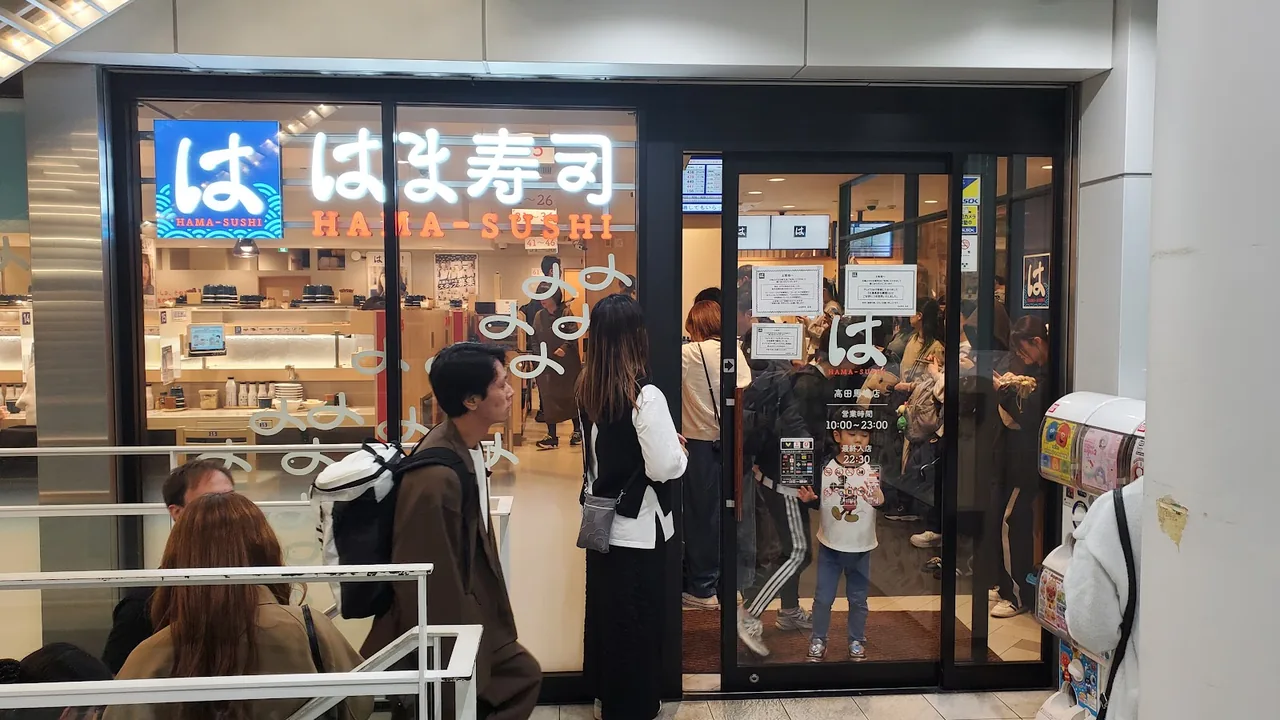 Christopher Attanasio
Sushi
Hama Sushi Takadanobaba
"A queue of locals at a conveyor belt is the surest sign in Tokyo that the fish is moving fast, and freshness, not fame, is what you are really paying for."
Practical tips
- Take from the belt, never return a plate. Once a plate has left the belt it stays with you, putting it back is a real faux pas.
- Order popular fish fresh. For tuna or salmon, tap the tablet rather than trusting a plate that has circled for a while.
- Dip the fish, not the rice. A light touch of soy on the topping is all it needs.
- Keep your plates stacked. The bill is counted by plate colour, so a tidy stack makes checkout quick.
- Go at off-peak hours. The best belts queue hard at 12:30 and 7pm; arrive either side and you walk straight in.
Why the belt still matters
It would be easy to dismiss kaitenzushi as fast food, and some of it is. But at its best the conveyor belt does something no high-end counter can: it makes excellent sushi ordinary, affordable and unintimidating, for schoolchildren and salarymen and first-time visitors alike. That democratic streak is part of what makes eating in Japan such a pleasure.
"Start on the belt and work up. It is the friendliest classroom in Japanese food, and often the most fun meal of a trip."
Ready to go deeper? Learn the types of sushi before you sit down, or step up to a counter with the guide to the best sushi in Tokyo. For the full picture, start with the complete guide to sushi in Japan.
FAQ
How much does conveyor belt sushi cost?
Plates run from roughly ¥120 to ¥500 each, colour-coded by price. A satisfying meal usually lands between ¥1,000 and ¥2,500 per person, less than a casual lunch in most Western cities.
Do I need to speak Japanese?
No. Most conveyor belt restaurants have touch-screen tablets with an English setting, and you can simply take plates from the belt. It is one of the easiest meals to manage without the language.
Is conveyor belt sushi good quality?
It varies by chain, but the best are very good indeed. A busy restaurant with high turnover serves fish that has not sat around, which matters far more than the belt itself.
How do I pay?
Staff count your plates by colour at the end and give you a bill, which you usually settle at a till by the door. Some modern spots tally orders automatically on your tablet.