

Tokyo has more Michelin stars than Paris, more ramen shops than convenience stores, and a quiet rule that the office workers know where to eat. They queue at 12:15 for shops the guidebooks miss, slip into Omoide Yokocho at 19:00 for yakitori and shochu, and arrive at the Isetan Shinjuku depachika at 19:30 because that’s when the ¥10,000 bento boxes get marked down. Most visitors stay in the same four wards for four nights and eat the same six things. This is a guide for everyone who wants the other nineteen wards and the other six hundred things.
The structure is by cuisine; that’s how a serious Tokyo eater plans a trip. But there’s a neighbourhood section at the end for visitors who want to base themselves where the food is, and a chains section because the chain restaurants are part of how Tokyo actually eats. Most prices below run ¥800–¥3,000 per person; the high-end picks are flagged separately. Cash is the default; cards are noted where accepted. Pre-noon and post-14:00 skips every queue.
1. Ramen
Ramen is the dish Tokyo does best and most often. The signature Tokyo style is shoyu (clear soy broth on a chicken-pork-katsuobushi base), but the city now runs every regional variant, plus its own modern ones (chicken paitan, aged miso, refined duck-shoyu). The shops sit in side streets behind every train station; the queues form at 12:00 and 19:00 and clear by 14:00 and 21:00. We have a separate detailed guide for the best ramen in Asakusa specifically; read that for the five-shop deep dive. Below are two cross-Tokyo picks beyond Asakusa.
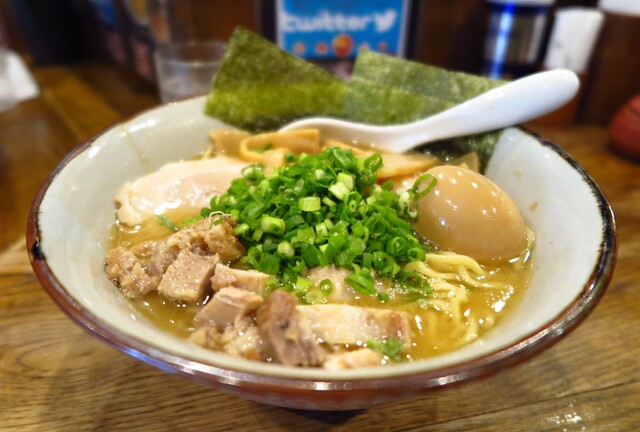
Fuunji (風雲児)
Tiny 15-seat shop in Yoyogi. Queue from 11:30 every day. Cash only, ticket machine, no reservations. The bowl that started the modern tsukemen boom. Daily 11:00–15:00 and 17:00–21:00. Tabelog 100 award winner since 2017.
2-14-3 Yoyogi (Hokuto Daiichi Bldg B1F), Shibuya-ku. 5 min from Shinjuku Stn south exitView on Google Maps →Fuunji on Tabelog → 5,569 reviews
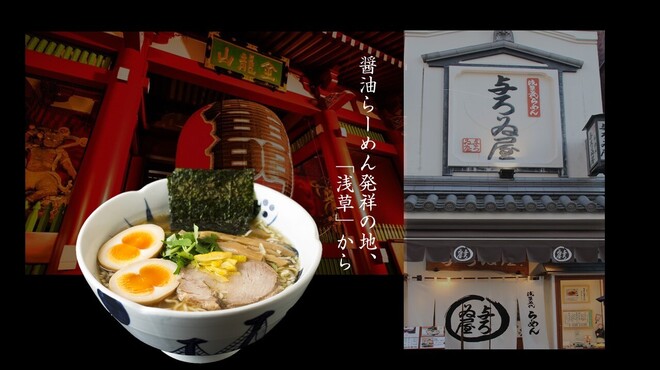
Asakusa Ramen Yoroiya (与ろゐ屋)
Open since 1992. Daily 11:00–21:00 plus morning service 8:30–10:00. Cash only. One minute from Senso-ji, and the textbook Tokyo bowl.
1-36-7 Asakusa, Taito-kuView on Google Maps →For the wider ramen scene, see our full Best Ramen in Asakusa guide. Honourable mentions across the city: Yukikage (chicken paitan, one minute from Kaminarimon), Fuji Ramen (tonkotsu with house-made noodles, also in Asakusa — the author’s pick), Afuri (yuzu shio, multiple locations including Harajuku and Roppongi), and Ichiran (the famous solo-booth tonkotsu chain — Shibuya is the easiest branch for first-time visitors).
2. Sushi
Sushi in Tokyo splits three ways: conveyor (kaiten-zushi, ¥120–¥500 per plate, fast and accessible), standing-bar (tachi-gui, ¥90–¥300 per piece, no reservation, working-lunch energy), and omakase (chef’s tasting, ¥10,000 and up). All three are worth doing. Start at a conveyor for lunch, do a standing-bar in Tsukiji at 11:00, and book one omakase for a quiet evening — that’s the textbook three-bowl day.
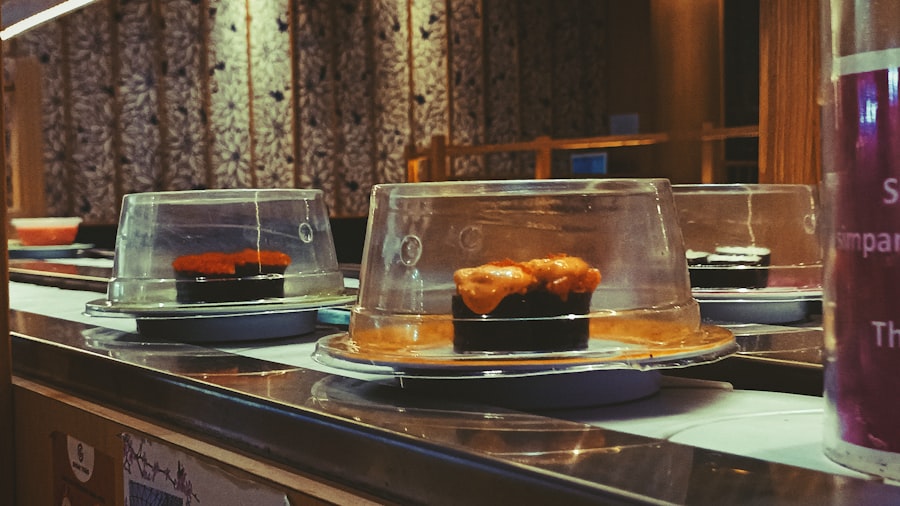
Sushichou (寿司長)
One of the genuinely cheap-but-good sushi options in the city — near Tsukiji Stn, working-lunch crowd, English menu, cash only. Best for a fast 30-minute meal.
Tsukiji area, Chuo-kuView on Google Maps →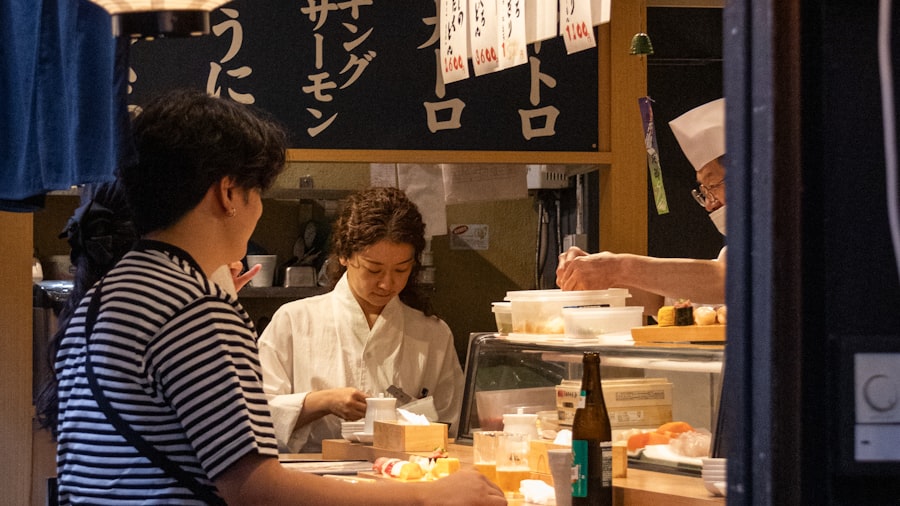
Sushi Itsumi (すし いつ見)
Sub-restaurant of a famed Ginza sushi house, run by a former apprentice. One-minute walk from Akasaka-mitsuke Station. Reservations strongly recommended.
Akasaka, Minato-kuView on Google Maps →For affordable conveyor sushi the chain to go to is Kura Sushi — covered in the chains section. For the famous high-end count: Sushi Saito (3-star, near-impossible to book), Sushiya no Nakano (Sukiyabashi-style training, more accessible), and Sushi Sho (Tokyo Midtown). For market-side morning sushi, walk Tsukiji Outer Market from 06:00 — Sushizanmai Honten, Iwasa Sushi, and the standing bars by the gates all open early.
3. Yakitori
Yakitori — chicken on skewers over binchotan charcoal — is the most Tokyo cuisine of all the Tokyo cuisines. It’s how friends eat after work, how strangers meet over the counter, how the country’s salarymen get through Tuesday. The seats are tight, the smoke is part of the menu, and the order is whatever the master grills next. Three tiers below: a Michelin-starred quiet evening (Birdland), a Michelin-Bronze institution (Toriki), and the classic Omoide Yokocho alley experience (Motsuyaki Ucchan, technically motsuyaki but the same template).
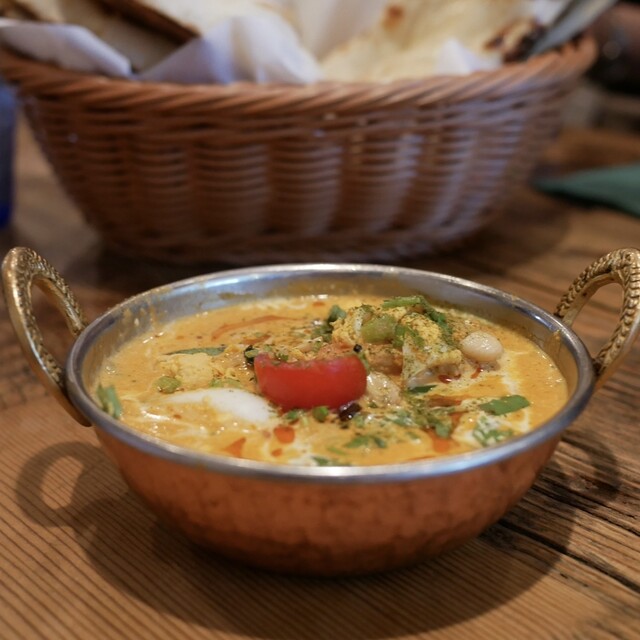
Birdland (バードランド)
One Michelin star. The chicken has bounce; the omakase changes nightly. Reservations essential, weeks ahead. Bring cards.
Tsukamoto Sozan Building B1F, 4-2-15 Ginza, Chuo-kuView on Google Maps →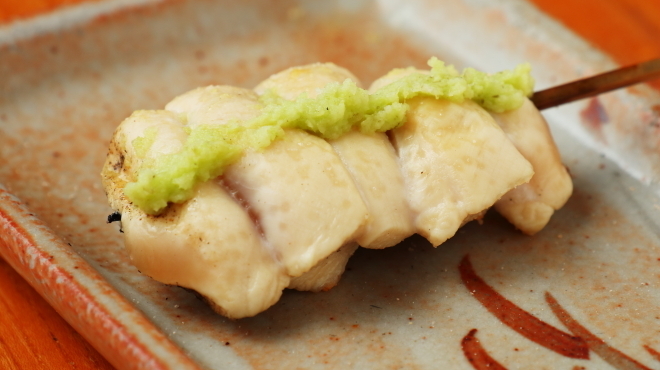
Toriki (鳥吉)
Both Tabelog Bronze and Michelin-starred. Short walk from Kinshicho Stn. Reservations needed.
Kosaka Bldg 1F, 1-8-13 Kinshi, Sumida-kuView on Google Maps →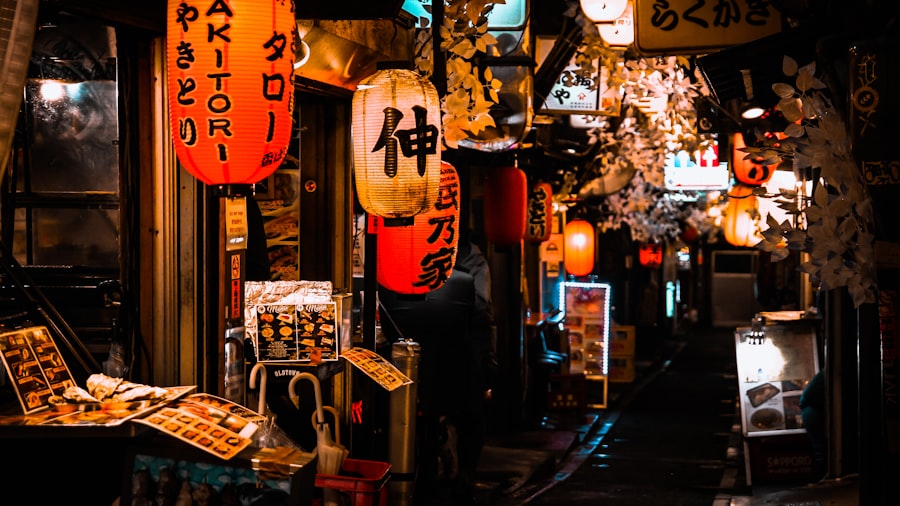
Motsuyaki Ucchan (もつ焼うっちゃん)
Famous Omoide Yokocho red-lantern bar. Counter only, smoke-filled, cash only, no English menu — point and eat. One minute from Shinjuku West Exit.
Omoide Yokocho, Nishi-Shinjuku, Shinjuku-kuView on Google Maps →For a personalised course, Yakitori Imai in Gaiemmae adapts the omakase to who’s sitting at the counter — mood, drink, weather. Worth the booking effort.
4. Tempura
Tempura is what happens when Portuguese friars brought batter-frying to 16th-century Nagasaki and the Japanese spent four hundred years perfecting it. Tokyo runs both ends — the Asakusa shitamachi style (heavy sesame oil, brown batter, ten-don rice bowls) and the Ginza fine-dining style (ultra-light, seasonal vegetables, multi-course omakase).
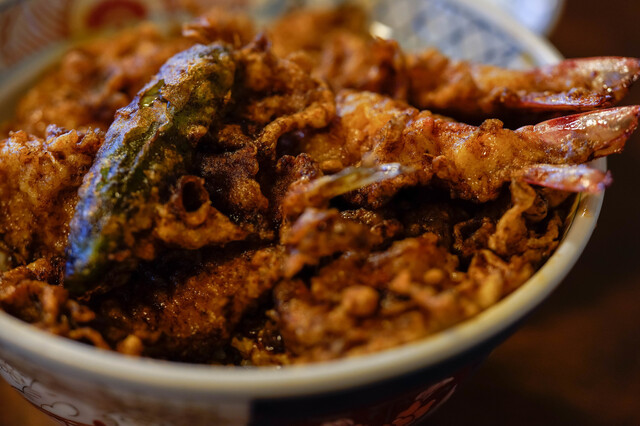
Daikokuya Tempura Honten (大黒屋天ぷら 本店)
Asakusa institution since 1887. Tatami seating, family-friendly, cash only. Daily 11:00–20:00. Always a queue at lunch — arrive before 11:30 or after 14:00.
1-38-10 Asakusa, Taito-kuView on Google Maps →Daikokuya on Tabelog → 3.49★ / 1,570 reviews
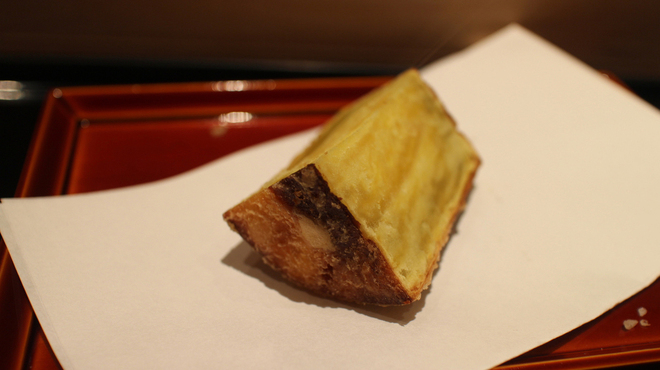
Tempura Kondo (天ぷら近藤)
Two Michelin stars since 1991. Chef Kondo’s 50+ years of vegetable-tempura mastery. Counter seating only, two-hour seating system, four nightly slots. Reservation only, weeks ahead. Lunch is the accessible entry; dinner courses ¥21,000+. Closed Sundays.
Sakaguchi Bldg 9F, 5-5-13 Ginza, Chuo-ku. 3 min from Ginza Stn Exit B5View on Google Maps →Honourable mention: Daikokuya Tempura Bekkan (the annexe, two blocks from the honten, same recipe, less queue) and Tempura Fukamachi (Ginza, Michelin-starred, sub-Kondo price).
5. Tonkatsu
Tonkatsu — breaded deep-fried pork cutlet, served with shredded cabbage and rice — is the working lunch of Tokyo. Two styles: roosu (loin, leaner) and hire (fillet, even leaner). The crust should be pale gold, never brown. The cabbage is bottomless. The mustard is sharp.
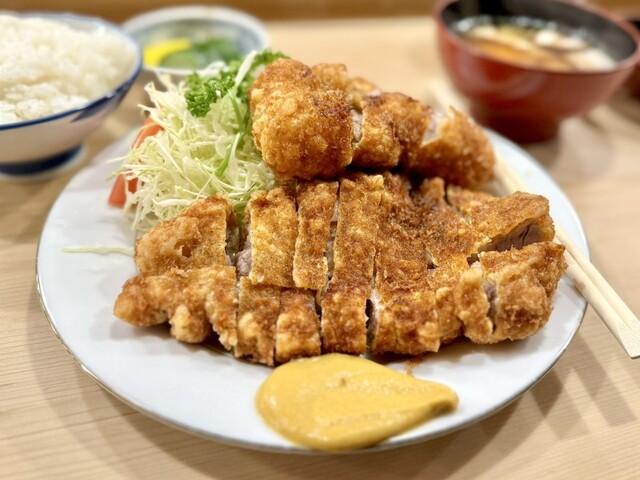
Tonki (とんき)
No reservations — instead, an old man at the door who remembers who came in first. Open kitchen, counter view. Mon & Wed–Sun 16:00–21:00. Closed Tuesdays + 3rd Monday. Tabelog 3.55 / 2,206 reviews.
1-1-2 Shimo-Meguro, Meguro-ku. 2 min from JR Meguro Stn West ExitView on Google Maps →Tonki on Tabelog → 3.55★ / 2,206 reviews
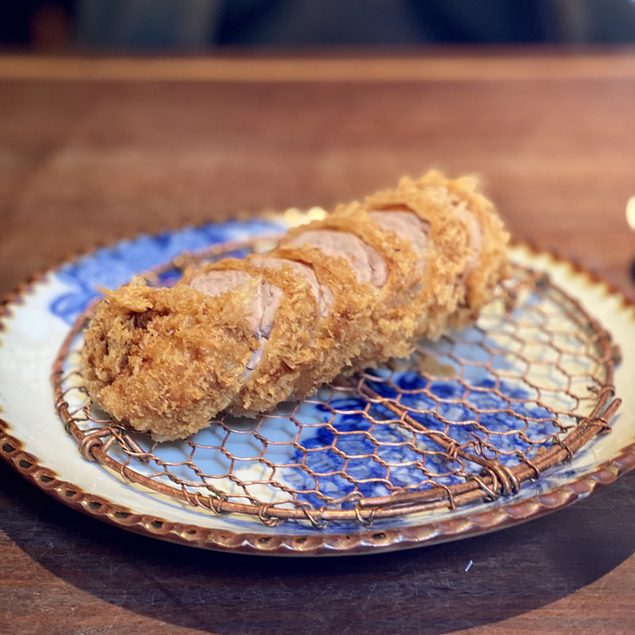
Butagumi (豚組)
Hidden in a traditional wooden house with a moon-shaped window. Tabelog 100 award. Reservations recommended. Casual Butagumi Shokudo branch in Roppongi Hills for walk-ins.
2-24-9 Nishi-Azabu, Minato-ku, near Nogizaka StnView on Google Maps →Honourable mention: Tonkatsu Maisen Aoyama — tonkatsu in a converted 1920s public bathhouse, the dish that started a thousand imitators. Three-minute walk from Omotesando Station, takeaway katsu-sando is famous.
6. Soba & Udon
Soba (buckwheat noodles, served cold with dipping sauce in summer, hot in broth in winter) and udon (thick wheat noodles, mostly hot) are the everyday noodles of Tokyo. Soba especially carries the city’s history — the old shitamachi shops have been doing the same recipe for 150 years.
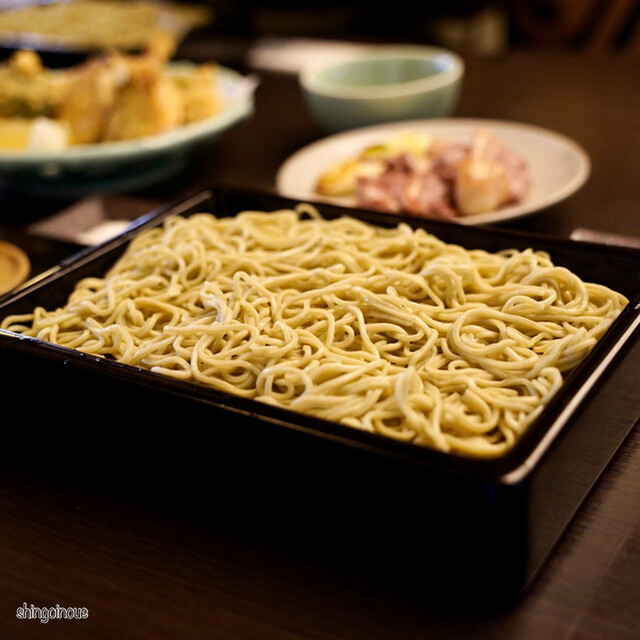
Kanda Yabusoba (神田藪蕎麦)
Founded 1880, rebuilt after the 2013 fire. Near Awajicho Stn. Mon-Tue and Thu-Sun 11:30–20:30; closed Wednesday.
2-10 Kanda Awajicho, Chiyoda-kuView on Google Maps →Kanda Yabusoba on Tabelog → 3.51★ / 2,678 reviews
Two more old-school soba shops within ten minutes of Kanda Yabusoba: Kanda Matsuya Honten (since 1884, classical Edo soba in a 1925 Kanto-earthquake-rebuild building) and Namiki Yabusoba (the Asakusa branch, by the temple). For udon, head to Tsurutontan Roppongi (giant bowls open until 03:00, late-night fix) or Shin Udon (Shinjuku, made-to-order sanuki udon).
7. Izakaya, Depachika, and the Other Tokyo
The izakaya isn’t one cuisine — it’s a setting. Small plates, cold beer, the sound of a hundred conversations and a charcoal grill, paper lanterns over a wooden counter. Yakitori shops above are technically izakaya. So is most of Omoide Yokocho. But two other Tokyo eating-formats deserve their own paragraphs:
Depachika — the basement food halls
Every major department store in Tokyo has a basement floor — the depachika — that is, in its own quiet way, the best food show in the city. Fifty stalls, twenty cuisines, ¥500 to ¥10,000 per item, all under one roof. The two flagships: Isetan Shinjuku (probably the best in Japan, two basement levels, take an hour) and Mitsukoshi Nihonbashi (more traditional, kaiseki bento, wagashi sweets). The trick: arrive 30 minutes before close, typically 19:30. Premium bento boxes that haven’t sold get marked down 30–50%. ¥3,000 of restaurant-quality dinner for ¥1,500 every weeknight.
Tsukiji Outer Market — morning eats
The wholesale fish market moved to Toyosu in 2018, but the outer market (Tsukiji Jogai) never moved — and that’s where the actual eating happens. Unagi rice bowls, tamagoyaki at every gate, fresh sushi from 06:00, sea-urchin on toast, knife shops, dried-fish stalls. Open from before dawn until ~14:00. Best entered at 07:00; busiest by 10:00.
Convenience-store food
This isn’t a joke. Lawson, FamilyMart and 7-Eleven stock ¥400 onigiri, ¥600 sandwiches and ¥1,000 bento that beat most fast food in any Western country. The egg sandwich at 7-Eleven (the famous one) is exactly as good as advertised. The Family Mart fried chicken (famichiki) is exactly as good as the internet claims. Use them for breakfast, late-night, or any meal where you’ve been walking since 06:00 and the restaurants are full.
8. Chains You’ll Actually Use
Every food guide ignores chains; every traveller ends up at them anyway. They’re cheap, fast, open late, have picture menus, and locals eat at them three times a week. Here are the four I actually recommend.
 ★ Author's Pick
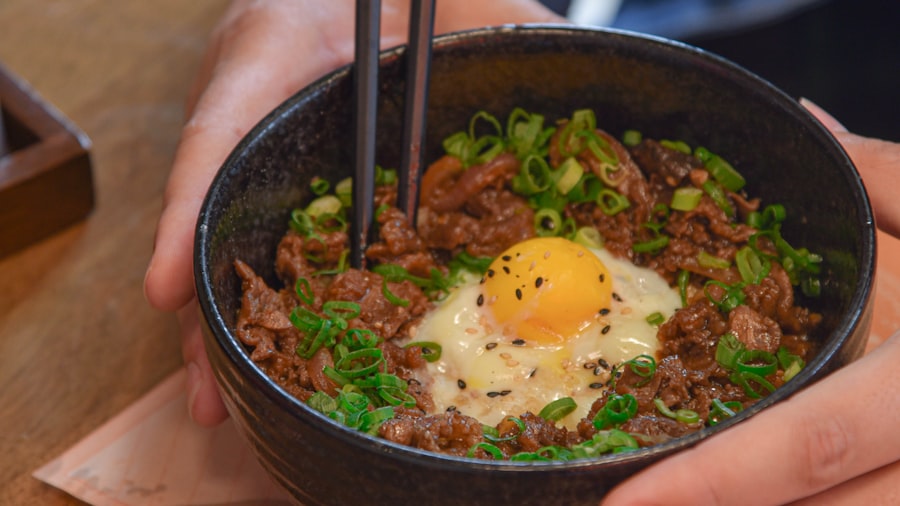
Sukiya / Yoshinoya (gyudon chains)
Sukiya: ~1,900 locations, the larger of the two. Yoshinoya: founded 1899, ~1,200 locations. Both run 24h, both serve picture-menu beef bowls. Often used by office workers for a ¥500 lunch.
Everywhere — train stations, office districts, suburbsView on Google Maps →I’ve eaten at Sukiya and Yoshinoya dozens of times. The beef bowl is exactly the same every time, costs ¥450–¥550 with miso soup, takes seven minutes from order to leaving, and is in walking distance of wherever you happen to be standing. They’re my default when I’ve been walking for six hours and need something hot now. Don’t skip them out of guidebook-snobbery — they’re part of how Tokyo actually eats.
 ★ Author's Pick
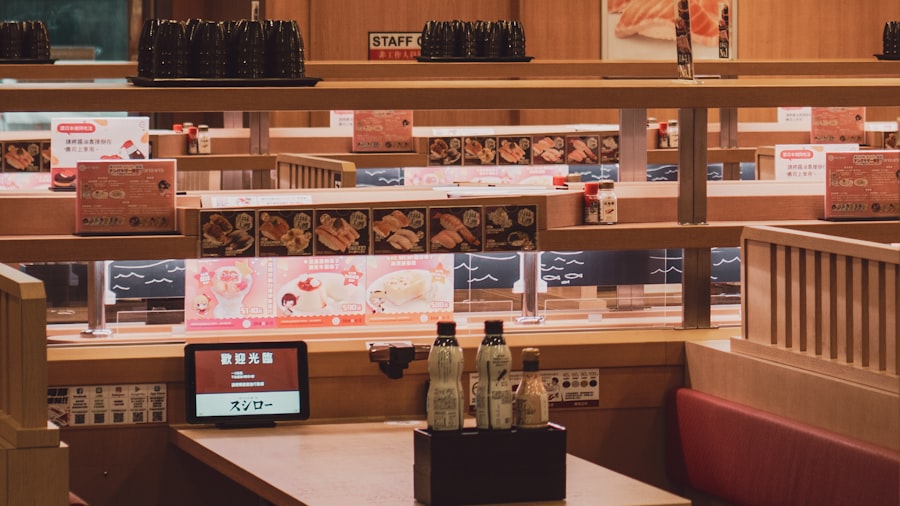
Kura Sushi (くら寿司)
~500+ locations across Japan. Touchscreen ordering in English. Reliably good lunch for under ¥2,000 per person. Family-friendly, never not busy.
Everywhere — including most major Tokyo wardsView on Google Maps →Kura Sushi is the conveyor sushi I always end up at for a lunch when I want sushi but can’t justify the ¥10,000 omakase. ¥120 per plate, touchscreen English ordering, and every five plates you get a little gachapon lottery game. Take the kids if you have them. Don’t take a sushi purist if you can avoid it.
 ★ Author's Pick
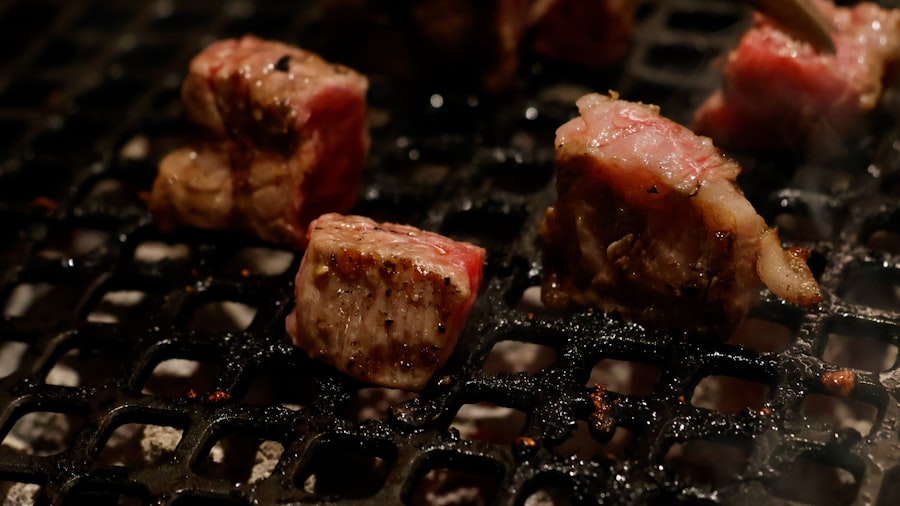
Oreno Yakiniku (俺の焼肉)
Part of the “Oreno” chain (also Italian, French, Yakiniku variants). Standing or quick-turn seating, premium ingredients, mid-range bills. Multiple Ginza / Shinjuku locations.
Multiple central locations — Ginza, Shinjuku, RoppongiView on Google Maps →Oreno (‘Mine’) is the chain that figured out you could serve restaurant-grade food at standing-bar prices by cutting the seated-table costs. The yakiniku branch is my pick — premium-feeling A4-A5 wagyu, ¥3,000–¥5,000 per person. Standing-room only at peak (which means short queues turn into 20-minute waits and then you’re eating), but the cost-to-quality ratio is unmatched.
9. Where to Base Yourself for Food
Tokyo is large; choose your base by what you want to eat after 20:00. Five anchor neighbourhoods:
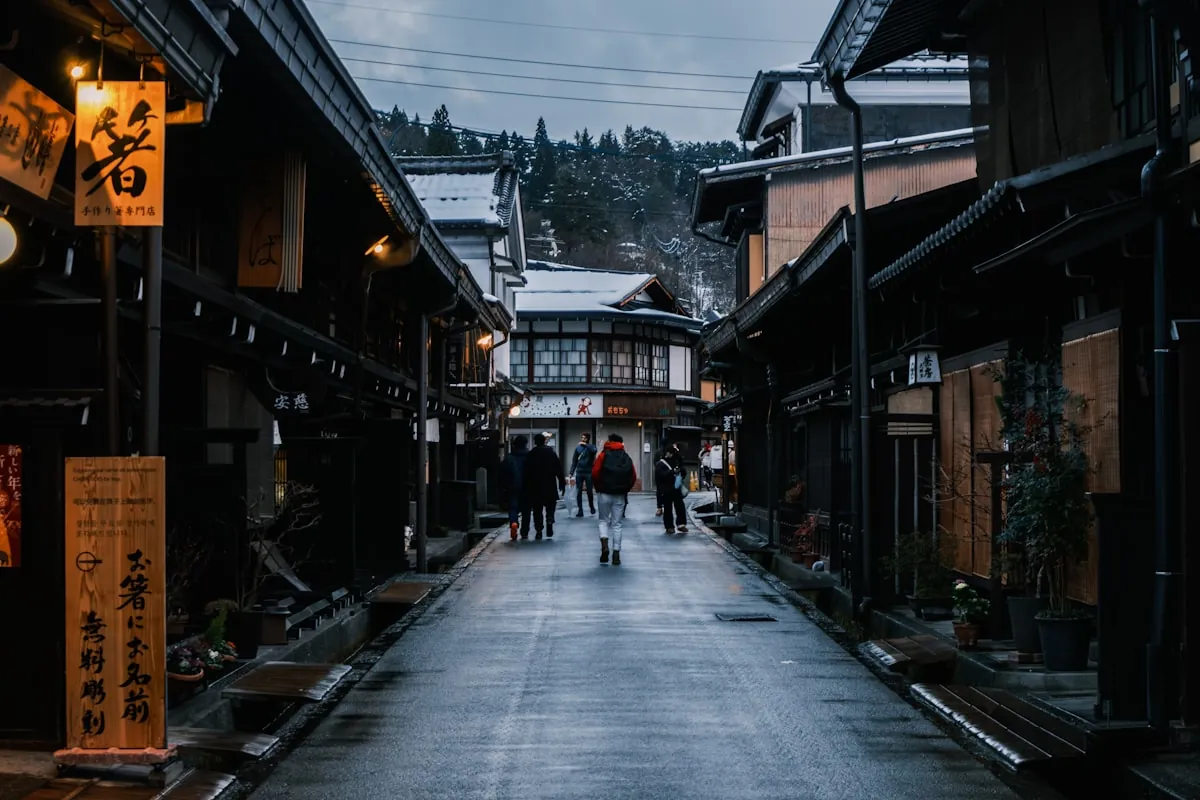
- Asakusa — shitamachi tradition. Old Tokyo, Senso-ji at dawn, the best concentration of historic ramen, tempura, and soba shops. Best for visitors who want a quieter base with morning-temple walks and late-night ramen.
- Shinjuku — the all-purpose food district. Omoide Yokocho, the depachika, late-night Tsurutontan udon, every cuisine within a fifteen-minute walk. The base of choice if you’re trip-and-error eating your way through.
- Shibuya & Tomigaya — the modern belt. Shibuya itself runs the chains and the energy; one block west into Tomigaya / Yoyogi-Hachiman sits the third-wave coffee belt and a quietly excellent rotation of modern izakaya, ramen, and natural-wine bars.
- Ginza — the fine-dining capital. Tempura Kondo, Birdland, Sushi Saito and the top-end omakase scene. Bring a reservation and a card.
- Tsukiji — the morning market. Not where you sleep, but where you arrive at 07:00 with an empty stomach. The outer market is a destination in itself.
10. How to Eat in Tokyo
- Cash, small denominations. Three-quarters of the shops on this list take cash only. Carry at least ¥10,000 in coins, ¥1,000 and ¥5,000 notes. ATMs at 7-Eleven and Japan Post Bank work with foreign cards.
- Ticket machines. Many ramen, soba and yakitori shops use a vending-machine ticket system at the door — press the dish you want, take the ticket, hand it to the cook. Buttons are mostly Japanese; the top-left button is almost always the standard meal.
- Slurp the noodles. Expected, not just permitted. It cools the noodles and aerates the broth. Silence is the foreign signal.
- Don’t tip. Tipping is impolite. The service is in the price.
- Reservations matter for the high-end. Birdland, Kondo, Tonki on a weekend, anything Michelin — book through a hotel concierge or Tabelog (Japanese). For everything else, just turn up.
- Queues are part of the system. The queue at a top ramen / tonkatsu / sushi shop is not a sign of inefficiency — it’s the seating system. Get in line, wait 20 minutes, eat in 25. Pre-noon or post-14:00 avoids it.
- Two-bowl day. Most of these shops run ¥1,000–¥3,000. Doing two ramen in one day (lunch at one, dinner at another) or three sushi sittings (Tsukiji morning, conveyor lunch, omakase evening) is a perfectly normal Tokyo programme.
Related reading
- Best Ramen in Asakusa — the five-shop deep dive on the ramen cluster above.
- Asakusa neighbourhood guide — the wider shitamachi: Senso-ji, Nakamise-dori, the back-streets.
- Tokyo city guide — the twenty-three wards, the second-trip neighbourhoods, where to base yourself.
- Japanese Food — the interest hub with all our food articles.
- Tokyo Airport to City — Narita and Haneda into Tokyo, every option compared.