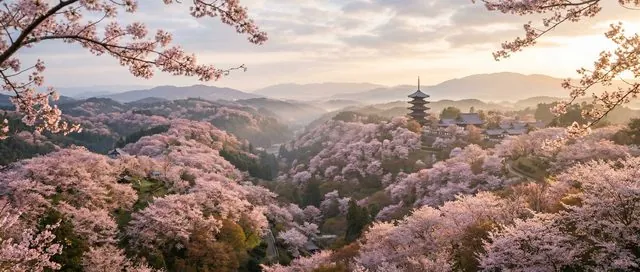
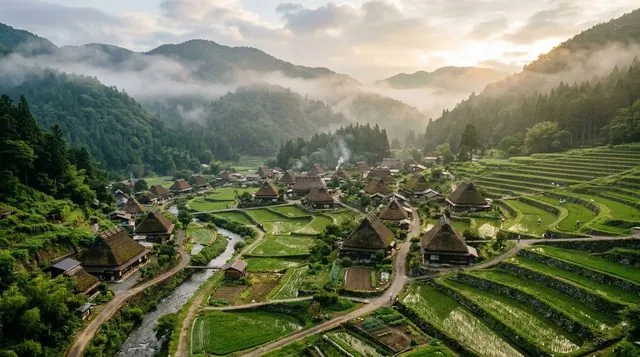
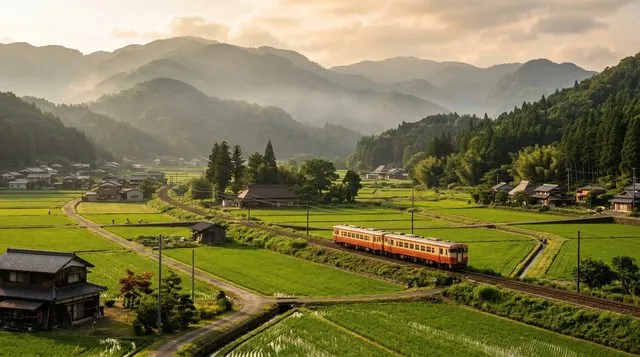

The best day trips from Tokyo aren't difficult to find. They're difficult to choose between. Within two hours of Shinjuku, you can reach ancient shrine territory, working pottery towns, mountain forests, or a quiet coastal shrine. This guide pairs the three most visited day trips with three crowd-free alternatives serving the same travel motivation, then gives you a decision matrix so you spend thirty seconds choosing, not thirty minutes scrolling.
| Time available | You want | Go here |
|---|---|---|
| Full day | Shrine architecture + mountain nature | Nikko |
| Full day | Temple quarter + samurai coast | Kamakura |
| Full day | Mountain views + onsen | Hakone |
| Full day, crowd-averse | Craft + countryside, almost no queues | Mashiko (→ #4) |
| Full day, crowd-averse | Coastal shrine + quiet beach town | Hayama (→ #5) |
| Full day, crowd-averse | Real mountain hike + shrine | Mount Oyama (→ #6) |
| Half day | Short accessible hike | Mount Takao |
| Half day | Preserved historic town | Kawagoe |
Which day trip suits you?
Answer two questions to find your best match from the six destinations in this guide.
Full dayYour match
Nikko
A UNESCO shrine complex in cedar-forested mountains, 2 hours from Asakusa on the Tobu line. Arrive before 09:00 on a weekday to beat the buses.
You want maximum historic drama with mountain scenery and don't mind joining the crowds to see it.
Full dayYour match
Hakone
A well-engineered mountain loop, ropeway, lake cruise, open-air sculpture museum, and onsen, with Fuji views on clear days.
You want mountain scenery and an onsen without a strenuous hike.
Full dayYour match
Kamakura
A coastal temple town about 1 hour from Shinjuku, with a famous bronze Buddha, a clifftop garden, and a 7–8-hour loop done in zones from north to coast.
You want the coast-and-temples combination and are prepared to start early.
5–6 hoursYour match
Mashiko
Japan's most celebrated pottery town, 50-plus kilns, two museums, and craft workshops, with almost none of Nikko's visitor numbers.
You want the same historical craft and countryside motivation as Nikko, with almost no queues.
Full dayYour match
Mount Oyama
A 1,252-metre pilgrimage mountain in Kanagawa, real ascent, summit shrine, views of the Pacific coast to the east, with far fewer visitors than Hakone.
You want the mountain day trip experience but with a real hike instead of a ropeway.
Full dayYour match
Hayama
A quiet coastal town south of Kamakura, with a coastal shrine on a rock in the sea and a fraction of Kamakura's visitors on any given weekend.
You want coastal shrine atmosphere without the Saturday sardine experience.
1. Nikko: shrines in the mountains
 Wikimedia Commons
Shrine complex & mountain nature
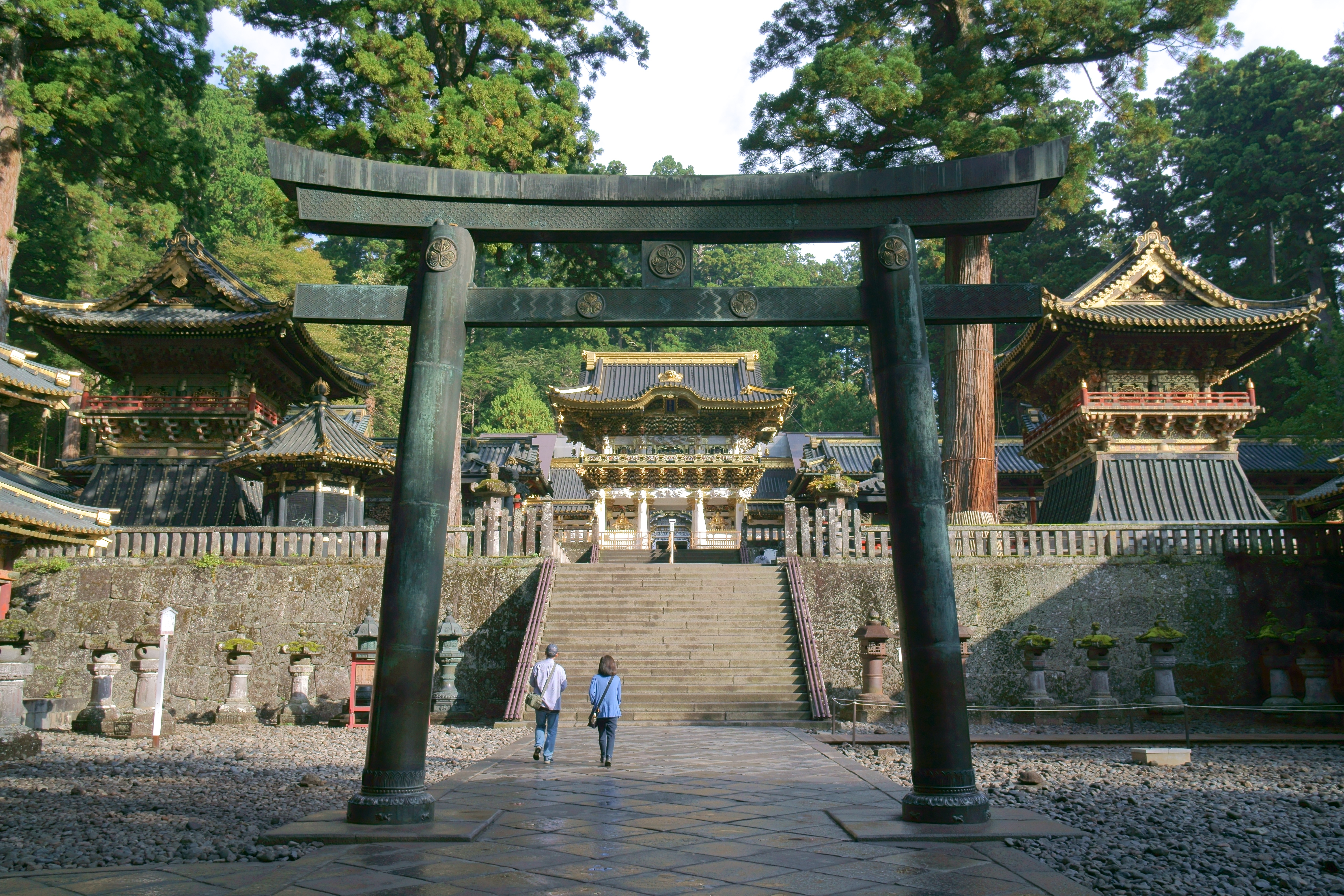
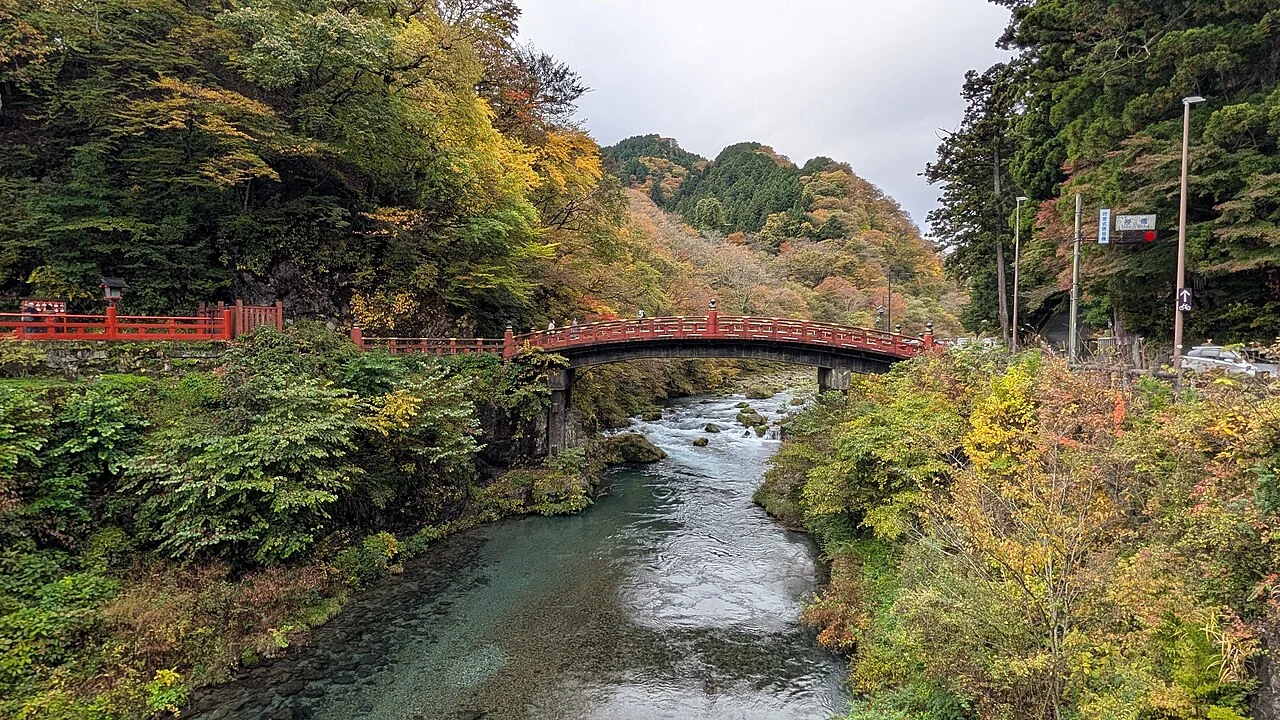
Two hours north of Tokyo on the private Tobu line from Asakusa, Nikko is where the Tokugawa shogunate chose to build its most elaborate monument to power and piety. The shrine complex at the top of a cedar-lined approach is a UNESCO heritage site: hundreds of lacquered and gilded structures stacked against a forested mountain backdrop, with a sacred bridge over a rushing river at the base. It is genuinely one of the most impressive things within day-trip range of the capital, which is precisely why the bus queue on a Saturday in late October can stretch forty-five minutes before the gates even open.
The waterfalls and alpine lake 30 minutes further by bus are viable extensions if you have time; the main shrines alone justify the journey. For the full route and what to prioritise, see the guide to Nikko.
- Getting there: Asakusa to Nikko on the Tobu line, roughly 2 hours. The round-trip pass with unlimited local buses costs around ¥2,620; the limited-express surcharge saves 30 minutes each way and is worth it on a weekday.
- Crowd warning: autumn foliage season in late October is the worst bottleneck. Arrive by 09:00 on a weekday.
- Time needed: a full day, 6 to 8 hours in Nikko.
2. Kamakura: samurai coast town

Temple town & coastal walks
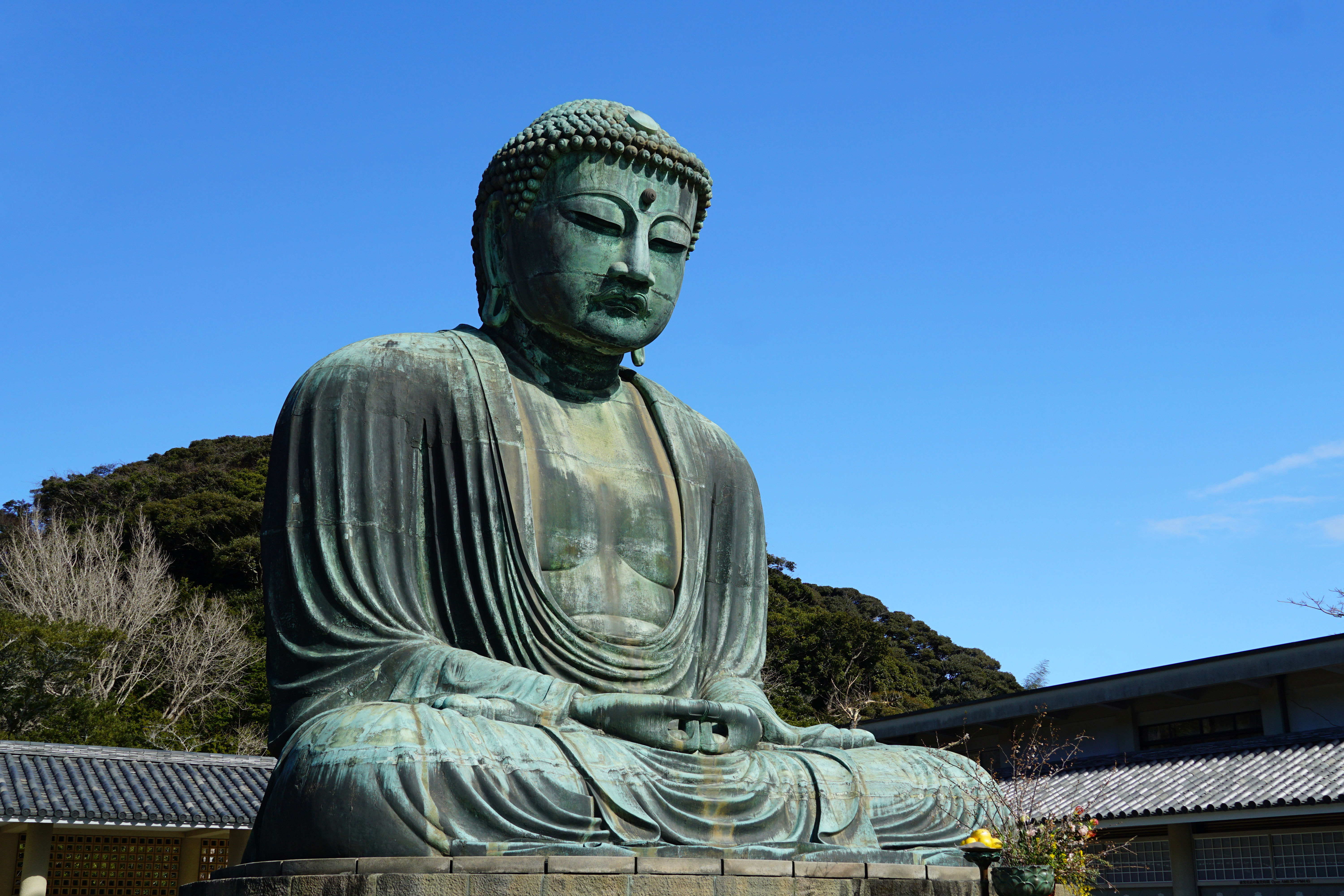
Kamakura packs more historical texture into a single day than almost anywhere in the Kanto region. The city breaks into distinct zones: the northern temple quarter along a wooded mountain trail, the busy central shopping street, the Hase coastal zone with its famous bronze Buddha statue and cliff-side temple gardens, and a quieter stretch of beach further south. A well-planned day works through two or three of these zones in order. A poorly planned one arrives late, goes straight to the bronze Buddha at 11:00, and spends its best two hours in a queue.
The smart approach: arrive by 08:00, start in the northern quarter while the day-trippers from Tokyo are still on the train, reach the coastal zone by 09:30, and let the crowds arrive to find you already done. For the temples worth prioritising and how the zones connect, see the Kamakura city guide.
- Getting there: Shinjuku to Kamakura on the JR line via Ofuna, about 1 hour. Around ¥940 return on an IC card, no rail pass required.
- Crowd warning: the Hase area around the bronze Buddha is queueing by 11:00 on any weekend. Go there first or go late.
- Time needed: a full day, 7 to 8 hours, for the whole loop. Half a day covers the northern quarter only.
3. Hakone: mountain views and onsen
 Svenja “Spett80”
Mountain resort & onsen
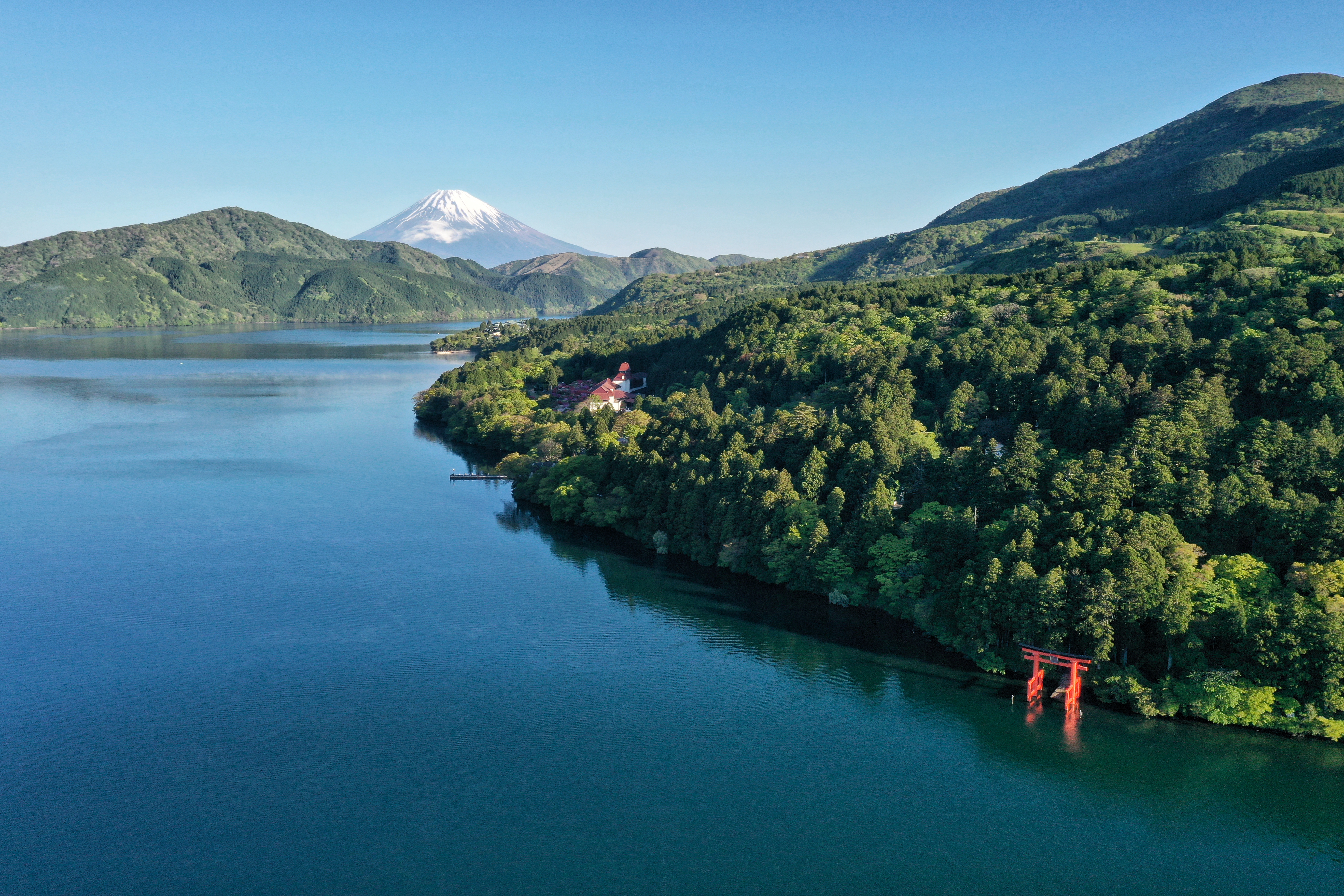
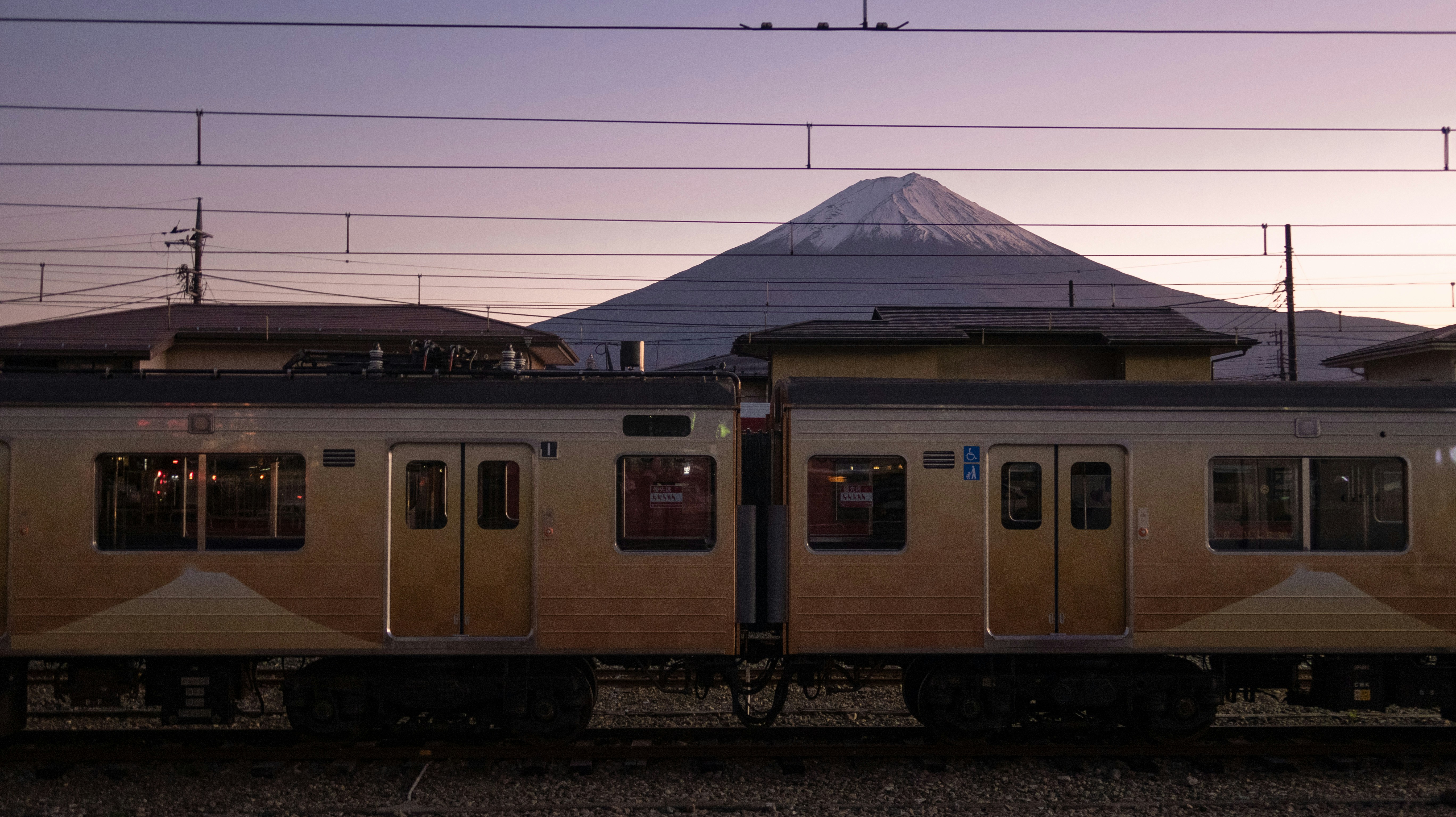
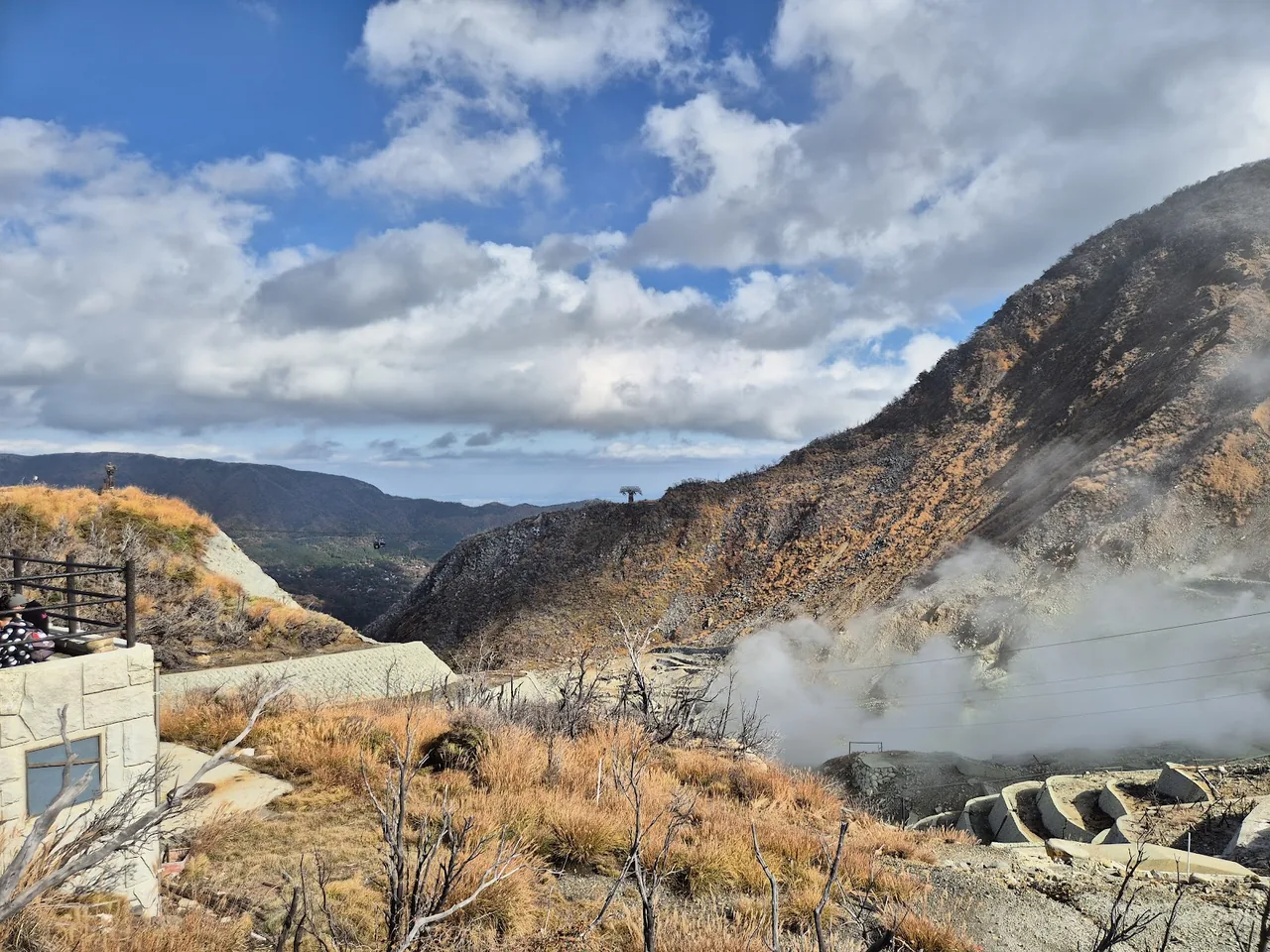
On a clear day from the volcanic ridge above the lake, the outline of Mount Fuji appears above the treeline, and that view, combined with an outdoor sculpture museum, a lake cruise, a working volcanic zone, and the most accessible onsen facilities near Tokyo, makes Hakone the default mountain day trip from the city. The route is well-engineered: a private rail line, a cable car, a ropeway over steam vents, a lake ferry, and a return limited express all combine into a satisfying loop. The catch is that Hakone sits inside a cloud band for much of the year, the famous view is not guaranteed, and Golden Week crowds here are in a category of their own.
The reverse-loop approach, starting at the ropeway side and ending with the train, consistently produces the shortest queue times. The full method is laid out in the Hakone day trip guide.
- Getting there: Shinjuku to Hakone on the Odakyu express, about 85 minutes. The Hakone day pass, around ¥5,000 from Shinjuku, covers the private rail, ropeway, cable car and lake ferry, and is essential for the full loop.
- Crowd warning: skip Golden Week altogether.
- Time needed: a full day. An overnight stay turns the sprint into a genuine trip.
4. Mashiko: pottery village instead of Nikko
 Wikimedia Commons
Pottery village & craft workshops
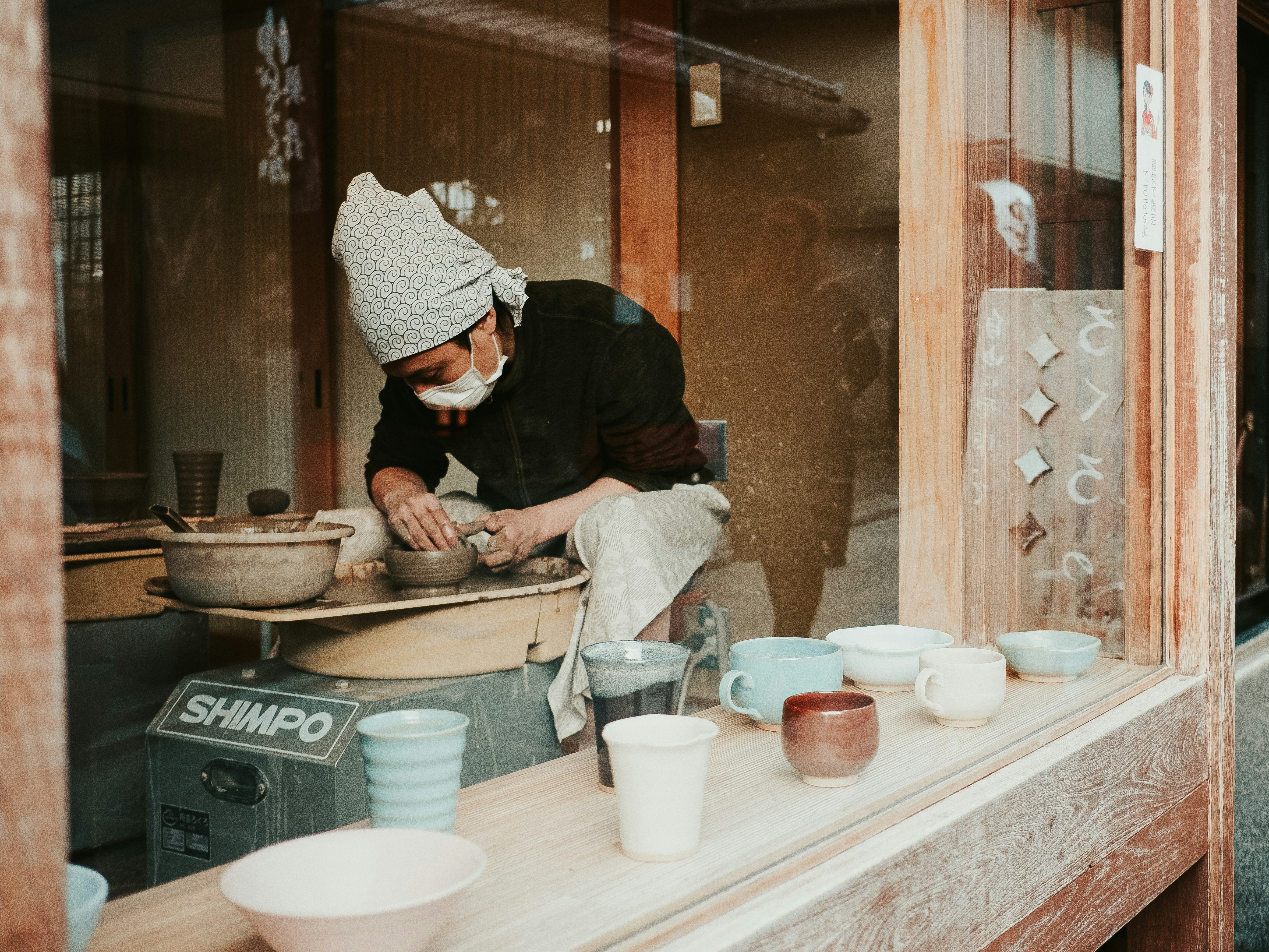
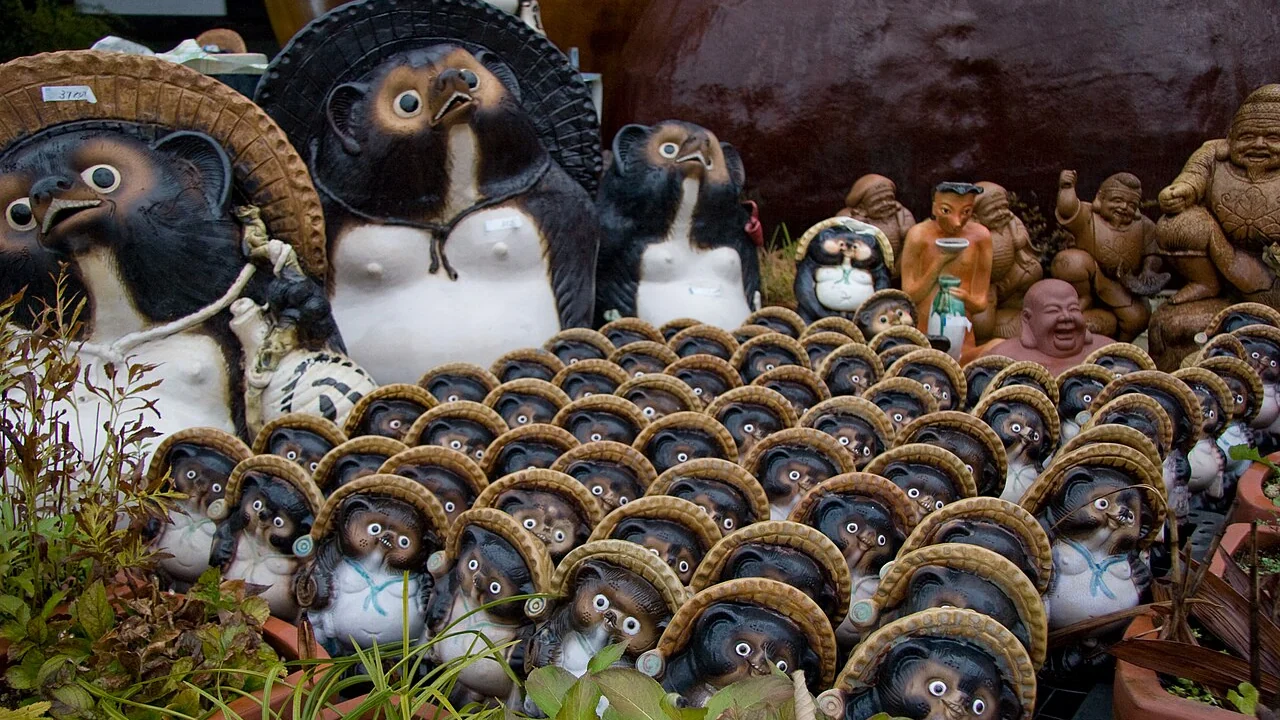
The same Tochigi prefecture as Nikko. Roughly the same travel time from Tokyo. Around one percent of the visitors. Mashiko is Japan's most celebrated pottery town: 50-plus working kilns concentrated along a single main street, with studios ranging from established potters selling finished work to open workshops where you can sit at a wheel and make something yourself. The travel motivation that drives people to Nikko (historical craft, mountain-adjacent scenery, a day well away from concrete) is satisfied equally well here, with the added option of doing rather than just seeing.
The Shoji Hamada Memorial Mashiko Sankokan Museum (closed Mondays; open 10:00–16:30) preserves the kiln, house, and working spaces of the potter who defined the town's identity. The buildings themselves (traditional farmhouse structures set around a wood-fired anagama kiln) are as interesting as the collection. A five-minute walk brings you to the Mashiko Museum of Ceramic Art / Ceramic Art Messe Mashiko (closed Mondays; open 9:30–17:00), a larger contemporary ceramics space with rotating exhibitions. At the foot of the main street, the Higeta Indigo Dyeing Studio (closed Mondays; open 8:30–17:00) offers a 200-year-old alternative to pottery. Visitors can watch traditional indigo dyeing in a beautiful Edo-period building, and workshops are available.
- Getting there: Ueno to Utsunomiya by shinkansen, about 50 minutes, then the Moka railway south to Mashiko, about 40 minutes and roughly hourly. Around 2 hours in total. A direct highway bus runs from Shinjuku at weekends; check current schedules.
- Closing days: the museums and most studios shut on Mondays, which is the one thing that can waste the journey.
- Time needed: 5 to 6 hours, enough for both museums, the studio street and lunch.
5. Hayama: quiet coast instead of Kamakura
 Wikimedia Commons
Coastal shrine & beach town
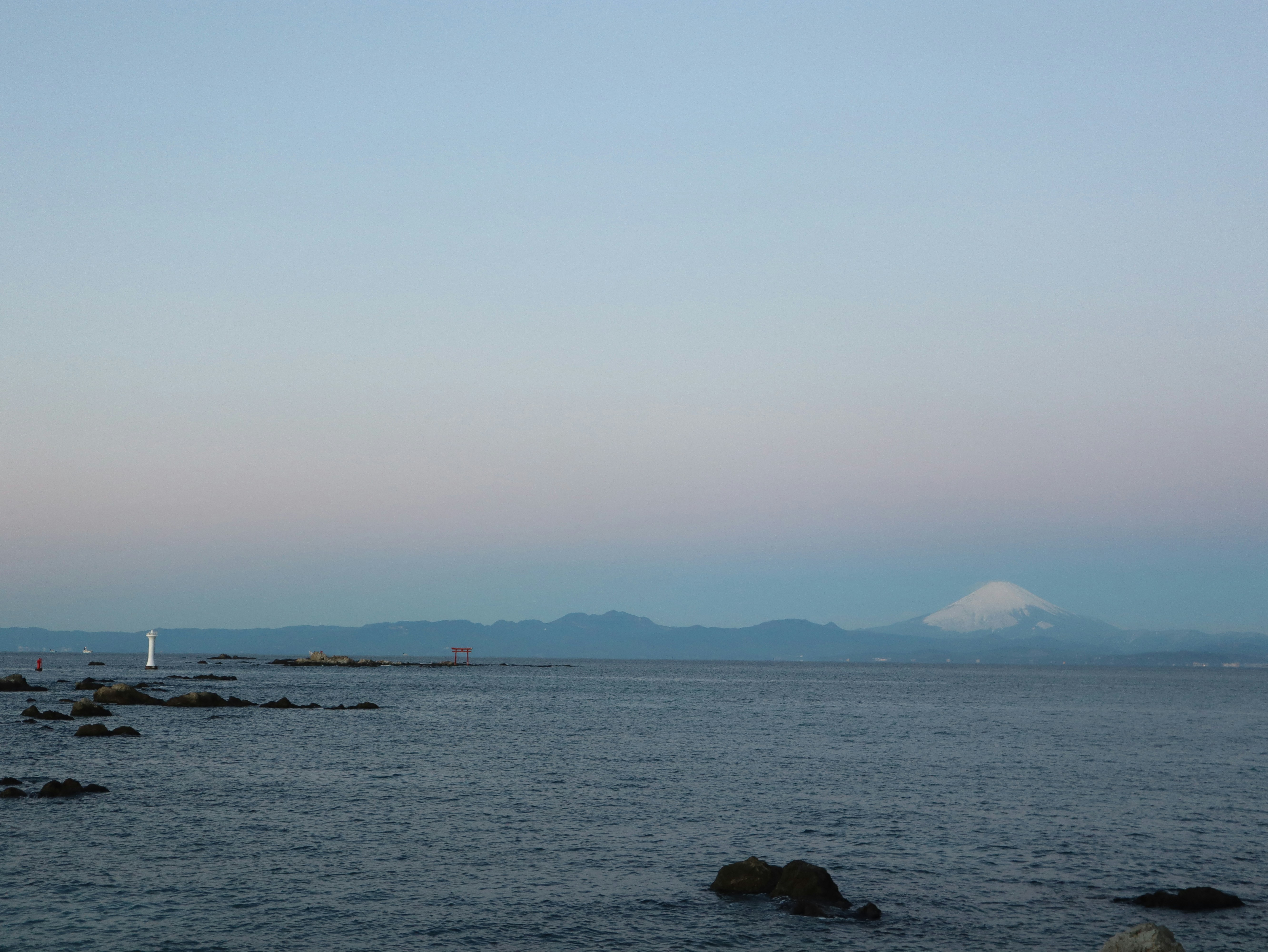
Hayama sits on the Shonan coast just south of Kamakura, and for visitors who want the coastal shrine atmosphere and sea air without the Saturday sardine experience, it delivers without the queues. The town is quieter than its neighbour by design: known in Japan for its connection to the imperial family (whose summer villa still sees royal visits) and for a slower pace that the city to its north has long since lost.
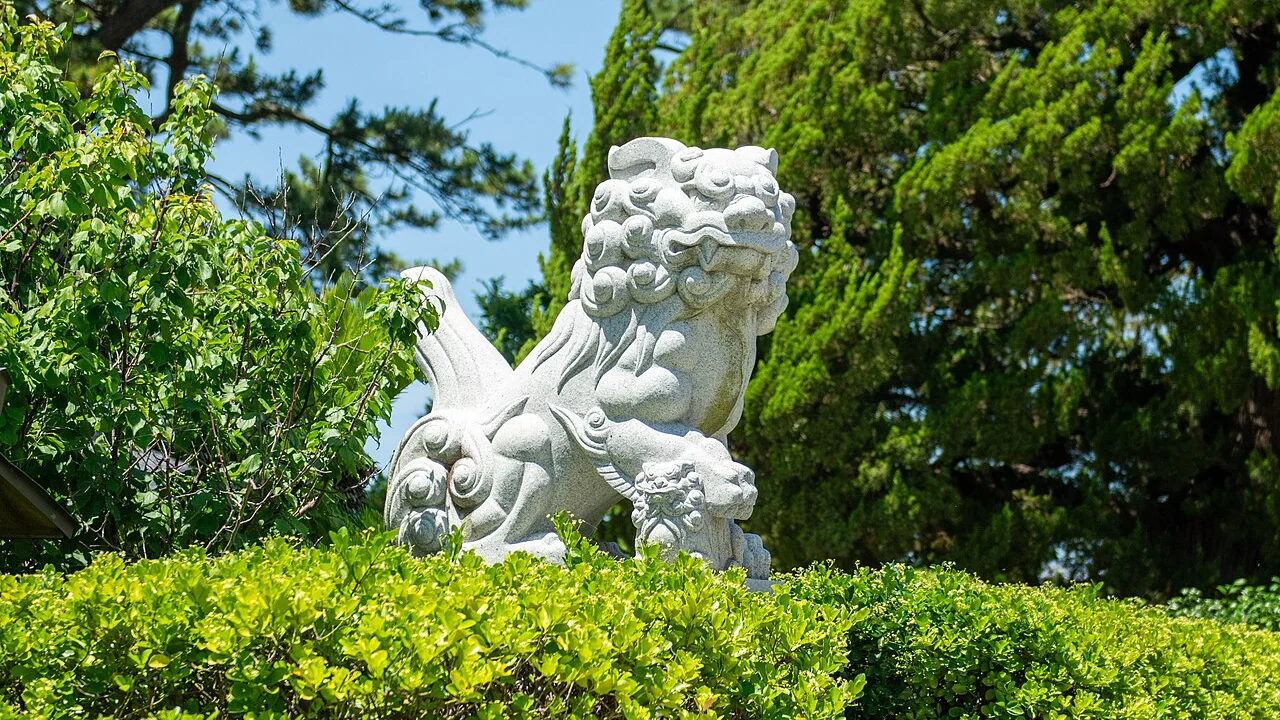
The centrepiece for a day visitor is Morito Daimyojin Shrine: a small coastal shrine built on a rock in the sea, reached via a short beach path. The setting is exceptional: a stone torii at the water's edge, the sound of waves, and on clear days a view of Mount Fuji across the bay. The shrine is open around the clock and attracts visitors who come specifically for the unusual fortune-fishing tradition (you cast a small rod into a barrel to draw your fortune slip) and for the calm it offers. With 2,740 reviews and a 4.5-star average on Google, it is not entirely undiscovered, but the number of visitors on a given weekday is a fraction of what any Kamakura shrine receives by 10:00.
Note on Zushi: you arrive through Zushi, the next town north, and its beach is worth the ten minutes it takes to walk down to the water while you wait for the bus. Treat it as the approach rather than the destination: the shrine at Hayama is what you came for.
Why instead of Kamakura: if your reason for going to Kamakura is the coastal atmosphere and a touch of shrine culture rather than the specific Buddhist architecture, Hayama delivers more of both with almost no competition. The best combination is an early Kamakura visit (pre-09:00 for the northern temples), then a bus south to Hayama for lunch and the afternoon. You get both experiences at their quietest. For transport, see the Japan getting around guide.
- Getting there: Shinjuku to Zushi station on the JR line, about 1 hour 10 minutes and around ¥980 return. A local bus covers the last stretch to the shrine in roughly 10 minutes. From Kamakura, the bus south takes about 20 minutes.
- Best paired with: an early Kamakura morning, then the bus south for lunch and the afternoon.
- Time needed: half a day on its own, a full day combined with Kamakura.
6. Mount Oyama: mountain hike instead of Hakone
 Wikimedia Commons
Mountain hike & shrine
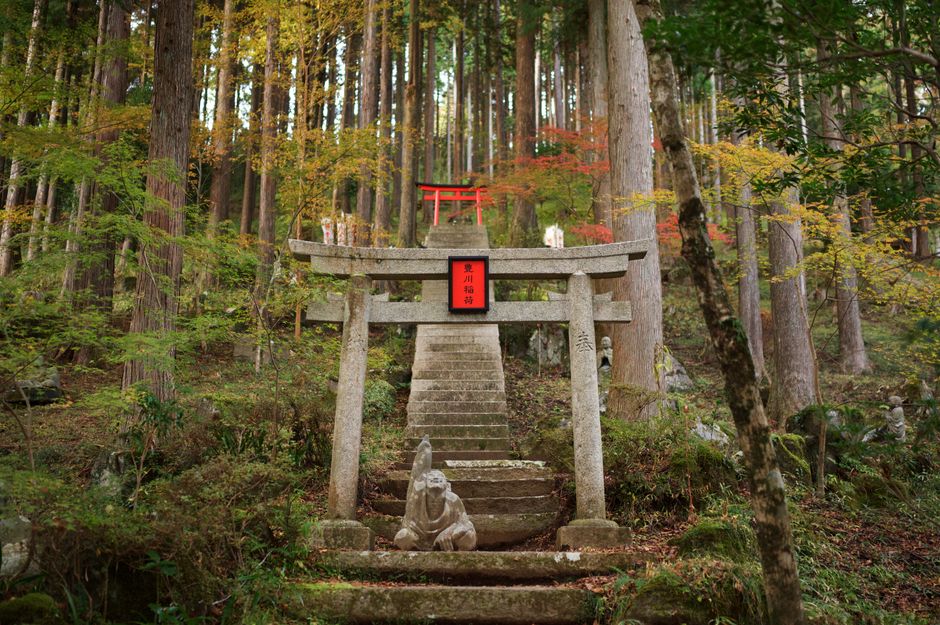
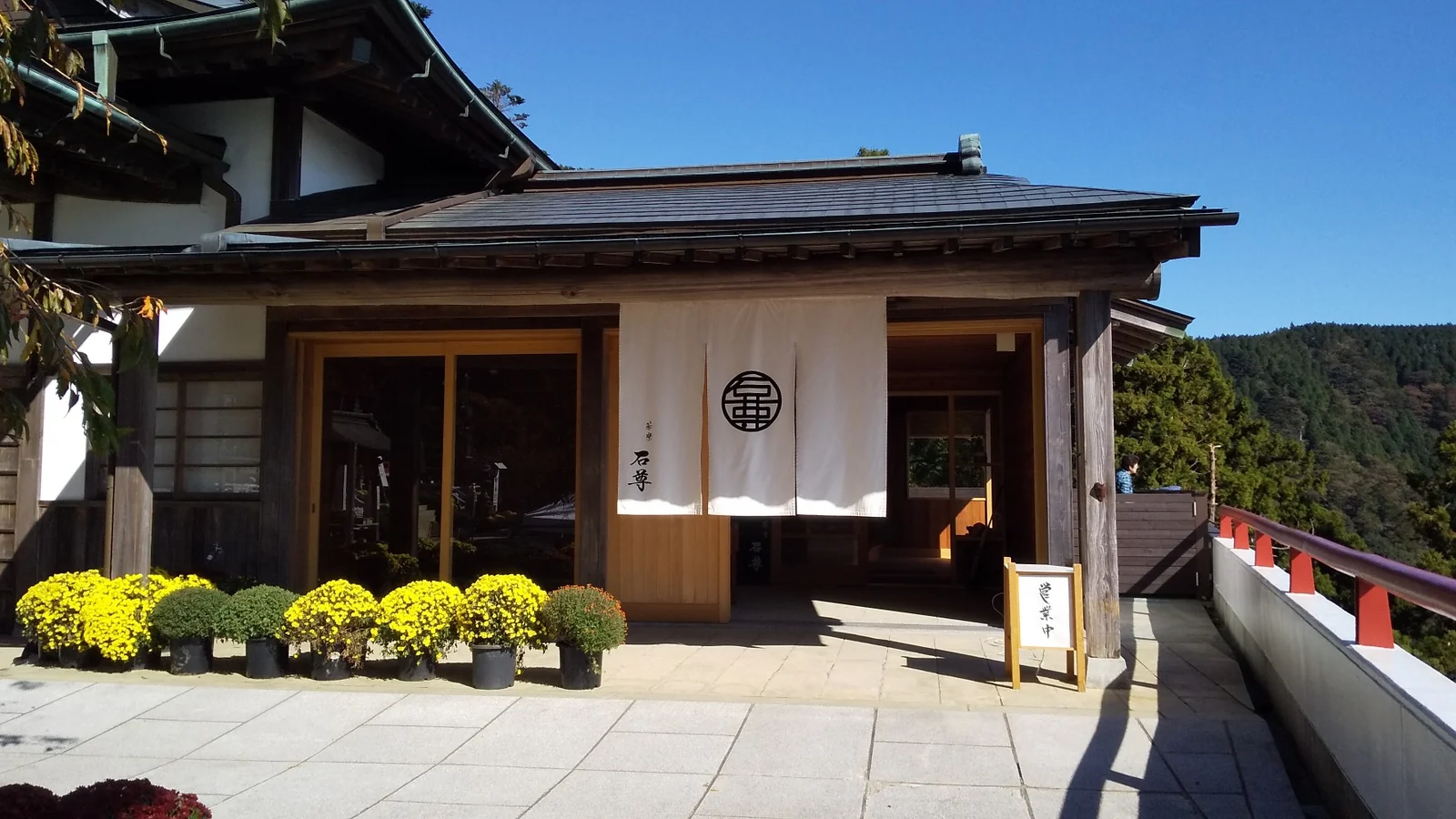
At 1,252 metres, Mount Oyama is a genuine mountain: not a ropeway excursion, but a real ascent on a stone-stepped path that has been walked by pilgrims for over a thousand years. The route through cedar forest passes Ōyama Temple (open 8:45–17:00) halfway up: a Buddhist temple famous for its autumn foliage and for the traditional tofu restaurants clustered on the approach. Continuing upward, the path reaches the lower sanctuary of Oyama Afuri Shrine (open 9:00–17:00; also accessible by cable car), and then the summit Oyama Afuri Shrine Honsha at the peak, where on clear days you can see the Pacific coast to the east and, in the right conditions, Mount Fuji to the west. The descent can follow a different forest trail, or return via the cable car.
The total ascent from the cable car base takes 2–3 hours on foot. The cable car covers the lower section in 6 minutes (roughly every 20 minutes; round trip around ¥1,270): useful for a shorter version of the day or for descent.
Why instead of Hakone: the motivation for Hakone is the mountain nature day trip: elevation, views, green scenery. Mount Oyama delivers all of that, with zero tour buses, a real physical challenge, and a pilgrimage atmosphere that Hakone's resort infrastructure no longer offers. The ascent is demanding (around 1,200 steps on the direct route), and summit visibility depends on weather. Both are features. Best season: autumn foliage in October and November transforms the mountain, and crowds here are far lower than Hakone at the same season. Spring cherry blossom on the lower approach is also excellent. For more hiking options near Tokyo, see the Japan hiking guide.
- Getting there: Shinjuku to Isehara on the Odakyu express, about 65 minutes, then a local bus to the cable car base, about 25 minutes and every 20 to 30 minutes. Around 1 hour 30 minutes in total.
- Effort: roughly 1,200 steps on the direct route, 2 to 3 hours up on foot. The cable car covers the lower section in 6 minutes if you want a shorter day.
- Time needed: a full day, 6 hours or more including travel and the ascent-descent loop.
Honorable mentions
Mount Takao: 30 minutes from Shinjuku on a single train, Japan's most-climbed mountain is a legitimate nature half-day even with the visitor numbers it attracts. Multiple trail options branch from the main paved route; the forest alternatives see almost no one. A beer garden at the summit operates in summer; the approach road has a reliable yakitori strip. Half-day possible; extend to the connected ridge route for a full day.
Kawagoe: 35 minutes from Ikebukuro, nicknamed "little Edo" for its cluster of preserved warehouse-style storehouses. The main street of kurazukuri buildings is the draw, with sweet potato confections as the local food tradition. Half a day covers the core area; the town is compact enough to navigate without detailed planning.
FAQ
What are the best day trips from Tokyo for a first-time visitor?
For a first visit, Nikko and Kamakura are the most rewarding one-day experiences: both combine historical depth with scenery unavailable elsewhere in easy range of Tokyo. Nikko suits those who want elaborate mountain shrine architecture; Kamakura suits those who want coastal walking alongside temples. Both demand an early start: Nikko benefits from arriving by 09:00, Kamakura by 08:00. Neither requires a guide or a tour. Both are fully manageable independently with an IC card. See the getting around guide for transport basics.
Which day trip from Tokyo has the fewest crowds?
Of the six destinations in this guide, Mount Oyama is the least visited for its quality level: a genuine 1,252-metre mountain hike with a 1,000-year-old shrine at the summit and almost no international tourism infrastructure. Mashiko on a weekday outside its spring and autumn pottery fair periods is similarly quiet. Both require a full day and some planning, but neither involves the queueing that Nikko, Kamakura, and Hakone produce in season.
Do I need a JR Pass for day trips from Tokyo?
For most of these destinations, no. Nikko is served by the private Tobu line, not JR. Hakone's main circuit runs on the private Odakyu network. Kamakura is a straightforward IC card journey that rarely justifies a pass for a single trip. For all six destinations in this guide, an IC card (Suica or Pasmo, loaded at any station) handles the JR segments, and destination-specific passes (the Tobu day pass for Nikko, the Hakone day pass for the full loop) cover the non-JR sections where relevant.
How early should I leave Tokyo for a day trip?
The consistent answer is first train, or as close to it as you can manage. For the three classics, arriving before 09:00 puts you ahead of the main tourist wave by at least an hour, which changes the experience materially. For the three alternatives, there is less urgency, but an early departure gives you the full day you need for Mount Oyama's ascent or a combined Kamakura-Hayama itinerary. Most express services from major Tokyo stations begin around 06:00.
What is the easiest day trip from Tokyo?
Mount Takao is the simplest: 30 minutes from Shinjuku on a direct train, with paved paths from the base and a cable car option. No transfers, no planning required beyond knowing which station exit to take. Kawagoe is the most navigable for visitors who prefer towns over hiking: a short walk from the station reaches the main historic district. Both work well as half-day additions to a Tokyo itinerary without taking a full day away from the city.