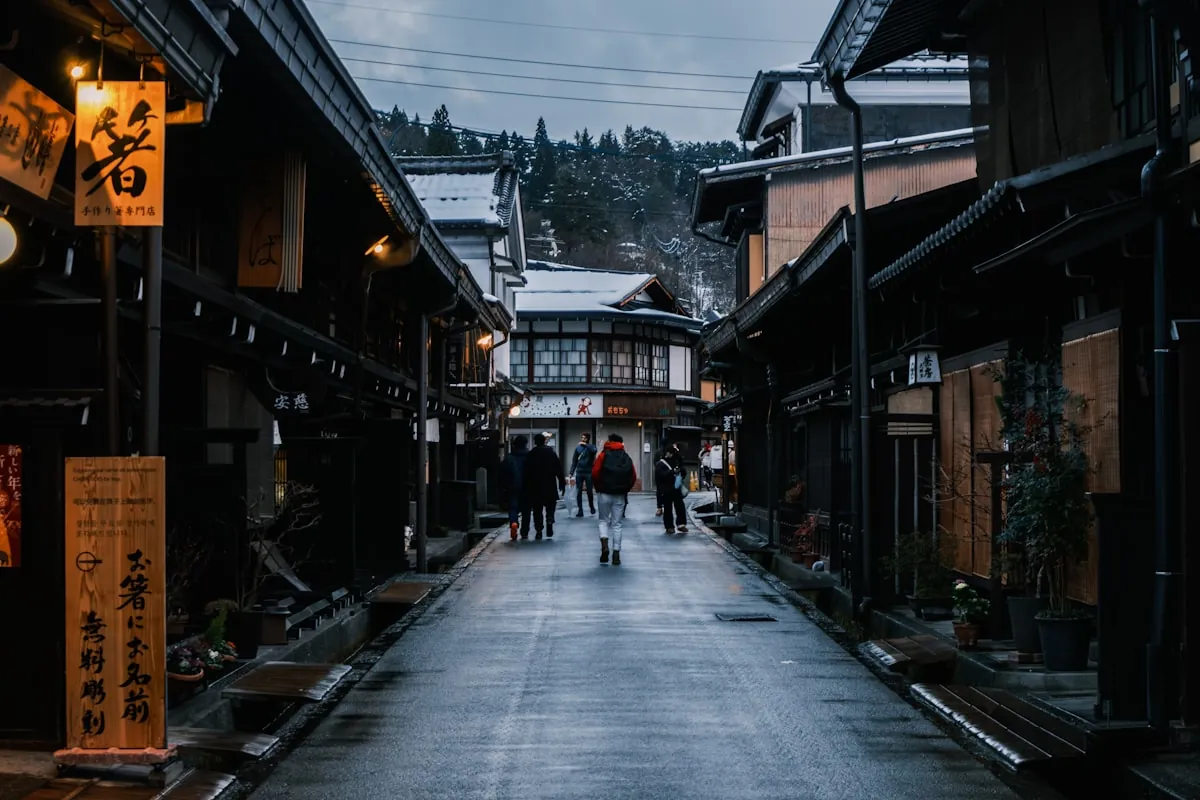
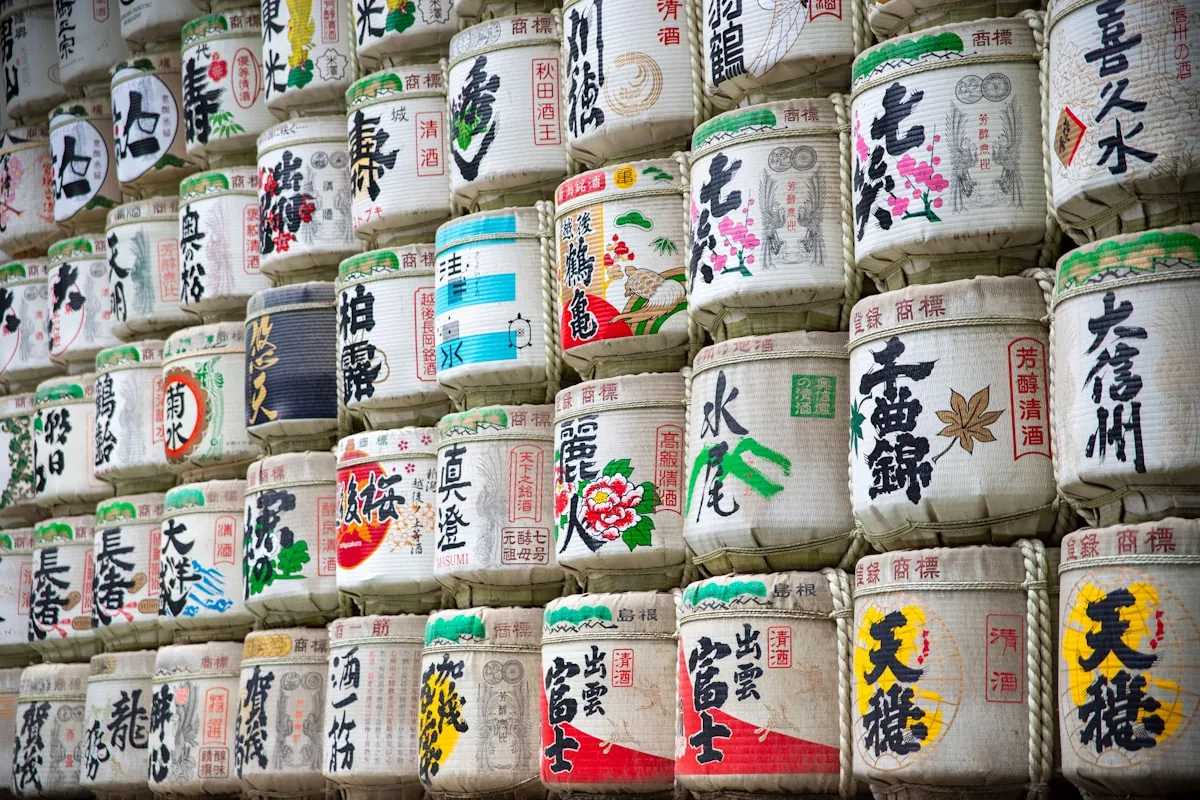
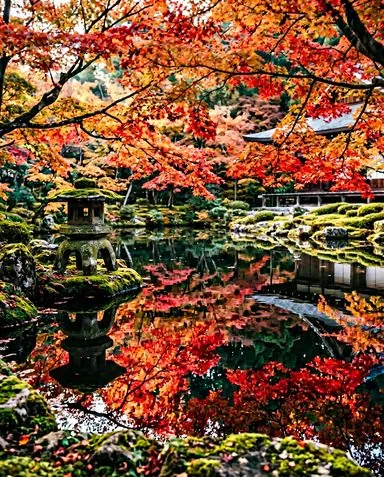

Hiking trails in Japan run from a train-and-cable-car afternoon on the edge of Tokyo to a week on foot along an ancient pilgrim route. Roughly three-quarters of the country is mountains, and a deep walking culture (pilgrim trails, post roads, alpine huts) means there is a route for every level. This guide sorts the best of them into four honest tiers, so you can pick one that actually fits your fitness, your free days, and the season.
Which hike fits you?
Three questions; your answer points to one of the four tiers.
Tier 1Your match
Easy
Half-day, no gear, transit-accessible
Mt Takao
Read the guide →Tier 2Your match
Moderate
Full day, some climbing
Shiratani Unsuikyo
Read the guide →Tier 3Your match
Challenging
Long full days or hut-supported alpine
Mount Fuji, the Japan Alps
Read the guide →Tier 4Your match
Multi-day
Pilgrim and post-road routes
Kumano pilgrimage routes
Read the guide →
What you need to know
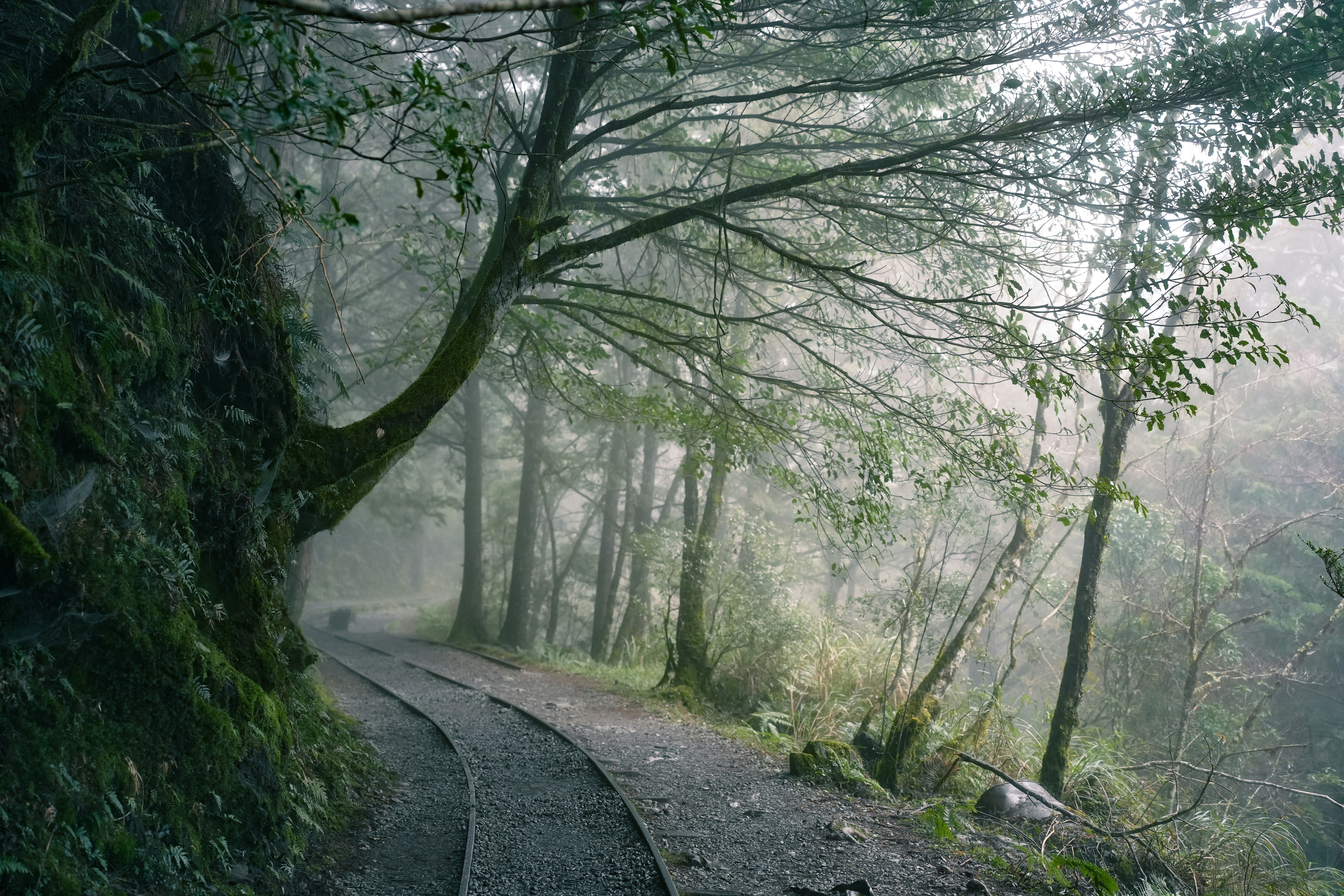
The mistake most "best hikes" lists make is mixing a 90-minute stroll with a multi-day alpine traverse as if they were interchangeable. They are not. The useful way to choose is by difficulty, and Japan's trails fall cleanly into four tiers, from transit-accessible half-days that need no gear up to staged pilgrim routes walked over several days.
Season matters as much as effort. High alpine trails are only safely open in summer, roughly July to September, when the huts run and the snow has gone. Lowland and southern walks stay open most of the year. Mount Fuji has a short official climbing window of about early July to early September; outside it, the mountain is a serious winter climb, not a tourist hike.
Below, the four tiers at a glance. Match the row to your fitness and the days you have.
| Tier | Effort | Example trail | Best for |
|---|---|---|---|
| 1: Easy | Half-day, no gear, reachable by train | Mt Takao (Tokyo) | First-timers, families, a sightseeing-trip add-on |
| 2: Moderate | Full-day, some climbing, basic boots | Shiratani Unsuikyo (Yakushima) | Reasonably fit walkers wanting a real trail |
| 3: Challenging | Long full-day or hut-supported alpine | Jōmon Sugi trek; Mount Fuji | Experienced hikers, summit-baggers |
| 4: Multi-day | Several days on foot, staged lodging | Kumano pilgrimage routes | Walkers who want the journey, not just a view |
Here is how to turn that table into a plan.
Pick your tier honestly
Match a tier to your real fitness and the days you can spare. A Tier 1 walk is a half-day; a Tier 4 route can need four or five. Don't jump tiers because a photo looks good.
Check the season window
Alpine trails (Tier 3) are summer-only, roughly July–September. Mount Fuji's official season is about early July to early September. Lowland and southern trails work most of the year.
Sort the logistics
Tier 1 needs nothing but shoes. Tiers 2–3 need boots, layers and water. Tier 4 means booking huts or inns in advance and using luggage-forwarding (takuhaibin) so you walk light.
Confirm access and register
Look up the trailhead transport before you go, and for serious climbs file a hiking plan (tozan-todoke) at the trail register. Carry cash; mountain areas rarely take cards.
Tips & common mistakes
- Don't underestimate the long ones. The Jōmon Sugi round trip on Yakushima is around 22 km and 8–10 hours on the trail: a full, hard day, not a stroll to a viewpoint.
- Start early. Japanese hikers set off at dawn and aim to be down by mid-afternoon, when mountain weather turns. Last cable cars and buses can be surprisingly early.
- Mind the bears. In the north and the Japan Alps, carry a bell and make noise; bear encounters are rare but real. Check local notices at the trailhead.
- Easiest near Tokyo: Mt Takao is under an hour from Shinjuku, with a cable car and the Ōmiharashidai viewpoint, making it the perfect low-commitment first hike.
- Respect the trail. Pack out everything, stay on the path, and greet other walkers; trail etiquette is taken seriously here.
FAQ
Do you need a guide to hike in Japan?
Not for most trails. Tier 1 and 2 walks like Mt Takao or Shiratani Unsuikyo are well-marked and easily done independently. A guide adds value on remote multi-day routes or for the Yakushima back-country, where navigation and permits get more involved. The same goes for the 1,000 km Michinoku Coastal Trail along the Tohoku coast, where lodging and transport between sections take real planning; travel writer Sherry Ott runs a small-group Michinoku Coastal Trail tour, with the next departure in November 2027.
When is hiking season in Japan?
High alpine trails are safest from July to September. Lower and southern trails are walkable for much of the year, with spring and autumn the most pleasant. Winter hiking is for the experienced and properly equipped only.
What's the easiest hike near Tokyo?
Mt Takao, under an hour from Shinjuku on the Keio line. A cable car covers the steep first section, paved and dirt trails lead to the 599-metre summit, and on clear winter days you can see Mount Fuji from the top.
Are Japan's trails well marked and in English?
Popular trails are well signposted, increasingly with some English on major routes. Remote and alpine trails rely more on Japanese signage and trail markers, so carry an offline map and, for serious climbs, file a hiking plan at the register.
What's the best multi-day hike for first-timers?
The Kumano pilgrimage routes in the Kii peninsula. The most popular path is well-supported, walked in stages of three to five days, with traditional inns along the way and luggage-forwarding so you carry only a daypack.