Part of Nagano · Chubu

Matsumoto City Guide

Matsumoto City Guide

Matsumoto, known as the gateway to the Japanese Alps, combines a stunning original castle with mountain access and traditional crafts — all without Kyoto's crowds.

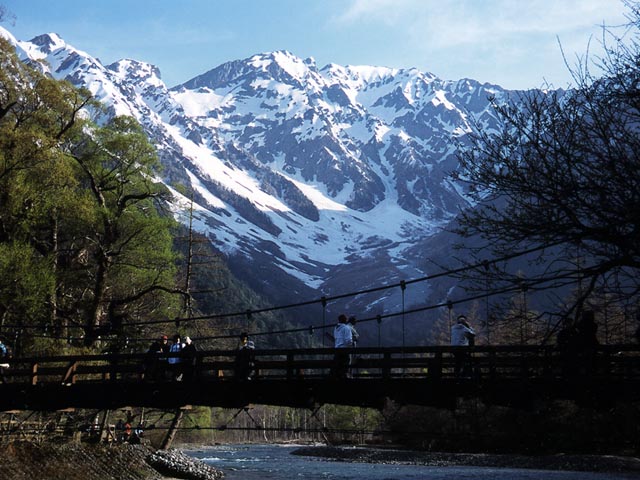
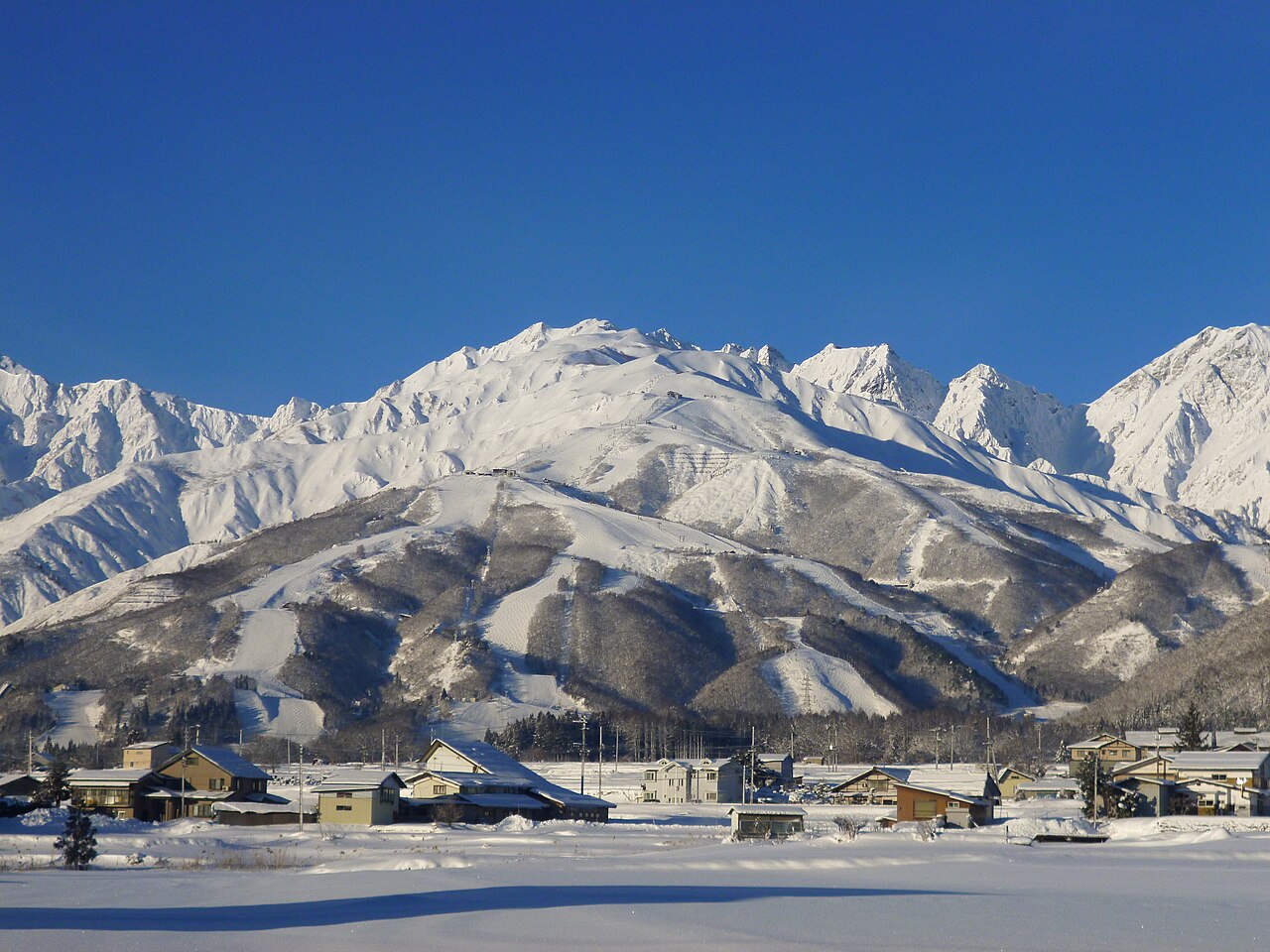
Matsumoto's black castle keep — the oldest original wooden donjon in Japan — rises against 3,000-meter Alpine peaks that change the skyline with every season. The compact historic core packs samurai-era kura warehouses, a Yayoi Kusama museum, and a soba culture built on cold mountain water into a fifteen-minute walking radius from the station. Most visitors treat it as a castle photo stop between Tokyo and Takayama. Stay overnight and you get the Nakamachi lantern glow, Agata district's quiet parks, and a bus seat to Kamikochi valley before the day-trippers arrive.

When to Visit

Each season reshapes Matsumoto — cherry blossoms against black walls in spring, alpine access in summer, fiery maples in autumn, snow-capped silence in winter.

Springharu

Apr – May8–20°CHigh crowds
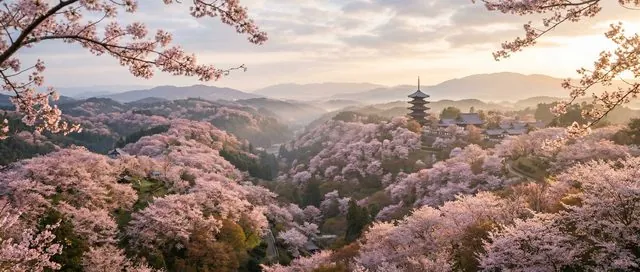
  • Cherry blossoms frame the castle mid-to-late April
  • Clear mountain views after winter haze lifts
  • Golden Week crowds peak late April–early May

Summernatsu

Jun – Aug20–30°CModerate crowds
  • Kamikochi and alpine hiking season opens
  • Saito Kinen music festival in August
  • Cooler than Tokyo by 5–8°C

Autumnaki

Sep – Nov5–22°CHigh crowds
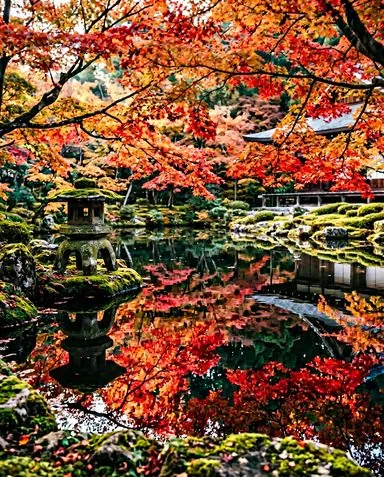
  • Peak foliage mid-October to early November
  • Perfect hiking temperatures
  • Harvest season at morning markets

Winterfuyu

Dec – Mar-3–7°CLow crowds
  • Snow-capped Alps backdrop at its most dramatic
  • Fewest tourists — castle floors to yourself
  • Nearby onsen at Asama and Shirahone

What to Do in Matsumoto

Matsumoto's attractions run from samurai heritage to contemporary art, with several worthwhile stops that most visitors walk right past.
Matsumoto Castle
Matsumoto Castle

Japan's oldest original wooden keep, with six floors of steep samurai staircases and Alps views from the top

Japan's oldest original keep

Nakamachi Street
Nakamachi Street

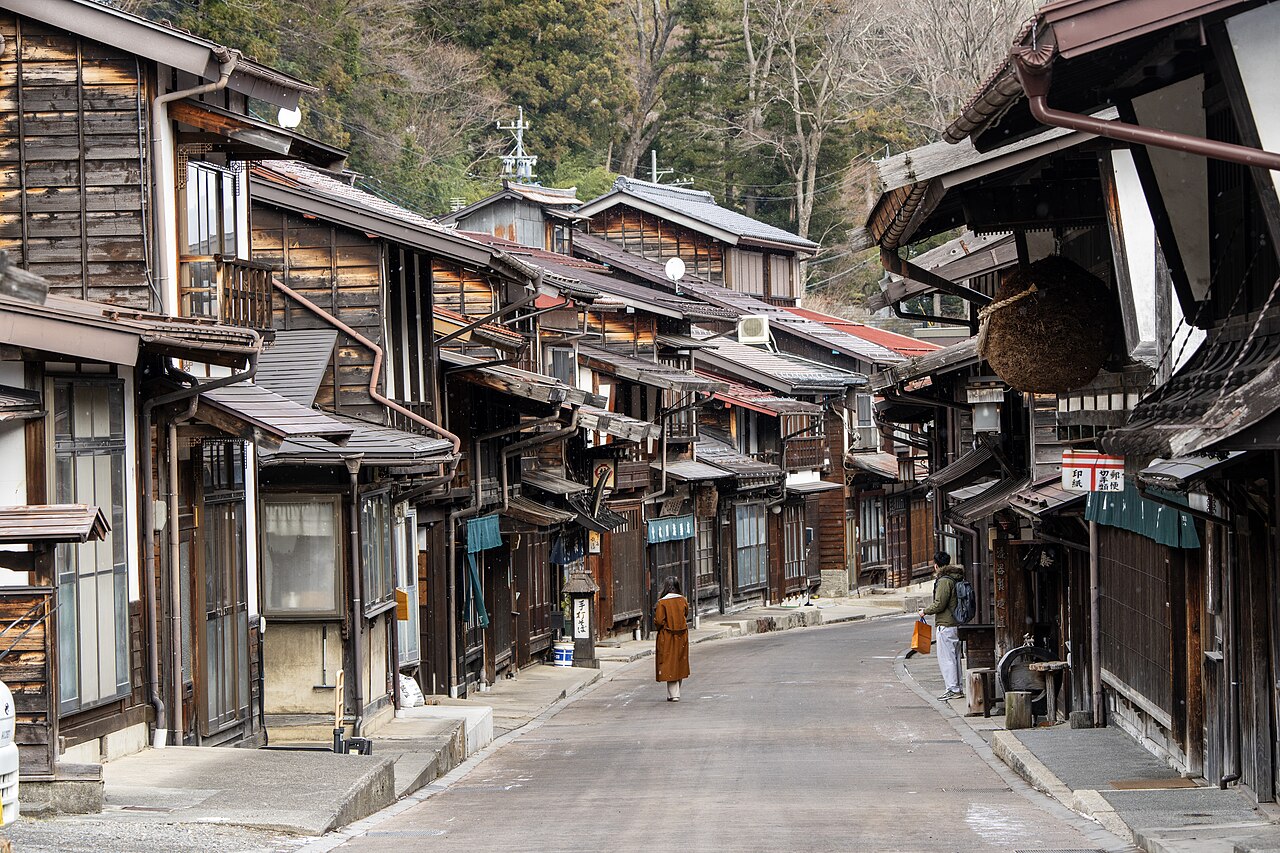
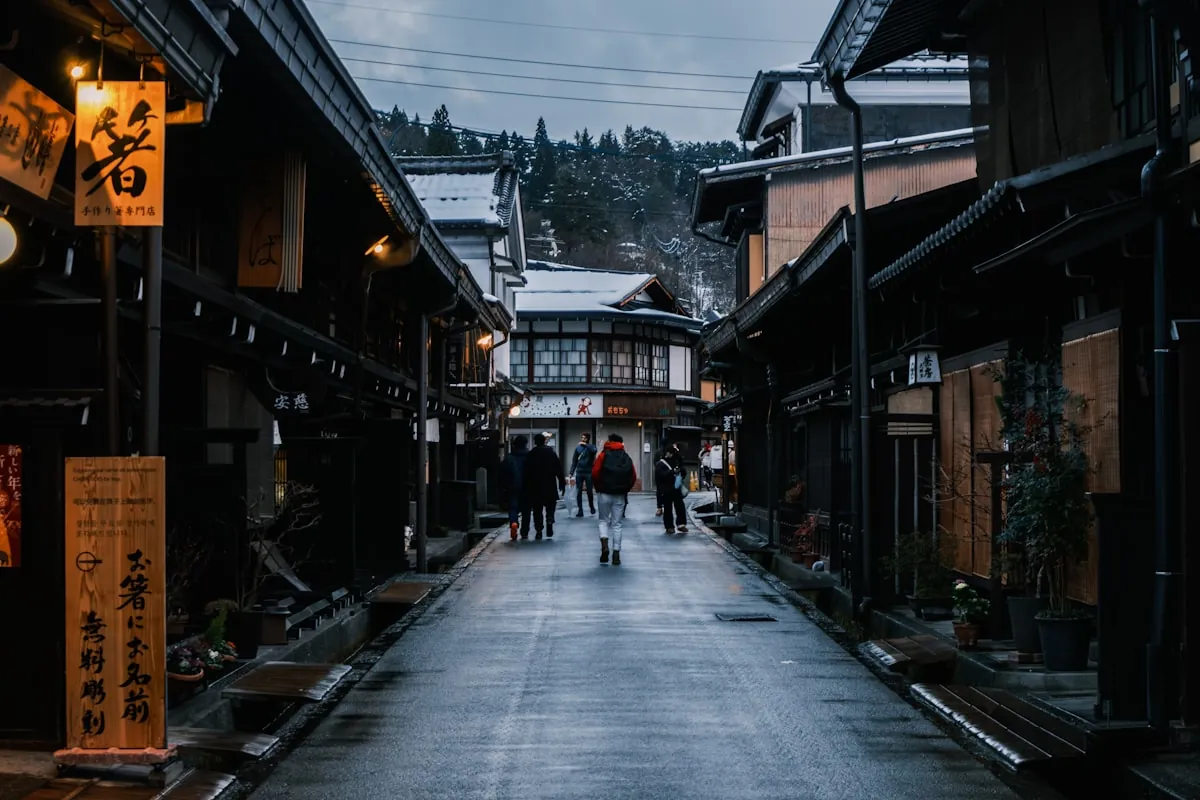
Edo-period kura warehouses converted into craft shops, cafés, and sake bars along a lantern-lit canal

Historic kura warehouse street

Matsumoto City Museum of Art

Home to Yayoi Kusama's polka-dot infinity installations — she was born here

Kusama's hometown museum

Kaichi School MuseumHidden Gem
Kaichi School Museum

Meiji-era Western-style schoolhouse blending Japanese carpentry with European architecture

Meiji-era school landmark

Matsumoto Folk Craft MuseumHidden Gem
Matsumoto Folk Craft Museum

Mingei movement collection of handmade furniture, textiles, and ceramics in a quiet residential neighborhood

Mingei craft collection

Japan Ukiyo-e Museum

The world's largest ukiyo-e woodblock print collection, tucked away in the suburbs

World's largest ukiyo-e collection

Yohashira ShrineHidden Gem
Yohashira Shrine

Ancient shrine hidden in old-growth forest, five minutes from the castle yet completely overlooked

Forest shrine near the castle

Nawate-dori (Frog Street)Hidden Gem
Nawate-dori (Frog Street)

Quirky narrow lane of vintage shops, local snacks, and a frog shrine that gives the street its nickname

Quirky frog-themed lane

Skip the Crowds

  • Castle at 8:30am sharp: By 10am the courtyard fills with tour groups. The early light also gives you the best Alps backdrop photos from the western moat — a spot most visitors never find.
  • Nakamachi after 5pm: Day-trippers clear out and the kura warehouses glow under lantern light. You can actually browse craft shops and duck into sake bars without the shoulder-to-shoulder crush.
  • Skip Nakamachi on weekends entirely — the parallel backstreets have the same kura architecture with working shops instead of tourist stores.
  • Morning market (Tue & Sat): Near Matsumoto Station, local produce and fresh wasabi root at a fraction of the heritage district markup.
  • Winter visits: Domestic tourism drops significantly December–March. Snow-capped Alps create the most dramatic castle backdrop, and you'll often have the keep's upper floors to yourself.

Food & Drink

Matsumoto's mountain water makes exceptional soba and sake — the city takes both seriously, and the best spots are small, family-run, and off the main drag.
Sakura-ya★ Author's Pick$
restaurant

Sakura-ya

Compact soba shop near the castle with hand-cut noodles and local wasabi

Near Matsumoto CastleCheck availability →
Teuchi Soba Takemura$
restaurant

Teuchi Soba Takemura

Historic soba restaurant in a century-old Nakamachi building

NakamachiCheck availability →
Hikari Gura$$
restaurant

Hikari Gura

Kaiseki dining in a converted kura warehouse with local seasonal ingredients

Historic DistrictCheck availability →
Matsumoto Brewery Taproom$$
restaurant

Matsumoto Brewery Taproom

Craft brewery taproom near the station using pure Japanese Alps water

Station AreaCheck availability →

Where to Stay

The best options cluster near the castle or station — book ahead during cherry blossom season (April) and autumn foliage (October–November).
Buena Vista★ Author's Pick$$
hotel

Buena Vista

Full-service hotel with Alps-view rooms and onsen baths in the castle district

Castle DistrictCheck availability →
Dormy Inn Matsumoto$
hotel

Dormy Inn Matsumoto

Reliable business hotel with a rooftop natural hot spring — excellent value near the station

Station AreaCheck availability →
Marumo Ryokan$$
ryokan

Marumo Ryokan

Traditional inn with tatami rooms and kaiseki dinners in the historic district

Historic DistrictCheck availability →
Ace Inn Matsumoto$
hotel

Ace Inn Matsumoto

Budget-friendly option within walking distance of the castle — no frills, clean rooms

CentralCheck availability →

Day Trips

Matsumoto's position at the Alps' eastern edge puts pristine valleys, historic mountain towns, and wasabi farms within easy reach.

How to Get There

Getting There

  1. 1
    Take JR Chuo Line Limited Express Azusa → Matsumoto Station
    2 hours 30 min¥6,620
  2. 2
    Walk from station → Castle area
    15 min
  1. 1
    Take JR Chuo Main Line Limited Express Shinano → Matsumoto Station
    2 hours¥5,610
  1. 1
    Take JR Tokaido Shinkansen → Nagoya Station
    50 min¥5,830
  2. 2
    Transfer to JR Chuo Main Line Limited Express Shinano → Matsumoto Station
    2 hours¥5,610

Tips for Visiting

  • Castle timing: Arrive at 8:30am opening for the best light and smallest crowds — the wooden floors creak less when you're not fighting for space on the steep stairs.
  • Evening Nakamachi: The district transforms after 5pm when day-trippers leave. Kura warehouses glow under lantern light, and you can actually browse craft shops in peace.
  • Craft beer: Matsumoto's brewery scene uses pure Alps water — the local IPAs pair surprisingly well with mountain air. Taprooms are cozy refuges after castle climbing.
  • Don't skip Nawate-dori: This narrow "frog street" runs parallel to the main tourist drag — local snacks, vintage shops, and the quirky frog shrine that gives the street its nickname.
  • Castle photography: The western moat area offers the classic Alps backdrop shot without the crowds. Late afternoon light turns the black walls golden against snow-capped peaks.
  • Fresh wasabi: Buy wasabi root at the morning markets — cheaper than tourist shops and infinitely better than the paste you know from home.
  • Walking city: The castle, historic districts, and main attractions are all within 15 minutes of each other on foot. Rent a bicycle (around ¥500/day) for outer attractions like Agata Forest Park or the Ukiyo-e Museum.

FAQ

How much time do I need for Matsumoto Castle?

Plan 1–2 hours for a thorough visit. The castle itself takes 45–60 minutes to climb through all six floors, but you'll want extra time for the grounds and moat photos. Arrive right at 8:30am opening to avoid crowds on the narrow wooden stairs.

Can I visit Kamikochi as a day trip from Matsumoto?

Yes — take the train to Shin-Shimashima (30 minutes), then the bus to Kamikochi (about 1 hour). The valley is only accessible April–November, and buses run frequently during peak season. Check the current bus schedule before you go.

What's the best way to get around Matsumoto?

Walking. The castle, Nakamachi, Nawate-dori, and the art museum are all within a 15-minute radius on foot. Rent a bicycle for around ¥500/day to reach the Folk Craft Museum, Agata Forest Park, or the Ukiyo-e Museum more easily.

Is Matsumoto expensive compared to other Japanese cities?

Reasonably priced for a tourist destination. Budget ¥8,000–12,000 per day including accommodation, meals, and attractions. Castle entry is ¥700, museum admissions run ¥300–1,000, and soba meals start around ¥800. Check current pricing before your visit.

When is cherry blossom season in Matsumoto?

Cherry blossoms typically bloom mid-to-late April, about a week later than Tokyo. The castle grounds and Agata Forest Park offer the best viewing spots, with the Alps creating a dramatic backdrop. Golden Week (late April–early May) brings the biggest crowds.

Do I need to book accommodation in advance?

Book ahead during cherry blossom season (April) and autumn foliage (October–November). Summer has good availability, while winter offers the best value with fewer crowds and dramatic snow-capped mountain views.