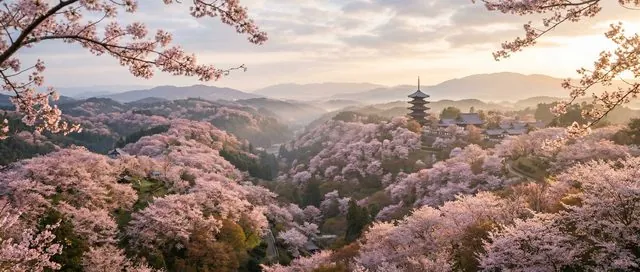
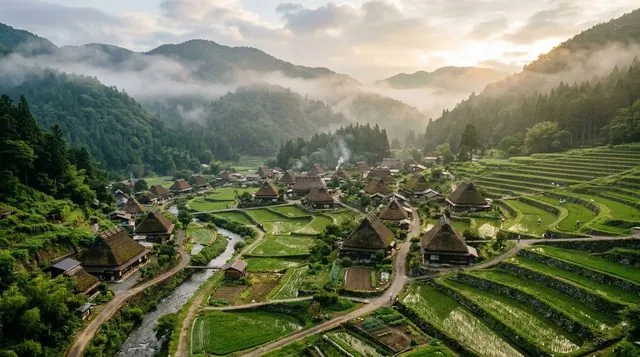
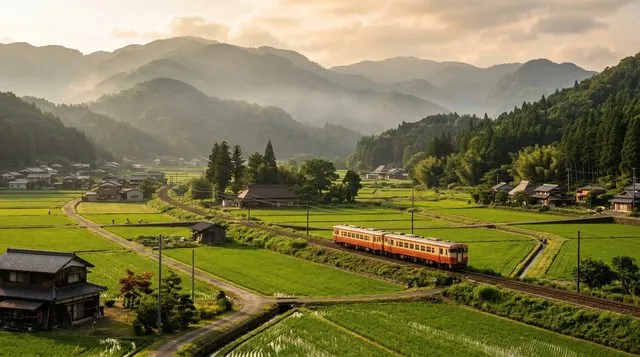
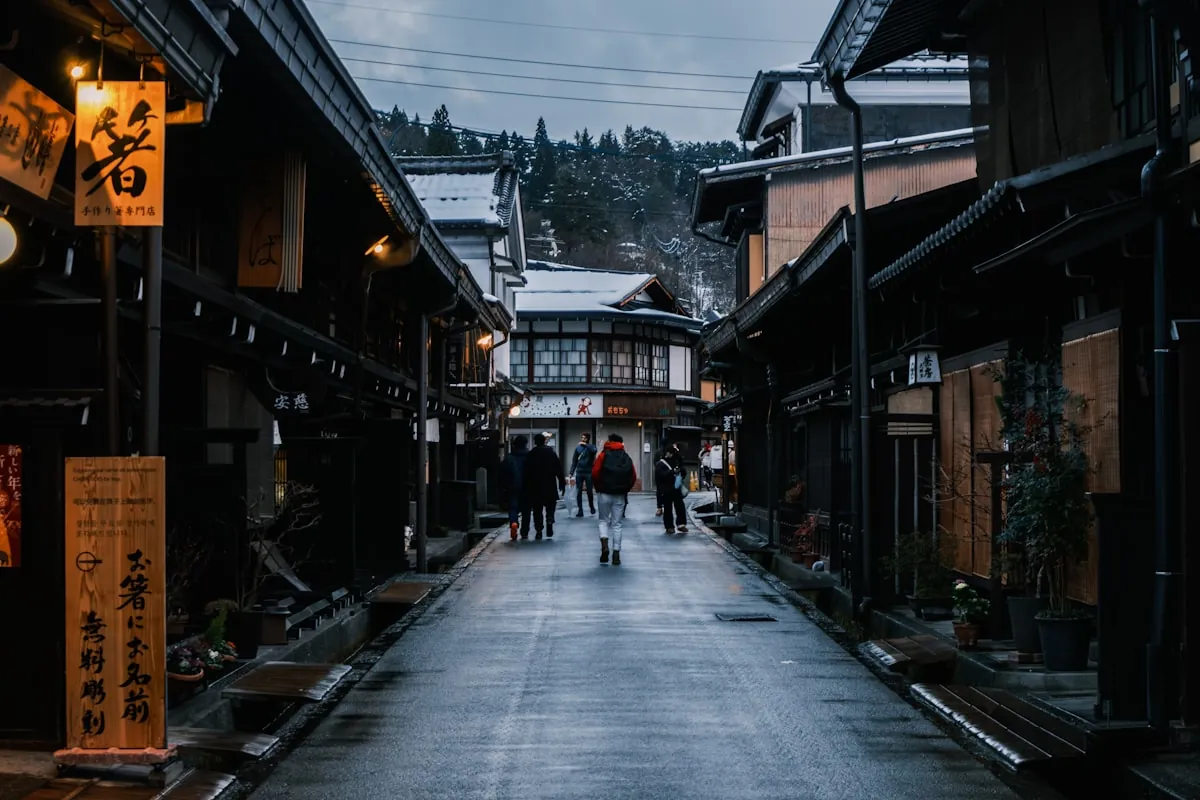
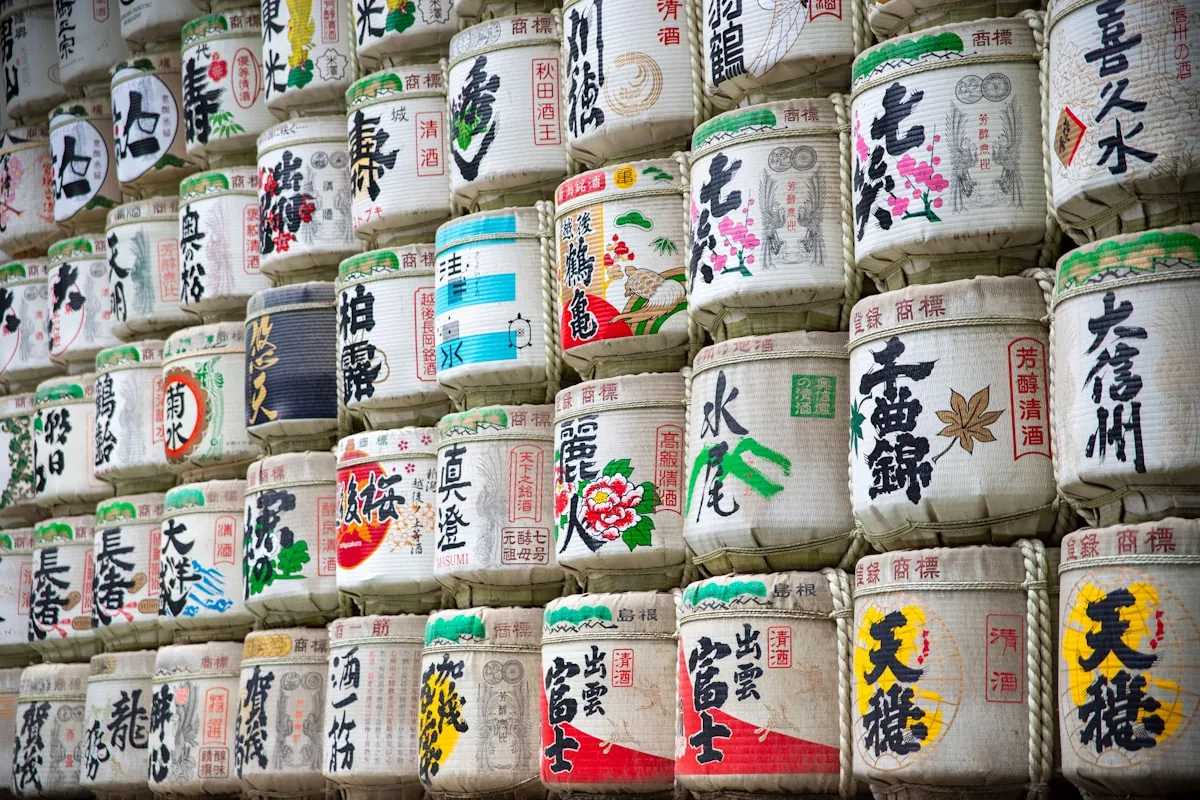
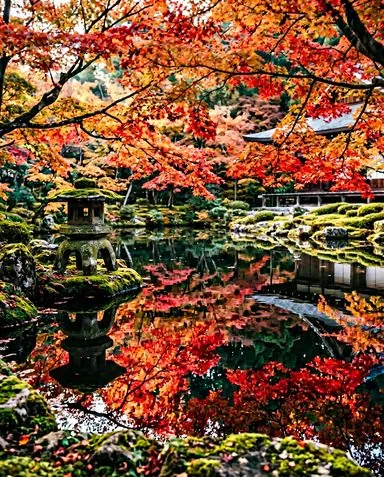
Fukui sits between Kanazawa and Kyoto on the Sea of Japan side, a quiet prefecture with five distinctive headline draws: the 13th-century Eiheiji Temple, head temple of Soto Zen Buddhism; the basalt sea cliffs of Tojinbo Cliffs; the world-class Fukui Prefectural Dinosaur Museum; the original-keep Maruoka Castle; and the five-lake coastal scenery at Mikata Five Lakes.
Cities & Towns
Three urban anchors plus the Wakasa coast.
Fukui City
Capital with castle ruins, gateway to Eiheiji, and a station-side dinosaur statue marking the prefecture's identity
Capital and Eiheiji gateway
- Fukui Castle moat
- Yokokan Garden
- Eiheiji bus access
Sakai
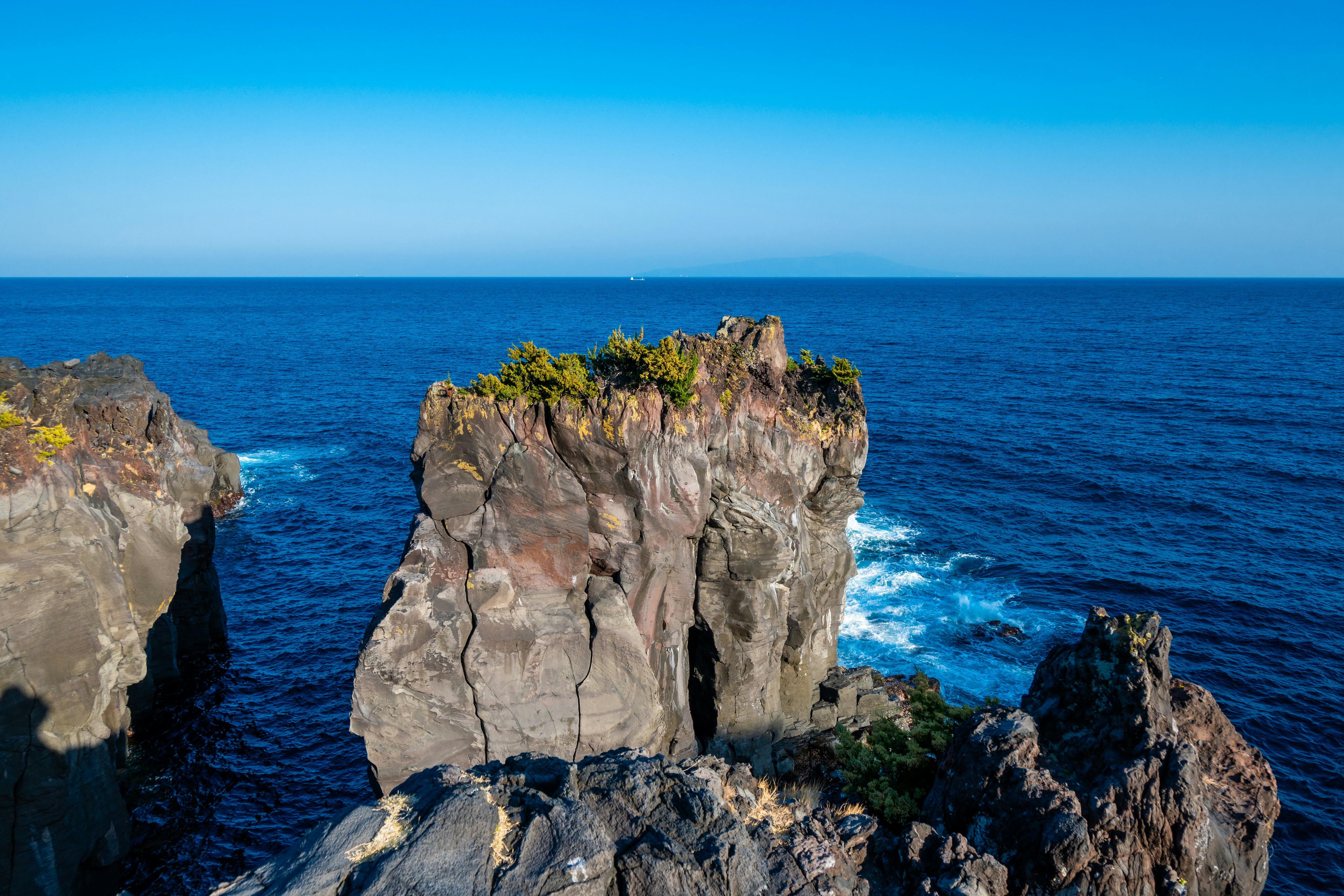
Coastal city home to Tojinbo's basalt cliffs and the original-keep Maruoka Castle
Cliffs and castle
- Tojinbo Cliffs
- Maruoka Castle
- Mikuni harbour
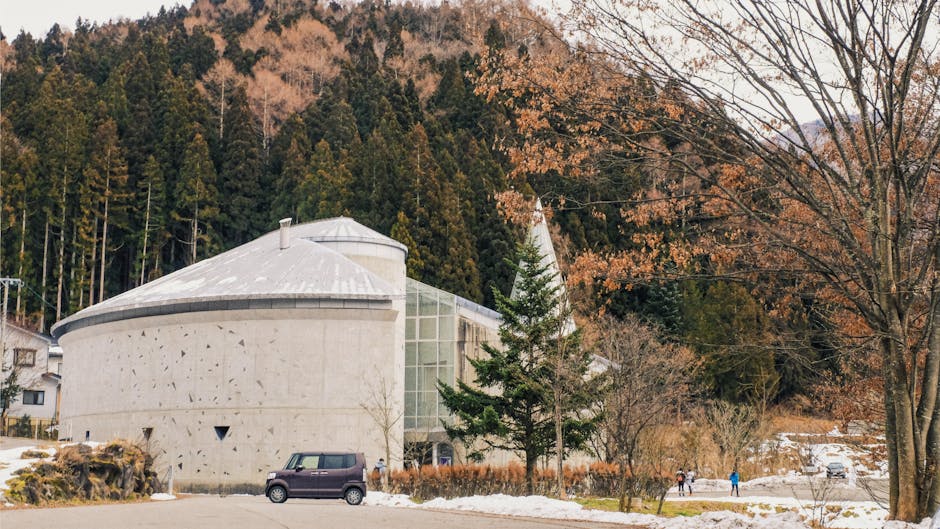
Katsuyama
Inland mountain town built around the Fukui Prefectural Dinosaur Museum and a 13th-century mountain temple
Dinosaur museum town
- Dinosaur Museum
- Heisenji Hakusan Shrine
- Local dinosaur excavation
Top Attractions
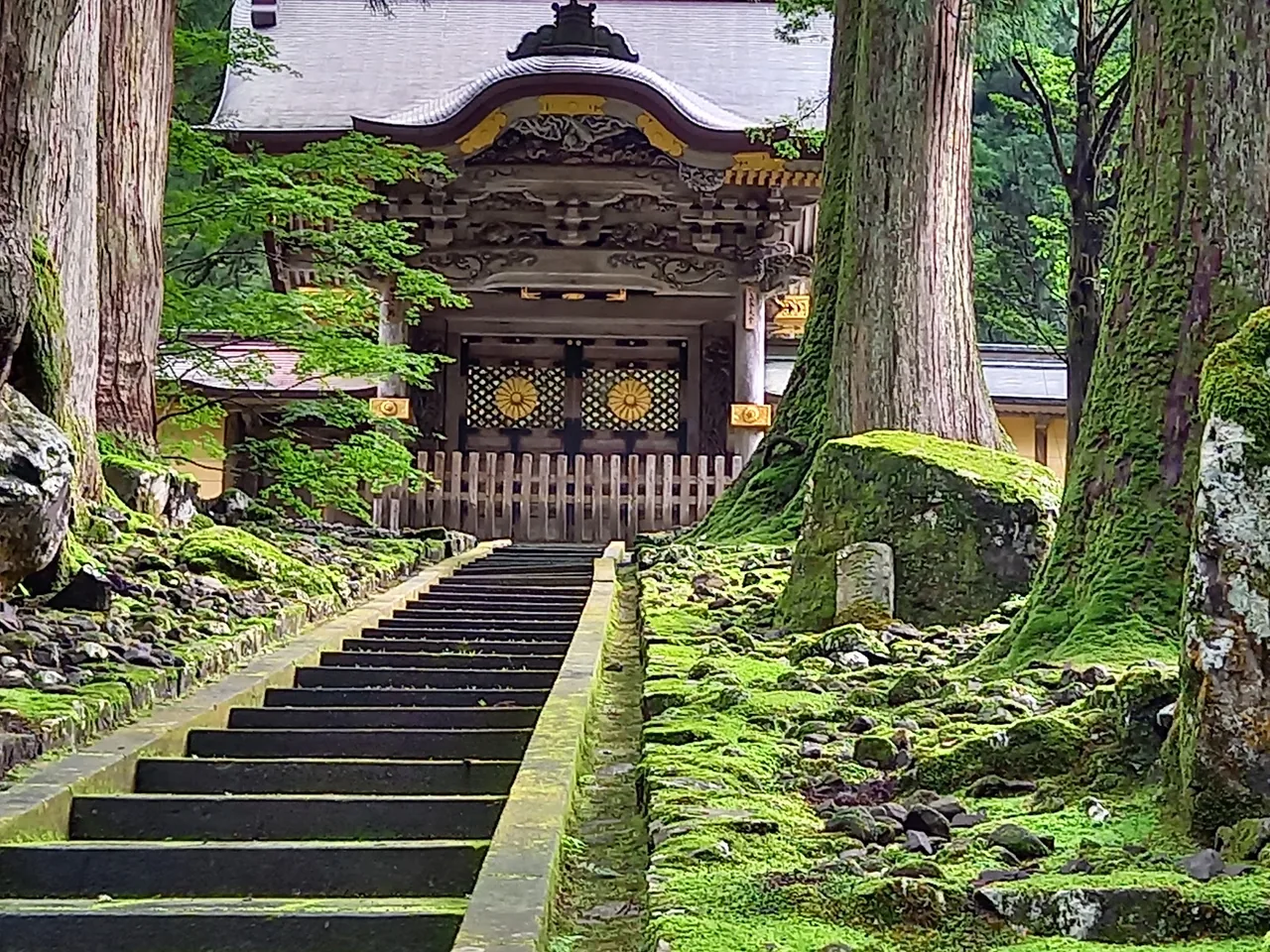
Founding monastery of Soto Zen, established 1244: 70+ buildings on a forested mountain, with monks still in residence and meditation stays available
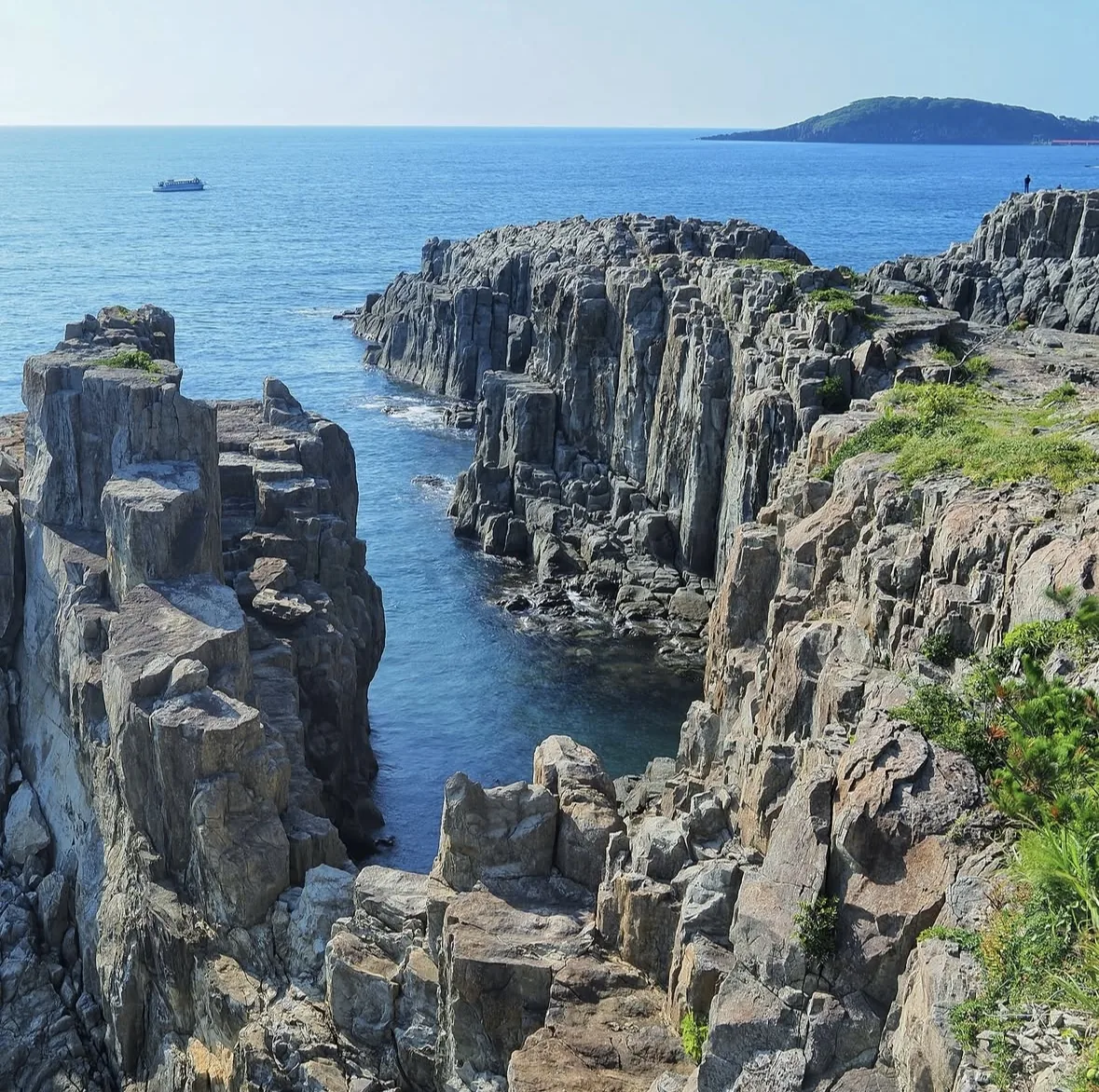
Mile of dramatic basalt sea cliffs on the Japan Sea coast, a geological wonder with a sunset cruise option
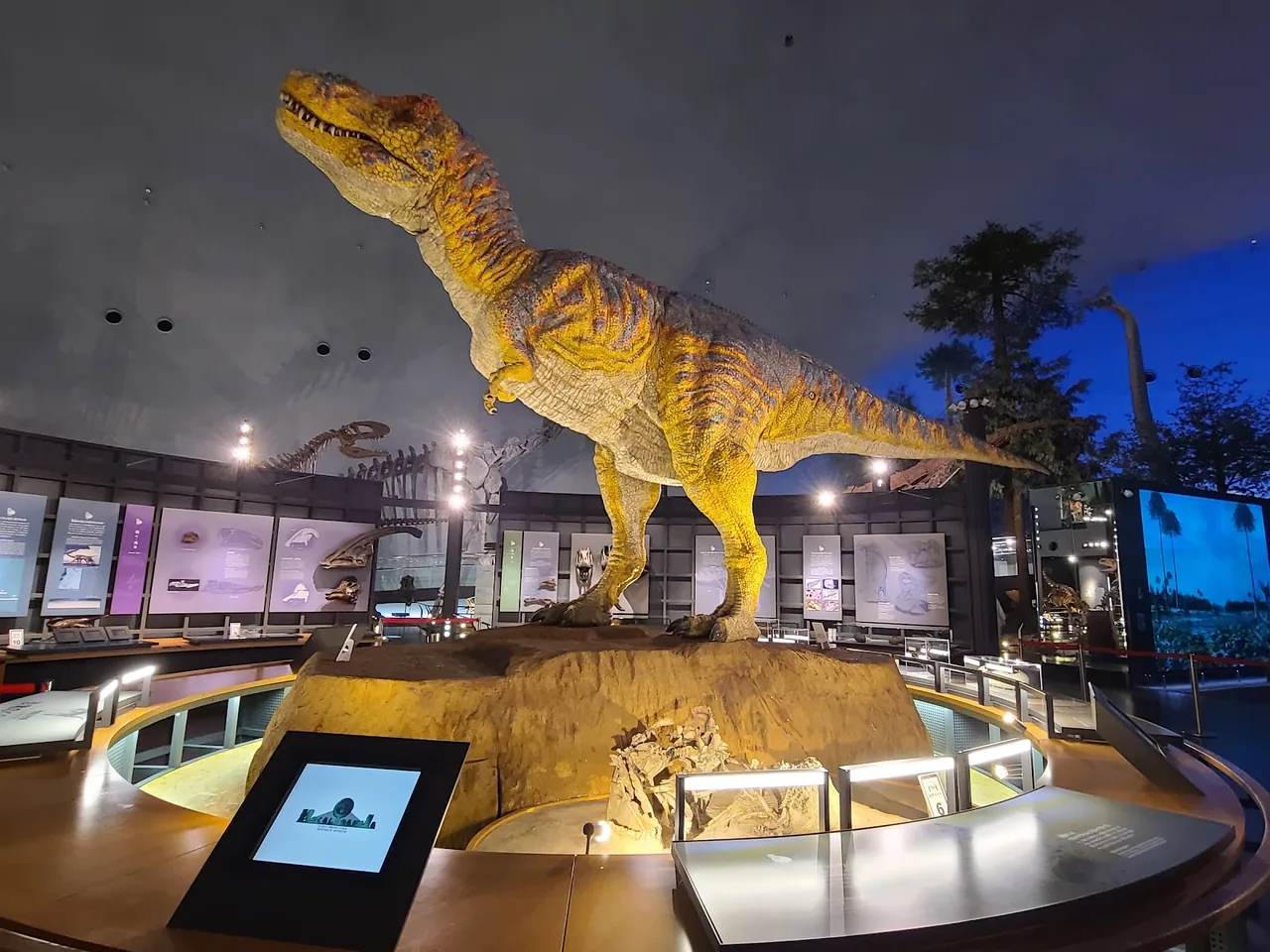
One of the world's three great dinosaur museums: 50+ full skeletons, animatronic dioramas, and Fukuiraptor finds from the surrounding hills
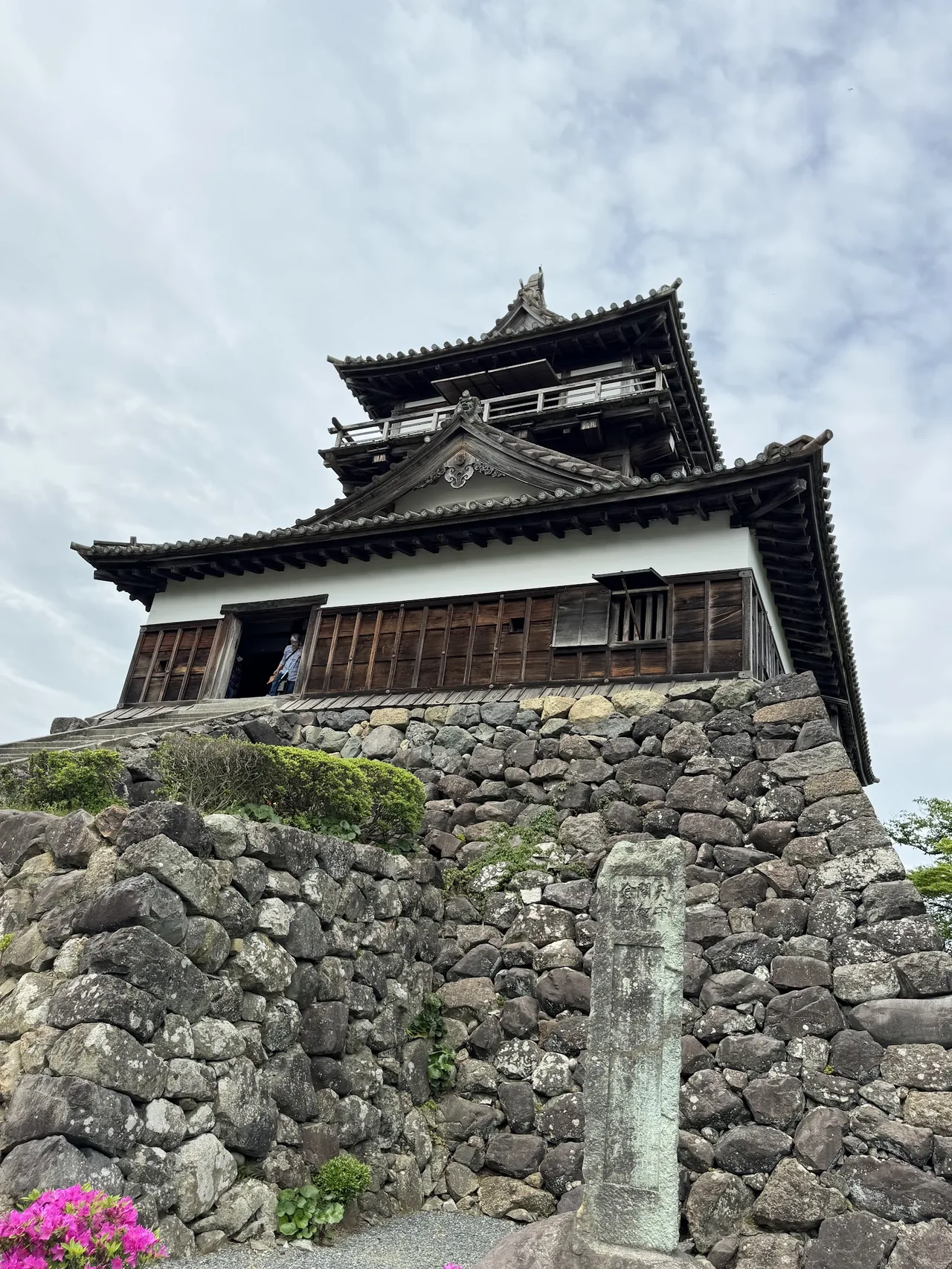
Japan's oldest surviving castle keep (1576): a small, atmospheric original built from Japanese cypress with a moat ringed by cherry trees
Hidden Gems
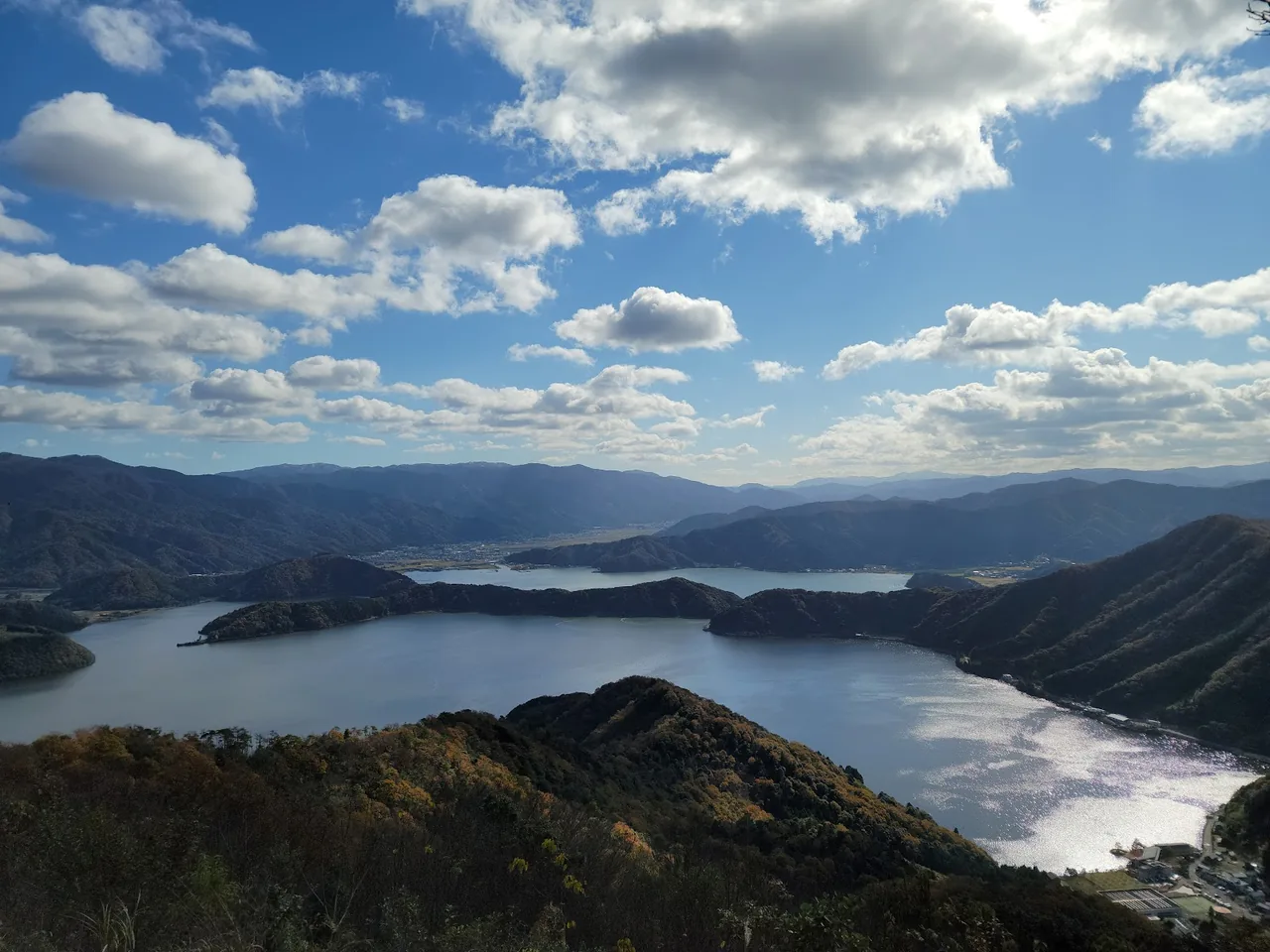 Hidden Gem
Five interconnected lakes of different colours and salinity along the Wakasa Bay coast. Japan's only such natural arrangement, with the scenic Rainbow Line drive
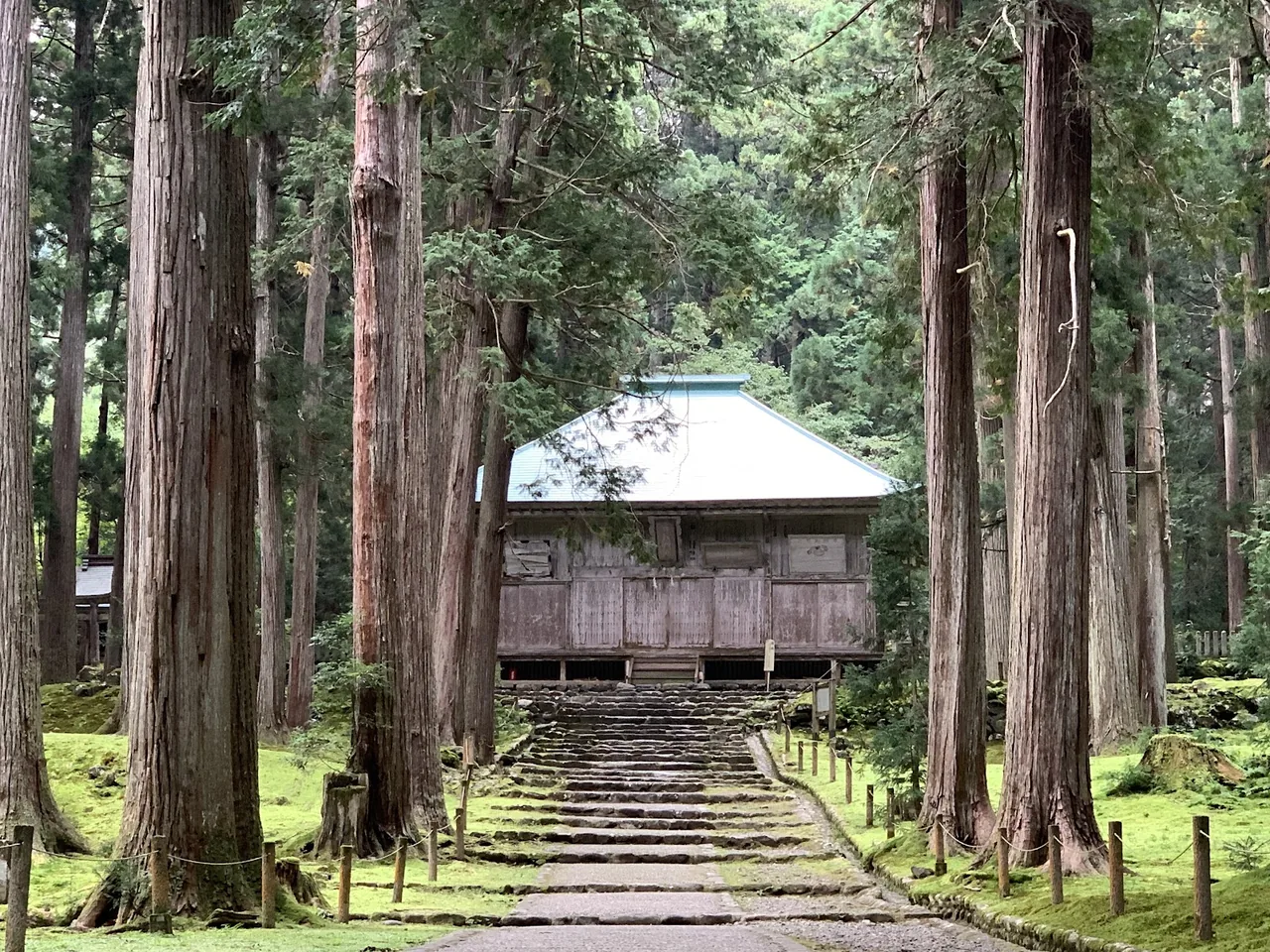 Hidden Gem
Moss-carpeted ancient shrine in the mountains east of Katsuyama. Once a 6,000-monk complex, now a quiet remnant ranked among Japan's most beautiful moss gardens
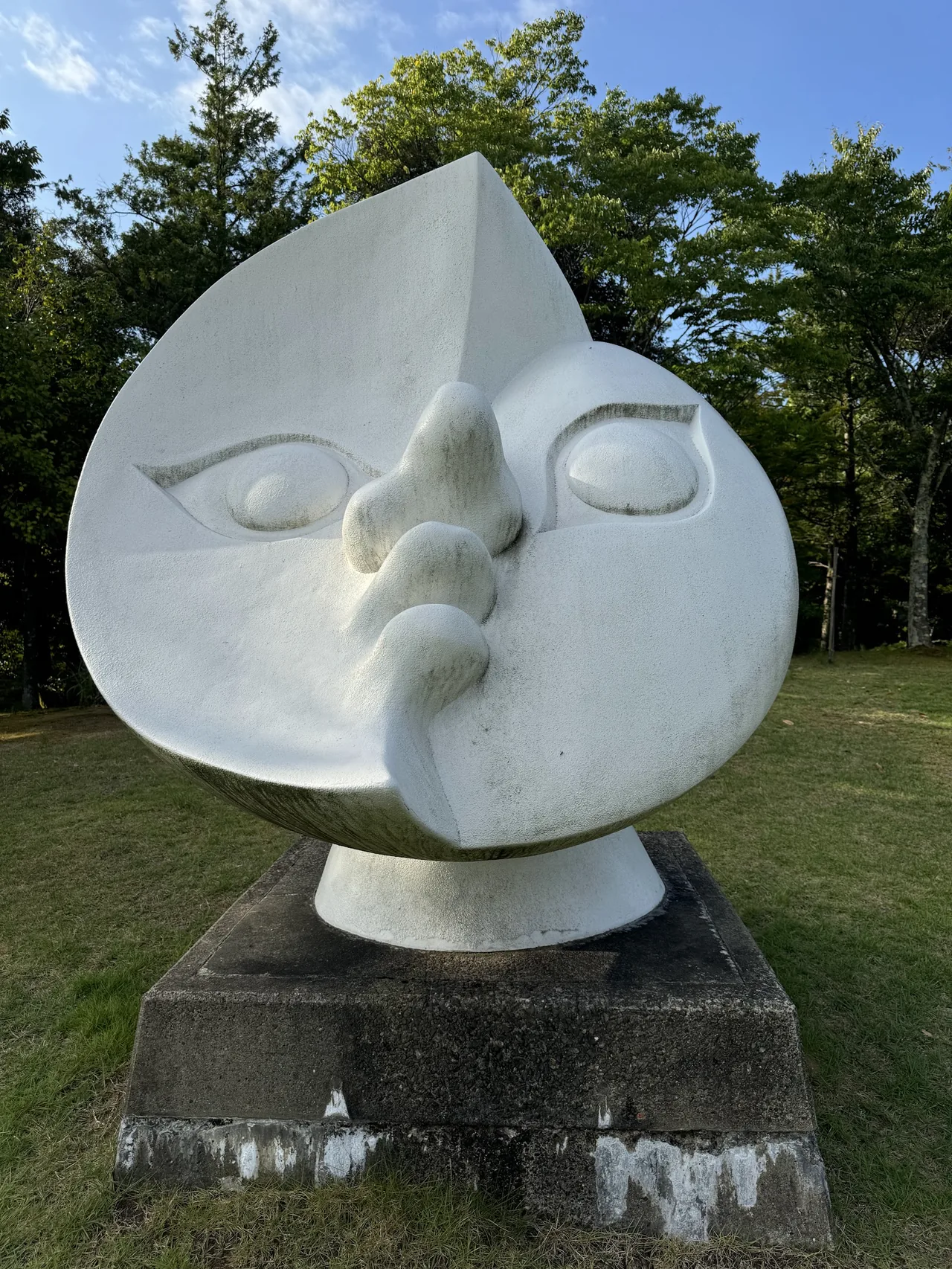 Hidden Gem
One of Japan's six ancient kilns: Echizen-yaki pottery has been continuously produced since the 12th century in this coastal village
When to Visit
Springharu
Apr – May10–22°CModerate crowds
Springharu
- Cherry blossoms at Maruoka Castle moat early April
- Eiheiji at peak quiet
- Mild for Tojinbo cliffside walks
- Golden Week busy at Dinosaur Museum
Summernatsu
Jun – Aug22–32°CModerate crowds
Summernatsu
- Beach season at Wakasa Bay
- Rainy season through early July
- Moss greenest at Heisenji
- Echizen pottery workshops
Autumnaki
Sep – Nov10–22°CHigh crowds
Autumnaki
- Foliage at Eiheiji mid to late November
- Mikata Lakes clearest
- Crab season opens November
- Comfortable for shrine visits
Winterfuyu
Dec – Mar0–8°CLow crowds
Winterfuyu
- Wakasa snow crab season
- Snow scenery at Eiheiji
- Quiet Tojinbo cliffs in winter storms
- Heated Maruoka castle bath
Suggested Itineraries
FAQ
How do I get to Fukui from Tokyo or Kyoto?
Hokuriku Shinkansen direct from Tokyo to Fukui Station in 3 hours. From Kyoto: 90 minutes via JR Limited Express Thunderbird. Fukui Airport has limited domestic flights.
Is Eiheiji worth the detour?
For travellers interested in Zen, very much yes. The 70+ wooden buildings on a forested mountain are still actively used by 200+ monks. Day visits are simple; meditation overnight stays available with advance booking.
Can kids enjoy the Dinosaur Museum?
Absolutely. Animatronic dioramas, full skeletons, and a fossil-prep lab make it one of Japan's best family museums. Best to book ahead during school holidays.
What is Fukui best known for?
Eiheiji Temple (Soto Zen head monastery), Tojinbo's basalt cliffs, the Dinosaur Museum, Maruoka Castle's original keep, and Wakasa Bay snow crab and pufferfish.
How many days do I need in Fukui?
One full day covers Eiheiji and Tojinbo. Two days adds the Dinosaur Museum and Maruoka Castle. Three days lets you reach Mikata Five Lakes and Echizen pottery.
What are Fukui's hidden gems?
The moss-carpeted Heisenji Hakusan Shrine east of Katsuyama, the 12th-century Echizen pottery village, and the Mikata Five Lakes scenic drive on the Wakasa Bay coast.
What surrounds the headline spots?
Beyond the obvious draws, Echizen Washi no Sato, Obama reward travelers willing to step off the main route: local pace, fewer crowds, and a closer feel for the everyday rhythms of the region.