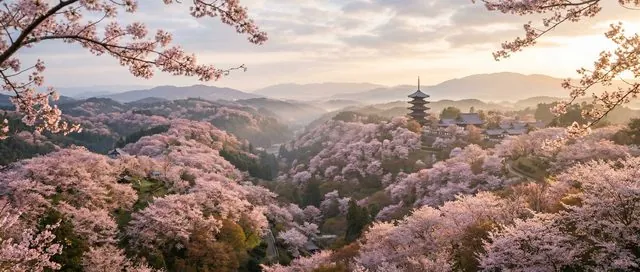
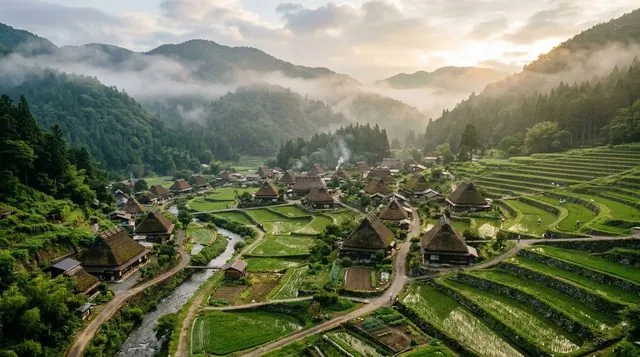
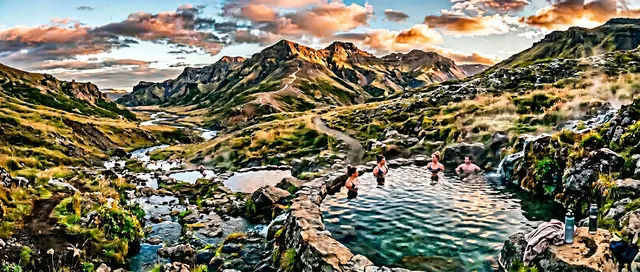
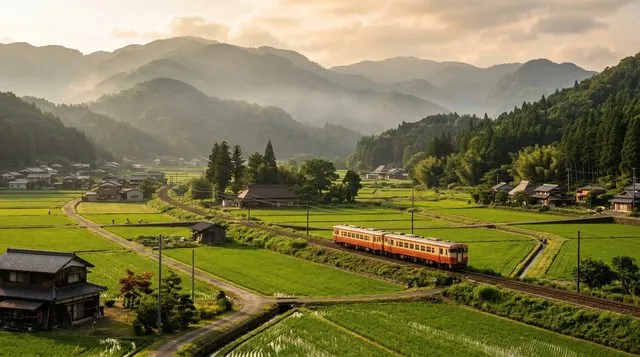
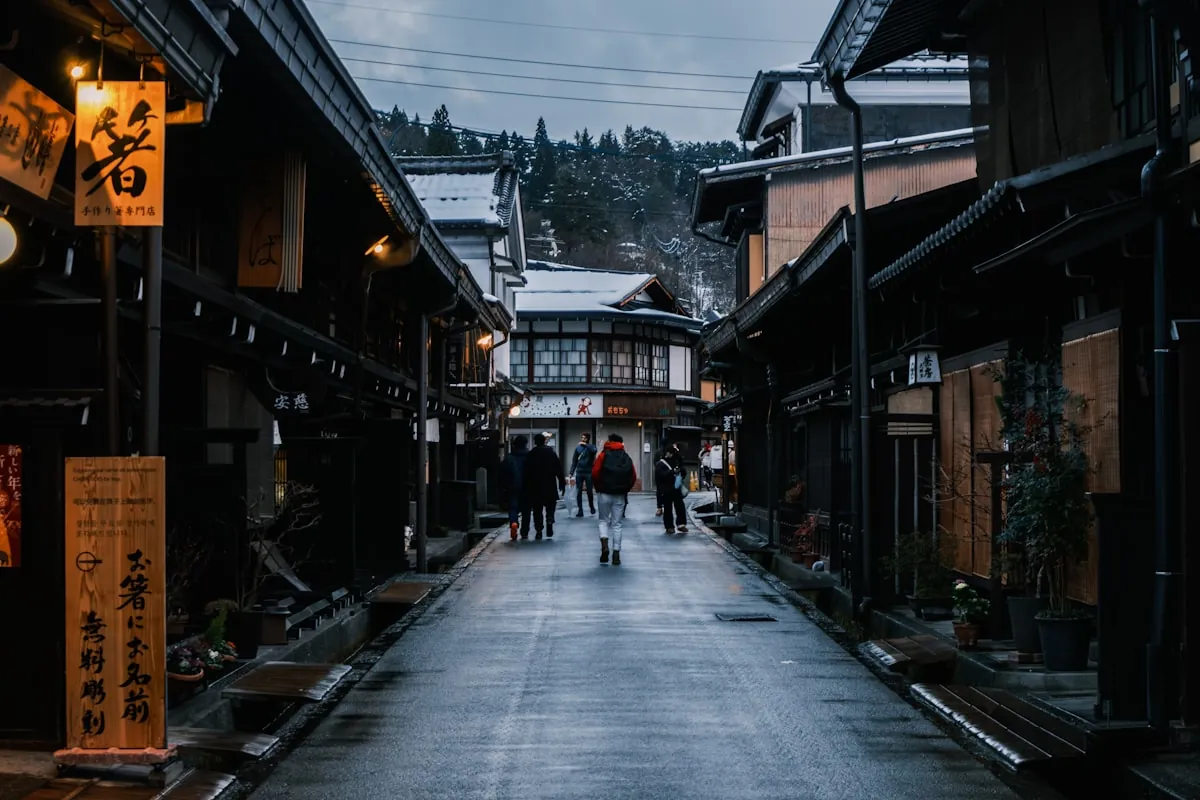
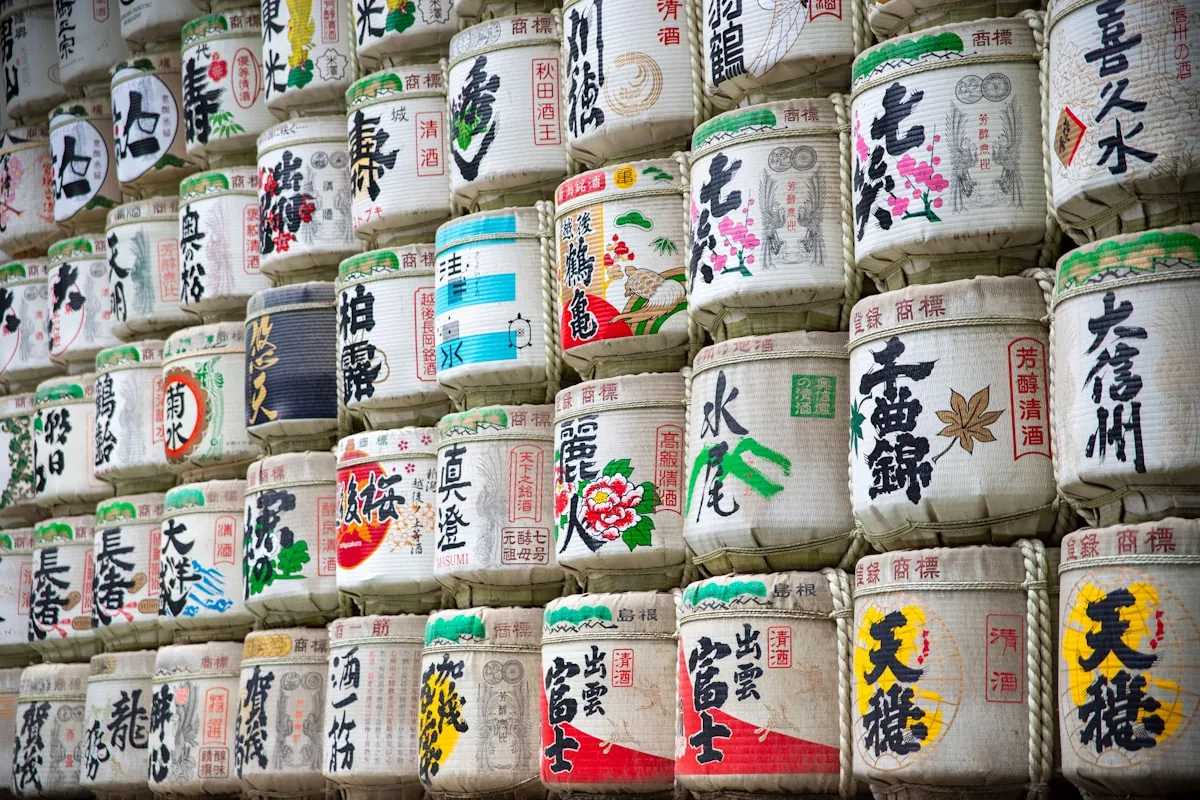
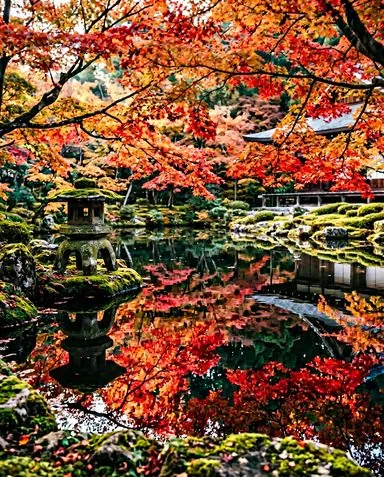
Iwate is Japan's quiet northeast: twice the area of Hawaii but home to fewer than 1.2 million people. The prefecture's headline is the UNESCO-listed Chūson-ji temple complex with its 12th-century golden hall Konjikidō; the Pacific coast holds Jōdogahama Beach's white pebbles and pine islets; Ryūsendō Cave is one of Japan's three great limestone caves; and Genbikei Gorge sells dango by basket-and-rope across the river. Plus the folk-tale plains around Tono, the wirework-fishery coast of Sanriku, and the iron-kettle craft of Morioka.
Cities & Towns
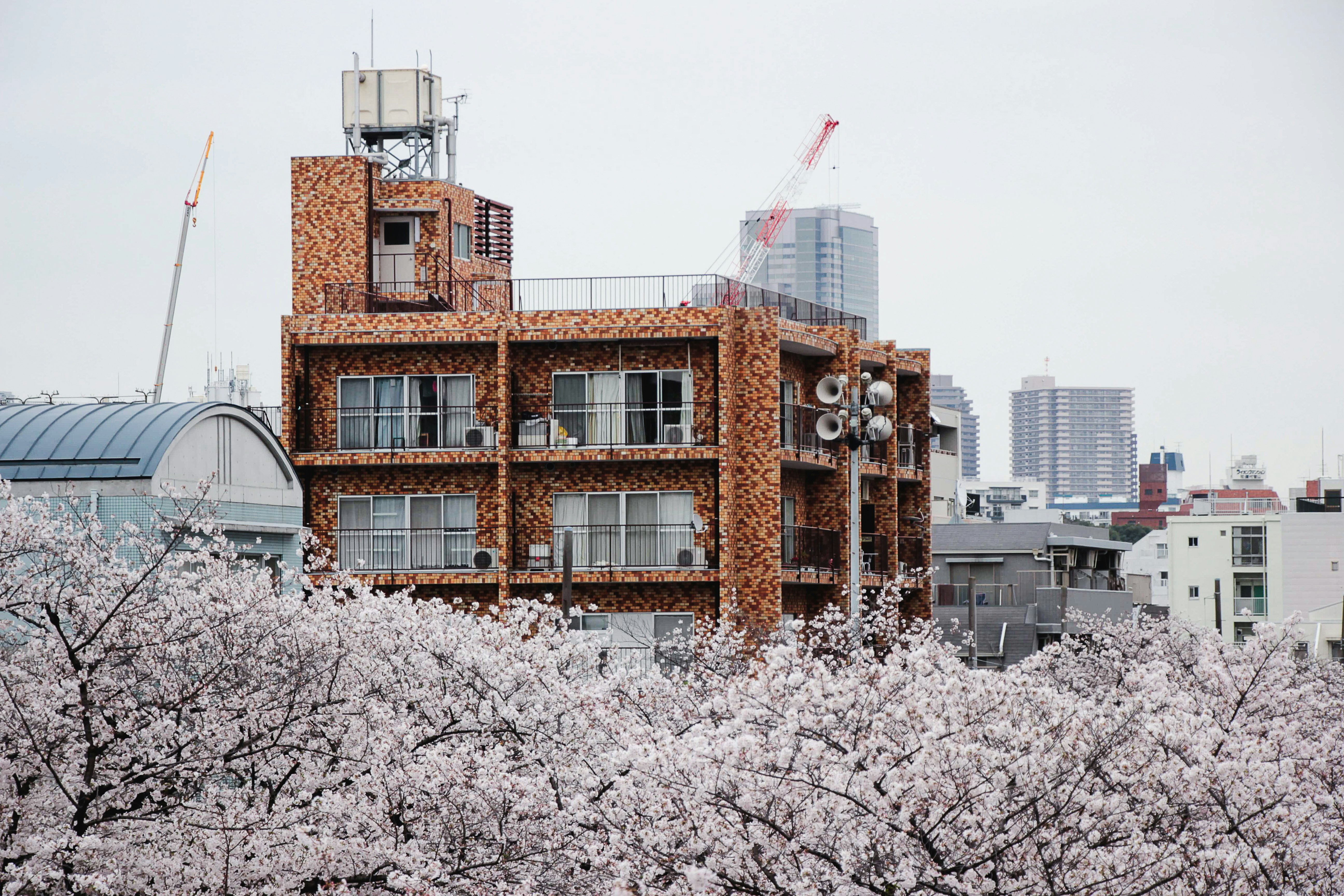
Morioka
The capital: castle ruins, the Iwate Bank brick building, wanko-soba noodle endurance, and the iron-kettle Nambu-tekki crafts
Capital and ironwork city
- Wanko-soba challenge
- Nambu-tekki ironware
- Iwate Park castle ruins
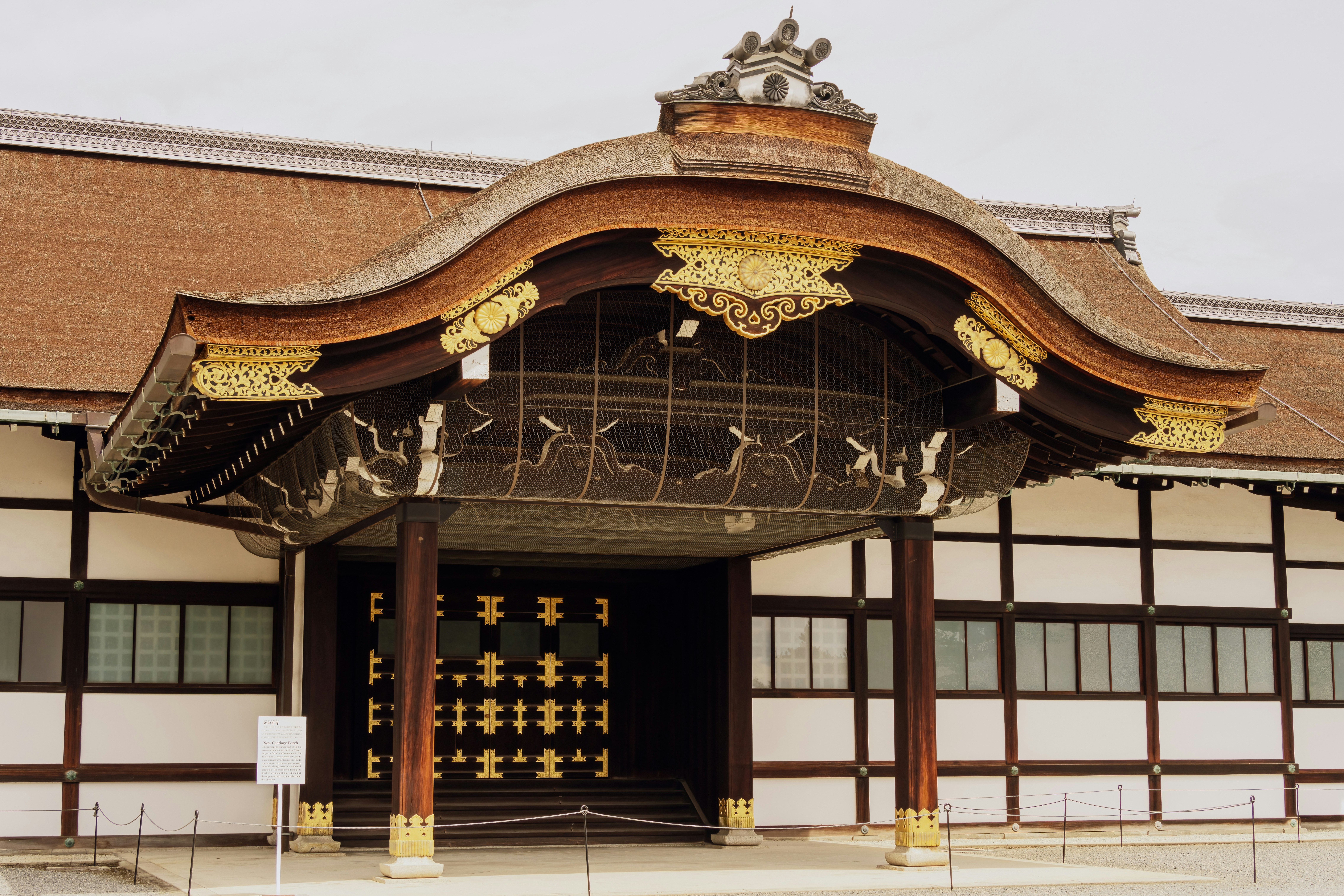
Hiraizumi
12th-century Buddhist Pure Land capital, home to the UNESCO-listed Chūson-ji and Mōtsu-ji temple complex
UNESCO Buddhist capital
- Chūson-ji UNESCO
- Mōtsu-ji garden
- 12th-century capital
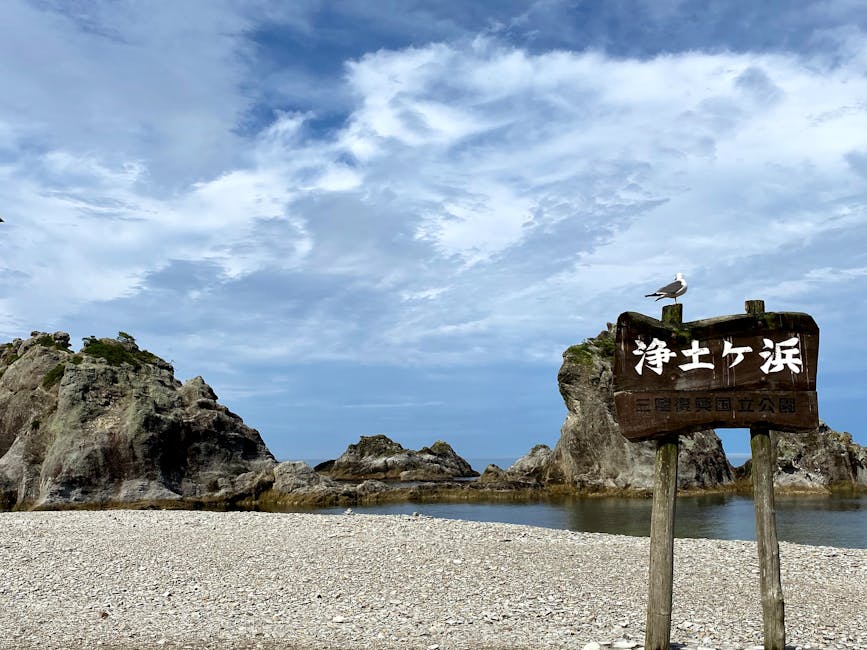
Miyako
Sanriku coast city and gateway to Jōdogahama Beach and the rias of Pacific Iwate
Sanriku Pacific gateway
- Jōdogahama Beach
- Sanriku coast
- Sanriku Railway
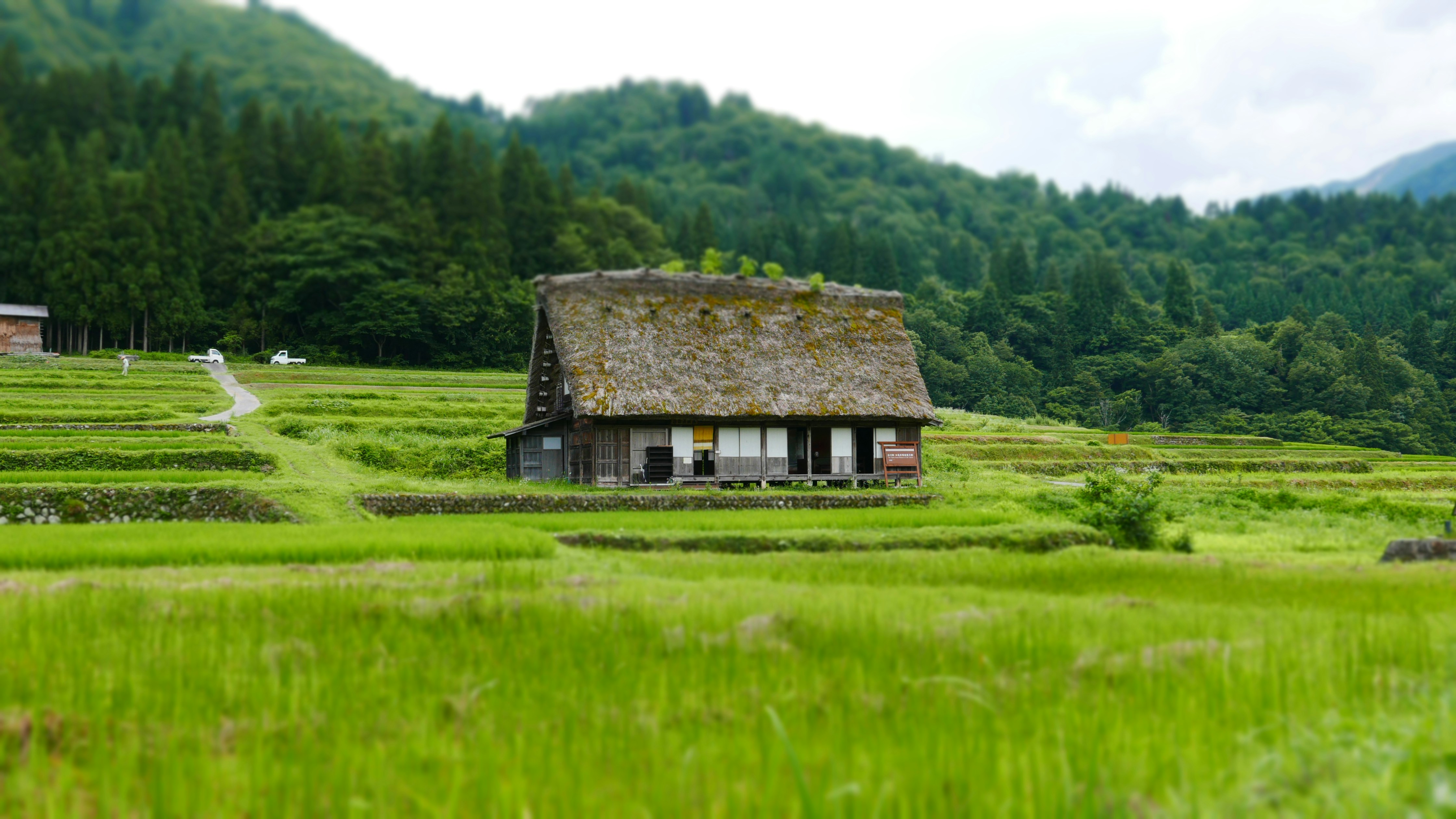
Tono
Folk-tale plain immortalised in Yanagita Kunio's 'Legends of Tono': kappa river creatures, magariya houses, and shrine-and-rice landscapes
Folk-tale countryside
- Folk-tale plain
- Magariya farmhouses
- Kappabuchi river pool
Top Attractions
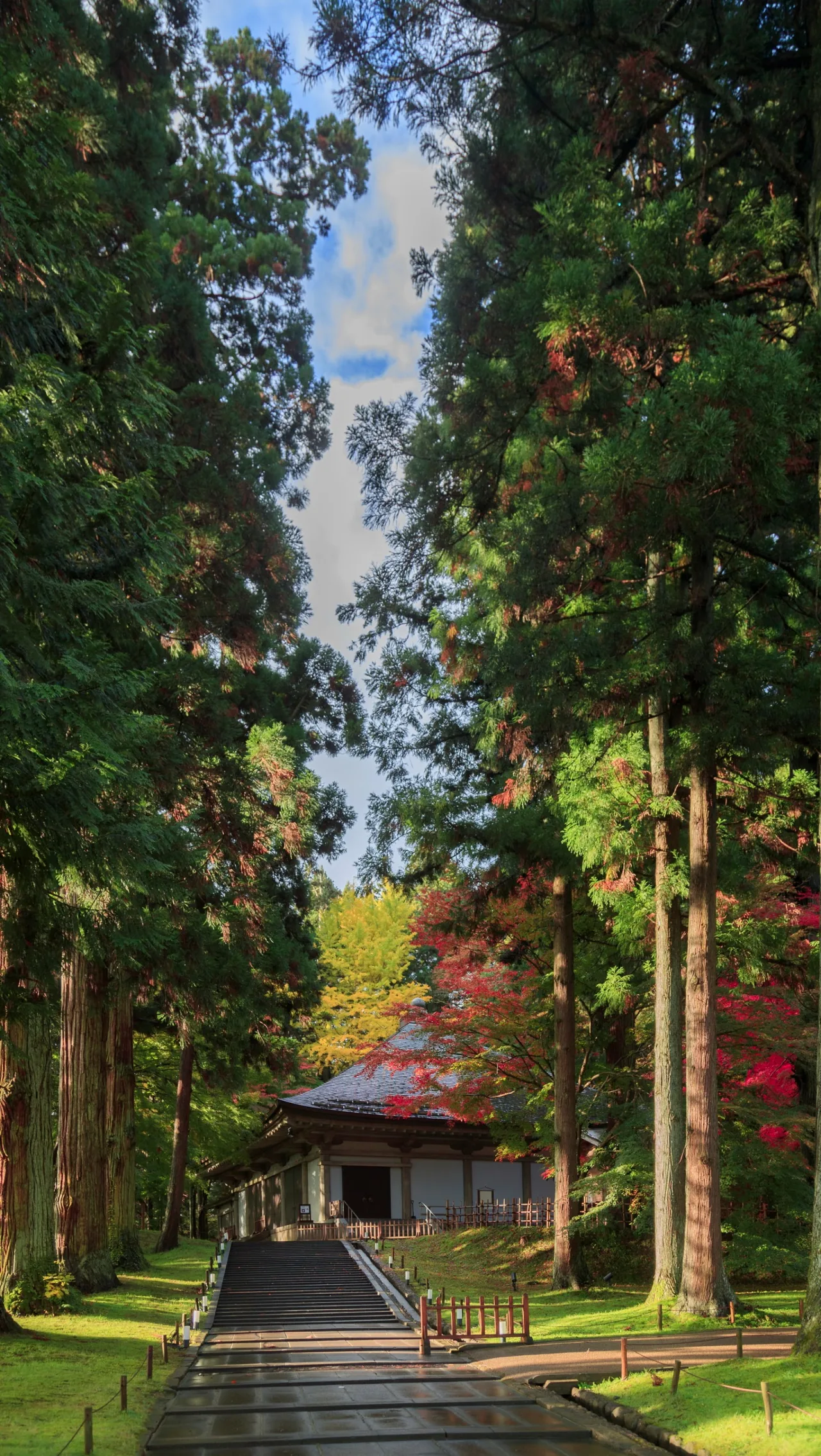
12th-century mountain temple complex; the UNESCO-listed Konjikidō golden hall is encased in glass within a protective shelter
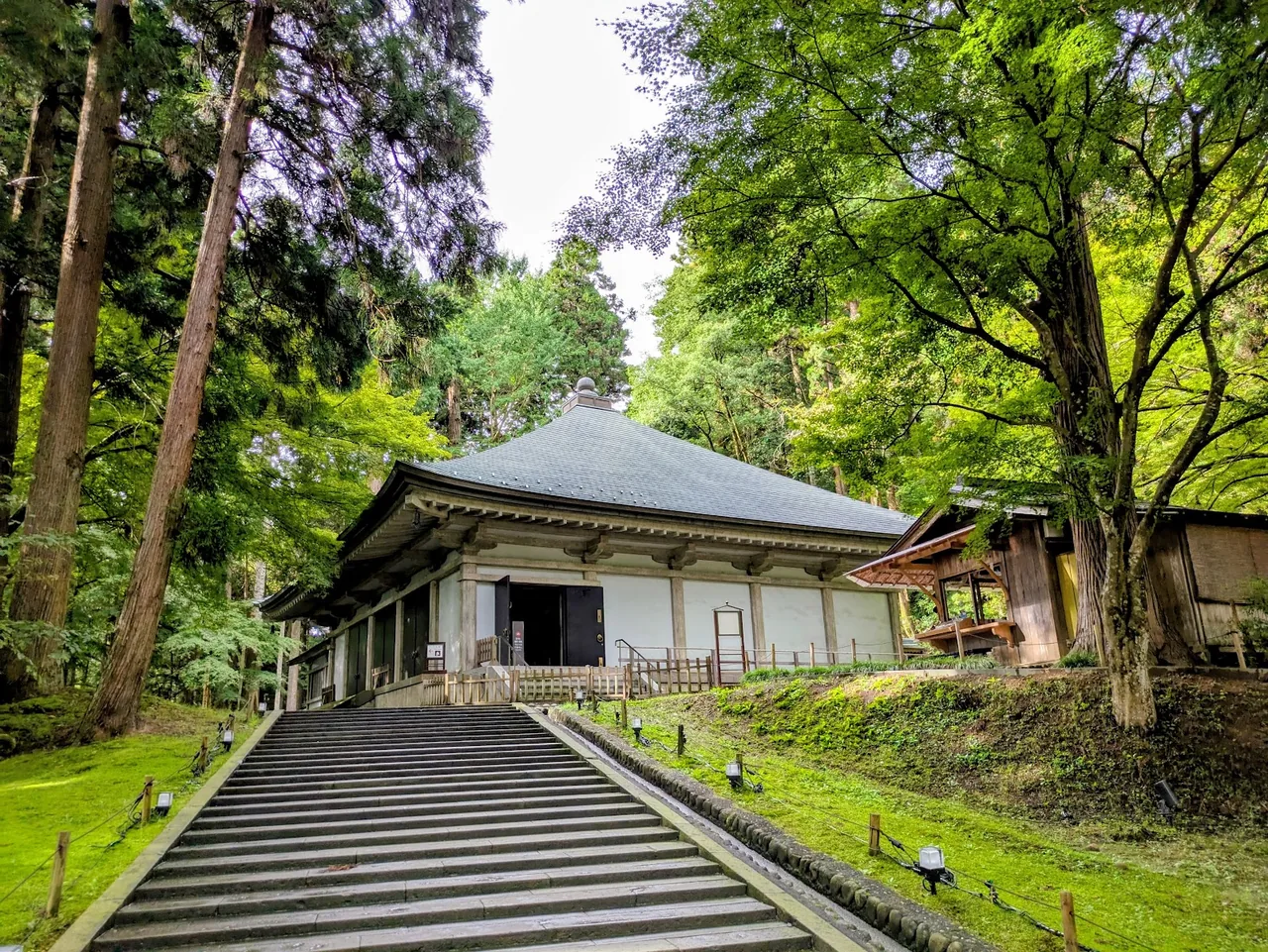
1124 AD all-gold-leaf-covered Buddhist hall inside Chūson-ji: Japan's most opulent Pure Land architecture, surviving 900 years in mountain shelter
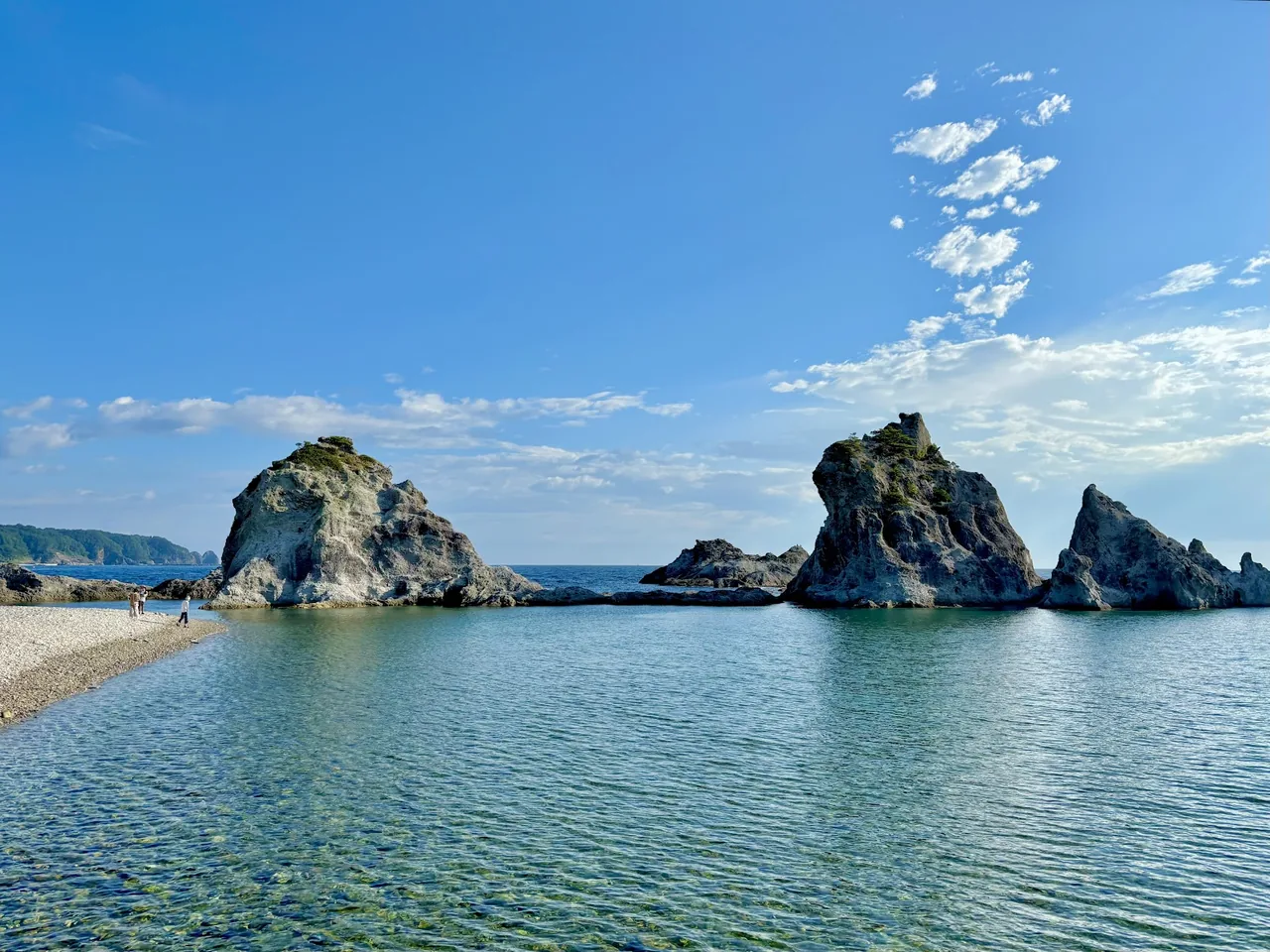
Crescent of white quartz pebbles backed by pine-clad rock islets; Iwate's most photographed seascape, reached from Miyako
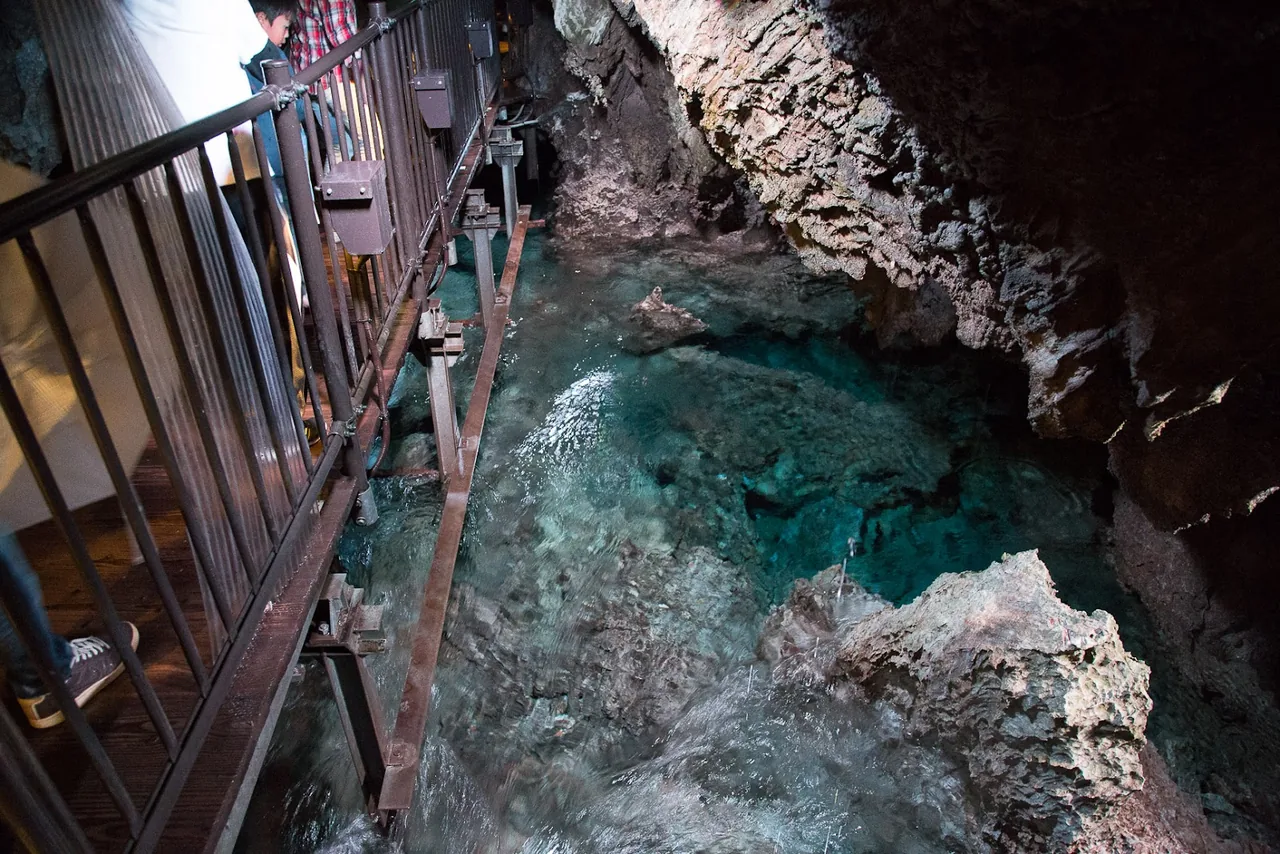
One of Japan's three great limestone caves, with 3,600m of underground passages and subterranean lakes glowing crystal-clear blue
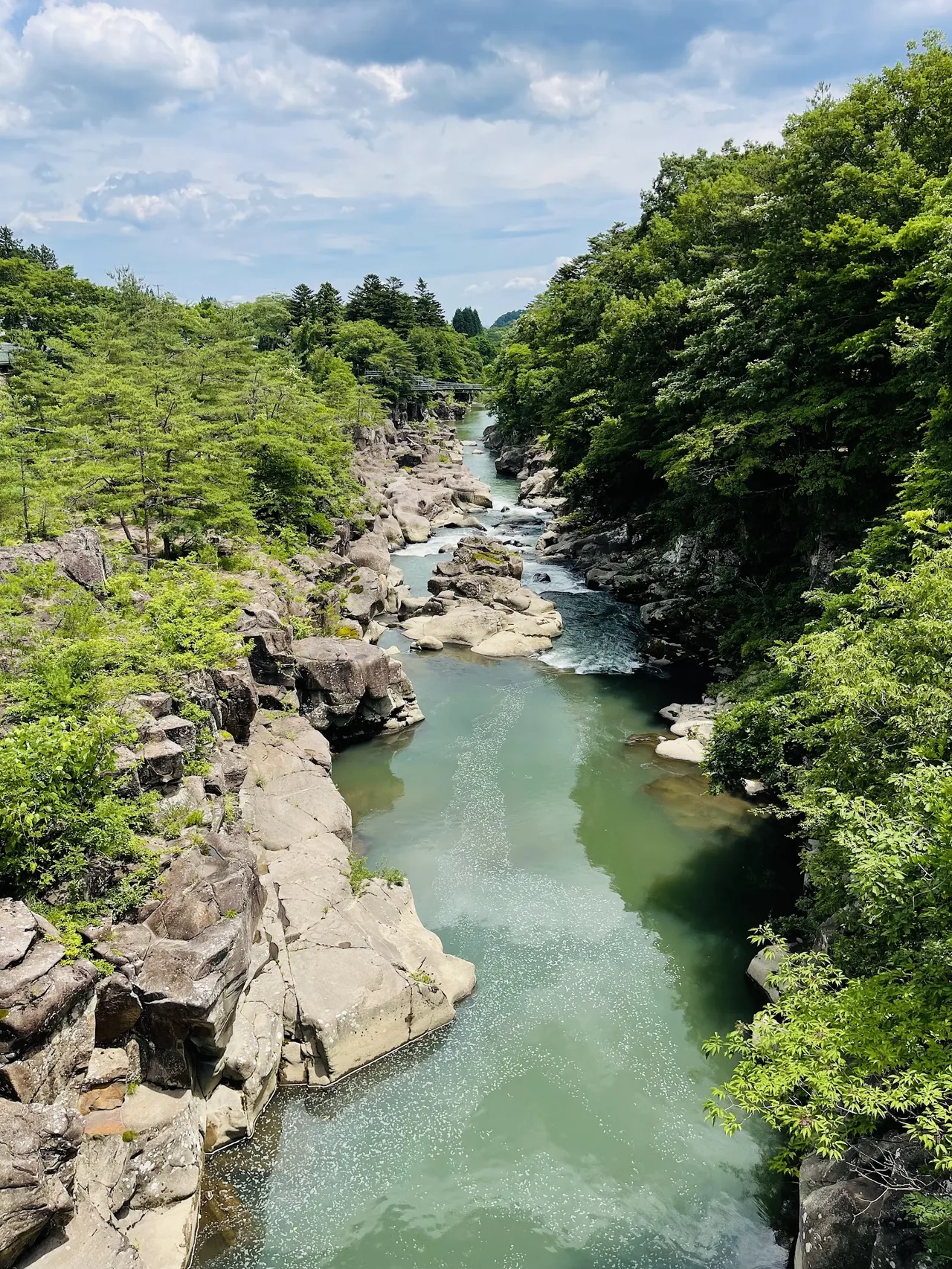
River gorge with dango (sweet rice balls) sent across the water in a basket-and-rope system; flying-team-rope dango is unique to Iwate
Hidden Gems
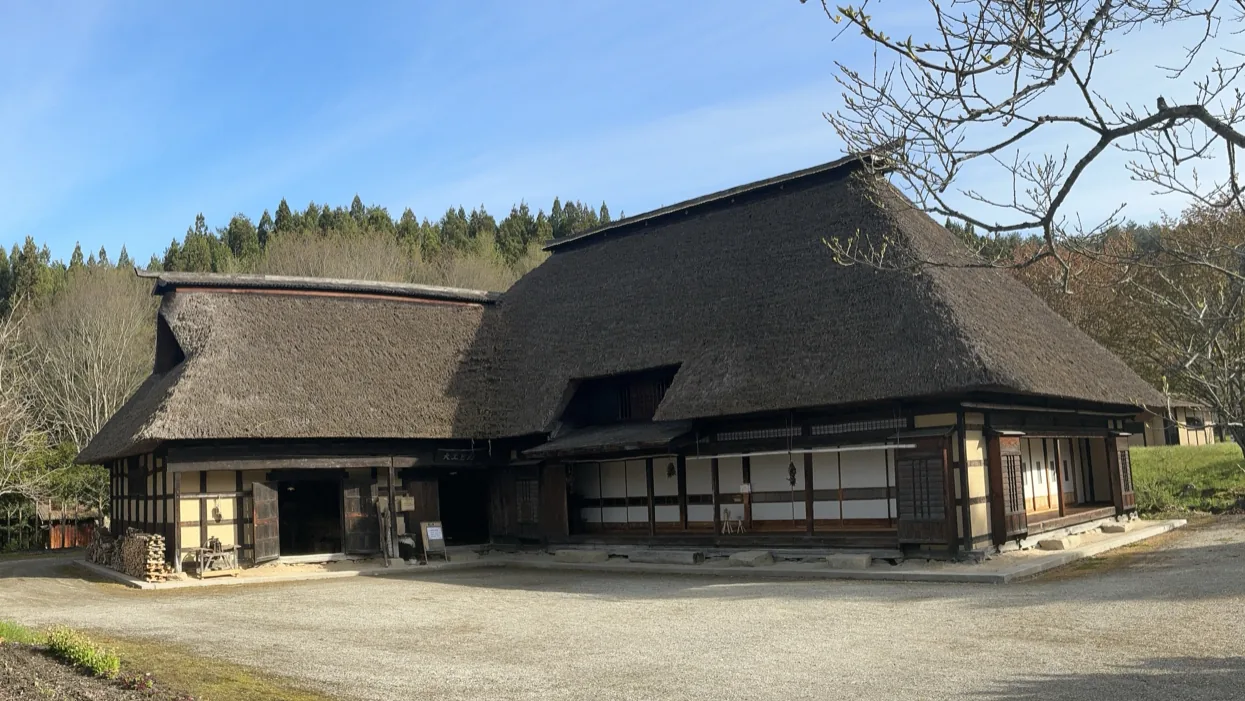 Hidden Gem
Open-air museum of Tono's L-shaped magariya farmhouses, kappa river pools, and rural shrine paths
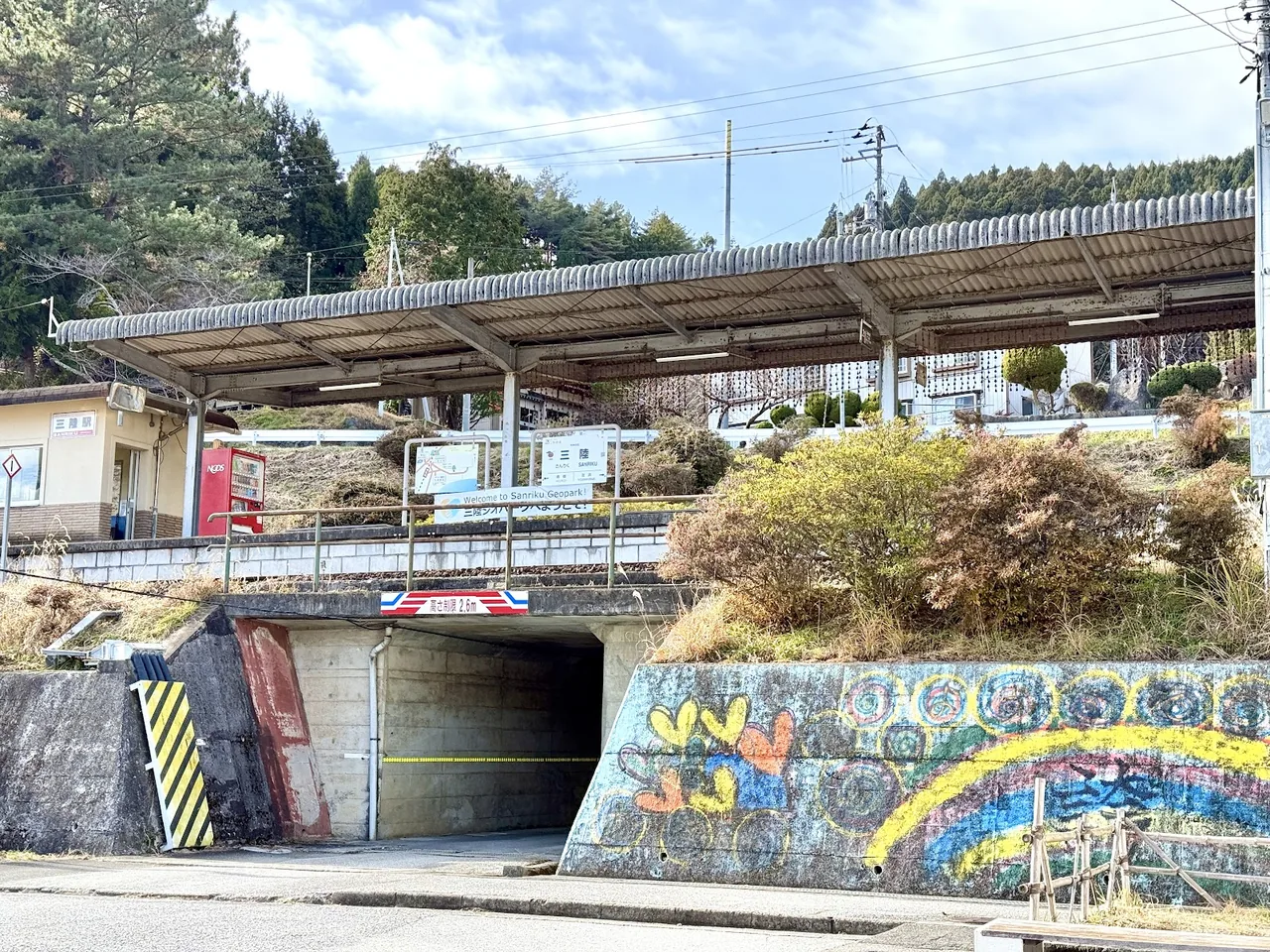 Hidden Gem
163km coastal heritage railway running along the Pacific cliffs north from Kamaishi, a peerless tsunami-recovery story since 2011
Small stream pool on the edge of Tono, where local kappa-folklore lures still hang from cucumber-baited fishing rods
When to Visit
Springharu
Apr – May5–18°CModerate crowds
Springharu
- Cherry blossoms in Morioka mid to late April
- Hiraizumi shrine festival May 1-5
- Ryūsendō cave open year-round 10°C
- Wanko-soba festivals start
Summernatsu
Jun – Aug18–28°CModerate crowds
Summernatsu
- Pacific coast cool retreat
- Tono folk-tale rice paddies green
- Morioka sansa odori festival August 1-4
- Jōdogahama beach season
Autumnaki
Sep – Nov5–20°CHigh crowds
Autumnaki
- Foliage at Genbikei and Hiraizumi mid-October to early November
- Wild salmon return at Ofunato
- Comfortable Sanriku coastal walks
- Wanko-soba endurance season
Winterfuyu
Dec – Mar-3 to 6°CLow crowds
Winterfuyu
- Heavy snow in Hachimantai mountains
- Iwate snow festival in February
- Hiraizumi temples in snow
- Morioka illuminations
Suggested Itineraries
FAQ
How do I get to Iwate from Tokyo?
Tohoku Shinkansen Hayabusa direct from Tokyo to Morioka in 2.5 hours. Hiraizumi is reached via Ichinoseki Station (90 min from Tokyo) plus a local train. Sanriku coast requires connecting buses or the heritage Sanriku Railway from Kamaishi.
Is Hiraizumi worth the detour?
For UNESCO World Heritage interest: yes, very much. The Konjikidō golden hall is unique in the country, and the Mōtsu-ji Pure Land garden is one of Japan's three great gardens of its style. Both visitable in a half-day from Ichinoseki.
What is Iwate best known for?
The UNESCO-listed Hiraizumi golden temples, wanko-soba (eat-as-many-as-you-can soba bowls), Nambu-tekki ironware, the Tono folk-tale heartland, and the white-pebble Jōdogahama Beach on the Sanriku coast.
How many days do I need in Iwate?
One day for Hiraizumi alone (Chūson-ji, Mōtsu-ji). Two days adds Morioka and Tono. Three days lets you reach the Sanriku coast, Jōdogahama, and Ryūsendō Cave.
Is the Sanriku Railway worth riding?
Yes. Symbolic of the 2011 tsunami recovery, the 163km coastal line offers wooden-bench heritage cars, dramatic cliff views, and a tangible connection to the rebuilt fishing villages. Best as a half-day Kuji-to-Miyako segment.
What are Iwate's hidden gems?
The Tono folk-tale plain with its magariya farmhouses, the limestone caves of Ryūsendō, the basket-and-rope flying dango at Genbikei Gorge, and the Sanriku heritage railway along the Pacific coast.
What surrounds the headline spots?
Beyond the obvious draws, Tōno, Geibikei Gorge, Koiwai Farm, Takkoku no Iwaya reward travelers willing to step off the main route: local pace, fewer crowds, and a closer feel for the everyday rhythms of the region.