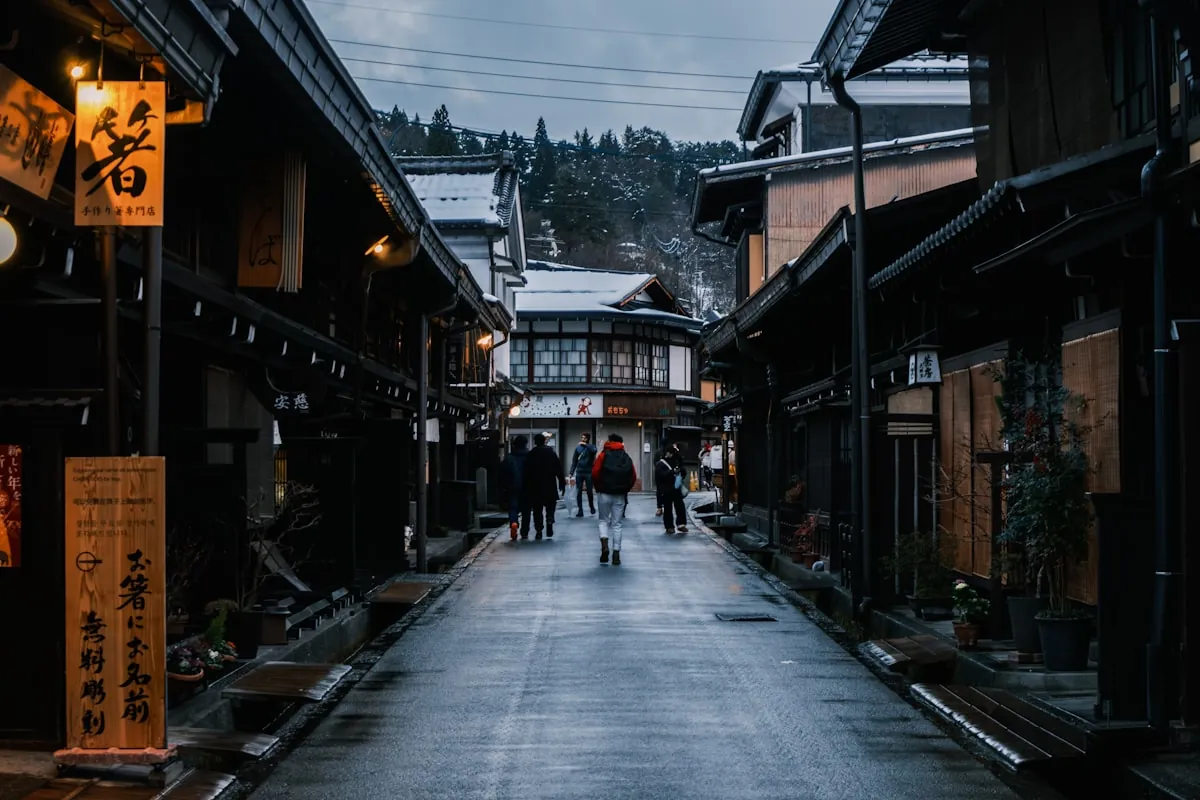
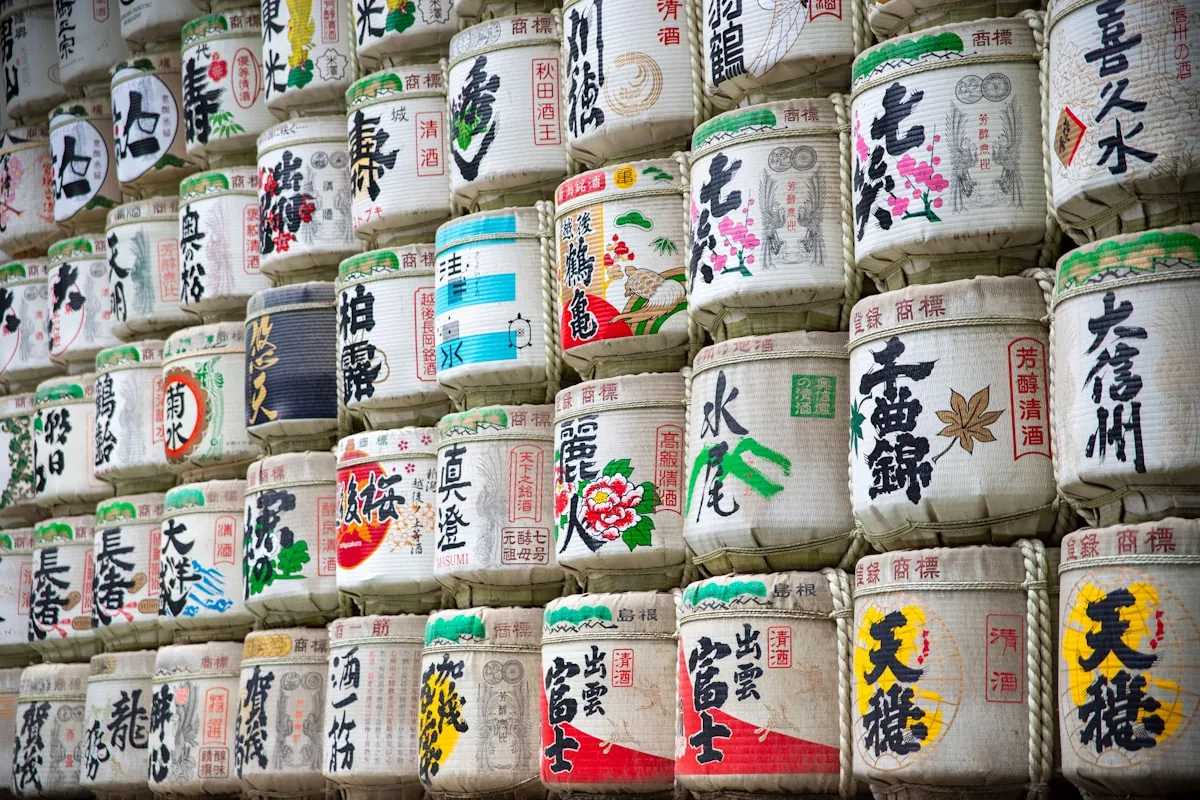
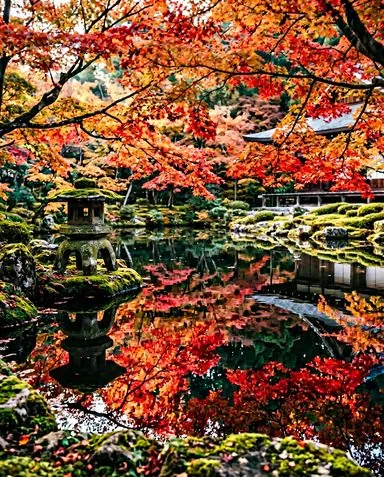
Nagasaki Prefecture stretches across the northwestern tip of Kyushu and some 971 islands, a geography that shaped everything. Nagasaki City was Japan's sole conduit to the outside world during two centuries of isolation, then became the second city destroyed by an atomic bomb in 1945. That layered history (Dutch traders, Hidden Christians, atomic memory, and Edo-era Chinatown) makes this one of Japan's most textured destinations, and one most visitors still underestimate.
Cities & Towns
Nagasaki Prefecture spans a long coastline and island chains, each with a distinct character. The major bases are below; islands covered separately.
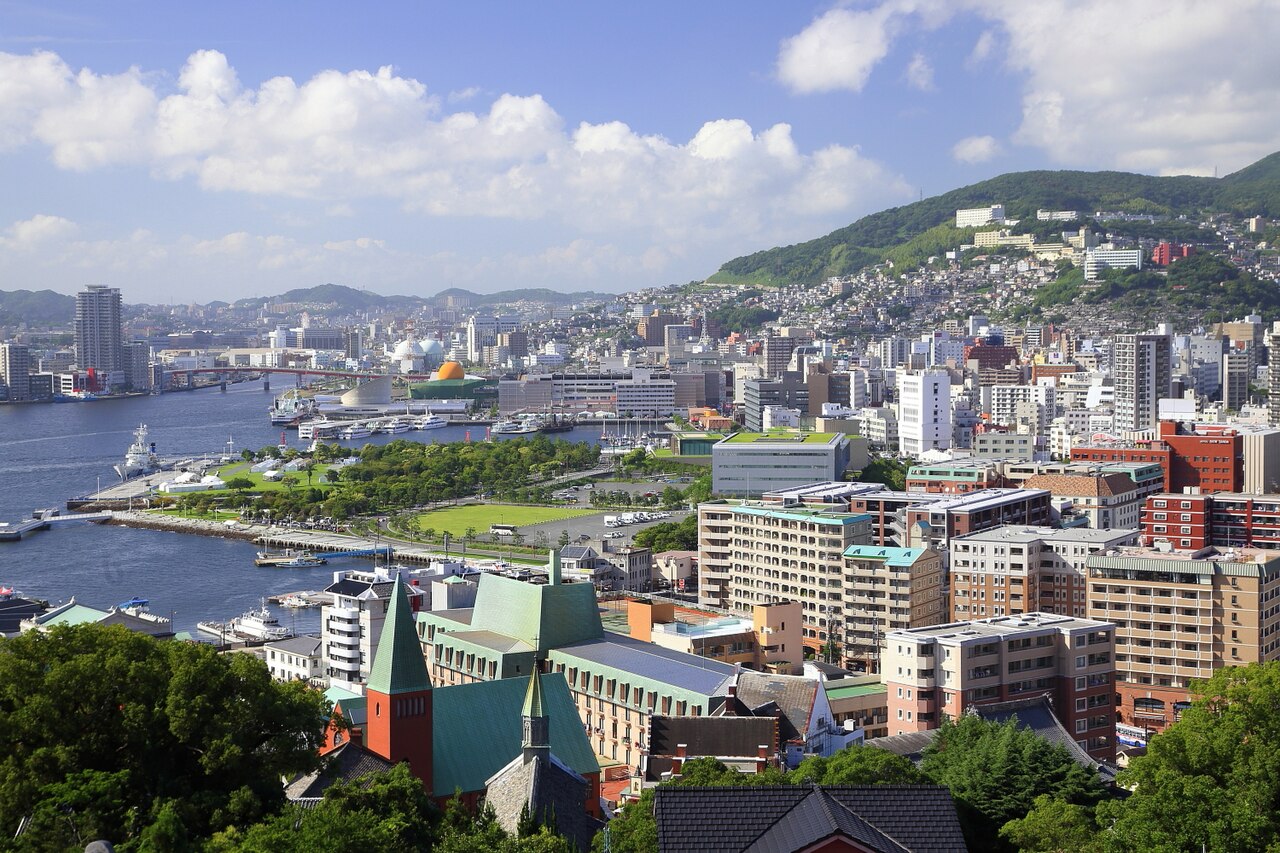
Nagasaki City
Atomic history, Dutch trading legacy, and one of Japan's best Chinatowns, all on a hillside tram network
History, culture, and tram rides
- Atomic Bomb Museum
- Glover Garden
- Dejima
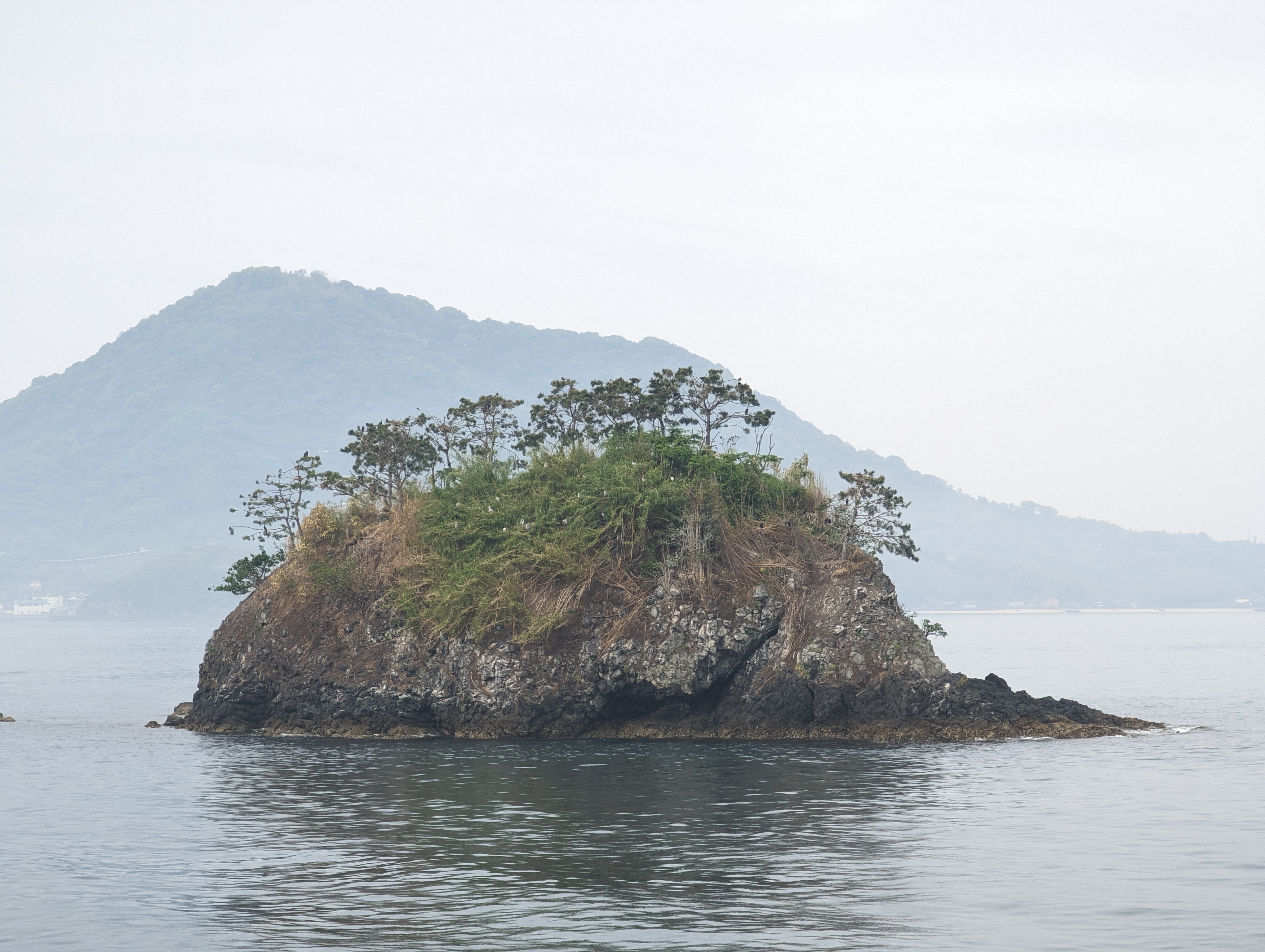
Sasebo
Gateway to Kujukushima's island-studded bay and the Dutch-themed Huis Ten Bosch park
Islands and theme park gateway
- Kujukushima Pearl Sea Resort
- Huis Ten Bosch
- Ferry to Hirado
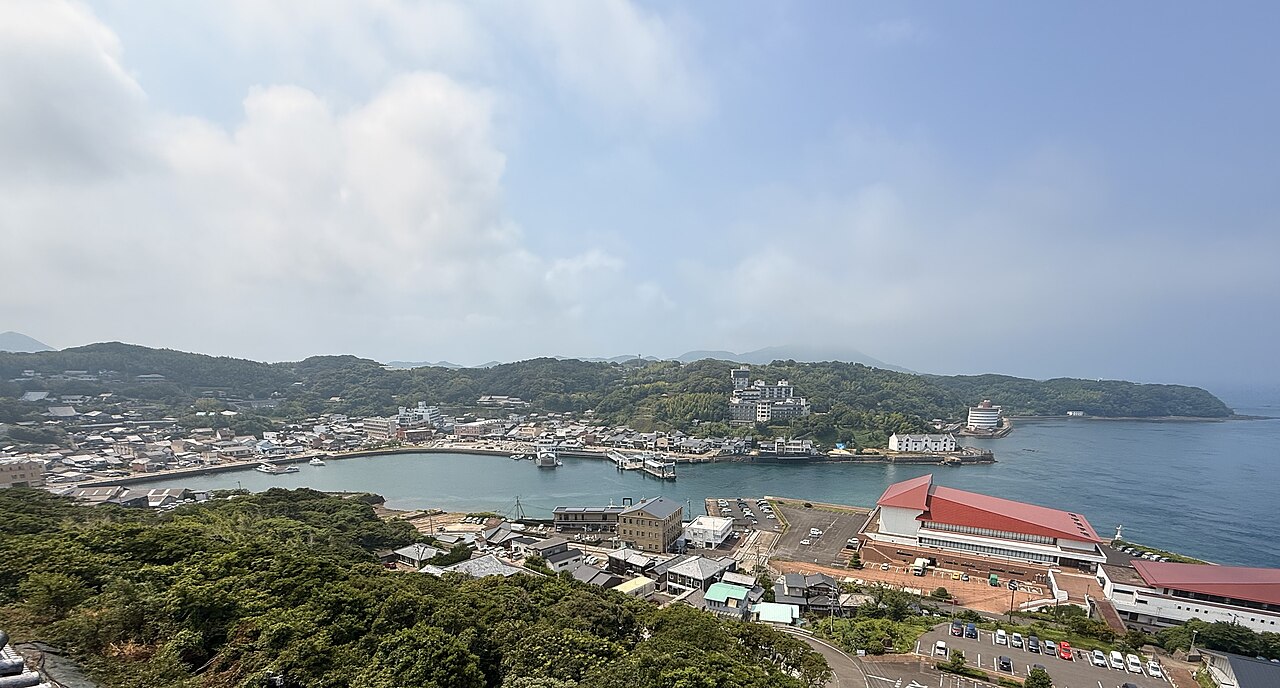
Hirado
Former Dutch trading post where a Christian church and Buddhist temples share the same hilltop view
Layered religious history
- Hirado Castle
- Dutch trading post history
- Church and temple panorama
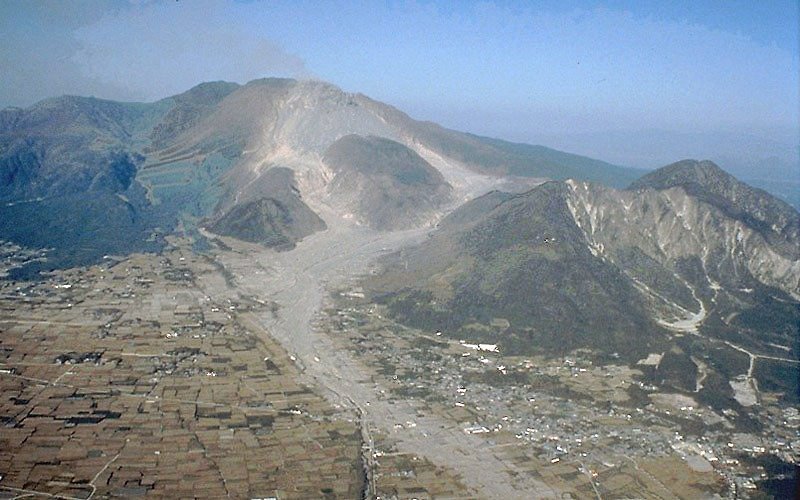
Shimabara
Castle town at the foot of Mount Unzen, an active volcano with hiking trails and hot spring towns
Volcano, castle, and onsen
- Shimabara Castle
- Mount Unzen
- Hot spring villages
Top Attractions
From atomic memorial sites to ghost-island ruins and island-dotted bays, Nagasaki Prefecture packs more historical and natural variety into one prefecture than most regions manage across several.

A sobering, essential memorial to the second atomic bombing; one of the most important museums in Japan
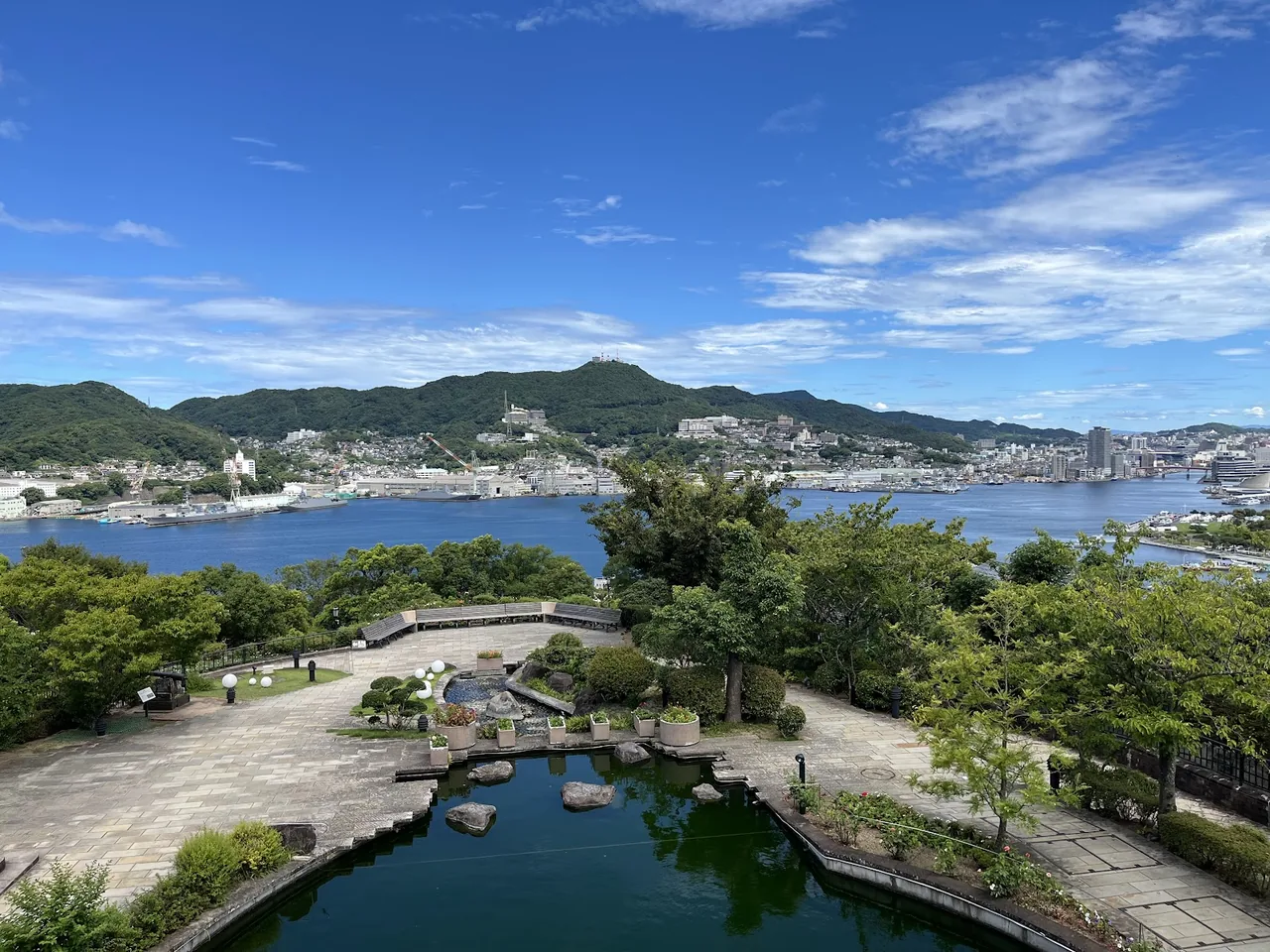
19th-century Western-style mansions on a hillside above the harbour, including the UNESCO-listed Former Glover House
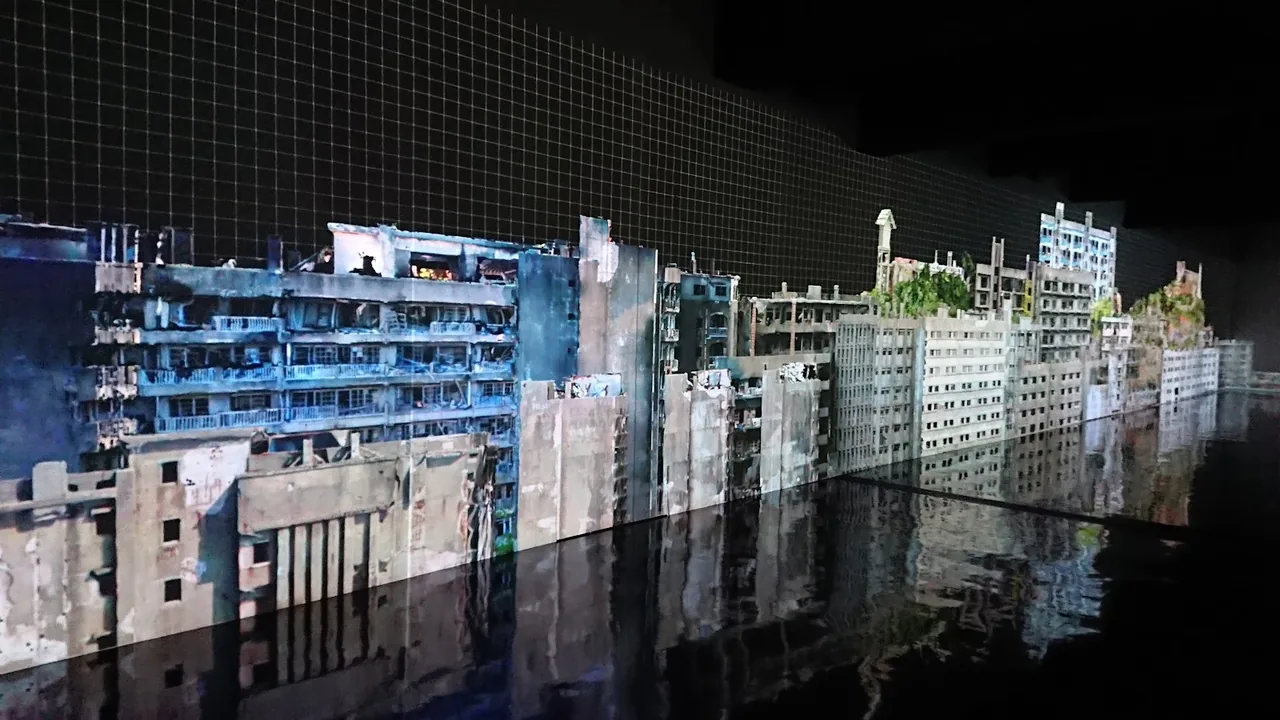
An abandoned coal-mining island that looks like a battleship, and earned a UNESCO World Heritage listing for it
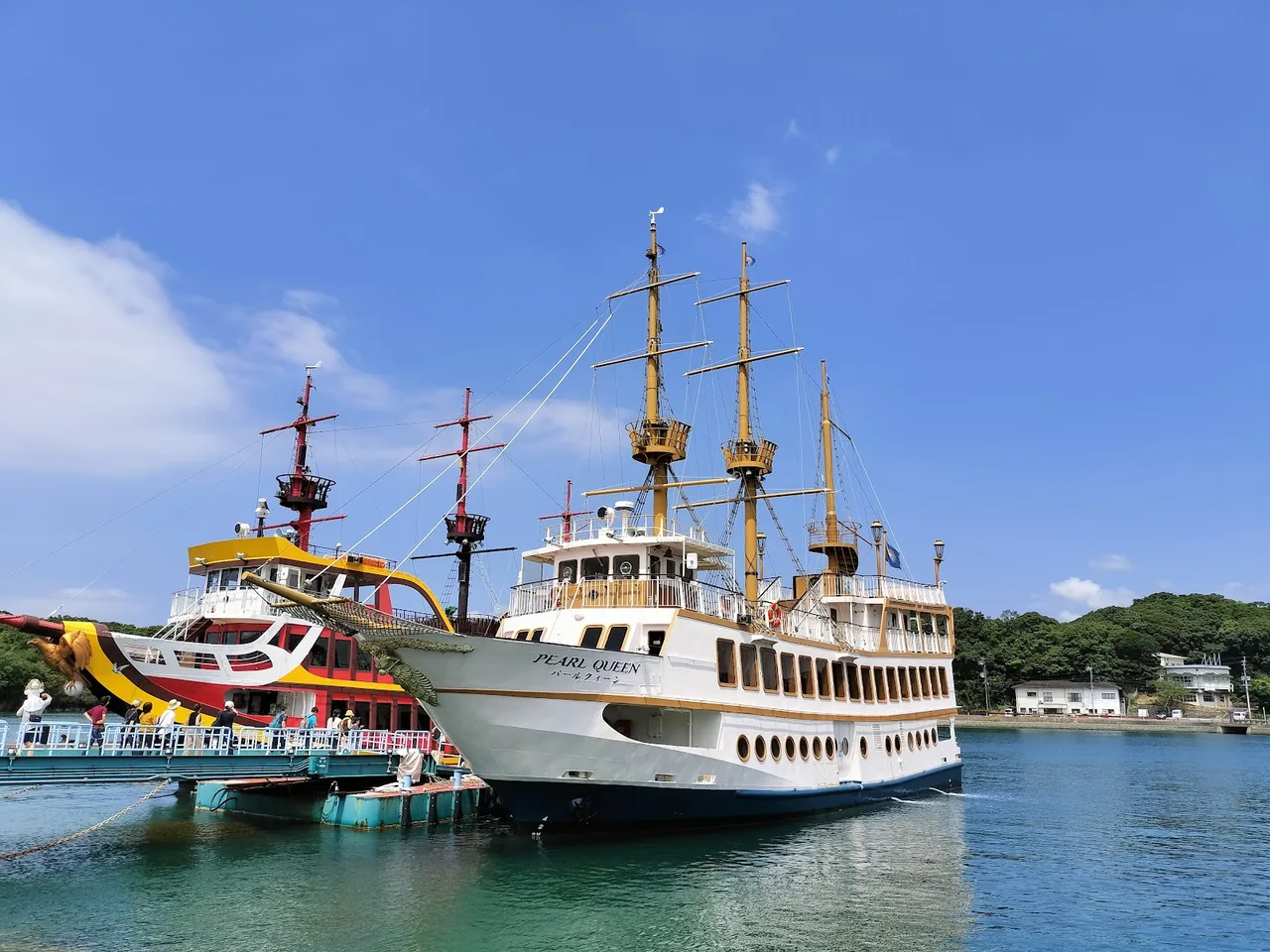
Nearly 200 pine-clad islands scattered across Sasebo Bay, best seen from a kayak or a pearl-resort cruise
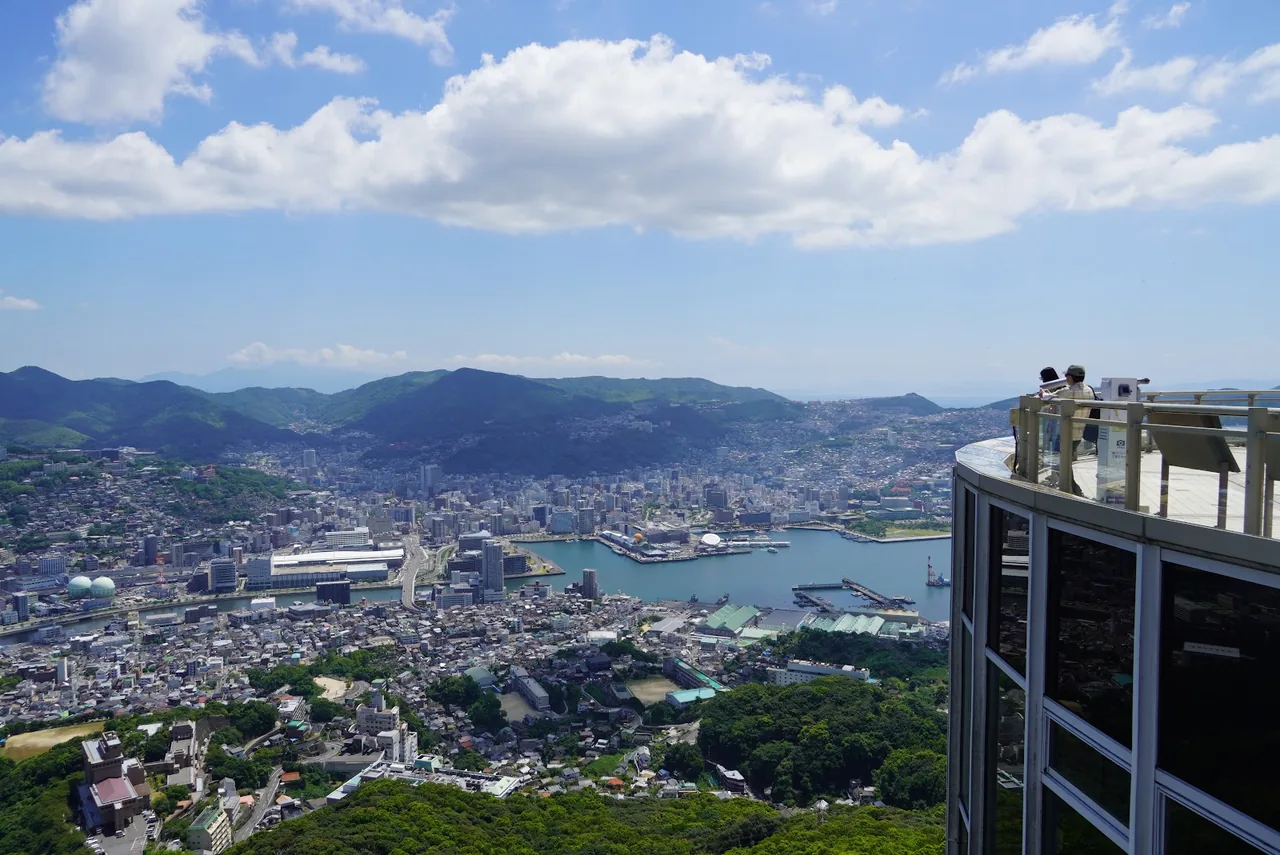
One of the World's New Three Great Night Views: Nagasaki City's lights spread below on both sides of the harbour
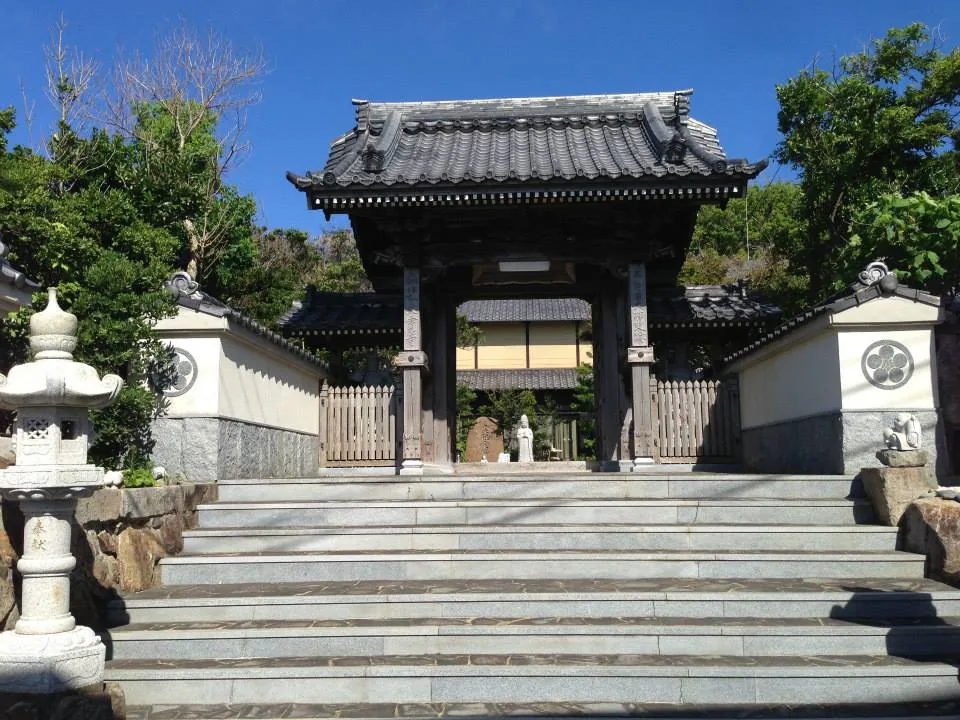
Remote Catholic churches, white-sand beaches, and hot springs on an archipelago most Japanese tourists haven't discovered yet
Hidden Gems
Nagasaki Prefecture's most rewarding destinations are the ones most visitors never reach: remote islands, a kominka village, and a peninsula with an active volcano on its doorstep.
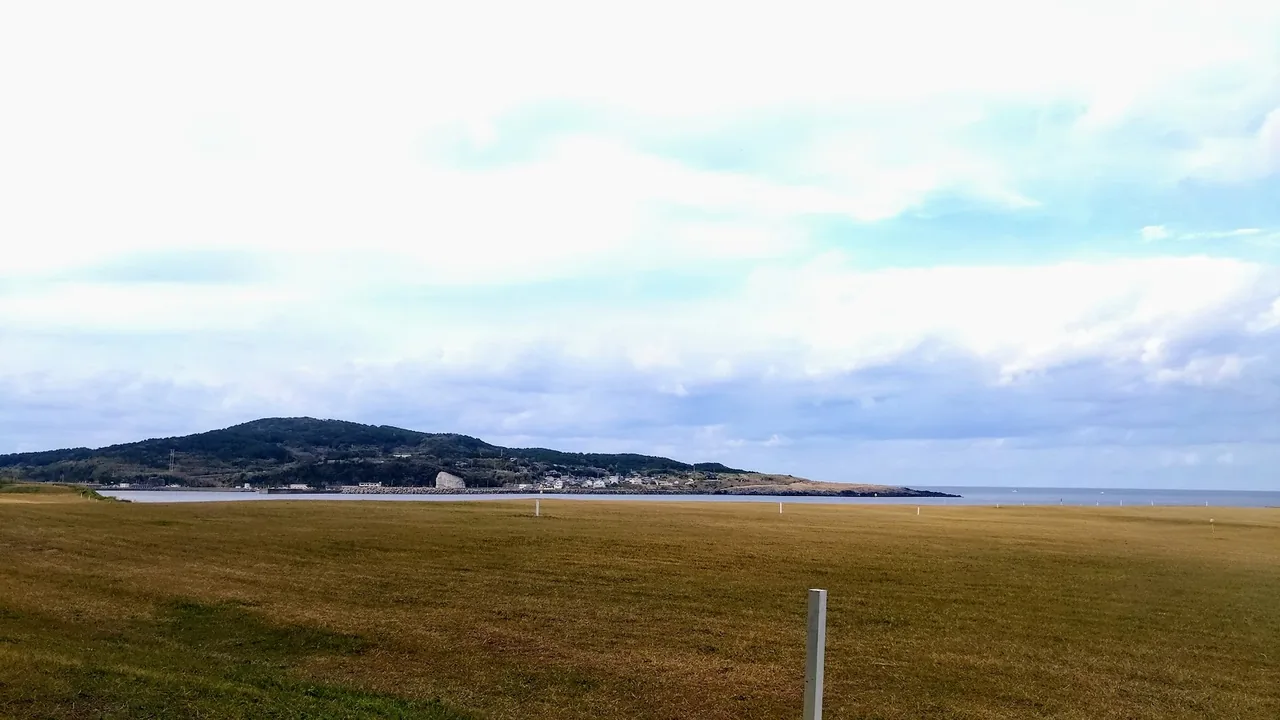 Hidden Gem
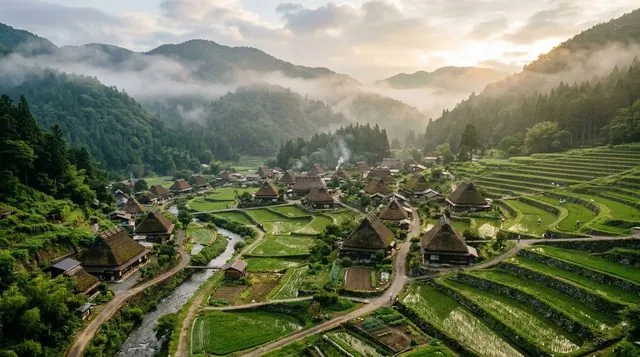
A dozen historical buildings converted into guesthouses and cafes, plus ferry access to uninhabited Nozaki Island and its Hidden Christian ruins
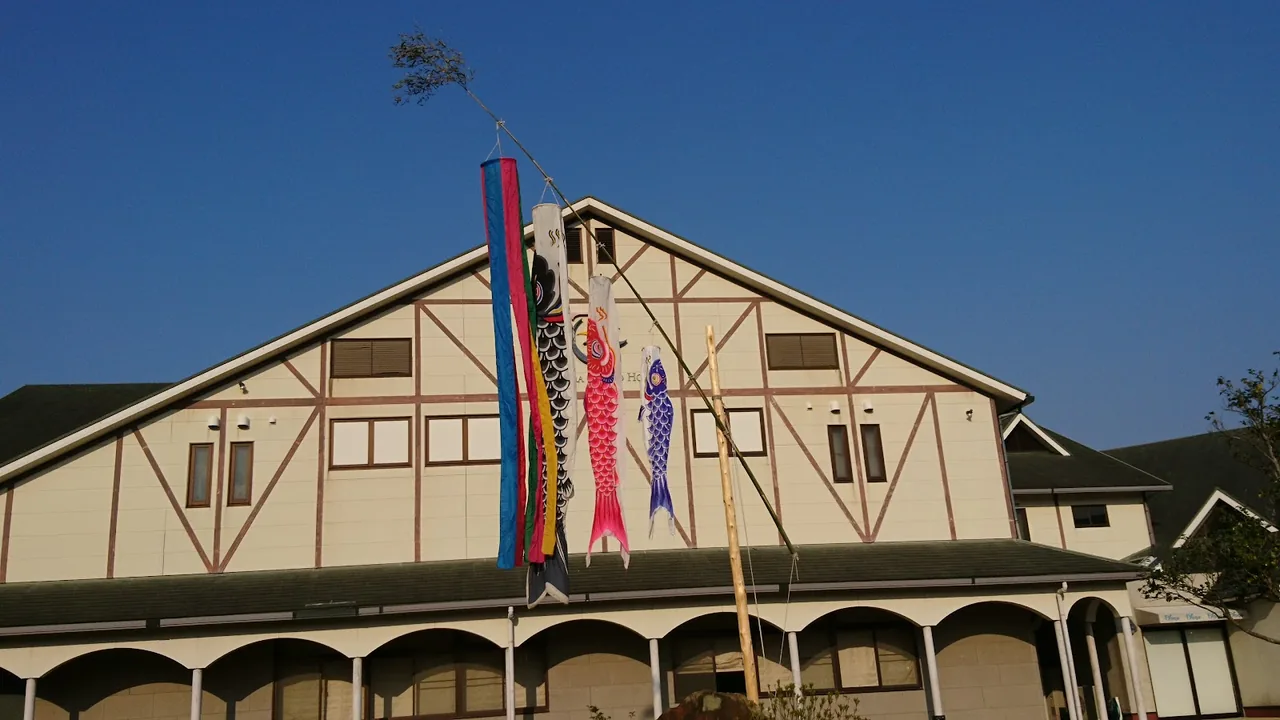 Hidden Gem
One of Japan's most isolated islands: dense forest, ancient shrines, and a slow pace that feels entirely removed from mainland Japan
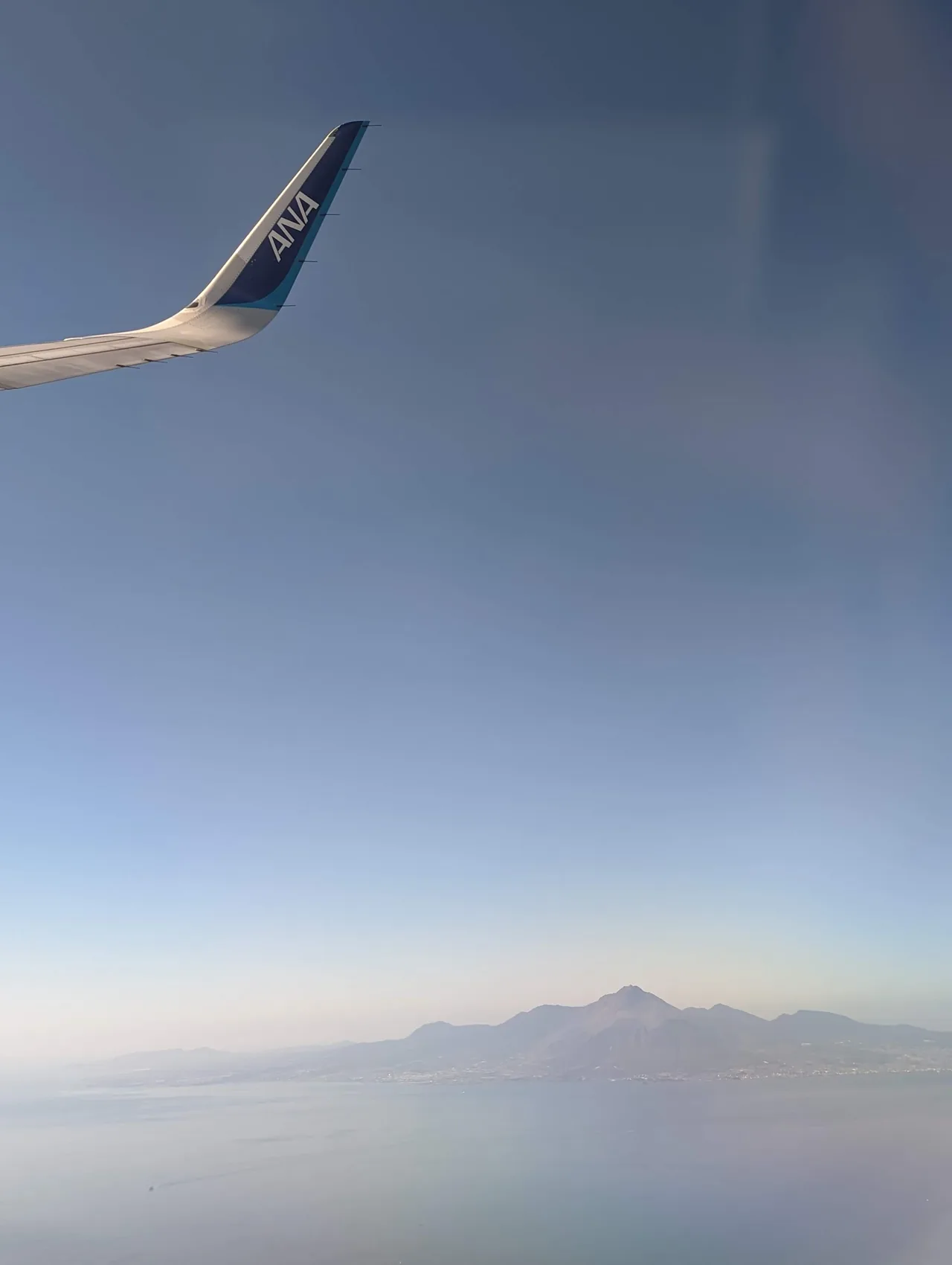 Hidden Gem
An active volcano, samurai-era castle town, and ferry connections to Kumamoto; most Nagasaki visitors never make it here
When to Visit
Spring and autumn are the sweet spots for Nagasaki Prefecture: mild temperatures, festival highlights, and manageable crowds. Summer brings beaches to the Goto Islands but also typhoons and oppressive humidity.
Springharu
Mar – May10–20°CModerate crowds
Springharu
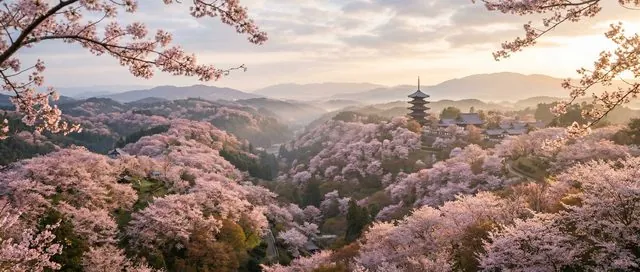
- Cherry blossoms peak late March to early April at Glover Garden and Tateyama Park
- Pink azaleas on Mount Inasa reach full bloom in early May
- Comfortable temperatures for island hopping
Summernatsu
Jun – Aug28–37°CHigh crowds
Summernatsu
- Goto Islands beaches at their best: Takahama and Tontomari
- Rainy season runs early June to mid-July
- Typhoon risk July–August; peak domestic holiday crowds
Autumnaki
Sep – Nov12–24°CModerate crowds
Autumnaki
- Nagasaki Kunchi festival: dragon dances and street performances in Nagasaki City
- Sasebo Yosakoi dance festival
- Noh theatre in Shimabara
Winterfuyu
Dec – Feb5–12°CLow crowds
Winterfuyu
- Nagasaki Lantern Festival during Lunar New Year, the largest in Japan
- Huis Ten Bosch winter illuminations with 13 million lights
- Church concerts on Kamigoto island
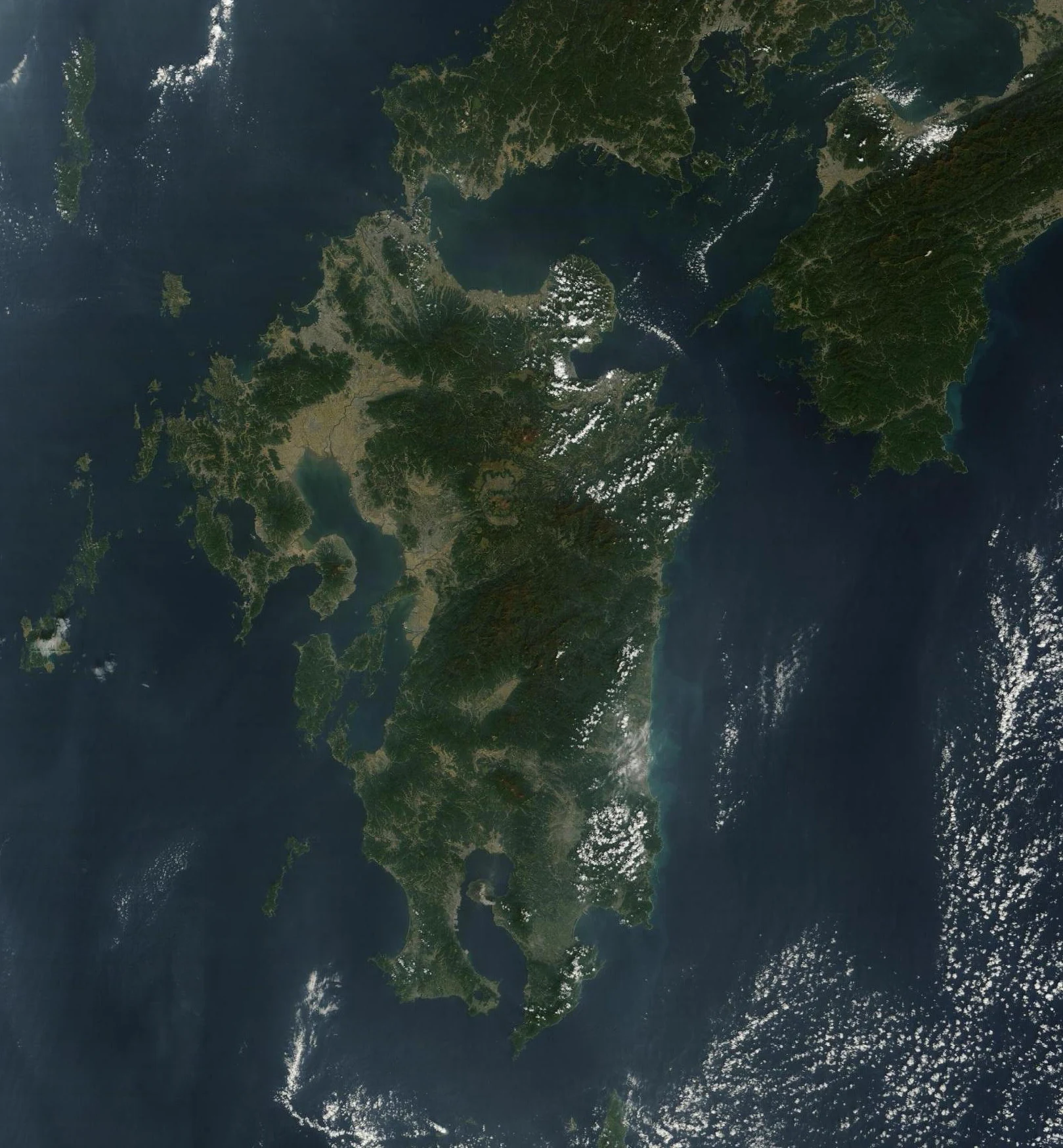
Suggested Itineraries
Nagasaki Prefecture rewards slow travel; most itineraries combine the city's history with at least one island or peninsula. A few starting points below.
FAQ
What is the best time to visit Nagasaki Prefecture?
Spring (late March to May) and autumn (September to November) offer the most comfortable conditions. Cherry blossoms peak at Glover Garden and Tateyama Park from late March to early April; autumn brings the Kunchi festival and mild temperatures. Summer is hot, humid, and typhoon-prone, worth it only if the Goto Islands beaches are your priority.
How do I get to Nagasaki from Fukuoka?
Take the JR Kamome Limited Express from Hakata Station, or catch a highway bus from Hakata or Tenjin. Nagasaki Airport also has domestic connections. Check current schedules before your visit; Jr Pass Guide covers rail pass options for the Kyushu network.
Is the JR Pass valid for travel around Nagasaki Prefecture?
JR lines cover Nagasaki City and Sasebo, but the private Matsuura Railway between Sasebo and Hirado is not included. Island ferries require separate tickets. Verify current JR Pass coverage before booking.
How do I get to the Goto Islands?
Ferries depart from Ohato terminal in Nagasaki City, just behind Yume Saito shopping mall. Check current timetables and fares before your visit, as schedules vary by season.
How do I get around Nagasaki City?
The tram network covers all major sights for around ¥140 per ride (verify current fares). It's the easiest and cheapest way to move between the Atomic Bomb Museum, Glover Garden, Dejima, and Chinatown.
What are the UNESCO World Heritage Sites in Nagasaki Prefecture?
Two listings: Gunkanjima (Hashima Island), part of Japan's Meiji Industrial Revolution sites, and the Hidden Christian Sites in the Nagasaki Region, including villages on Nozaki Island, the Goto Islands, and sacred places in Hirado. Nagasaki Hidden Christian Sites
How many days do I need in Nagasaki Prefecture?
Nagasaki City alone warrants two to three days. Add two more for Sasebo and Kujukushima, and at least two nights if you want to reach the outer islands. A week covers the prefecture properly.