Tsushima sits 50 kilometres off the Korean coast and 130 kilometres from Fukuoka, closer to Busan than to mainland Japan. The two main islands cover 700 square kilometres of mountain and coastline, joined by a single bridge across the Manzeki canal, and they have spent 1,500 years as Japan's diplomatic, commercial, and military buffer with the Korean Peninsula. Today around 30,000 residents live mostly in Izuhara on the southern island; the rest of Tsushima is forest, wildlife, and ferry-only fishing villages. Plan a two-night minimum.
When to Visit
Spring and autumn give the most reliable ferry weather; summer typhoons cancel Jetfoils for days at a time.
What to Do in Tsushima
Eight named sights spread across both islands; Izuhara to Kamiagata is two hours by car.
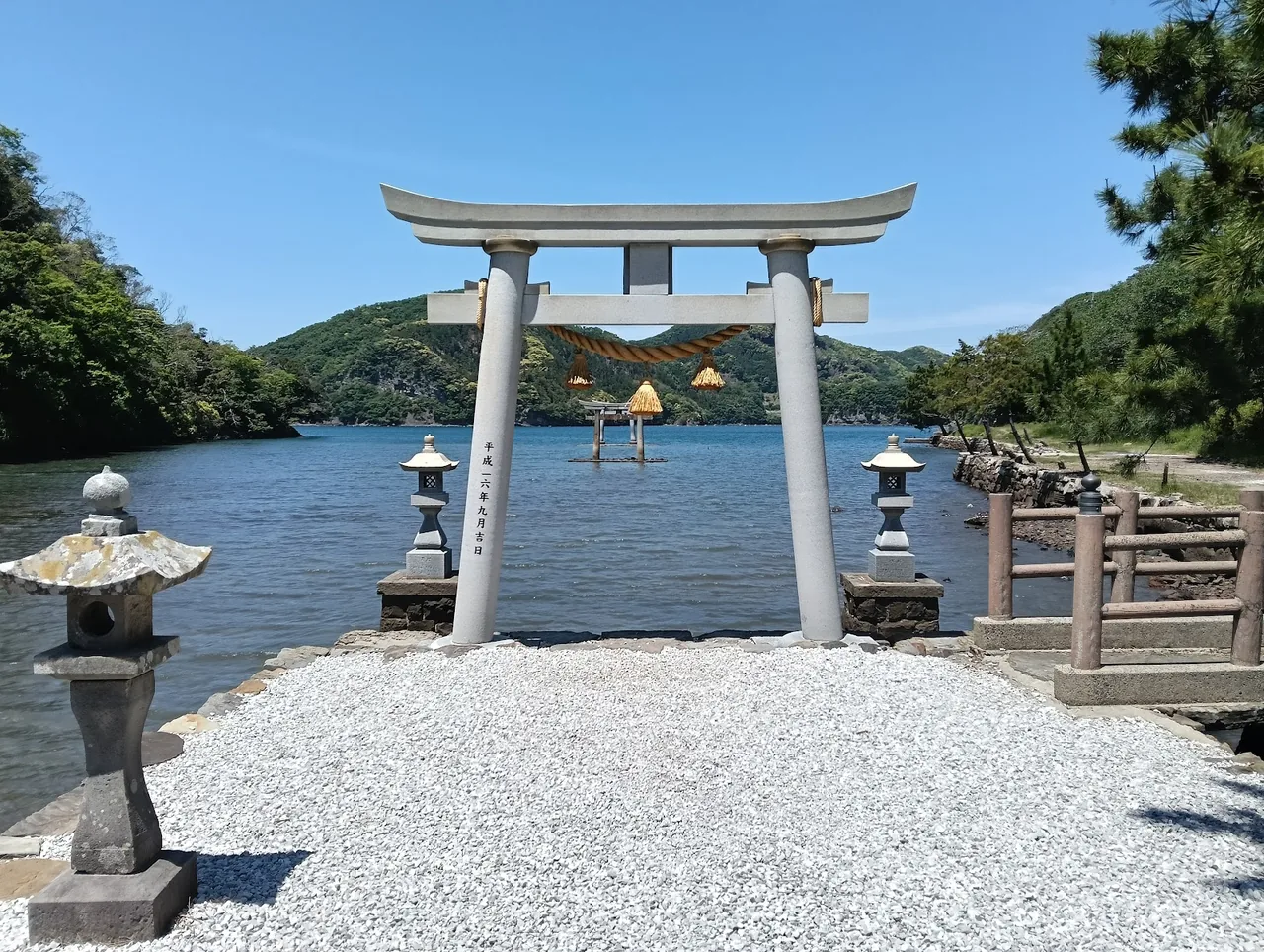
Five vermilion torii gates marching from a coastal shrine out into the sea: Tsushima's most photographed sight
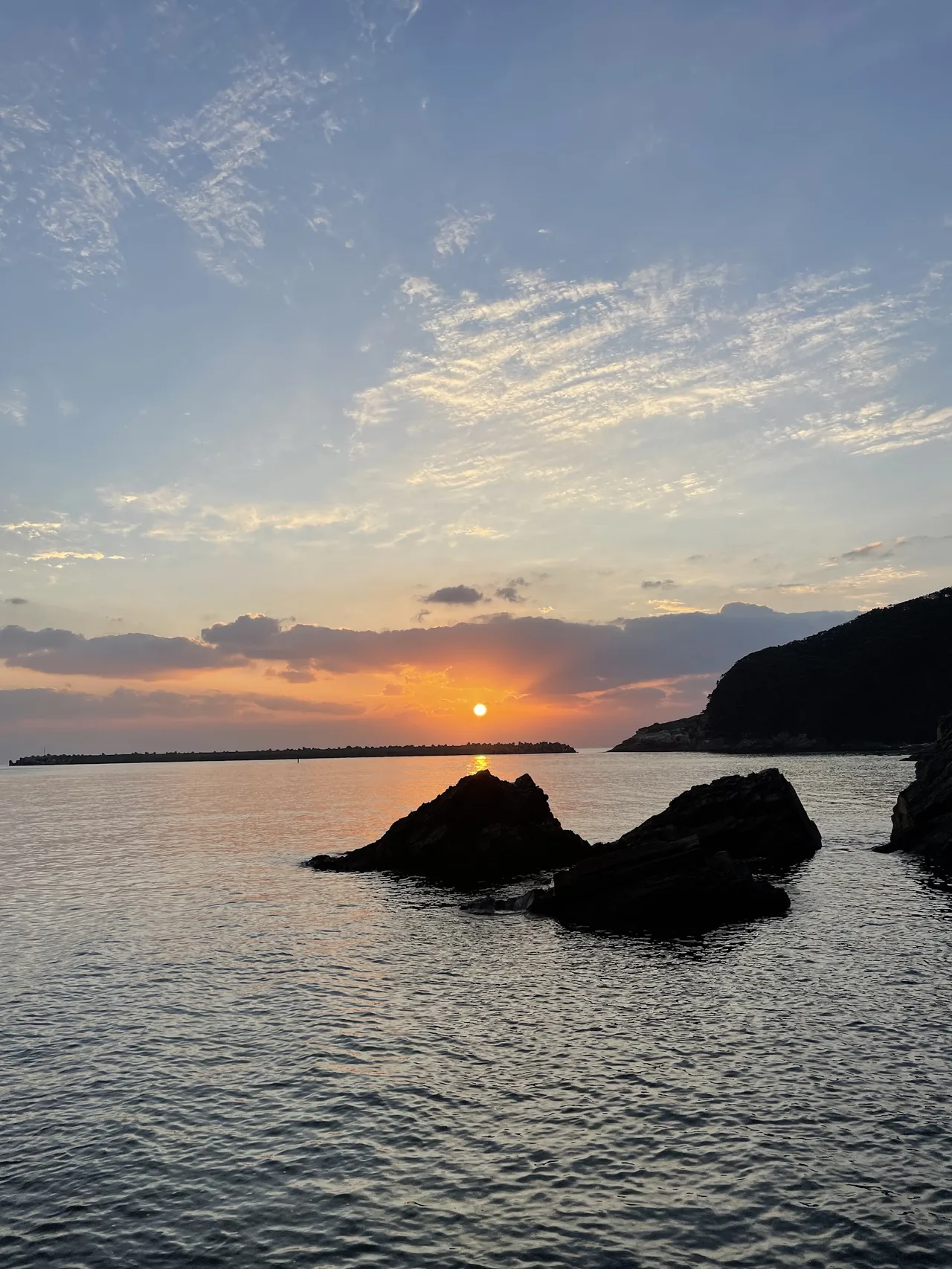
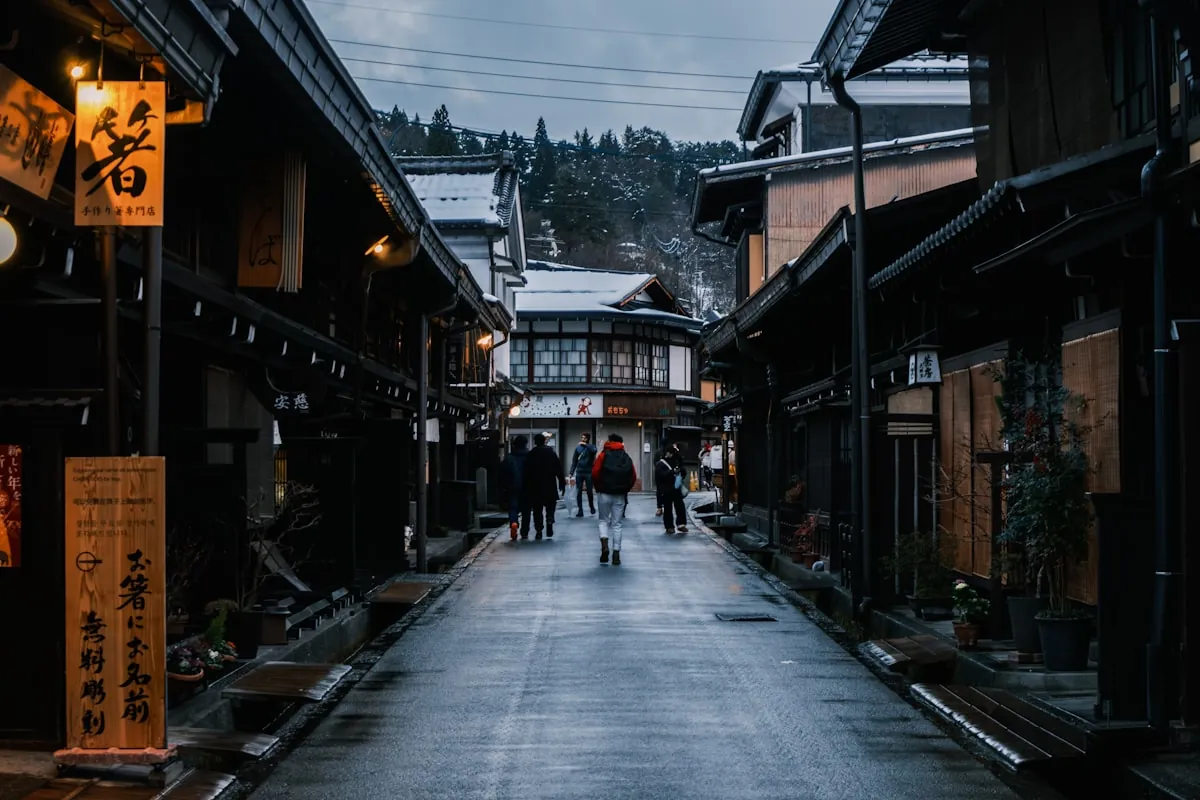
Stone-walled samurai-era streets in the old castle town, the only place on Tsushima that feels urban
 Hidden Gem
Unmarked beach where 900 Mongol ships landed in 1274. Geography carries the history, no information boards
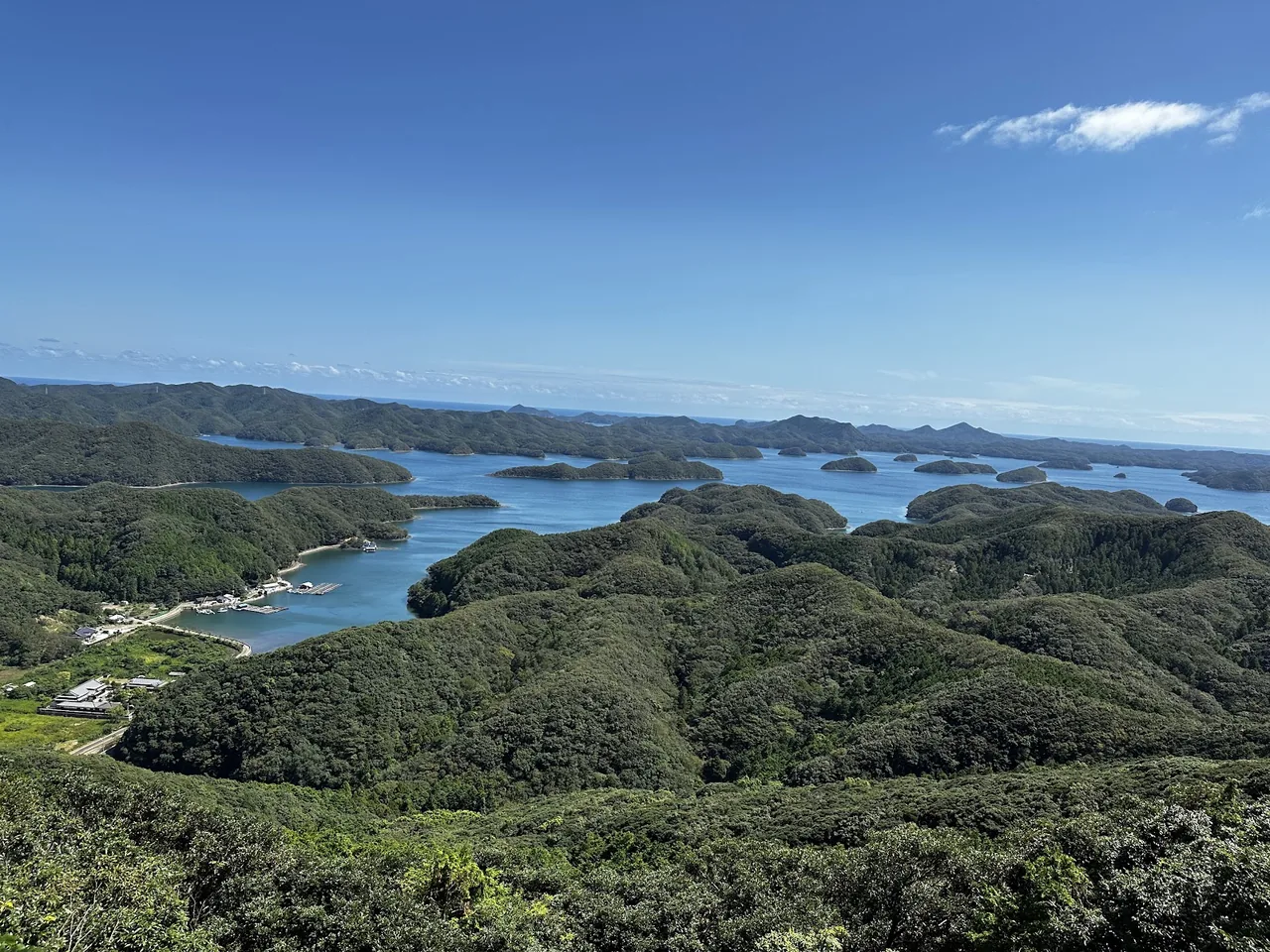 Hidden Gem
Northern Tsushima overlook. On a clear day you can see the lights of Busan across the strait
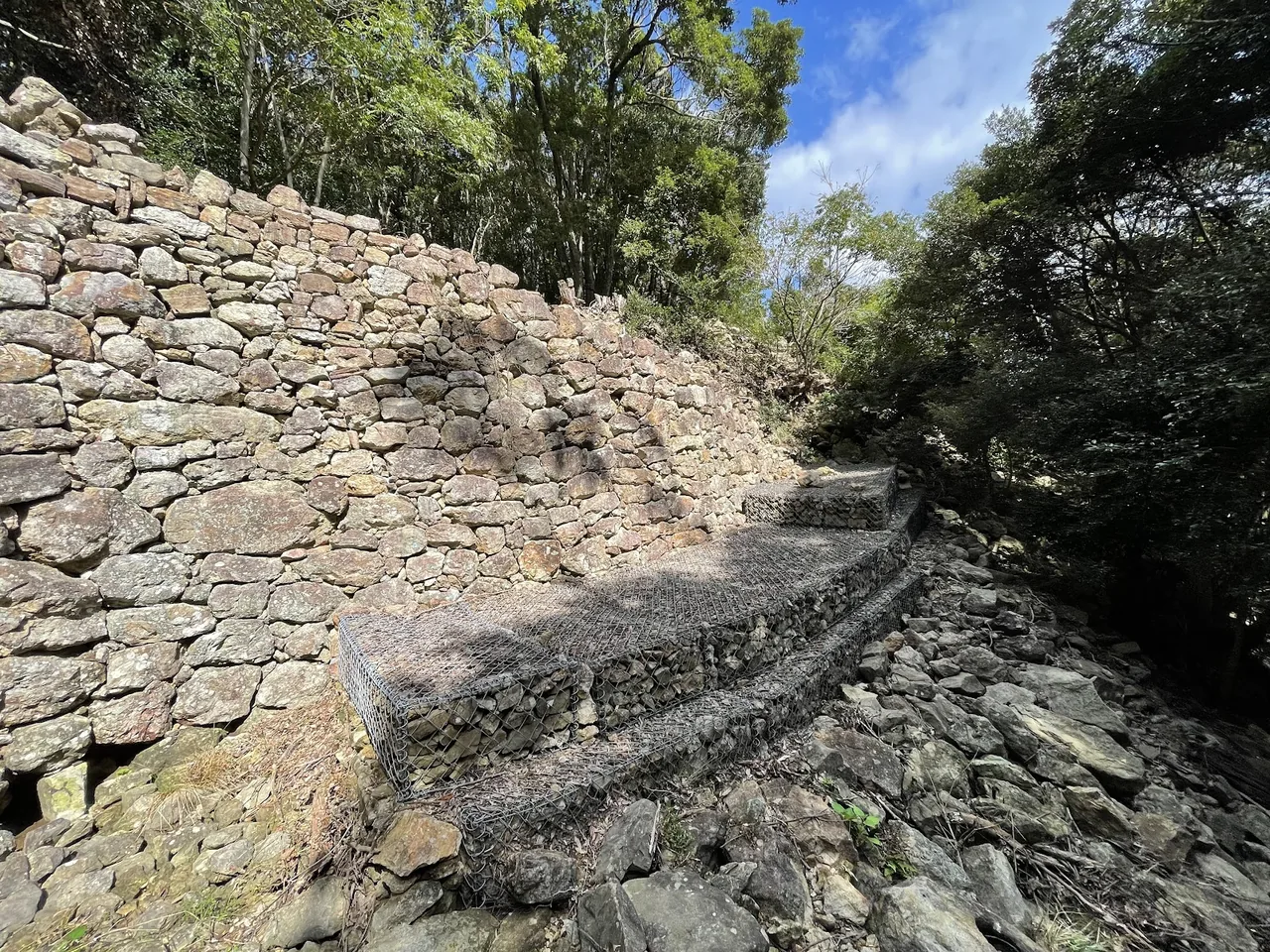 Hidden Gem
Seventh-century stone fortress on Mount Joyama, rebuilt by the Yamato court against mainland invasions
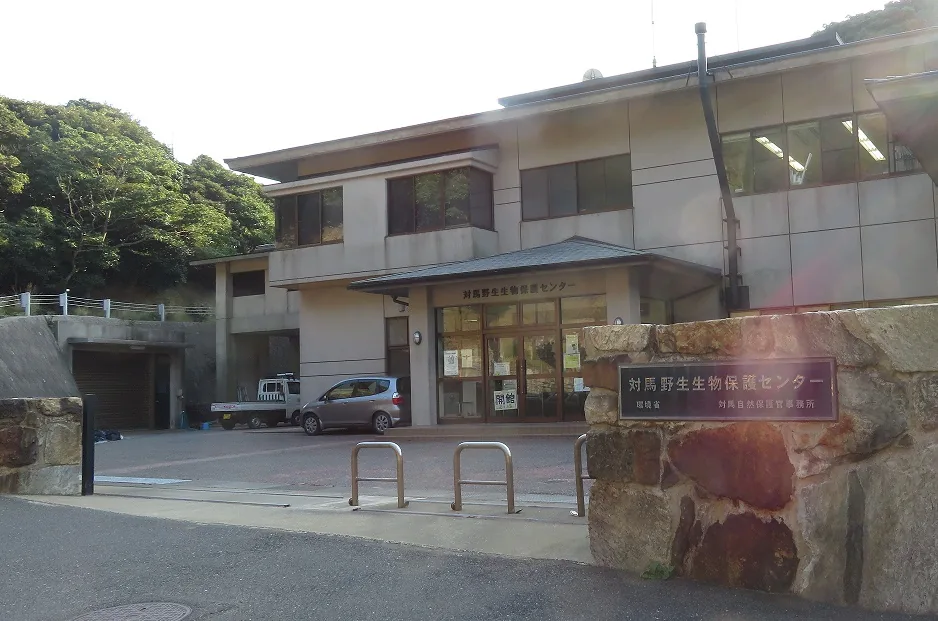 Hidden Gem
The only place to reliably see the Tsushima yamaneko: Japan's last wild leopard cat, ~100 individuals left
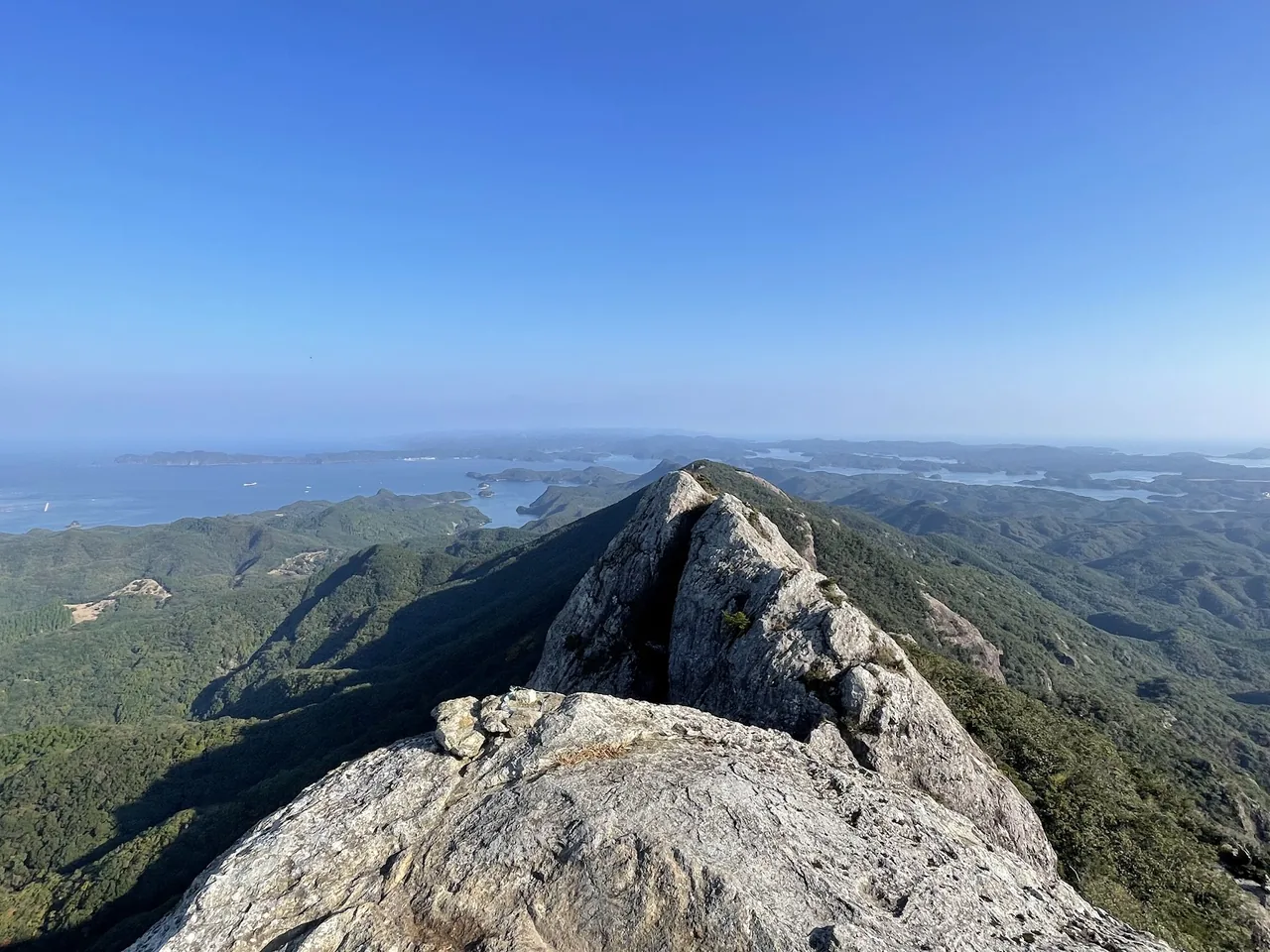
519-metre conical peak in central Tsushima: a steep four-hour climb with views over both islands
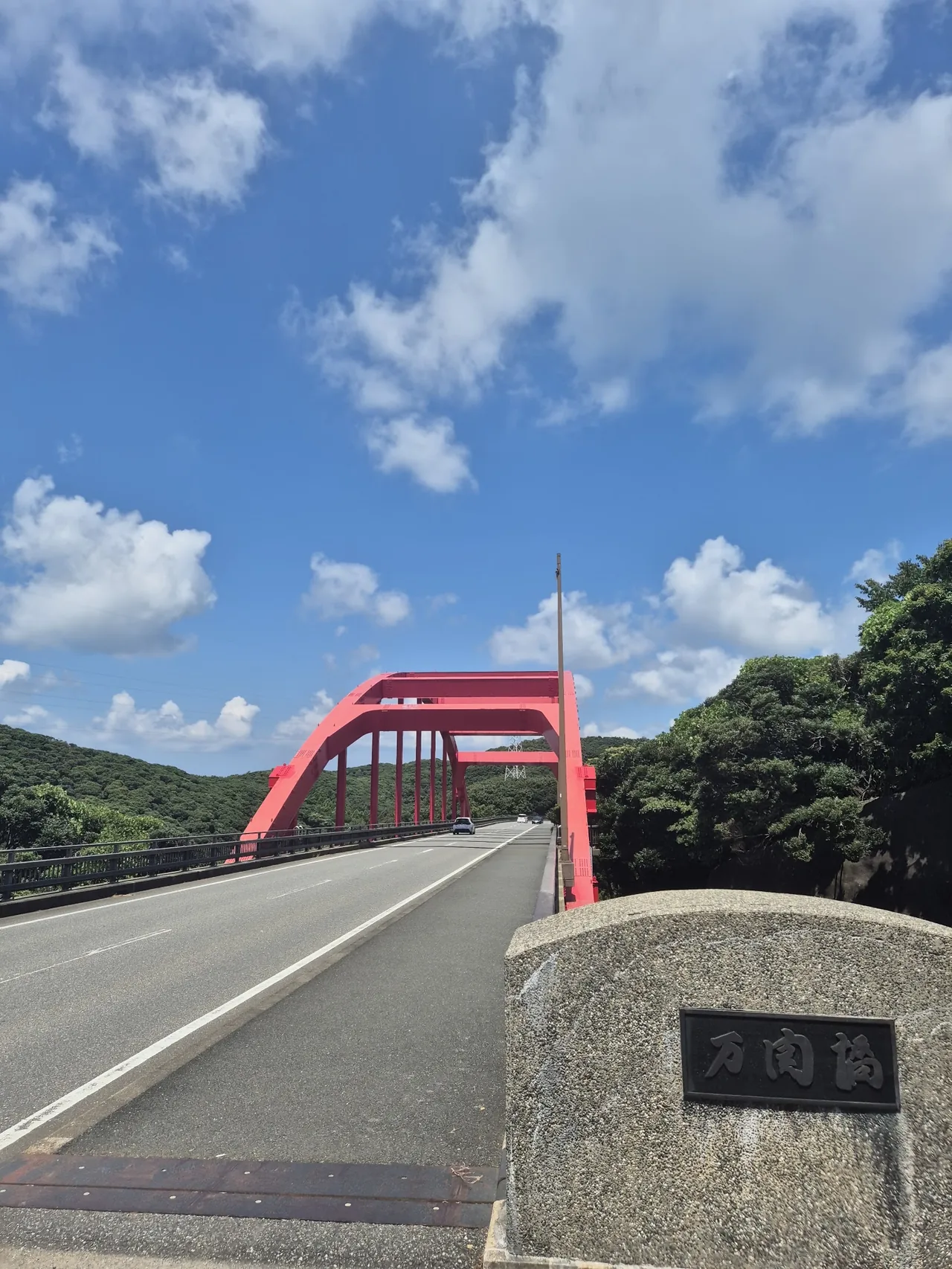
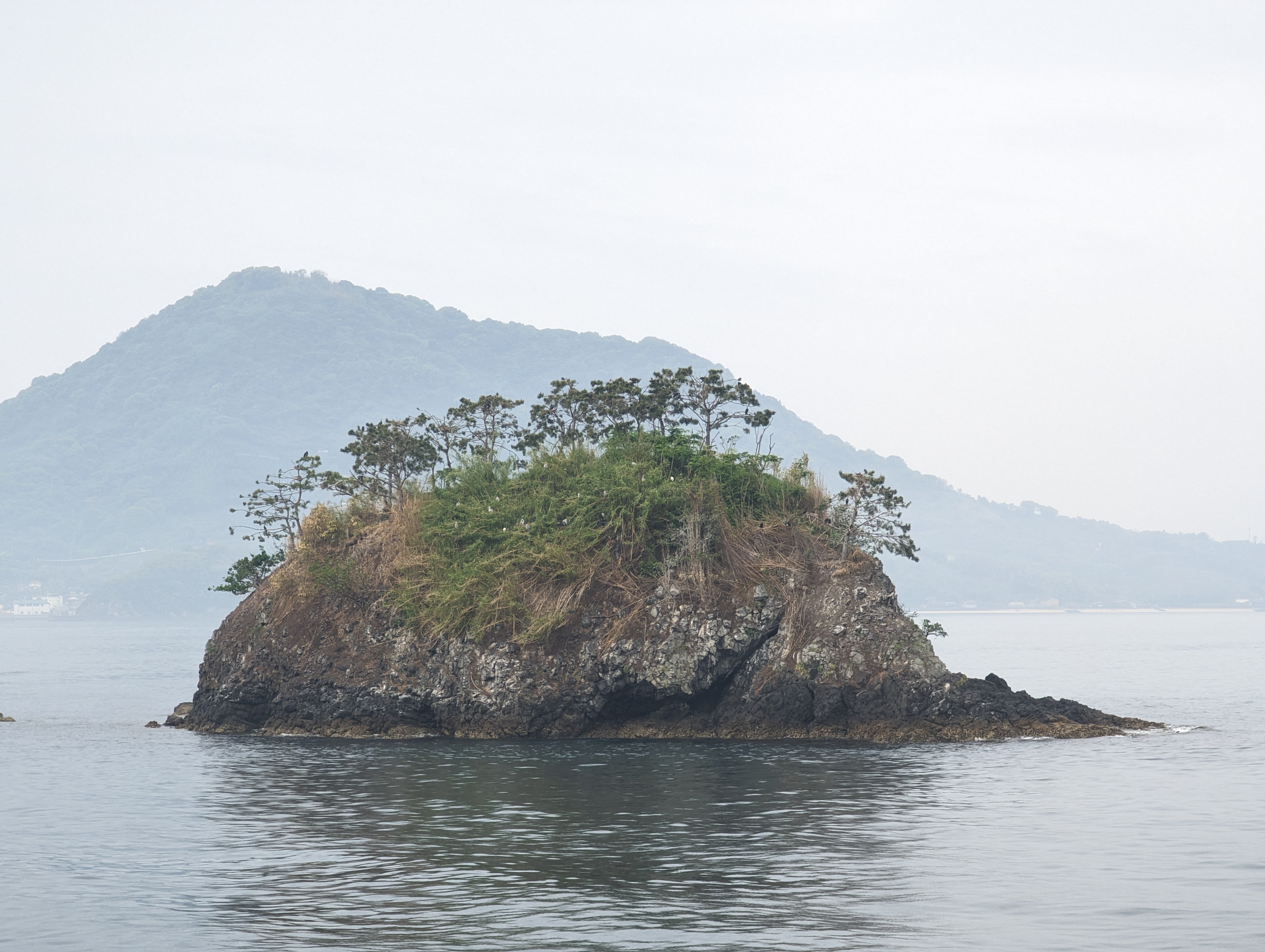
Single bridge connecting Tsushima's two main islands across the man-made Manzeki canal cut in 1672
Skip the Crowds
- Tsushima has no crowds, except one route. The Watatsumi Shrine parking lot fills with Korean tour buses on summer weekends between 10:00 and 14:00. Go at sunrise or after 15:30 and the sea-torii is yours.
- The north is empty. Once you cross the Manzeki bridge to Kamiagata island, you almost never see another foreign visitor. Two-night itineraries that overnight on the north side get the rawest version of Tsushima.
- Korean Golden Week (early May). The only week of the year Tsushima fills up: South Korean visitors take the Busan ferry. Avoid those eight days if you want quiet.
- Skip the package tours. Most Japanese mainland tours run a single-day Hakata-to-Tsushima loop. Self-drive for two nights beats every guided alternative.
Food & Drink
Izuhara's dining clusters along Hatchobaru Street and around the port. Three regional staples are worth seeking out: aji-su sushi (vinegar-marinated horse mackerel served on hand-pressed rice, a dish unique to Tsushima), local ishiyaki seafood cooked tableside on volcanic stone slabs, and the dark forest Tsushima honey from the Japanese honey bee, drizzled on toast and pancakes at island cafés.
For specific addresses the Tsushima Tourism Office near the Izuhara port keeps an updated list of currently-open counters; many close on Wednesdays or irregularly, and Google Maps does not always reflect island hours. Outside Izuhara, the northern coast has only a handful of seasonal restaurants; pack snacks for the day-drive loop to Kamiagata. Cash matters more than usual outside the main town.
Where to Stay
Sparse but functional: Izuhara holds the main cluster of hotels, with a few sea-view minshuku scattered along the coast.
Booking links are affiliate links. They cost nothing extra and support the site.
Day Trips
From Tsushima you can build a Kyushu island-hopping loop: Iki, then back to Fukuoka.
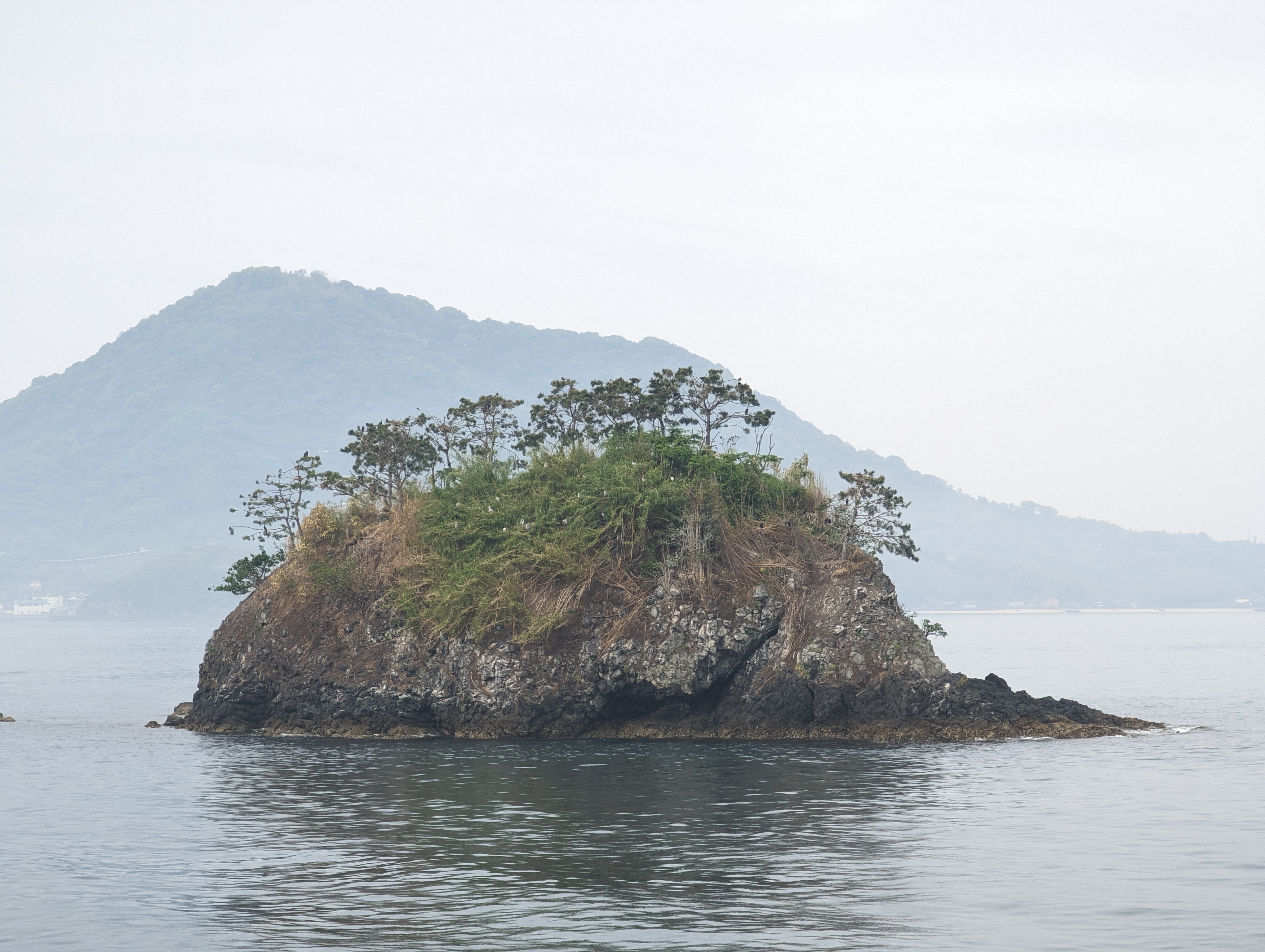
Iki Island
Sister island en route back to Fukuoka: sake breweries, dive sites, and Yayoi-period ruins
Sister island, calmer than Tsushima
- Yayoi-era archaeological park
- Sake brewery tours
- Dive sites off Tatsunoshima
Fukuoka (Hakata)
Mainland gateway with the original Hakata ramen and Canal City
Kyushu's mainland gateway
- Hakata ramen at Ichiran honten
- Canal City complex
- Tenjin nightlife
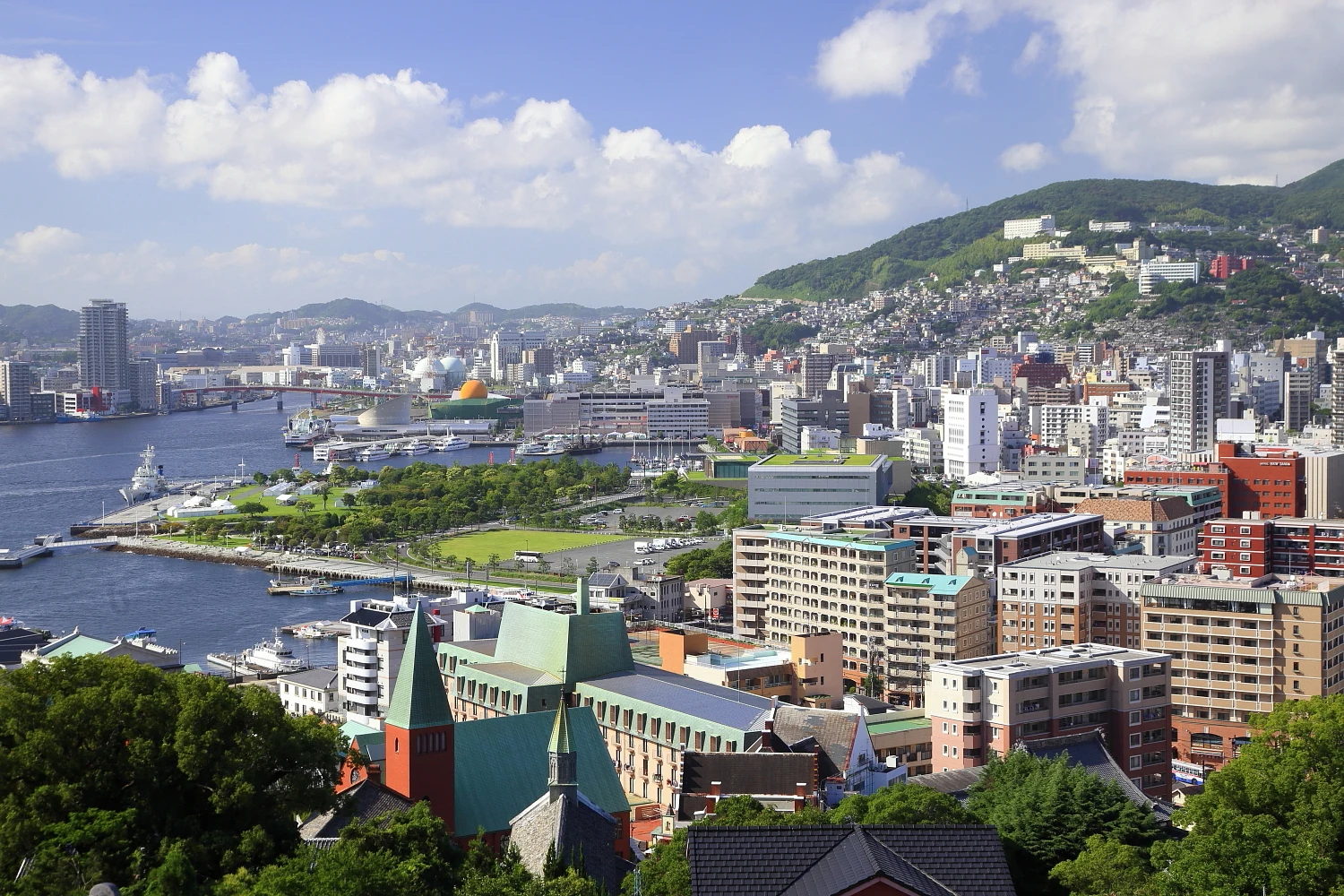
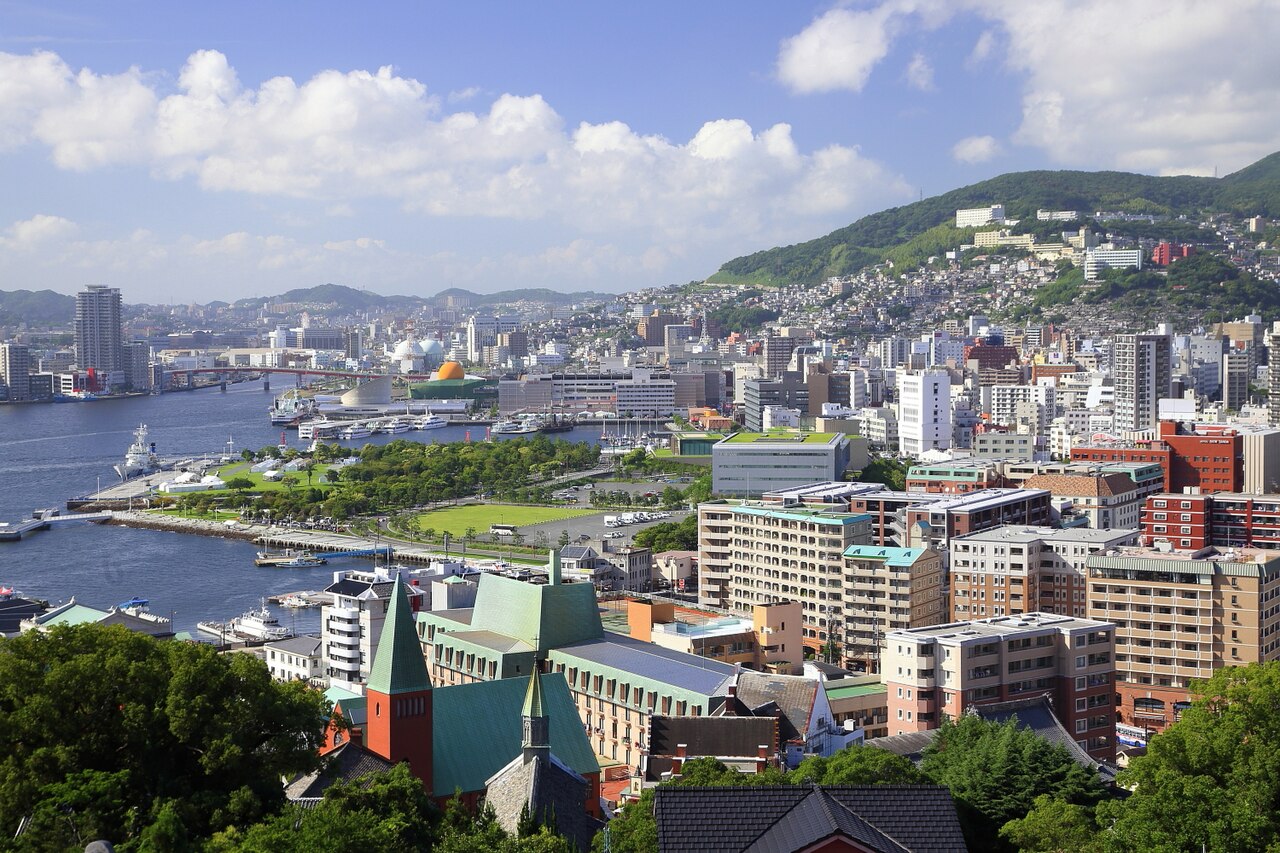
Nagasaki City
Prefecture capital with Dejima, Glover Garden, and the atomic-bomb memorial sites
Prefecture capital with Dejima
- Dejima trading post
- Atomic Bomb Museum
- Glover Garden
How to Get There
FAQ
Is Tsushima Island a real place?
Yes. Tsushima is a real Japanese island in Nagasaki Prefecture, about 50 kilometres off the Korean coast. Around 30,000 people live there, mostly in the southern port town of Izuhara, and the island has been Japanese territory since at least the 7th century.
Where is Tsushima located?
Tsushima sits in the Korea Strait between Japan and the Korean Peninsula, administratively part of Nagasaki Prefecture in northern Kyushu. From Fukuoka it's a two-hour Jetfoil; from Busan in South Korea it's about 70 minutes by ferry, closer to Busan than to Fukuoka.
How do I get to Tsushima from mainland Japan?
From Fukuoka's Hakata Port the Kyushu Yusen Jetfoil reaches Izuhara in around 2h 15min for roughly ¥9,000 one way. ANA flies from Fukuoka Airport to Tsushima Yamaneko Airport in 35 minutes (~¥18,000). Neither route is covered by the JR Pass, and typhoon season (July–September) cancels Jetfoils regularly.
How many days do you need in Tsushima?
Two nights is the working minimum. One night covers Izuhara plus the southern island's Watatsumi Shrine; a second night lets you cross to the northern island for the Kamiagata viewpoint and Komodahama. Shorter than that and the ferry/flight transit eats the trip.
Did the Mongols actually invade Tsushima?
Yes, twice. In November 1274 a Mongol expeditionary fleet of about 900 ships landed at Komodahama Beach and overwhelmed the local samurai garrison of 80 led by Sō Sukekuni. A second invasion in 1281 hit the island before being repulsed in Hakata Bay by the famous kamikaze typhoon. The beaches are unmarked except for small memorial stones.
What is the Tsushima yamaneko?
The Tsushima yamaneko is an endemic leopard cat subspecies found only on Tsushima, Japan's last wildcat. Around 100 individuals remain in the wild. The Tsushima Wildlife Conservation Center in Sago is the most reliable place to see one; sightings on remote forest roads happen at dawn and dusk, especially in winter.
Is Tsushima safe to visit in 2026?
Yes. Tsushima is among the safest parts of Japan. Korean-Japanese diplomatic friction occasionally spikes ferry traffic from Busan, but it does not affect daily life or visitor safety. The bigger practical risk is weather: typhoon season (July–September) cancels Jetfoils unpredictably.