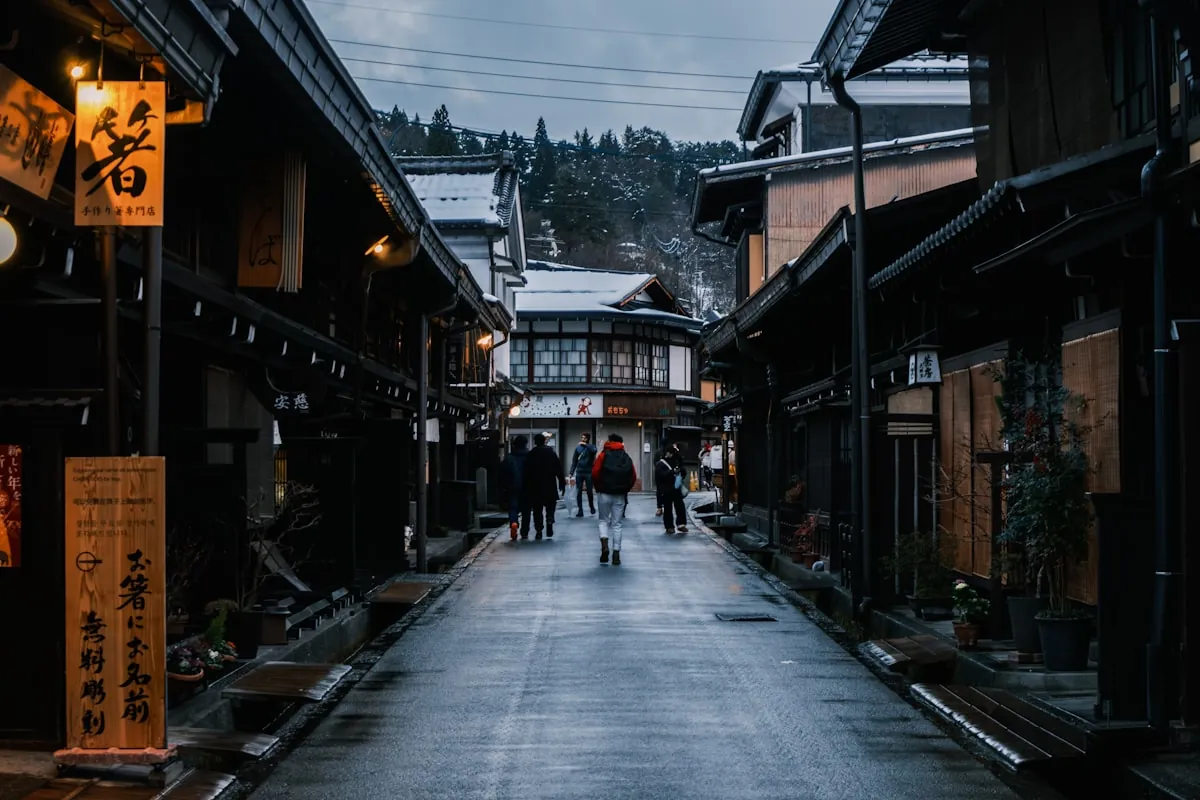
Nagasaki is Japan's most layered port city: a centuries-old window on the world that absorbed Portuguese missionaries, Dutch traders, and Chinese merchants long before the rest of the country opened its doors. The hillside neighbourhoods of Glover Garden and Oura Church carry that legacy, the Atomic Bomb Museum carries another, and the trams that thread between them tie it all together. Slow down for the food: castella sponge cake from Edo-era recipes, champon noodles invented in Chinatown, and shippoku banquets that mix Chinese, European, and Japanese traditions on a single table.
When to Visit
Spring and autumn are the sweet spots: mild weather, manageable crowds, and Nagasaki's hilly streets at their most walkable.
What to Do in Nagasaki
Nagasaki rewards slow exploration, with layers of Portuguese, Dutch, Chinese, and atomic history compressed into a compact, walkable city. Start with the heaviest history, then let the hillside views and hidden quarters carry you through.
Icons worth the crowds
Hidden gems
More Nagasaki City highlights
Skip the Crowds
- Visit the Peace Park early. Arrive before 9am; tour groups typically arrive mid-morning. The Hypocenter Park is quietest on weekday mornings.
- Glover Garden on a weekday. Weekend afternoons draw the most visitors. A Tuesday or Wednesday morning is noticeably calmer.
- Mt. Inasa at dusk, not peak evening. The ropeway gets busy between 8–9pm. Arrive around 7pm for the transition from daylight to full city lights: fewer people, same view.
- Dejima over Chinatown. Nagasaki's Dutch trading island sees a fraction of the visitors that Shinchi Chinatown does, yet tells a more layered story of the city's international past.
- Nagasaki Historical and Cultural Museum as an alternative anchor. Most visitors skip it entirely in favour of the Peace Park. The permanent exhibition (adults around ¥630, check current pricing) covers the city's full multicultural arc without the crowds.
Nagasaki City Neighborhoods
Nagasaki City is best navigated as a set of neighborhoods, each with its own pace. These are the areas where the spot guides above cluster.
Food & Drink
Nagasaki's kitchen is unlike anywhere else in Japan; centuries of Portuguese, Dutch, and Chinese influence produced dishes you won't find on the mainland. Champon, sara udon, and castella are the essentials; shippoku banquet dining is worth seeking out for a longer meal.
Where to eat in Nagasaki: champon, castella & turkish rice24 verified picks across the city→Where to Stay
Nagasaki's compact layout means most hotels within tram distance of Nagasaki Station put the Peace Park, Glover Garden, and Chinatown within easy reach.
Booking links are affiliate links. They cost nothing extra and support the site.
Day Trips
Nagasaki sits at the western tip of Kyushu, with volcanic peninsulas, island archipelagos, and onsen towns within easy reach.
Events in Nagasaki City
Matsuri can double a neighborhood's crowds overnight. Plan toward them or around them; these are the dates that shape the year.
How to Get There
FAQ
How do I get from Tokyo to Nagasaki by train?
Take the Tokaido/Sanyo Shinkansen to Hakata Station (5–6 hours), transfer to the Relay Kamome Limited Express to Takeo Onsen, then board the Nishi Kyushu Shinkansen to Nagasaki Station. The full journey takes around 7 hours. The JR Pass covers the entire route; verify current pricing before booking. See Jr Pass Guide for pass details.
Is it faster to fly to Nagasaki from Tokyo?
Yes. Flights take around 2–2.5 hours. Jetstar operates from Narita from around ¥9,000 one-way; ANA and JAL fly from Haneda from around ¥15,000 one-way. Check current fares before booking, as prices vary significantly by season.
How do you get around Nagasaki city?
The tram network covers most major sights. A single ride costs around ¥140, and Suica cards work for tap-on. For Mt. Inasa, take the tram to City Hall stop, then Bus No. 3 or No. 4 to Ropeway-mae.
How long does the Atomic Bomb Museum and Peace Park take?
Allow 2–3 hours for both together. The Hypocenter Park is a short walk from the Peace Park; factor in transit time from Nagasaki Station (tram Red line, stop 19).
What is Nagasaki's famous local food?
Champon (thick noodle soup with seafood), sara udon (crispy noodles), and castella sponge cake are the essentials, all shaped by centuries of Portuguese, Dutch, and Chinese influence. Shippoku, a multi-course fusion banquet, is worth seeking out for a longer meal.
Is the Mt. Inasa night view worth it?
It was selected as one of the Top 3 Night Views in the World in 2021. The ropeway runs 9:00–22:00; a round-trip ticket costs around ¥1,250 for adults (check current pricing). Arriving around 7pm avoids the 8–9pm peak.