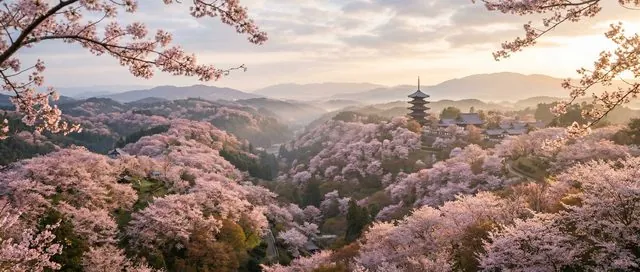
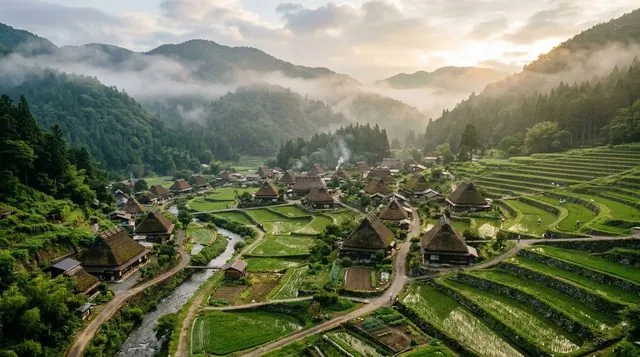
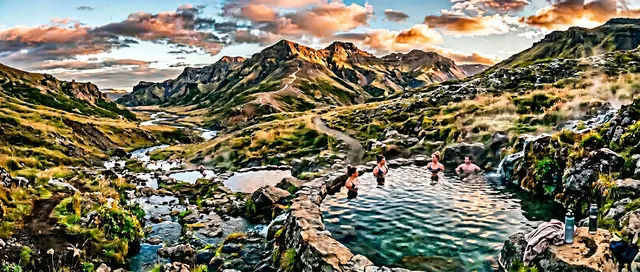
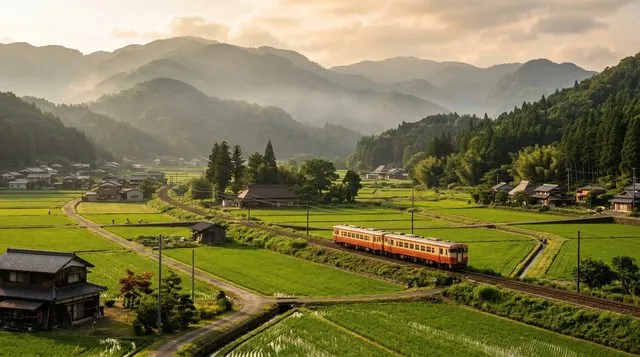
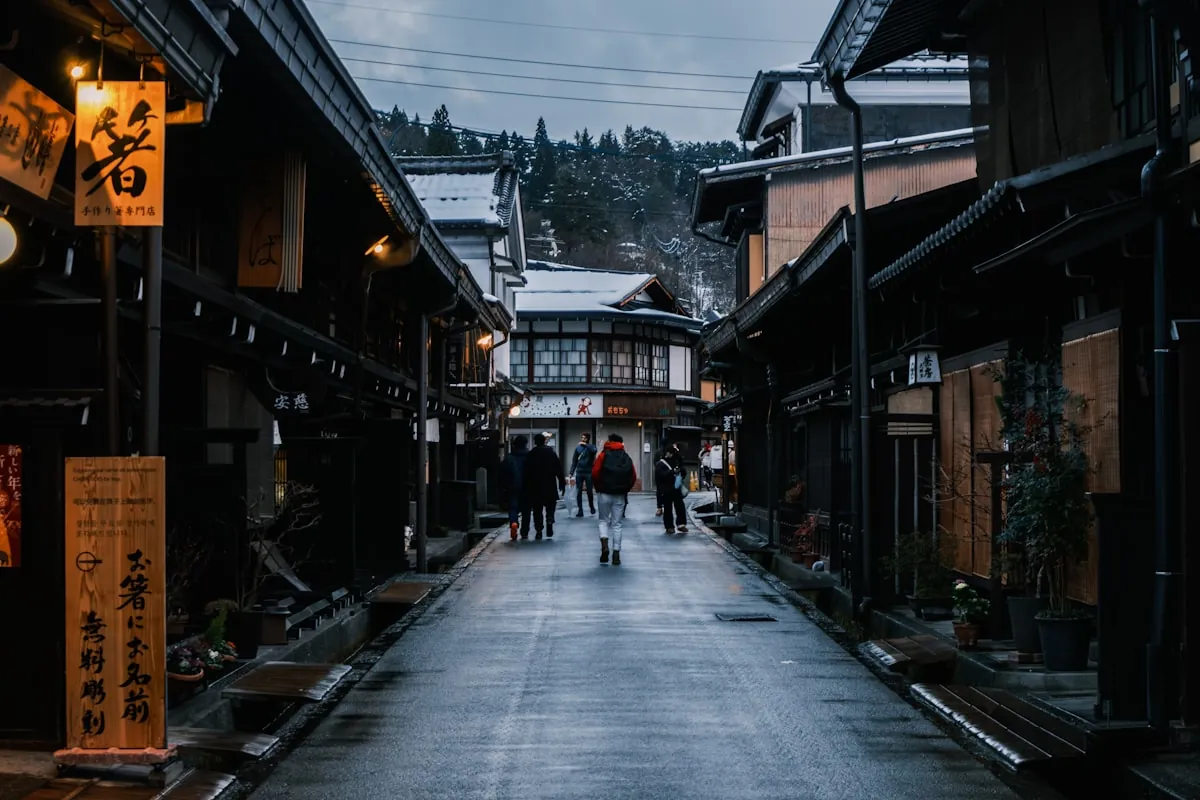
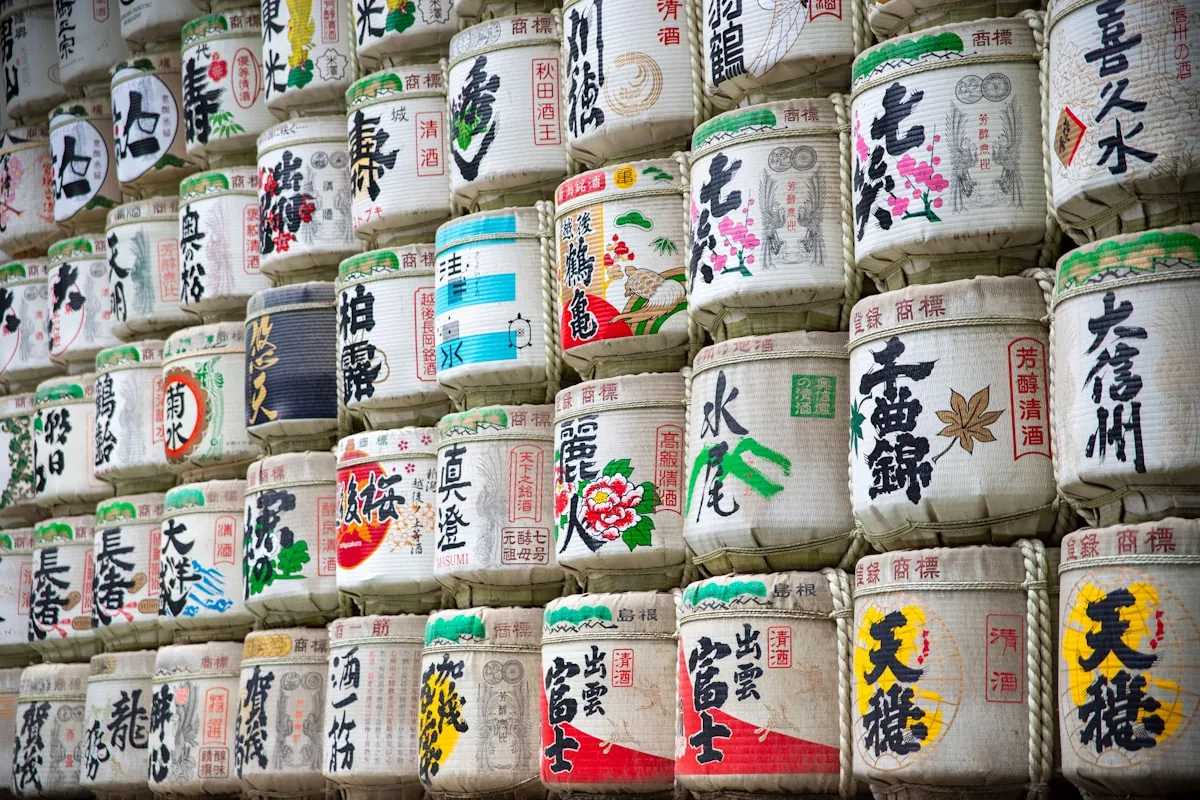
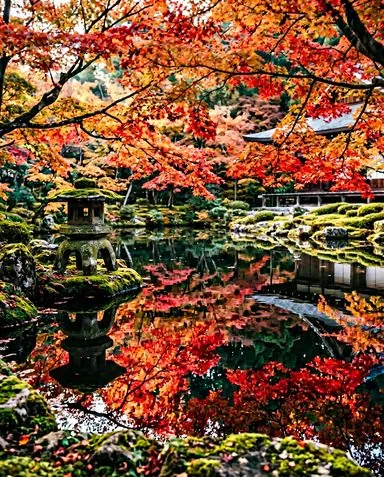
Chiba is best known to most foreign travellers as the home of Narita Airport, but the prefecture stretches around Tokyo Bay and out into the Pacific to a peninsula of cliffs, surf villages, and shrine towns. Naritasan Shinshoji Temple anchors the airport prefecture's spiritual heart; the cliff-top temple of Nokogiriyama rises above the Boso peninsula's western coast; the Pacific lighthouse at Inubosaki Lighthouse stands at Japan's easternmost mainland point near Choshi; the river gorge of Yoro Keikoku winds through the inland mountains; the surf coast at Onjuku still feels like a fishing village; Tateyama closes the southern peninsula with its bay; and Chiba City functions as the urban gateway between airport and Pacific.
Cities & Towns
Five anchors from the urban gateway across the Boso peninsula to the easternmost cape.
Narita
More than just an airport: a one-thousand-year-old temple town with a pilgrim approach lined with eel restaurants
Airport and temple town
- Naritasan temple
- Omotesando approach
- Eel restaurants
Choshi
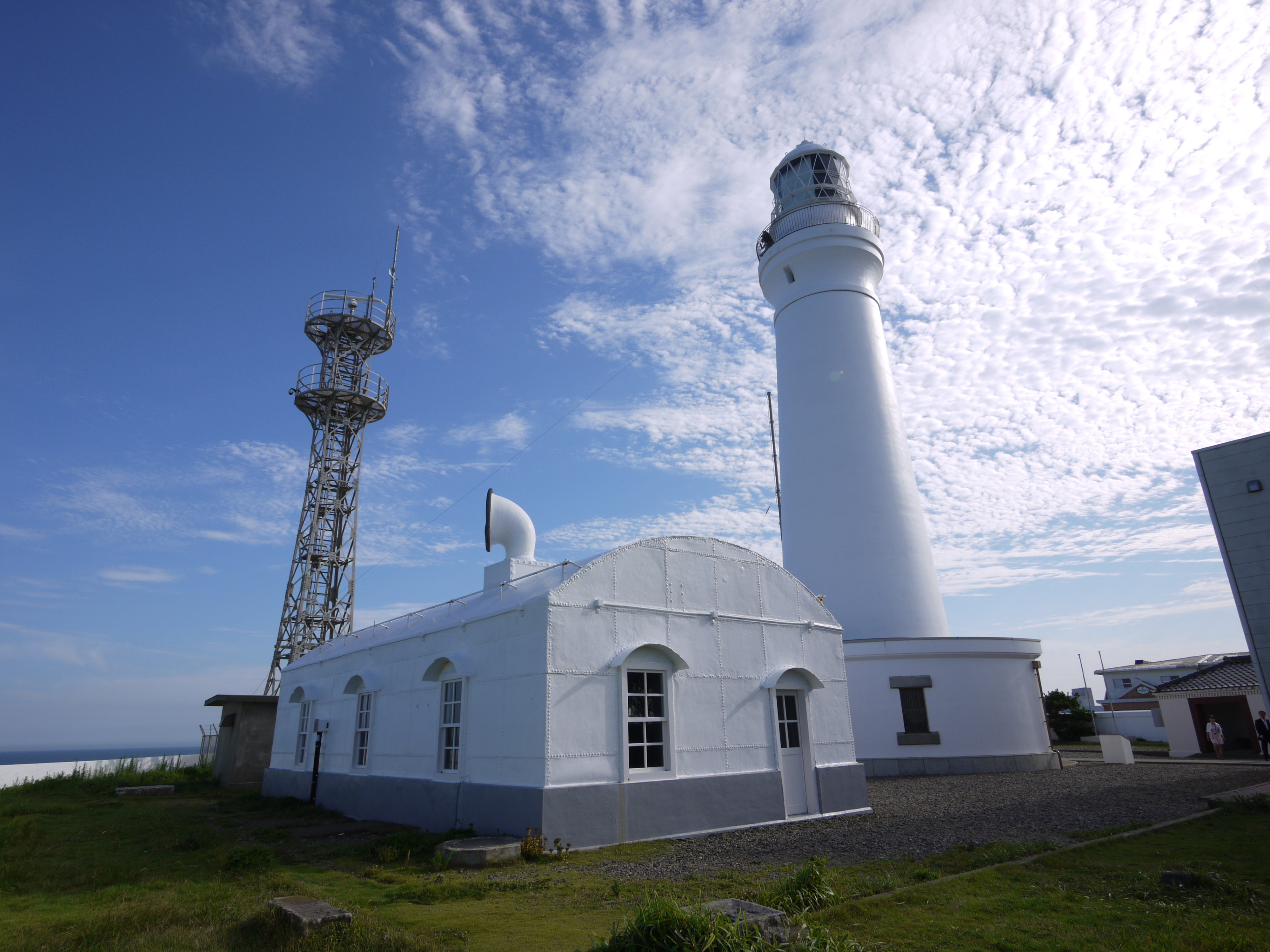
Japan's easternmost mainland city, with the historic Inubosaki Lighthouse, a deep-sea fishing harbour, and the lonely Pacific cliffs of Cape Inubo
Easternmost mainland
- Inubosaki Lighthouse
- Choshi fish market
- Cape Inubo cliffs
Tateyama
The peninsula's southern bayside city: quiet beaches, a hilltop castle ruin, and direct ferries to Kanagawa
Southern Boso bay
- Hojo beach
- Tateyama Castle
- Kanaya ferry to Kanagawa
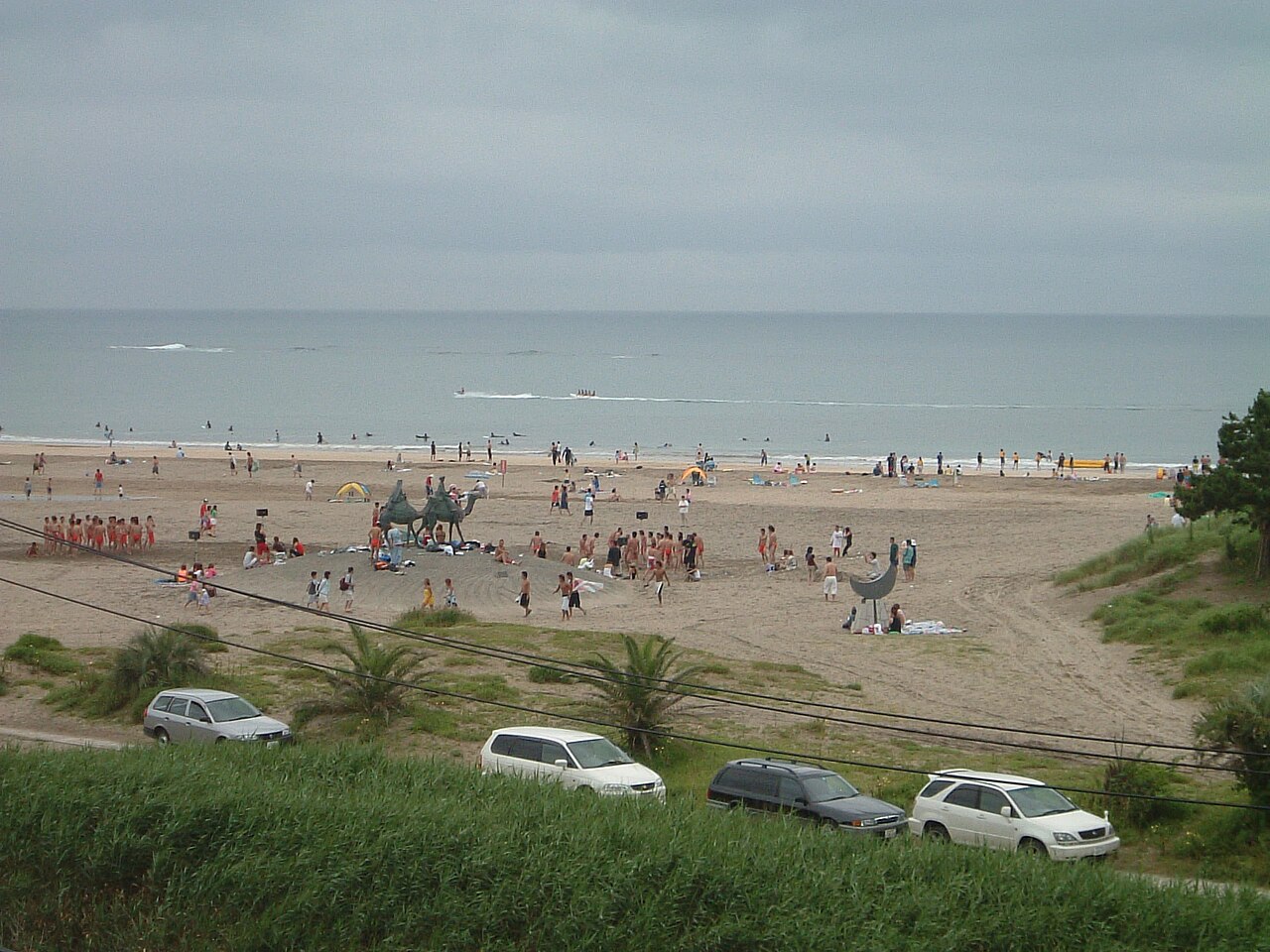
Onjuku
A working fishing village on the Pacific surf coast, with a long beach, bonito boats, and a low-rise, low-key feel an hour past Tokyo
Pacific surf village
- Onjuku beach
- Surf scene
- Pacific lighthouses
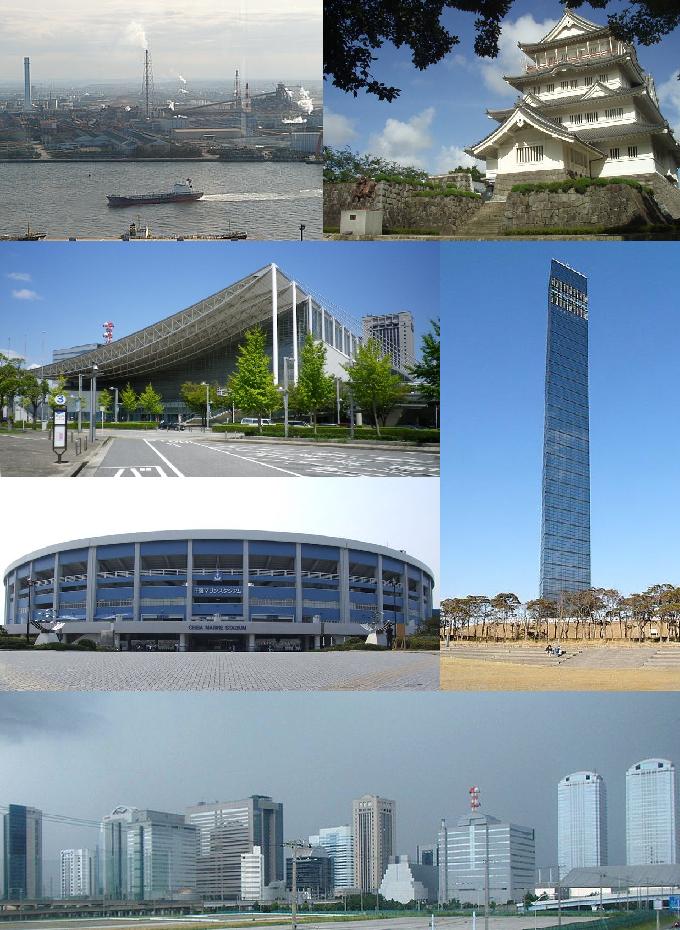
Chiba City
Tokyo Bay's eastern capital and the prefectural seat, with a monorail running above its centre and a museum-rich port district
Prefectural capital
- Suspended monorail
- Chiba Port Tower
- Folk museum
Top Attractions
Chiba's headline draws from temple to lighthouse to cliff-top shrine.
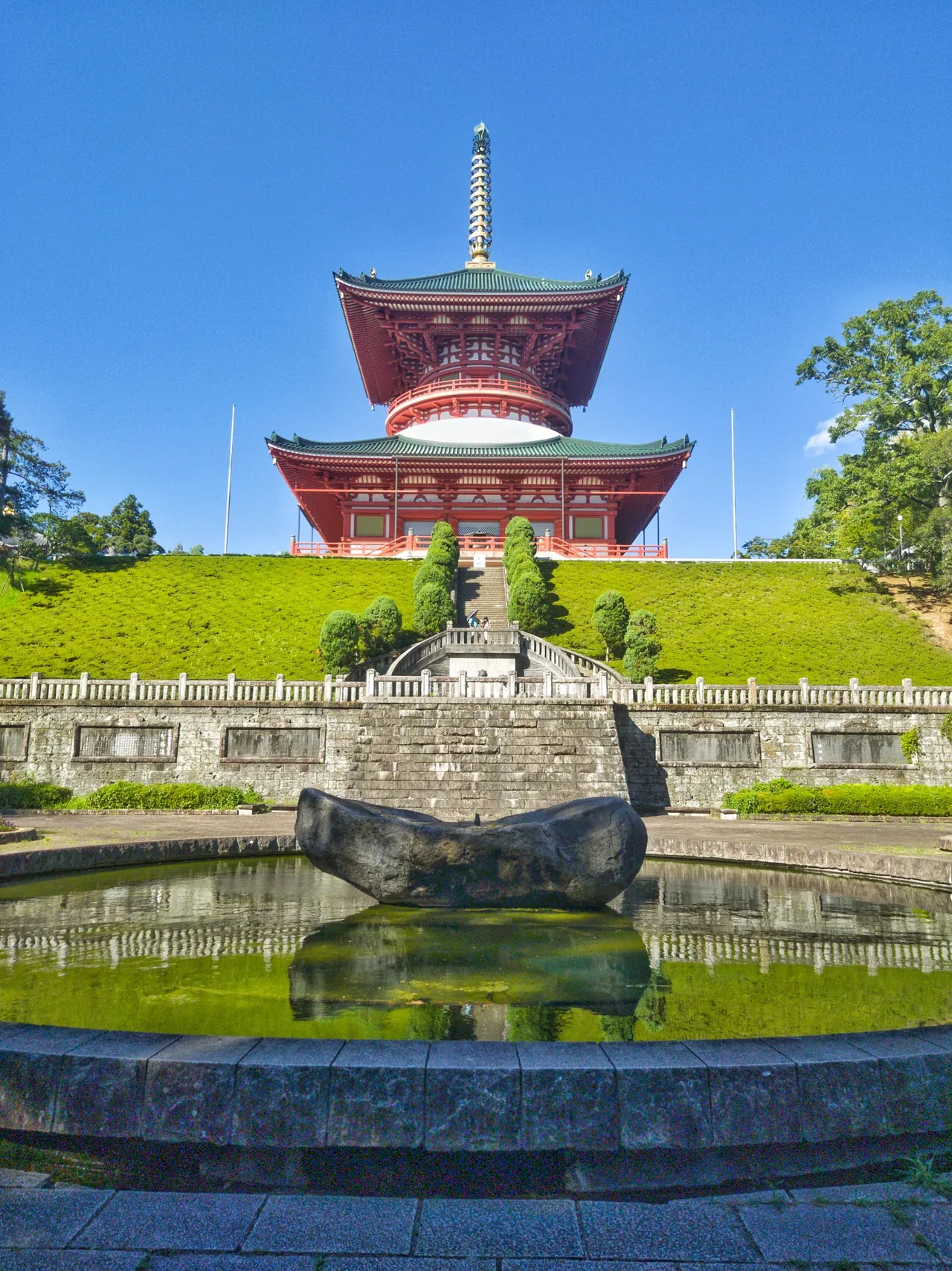
A 1,000-year-old Shingon Buddhist temple just minutes from Narita Airport: pagoda, garden, and a pilgrimage approach lined with traditional restaurants
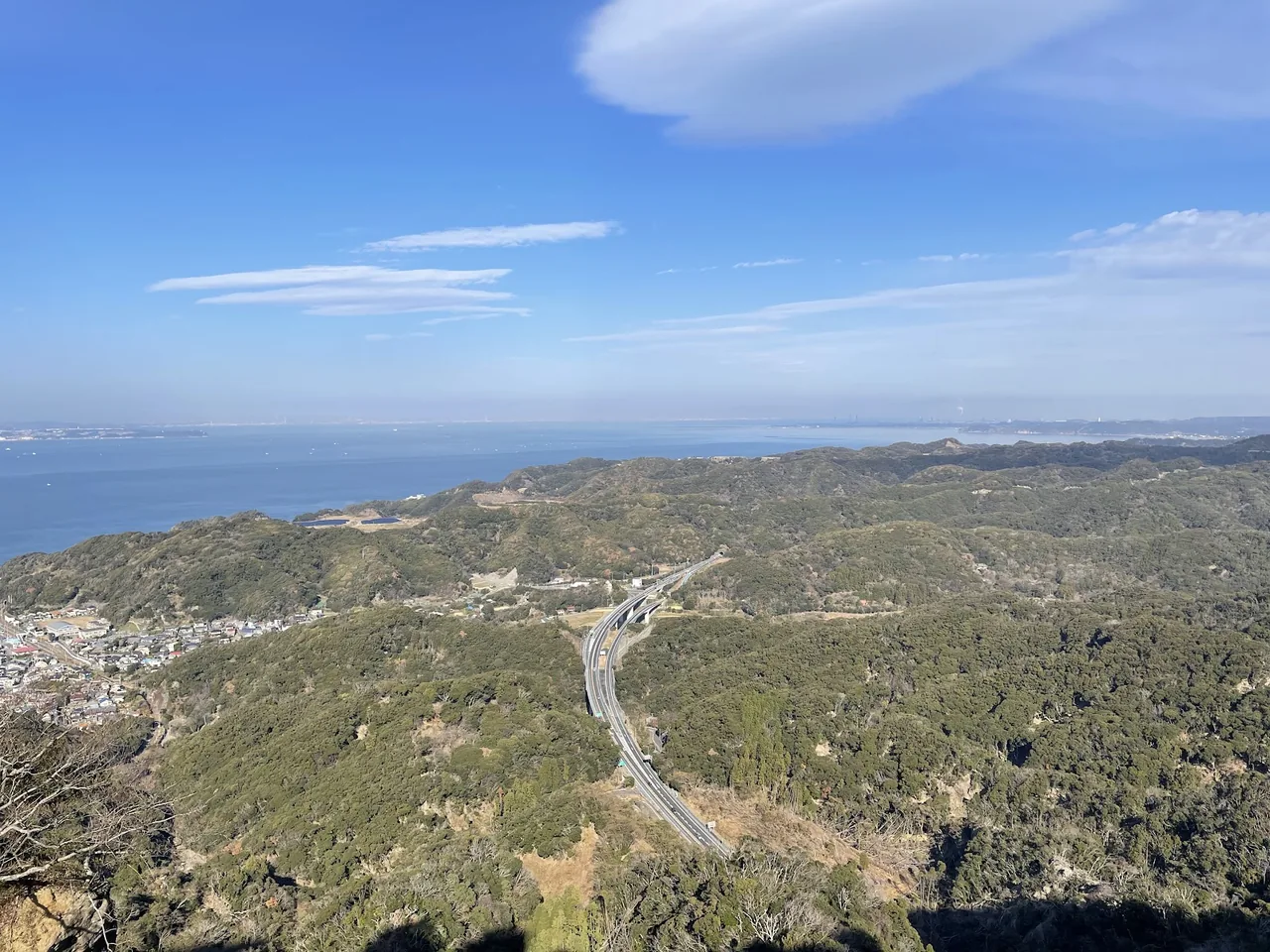
A quarried-stone mountain on the Boso coast with cliff-top observation decks, a giant Daibutsu, and 1500 carved Buddha statues
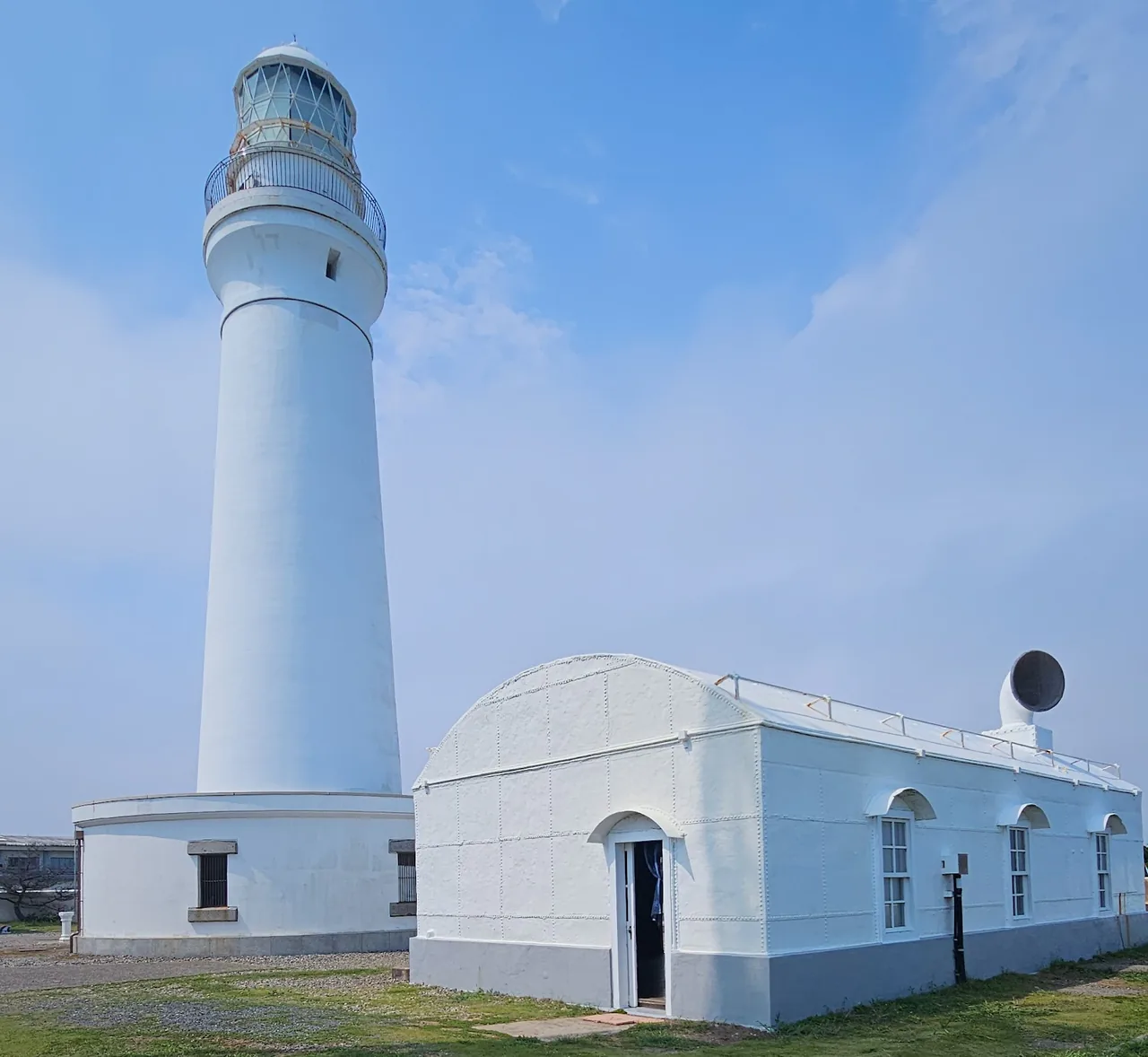
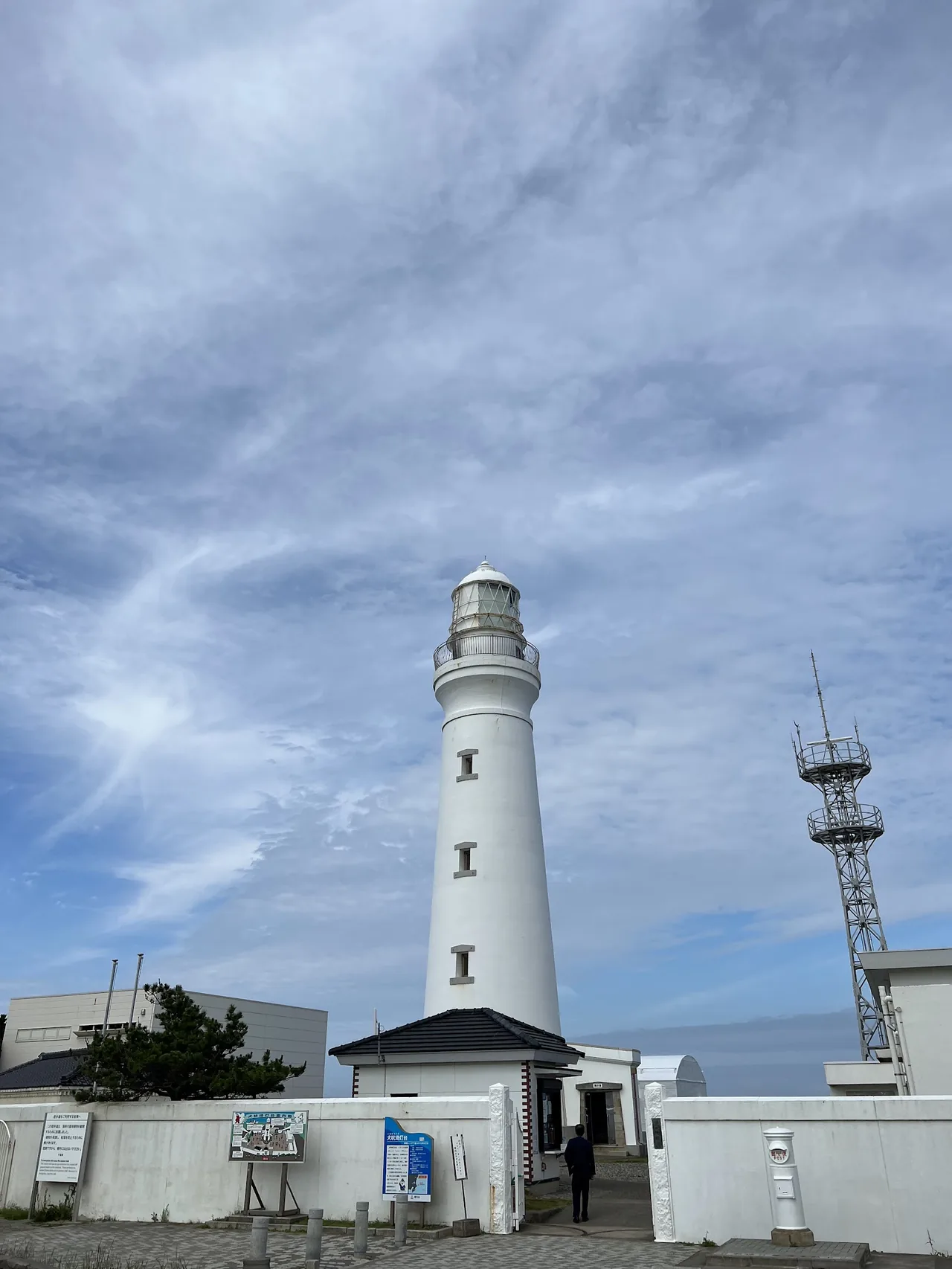
A century-old white lighthouse at Japan's easternmost mainland point, with sweeping Pacific cliffs and a sunrise-watching tradition
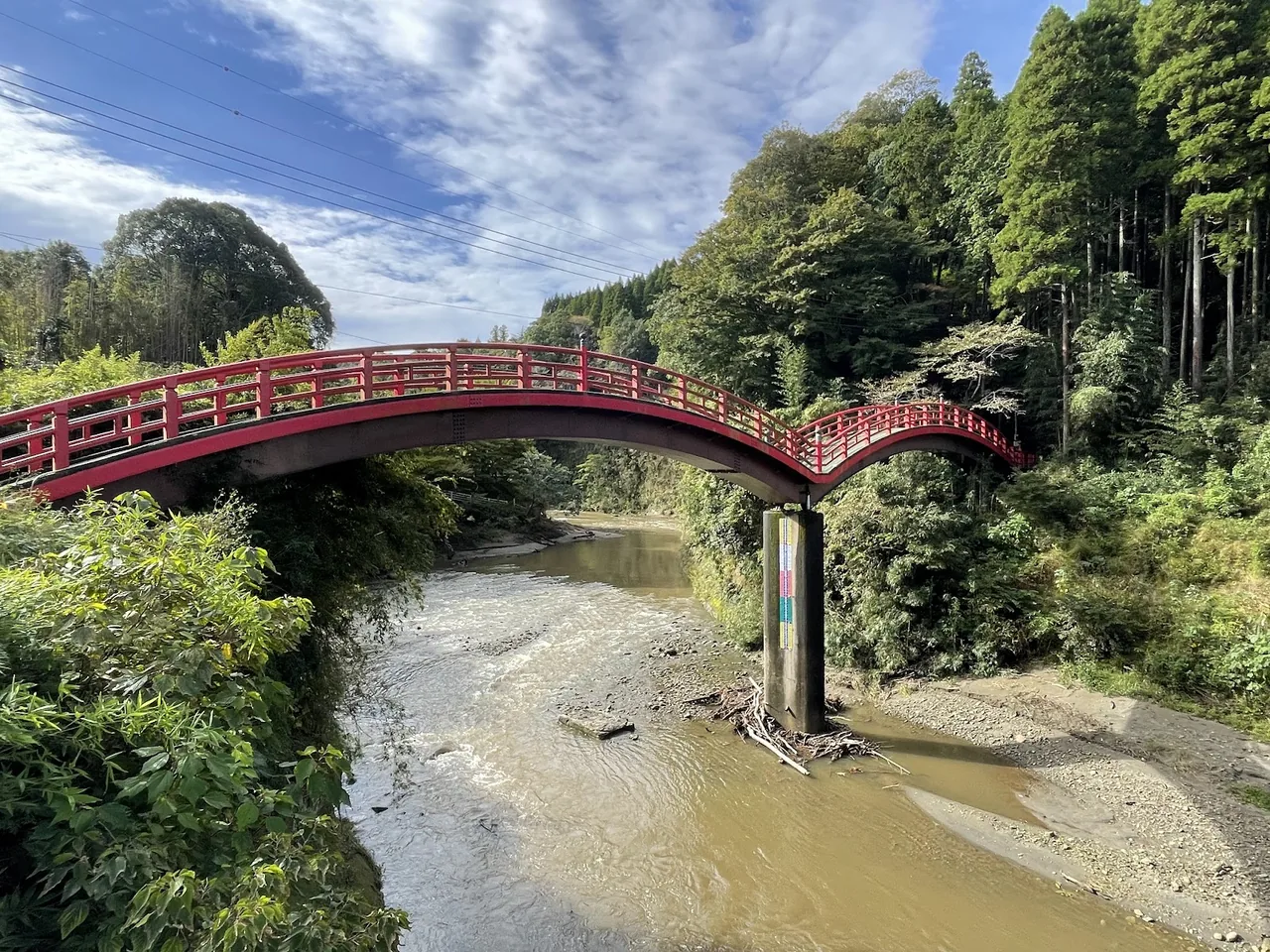
A quiet inland river gorge with stone bridges, autumn maples, and a hot spring at trail's end; Boso's best foliage
Hidden Gems
Three corners of Chiba most travellers skip past on the way to Narita.
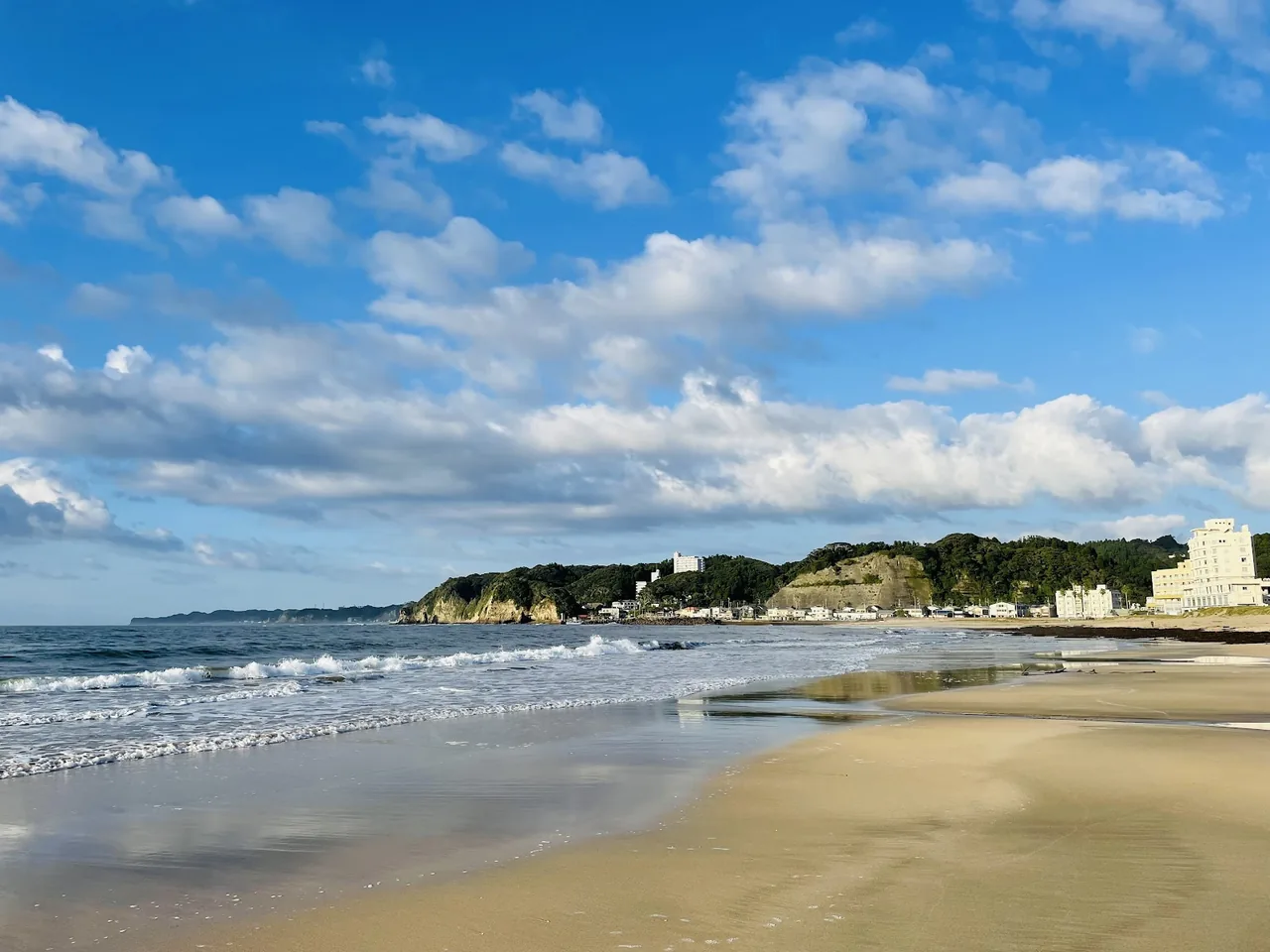 Hidden Gem
A working surf and fishing town with one of Kanto's longest beaches, almost no foreign visitors, and a bonito-rice grill scene that lives on the harbour
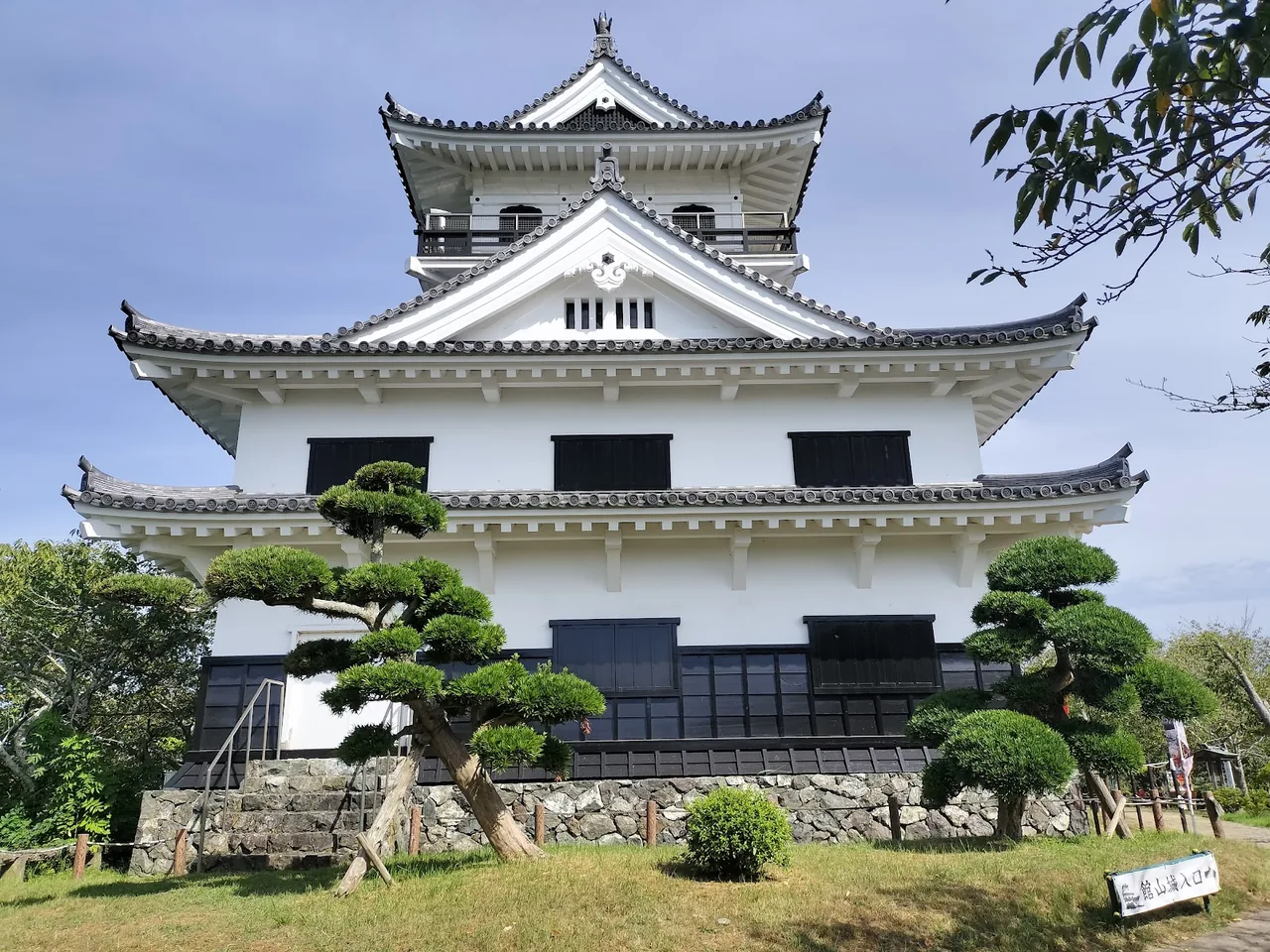 Hidden Gem
A reconstructed coastal castle with bay views, surrounded by spring cherries and overlooking the Boso peninsula's southern beaches
 Hidden Gem
Sea-carved Pacific cliffs at Japan's easternmost point near Choshi: easy clifftop walking, dramatic surf, and the country's first sunrise on New Year's Day
When to Visit
Coastal Chiba is mild year-round; the Pacific side is consistently cooler than Tokyo's sealed-in heat.
Springharu
Mar – May11–22°CModerate crowds
Springharu
- Cherry blossoms early April at Tateyama Castle
- Mother Farm tulips peak mid to late April
- Comfortable for beach walks in Onjuku and Choshi
- Golden Week last week of April
Summernatsu
Jun – Aug23–31°CHigh crowds
Summernatsu
- Beach season opens at Onjuku and Tateyama
- Rainy season through early July
- Surf scene peaks August
- Sea-breeze coast cooler than Tokyo
Autumnaki
Sep – Nov12–25°CModerate crowds
Autumnaki
- Foliage at Yoro Keikoku mid to late November
- Mild for cliff walks at Cape Inubo
- Light typhoon risk through October
- Quiet fishing harbours
Winterfuyu
Dec – Feb5–12°CLow crowds
Winterfuyu
- First sunrise tradition at Inubosaki on January 1
- Plum blossoms at Naritasan in February
- Mild Pacific coast, rarely freezing at sea level
- Fewest tourists across the peninsula
Suggested Itineraries
From an airport-day stop-over to a deep coastal loop.
FAQ
Is Chiba just Tokyo Disney and Narita Airport?
That's the corner most foreign visitors see, but Chiba's Boso Peninsula stretches south to Pacific cliffs, surf beaches, and a thousand-year-old temple town at Naritasan. Tokyo Disney is technically in Chiba's Urayasu, while Narita Airport sits beside its temple namesake.
How do I get to Chiba's coast from Tokyo?
Sotobo line trains run from Tokyo Station to Onjuku and Tateyama in about 90 minutes. Choshi is reached via the Sobu line and the small Choshi Electric Railway from Choshi station. Drivers can use the Aqua Line bridge under Tokyo Bay.
What can I do in Narita between flights?
Naritasan Shinshoji Temple is 30 minutes by train from Terminal 1 and easily seen in 90 minutes. The Omotesando pilgrim approach has long-running unagi restaurants and pickle shops, a worthwhile transit-stop alternative to airport food courts.
What is the best time of year to visit Chiba?
Late March to April for cherries at Tateyama and tulips at Mother Farm; June for hydrangeas and the start of beach season; mid-November for autumn foliage at Yoro Keikoku. The Pacific coast stays milder than Tokyo year-round.
How many days do I need in Chiba?
A half-day suffices for Naritasan around an airport transit. A full Boso loop with Nokogiriyama, Tateyama, and Onjuku takes two to three days. Choshi at the eastern cape needs an overnight to make the journey worthwhile.
What are Chiba's hidden gems?
The cliff-top temple complex of Nokogiriyama with its giant Daibutsu, the working surf village of Onjuku, and the Pacific lighthouse cliffs at Cape Inubo near Choshi: all within two hours of Tokyo but seldom visited by international travellers.