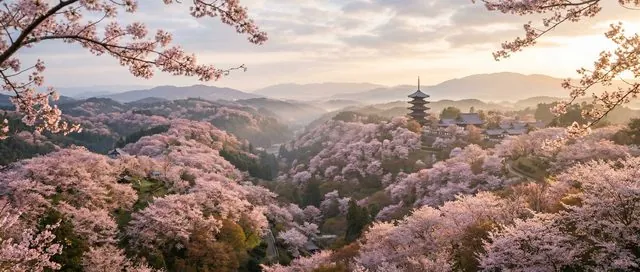
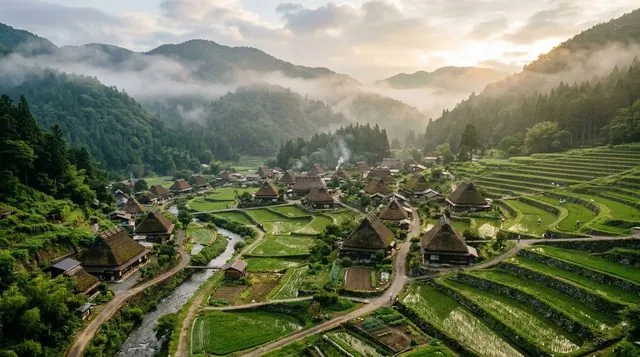
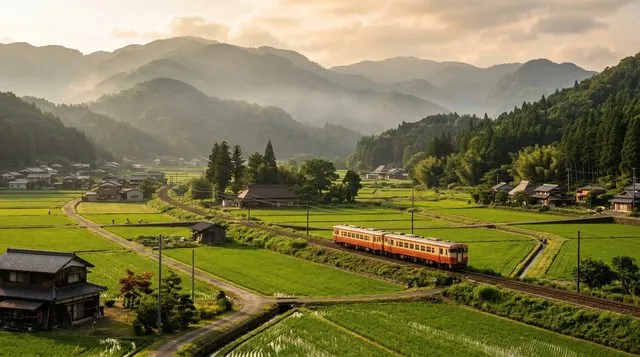
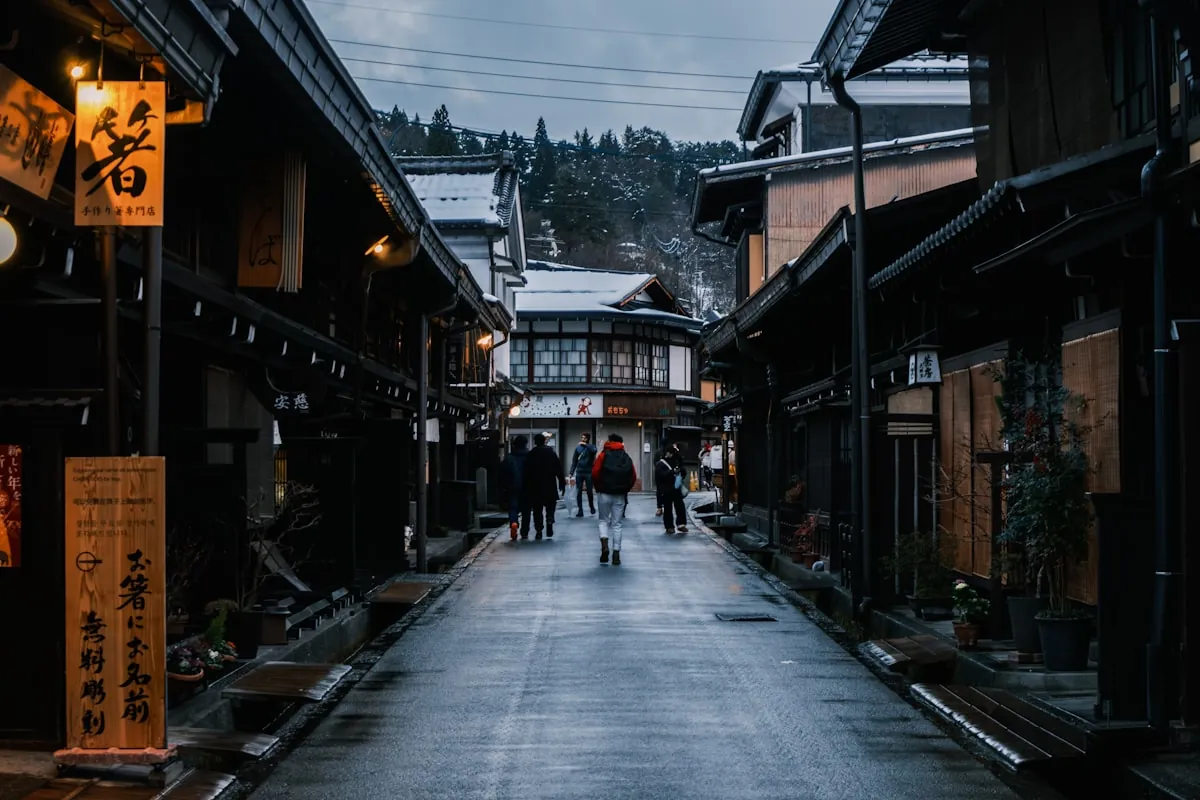
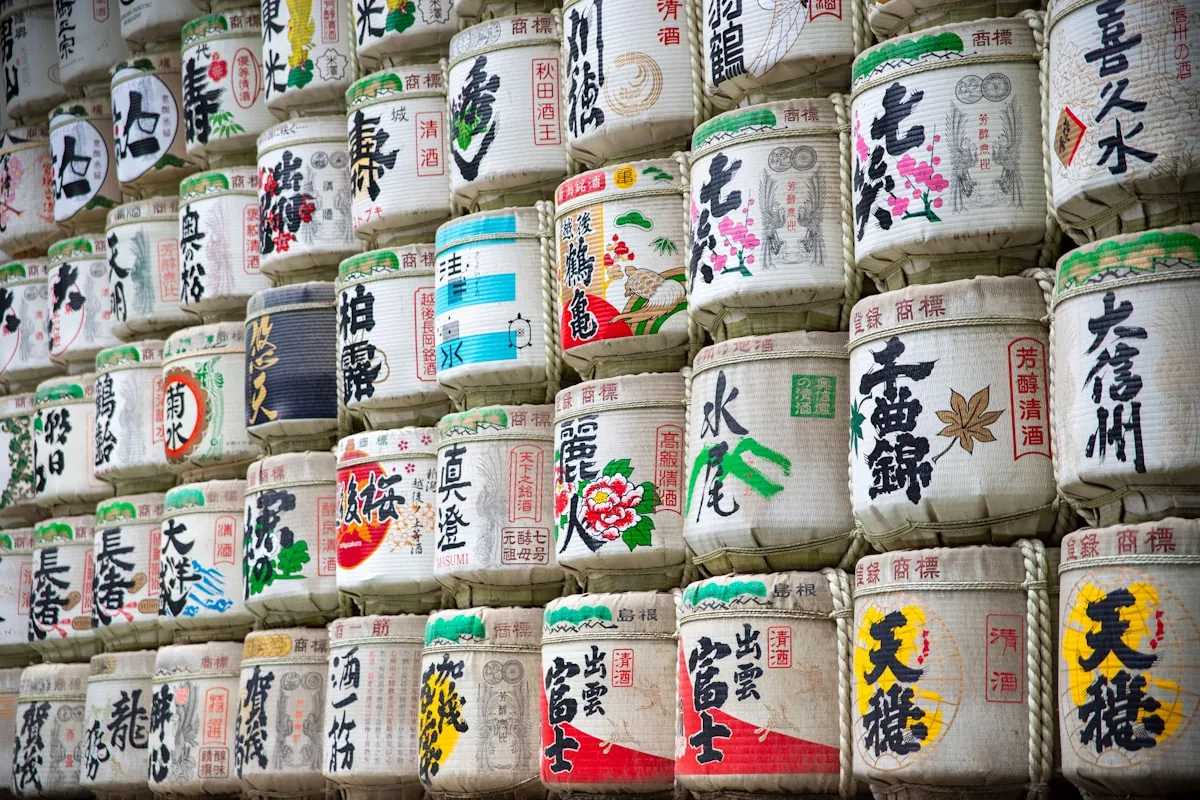
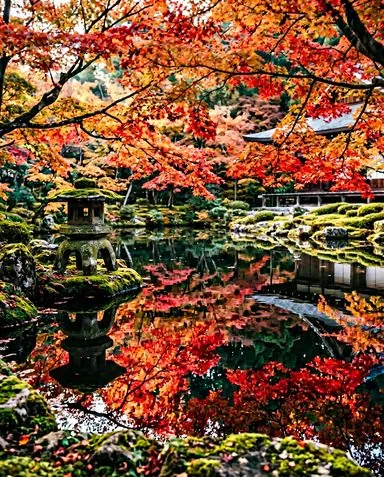
Yamagata is Tohoku's most rewarding day's-detour prefecture: the temple-on-a-cliff Yamadera (Risshakuji Temple), the winter snow-monsters of Zao Onsen, the sacred-mountain pilgrimage of Dewa Sanzan, the Studio Ghibli-perfect Taisho-era hot spring of Ginzan Onsen, and the volcanic Emerald lake of Okama Crater Lake, all within two hours of Tokyo via shinkansen.
Cities & Towns
Yamagata City
The capital: Yamagata Castle ruins, station-side soba (cold zaru-soba is the local specialty), and a base for Yamadera and Zao
Capital and soba city
- Castle ruins
- Cold-soba culture
- Yamadera & Zao gateway
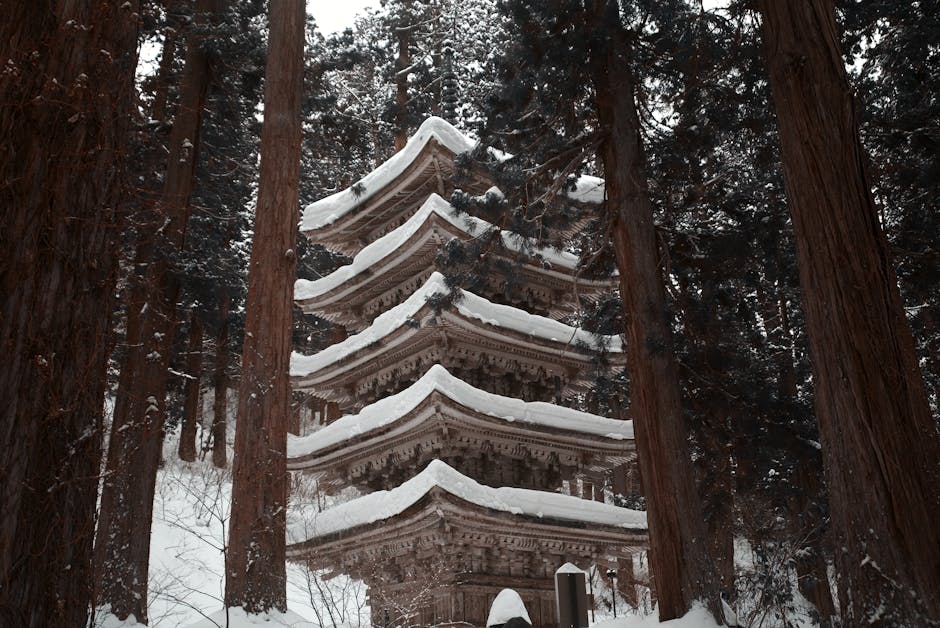
Tsuruoka
Coastal city anchoring Dewa Sanzan, one of Japan's three sacred mountain pilgrimages, plus the UNESCO Creative City of Gastronomy
Sacred mountains and food
- Dewa Sanzan
- UNESCO gastronomy
- Chido Museum
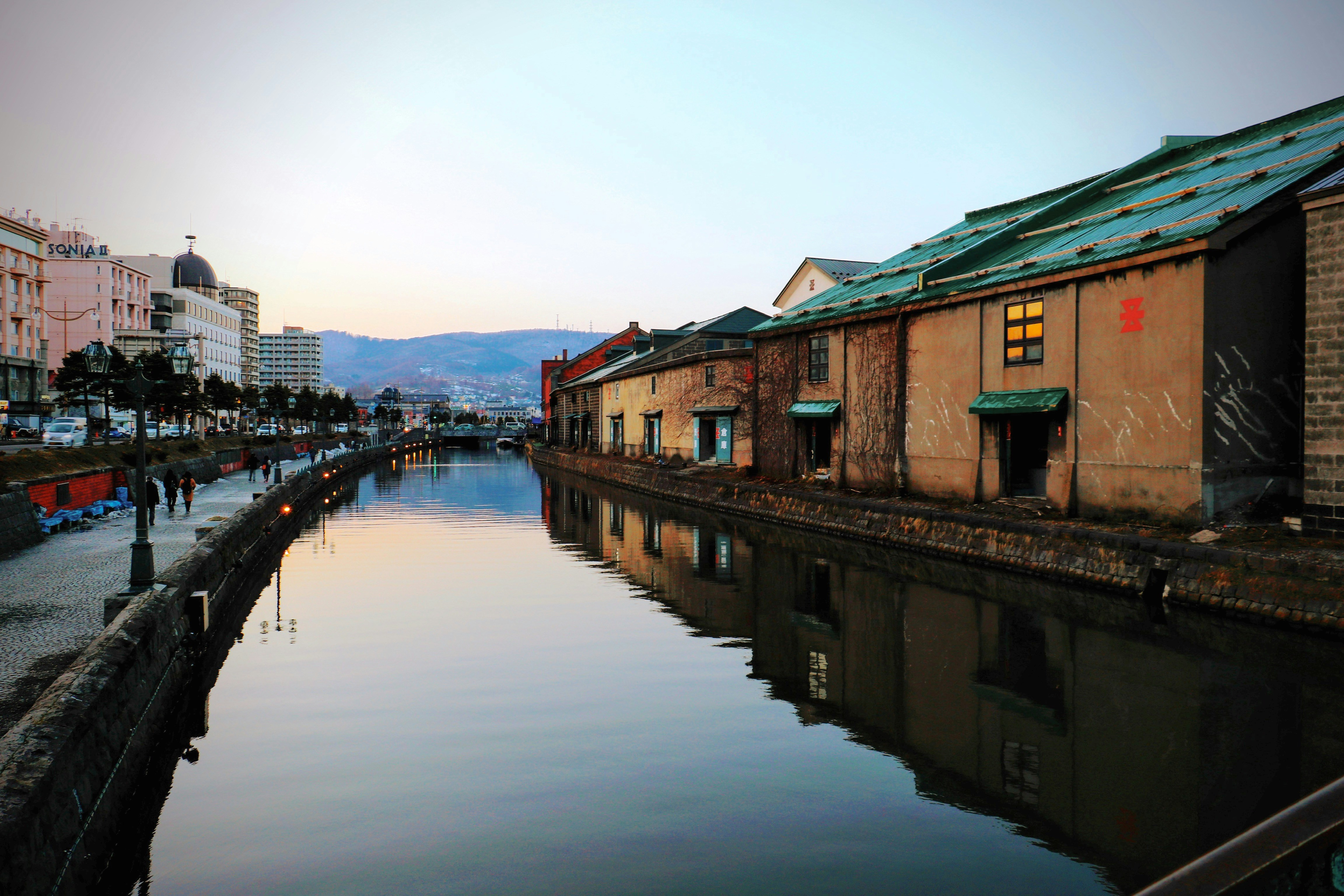
Sakata
Sea of Japan port town where Edo-period rice merchants' wealth is visible in old Hommachi warehouses and the Honma Mansion garden
Sea of Japan port
- Sankyo rice warehouses
- Honma Mansion
- Mt. Chokai gateway
Top Attractions
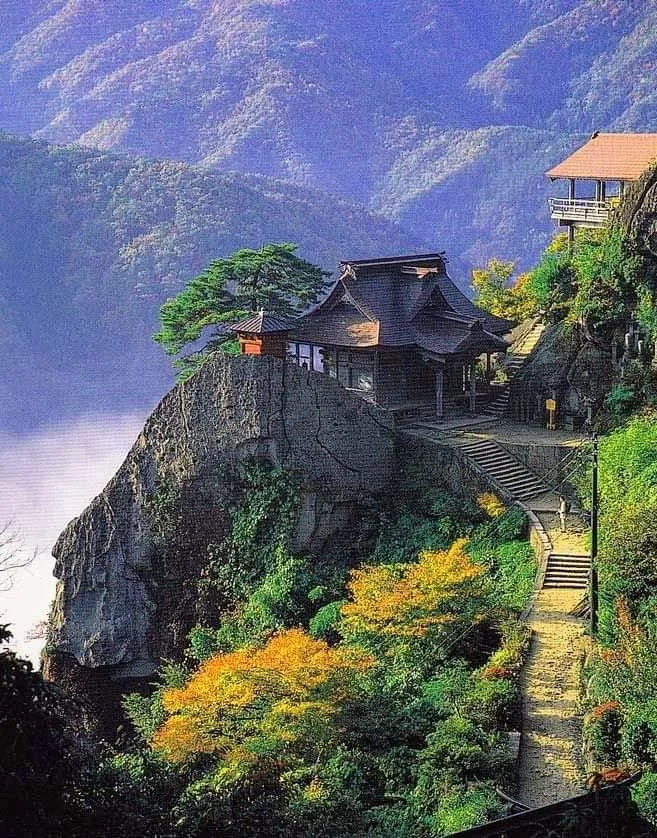
Cliff-side temple complex with 1,015 stone steps to the Godaido viewpoint; Bashō's haiku stop in 1689
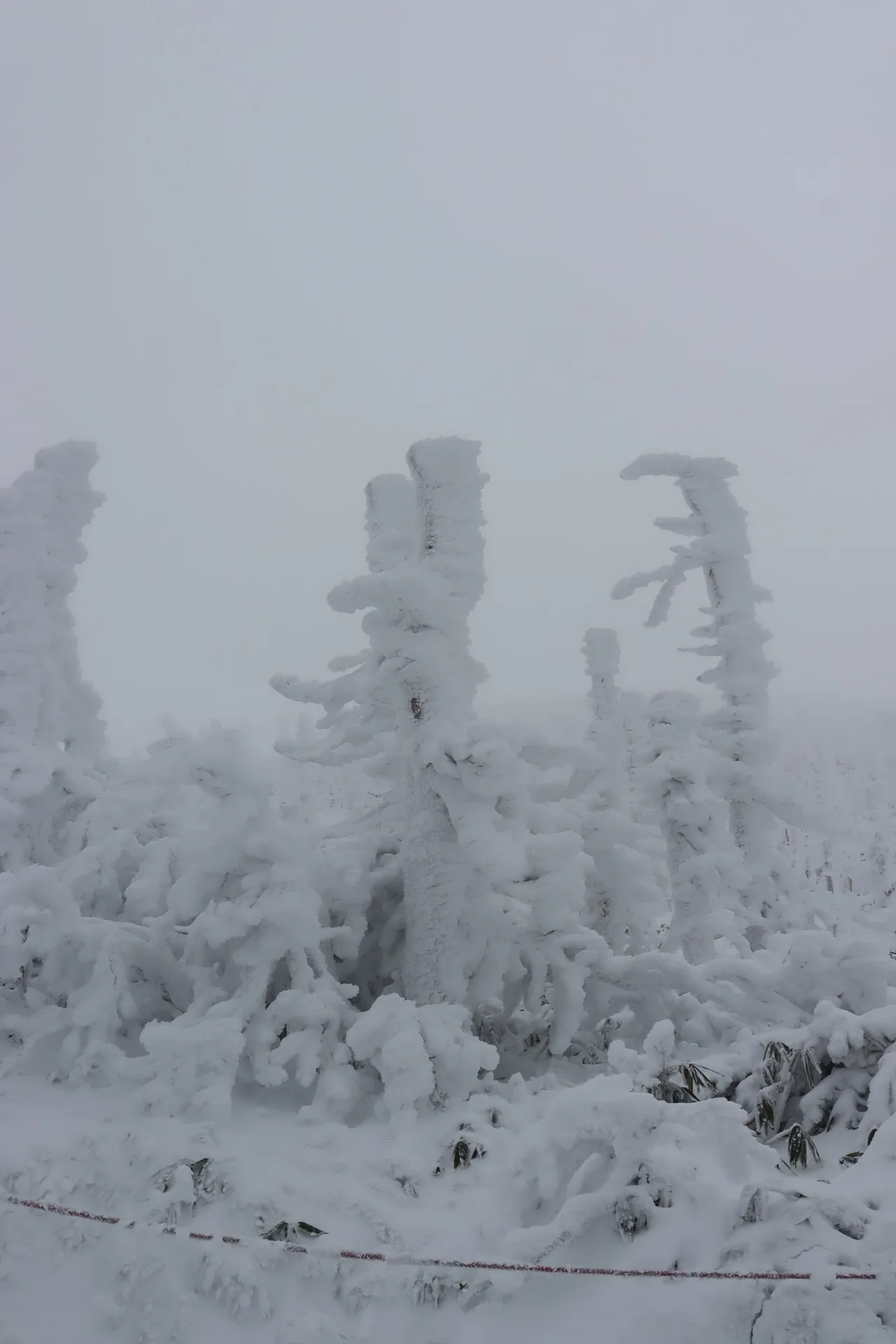
Mountain hot-spring resort known for winter snow-monsters (juhyo): ice-encased trees on the volcanic slopes, accessed by ropeway from Zao Onsen
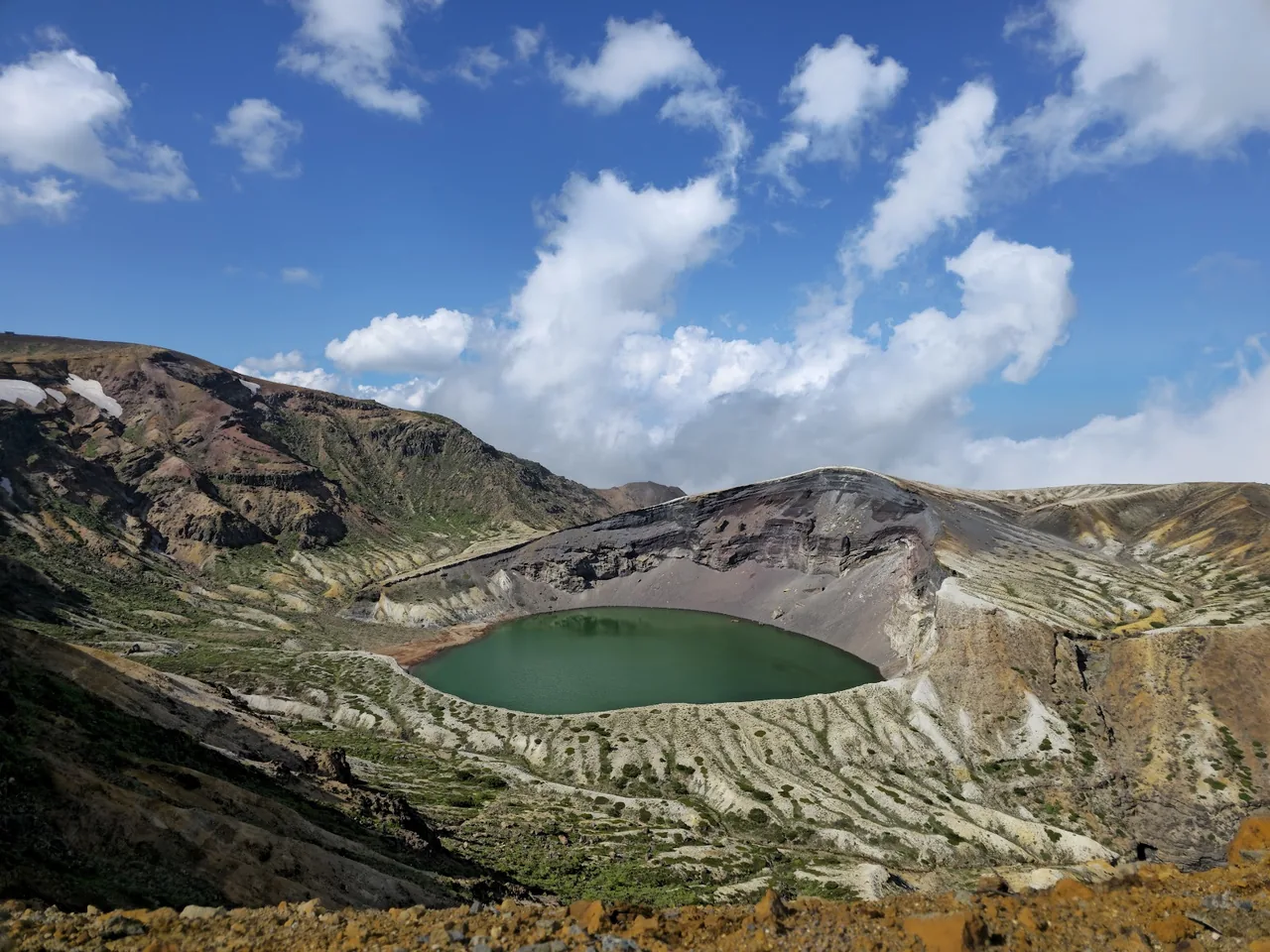
Volcanic crater lake on Mt Zao with emerald-green water that changes colour with weather, accessible by Zao Echo Line from May to early November
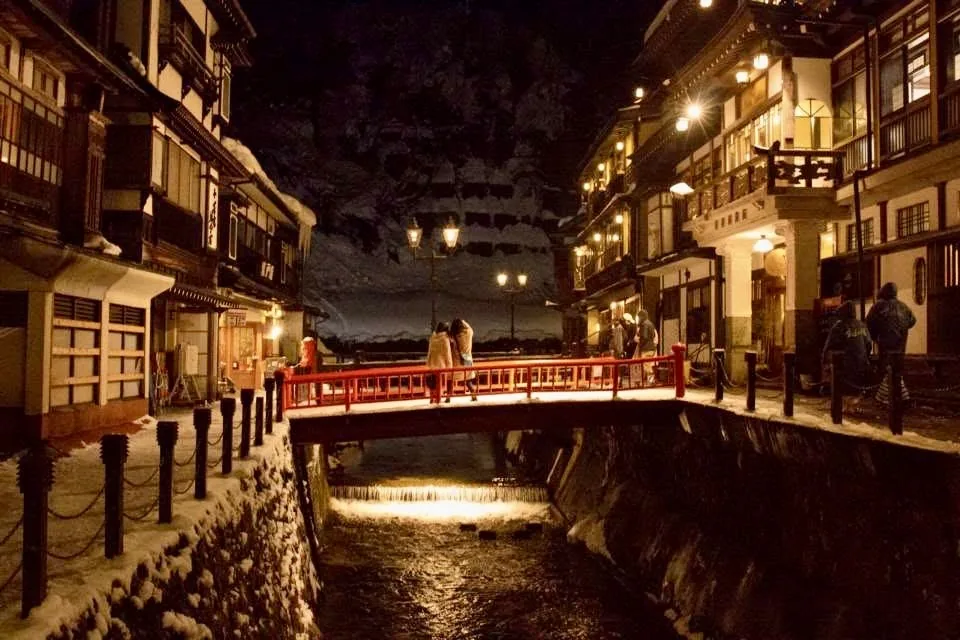
Taisho-era hot-spring town along a snowy river gorge; wooden three-story ryokan and gas lanterns, the inspiration for Studio Ghibli's 'Spirited Away'
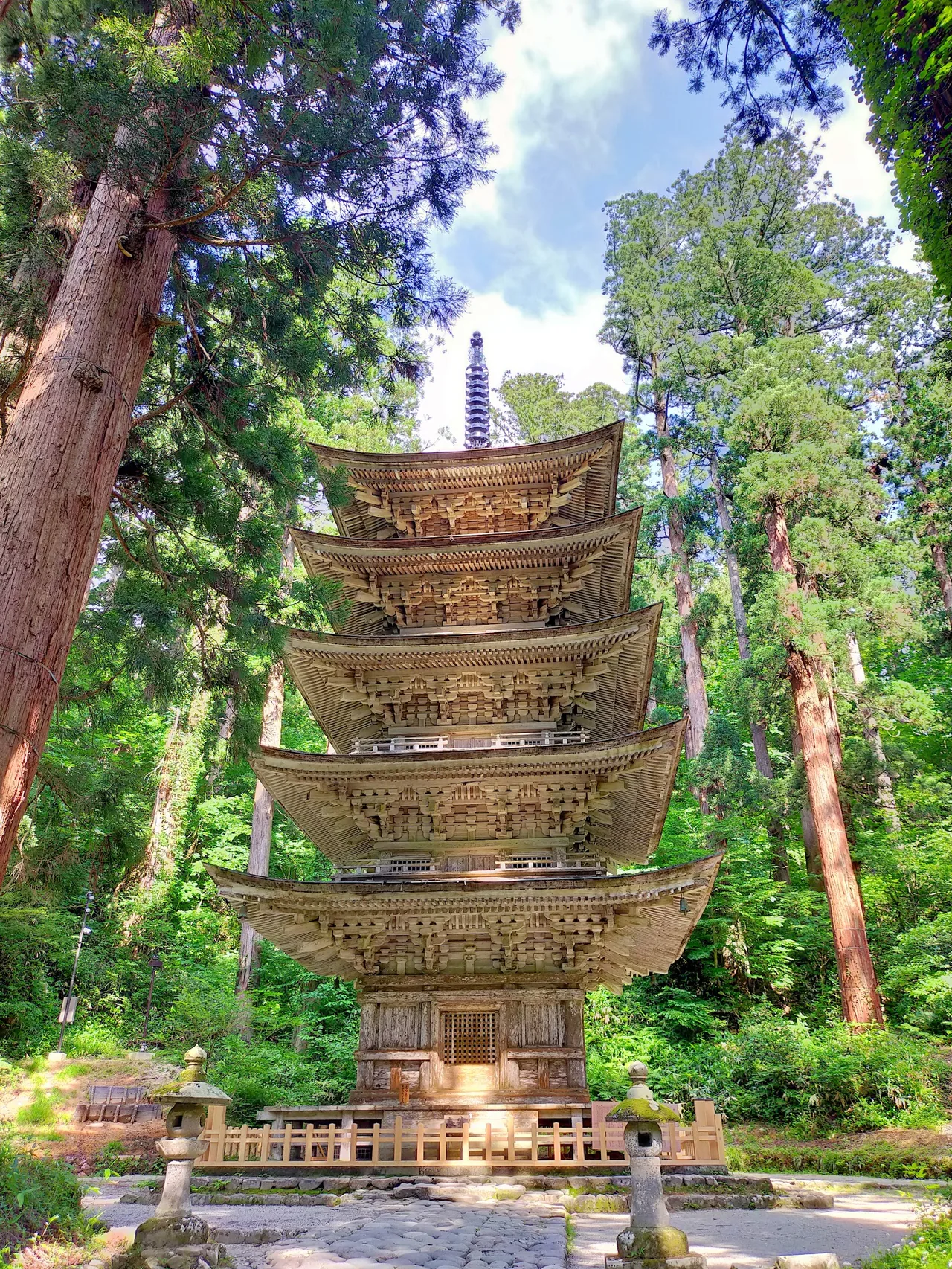
Three sacred mountains (Mt Haguro for life, Mt Gassan for death, Mt Yudono for rebirth), the pilgrimage route of Yamabushi monks for 1,400 years
Hidden Gems
 Hidden Gem
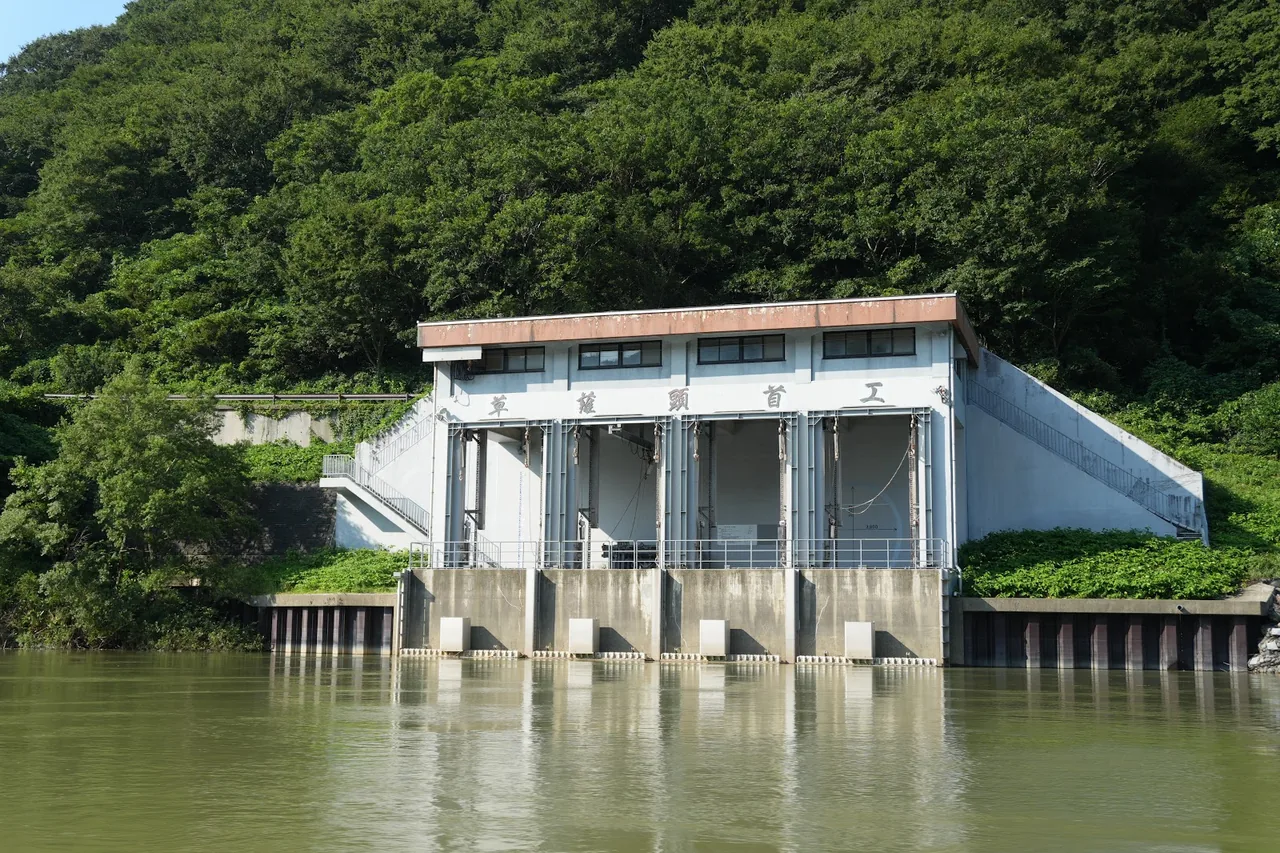
1-hour wooden-boat ride down the Mogami River with traditional boatmen singing folk songs, on the same route Bashō took in 1689
 Hidden Gem
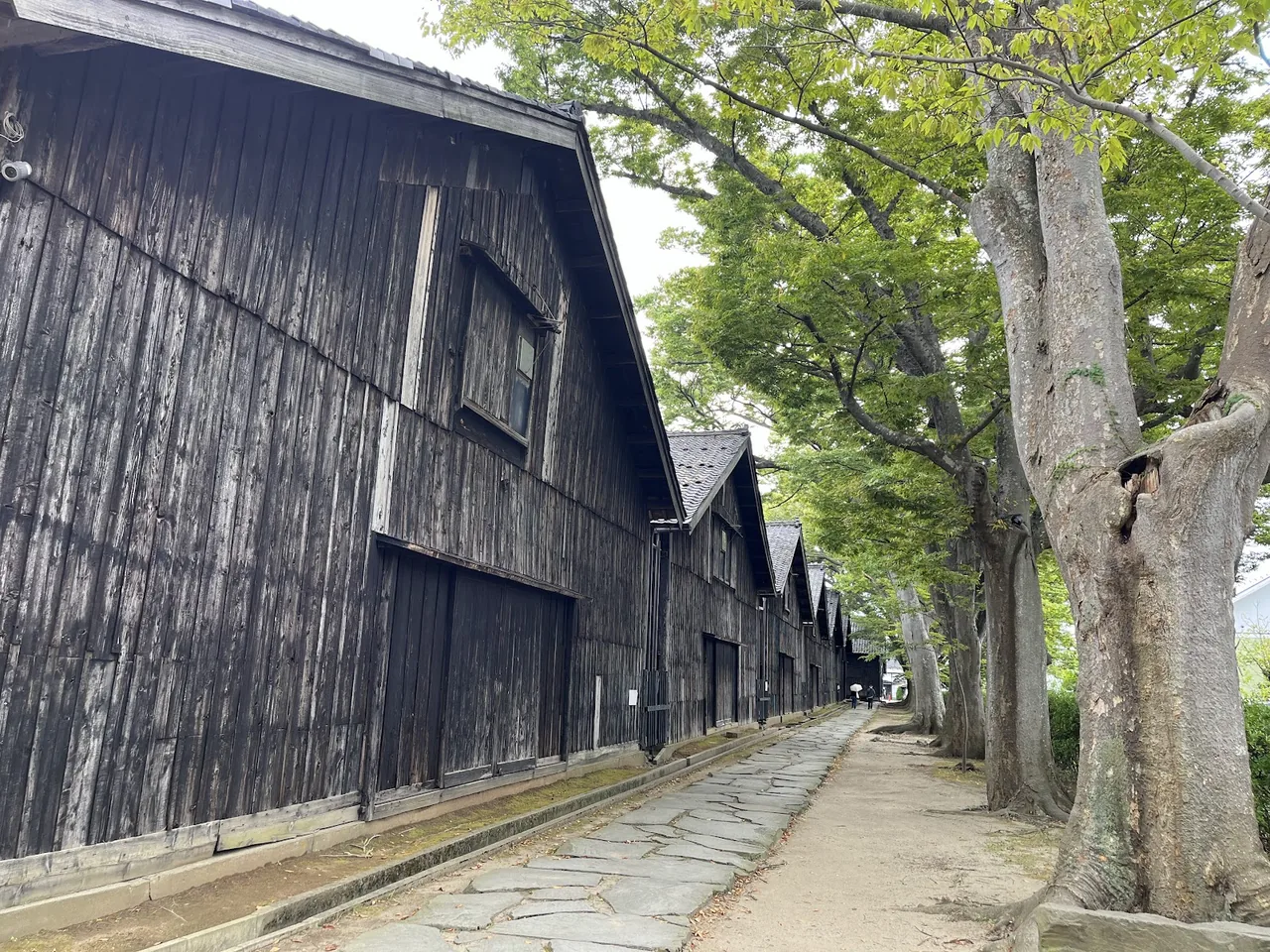
Twelve Edo-period black-walled rice warehouses with white triangular roofs along the canal in Sakata, featured in NHK morning drama 'Oshin'
 Hidden Gem
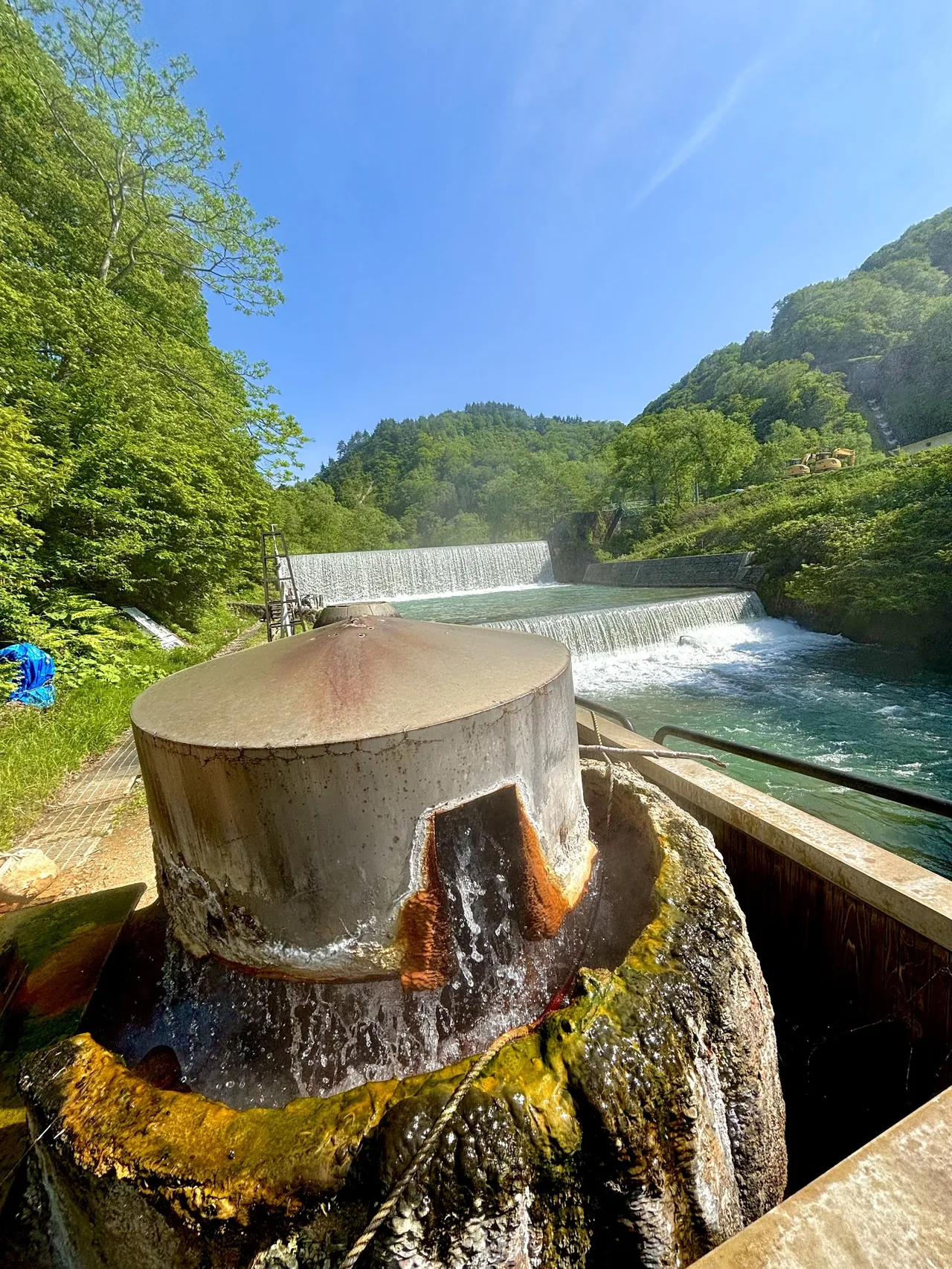
Hidden mountain hot-spring town in a forested valley: eight ryokan, three communal bathhouses, and a morning farmer's market
When to Visit
Springharu
Apr – May5–18°CModerate crowds
Springharu
- Cherry blossoms at Yamagata Castle late April
- Yamadera reopens after snow
- Zao Echo Line opens to Okama early May
- Hanagasa Festival starts
Summernatsu
Jun – Aug18–28°CHigh crowds
Summernatsu
- Yamadera at peak greenery
- Mogami River boat season
- Hanagasa Festival August 5-7
- Cool retreats in Zao mountains
Autumnaki
Sep – Nov5–20°CHigh crowds
Autumnaki
- Foliage at Yamadera and Zao late October to mid-November
- Mt Gassan hiking peak
- Imoni-kai stew festivals
- Ginzan Onsen autumn lighting
Winterfuyu
Dec – Mar-3 to 5°CHigh crowds
Winterfuyu
- Zao snow monsters Dec-Feb
- Ginzan Onsen at most magical (snow + gas lanterns)
- Skiing at Zao
- Yonezawa beef hot pot season
Suggested Itineraries
FAQ
How do I get to Yamagata from Tokyo?
Yamagata Shinkansen Tsubasa direct from Tokyo to Yamagata Station in 2.5 hours. The line continues to Shinjo (3 hours). Domestic flights to Yamagata Airport (75 min from Tokyo Haneda).
When are Zao's snow monsters at peak?
Mid-January to late February. The juhyo (ice-encased fir trees) form when wet Sea-of-Japan winds freeze on the trees. Take the Zao Onsen ropeway up to the Jizo Sancho station; the slopes here have the densest formations.
Is Ginzan Onsen accessible by public transport?
Yes: JR Oishida Station (Shinkansen Tsubasa stop), then a 40-min bus to Ginzan Onsen. A day-visit is fine, but the gas-lantern-lit alley is best with an overnight ryokan stay.
What is Yamagata best known for?
Yamadera cliff-temple, Zao snow monsters, Ginzan Onsen Taisho-era streetscape, Yonezawa beef, Sakurambo cherries (Japan's biggest cherry-growing prefecture), and the Three Mountains of Dewa.
How many days do I need in Yamagata?
One day for Yamadera and Yamagata City. Two days adds Zao Onsen. Three days lets you reach Ginzan Onsen and the Dewa Sanzan trio.
What are Yamagata's hidden gems?
The Mogami River wooden-boat heritage tour, the twelve Sankyo rice warehouses in Sakata, and the hidden Hijiori mountain onsen with its eight ryokan and morning market.
What surrounds the headline spots?
Beyond the obvious draws, Yamadera (Risshaku-ji), Mogami River Gorge (Mogamikyo), Tsuruoka, Kaminoyama reward travelers willing to step off the main route: local pace, fewer crowds, and a closer feel for the everyday rhythms of the region.