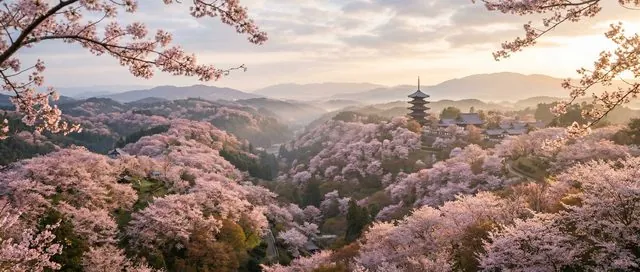
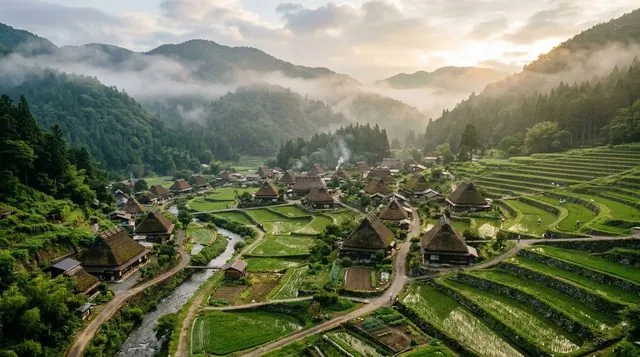
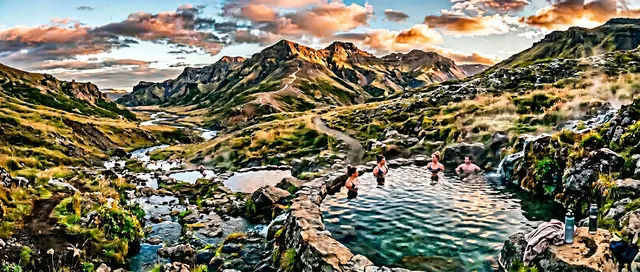
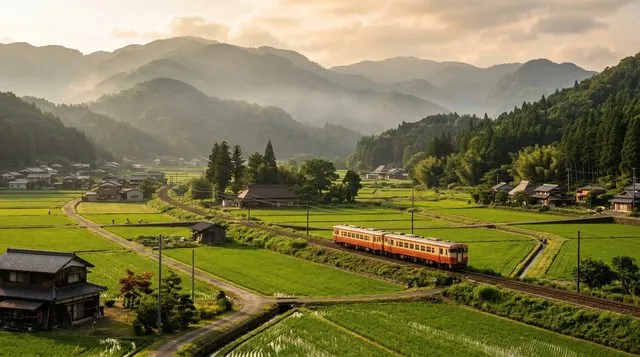
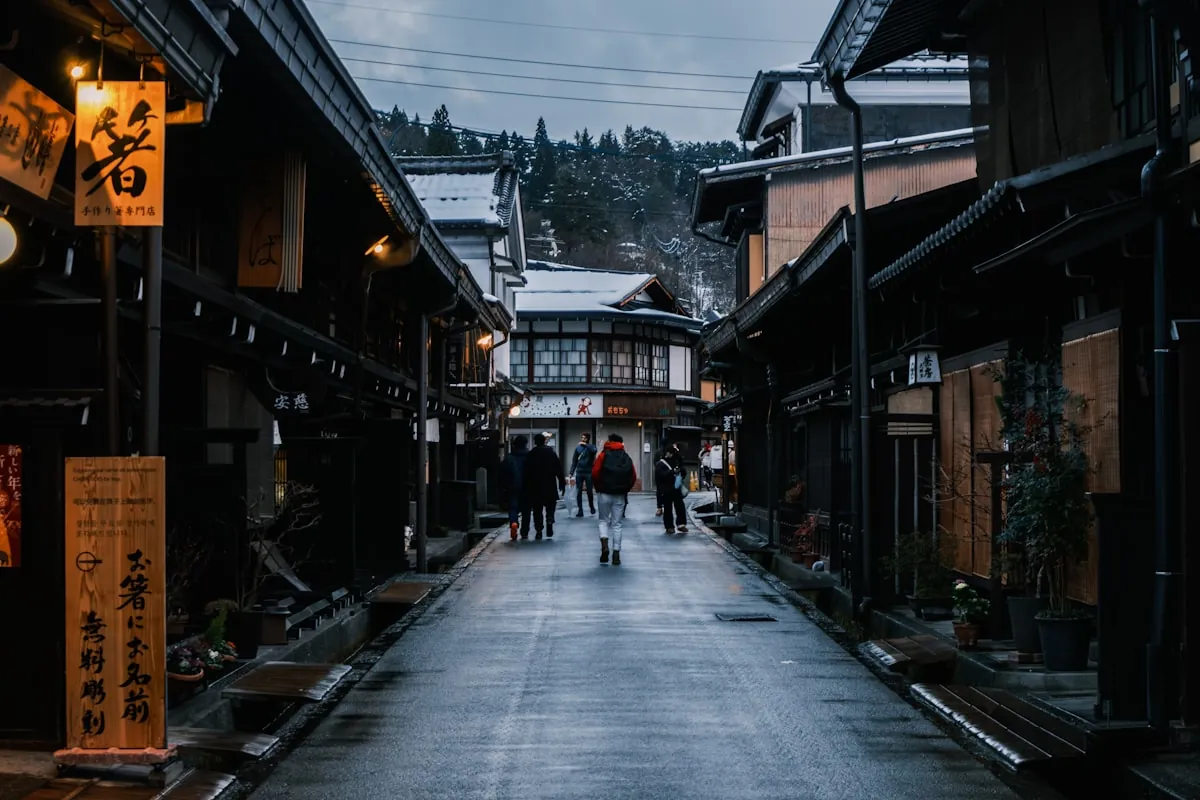
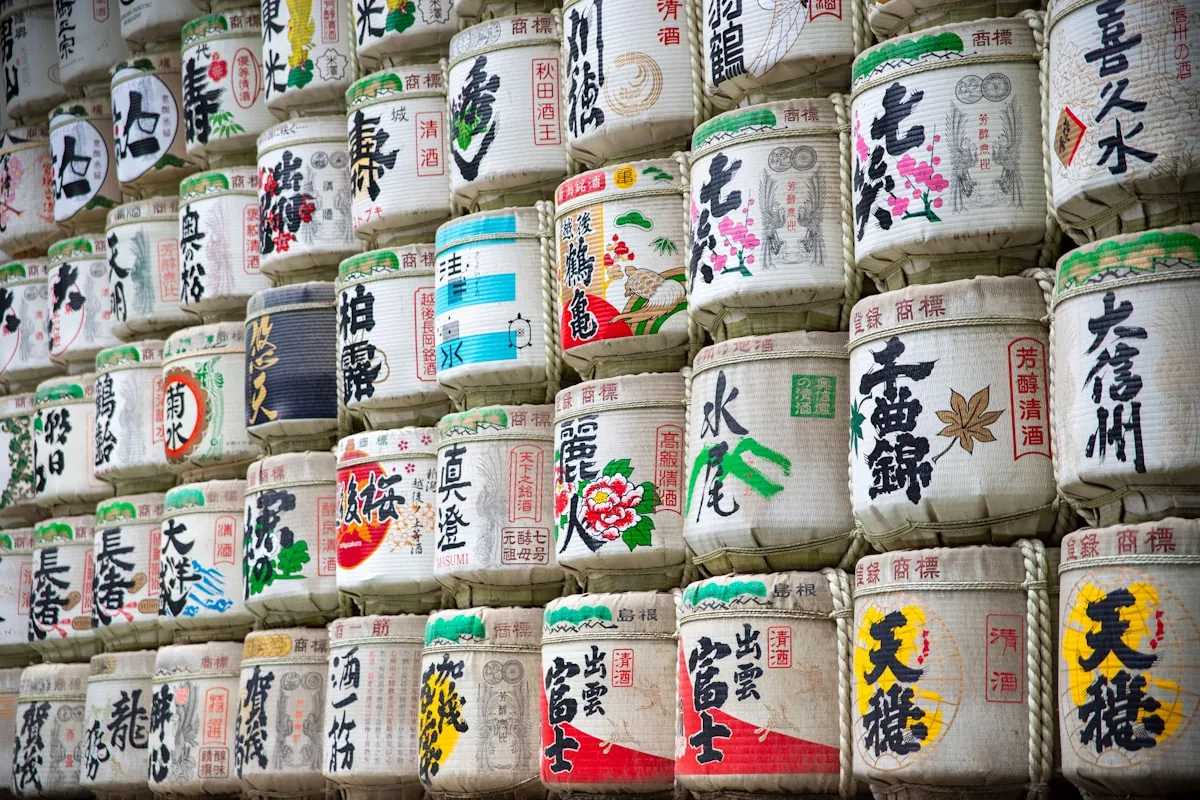
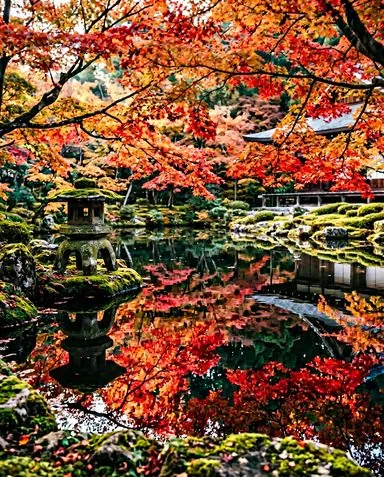
Yamanashi is the prefecture you go to for Mount Fuji's classic north-facing view, and stay for the wine, gorges, and quiet mountain valleys. The five Fuji-facing lakes around Kawaguchiko anchor the south; Shosenkyo Gorge outside Kofu is one of Japan's most beautiful river gorges; Takeda Shrine commemorates the great Sengoku-era warlord; the eight crystal-clear spring-fed pools of Oshino Hakkai sit between Fuji and Kawaguchiko; and the deep Hayakawa Valley in the western mountains hides Japan's quietest village (Akasawa-juku).
Cities & Towns
Three urban anchors plus the Fuji lakes.
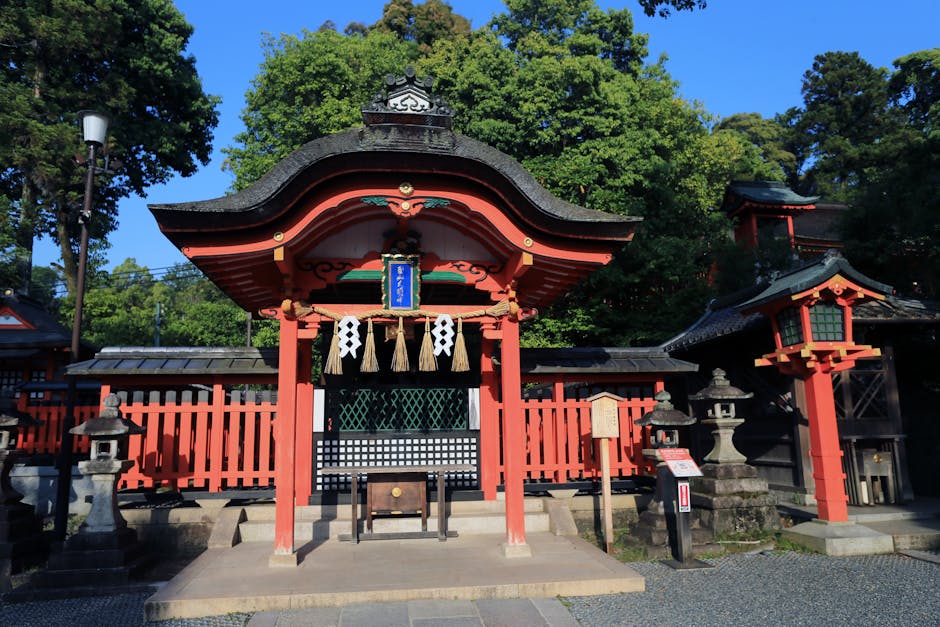
Kofu
The capital: Takeda Shrine, hot springs, and the gateway to Shosenkyo Gorge and the prefecture's wine country
Capital and wine gateway
- Takeda Shrine
- Shosenkyo Gorge access
- Wine valley
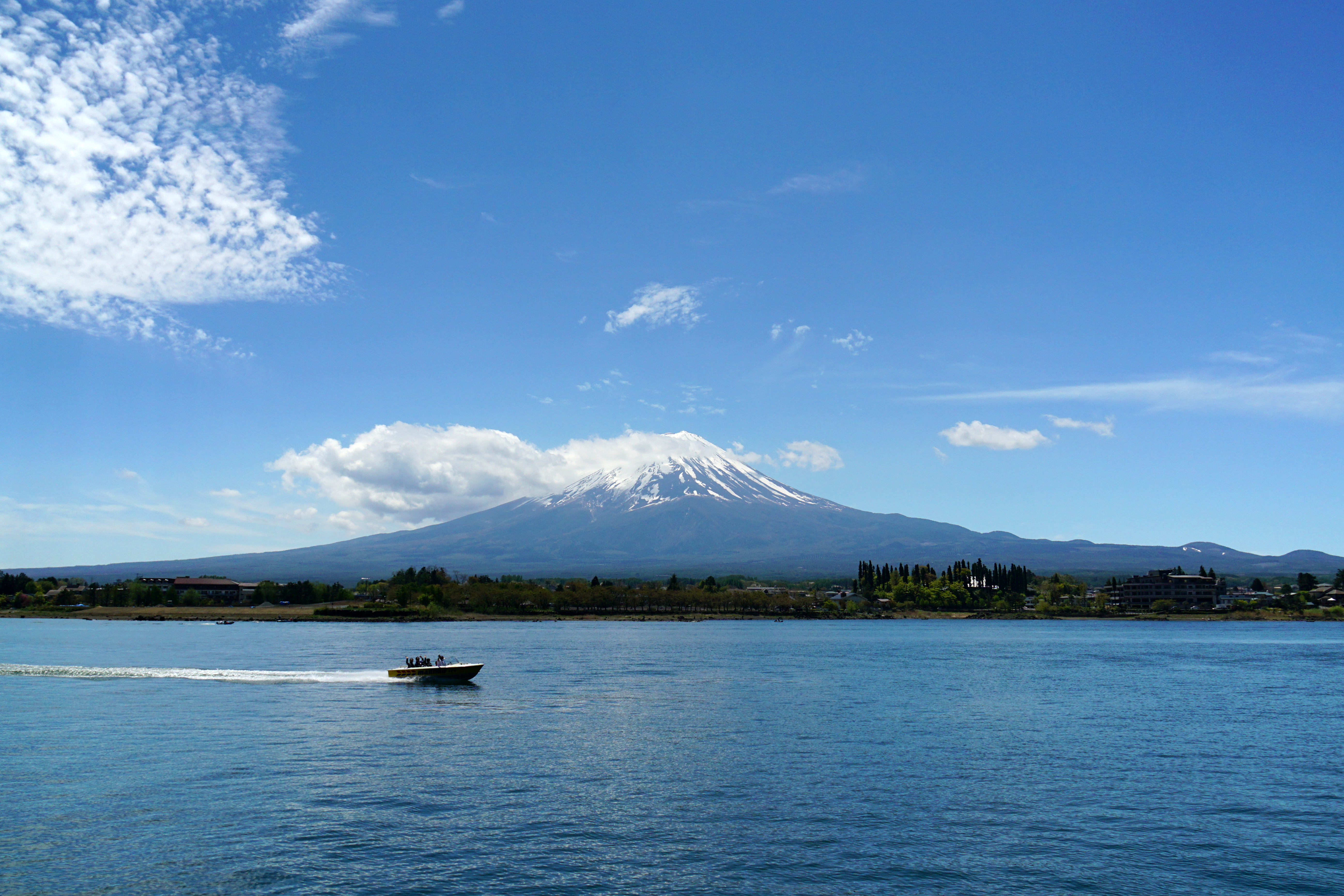
Fujikawaguchiko
Town wrapped around Lake Kawaguchi, Japan's most iconic Fuji reflection point and base for the Five Lakes
Fuji reflection lake town
- Lake Kawaguchi
- Chureito Pagoda
- Oshino Hakkai
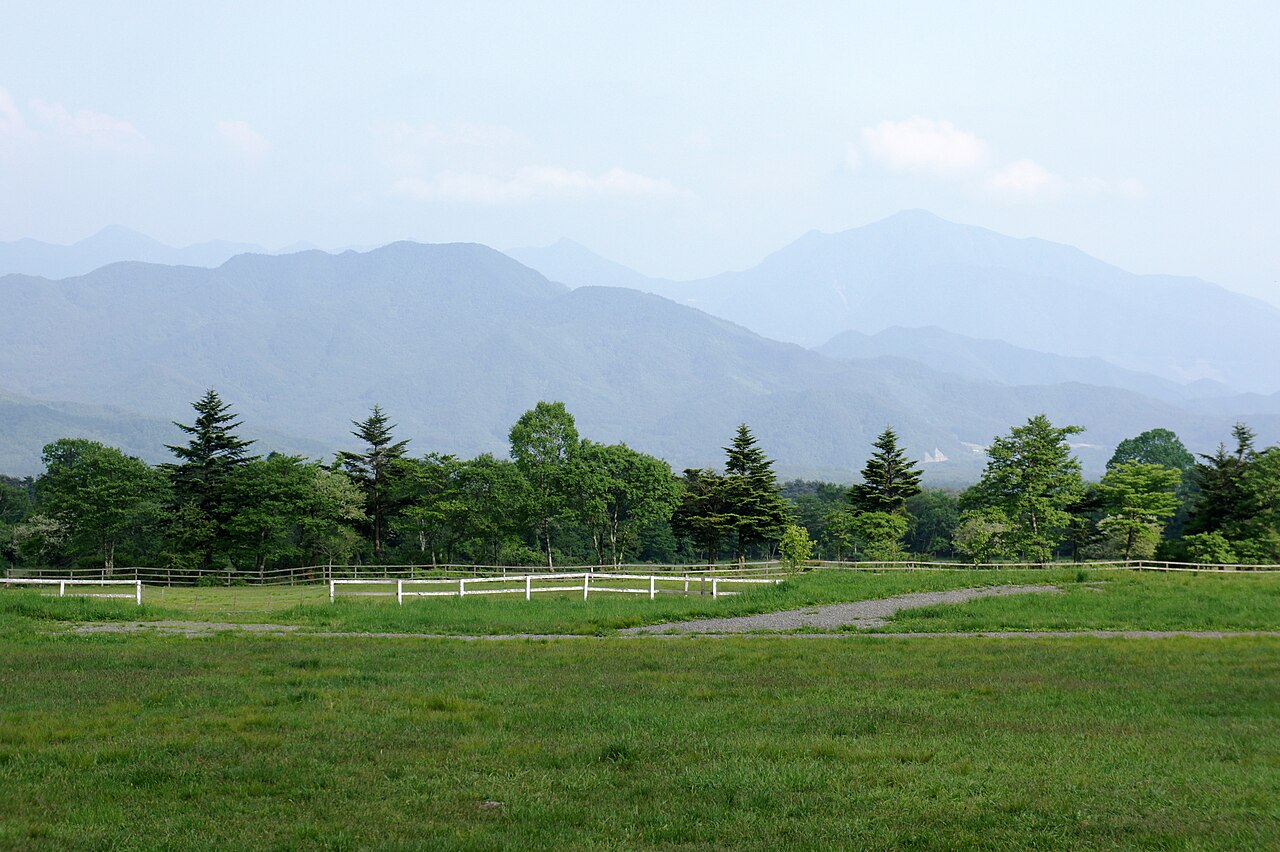
Hokuto
Northern Yamanashi town with high-altitude wineries, the Mt. Yatsugatake foothills, and a contemporary art museum
Wine and Yatsugatake
- High-altitude wineries
- Yatsugatake hiking
- Kiyosato resort
Top Attractions
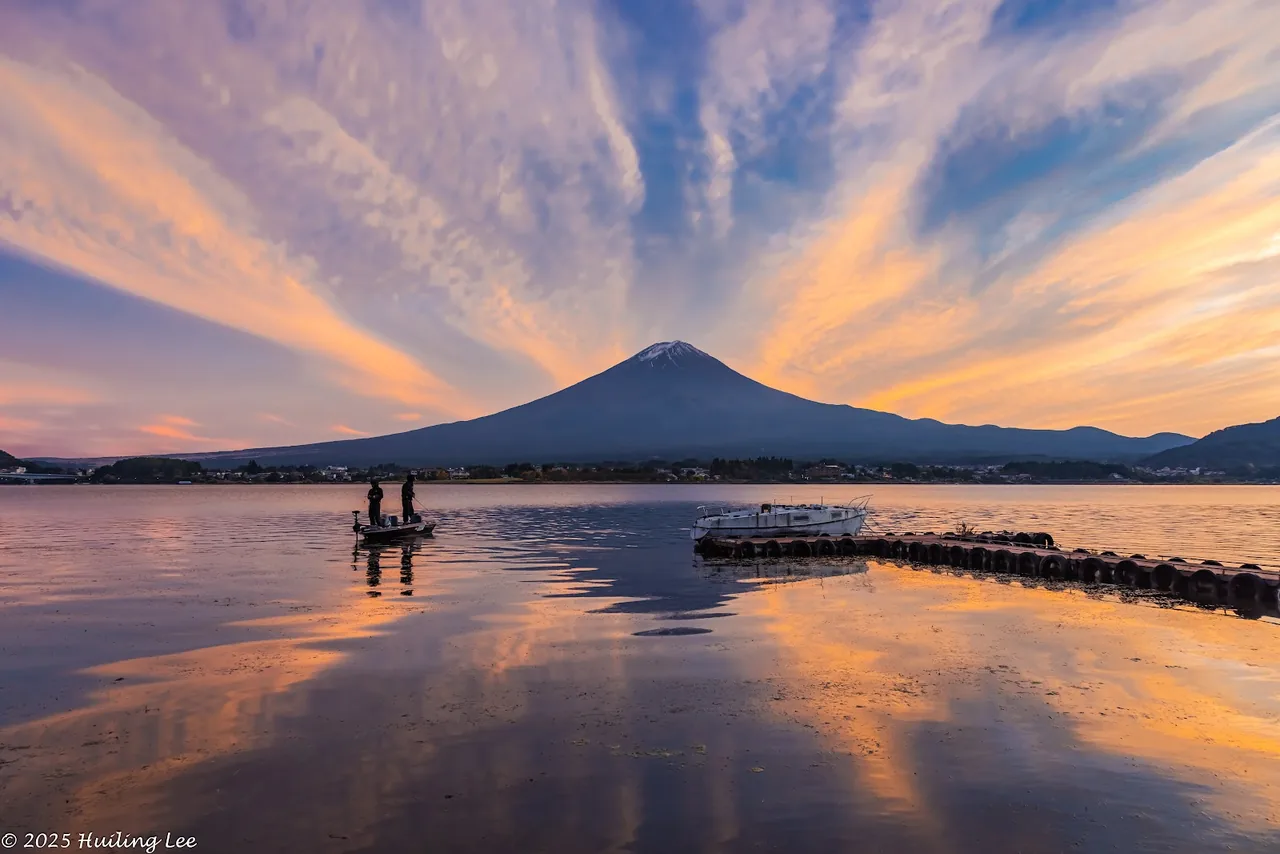
Largest of the Fuji Five Lakes: Mt Fuji reflections at dawn, the Chureito pagoda viewpoint, and the Kachi Kachi ropeway
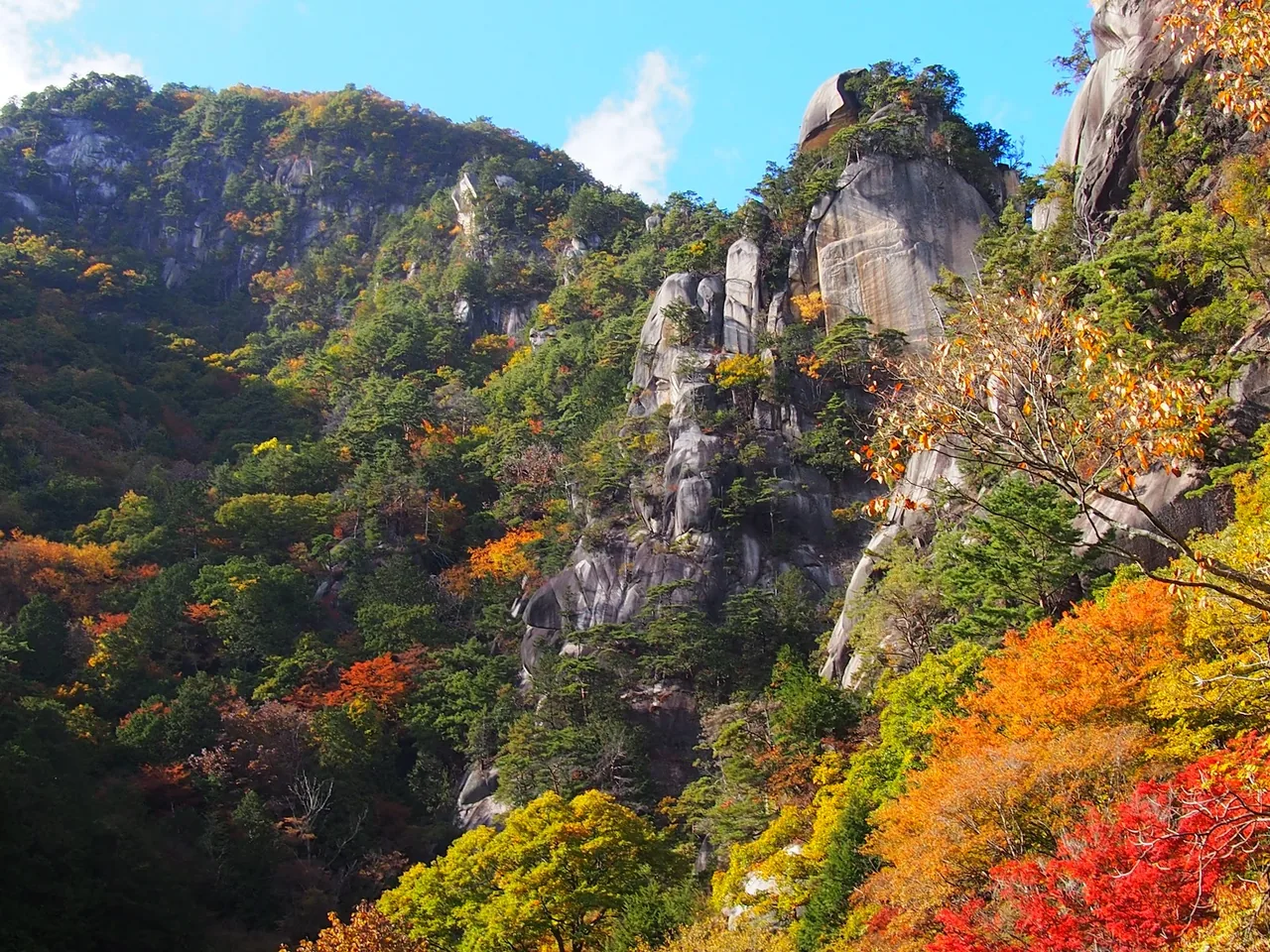
5km river gorge with granite cliffs, the 30m Senga-taki waterfall, and Mount Kakuenbo's panorama, ranked one of Japan's most beautiful valleys
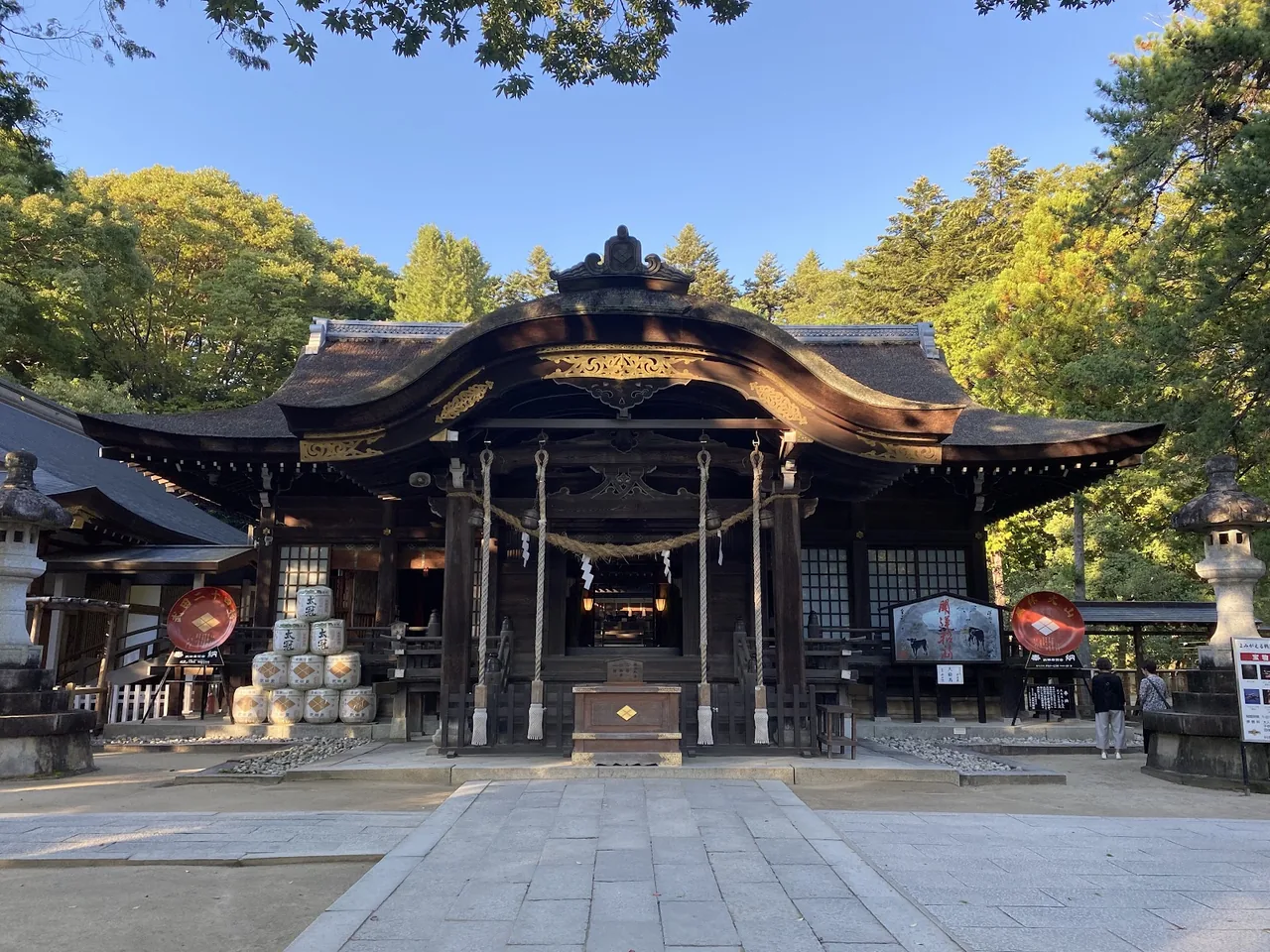
Shrine to Takeda Shingen, the Sengoku-period warlord, built on his fortress site in Kofu with original Edo-period buildings
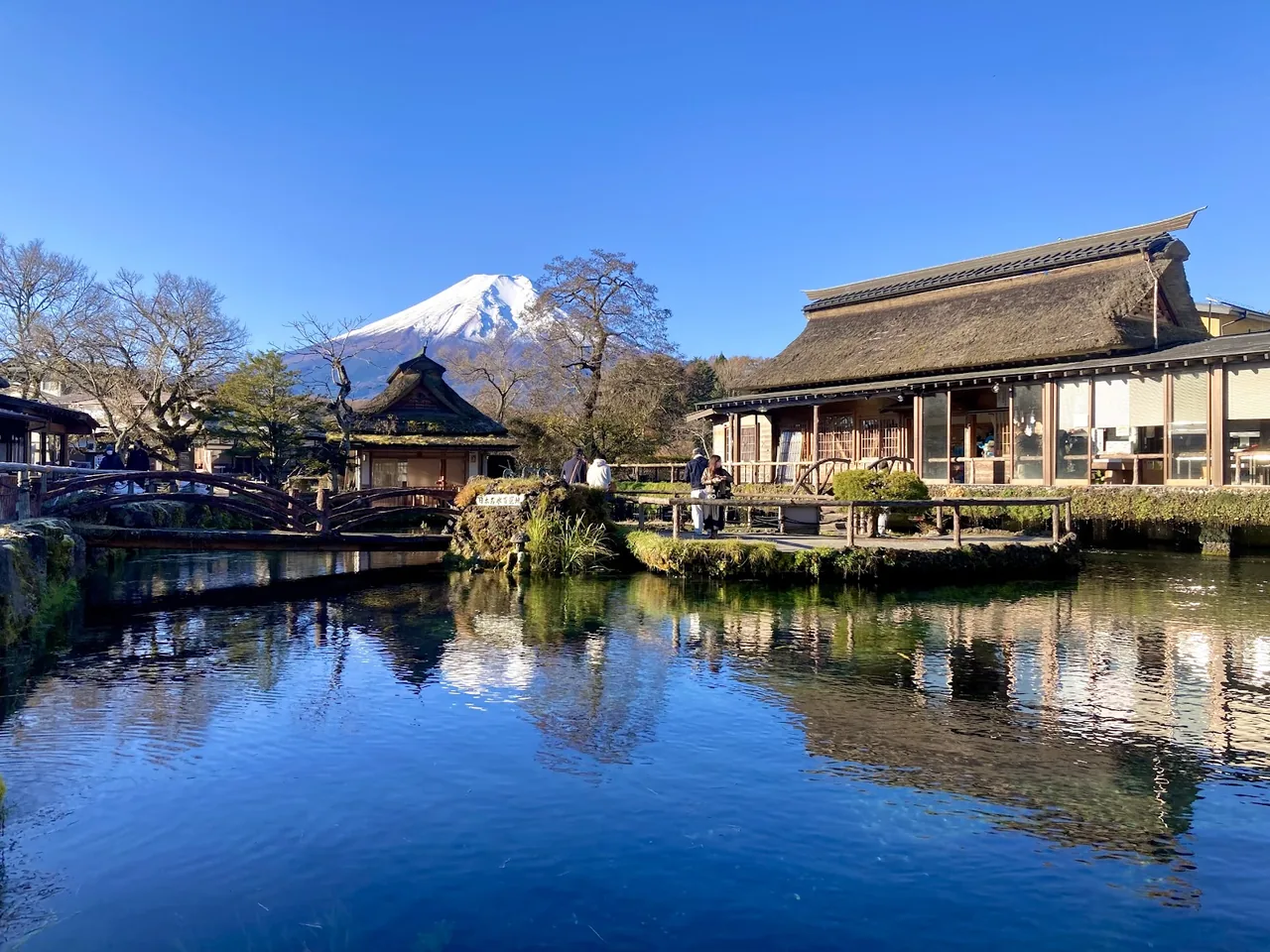
Eight crystal-clear spring-fed pools: meltwater filtered through Mount Fuji's rocks for 80 years, with traditional thatched houses around them
Hidden Gems
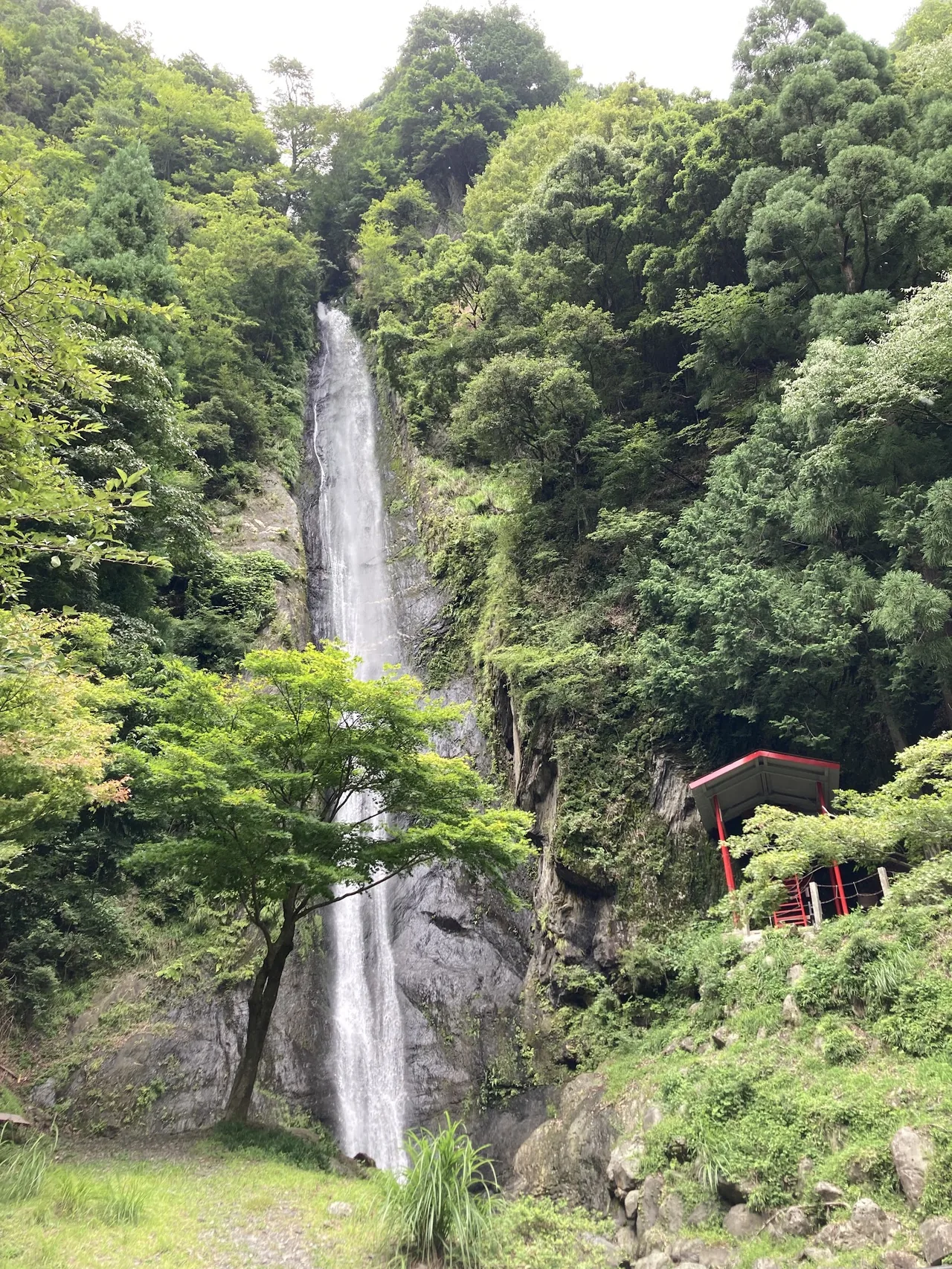 Hidden Gem
Western Yamanashi mountain valley: Akasawa-juku post town, hot springs, and Japan's least-populated municipality
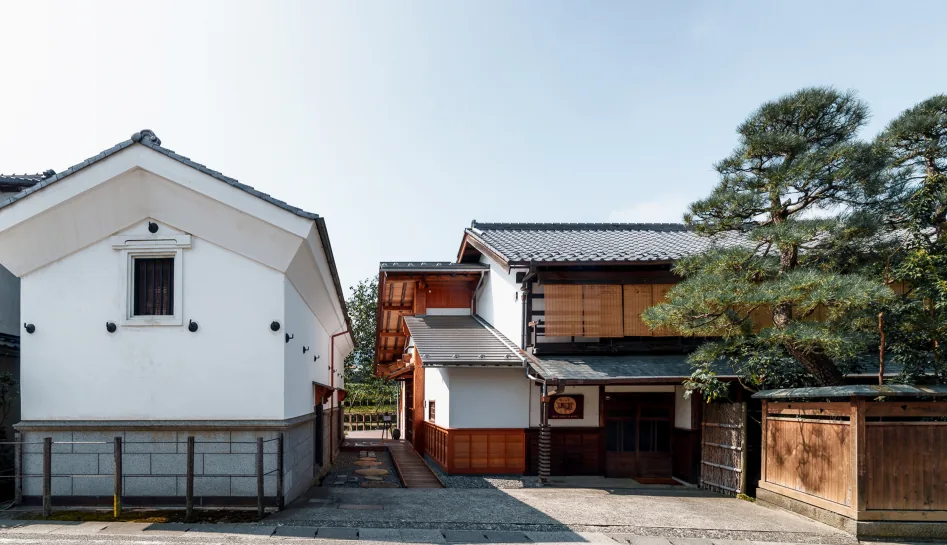 Hidden Gem
Japan's oldest wine region. Koshu grapes have been cultivated here since the 8th century, with 80+ wineries open for tasting
 Hidden Gem
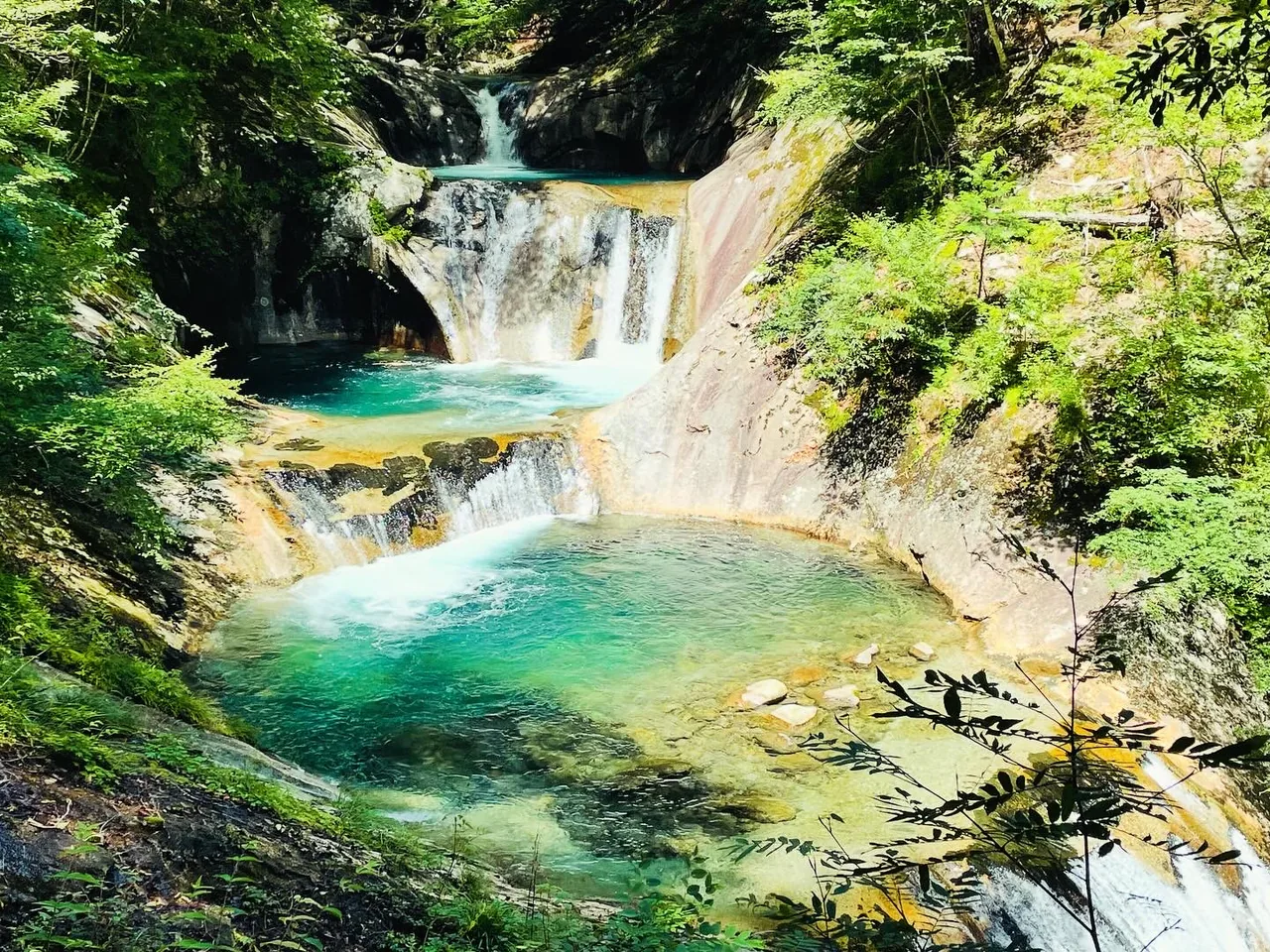
5km hiking loop through emerald pools and seven waterfalls north of Kofu: the best foliage walk in central Honshu
When to Visit
Springharu
Apr – May8–20°CHigh crowds
Springharu
- Cherry blossoms at Chureito Pagoda mid-April
- Wisteria at Fuji-Q late April
- Mild for shrine visits
- Golden Week packs Kawaguchiko
Summernatsu
Jun – Aug20–30°CHigh crowds
Summernatsu
- Mount Fuji climbing season opens
- Cool retreats around Yatsugatake
- Vineyard greenery in Katsunuma
- Hayakawa hiking peak
Autumnaki
Sep – Nov5–18°CHigh crowds
Autumnaki
- Foliage at Shosenkyo and Nishizawa late October to mid-November
- Wine harvest in Katsunuma
- Clearest Fuji visibility
- Persimmons everywhere
Winterfuyu
Dec – Feb-2 to 10°CModerate crowds
Winterfuyu
- Best Fuji photographs of the year
- Diamond Fuji at Lake Yamanaka mid-January
- Quiet Kawaguchiko mornings
- Hot wine in Katsunuma
Suggested Itineraries
FAQ
How do I get to Yamanashi from Tokyo?
Limited Express Kaiji from Shinjuku to Kofu in 90 minutes. Fuji Excursion direct from Shinjuku to Kawaguchiko in 2 hours. Highway buses also serve both routes.
Where do I get the best Mount Fuji view?
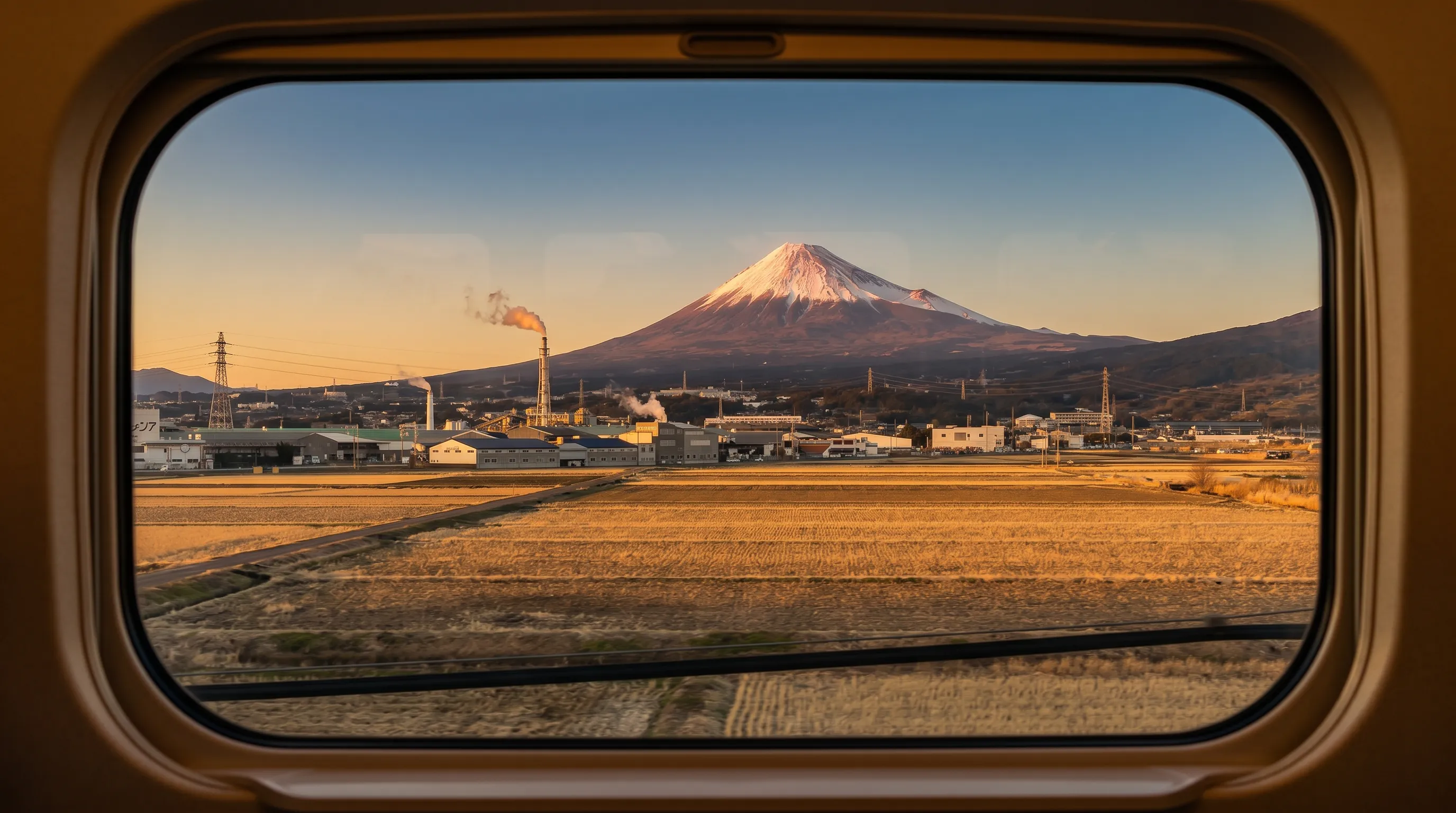
The Chureito Pagoda above Kawaguchiko at sunrise (5-storey vermillion pagoda framing Fuji). Lake Kawaguchi's north shore mid-morning for reflection shots. Oshino Hakkai's pools for water-and-Fuji compositions.
Is Yamanashi wine worth trying?
Yes. Koshu and Muscat Bailey A grapes are uniquely Japanese, and 80+ wineries cluster in the Katsunuma valley. Try the dry Koshu whites; many wineries offer ¥500-1,000 tasting flights.
What is Yamanashi best known for?
Mount Fuji's north-side views (Kawaguchiko + Chureito), Japan's oldest wine region (Katsunuma), the Sengoku warlord Takeda Shingen, hot ramen-and-vegetable hoto, and white peaches in summer.
How many days do I need in Yamanashi?
One day for Kawaguchiko (Fuji views, Chureito, Oshino Hakkai). Two days adds Kofu, Takeda Shrine, and a winery tour. Three days lets you include Shosenkyo Gorge or Nishizawa Valley.
What are Yamanashi's hidden gems?
The Hayakawa Valley with Japan's smallest municipality (Akasawa-juku), the Nishizawa Valley seven-waterfall hike, and the Katsunuma Wine Valley with its 8th-century Koshu vines.
What surrounds the headline spots?
Beyond the obvious draws, Kofu Castle (Maizuru-jo Park), Yamanakako, Minobu-san Kuonji Temple, Saiko reward travelers willing to step off the main route: local pace, fewer crowds, and a closer feel for the everyday rhythms of the region.