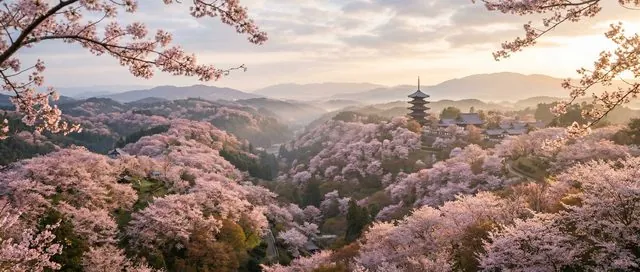
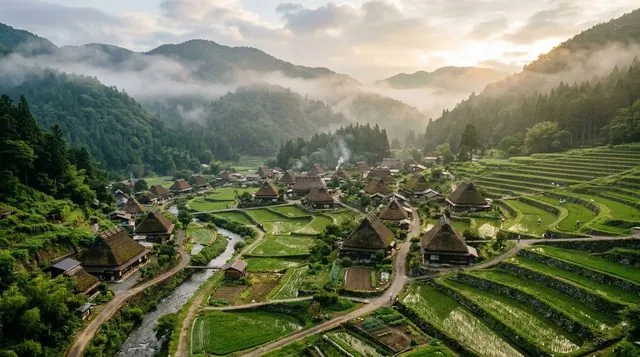
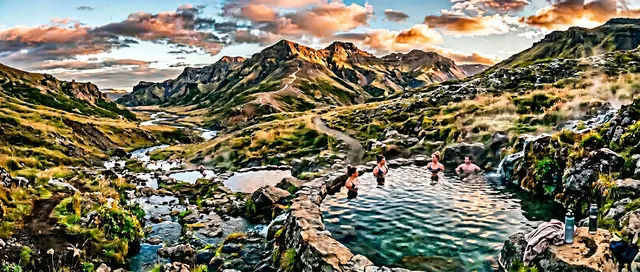
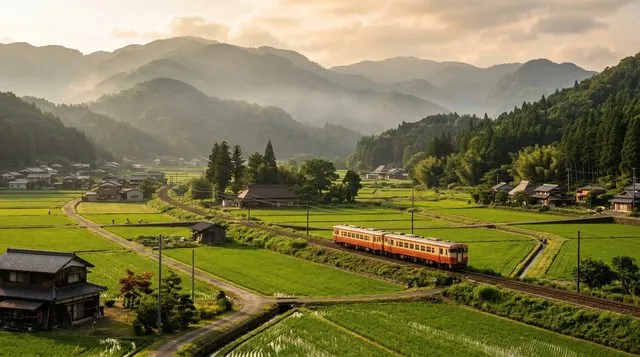
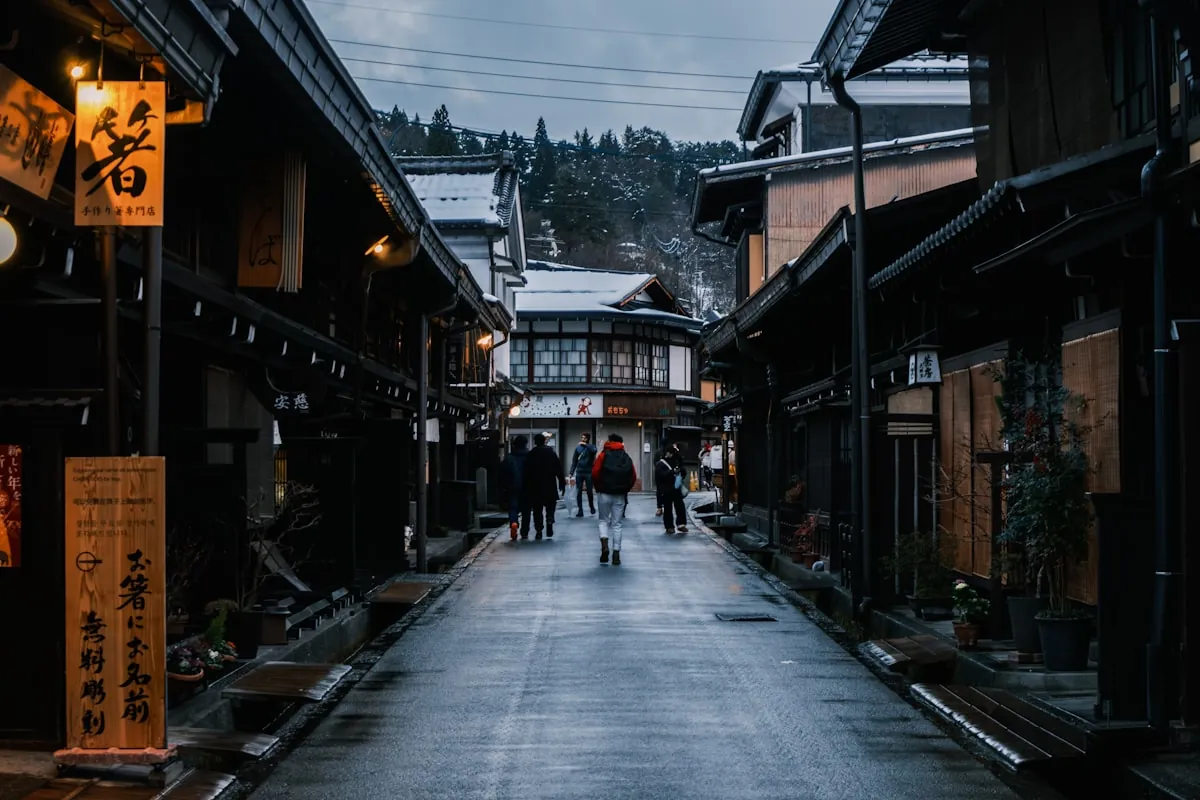
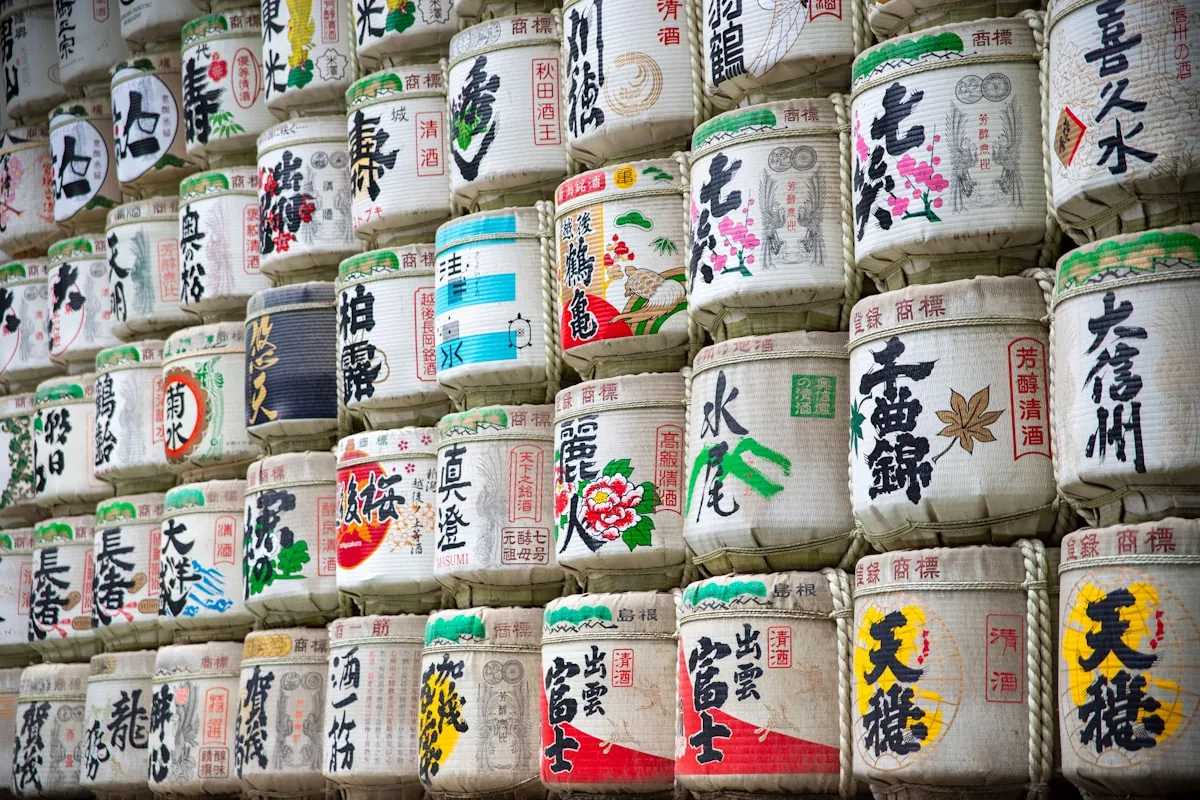
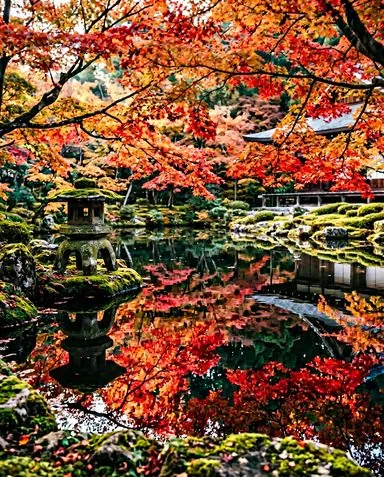
Mie is where Japan reveals its spiritual heart: from the sacred Ise-jingu, the country's most important Shinto shrine, to the mystical Kumano Kodo pilgrimage routes that wind through ancient forests. This prefecture blends deep spirituality with rugged coastlines, ninja history in Iga, and the celebrated Matsusaka wagyu. Many travellers pass through Mie on their way to Kyoto or Nara, but that is precisely why you'll find the authentic side of Japan here, without the crowds.
Cities & Towns
From the sacred city of Ise to the ninja heritage of Iga: every town in Mie has its own story to tell.
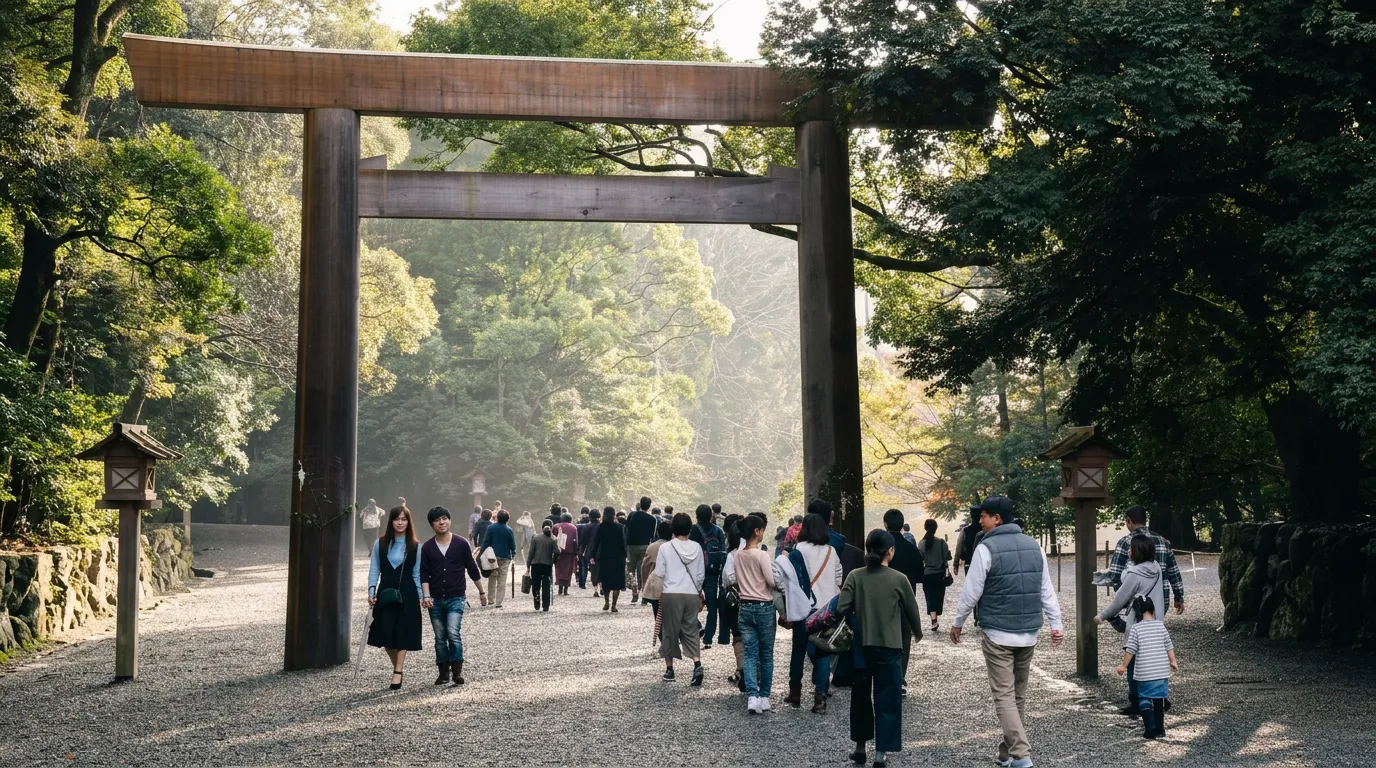
Ise
Japan's holiest city, home to Ise-jingu and centuries-old Shinto traditions
Sacred Shinto city
- Ise-jingu shrine
- Oharaimachi street
- Spiritual pilgrimage
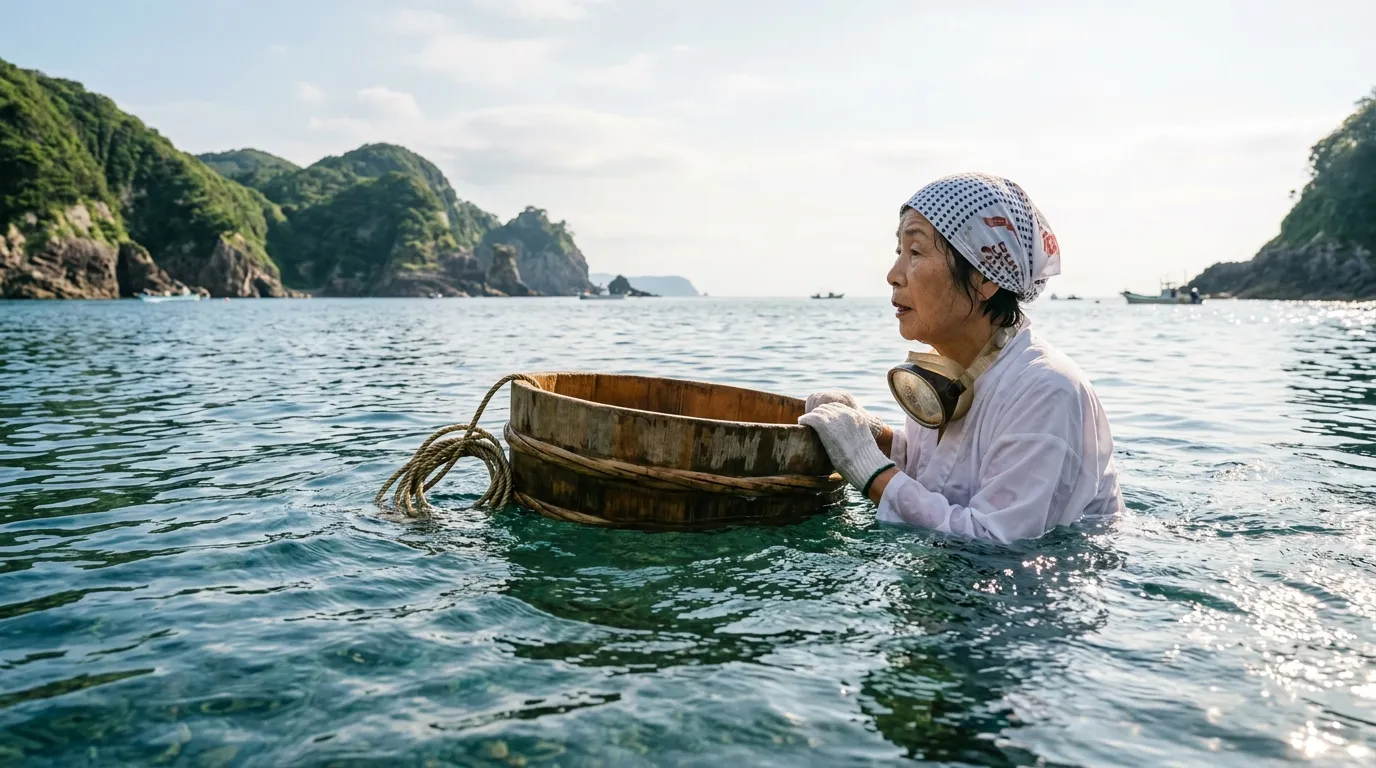
Toba
Pearl of the coast: ama divers, fresh seafood, and sweeping views over Ise Bay
Pearl and seafood town
- Ama divers
- Pearl culture
- Mikimoto Pearl Island
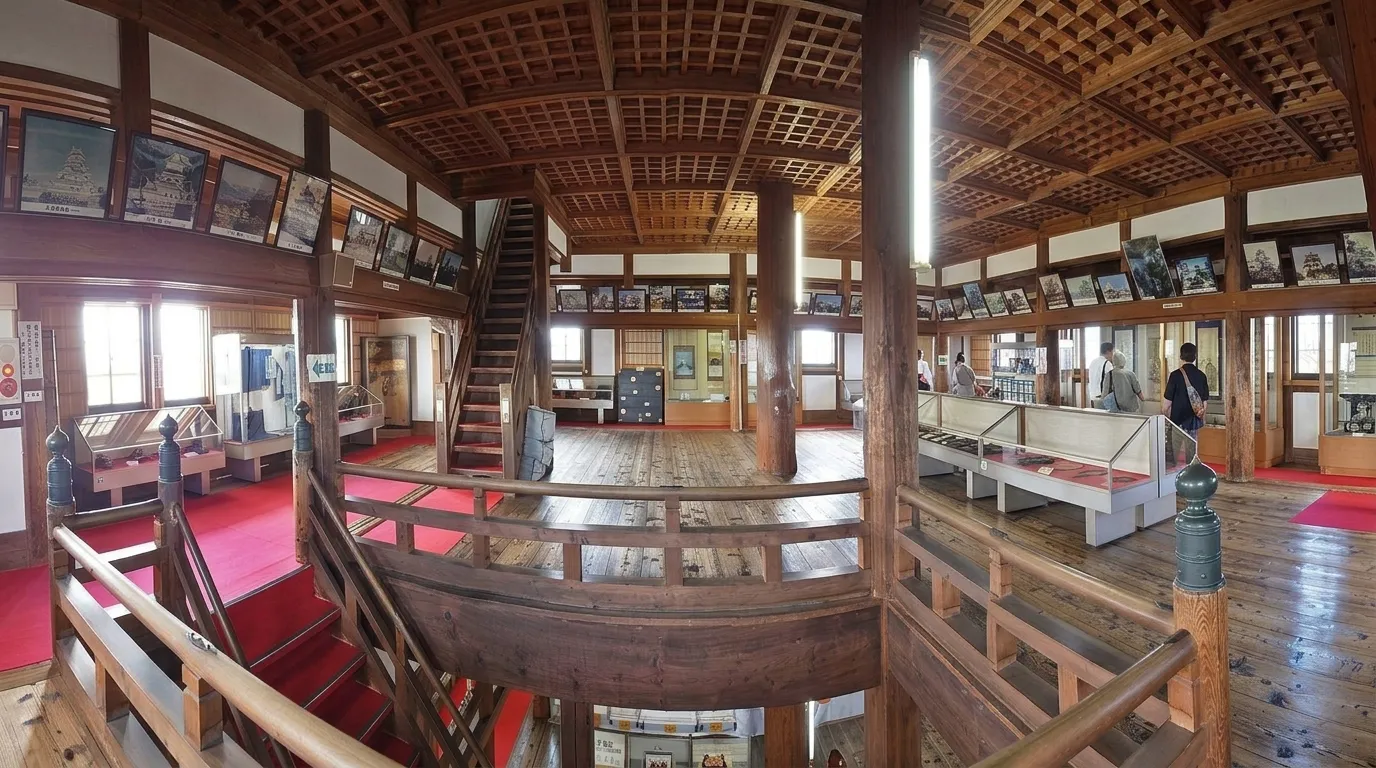
Iga
Japan's ninja capital, where centuries-old espionage techniques are still very much alive
Ninja heritage
- Ninja museum
- Iga-ueno castle
- Ninja shows
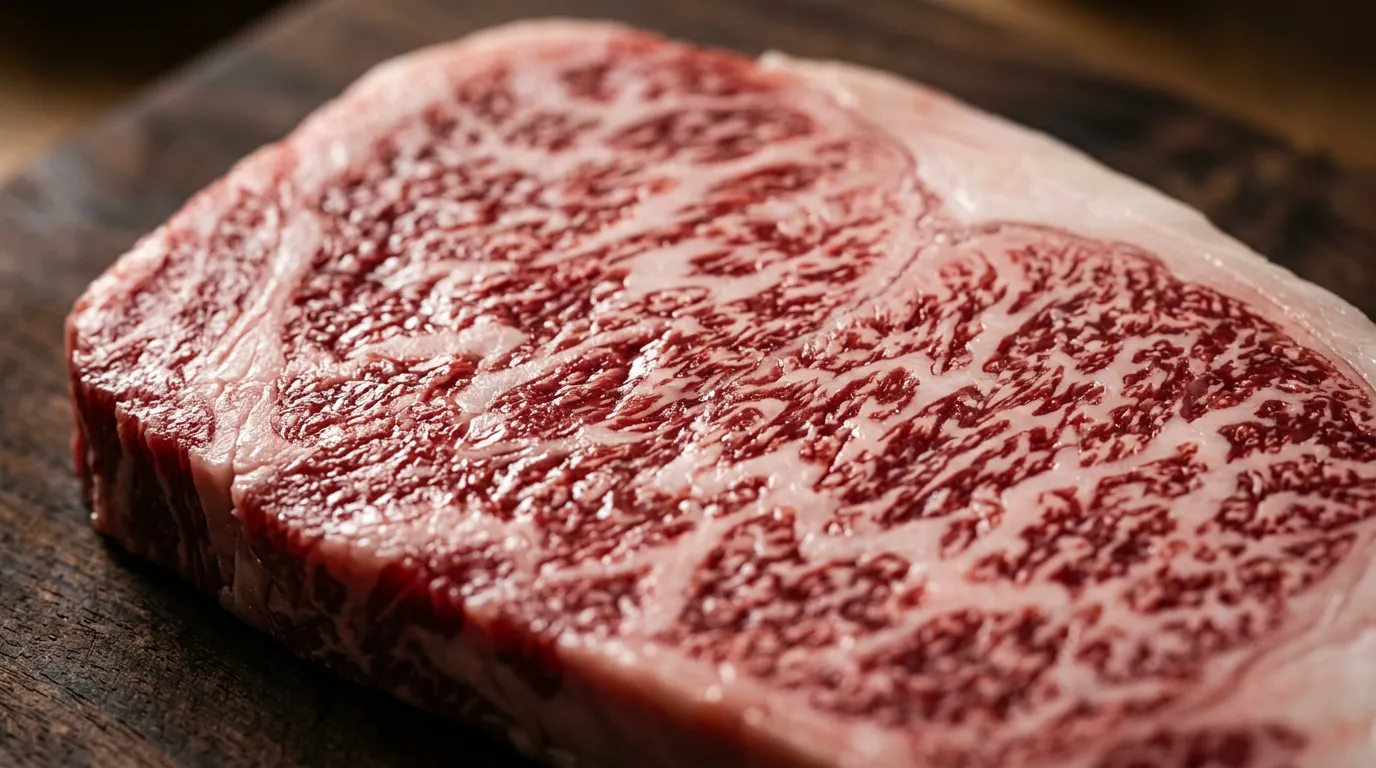
Matsusaka
Home of Japan's finest wagyu beef and a proud tradition of merchant culture
Wagyu capital
- Matsusaka wagyu
- Historic district
- Merchant culture
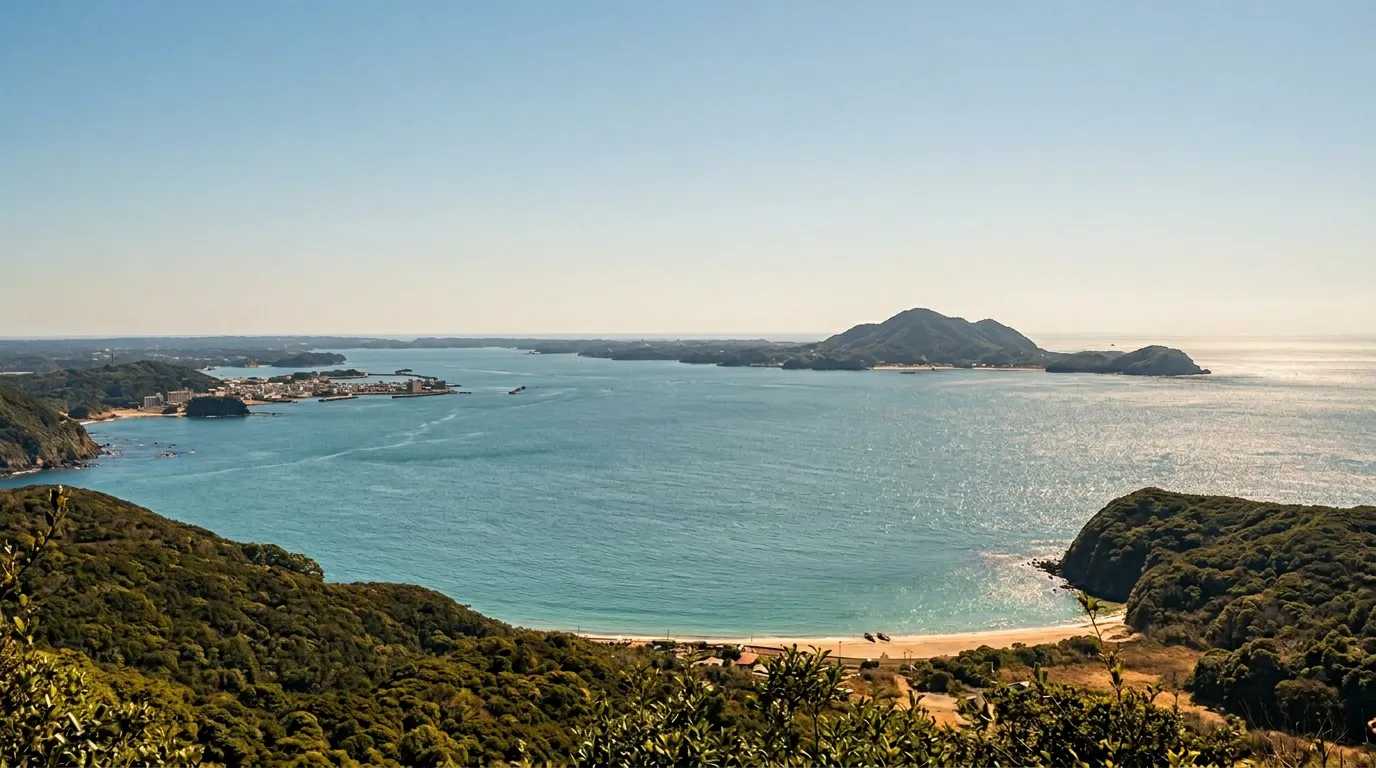
Shima
A rugged peninsula of hidden coves, luxury resorts, and freshly harvested oysters
Peninsula and resorts
- Ago Bay
- Luxury resorts
- Fresh oysters
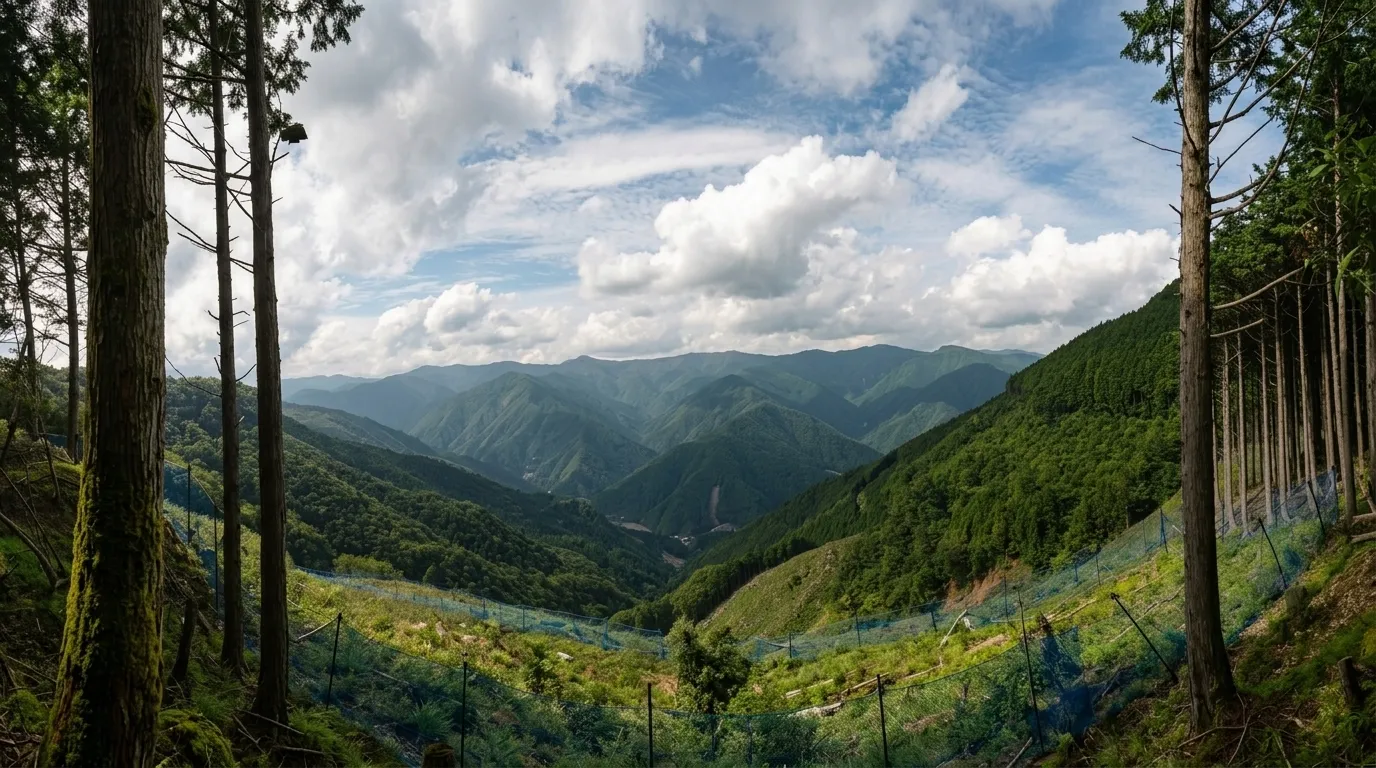
Kumano
Gateway to the UNESCO Kumano Kodo pilgrimage routes through mystical mountain forests
Pilgrimage routes
- Kumano Kodo
- Nachi waterfalls
- Mountain pilgrimage
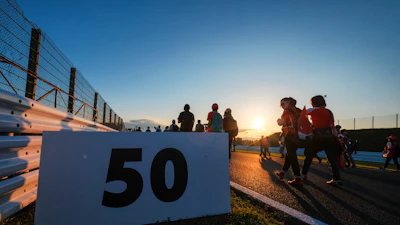
Suzuka
International racing city, home to the legendary Suzuka Circuit and its electric motorsport atmosphere
Motorsport hub
- Suzuka Circuit
- F1 Grand Prix
- Motorsport museum
Top Attractions
From sacred shrines to mystical mountain trails: Mie's top attractions weave spirituality together with natural beauty.
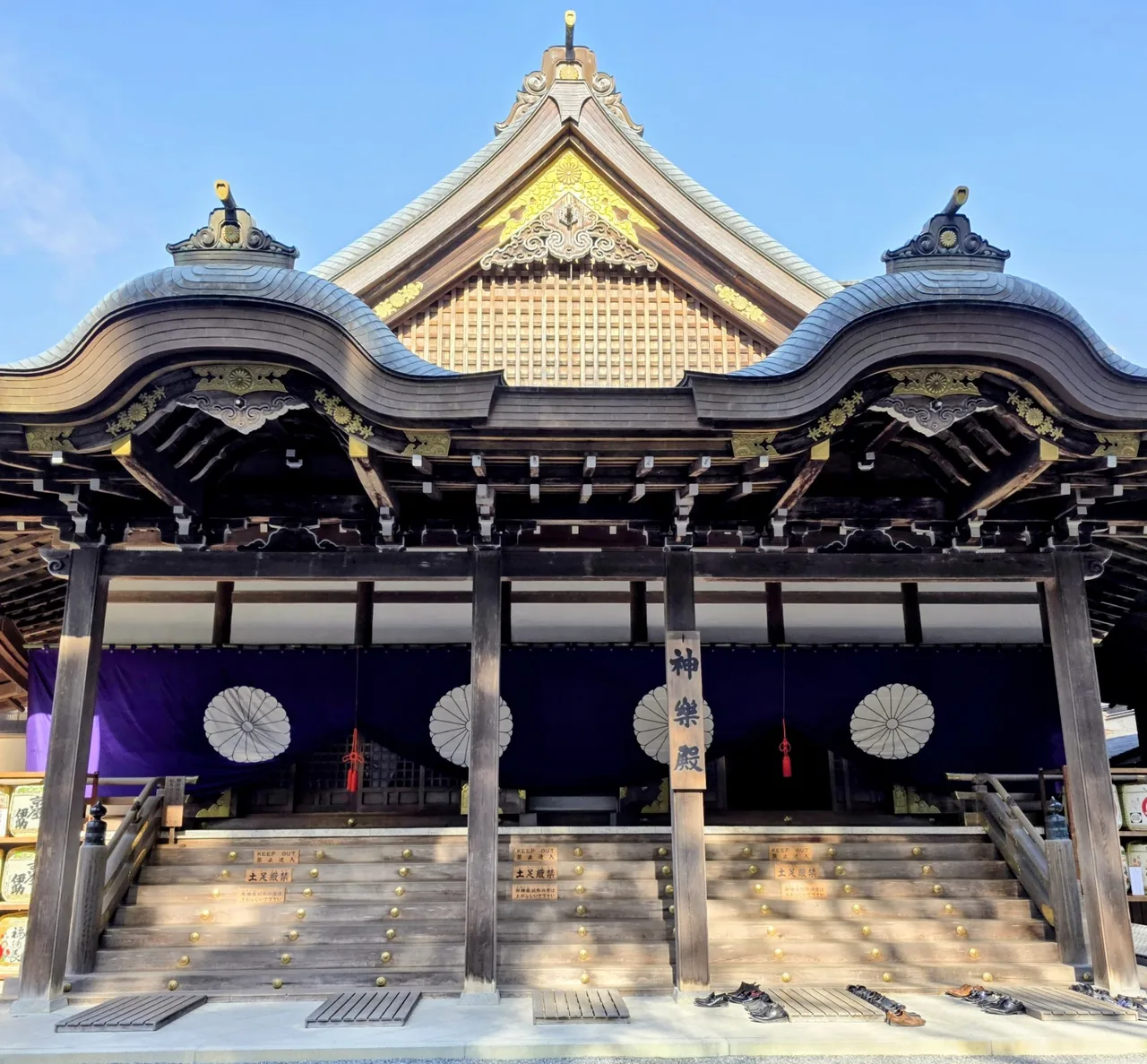
Japan's holiest Shinto shrine, where the sun goddess Amaterasu is venerated in ancient wooden sanctuaries
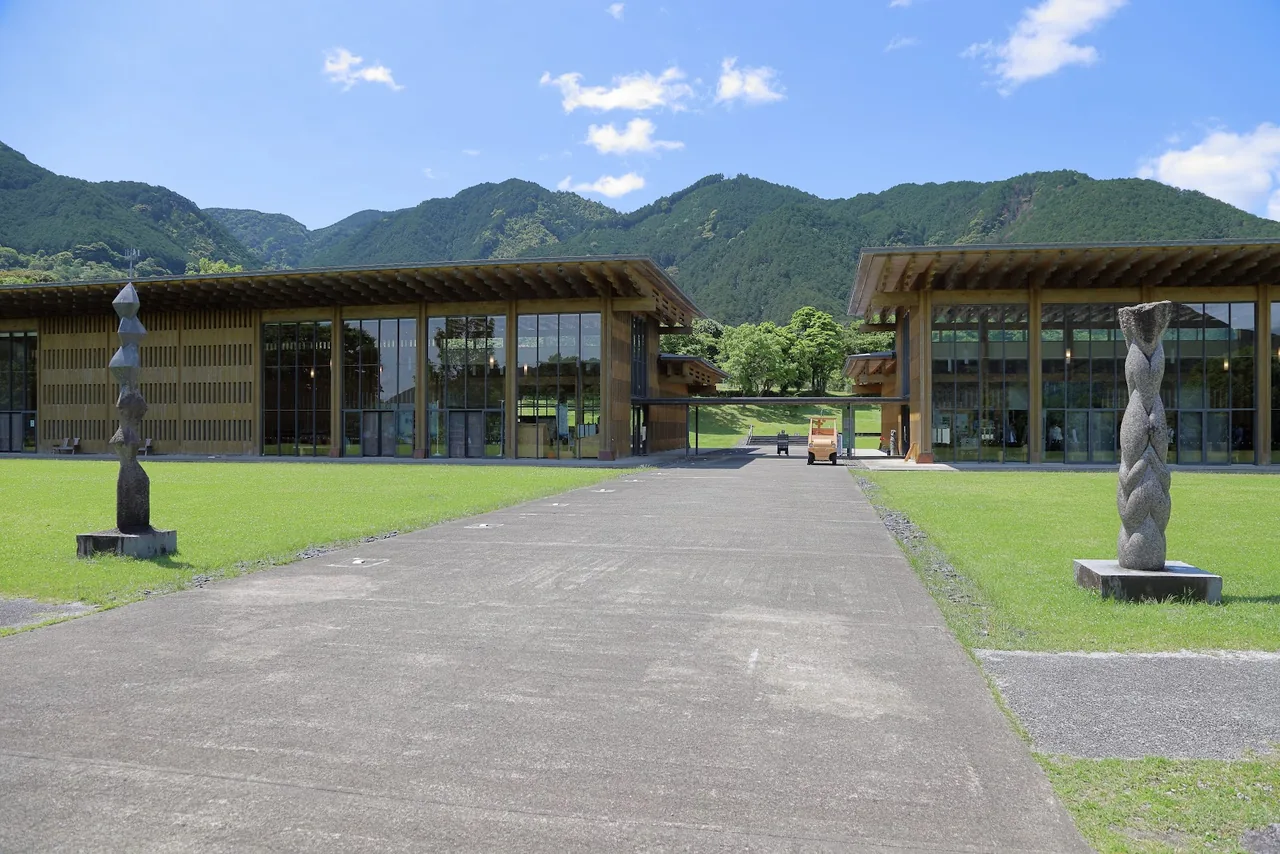
UNESCO pilgrimage routes through mystical mountain forests, Japan's answer to the Camino de Santiago
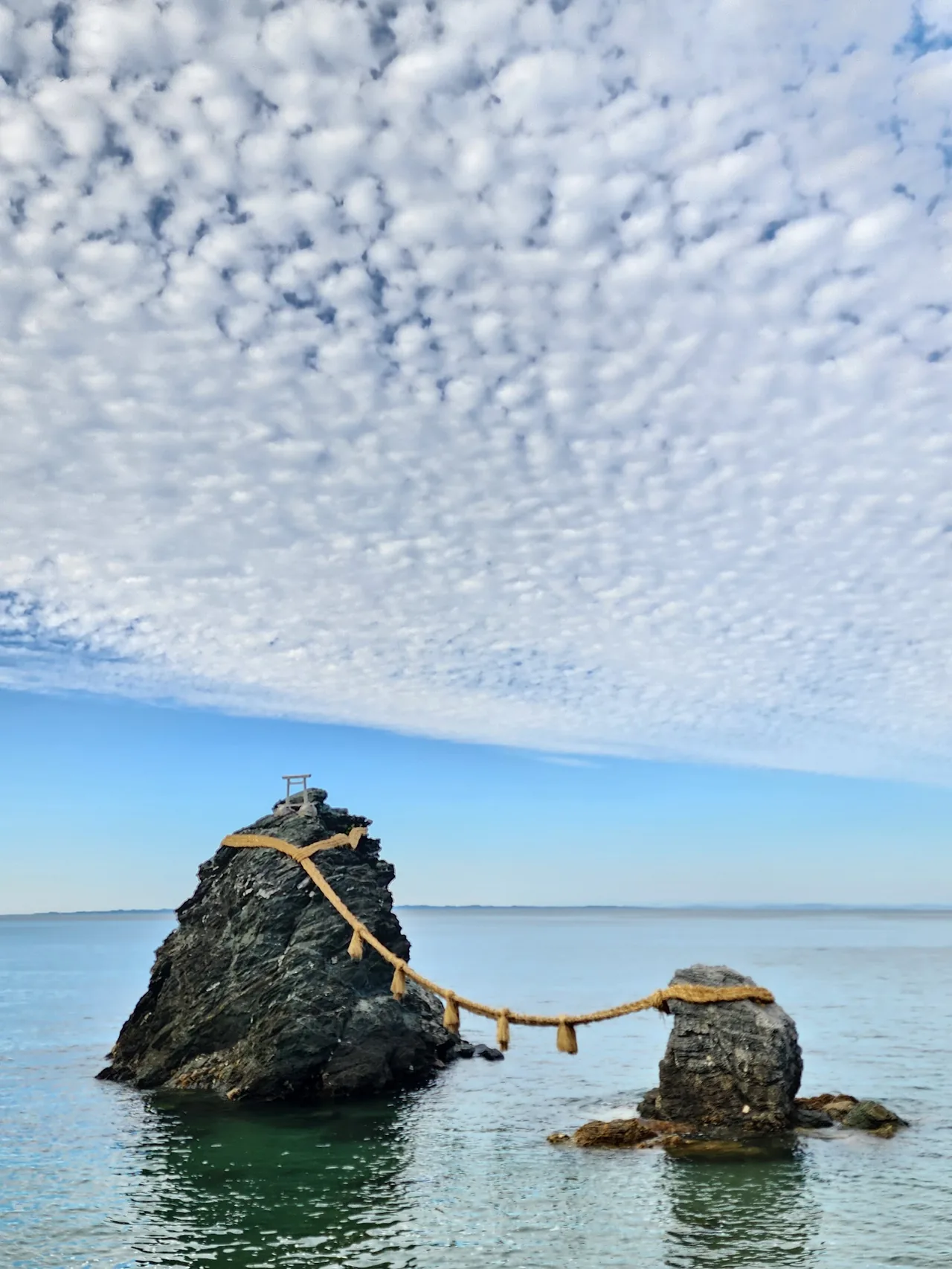
The iconic 'wedded rocks' bound together by sacred rope, an enduring symbol of eternal love
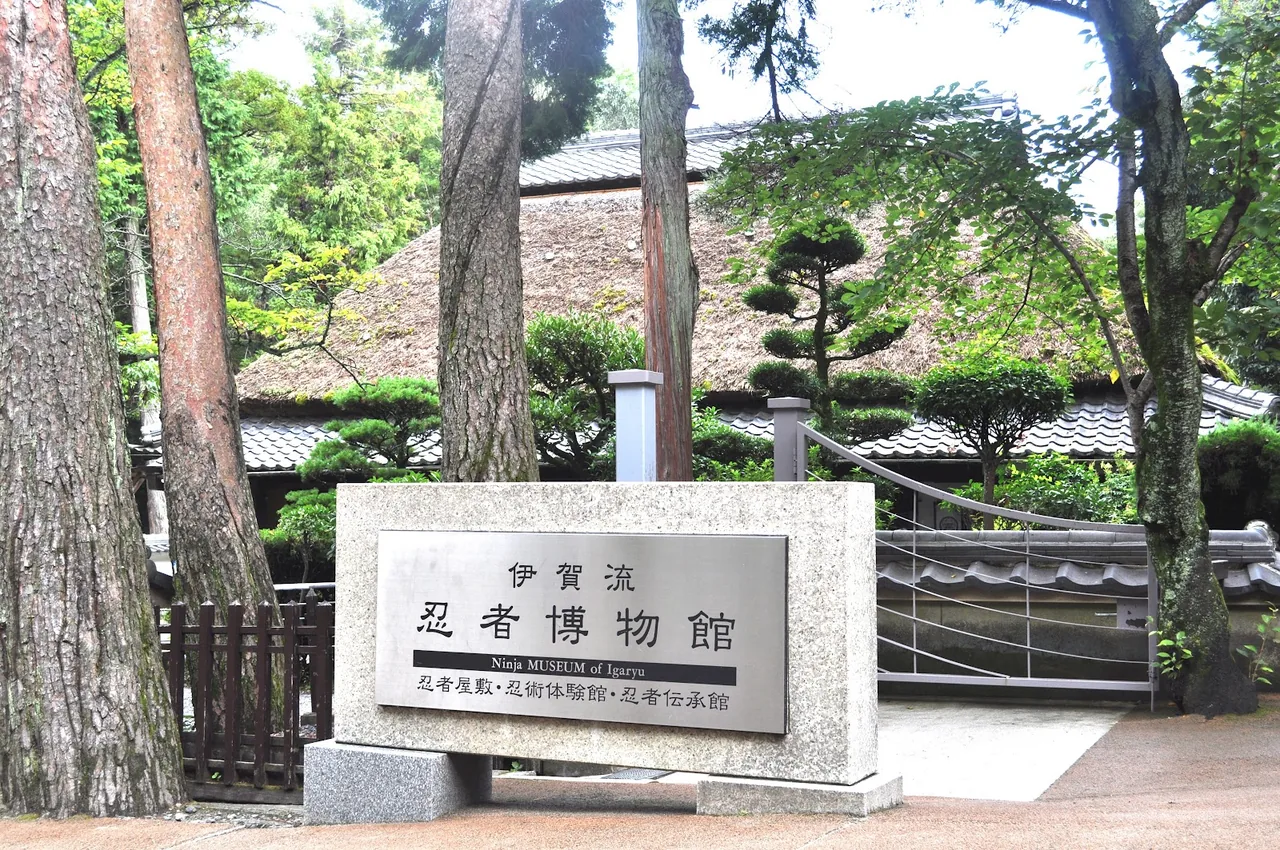
Authentic ninja heritage inside a genuine ninja house, complete with hidden rooms and secret weapons
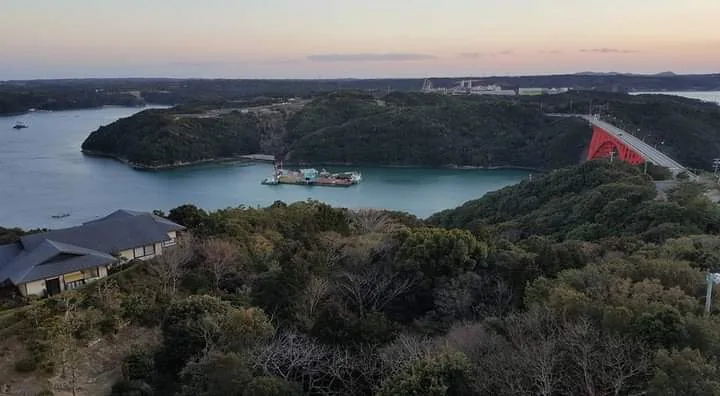
A rugged coastline of hidden coves where ama divers still harvest pearls and seaweed by hand
Hidden Gems
Mie's hidden treasures lie tucked away in mountain villages and remote stretches of coastline that few tourists ever reach.
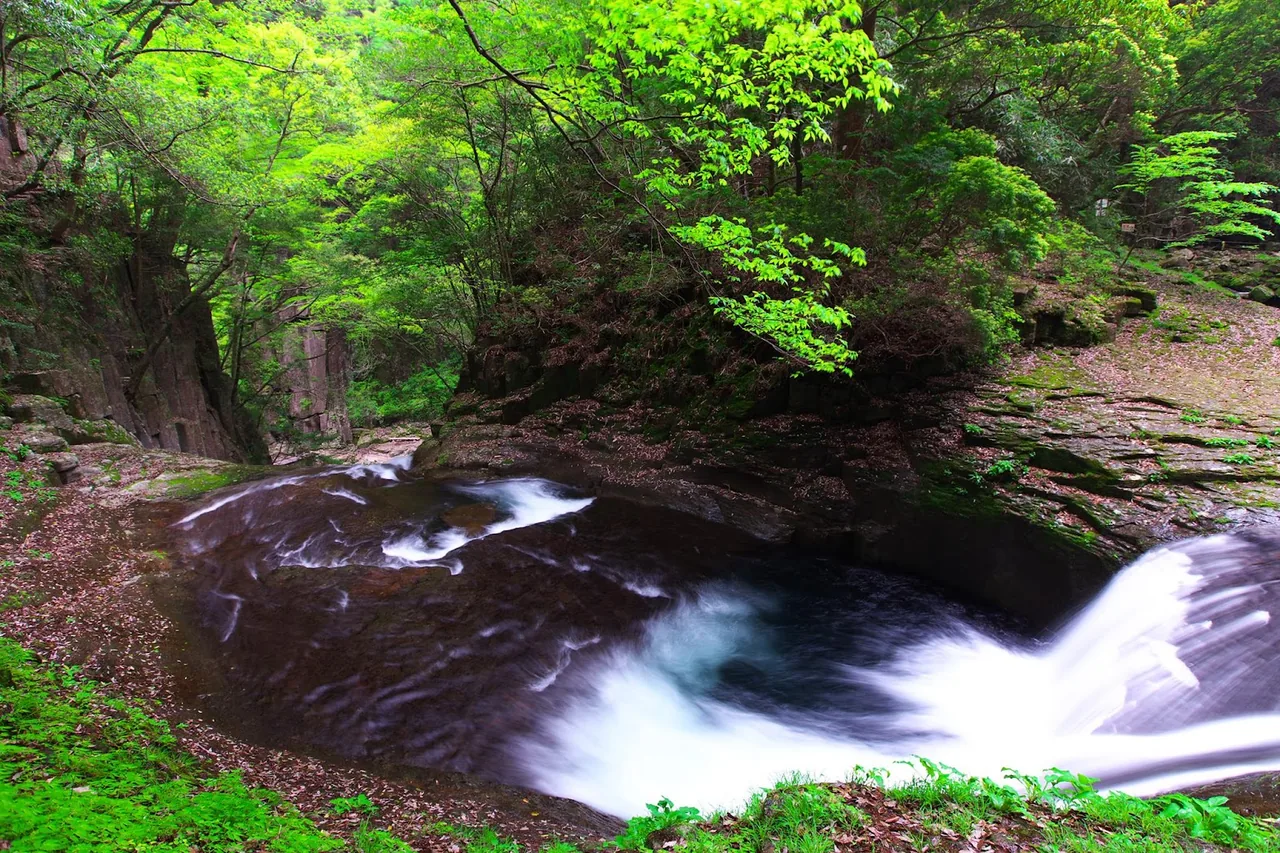 Hidden Gem
A spectacular cascade of waterfalls through deep gorges where ninja once trained in secret techniques
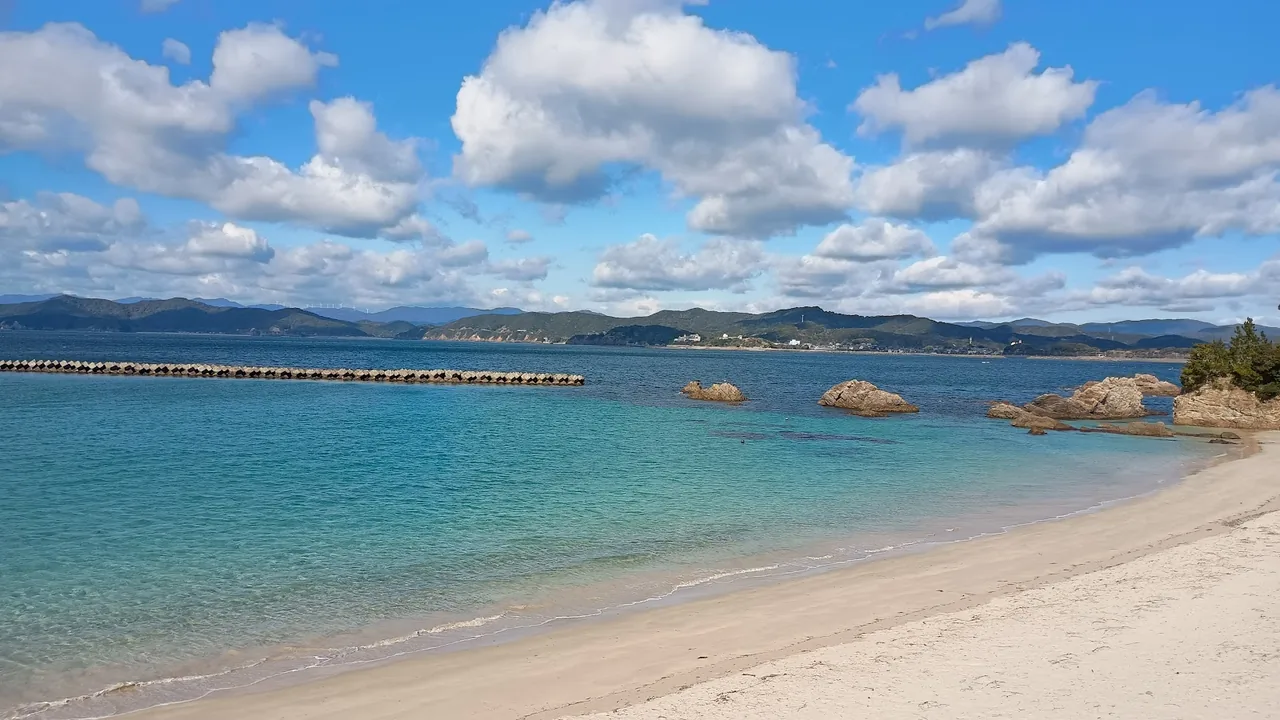 Hidden Gem
A white-sand beach on the Shima peninsula where crystal-clear water keeps its local secrets close
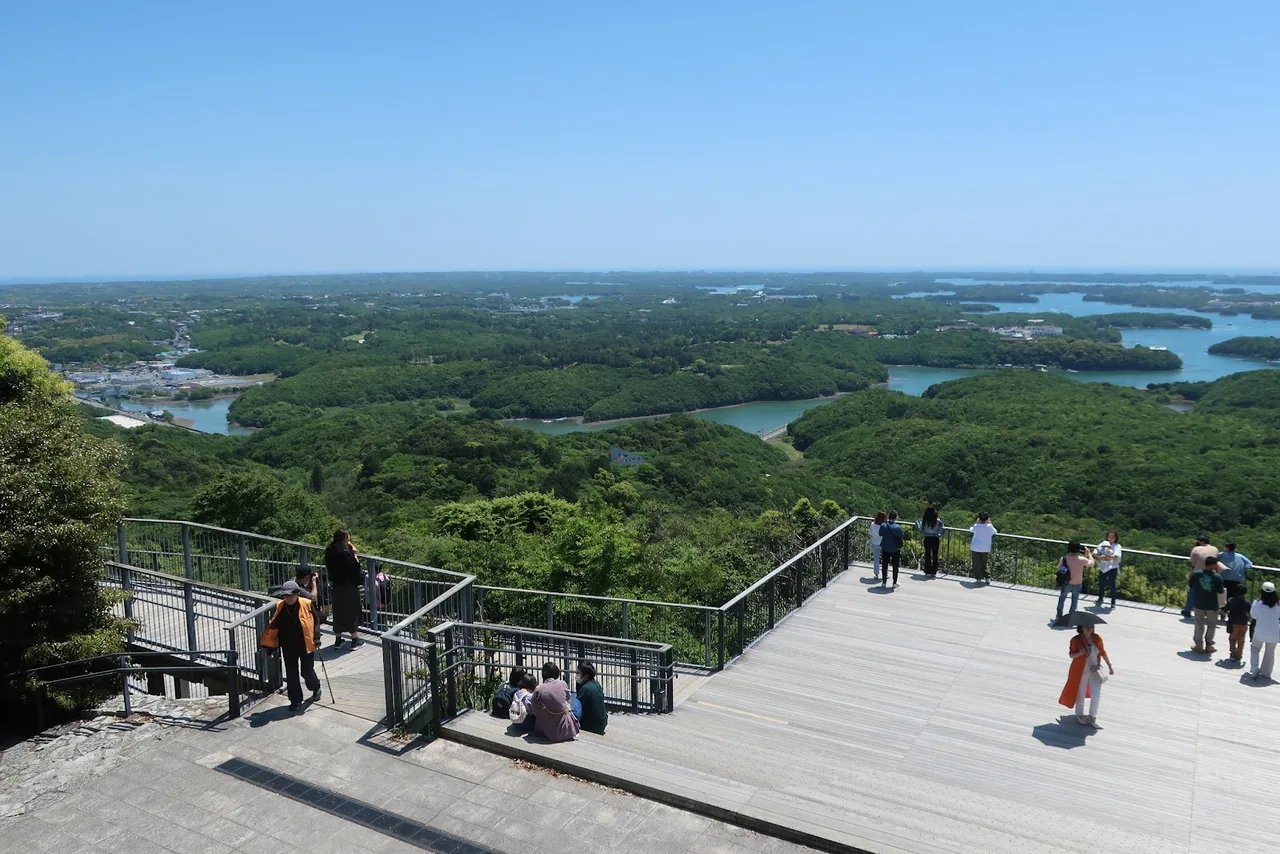 Hidden Gem
Breathtaking panoramic views over Ago Bay's 60 islands, widely regarded as one of Japan's most beautiful bays
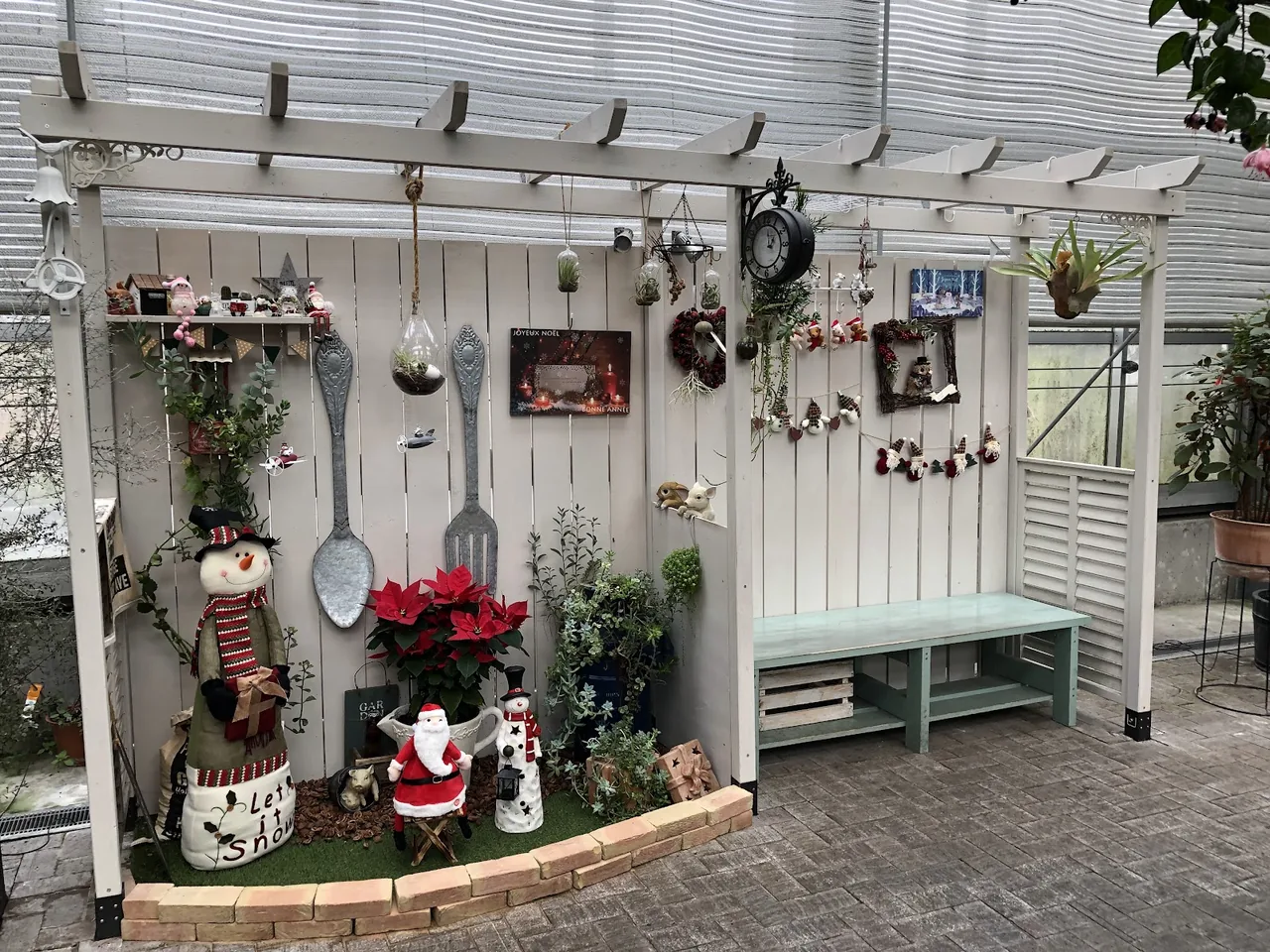 Hidden Gem
A seasonal flower garden that transforms each winter into Japan's most spectacular LED illumination show
When to Visit
Mie's spiritual highlights and natural beauty reveal a different character with every season.
Springharu
Mar–May11–21°CHigh crowds
Springharu
- Cherry blossom at Ise-jingu
- Mild temperatures for hiking
- Kumano Kodo season begins
- Golden Week crowds
Summernatsu
Jun–Aug26–32°CModerate crowds
Summernatsu
- Beach season on the Shima peninsula
- Ama diver demonstrations
- Festivals and matsuri
- High humidity
Autumnaki
Sep–Nov12–24°CModerate crowds
Autumnaki
- Spectacular autumn foliage
- Perfect hiking temperatures
- Akame waterfalls at their finest
- Matsusaka wagyu season
Winterfuyu
Dec–Feb2–10°CLow crowds
Winterfuyu
- Nabana no Sato LED shows
- Fewer tourists at the shrines
- Clear mountain air
- Onsen season
Suggested Itineraries
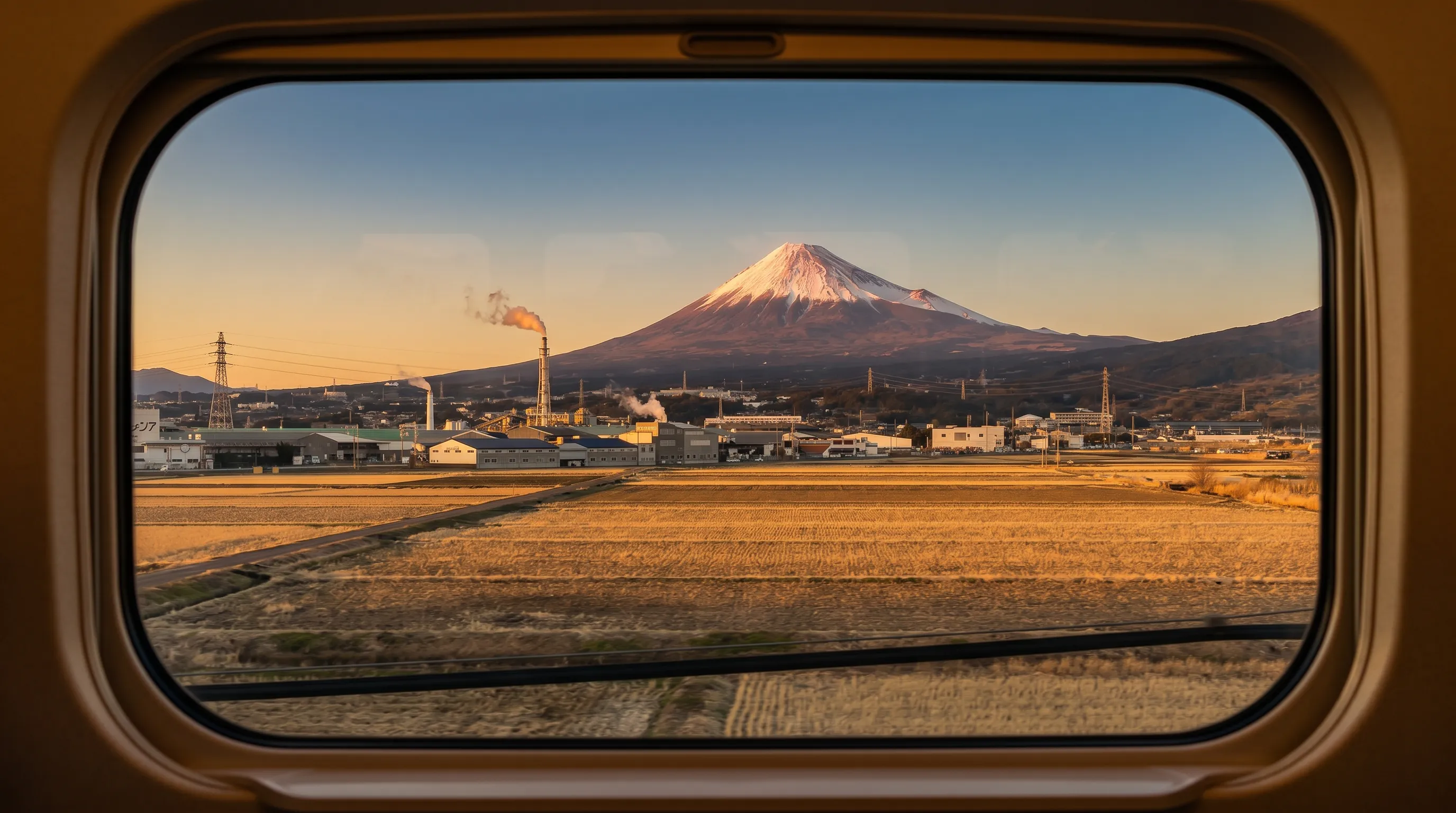
From spiritual pilgrimages to ninja adventures: these routes showcase the full range of what Mie has to offer.
FAQ
Do you need the JR Pass for Mie?
The JR Pass does not cover the Kintetsu-Nagoya line, but it does cover JR trains to Matsusaka and onward to Ise via JR. For Ise-jingu, the Kintetsu line is faster and more comfortable; budget around ¥1,500 from Nagoya. Check your route carefully before booking.
How many days do you need for Mie?
A minimum of 2–3 days covers Ise and its surroundings; allow 4–5 days if you want to walk the Kumano Kodo. For a complete circuit including Iga and the Shima peninsula, plan for 5–7 days. Attractions are spread out across the prefecture, so factor in travel time between destinations.
When is Ise-jingu at its busiest?
New Year (1–3 January) is extremely crowded, drawing millions of visitors. Golden Week and weekends are also busy. For a quieter experience, arrive early in the morning (before 8:00) or visit on a weekday. The Naiku shrine is always busier than Geku.
Can you do the Kumano Kodo in a single day?
Shorter sections are perfectly manageable: the Iseji route offers day walks of 2–4 hours. For the complete pilgrimage route, plan several days with overnight stays in mountain villages. Check trail conditions in advance, particularly during the rainy season.
Is Matsusaka wagyu worth it?
Absolutely, but expect to pay for the privilege: prices start from around ¥8,000 for a small portion at dedicated restaurants. For more affordable options, look for local yakiniku spots. Reservations are strongly recommended, especially at well-regarded establishments.
How do you get to the beaches on the Shima peninsula?
Take the Kintetsu line to Kashikojima station, then local buses to Goza Beach and other beaches. Renting a car gives you far more flexibility; public transport on the peninsula is limited. Check bus timetables in advance, especially outside the main season.
Where is the best place to stay in Mie?
Ise for easy shrine access, Toba for the coastline, Iga for the full ninja experience. Ryokan around Ise-jingu offer a fittingly spiritual atmosphere. For budget options, business hotels in town centres are a practical choice. Book well ahead during peak season.