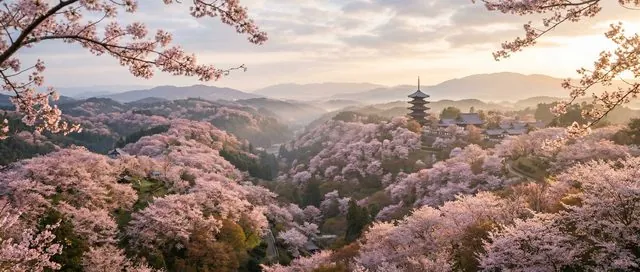
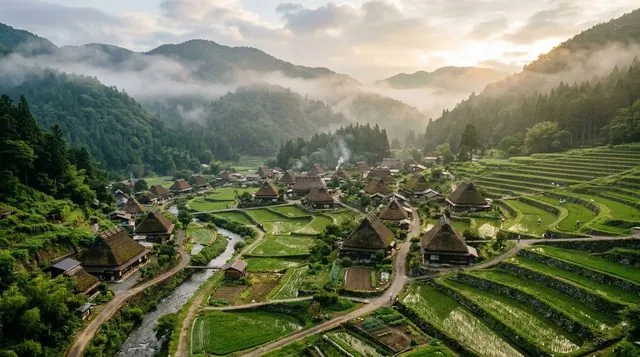
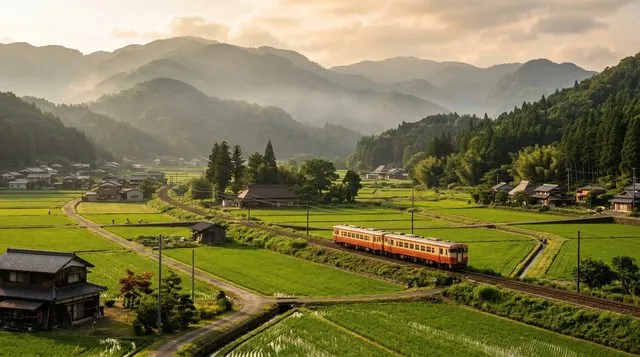
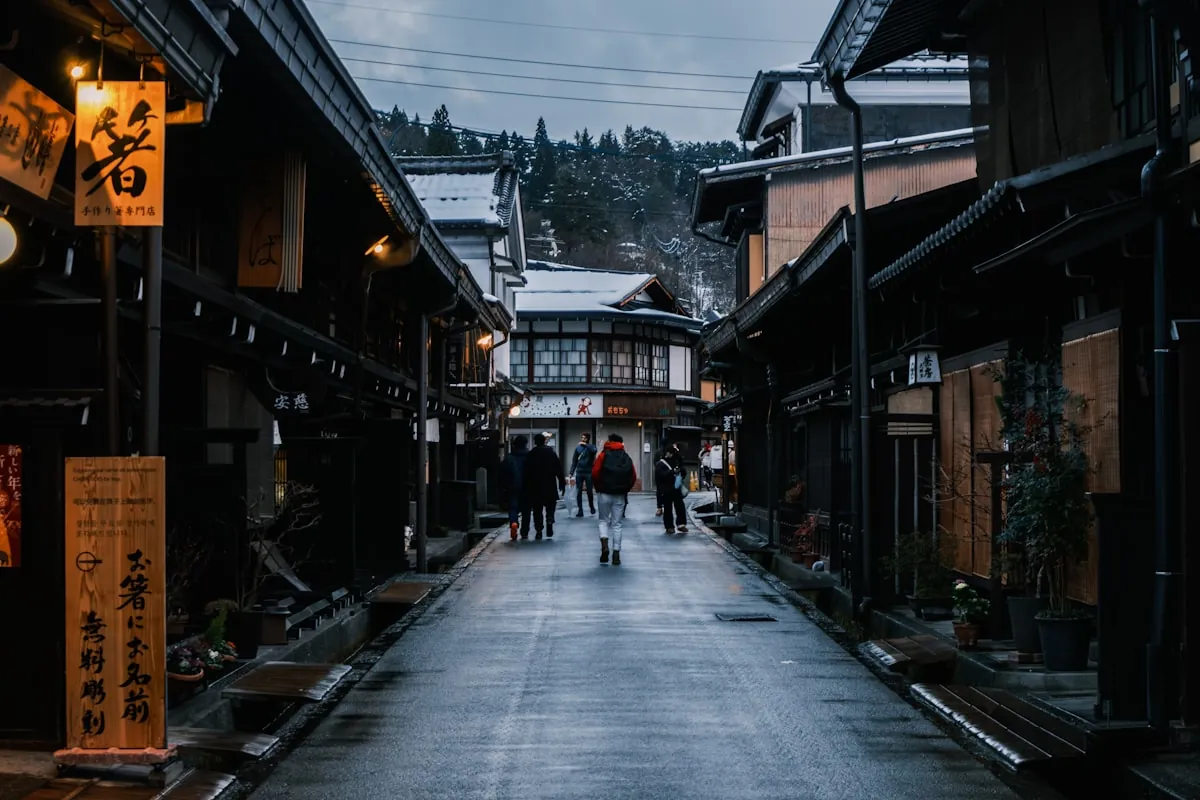
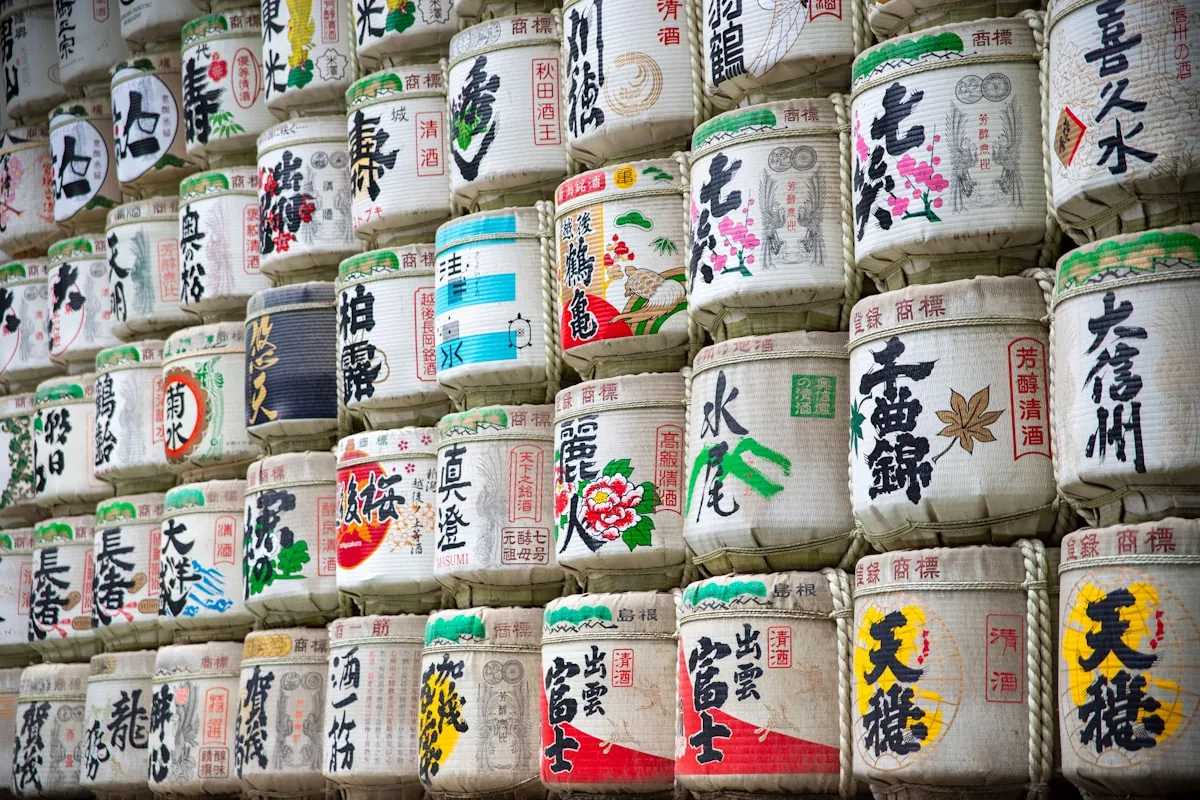
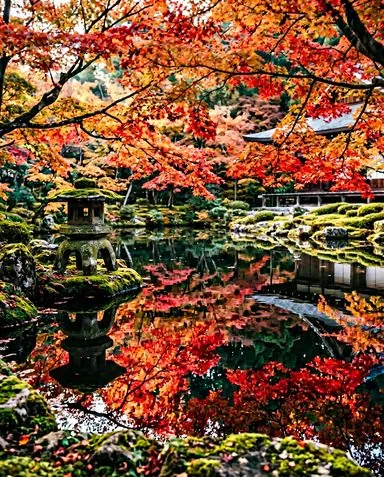
Kyoto Prefecture is far more than its famous city. It encompasses the ancient capital Nara, the tea capital Uji, mountain monasteries in the Tamba hills, and traditional craft towns that tourists rarely reach. Here you'll find Japan's deepest cultural layers, from 1,400-year-old temples to unchanged villages where time has stood still.
Cities & Towns
From the world-famous city of Kyoto to hidden mountain hamlets, each place tells a different story of Japan's cultural heritage.
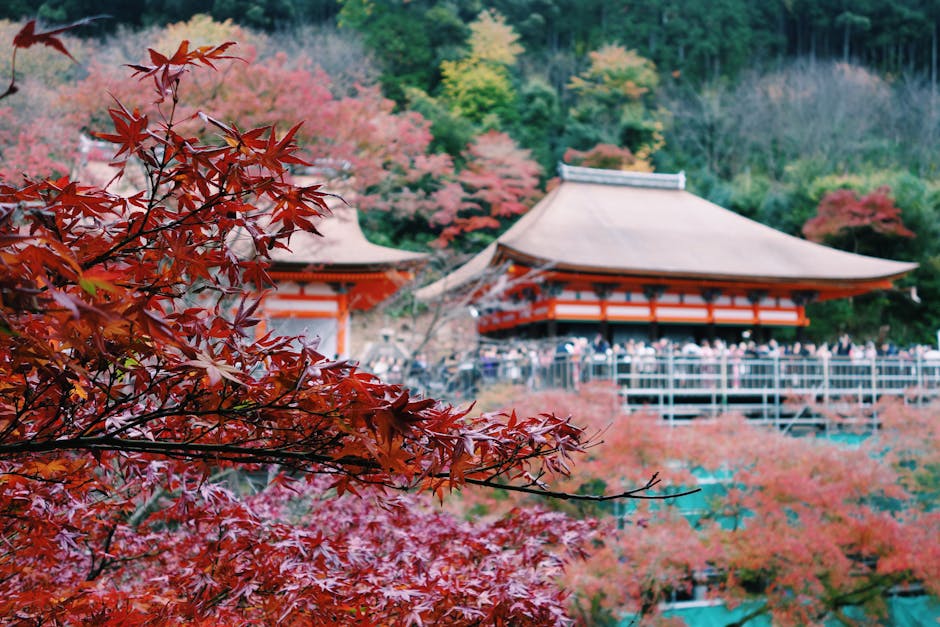
Kyoto
Japan's cultural capital: temples, geisha districts, and traditional neighbourhoods
Cultural capital
- Gion district
- Fushimi Inari
- Arashiyama bamboo
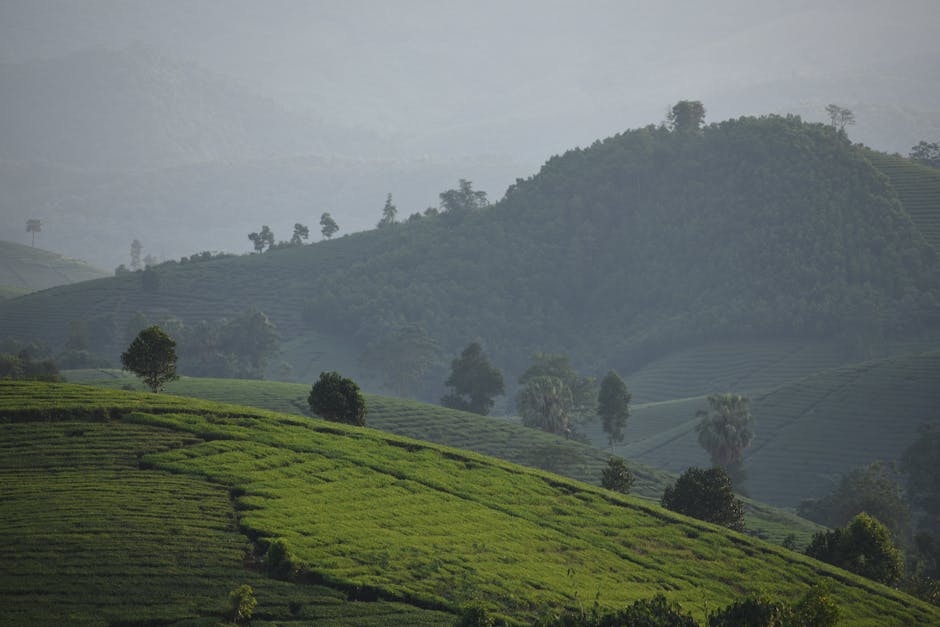
Uji
Japan's tea city, where matcha has been produced for 800 years
Matcha tea city
- Byodo-in tempel
- Matcha ceremonies
- Uji rivier
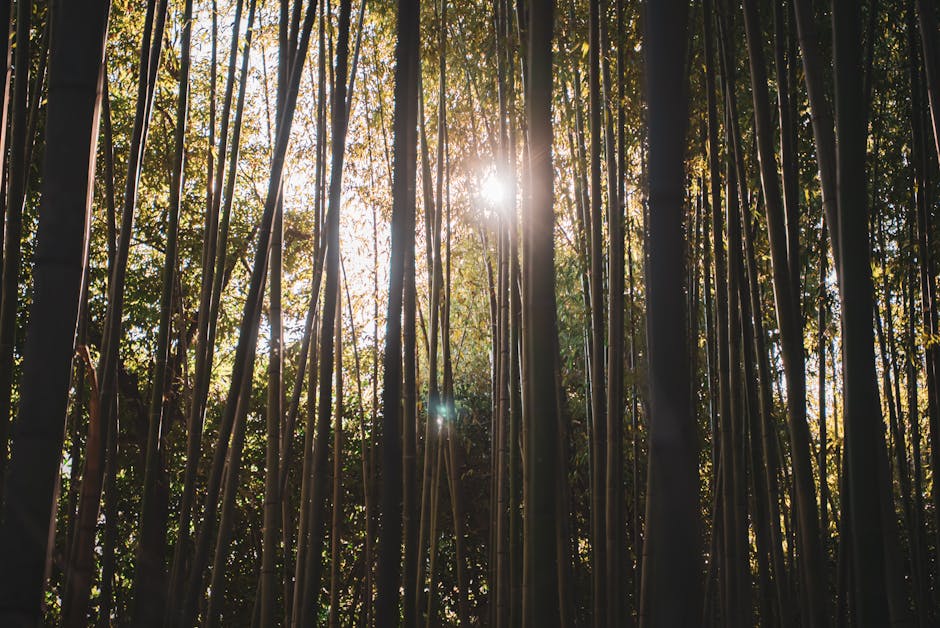
Arashiyama
Bamboo forests and mountain villas where the imperial family retreated for centuries
Bamboo forests
- Bamboo Grove
- Tenryu-ji tempel
- Togetsukyo brug
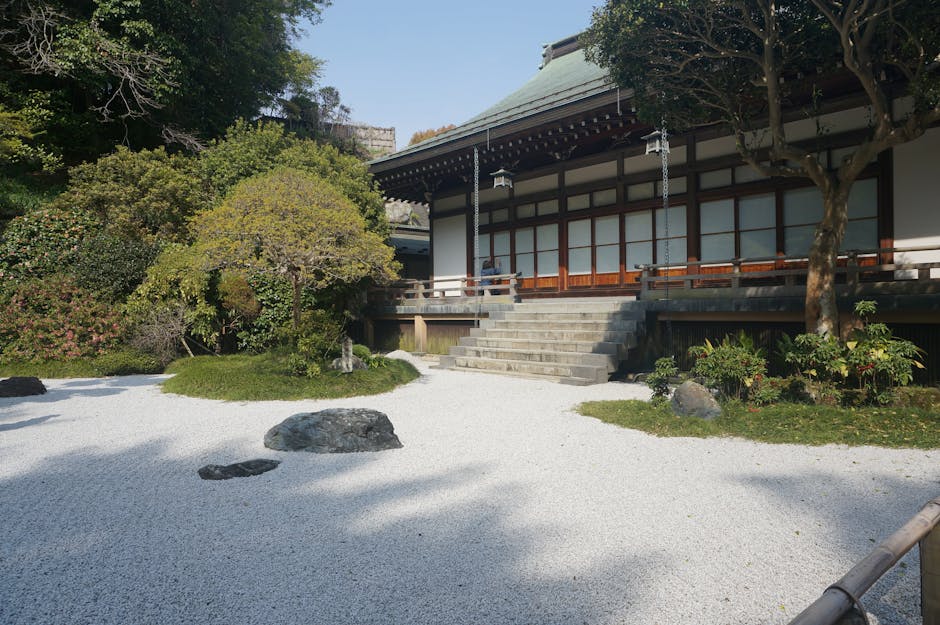
Ohara
A mountain village of centuries-old temples and moss-carpeted gardens deep in the hills
Mountain temples
- Sanzen-in tempel
- Jakko-in tempel
- Bergwandelingen
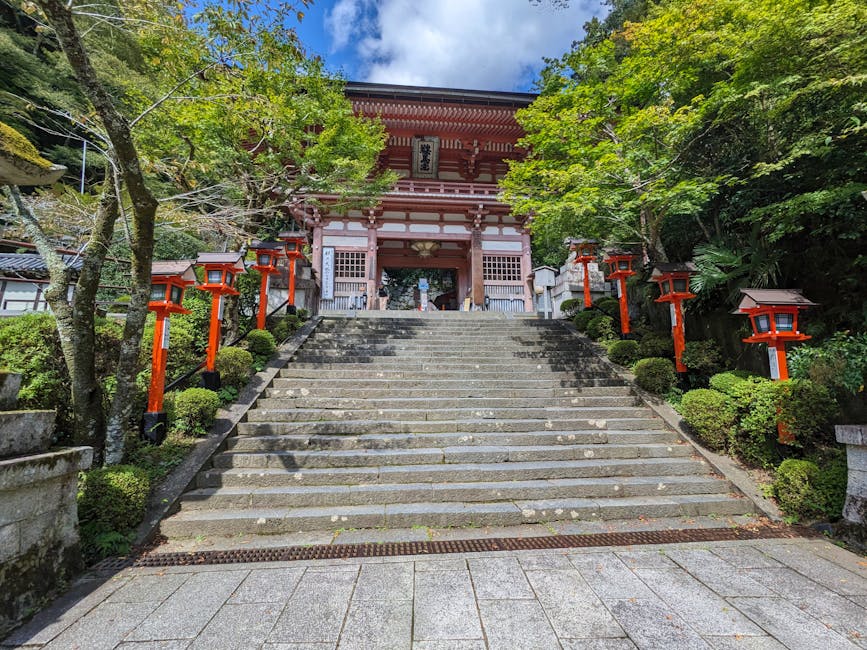
Kurama
A mystical mountain village connected to Kibune by an ancient mountain trail
Mystical mountain village
- Kurama-dera tempel
- Wandeling naar Kibune
- Onsen baden
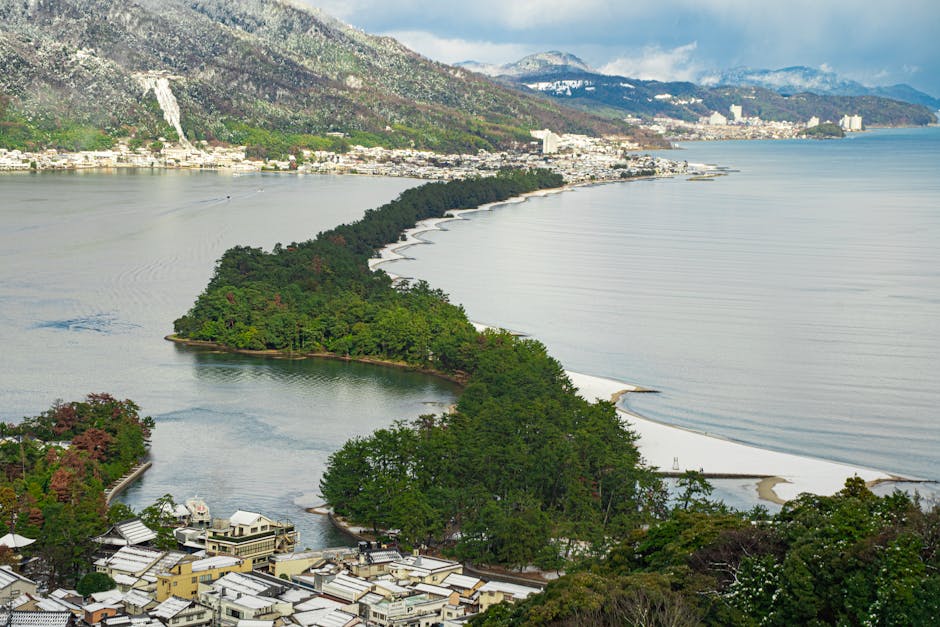
Amanohashidate
One of Japan's three most celebrated landscapes: a pine-covered sandbar stretching across the bay
Sandbar landscape
- Sandbar wandeling
- Chion-ji tempel
- Uitzichtpunten
Top Attractions
From UNESCO World Heritage temples to secluded mountain monasteries: Kyoto Prefecture holds Japan's most significant cultural treasures.
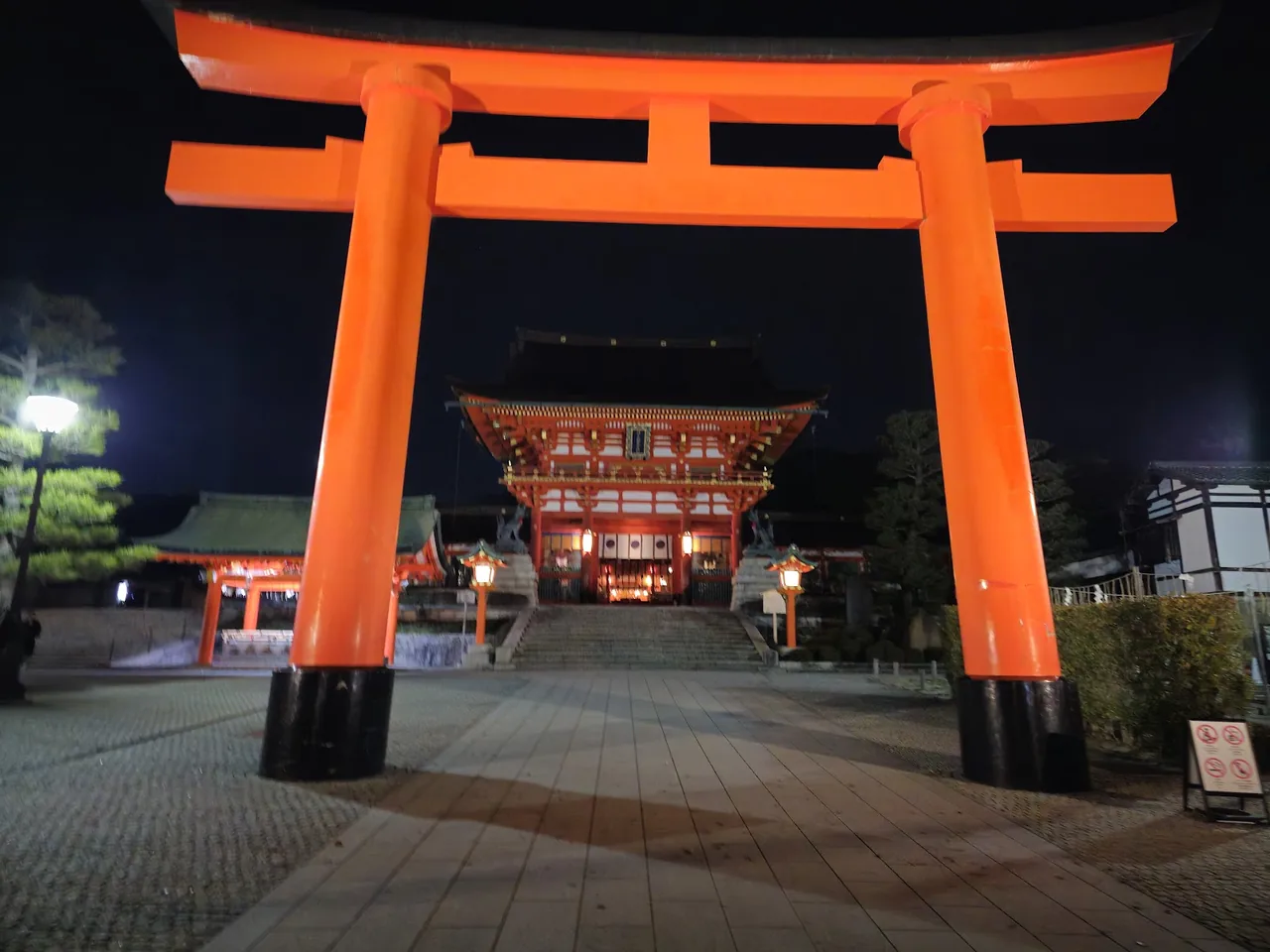
Thousands of vermilion torii gates lining a mountain path all the way to the summit of Mount Inari
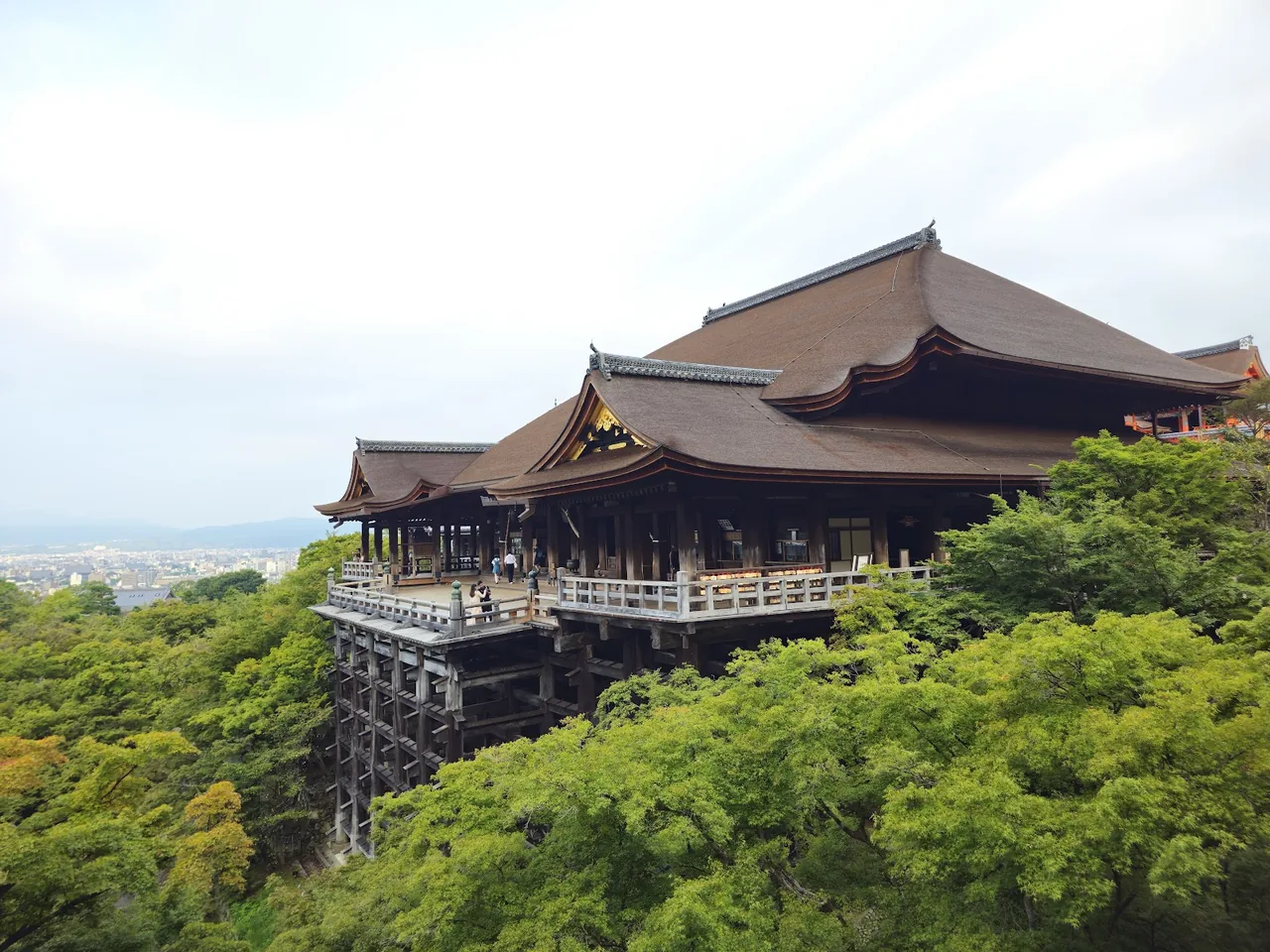
A wooden temple built on stilts, offering sweeping views across Kyoto's traditional rooftops
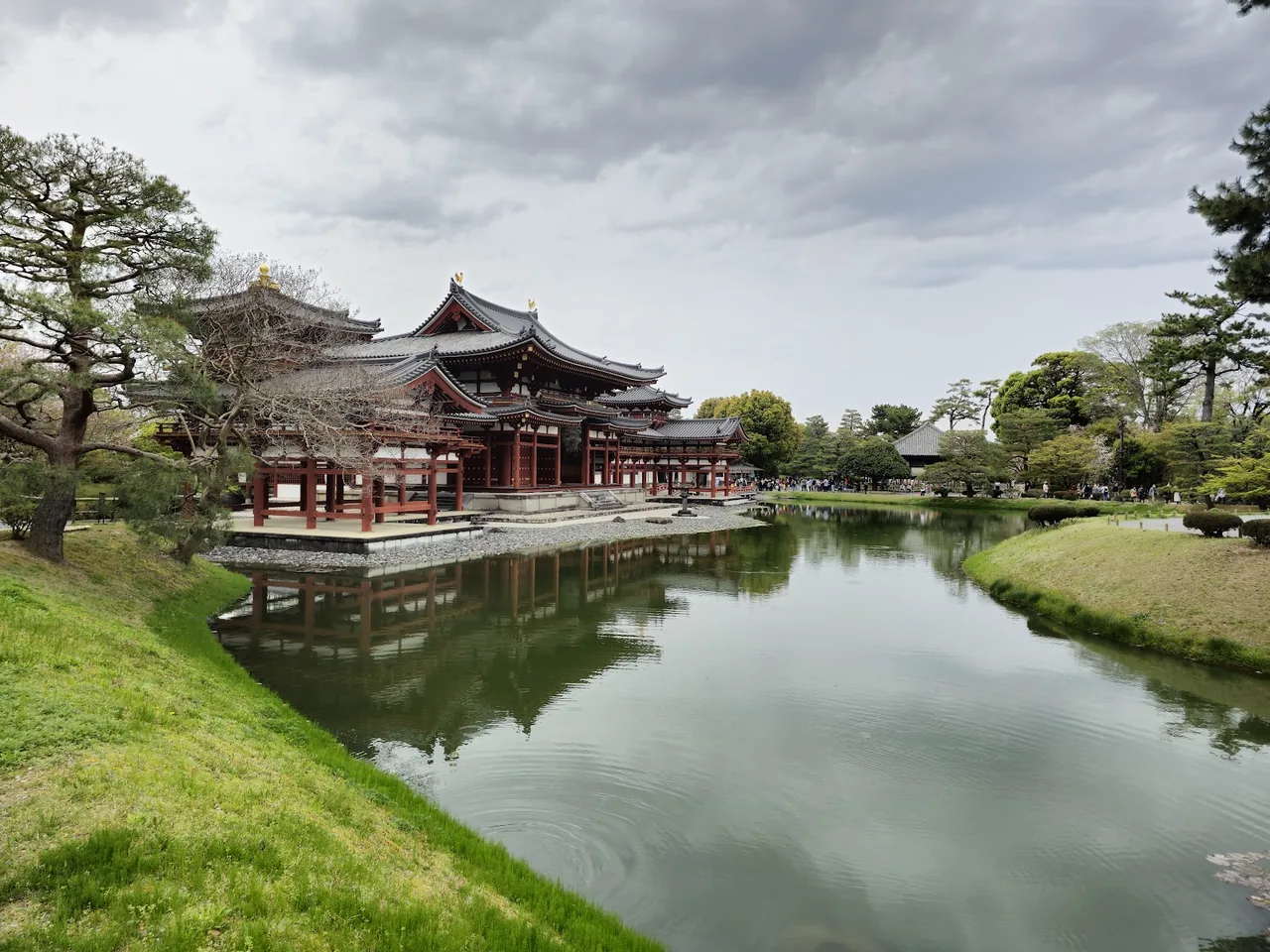
The 1053 Phoenix Hall depicted on the 10-yen coin, pure Heian architecture in perfect proportion
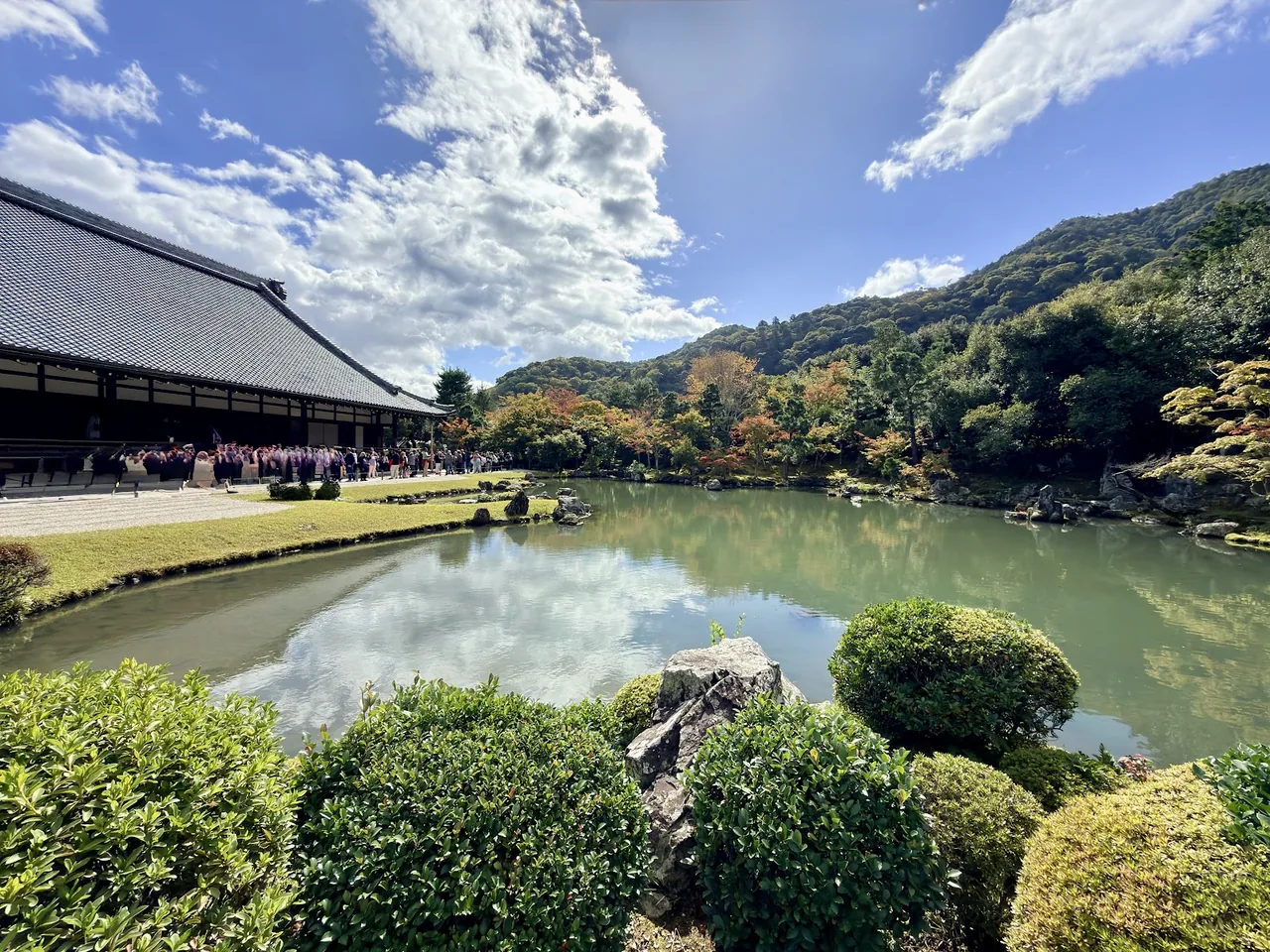
A Zen temple with Japan's first landscape garden, unchanged since the 14th century
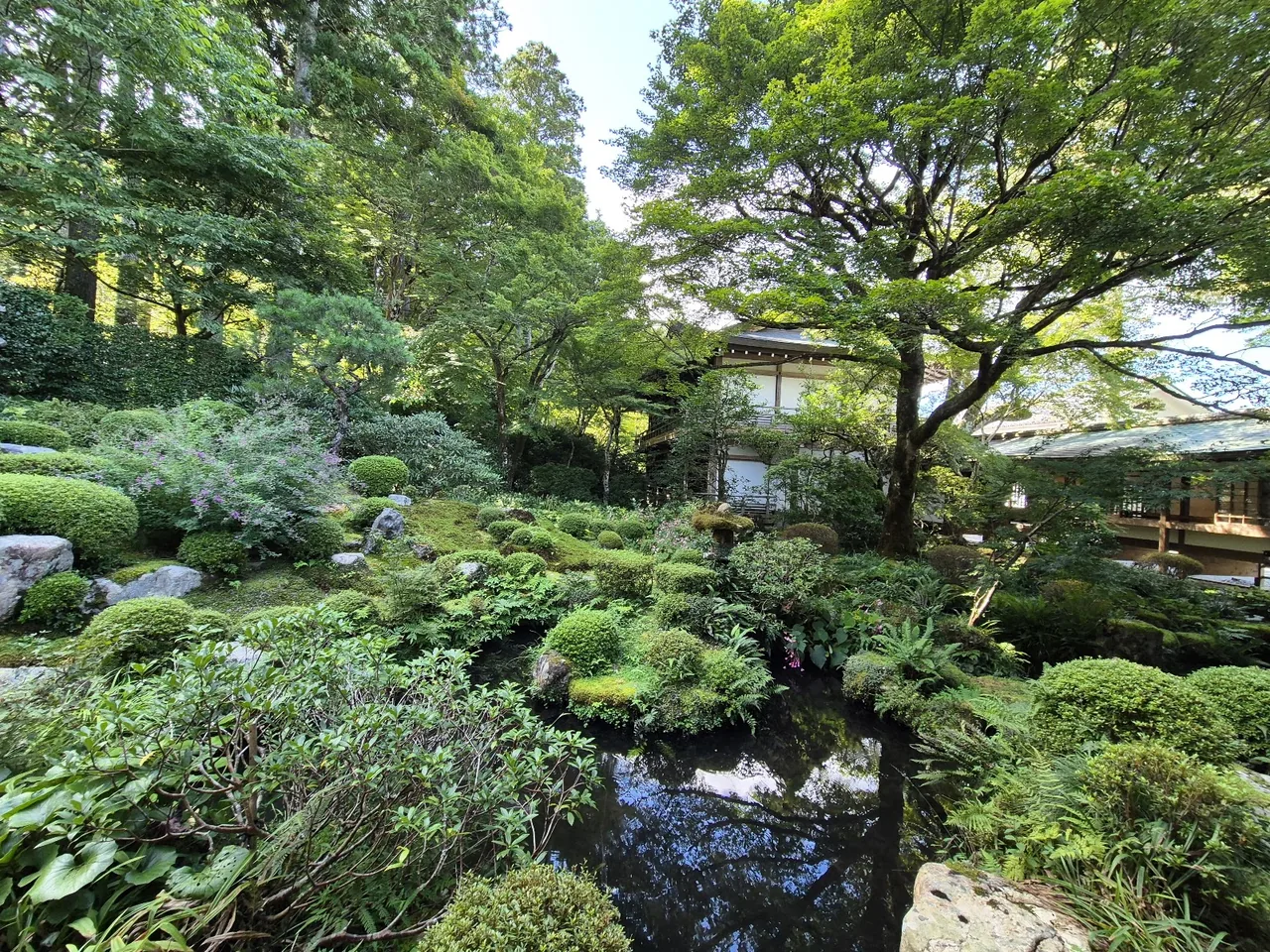
A mountain monastery encircled by ancient Japanese cedar trees and velvety moss gardens
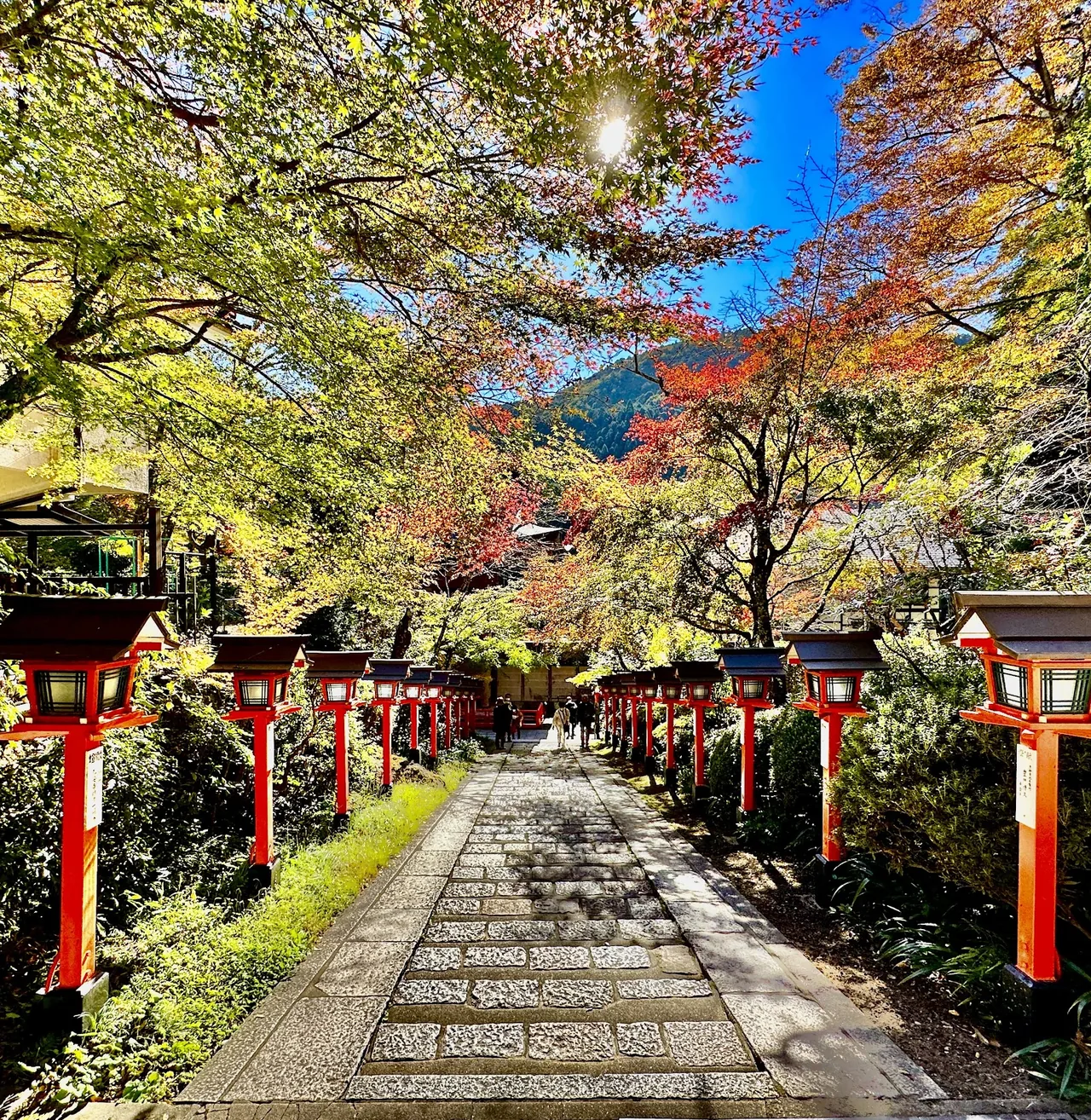
A mystical mountain temple reached by cable car or an hour-long hike through ancient forest
Hidden Gems
Beyond the famous temples lie mountain villages and secret valleys visited only by hikers and pilgrims.
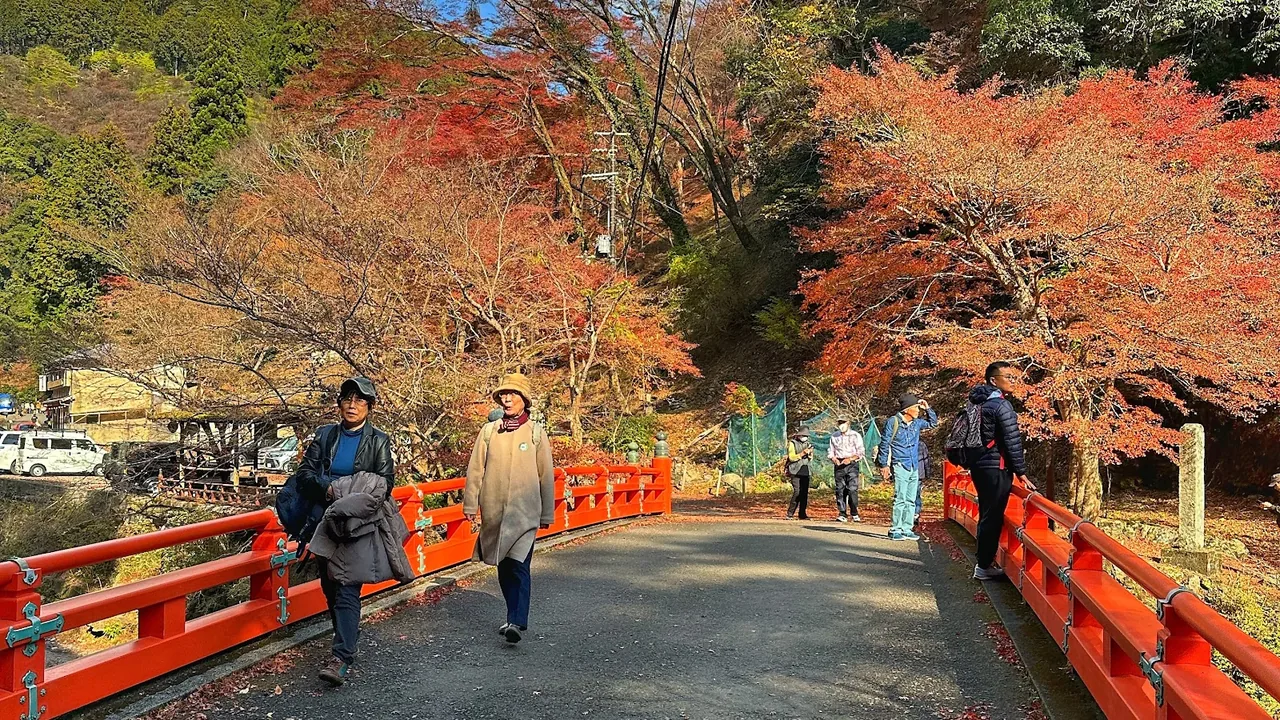 Hidden Gem
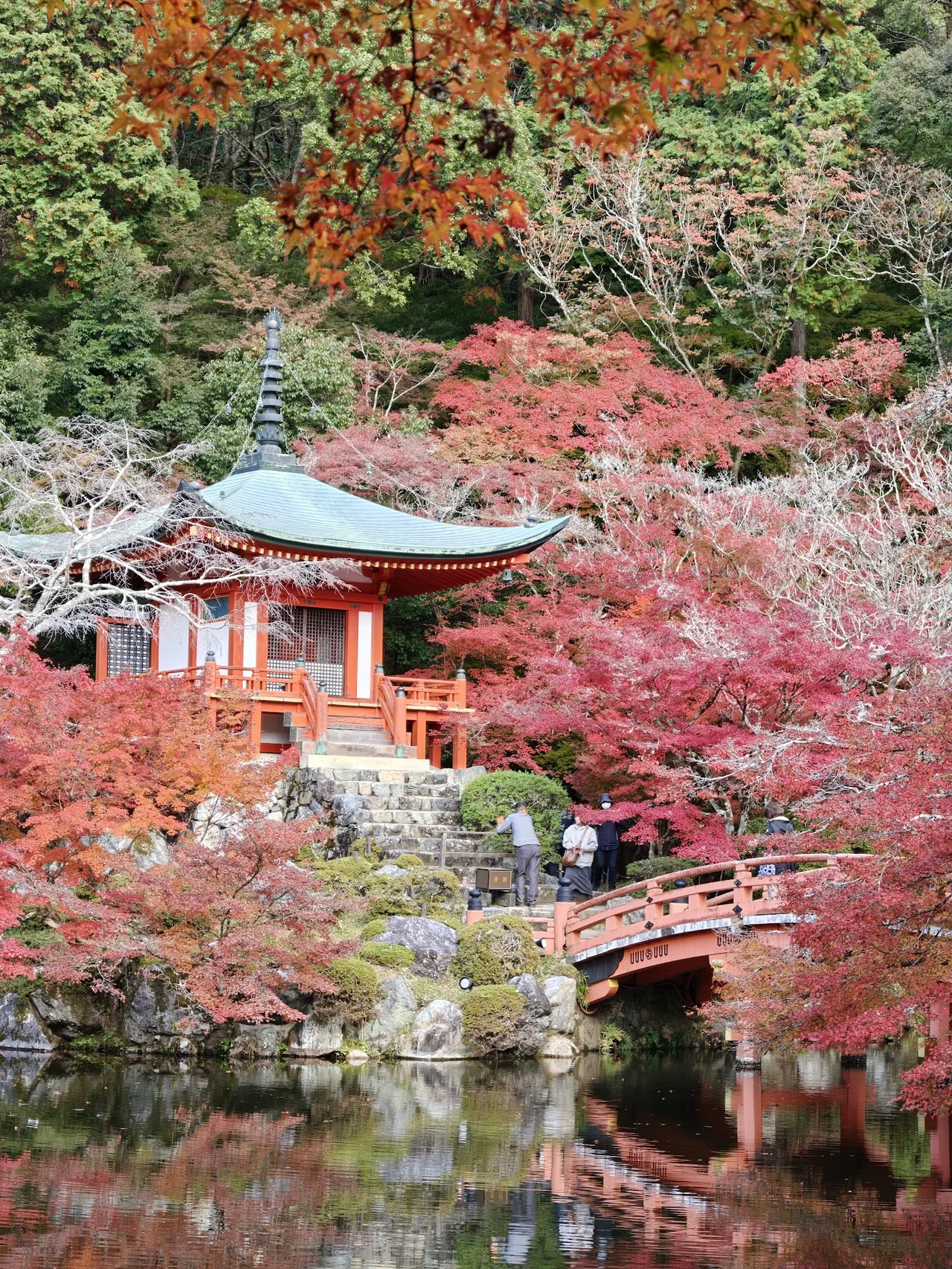
A mountain village with three temples and forest trails where maple leaves set the valley ablaze each autumn
 Hidden Gem
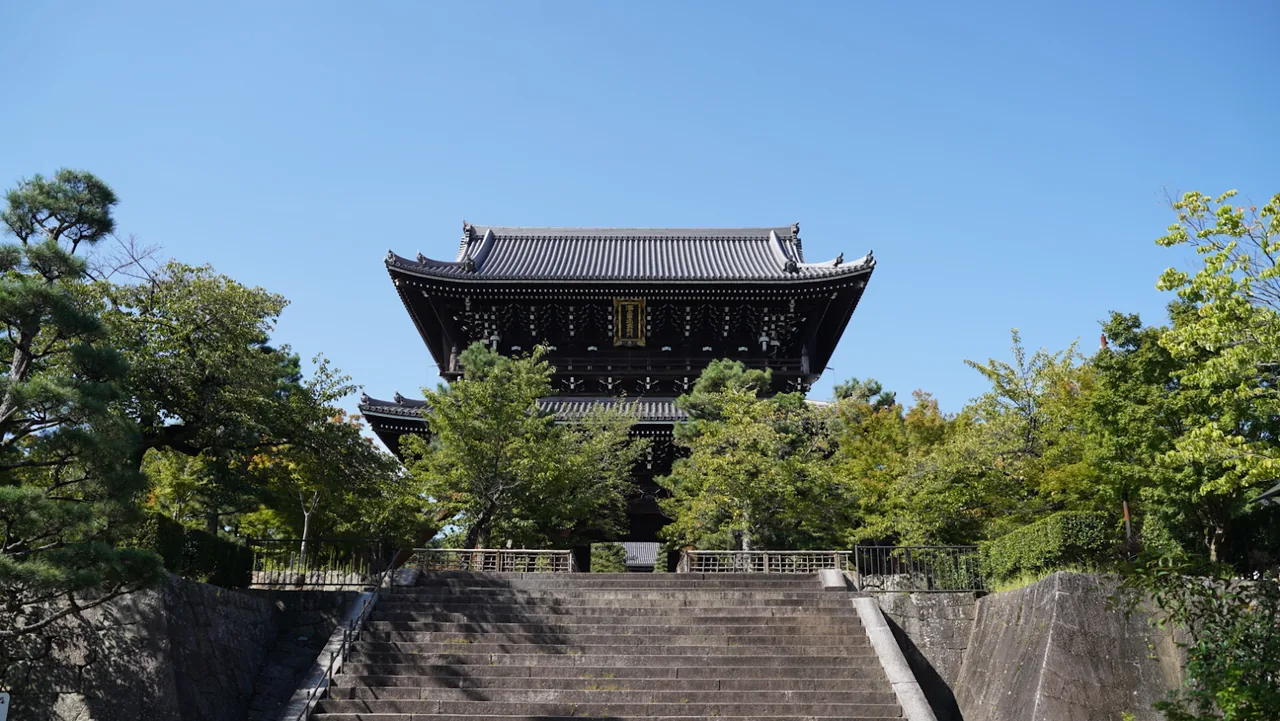
A hidden temple complex where shogun Hideyoshi held his legendary cherry blossom hanami celebration
 Hidden Gem
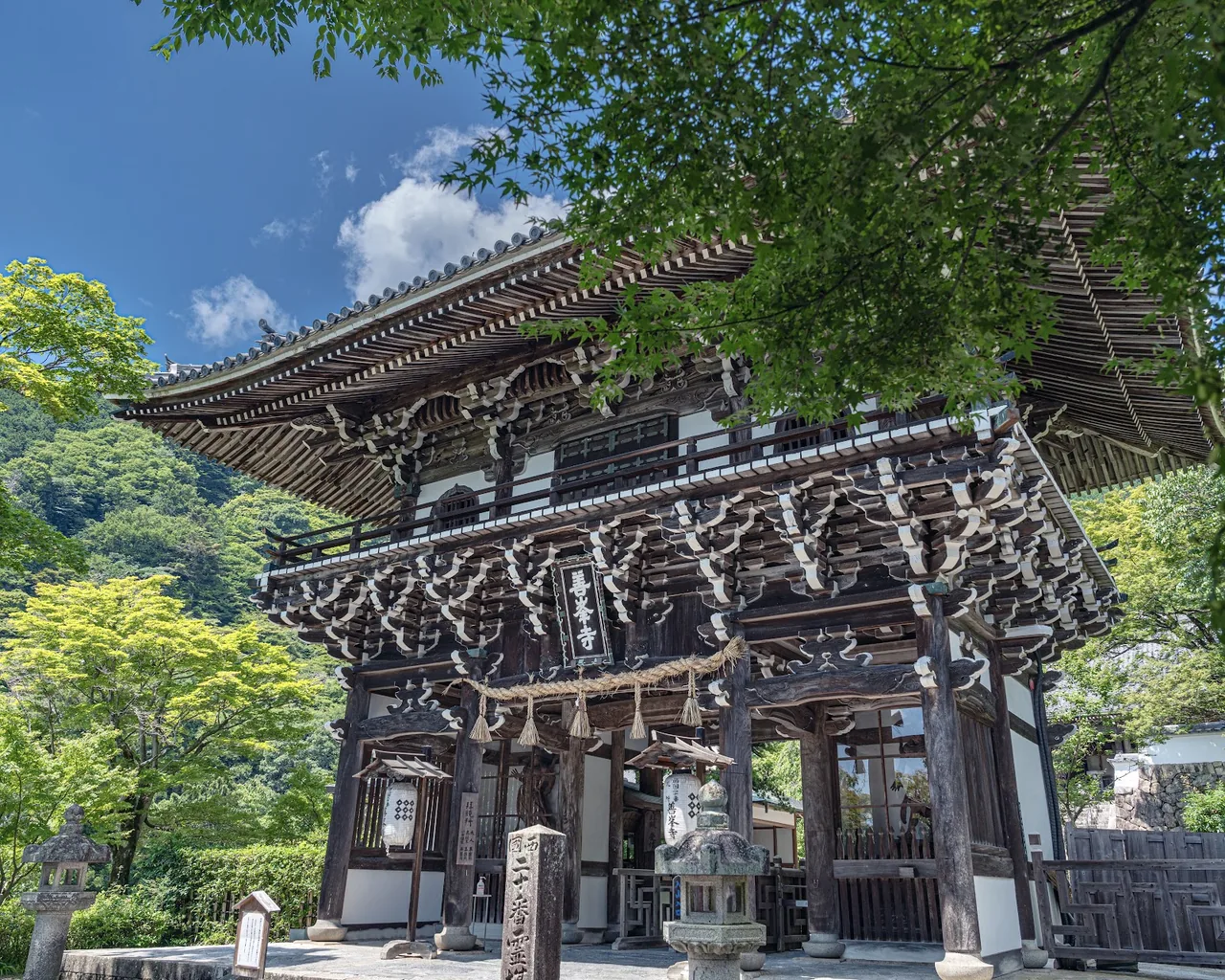
A forgotten temple district tucked into the hills where monks still meditate in near-total silence
 Hidden Gem
A mountain temple with panoramic views over the Kyoto valley, accessible only by mountain trail
When to Visit
Every season reveals a different face of Kyoto Prefecture, from cherry blossoms to autumn foliage.
Springharu
Mar–May10–22°CHigh crowds
Springharu
- Cherry blossoms in Maruyama Park
- Mild temperatures
- Busy Golden Week
- Wisteria at Byodo-in
Summernatsu
Jun–Aug26–34°CModerate crowds
Summernatsu
- Gion Matsuri festival
- Kawadoko dining in Kibune
- Humid but lively
- Mountain hikes in Ohara
Autumnaki
Sep–Nov10–24°CHigh crowds
Autumnaki
- Spectacular momiji colours
- Perfect temperatures
- Takao maple viewing
- Lower humidity
Winterfuyu
Dec–Feb2–10°CLow crowds
Winterfuyu
- Snow on temple rooftops
- Onsen season
- Fewer tourists
- Clear mountain air
Suggested Itineraries
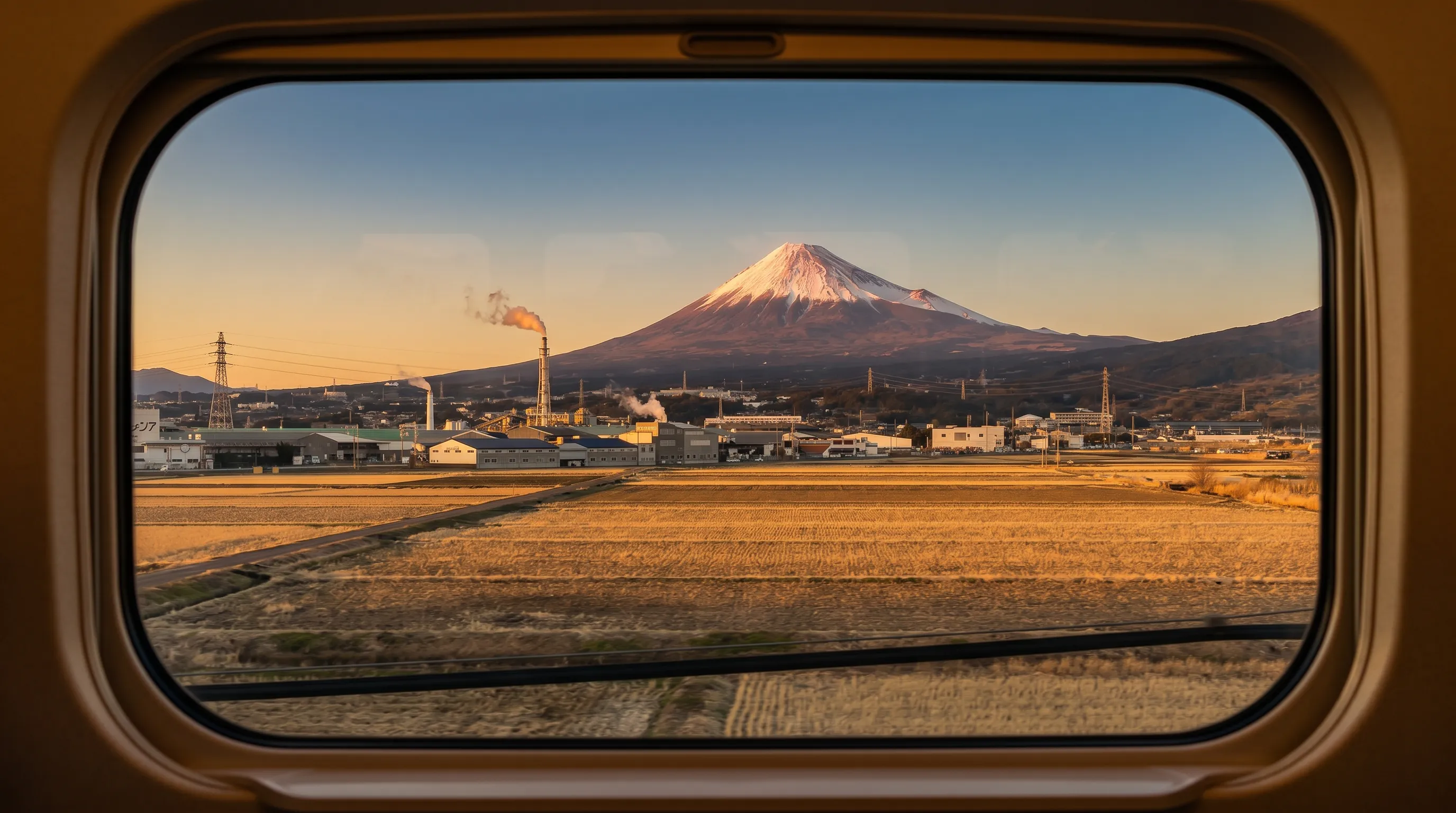
From short Kyoto city breaks to extended cultural journeys across the entire prefecture.
FAQ
Do you need a JR Pass for Kyoto Prefecture?
For Kyoto city alone, a JR Pass is unnecessary; most temples are easily reached by local bus or subway. For day trips to Uji, Arashiyama, and Nara, a JR Kansai Pass (1–4 days, from ¥2,800) makes far more sense than the national JR Pass.
How many days do you need for Kyoto Prefecture?
A minimum of 4–5 days: 2–3 days for Kyoto city, one day for Uji and Fushimi, and one day for Arashiyama or a mountain village like Ohara. For a relaxed exploration without rushing, plan for 7–10 days.
When are the temples least crowded?
Early morning (before 8:00) and late afternoon (after 16:00). Fushimi Inari is open 24/7; arrive at sunrise for empty torii tunnels. Avoid weekends and Japanese public holidays.
Can you visit Kyoto Prefecture without speaking Japanese?
Yes, though a few basic phrases go a long way. In Kyoto city, many staff speak English; in mountain villages like Kurama and Takao, far fewer do. Download a translation app and learn 'arigato gozaimasu' (thank you); it opens doors.
What is the best transport pass for the prefecture?
The Kyoto City Bus Pass (¥600/day) covers travel within the city. For the wider prefecture, use a JR Kansai Pass or individual tickets. The Keihan Electric Railway connects Kyoto with Uji and offers day passes from ¥800.
Are there dress codes at the temples?
No strict dress code, but covering shoulders and knees is a sign of respect. Remove shoes before entering buildings. Some temples prohibit photography inside; observe the signs.
Can you taste matcha in Uji?
Absolutely. Uji is Japan's matcha capital. Visit Tsuen Tea (the world's oldest tea shop, established in 1160) or Nakamura Tokichi for traditional matcha ceremonies and desserts. Check opening hours in advance.