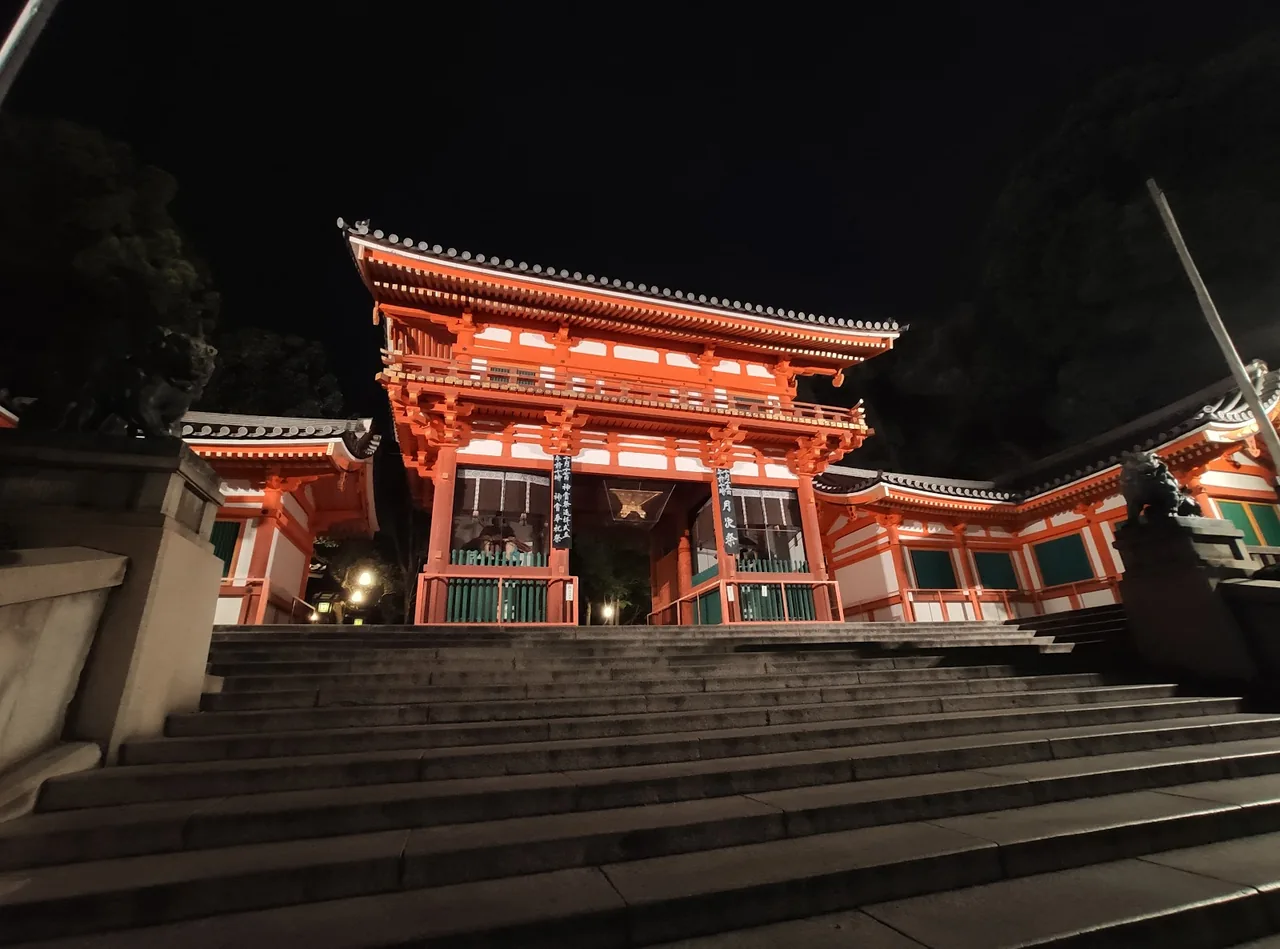


Kiyomizu-dera (‘pure water temple’) sits on the eastern Higashiyama hillside, founded 778 AD around the Otowa waterfall. The current main hall (Hondō, with its iconic 13m-high wooden veranda jutting out over the slope) was rebuilt in 1633 by the Tokugawa shogunate, entirely without nails. UNESCO World Heritage. ¥400 entry, opens 06:00 (yes, six in the morning), and the only A-list Kyoto temple where dawn empties the place.
What to Expect
Climb Kiyomizu-zaka (a 500m sloped approach lined with green-tea, yatsuhashi sweet, and pickled-vegetable shops; tourist-priced but historical) to the vermillion Niōmon gate. Pay at the Hondō, walk onto the famous wooden stage; bowing protocols apply, but the camera-and-shuffle crowd dominates by mid-morning. Below the hall, queue at the Otowa waterfall: three streams (longevity, success in school, love); choose one. Drinking from all three is greedy and considered bad luck. Allow 60–90 min including approach.
How to Get There
Getting There
- 1Bus 100 or 206 → Gojō-zaka
- 2Walk uphill via Kiyomizu-zaka → Kiyomizu-dera
- 1Walk south through Higashiyama → Sannenzaka → Ninenzaka → Kiyomizu-zaka
Tips
- Be at the gate by 06:00. The temple opens at six and almost no day-tripper arrives before eight. The first ninety minutes have the morning light hitting the stage and an unobstructed view across the city.
- Choose ONE Otowa stream. Drinking all three is a tourist tell and considered greedy. Locals choose love (right) or longevity (left); school success (middle) is for students before exam season.
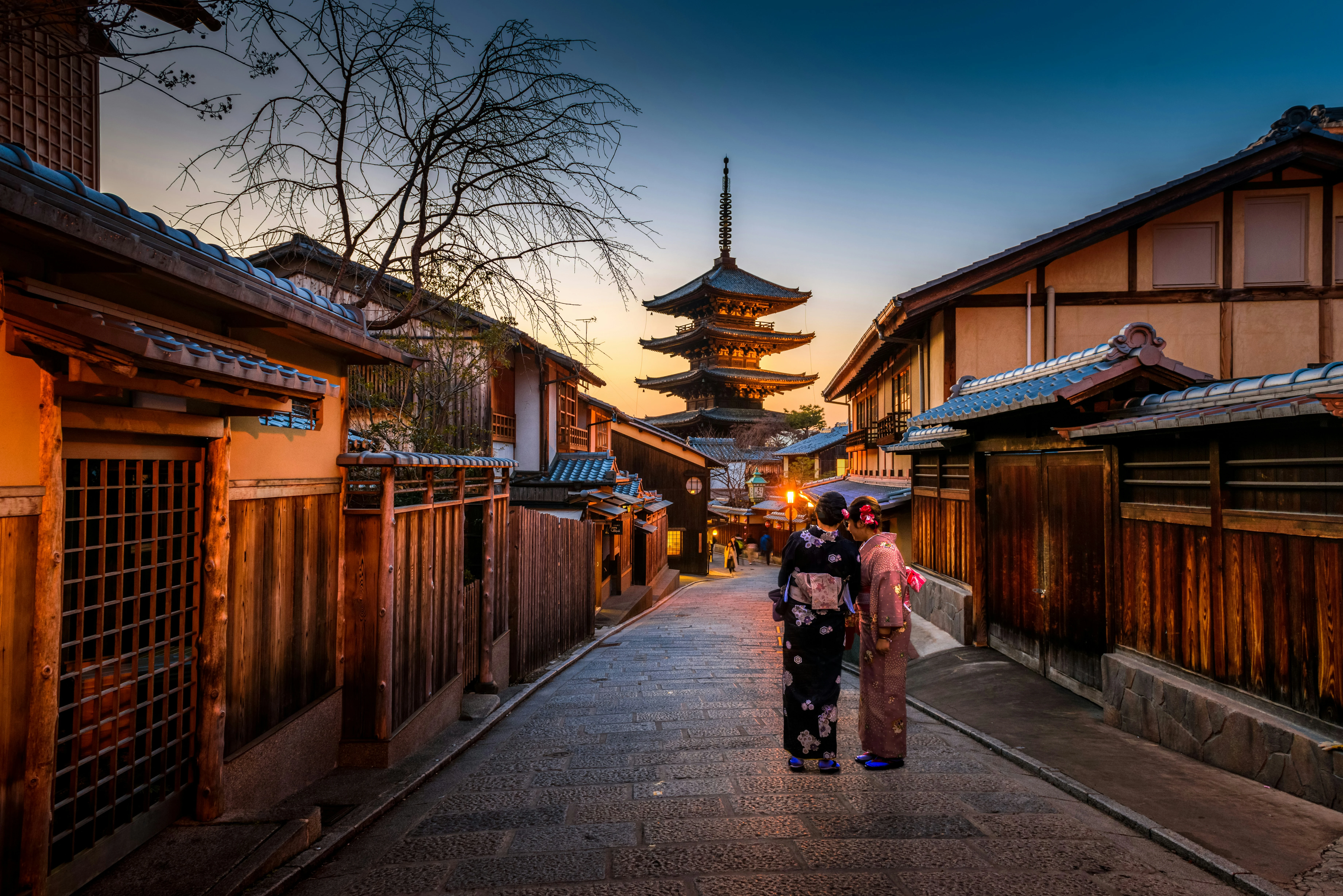
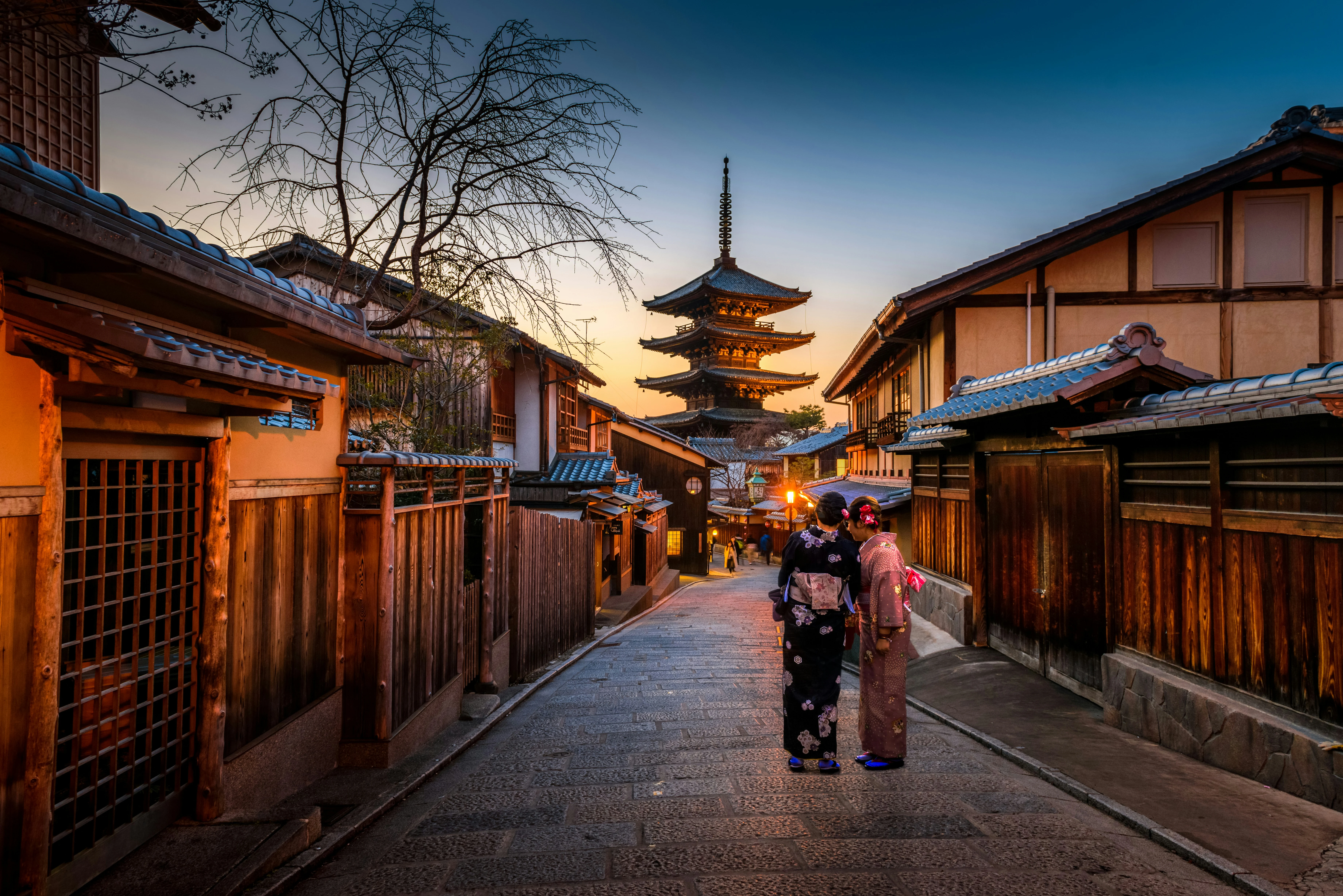
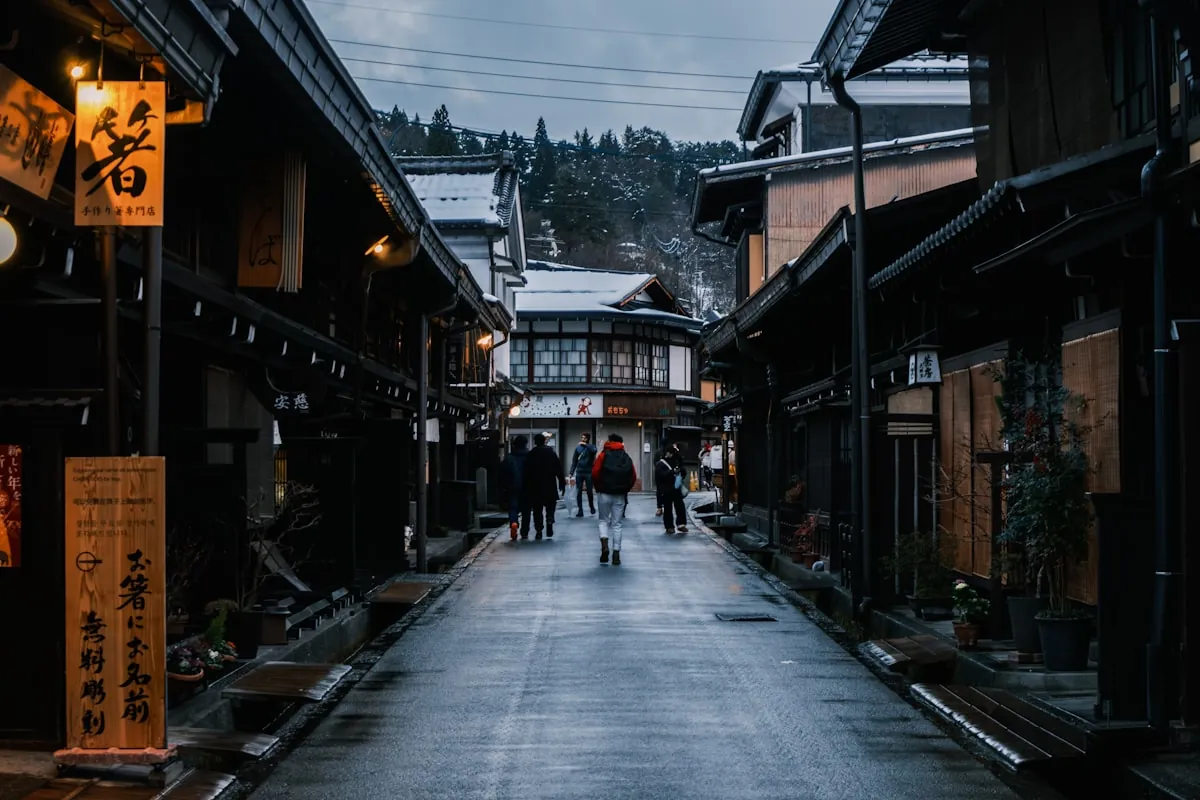
- Combine with Sannenzaka + Ninenzaka. The 200m+ historic stone-paved approach streets are a destination in themselves, best photographed before 09:00 when shop shutters are still half-down.
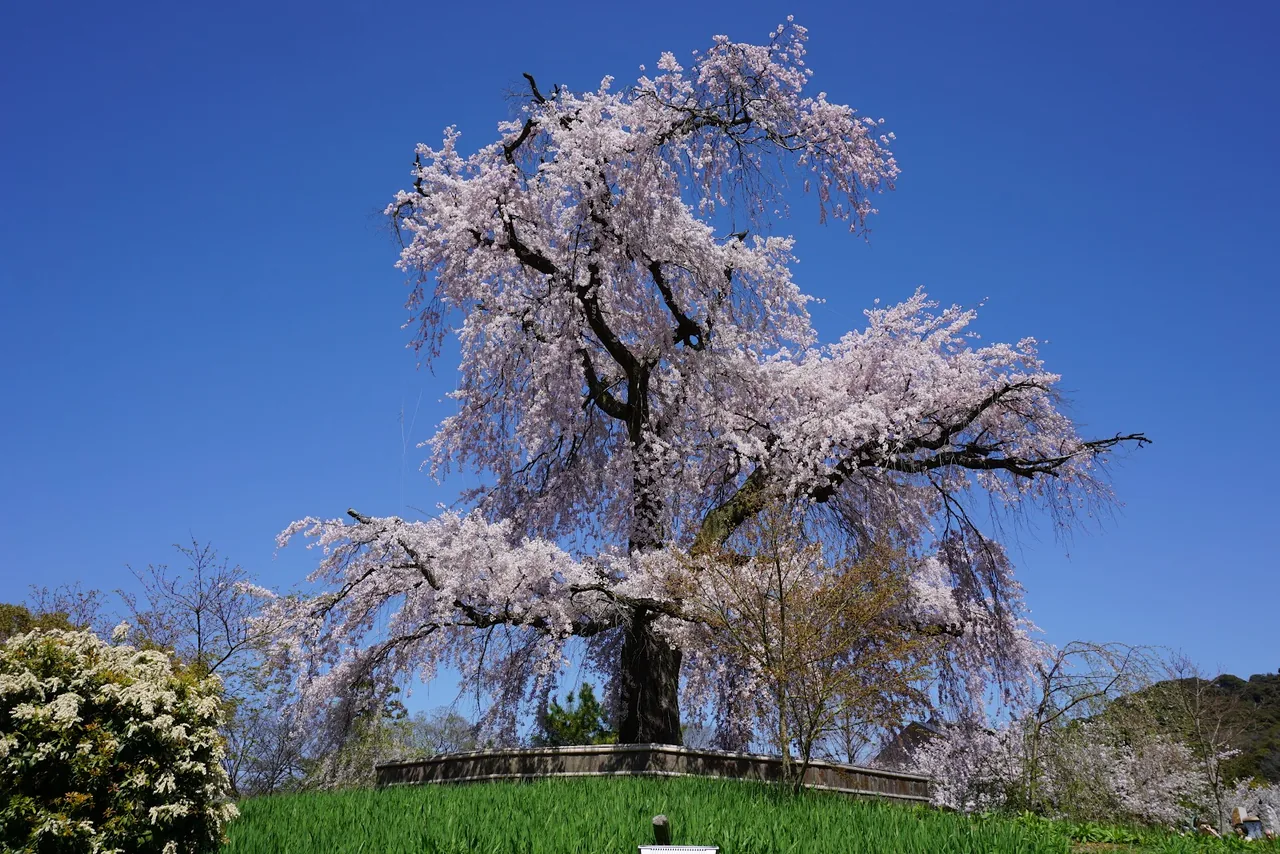
- Spring + autumn night illuminations. Late March–early April (sakura) and mid-November–early December (kōyō). ¥800 ticket, separate evening session. Reserve a same-day slot online; walk-up queues hit 90 min.
Consider Nariaiji Temple Instead

- Where
- 339 Nariaiji, Miyazu, Kyoto 629-2241
- Hours
- Monday: 8:00 AM – 4:30 PM / Tuesday: 8:00 AM – 4:30 PM / Wednesday: 8:00 AM – 4:30 PM / Thursday: 8:00 AM – 4:30 PM / Friday: 8:00 AM – 4:30 PM / Saturday: 8:00 AM – 4:30 PM / Sunday: 8:00 AM – 4:30 PM
- Price
- ¥
- Map
- Open in Google Maps →
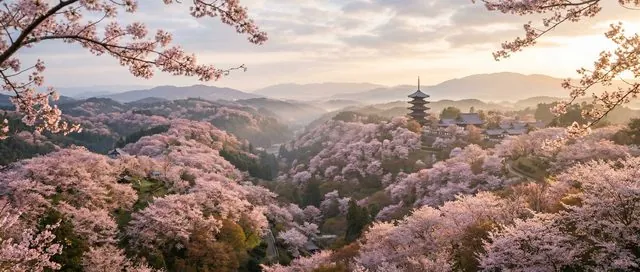
Nariaiji, perched on the forested hills of the Asoumi Peninsula overlooking Amanohashidate, offers the same essential experience as Kiyomizu-dera: a historic hillside Buddhist temple reached by a scenic approach, with sweeping views rewarding the climb. Founded in the 8th century and counted among the 33 temples of the Saigoku Kannon Pilgrimage, it carries genuine religious and historical weight rather than merely scenic appeal. Visitor numbers are a fraction of Kiyomizu-dera's, and the temple sits about 86 km north of Kyoto city, making it a natural addition to any trip that includes Amanohashidate.
- Where
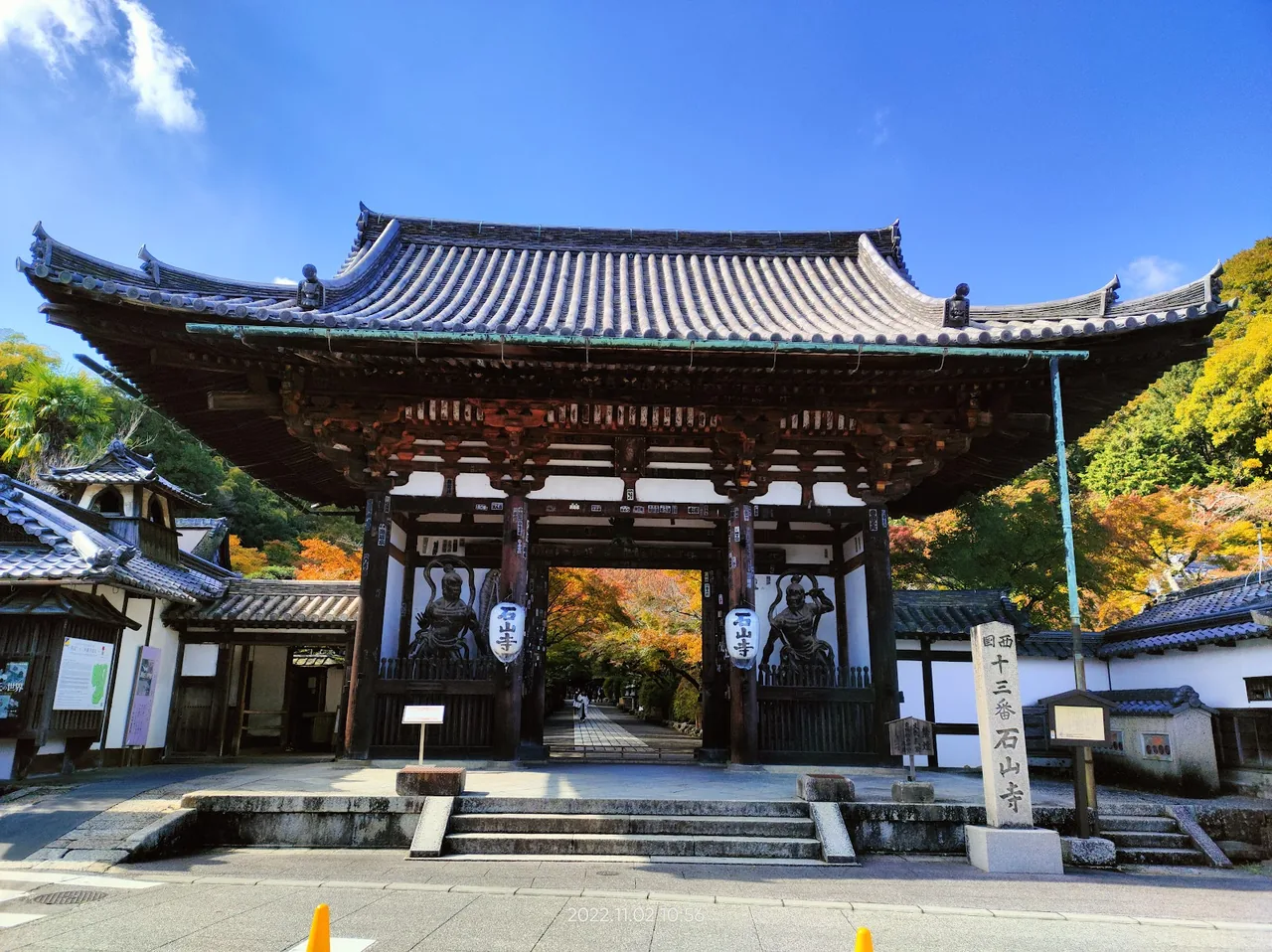
- 1-1-1 Ishiyamadera, Otsu, Shiga 520-0861
- Hours
- Monday: 8:00 AM – 4:30 PM / Tuesday: 8:00 AM – 4:30 PM / Wednesday: 8:00 AM – 4:30 PM / Thursday: 8:00 AM – 4:30 PM / Friday: 8:00 AM – 4:30 PM / Saturday: 8:00 AM – 4:30 PM / Sunday: 8:00 AM – 4:30 PM
- Price
- ¥¥
- Map
- Open in Google Maps →
Kiyomizu-dera draws visitors seeking a grand hilltop temple with sweeping views, a sense of pilgrimage, and access to sacred water. Ishiyamadera, located just 11.6 km away in Shiga prefecture, delivers the same experience: it is a significant pilgrimage temple with commanding views over Lake Biwa and the surrounding landscape, houses a revered Kannon statue, and remains substantially quieter than its famous neighbor. The trade-off is scale—Ishiyamadera is smaller and less internationally renowned—but the core pilgrimage experience and architectural presence are genuine.

- Where
- 180 Kuramakibune-cho, Sakyo-ku, Kyoto 601-1112
- Hours
- 6:00 – 20:00 (May–Nov); reception 9:00 – 17:00
- Price
- Free entry
- Map
- Open in Google Maps →
Kifune Shrine offers a comparable pilgrimage experience to Kiyomizu-dera within the same city, featuring atmospheric stone stairs, red lanterns, and a mountain setting that evokes spiritual contemplation without the crowds. Both are historic Kyoto shrines with water features central to their practice—Kifune's sacred spring versus Kiyomizu's Otowa waterfall—though Kifune lacks UNESCO designation and the iconic wooden stage. At 14 km north, Kifune is easily reached by train and cable car, making it a viable same-day alternative or half-day substitute for visitors seeking the pilgrimage aesthetic with solitude.
FAQ
How long does Kiyomizu take?
60–90 minutes for the temple itself; 2–3 hours if you walk down via Sannenzaka, Ninenzaka and into Gion (which is by far the best way to do it).
Is the wooden stage really nail-free?
Yes. The 1633 reconstruction uses interlocking joinery (sashimono) for the entire 13m-high column-and-veranda structure. 168 zelkova columns, no nails. Survived four centuries of earthquakes.
Can I jump off the stage for good luck?
Don’t. The Edo-period saying ‘jumping off Kiyomizu’s stage’ refers to making a bold decision; literal jumping was actually attempted (~234 recorded leaps in the 1700s, ~85% survival rate) and is now banned. The phrase remains as idiom.
Where to bathe in Kyoto
Onsen
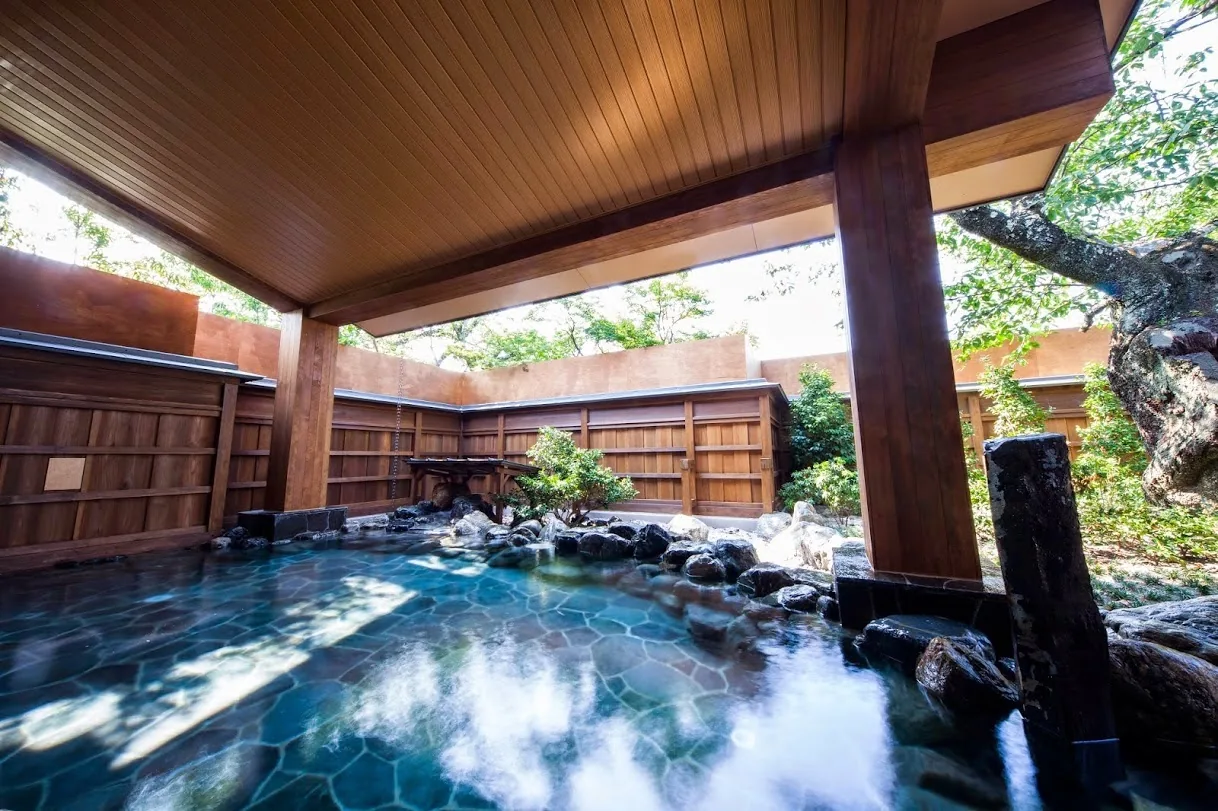
Fu Fu No Yu Onsen
public4.11.8k
Klook-bookable; iconic experience
Day-use onsen in Kyoto: 1,816 Google reviews, 4.1★ average.
Hours, address
- Hours
- Monday: 12:00 – 10:00 PM / Tuesday: 12:00 – 10:00 PM / Wednesday: 12:00 – 10:00 PM / Thursday: 12:00 – 10:00 PM / Friday: 12:00 – 10:00 PM / Saturday: 12:00 – 10:00 PM / Sunday: 12:00 – 10:00 PM
- Address
- 1 Arashiyama Kamikawaracho, Nishikyo Ward, Kyoto, 616-0001, Japan