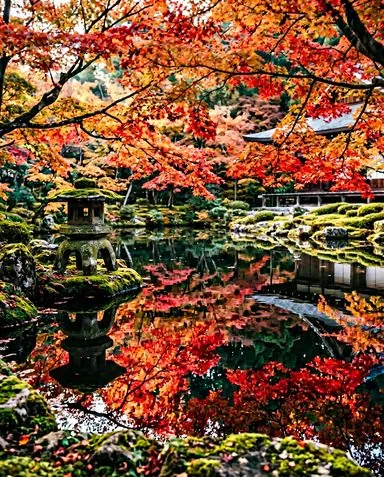

The Keage Incline appears on every Kyoto itinerary in late March, photographed through cherry blossom. What most guides leave out is the larger story: the incline is the steepest stretch of the Biwako Sosui, a 9-kilometre Meiji-era aqueduct that brought drinking water, electric power, and boat freight from Lake Biwa into Kyoto. Paired with the aqueduct arches at Nanzenji and the canal towpath, it anchors one of the city's best short walks in any season.
What to expect
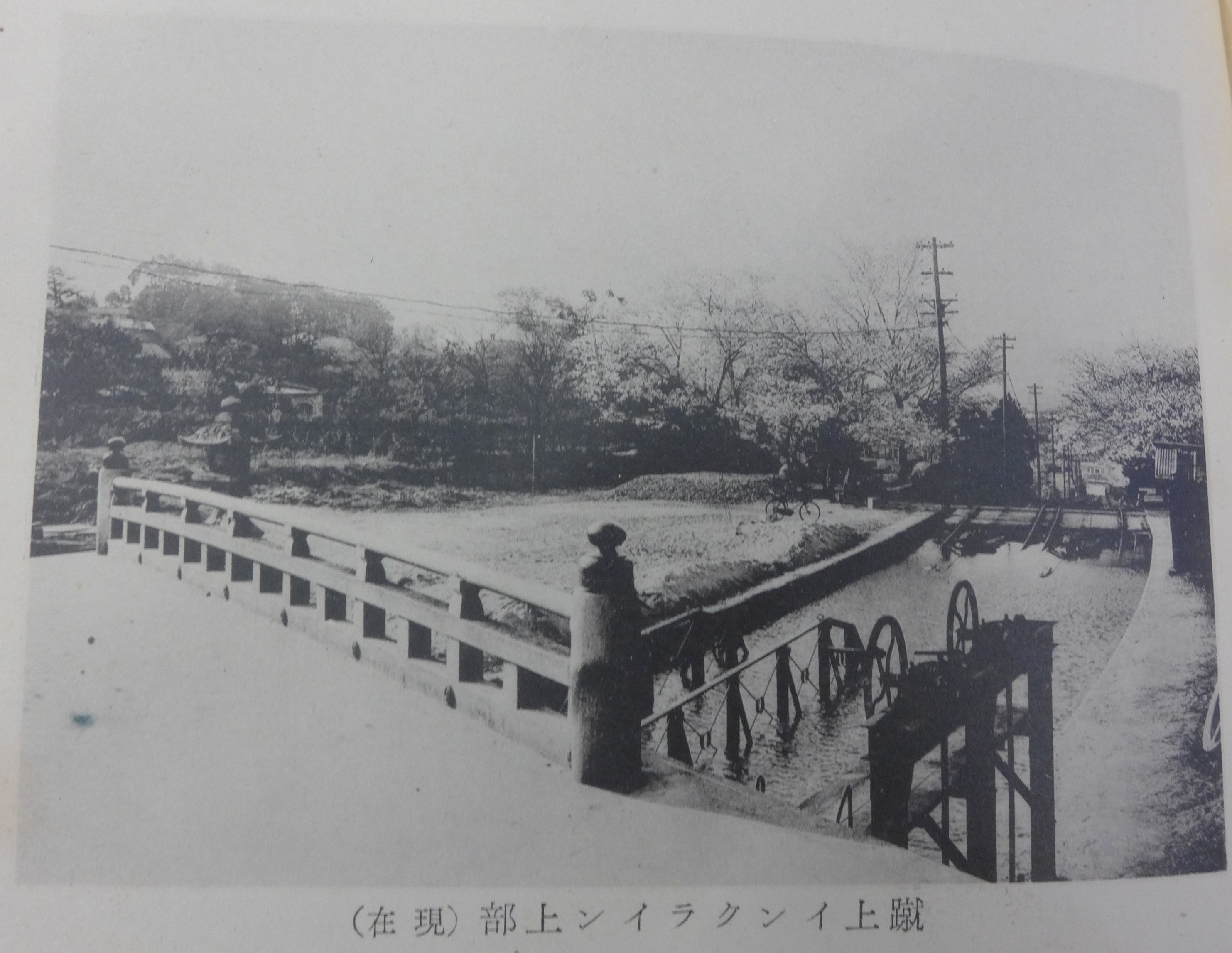
The canal that saved Kyoto
When the imperial court moved to Tokyo in 1868, Kyoto lost its administrative role almost overnight. Population fell sharply through the 1870s and the city faced water shortages, industrial stagnation, and a shrinking tax base. The answer, proposed by a 21-year-old engineer named Tanabe Sakurou, was the Biwako Sosui: a gravity-fed canal drawing water from Lake Biwa, 9 kilometres away and 36 metres higher in elevation than central Kyoto.
The first canal opened in 1890 after five years of construction. It delivered three things at once: clean drinking water piped directly into the city, hydraulic power for what became Japan's first electric streetcar (which ran in Kyoto in 1895, three years before Tokyo had one), and a freight route for goods from Shiga. A parallel second canal followed in 1912. The water still flows today along the same route, still supplying Kyoto's municipal water system.
The incline's ingenious mechanism
Between the upper canal level at Yamashina and the lower Okazaki canal basin, the terrain drops over a 582-metre stretch at an 18% gradient. Running locks would have required releasing the water pressure that kept the whole hydraulic system working. The solution was a boat incline: a funicular railway with wheeled cradles that allowed boats to be rolled up and down the slope while still floating in their cradles. The boats never left the water.
Cradles were initially hauled by water-wheel power, then electrified in 1912. As road transport expanded through the early twentieth century, canal freight became uneconomical, and the incline closed in 1948.
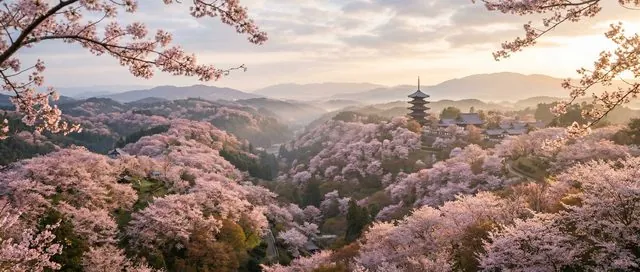
The rails were preserved, and the surrounding strip planted with weeping cherry trees and Yoshino cherries. Those trees now draw the crowds that the incline's engineering once did, with peak bloom from late March to early April, in line with Kyoto's broader sakura season.
The full canal walk
The standard visitor approach, arriving at Keage Station and walking straight to the incline, starts at the wrong end. Begin instead at Nanzenji, five minutes on foot west of Keage Station via Exit 2. This puts you at the highest point first and lets you walk downhill to the station, which is easier on a warm day.
From Nanzenji, the canal towpath runs south-east for roughly 500 metres to the top of the incline. The path is paved, flat and easy to follow. In non-sakura months this stretch is quiet: the canal water reflects the surrounding foliage, and the only sounds are birds and the occasional distant train.
At the top you look down a straight run of rails framed by cherry trees, or their bare branches in autumn, which have their own appeal. Walk the incline to the bottom and you are 300 metres from Keage Station.
In sakura season, expect crowding from mid-morning. The effective solution is to arrive before 8am for the incline, then walk the towpath north toward Nanzenji as tour groups arrive from the station. Foot traffic thins once you are away from the incline itself, and the towpath between the incline top and Nanzenji is consistently less crowded than the incline itself throughout the day.
Nanzenji Aqueduct
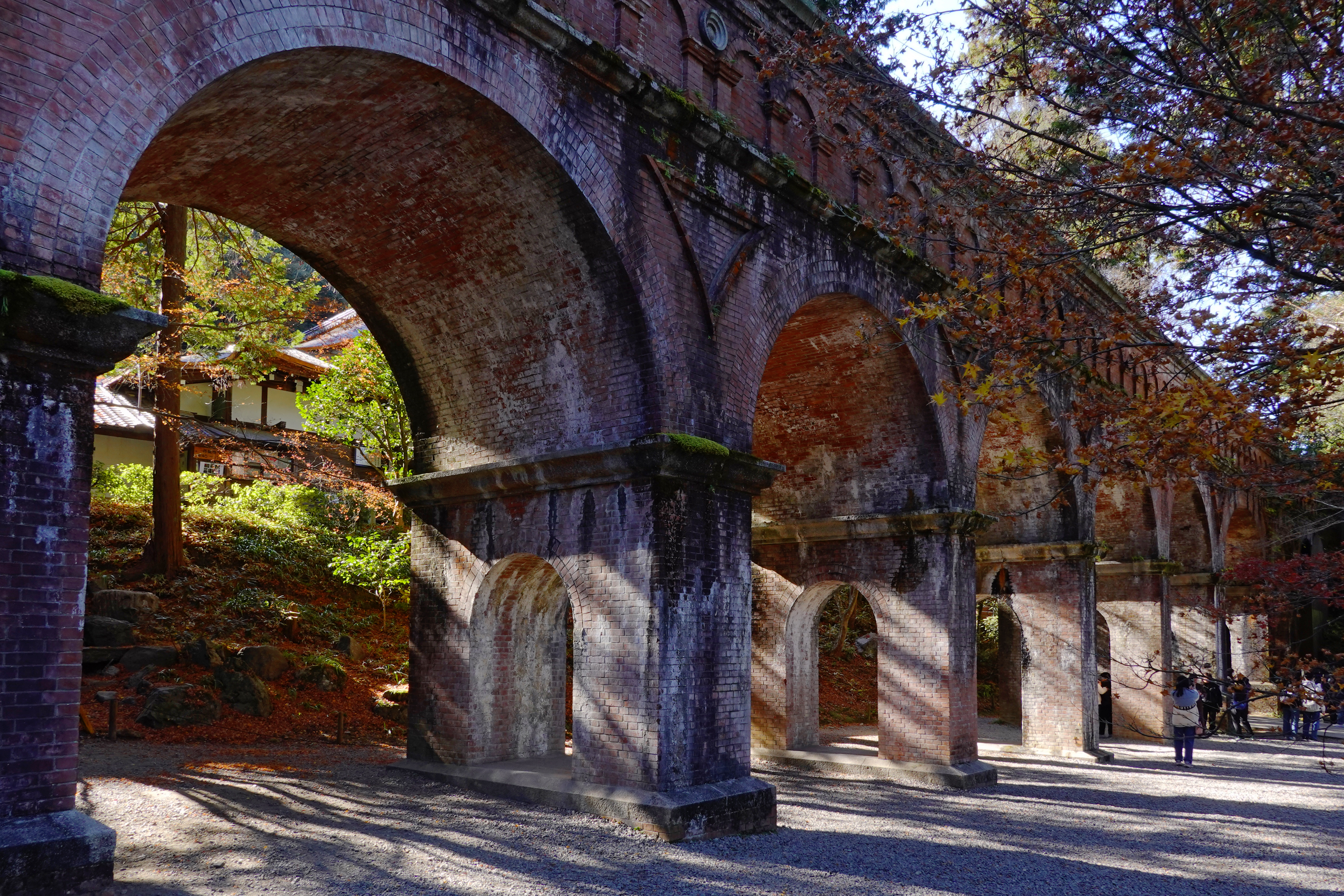
The Nanzenji Aqueduct sits inside the grounds of Nanzenji temple and is part of the same Biwako Sosui system. The southern face presents nine red-brick arches, each ten metres tall, carrying a water channel that still functions. The structure reads as quietly industrial in a way that nothing else in Kyoto does: this is working Victorian-era engineering inside a Zen Buddhist temple complex, and the combination is arresting.
Visitors can walk across the top of the aqueduct on a narrow path alongside the open channel. Entry to the outer temple grounds and the aqueduct area is free, which is the part most people come for.
What costs money, if you have the time:
- Sanmon gate: ¥600 to ascend the two-storey gate you pass on the approach, for views over the treetops
- Hojo (main hall): ¥500
- Inner subtemple garden: ¥400
Okazaki district
The canal walk ends in the Okazaki district, which turns a single train journey into a complete half-day.
- Heian Shrine: ten minutes on foot from the bottom of the incline. Built in 1895 for Kyoto's 1,100th anniversary and to counter the post-Tokyo malaise, it holds a two-thirds-scale replica of the original Heian Palace throne hall. The garden costs ¥600 and is one of Kyoto's best in spring.
- Okazaki Shrine: five minutes east of Heian Shrine, and a deliberate contrast. Small, local, dedicated to rabbits, unpretentious, and free.
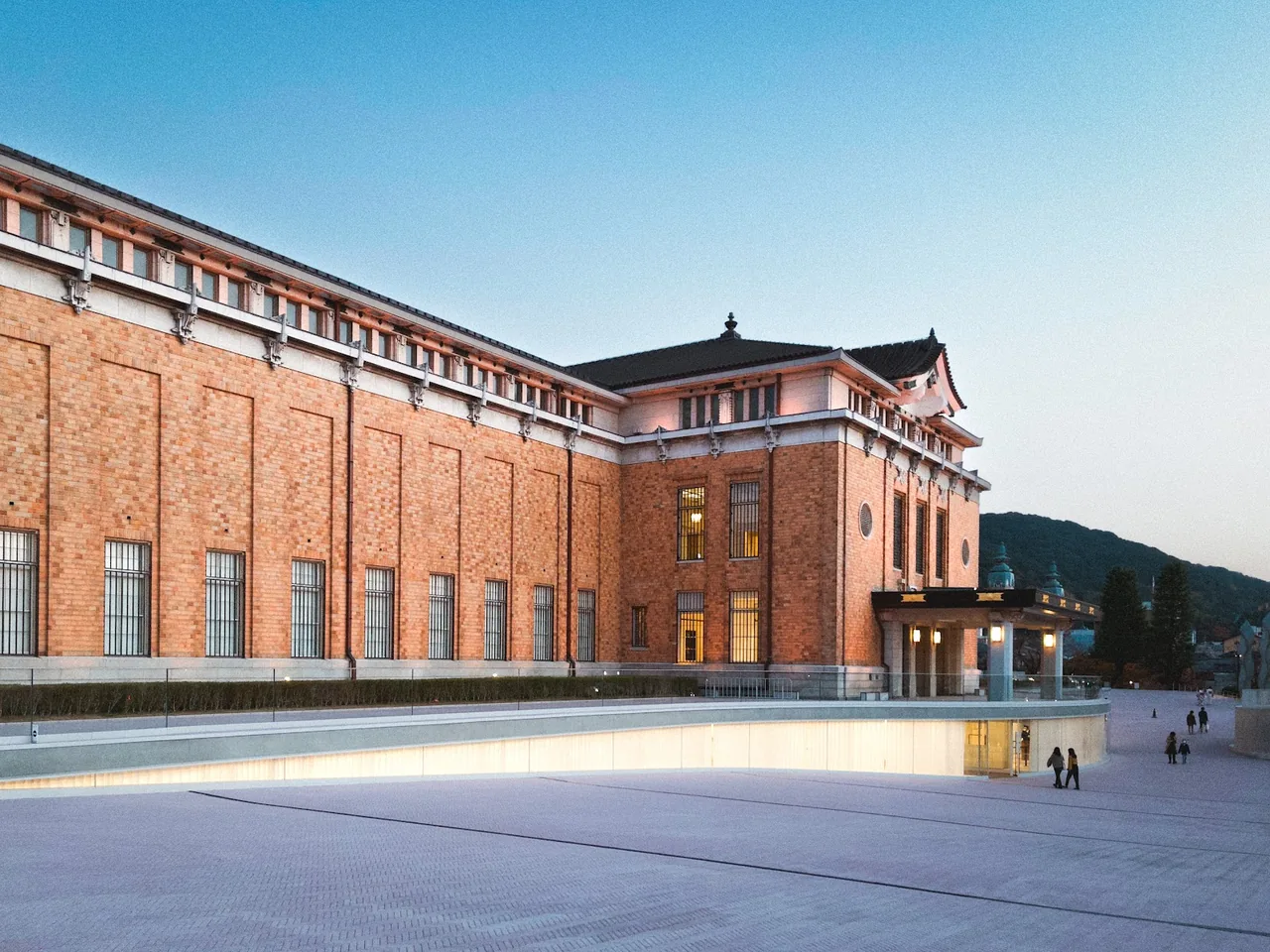
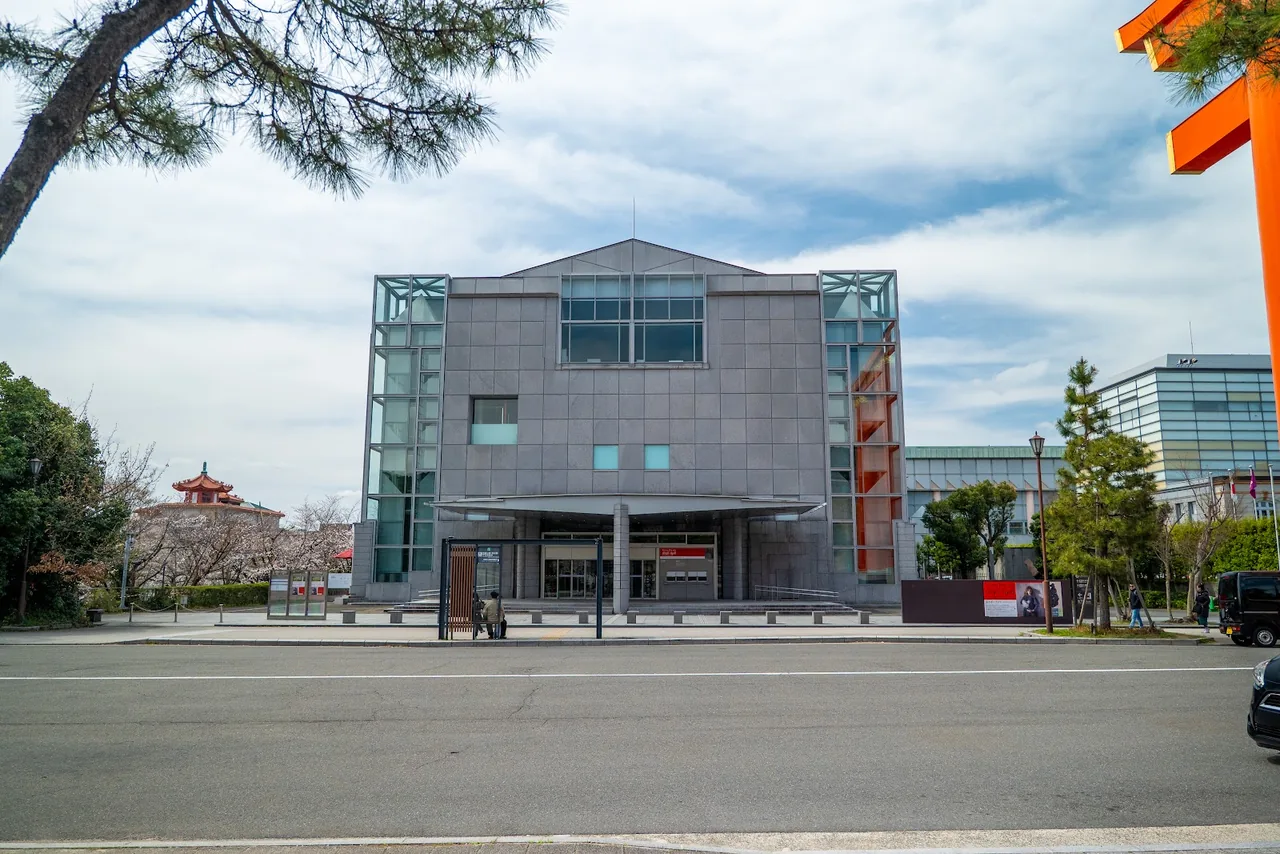
Kyoto Zoo and the city's main art museum occupy the park space between the two shrines, rounding out the area for visitors with more time. The district has cafes, noodle shops, and patisseries along Niomon-dori and the Okazaki canal embankment, clustered without any one being notable enough to name here.
The mystery walk (October to December 2026)
Kyoto's tourism authority launched a mystery-solving walking event in autumn 2026, titled "Naruse wanders an enigmatic path," tracing the full Biwako Sosui route from Otsu in Shiga through Yamashina and down to Keage. It ties into a bestselling Japanese novel, and it suits couples and literary-minded visitors who want a structured day rather than a viewpoint.
- Kit: ¥2,500 for the map, clue sheets and entry to a completion prize draw
- Where to get it: participating tourism information offices in Kyoto
- Full route (Otsu to Keage): six to eight hours
- Kyoto section only (Yamashina to Keage): three to four hours
- Runs until: December 2026
The mystery walk is a seasonal add-on. The towpath walk described above does not depend on it and is worth doing regardless of the event calendar.
Getting There
- 1Take the Karasuma Subway Line → Karasuma Oike Station
- 2Transfer to the Tozai Subway Line (toward Hama-Otsu or Daigo) → Keage Station
- 3Exit via Exit 2 and walk toward Nanzenji
- 1Walk north along Higashiyama-dori, then east on Sanjo-dori
- 2Or take Bus 5 from Gion to Okazaki Koen stop
Tips
Free to visit in any month, the incline rewards early risers year-round. Crowd levels vary sharply by season: cherry blossom peak crowds are real, but the towpath is quiet from May through November.
January
CrowdsQuiet One of the calmest months to visit
WeatherCold and clear
March
CrowdsModerate Cherry blossom approaching: arrive early
WeatherMild, cherry blossom emerging late March
April
CrowdsPeak Late March to early April: cherry blossom peak: arrive before 8am
WeatherWarm spring days
May
CrowdsQuiet Green season, uncrowded from May through November
WeatherWarm and fresh
June
CrowdsQuiet Canal reflections especially good after rain
WeatherRainy season, lush greenery
October
CrowdsQuiet Mystery walk runs October to December 2026
WeatherAutumn foliage beginning
November
CrowdsQuiet Autumn colour along the canal towpath
WeatherRich autumn foliage
December
CrowdsQuiet Bare branches, cool and peaceful
WeatherCold and clear
- Entry fees: The incline itself is free and has no gates or opening hours. Nanzenji's outer grounds (including the aqueduct) are also free; the Sanmon gate (¥600), Hojo (¥500), and the inner subtemple garden (¥400) are paid separately. Heian Shrine grounds are free; the garden is ¥600.
- Time needed: Allow 45 minutes for the incline and towpath alone, 90 minutes if you add the Nanzenji Aqueduct, and 2.5 hours for the full Okazaki half-day including Heian Shrine.
- Cherry blossom timing: Kyoto's peak sakura window falls between late March and early April. Check the annual official sakura forecast (published each January) rather than planning to a fixed date; peak shifts by up to two weeks depending on the year.
- Best light for photography: The incline is south-facing and works best in the morning. The Nanzenji Aqueduct arches are most striking mid-morning once sunlight clears the tree canopy above.
- Non-sakura season: From June through November the incline has minimal crowds. The canal reflections are particularly good after rain, and the area around the aqueduct has a cooler, quieter character than in spring.
- Footwear: The towpath and incline surface are paved and flat. Standard walking shoes are sufficient; no specialist footwear needed.
Nearby
The Keage Incline sits within walking distance of several of Kyoto's best destinations, making it easy to combine in a single eastern Kyoto half-day.
FAQ
Is the Keage Incline worth visiting outside cherry blossom season?
Yes. The engineering history that created the incline is interesting in any season, and the canal towpath to the Nanzenji Aqueduct is quiet and uncrowded from May through November. The incline rails themselves are photogenic against bare winter branches and green summer foliage as well as cherry blossom. The only experience that is genuinely season-specific is the spring sakura crowd.
How much does it cost to visit the Keage Incline?
Nothing. The incline has no entry gate and no opening hours, and the Nanzenji Aqueduct, reached through the temple's outer grounds, is free as well.
Only the add-ons cost anything:
- Nanzenji Sanmon gate: ¥600
- Nanzenji Hojo: ¥500
- Heian Shrine garden: ¥600
How do I get from Kyoto Station to the Keage Incline?
- From Kyoto Station: Karasuma Subway Line to Karasuma Oike Station (6 minutes)
- Transfer: Tozai Line toward Hama-Otsu or Daigo, two stops to Keage Station (4 minutes)
- Total: about 15 minutes, ¥260
- At Keage: Exit 2, then five minutes on foot
Walk straight to the incline for the classic view up the rails, or carry on to Nanzenji first and do the route downhill from the upper end.
Can I walk from Higashiyama to the Keage Incline?
Yes, it is about a 20-minute walk from the Gion-Shijo or Higashiyama station area along Sanjo-dori heading east. This route passes through a quiet residential and temple stretch and gives a different approach to the area than arriving by subway.