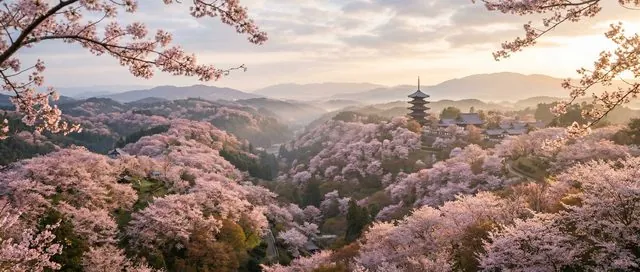
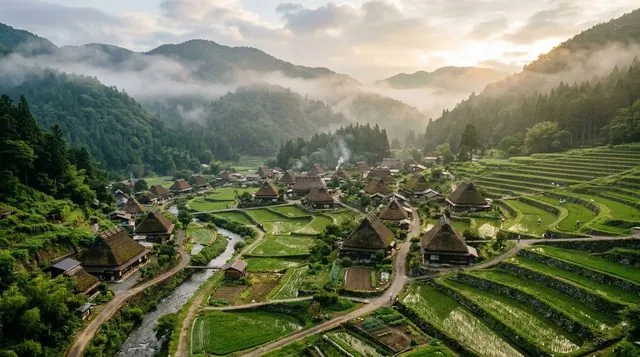
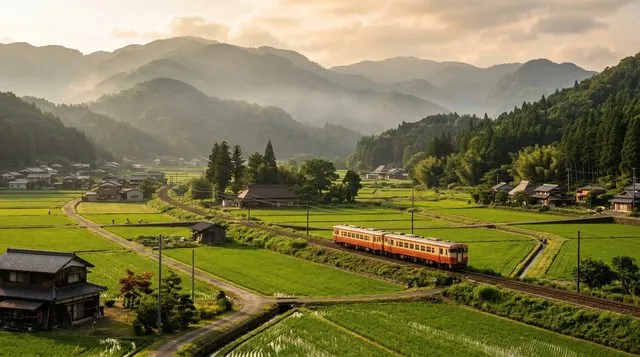
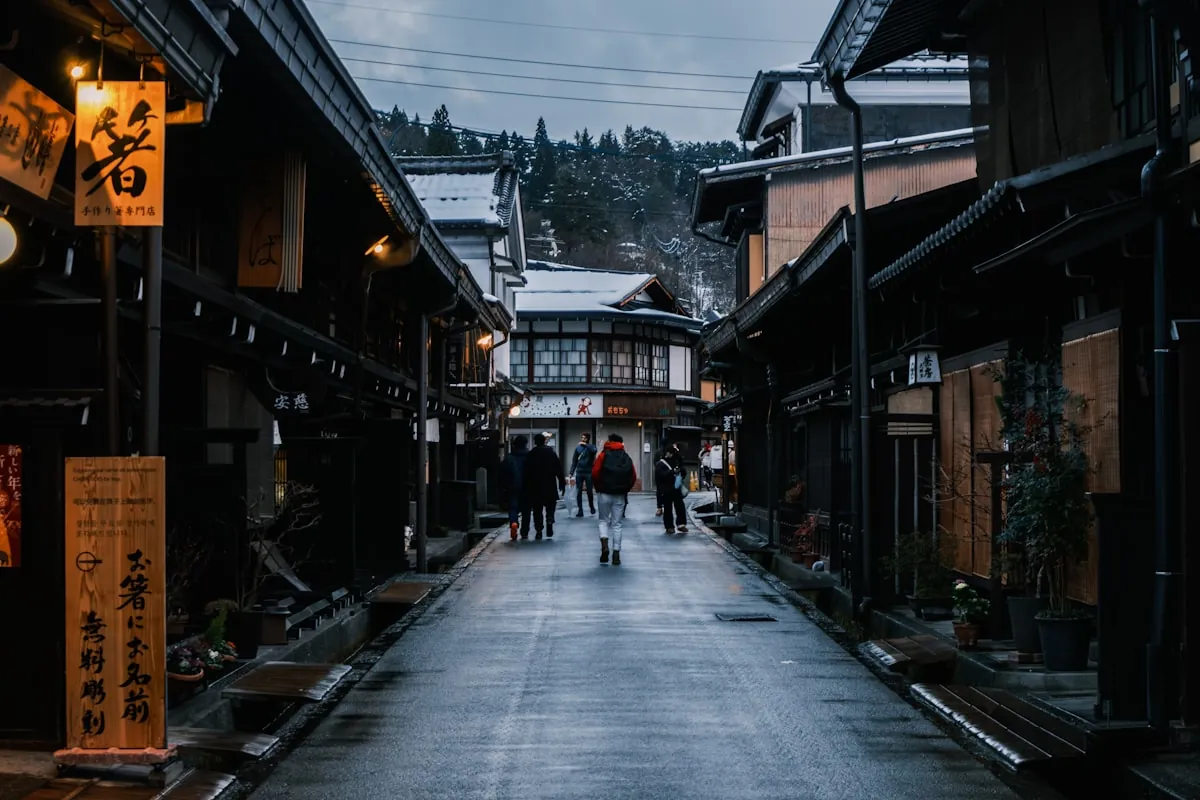
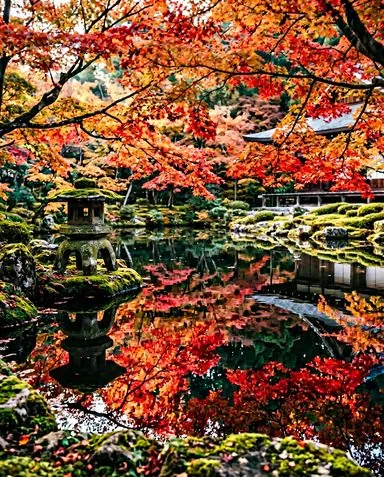
Shirakawa-go is Japan's most photographed mountain village: 60-degree thatched roofs designed to shed three metres of winter snow, surrounded by the Hakusan range. UNESCO listed it in 1995 and it has been the standard Hida-region day-trip detour ever since. The trade-off is brutal: 8,000 day-trippers a day swarm a village of 1,800 residents from 10:00 to 16:00. The fix is sunrise arrival, or (better) staying overnight in one of the working family minshuku.
When to Visit
What to Do in Shirakawa-go
Half a day covers the village; an overnight unlocks the evening illumination and quiet sunrise.
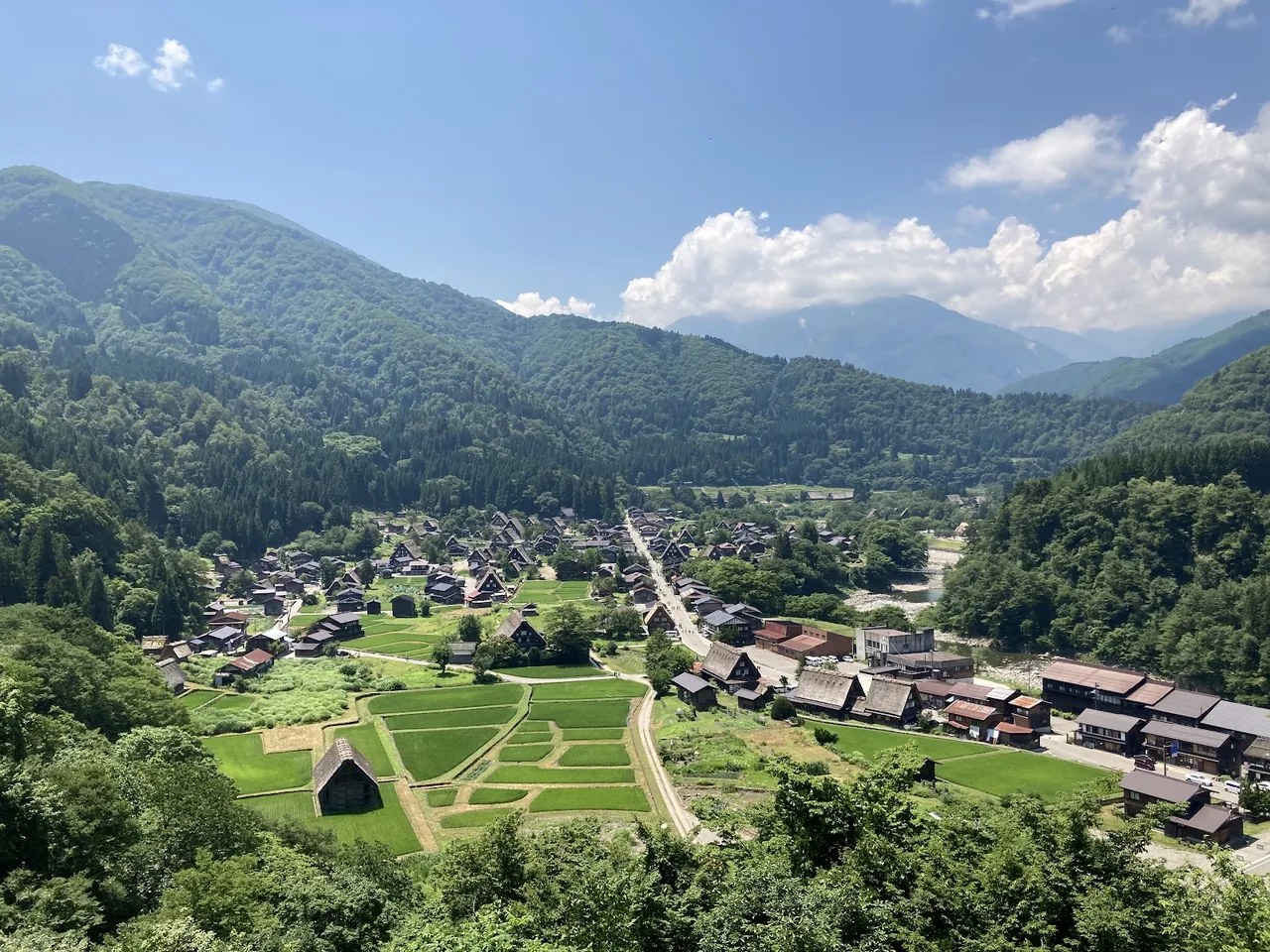
10-min uphill walk to the iconic panorama of the village against the Hakusan range; empty before 08:30
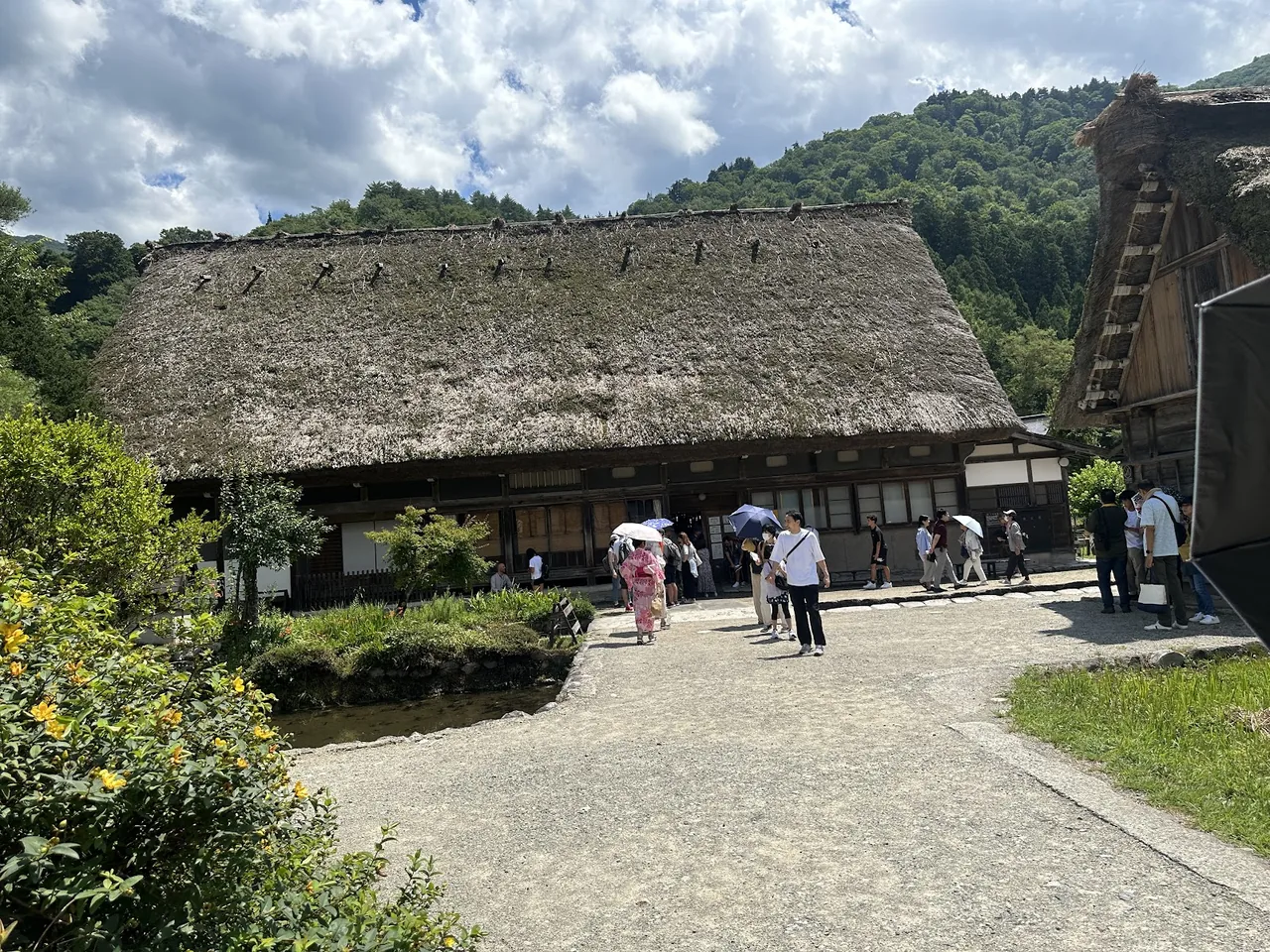
Largest of the surviving 18th-century gassho farmhouses, four floors open to visitors
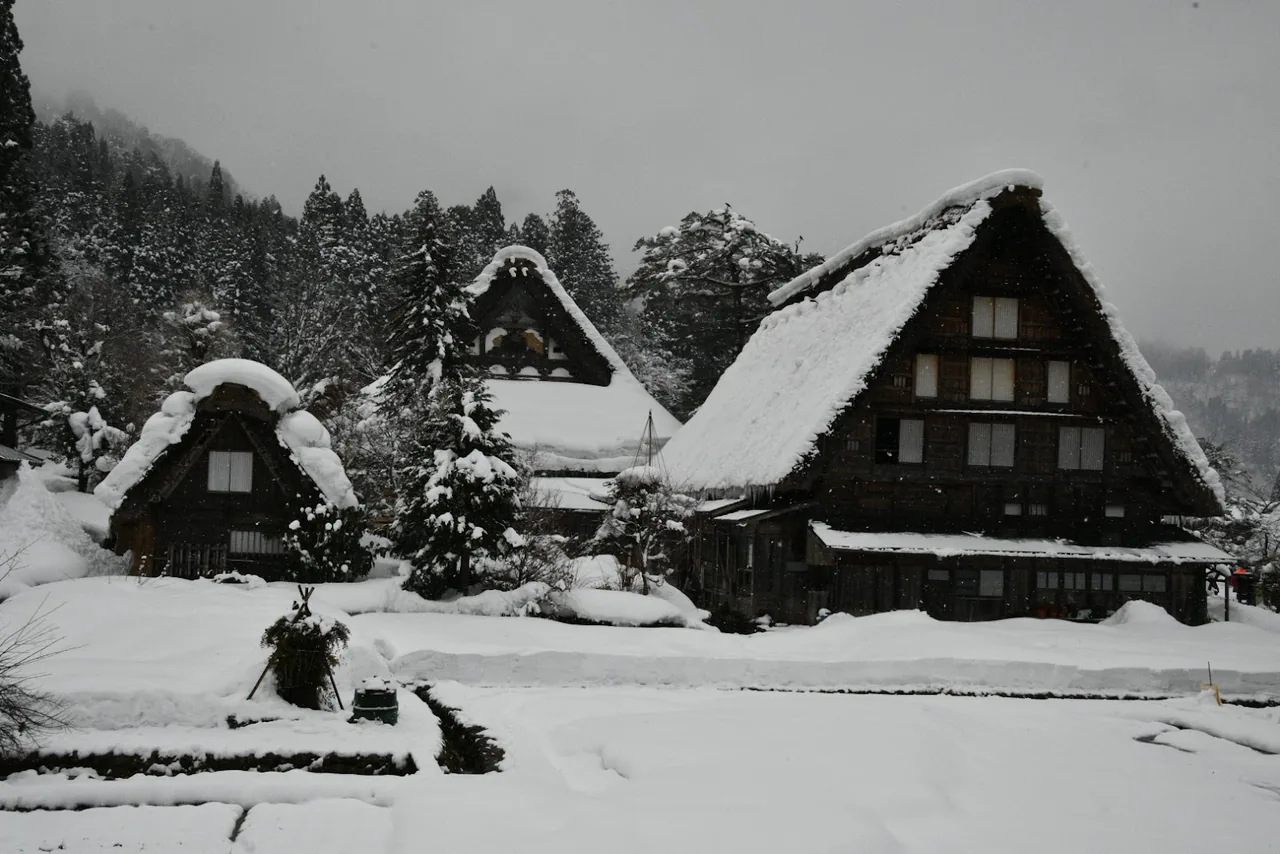 Hidden Gem
Gassho-zukuri temple lodging built into the village fabric, a rare piece of temple-thatched architecture
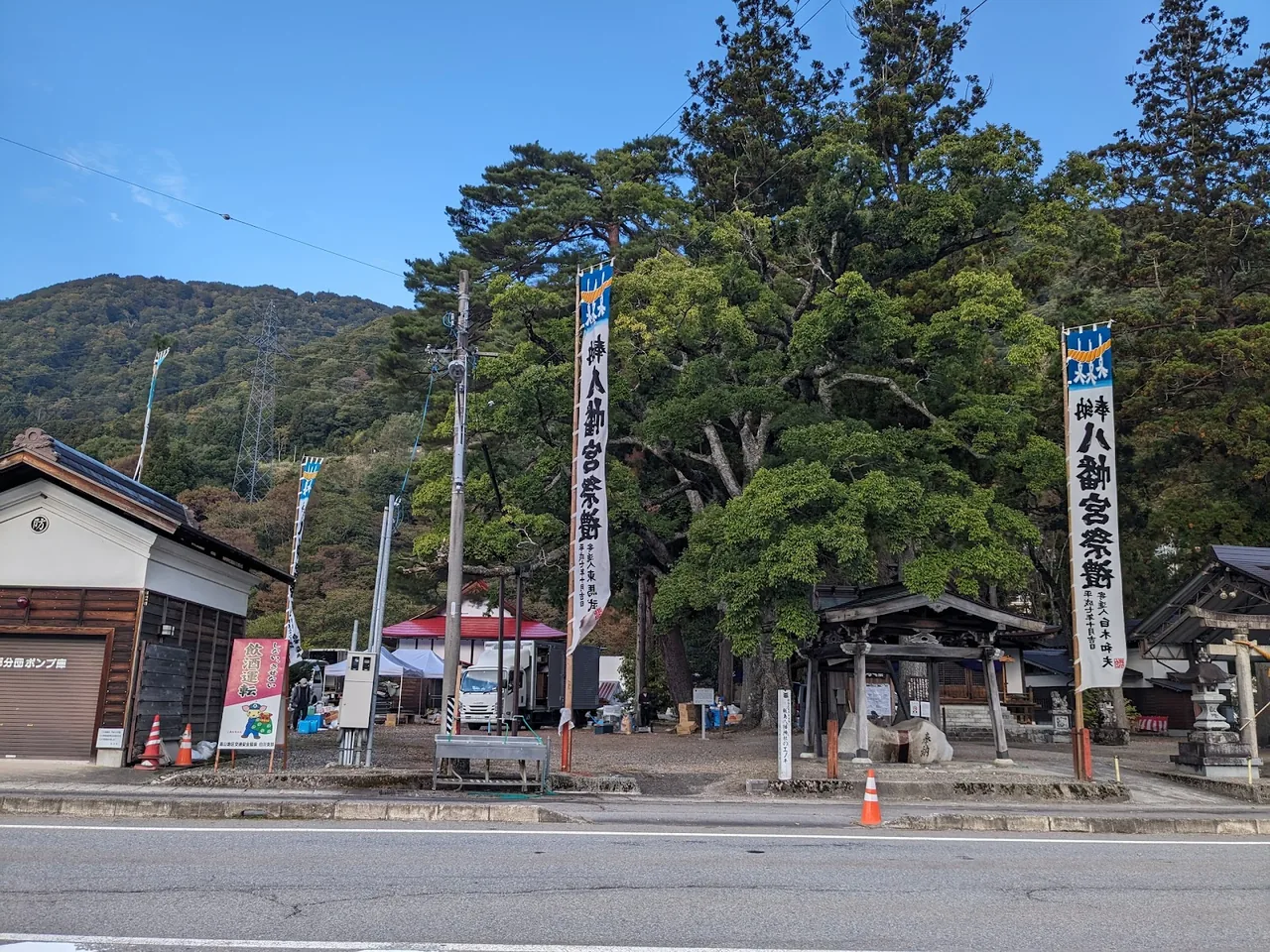 Hidden Gem
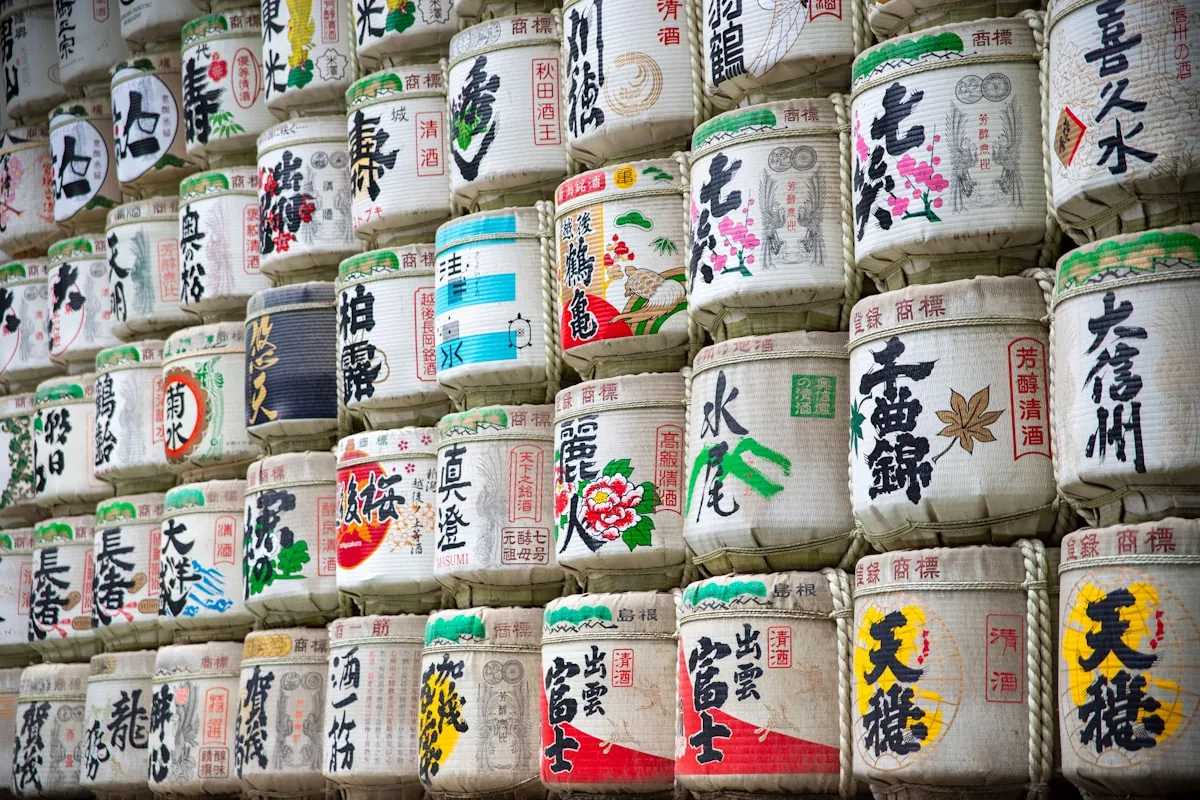
Museum about Shirakawa-go's annual unfiltered-sake festival; sake sold in village shops year-round
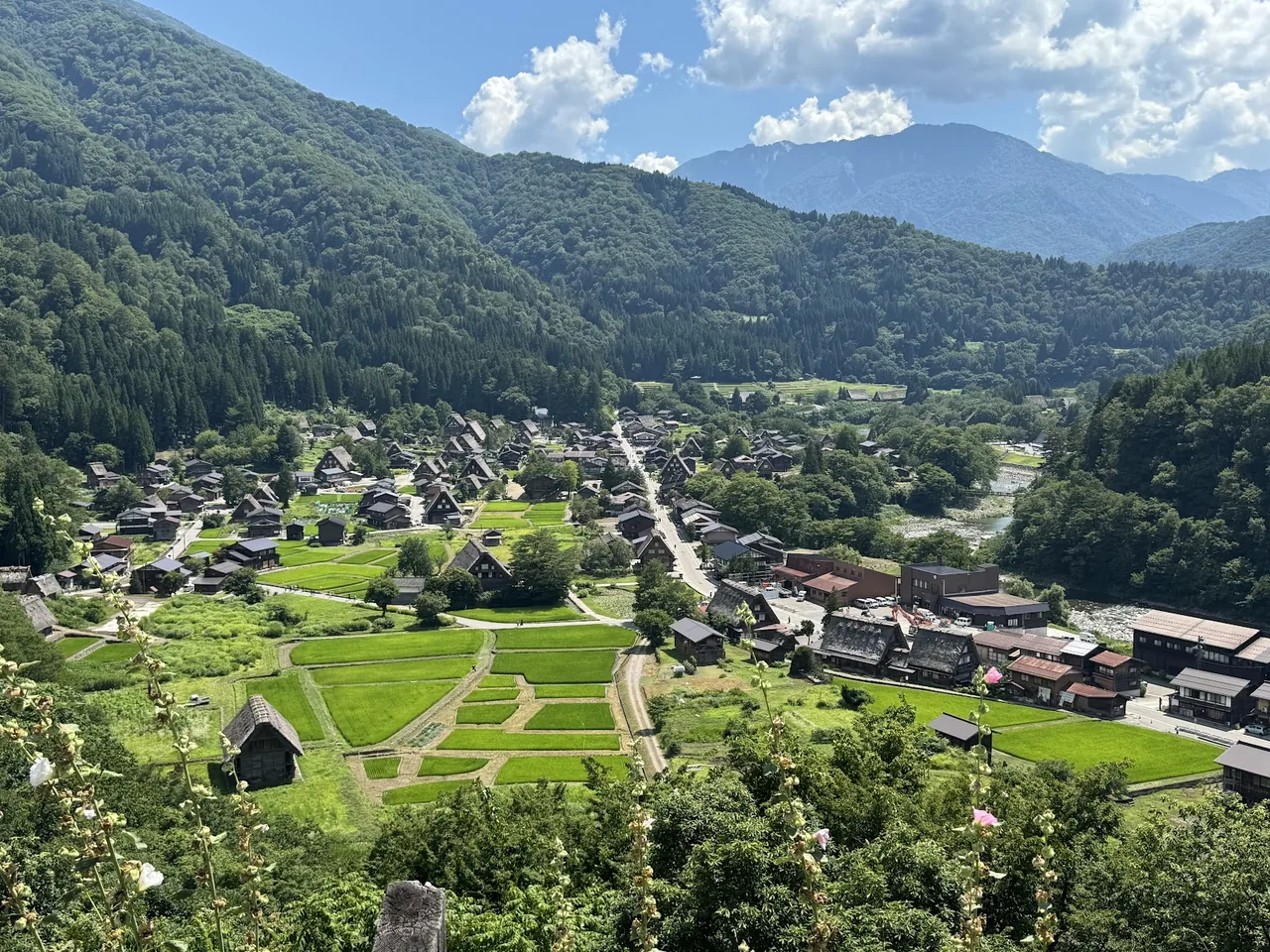
Wander the central village paths: over 100 gassho farmhouses, narrow stone-lined irrigation canals
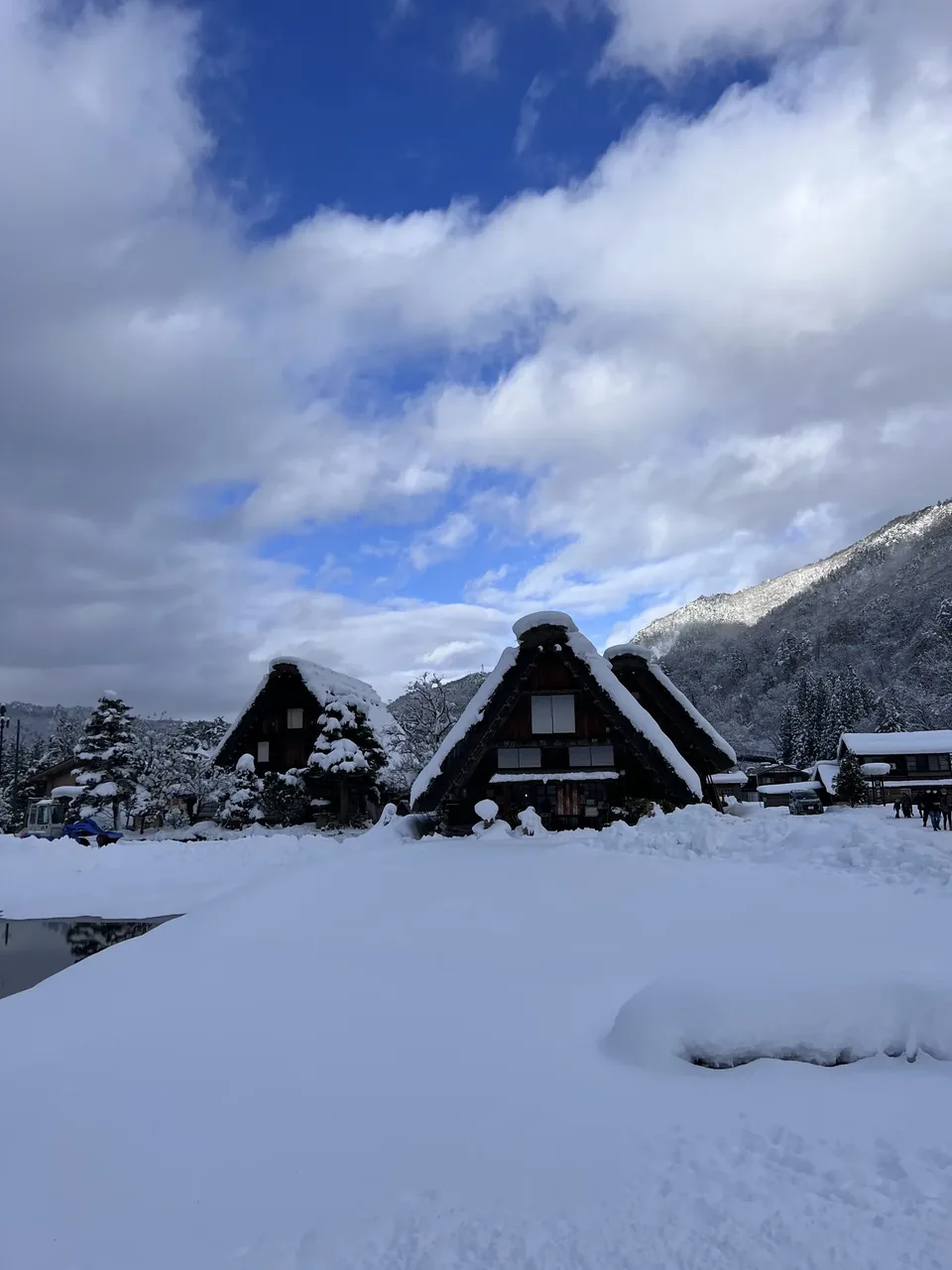
Relocated gassho farmhouses across the river. Interiors open year-round, easier than peering at residents’ homes
Skip the Crowds
- Stay overnight at a minshuku. The village empties at 17:00 when the last buses leave; you have it almost to yourself for the evening and sunrise.
- Shiroyama before 08:30. The viewpoint is free and silent in the early hour; the same panorama at 11:00 has a 30-minute photo queue.
- Skip the light-up gambit. The Jan/Feb light-up nights are spectacular but require winning a lottery 4-6 months ahead. Visit any other winter weekend for snow + quiet.
- Walk the river side. Most day-trippers stay on the main street; the Ogimachi river path on the eastern edge is empty.
Food & Drink
Hida beef, doburoku unfiltered sake, mountain vegetables.
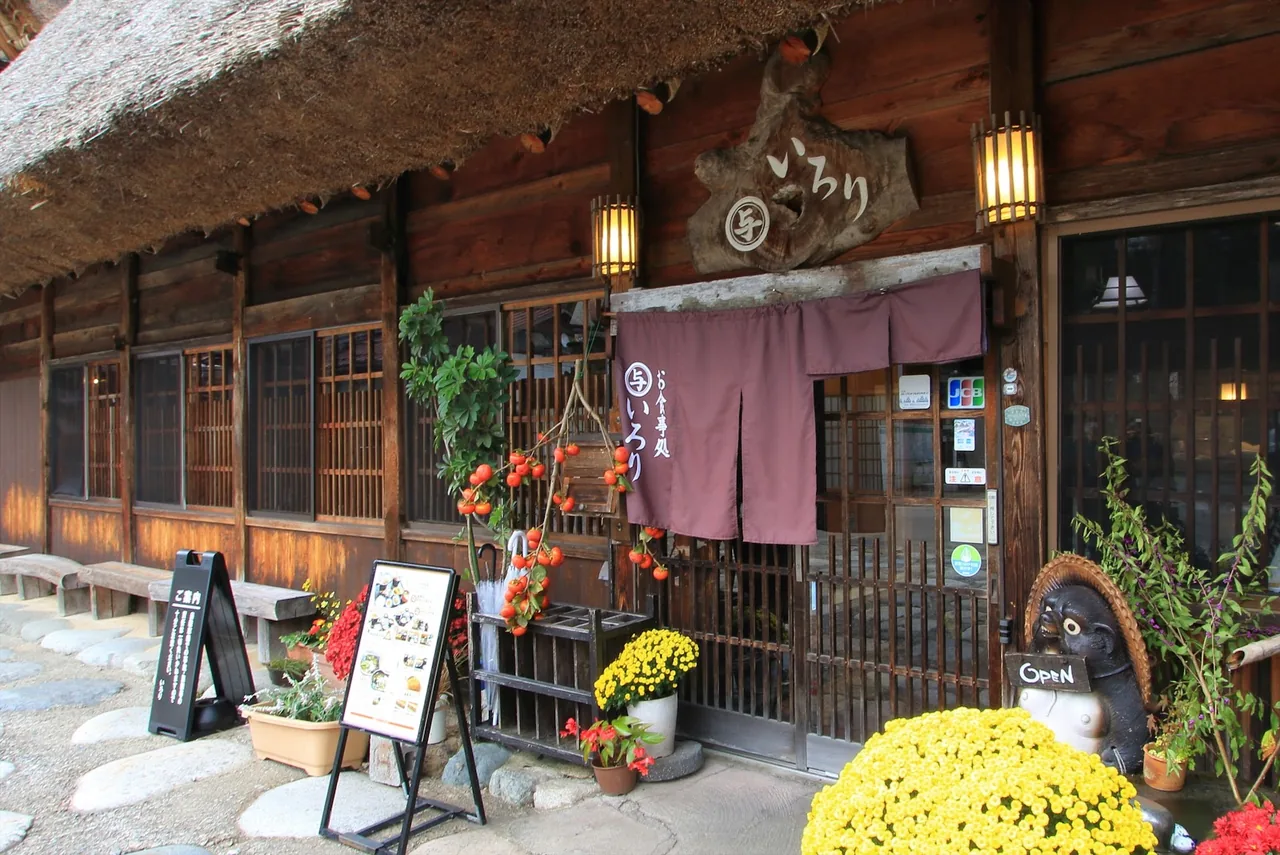
Hida-beef grilled on a magnolia leaf with miso, the signature local dish
Tasting flight of unfiltered doburoku sake, only available in Shirakawa-go
Where to Stay
Family-run minshuku inside actual gassho-zukuri farmhouses: the only way to experience the village after the day-trippers leave.
Booking links are affiliate links. They cost nothing extra and support the site.
Day Trips
Shirakawa-go is itself a day trip from Takayama or Kanazawa, but pairs naturally with these other Hida-region destinations.
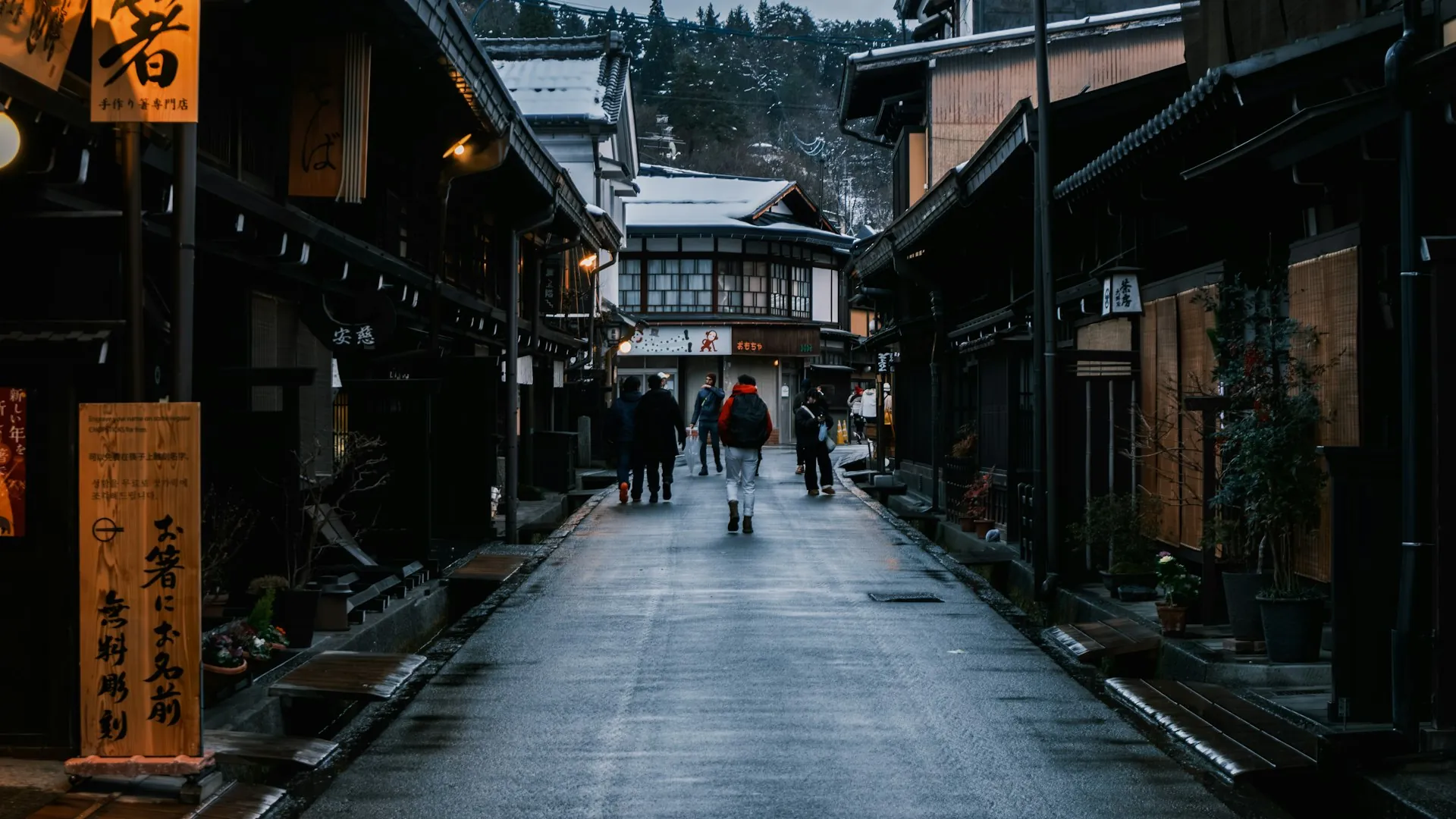
Takayama
Edo merchant town with sake breweries, 50 min by bus
Edo merchant town
- Sanmachi-suji old town
- Six in-town breweries
- Spring/autumn matsuri
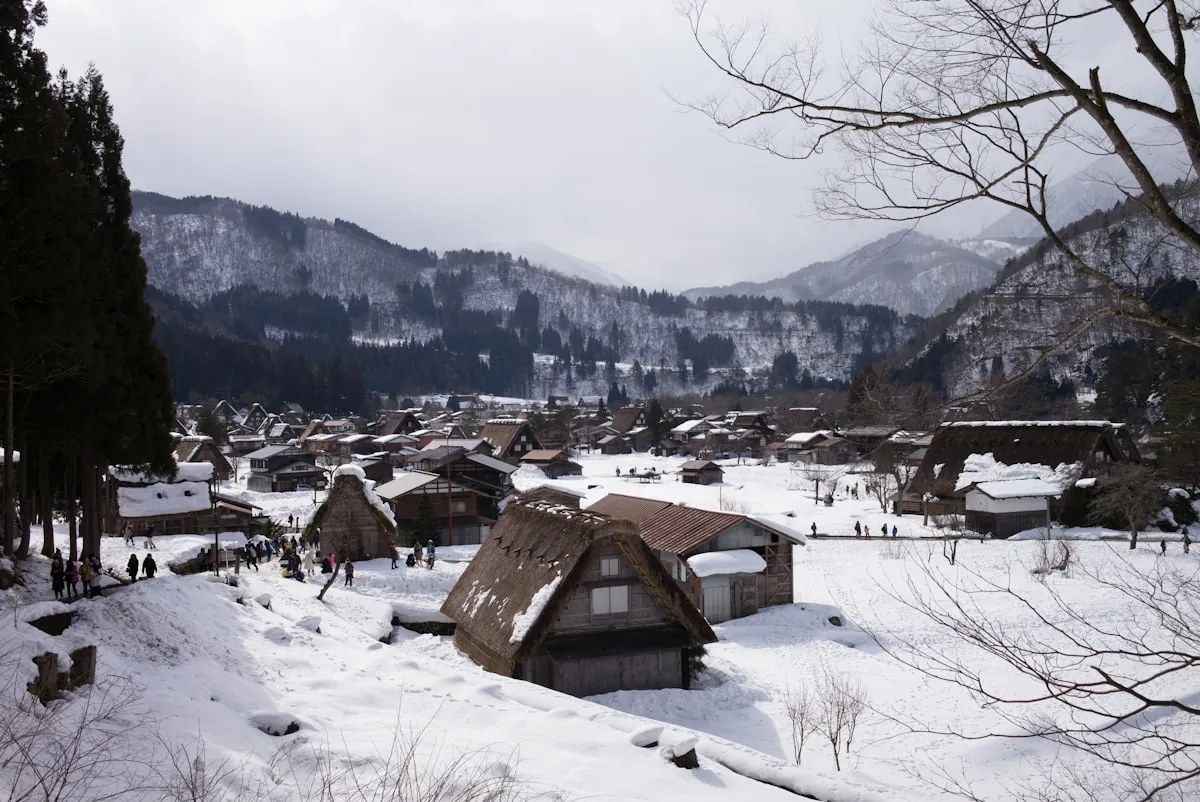
Gokayama
The other UNESCO gassho village, smaller and quieter, 30 min further
Quieter UNESCO village
- Suganuma village
- Ainokura village
- Washi paper workshops
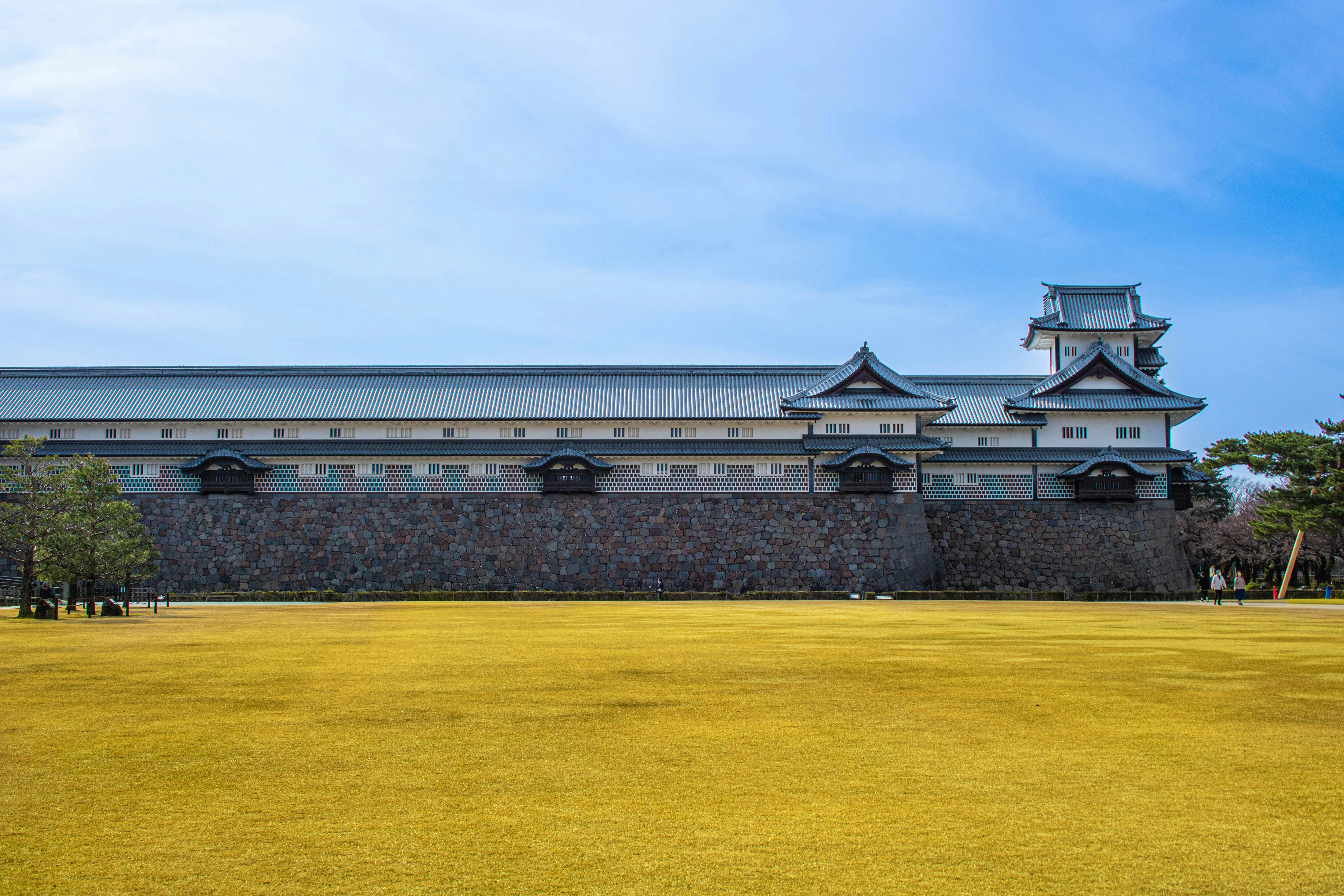
Kanazawa
Geisha districts, samurai residences, 75 min by bus
Samurai & geisha capital
- Kenroku-en garden
- Higashi Chaya
- Omicho market
How to Get There
FAQ
How long do I need at Shirakawa-go?
Half a day (3-4 hours) covers the village if you arrive by 09:00 and leave on the 13:00 bus. Overnight unlocks the after-17:00 quiet, the evening illumination, and a sunrise viewpoint visit; that's the better visit if you have the time.
Should I visit Shirakawa-go or Gokayama?
Shirakawa-go is bigger, easier to reach, and far more visited. Gokayama is smaller, quieter, harder to get to, and has two villages (Suganuma and Ainokura). For one day with limited time: Shirakawa-go. For photographs without crowds and a quieter overnight: Gokayama.
Can I visit Shirakawa-go in winter?
Yes: the snow-covered roofs are the iconic image. The famous evening light-up nights (selected weekends in Jan/Feb) require a lottery ticket 4-6 months ahead. Without a light-up ticket, any other Dec–Feb weekend gives you snow plus quiet.
Is the JR Pass useful for getting to Shirakawa-go?
No. The Nohi and Hokutetsu buses from Takayama/Kanazawa/Toyama are private and not covered. Buy bus tickets directly or use the Hida-go bus pass (¥3,500/2 days) from Takayama for the best value.