

Tokyo has held the title of the world’s most Michelin-starred city every single year since the Tokyo Guide launched in 2007. The number changes — the 2025 Tokyo Guide lists 170 starred restaurants (12 three-star, 26 two-star, 132 one-star) plus 110 Bib Gourmand — but the lead is structural. Paris is half. New York is a third. London is a quarter. There is no other dining city on earth with this density of three-star kitchens, and most travellers don’t realise the price tag is reachable. The 3-star temples cost what a Schiphol lounge dinner costs at home. The 1-star tier (ramen, yakitori, tempura) is ¥3,000–¥15,000. The Bib Gourmand (Michelin’s sub-¥6,000 recognition) is the same money as a Tokyo Station bento.
Below: eight picks across three tiers plus the Bib alternative, organised so you can plan a serious Michelin trip without booking the impossible ones first. Each entry links out to our dish-specific articles for the full deep-dive. The how-to-book section at the bottom is where most travellers waste a week of email back-and-forth — read it before you start.
For the wider Tokyo food picture — eight cuisines, the chains, the neighbourhood bases — see our Where to Eat in Tokyo guide.
The 3-star tier: the temples
The 2025 Tokyo Guide lists 12 three-Michelin-star restaurants. Three picks below cover the spectrum: the famous sushi temple, the famous modern kaiseki temple, and the famous French temple. None of them are walk-ins. All three need 1–6 months lead time, mostly through hotel concierges.
1. Sushi Saito: the 3-star sushi temple you can’t book
 ★ Author's Pick
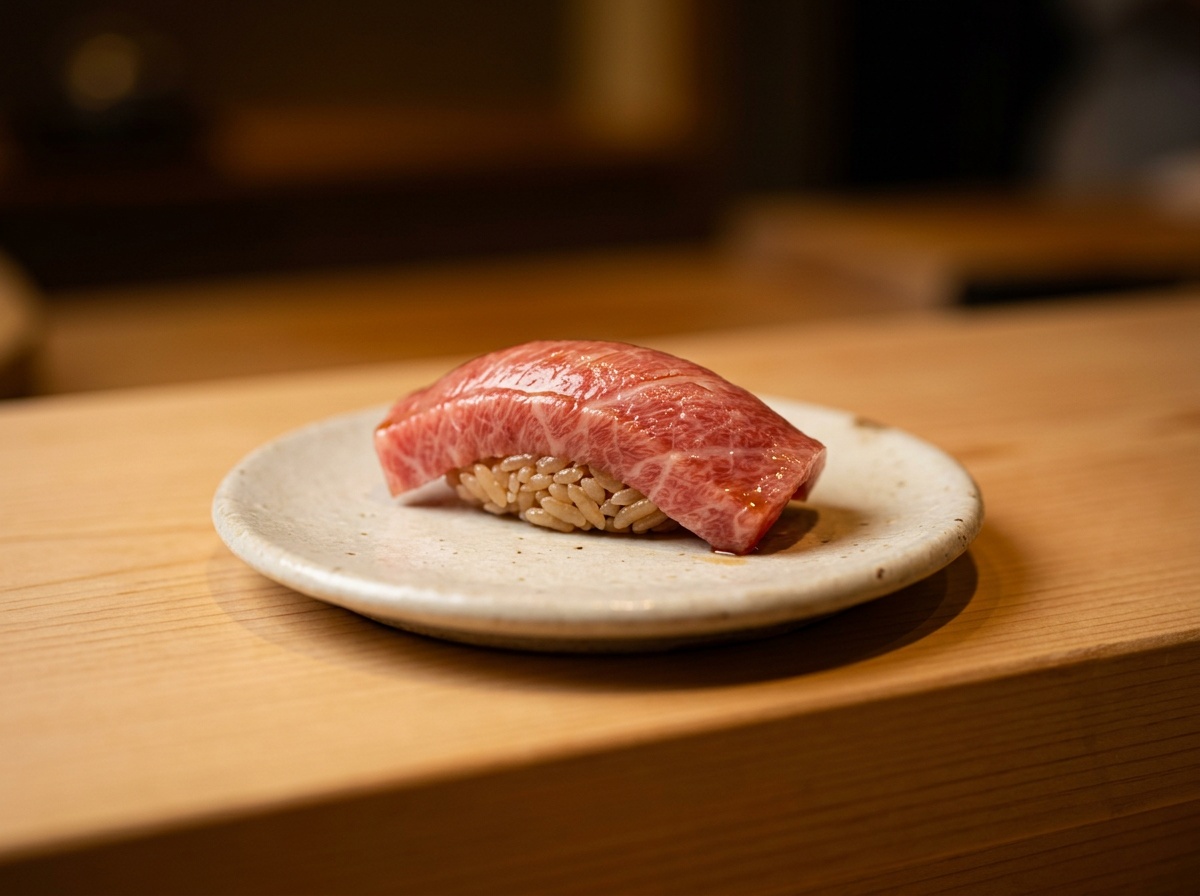
Sushi Saito (鮨 さいとう)
Eight counter seats. No longer accepts public reservations: bookings only via existing patrons or top-tier hotel concierge (Aman, Mandarin Oriental). The aspirational pick; include in the trip plan only if you have the connections.
Ark Hills South Tower 1F, 1-4-5 Roppongi, Minato-ku; Roppongi-itchome Stn 4 min walkView on Google Maps →Sushi Saito on Tabelog → 4.81★
Sushi Saito has held three Michelin stars since 2010 and is Tabelog’s highest-rated sushi restaurant in Japan at 4.81. Chef Takashi Saito trained at Kyubey in Ginza, opened solo in 2007, and within three years had the third star. The shop has eight counter seats in a basement of Ark Hills South Tower in Roppongi. The omakase runs around 20 pieces of nigiri across two hours, served by the chef directly, plated on a wooden plank in front of you.
You almost certainly can’t book it. In 2018 the shop stopped accepting public reservations entirely. Today bookings flow only through existing patrons or top-tier hotel concierges (Aman Tokyo, Mandarin Oriental, the Ritz Carlton). Worth knowing the name; don’t plan a trip around it. For the bookable end of the sushi spectrum, see our Best Sushi in Tokyo guide — Sushi Itsumi, Kyubey, and Harezushi are all in the same Edomae tradition without the closed-list reservation policy.
2. Ryugin: the 3-star modern Japanese, Hibiya
 ★ Author's Pick
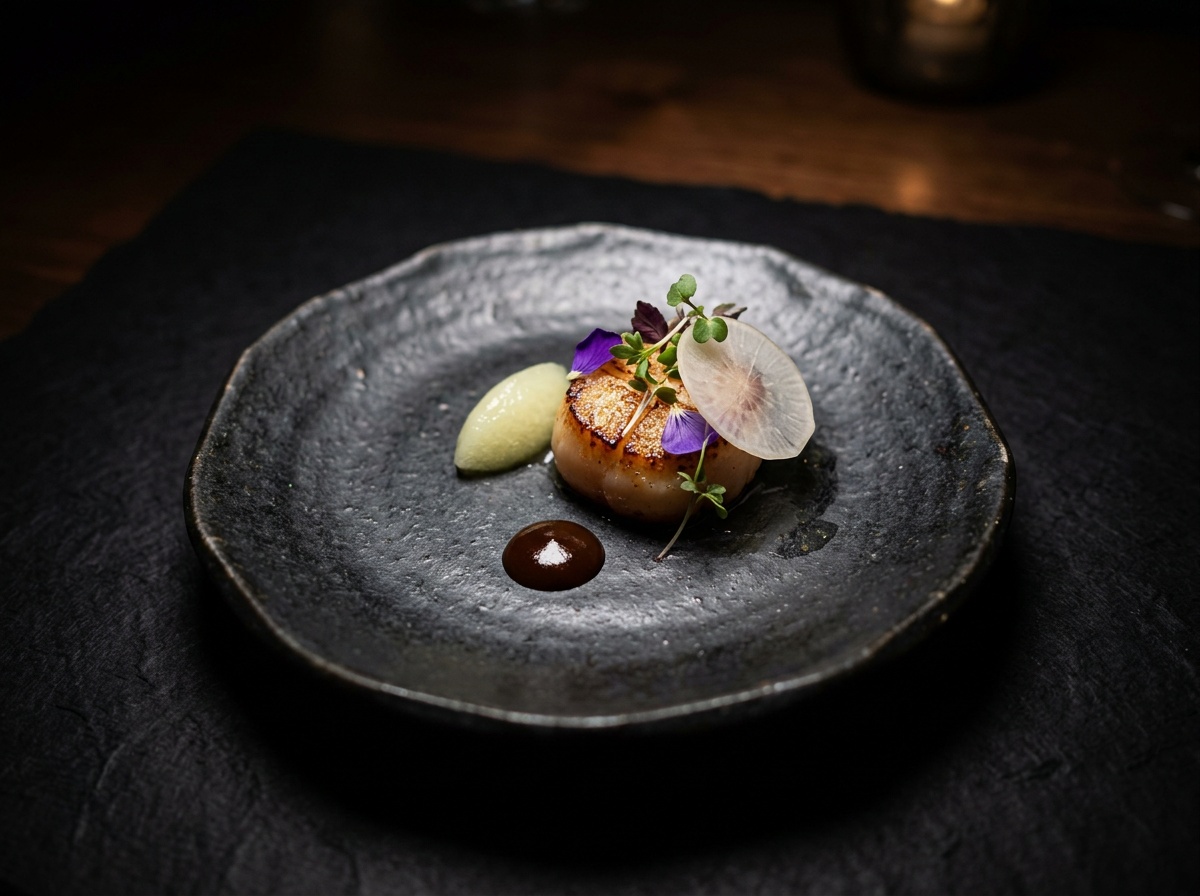
Ryugin (龍吟)
Relocated from Roppongi to Tokyo Midtown Hibiya in 2018. Three Michelin stars since 2012. Counter and table seating. Reservations 2-3 months ahead, typically via the website or hotel concierge. Lunch from ~¥30,000, dinner ~¥55,000+.
Tokyo Midtown Hibiya 7F, 1-1-2 Yurakucho, Chiyoda-ku; Hibiya Stn directly underneathView on Google Maps →Ryugin is the Japanese kitchen that the rest of the modern Tokyo fine-dining scene apprentices through. Chef Seiji Yamamoto opened it in 2003 in Roppongi, earned three Michelin stars in 2012, and moved the operation to Tokyo Midtown Hibiya in 2018 with a slightly larger room and a more dramatic open kitchen. The cooking is technical-modern interpretations of classical kaiseki — signature courses include the −196°C / +96°C strawberry (liquid nitrogen meeting a hot strawberry sauce in a single dish), CT-scan-mapped hamo eel (the bone structure read via medical-imaging before precision deboning), and the “Swimming Ayu” presentation served on a salt-modelled river. Yamamoto’s obsession with serving temperature — he calls it “the life of the dish” — defines the Ryugin style.
Reservations are real but tight. Two to three months out, web booking through the Ryugin site, or via hotel concierge for last-minute slots. Lunch starts around ¥30,000 and dinner ¥55,000+. It’s the 3-star Japanese pick if your trip can’t make Saito work — same tier, very different cuisine, infinitely easier to book. The Hibiya location also puts you in walking distance of Tsukiji and Ginza for the rest of the day.
3. Quintessence: the 3-star French, Shinagawa
Quintessence (カンテサンス)
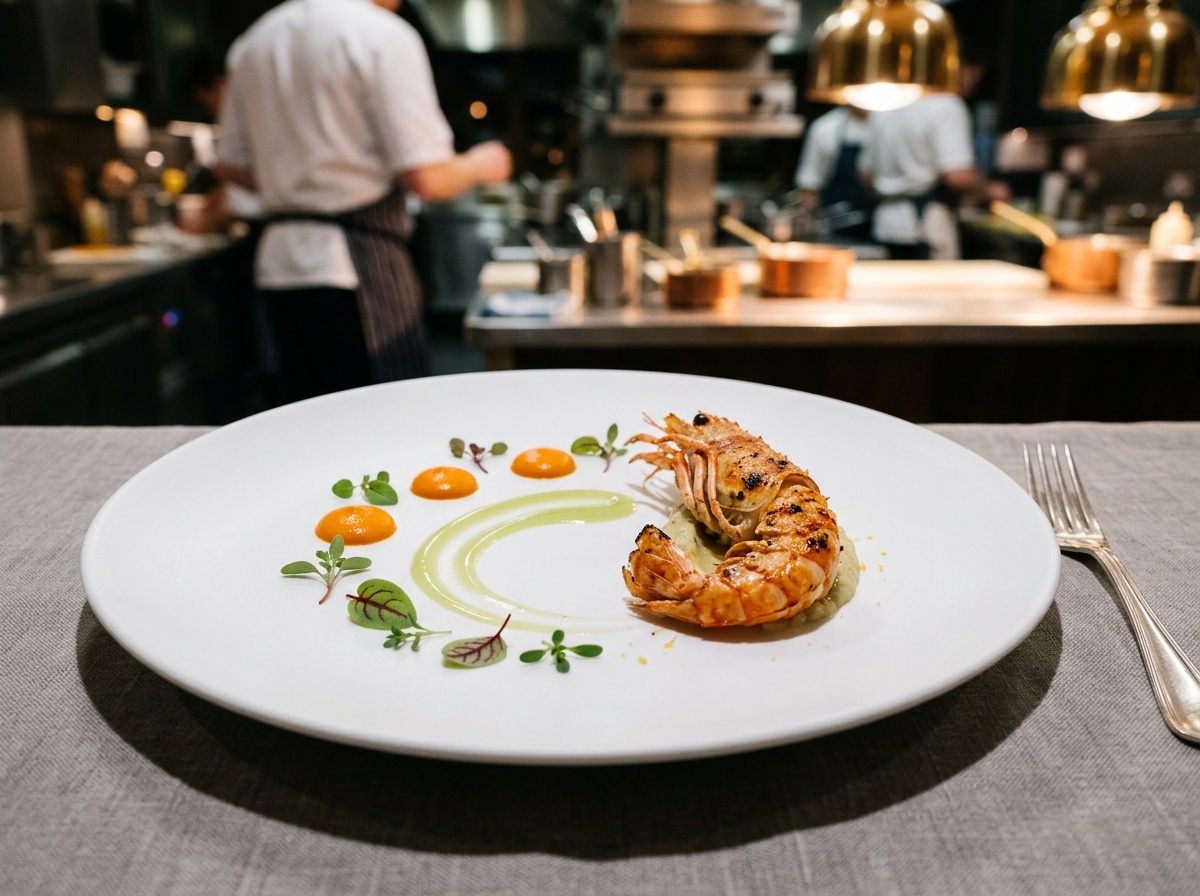
Counter-and-table French. Chef Shuzo Kishida trained at L’Astrance in Paris. Three Michelin stars consecutively since 2008. The defining feature: there is no printed menu. You sit down and eat whatever the chef sends out, course by course. Reservations 1-2 months ahead via the website.
5-4-7 Kita-shinagawa, Shinagawa-ku; Kitashinagawa Stn 8 min walk, Shinagawa Stn 12 minView on Google Maps →Quintessence has held three Michelin stars every consecutive year since the inaugural Tokyo Guide in 2008 — one of only two French restaurants in Tokyo (alongside Joël Robuchon at Ebisu Garden Place) with that unbroken eighteen-year run. Chef Shuzo Kishida trained under Pascal Barbot at L’Astrance in Paris before opening Quintessence in 2006. The defining quirk: there is no printed menu. You sit down, the kitchen sends out whatever Kishida built that morning from the market, course by course, and you eat what arrives. It’s as close to pure trust-the-chef French dining as Tokyo offers, and for a generation of food critics it’s the benchmark French meal in Asia.
Reservations 1–2 months ahead via the website, dinner ¥30,000+. Easier to book than the famously closed Saito but still requires planning. The Shinagawa location is a 15-minute taxi from central Tokyo — not as convenient as Ginza, but the upside is rooms are quieter and the chef has more space to plate.
The 2-star tier: the accessible benchmark
The Tokyo 2-star list (26 restaurants in the 2025 guide) is where most serious food travellers actually eat. Lead times are weeks instead of months, prices are half of the 3-star tier, and the cooking is at the same technical level — the 2-vs-3 distinction is often consistency and room atmosphere, not the food itself.
4. Tempura Kondo: the 2-star tempura, Ginza
 ★ Author's Pick
Tempura Kondo (天ぷら 近藤)
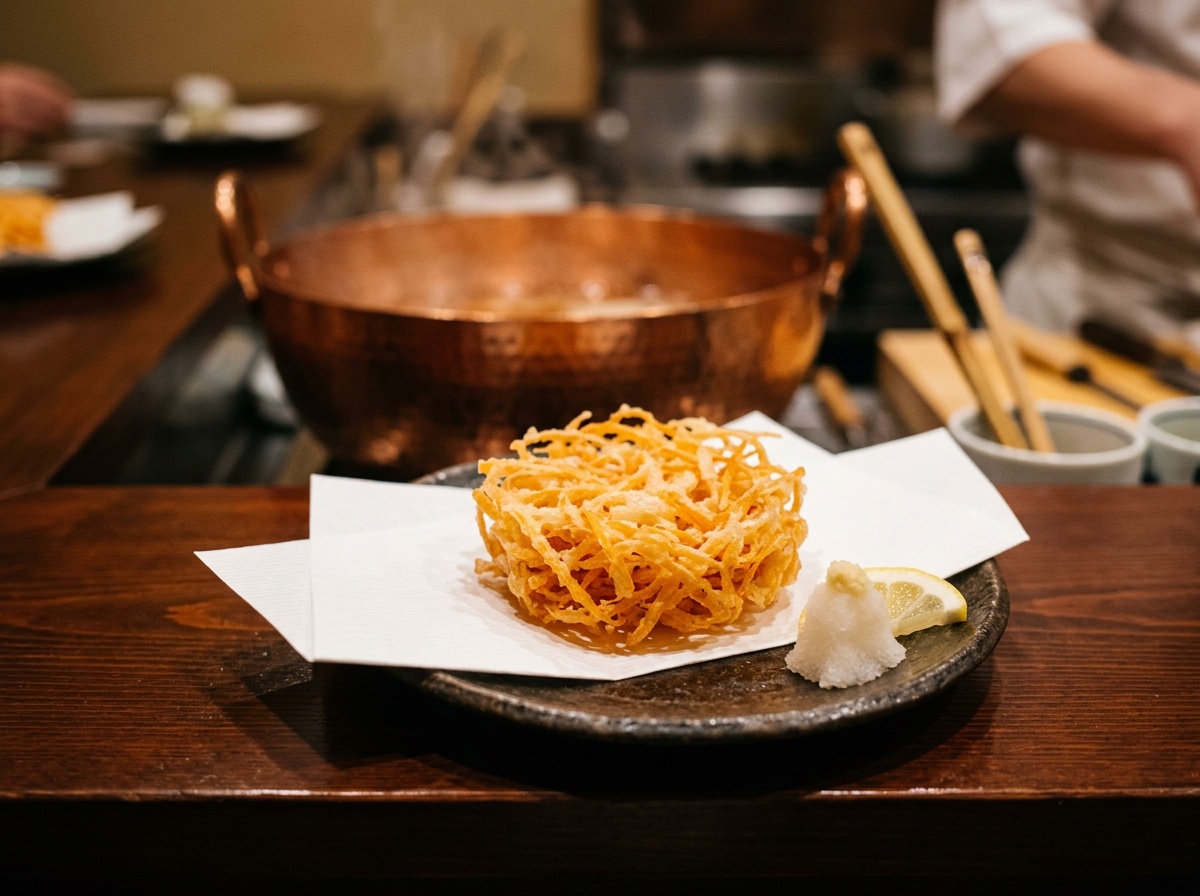
Counter shop on the 9F of a Ginza building, chef-watching seats. Reservations 2-4 weeks ahead via phone or concierge. Lunch course from ~¥10,000, dinner ~¥15,000-20,000. Closed Sundays.
Sakaguchi Building 9F, 5-5-13 Ginza, Chuo-ku; Ginza Stn 3 min walkView on Google Maps →Tempura Kondo is the tempura counter that turned vegetable tempura into a Michelin-tier course. Chef Fumio Kondo has held two Michelin stars consecutively since 2007 (the first year of the Tokyo Guide), and the signature is the seasonal vegetable progression — the famous carrot-strand kakiage, the seasonal mushroom rotation, the corn fritter in summer. The seafood courses are excellent but standard; the vegetables are why the chef is rated. The counter is on the 9th floor of a Ginza building and seats around eight, with all seats facing the open fryer.
Reservations 2–4 weeks ahead by phone or via concierge. Lunch course from around ¥10,000, dinner ¥15,000–¥20,000 — the most affordable 2-Michelin meal in central Ginza. Closed Sundays. The pick if you only have one Michelin dinner in the trip and want the technical-Japanese tier without the kaiseki ceremony.
5. Den: the 2-star modern Japanese, Jingumae
Den (傳)
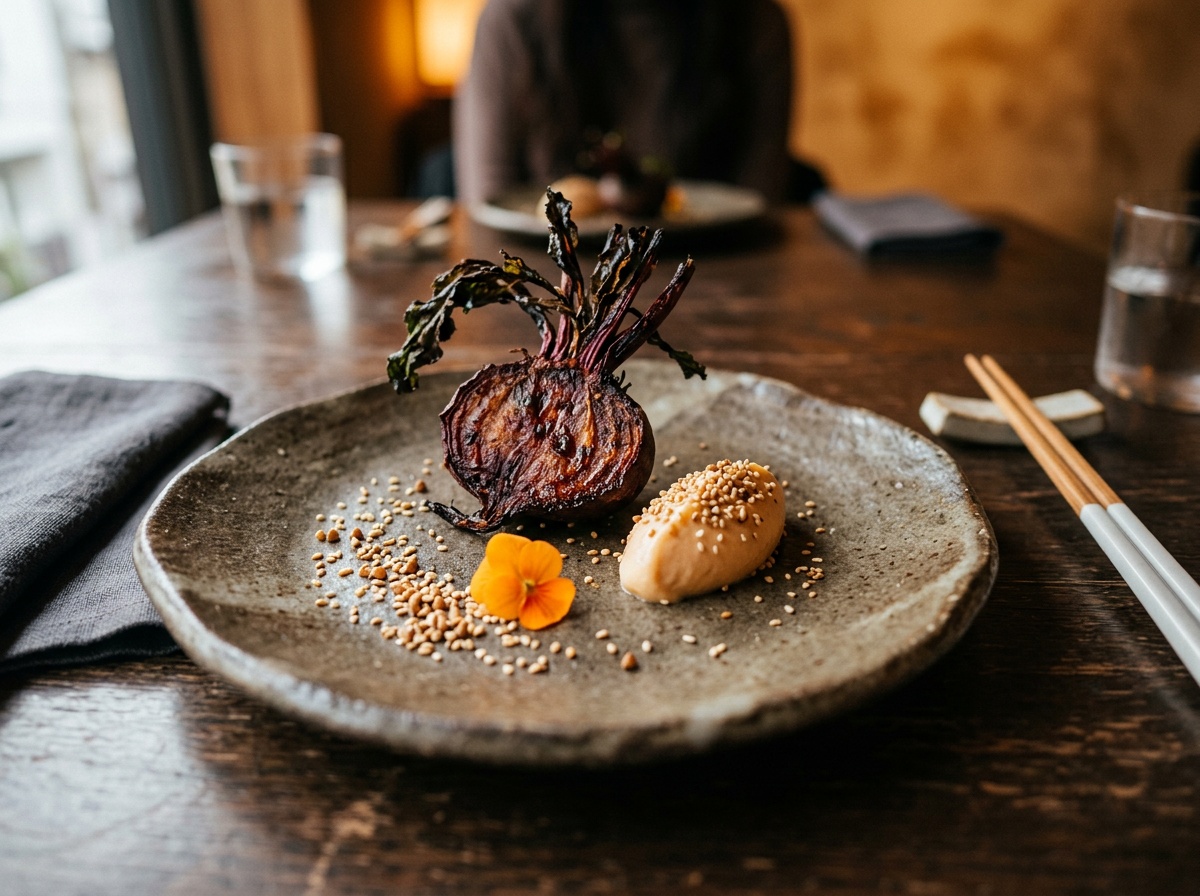
Relocated to Jingumae in 2018. Two Michelin stars; consistently ranks in Asia’s 50 Best Restaurants. Counter and table seating, more relaxed atmosphere than the classical kaiseki houses. Reservations 1-2 months ahead via the website or concierge. Course around ¥30,000.
Jingumae 2-3-18, Shibuya-ku; Gaiemmae Stn 4 min walkView on Google Maps →Den is the modern entry to the Michelin tier and probably the most internationally famous Tokyo restaurant of the past decade outside of Saito. Chef Zaiyu Hasegawa relocated the original Jimbocho operation to Jingumae in 2018, and the room is intentionally less ceremonial than the classical kaiseki houses — the staff smile, the courses come with a wink, and Hasegawa serves a course famously titled DFC (Dentucky Fried Chicken — deep-fried chicken with the chef’s signature on the bone). Underneath the playfulness the cooking is rigorous modern kaiseki, and Den consistently ranks on Asia’s 50 Best Restaurants list.
Reservations 1–2 months ahead via the Den website or hotel concierge. Course around ¥30,000. The pick for travellers who want the Michelin tier but not the silent-tatami-room ritual — Den is the room you can have an actual conversation in. Located in Jingumae, walking distance to Harajuku and Aoyama. Pair with the afternoon at Meiji Jingu Shrine for a full day.
The 1-star tier: the personality picks
Tokyo has 132 1-Michelin-star restaurants in the 2025 guide, spread across every cuisine. The 1-star tier is where Michelin awards single-cuisine excellence (a ramen shop, a yakitori counter, a kappo room) without the room-atmosphere expectation of higher tiers. Lead times are 1–6 weeks, prices are ¥3,000–¥15,000. The picks below are the four we’d send first-time Michelin travellers to.
6. Nakiryu & Tsuta: the two Michelin ramen shops
Nakiryu (鳴龍): 1 Michelin ramen
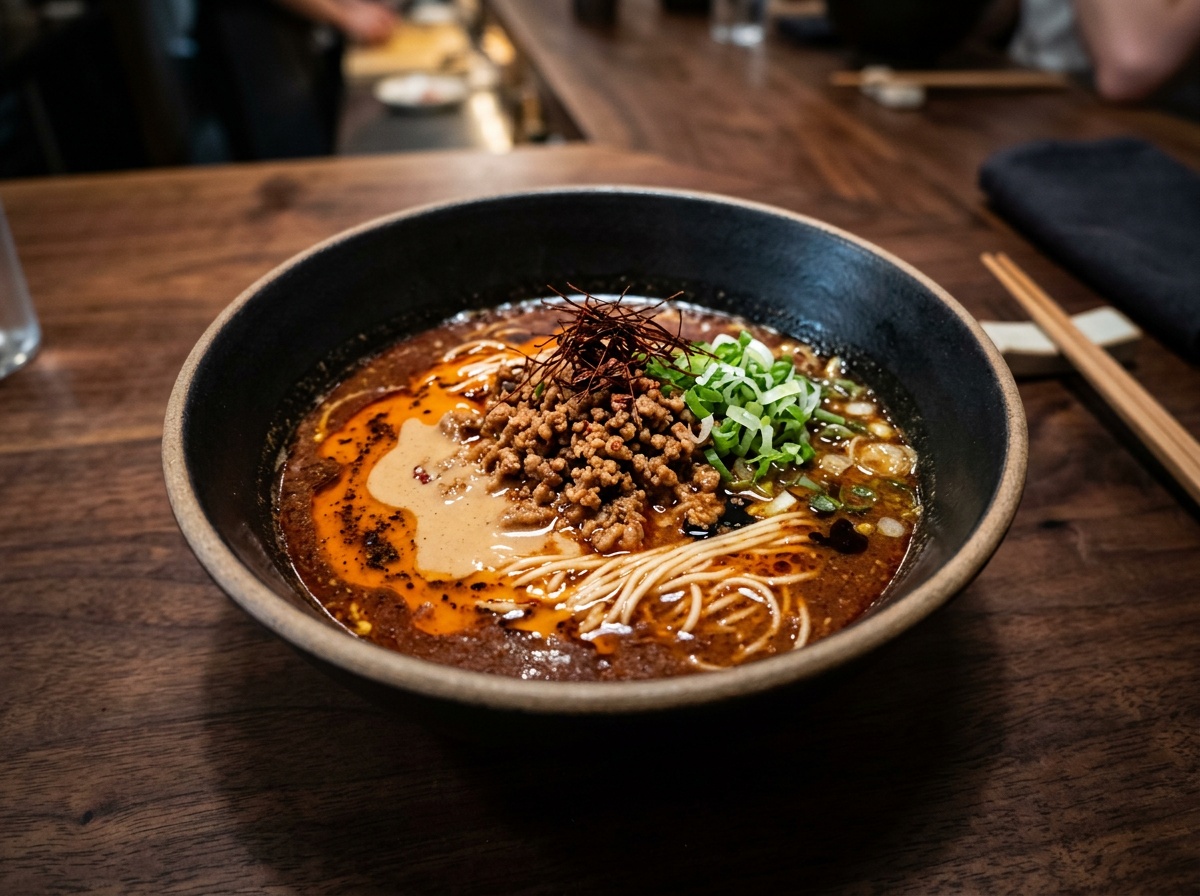
Ten-seat counter in Otsuka. One Michelin star since 2017. Cash only, ticket machine, no reservations. Queue 90 min off-peak, 2 hr weekends. Closed Wednesdays.
2-34-4 Minami-Otsuka, Toshima-ku; Otsuka Stn (Yamanote) 7 min walkView on Google Maps →Nakiryu (Otsuka) and Tsuta (Yoyogi-Uehara) are the two ramen shops in Tokyo currently holding a Michelin star — and a meal at either costs about as much as a hotel breakfast. Nakiryu’s signature is the tantanmen (chili-sesame-pork bowl with house-ground sesame paste, two kinds of chili oil); Tsuta’s is the shoyu with a swirl of black truffle puree. Both shops are ¥1,500–¥2,500 a bowl, cash only, queue-based, no reservations. Tsuta runs a same-day morning ticket system; Nakiryu is straight queue from 11:00.
The full story of both is in our Best Ramen in Tokyo guide, which puts them in context with the non-Michelin tier (Fuunji’s tsukemen, Afuri’s yuzu shio, the Tokyo Ramen Street at Tokyo Station). For the Michelin completeness: get to Otsuka before 11:00 on a weekday for Nakiryu, or get to Yoyogi-Uehara at 09:30 for Tsuta’s ticket draw, and clear the morning.
7. Birdland & Torishiki: the two Michelin yakitori counters
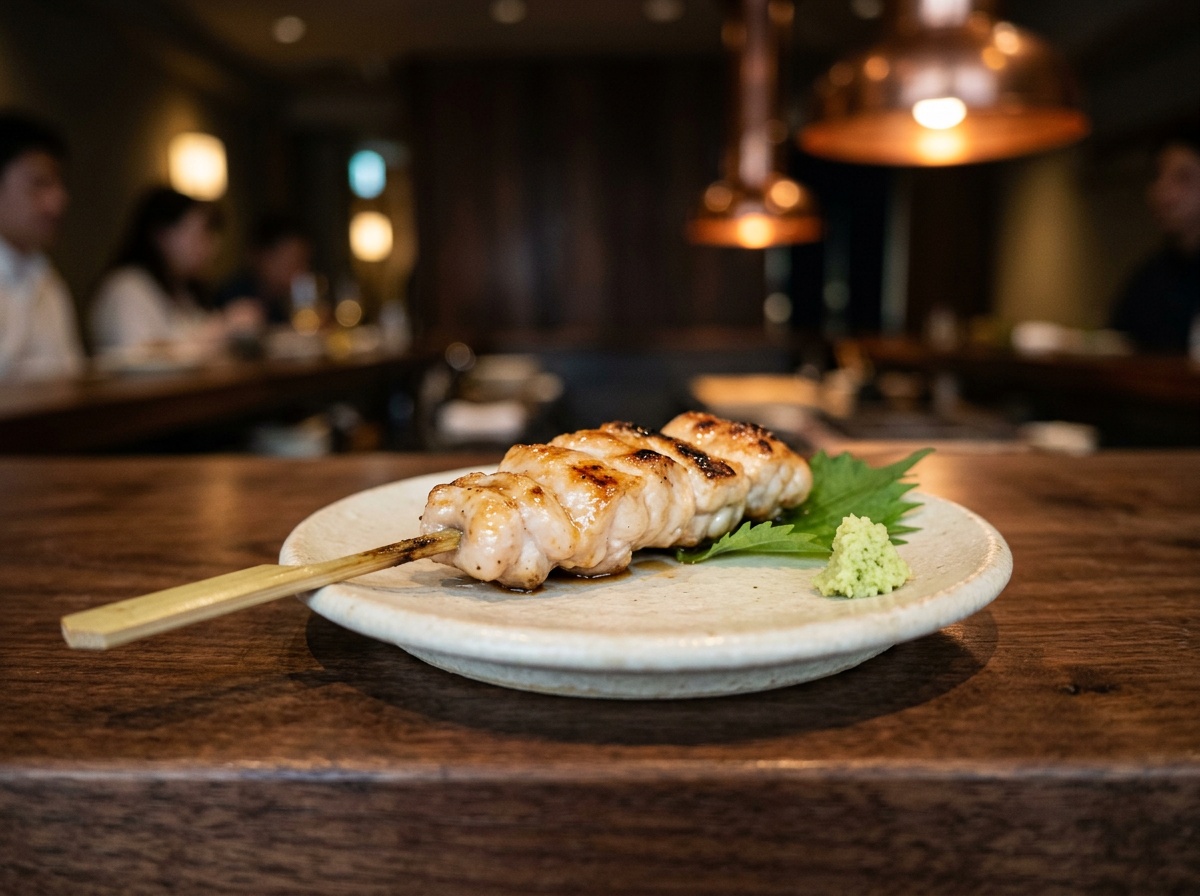
Birdland (バードランド): 1 Michelin yakitori, Ginza
Counter-only basement shop in Ginza, opened 1987. The most famous yakitori counter in Japan. Reservations 2 months ahead. Closed Sundays + Mondays.
Tsukamoto Sozan Bldg B1F, 4-2-15 Ginza, Chuo-ku; Ginza-itchome Stn 2 min walkView on Google Maps →Birdland (Ginza) and Torishiki (Meguro) are the two yakitori counters with a Michelin star, and together they define the high-end Tokyo yakitori experience. Birdland is the older — opened 1987, Michelin star since the Tokyo Guide debuted in 2007, chef-owner Toshihiro Wada plating a 20-course omakase from single Date-dori birds at the counter. Torishiki opened in 2007 and got its star in 2010 — chef Yoshiteru Ikegawa is Toriki-trained, the omakase is shorter (around 15 courses) but the technique is famously meticulous. Both shops are around ¥15,000 per person.
Birdland: 2 months ahead for bookings, hotel concierge is the fastest route. Torishiki: 3 months ahead, often concierge-only. Full breakdown of both plus the non-Michelin tier (Toriki, Yakitori Imai, Torikizoku) in our Best Yakitori in Tokyo guide. For the omakase-101 (chicken parts, tare vs shio, the order of the courses) start there before booking.
The Bib Gourmand alternative: under ¥6,000
Michelin’s Bib Gourmand is the recognition for restaurants serving “exceptional good food at moderate prices” — the official cap is around ¥6,000 for a meal. Tokyo has 110 Bib Gourmand entries in the 2025 guide. The Bib tier is where most of the actually-bookable Michelin-recognised eating happens for budget-conscious travellers.
Three Bib-listed Tokyo shops worth knowing: Fuunji (the tsukemen shop in Shinjuku — our pick for best tsukemen in Tokyo); Daikokuya (the historic Asakusa tempura shop, founded 1887, on the way back from Senso-ji); and Tonki (the Meguro tonkatsu institution, queue-from-17:00, single dish menu). All three are ¥1,200–¥3,000 per person, walk-in or short-queue, no reservations needed. The Bib tier is also where Tokyo’s Michelin guide gets most interesting for actually-eating — the 1-star Edomae sushi shop is largely the same as the unstarred one next door; the Bib-listed tsukemen counter is genuinely different from the un-recognised tsukemen counter down the road.
How to book Michelin in Tokyo
- Lead times. 3-star: 1–6 months, mostly concierge-only for Saito-tier shops. 2-star: 2–6 weeks via the website or concierge. 1-star yakitori/sushi: 2–8 weeks via phone or concierge. 1-star ramen: walk-up (Tsuta wants a same-day morning ticket).
- Hotel concierge is the way in. Aman Tokyo, Mandarin Oriental, the Ritz-Carlton, the Peninsula, and the Imperial Hotel all have direct booking lines to the Michelin houses that aren’t available to walk-up customers. If you’re staying at one of these, ask the concierge two weeks ahead of arrival — before you’re in Tokyo. Email reservations from outside Japan are slow; concierge calls from a top-tier hotel get answered immediately.
- Lunch is half the price. Most Michelin Tokyo restaurants run a lunch course at 40–60% of dinner price — same chef, same ingredients, fewer courses, no wine pairing pressure. For Tempura Kondo lunch is ¥10,000 vs dinner ¥18,000; for Ryugin lunch is ¥30,000 vs dinner ¥55,000+. If money matters, book lunch.
- Dress code is ‘clean and respectful’. No jacket required at most. No shorts, no flip-flops, no athletic wear. The kaiseki-style rooms (Ryugin, Den) expect smart-casual; the counter shops (Birdland, Tempura Kondo) are happy with a clean button-down.
- Allergies: declare on booking. Michelin houses can accommodate pescatarian, no-shellfish, no-dairy, halal — but flag it on booking, not on arrival. The menu is built around what was sourced that morning.
- Cancellation policy is strict. 24-48 hour cancellation notice is standard; some 3-star shops charge the full course fee for no-shows. The Saito-tier closed-list houses will block future bookings on a no-show. Don’t book speculatively.
- No tipping. Service is included. The chef will not accept extra yen at the counter; the staff will chase you to the door to return it. Bow at the door instead.
- Plan the day around the meal, not the other way around. A 3-star Michelin dinner takes 3-4 hours and demands a clean palate. Don’t schedule a 5-course chains lunch the same day. The lunch tier at the same shop is the better single-day choice if you want the Michelin experience in a tighter time window.
What the Tokyo Michelin guide gets wrong
Worth knowing before you build the trip around the guide: Michelin Tokyo systematically under-rates chains and street food (Ichiran has zero stars and never will, Tsukiji Outer Market gets no recognition), over-rates French cooking (the Tokyo French scene is excellent but Michelin’s star count for French-in-Tokyo is disproportionate compared to Japanese cuisines), and largely ignores the second-tier ramen and yakitori shops that locals consider better than the starred ones. The Michelin Tokyo guide is a useful planning tool. It is not the definitive ranking of where Tokyo people actually eat — for that, see our Where to Eat in Tokyo hub guide.
Related reading
- Where to Eat in Tokyo — the wider Tokyo food guide across 8 cuisines.
- Best Sushi in Tokyo — for the bookable end of the sushi spectrum.
- Best Ramen in Tokyo — the full ramen scene including the two Michelin shops.
- Best Yakitori in Tokyo — the full yakitori scene including Birdland and Torishiki.
- Best Kaiseki in Kyoto — the Kyoto Michelin kaiseki tier (Hyotei, Kikunoi).
- Japanese Food — interest hub with all our food articles.