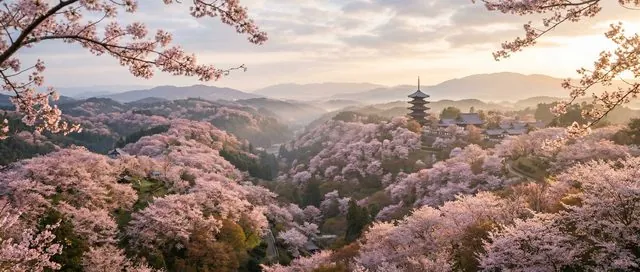
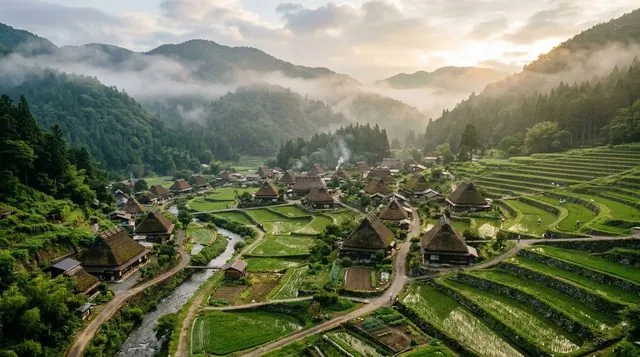
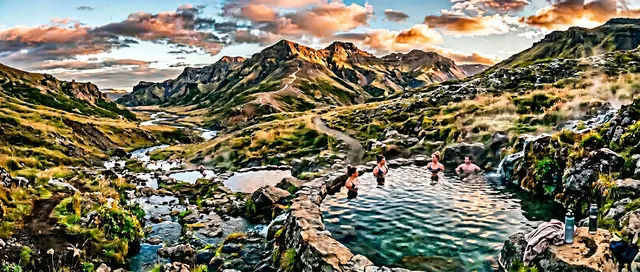
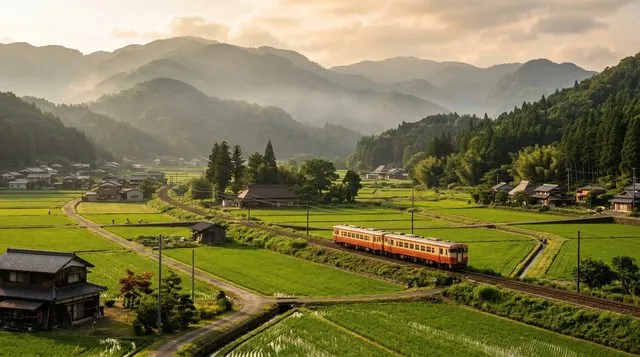
Kumamoto Prefecture sits at the volcanic heart of Kyushu, where an active crater the size of a small city meets one of Japan's most storied castles and hot spring towns that draw visitors back year after year. Known as both the "Land of Fire" for Mount Aso's restless caldera and the "Land of Water" for the crystal streams fed by volcanic springs, Kumamoto rewards those willing to look beyond Kyushu Region Guide the obvious stops on the island circuit.
Cities & Towns
Kumamoto Prefecture stretches from a castle city on the coast to a highland town perched on the rim of an ancient caldera.
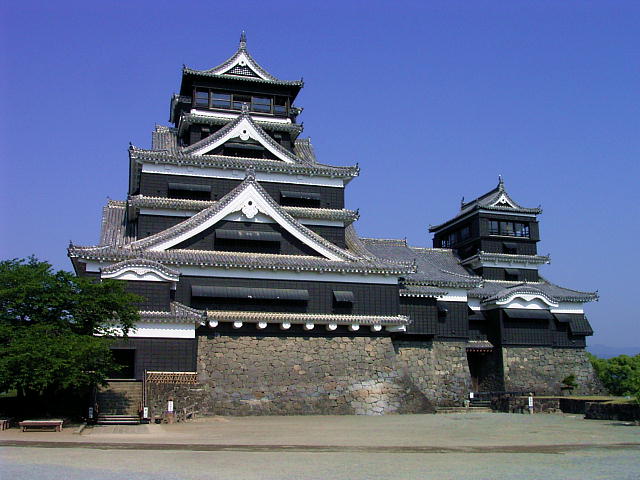
Kumamoto City
Kyushu's western capital: a castle under reconstruction, Edo-period gardens, and a city that rebuilt itself after the 2016 earthquakes
Castle city & capital
- Kumamoto Castle
- Suizenji Jojuen Garden
- City tram network
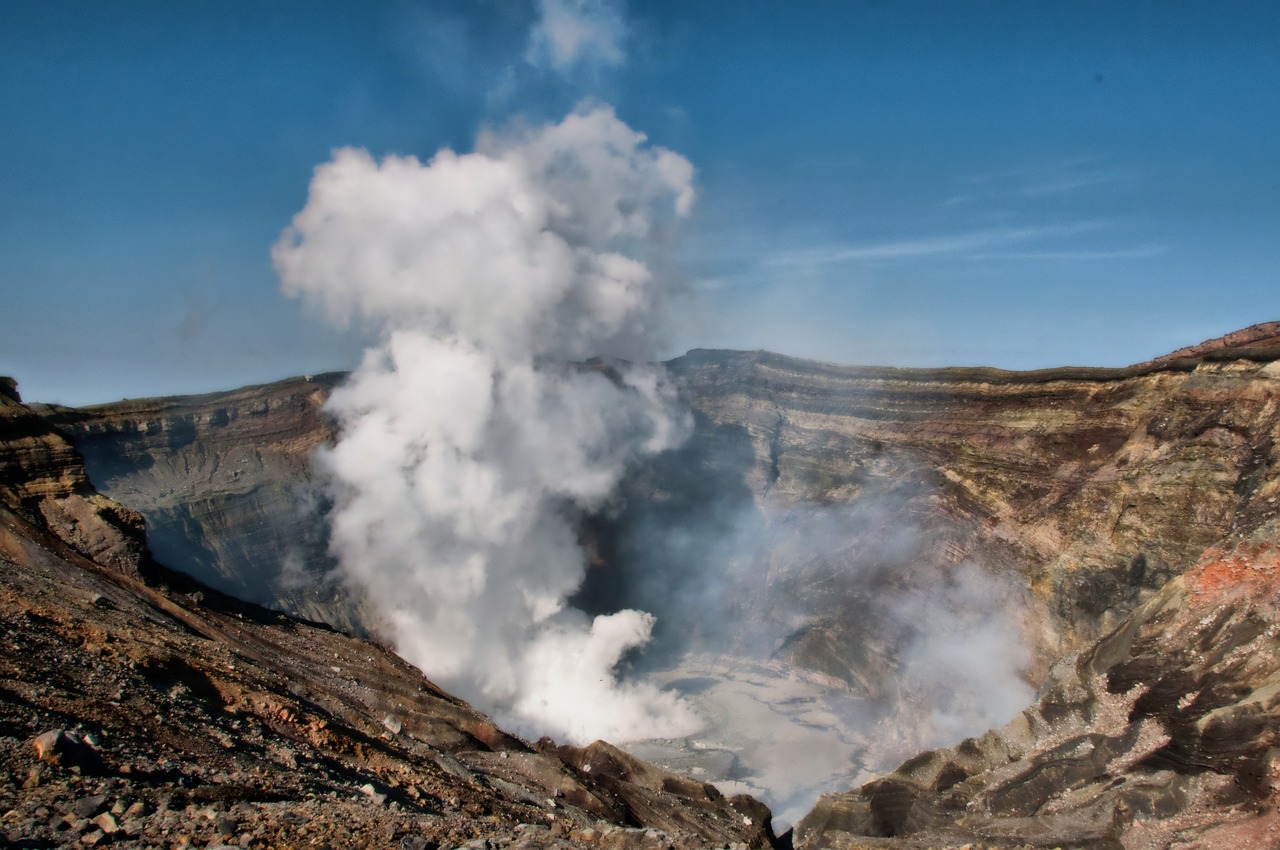
Aso
A highland town inside one of the world's largest calderas, where the Nakadake Crater smokes above a sea of green grassland
Active volcano town
- Nakadake Crater
- Kusasenri grasslands
- Daikanbo viewpoint
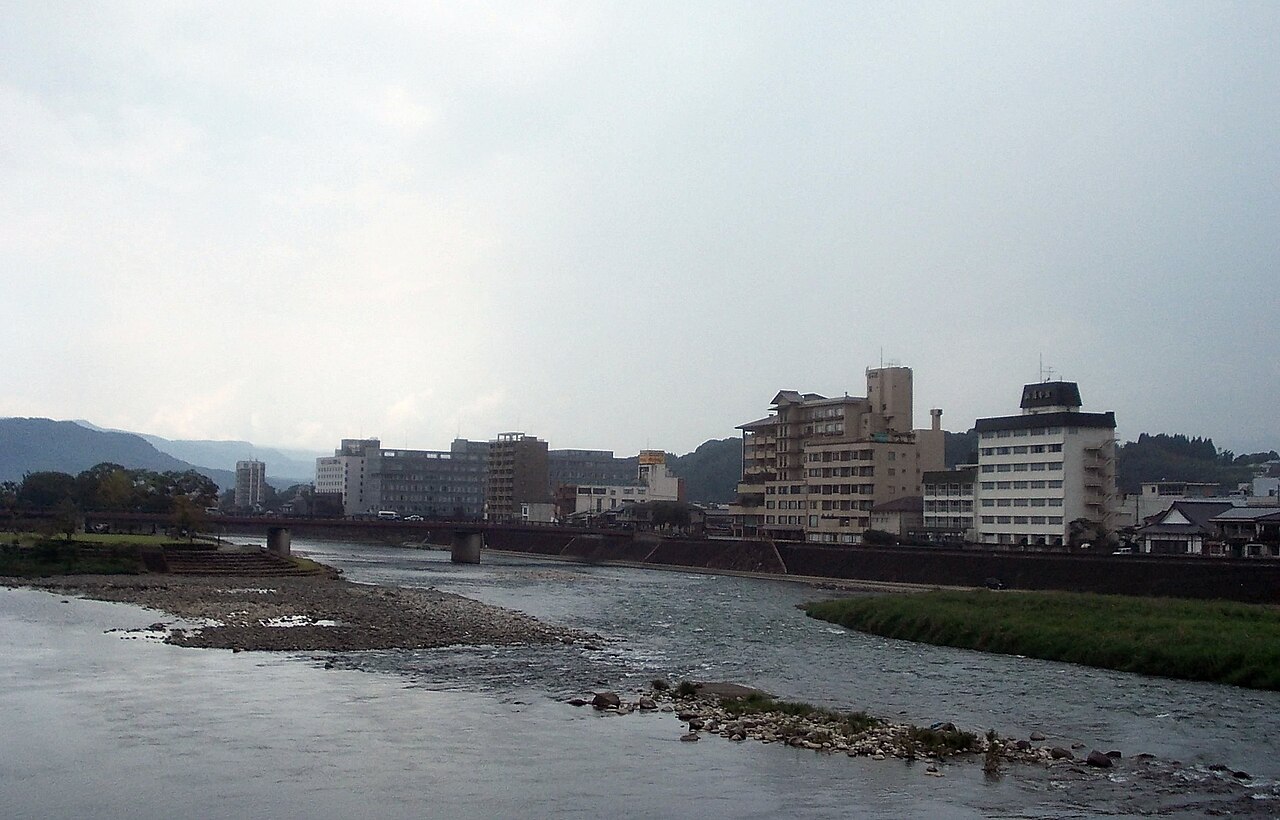
Hitoyoshi
A river valley town in the south known for its castle ruins, sake breweries, and access to the scenic Hisatsu railway line
River valley & sake
- Hitoyoshi Castle ruins
- Kuma River
- Hisatsu Line scenery
Amakusa
A chain of islands connected by bridges off Kumamoto's west coast: dolphins, hidden beaches, and Christian heritage from Japan's hidden-faith era
Island chain & dolphins
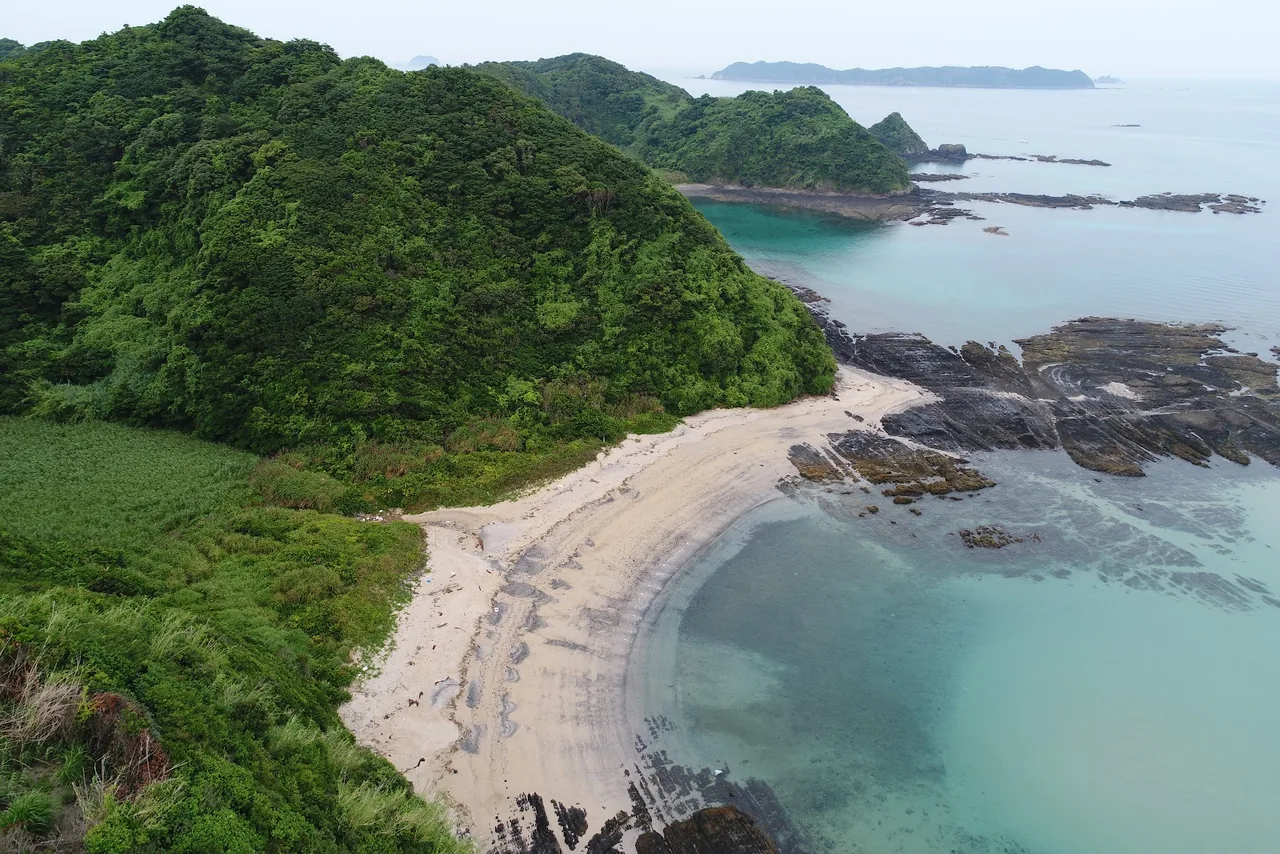
- Mogushi Beach
- Dolphin watching
- Christian heritage sites
Top Attractions
From an active volcanic crater to a castle still rising from earthquake damage, Kumamoto's headline sights span the full range of Japan's natural and historical drama. For guided access to Mount Aso and the caldera, book a Klook Mount Aso day tour that handles transport and crater access logistics.
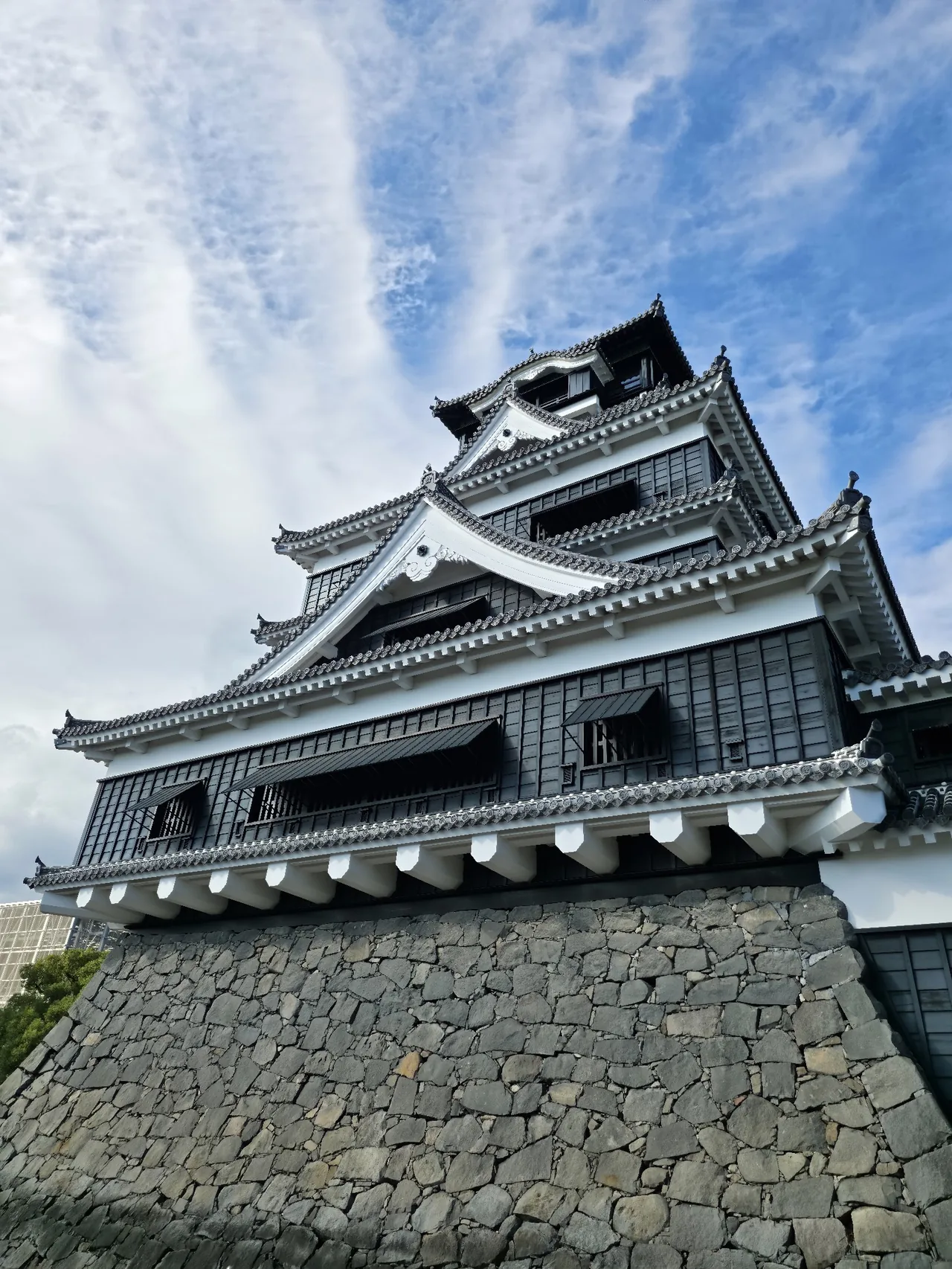
One of Japan's largest castles. Its black-walled towers are rising again after the 2016 earthquakes, with select areas open during ongoing reconstruction
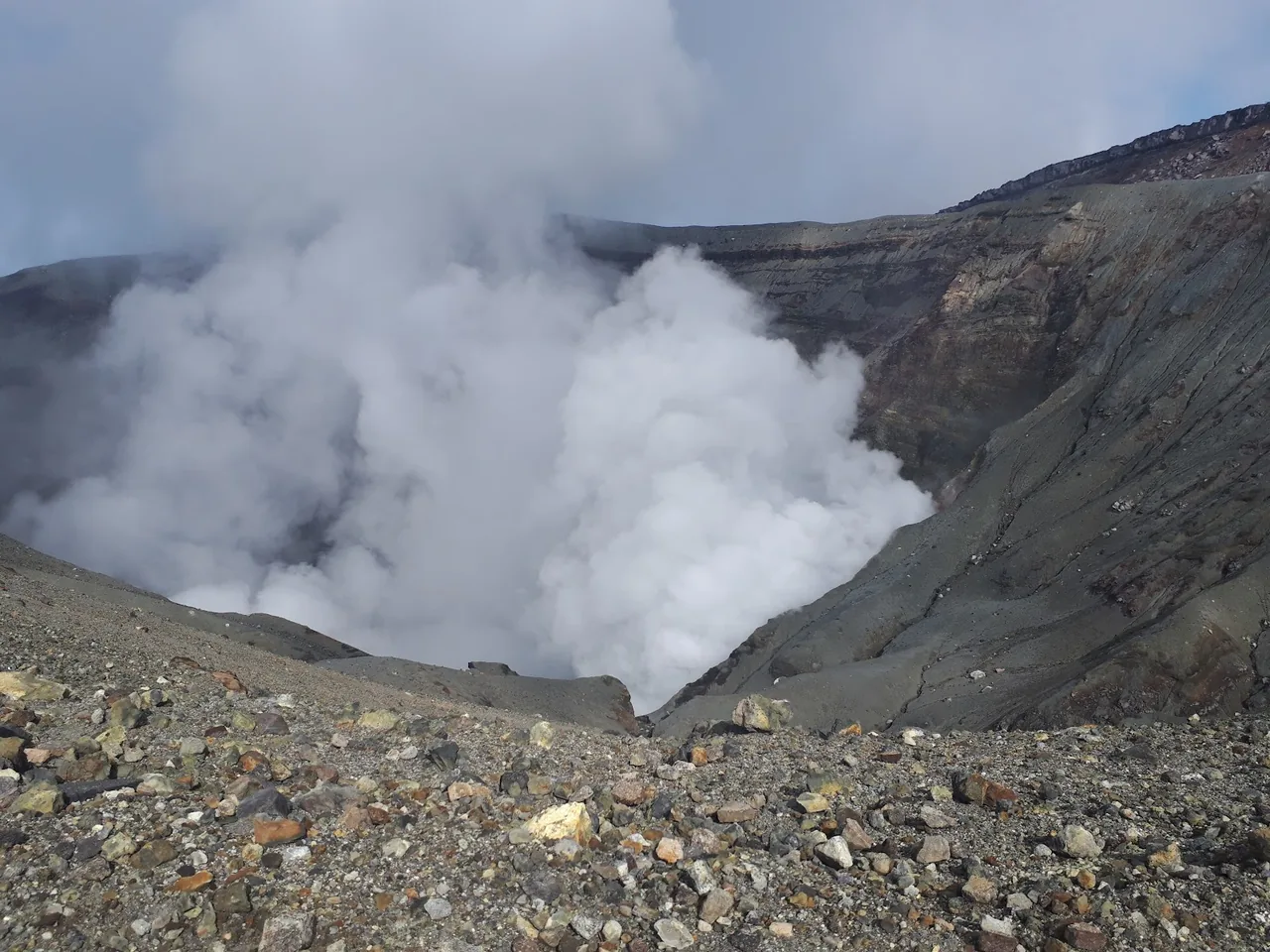
One of the world's largest active calderas. Walk the rim of Nakadake Crater when volcanic alert levels permit and look down into a churning, sulphurous vent
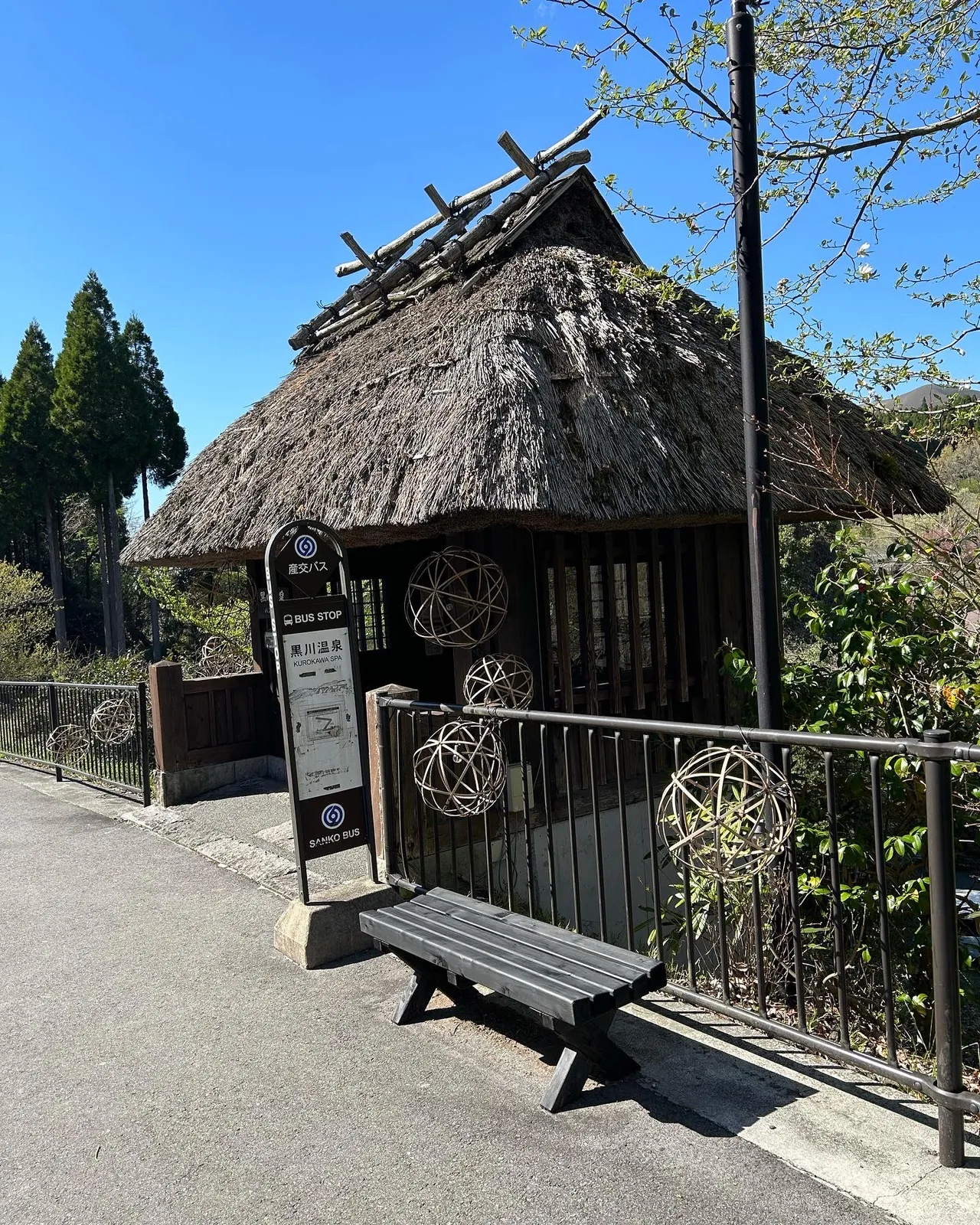
A riverside hot spring town tucked into forested hills north of Aso, one of Kyushu's most atmospheric onsen destinations, with open-air baths at every turn
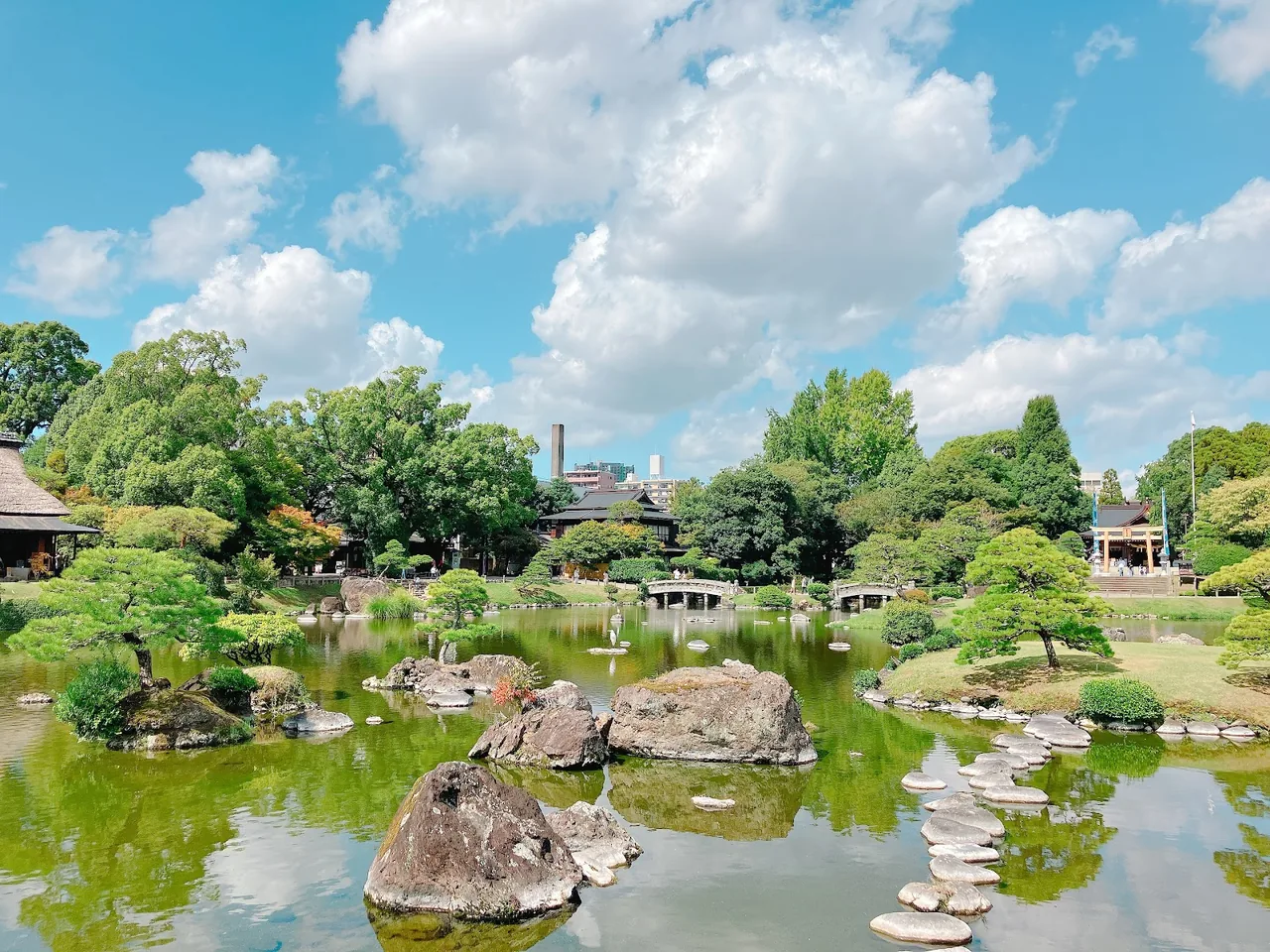
A Hosokawa-era landscape garden that recreates the 53 stations of the Tokaido road in miniature; one of Japan's most unusual garden concepts
Hidden Gems
Beyond Aso and the castle, Kumamoto holds some of Kyushu's most rewarding off-the-beaten-path discoveries, from a 19th-century stone aqueduct to a shrine tunnel straight out of a Ghibli film.
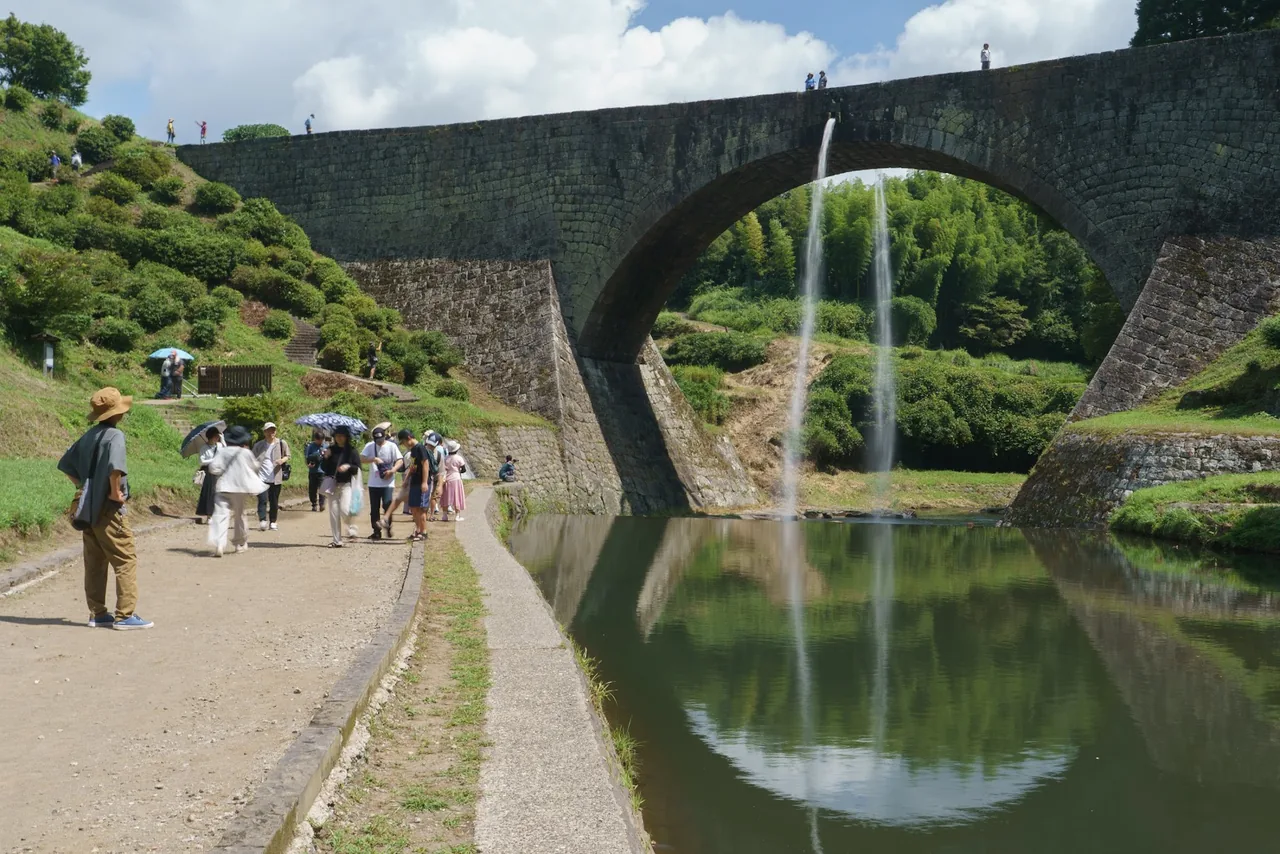 Hidden Gem
Japan's largest stone aqueduct, built in 1854 and still releasing dramatic jets of water to clear its channels, deep in the Yamato countryside
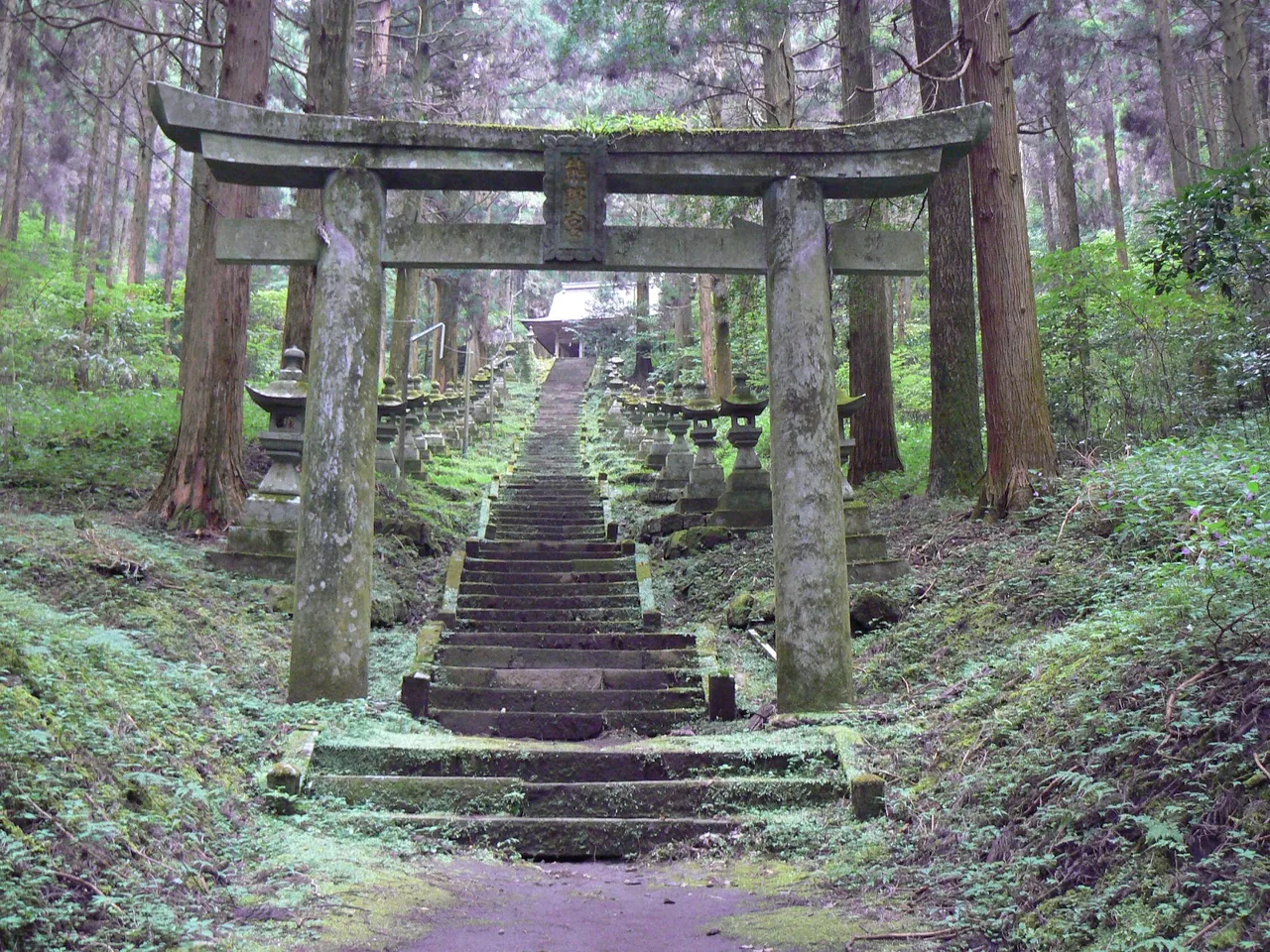 Hidden Gem
A moss-covered stairway lined with over 170 stone torii gates climbing into forest: Southern Aso's most atmospheric and least-visited shrine
 Hidden Gem
One of Japan's top 100 beaches: white sand and emerald water on the Amakusa islands, with almost no one else around
 Hidden Gem
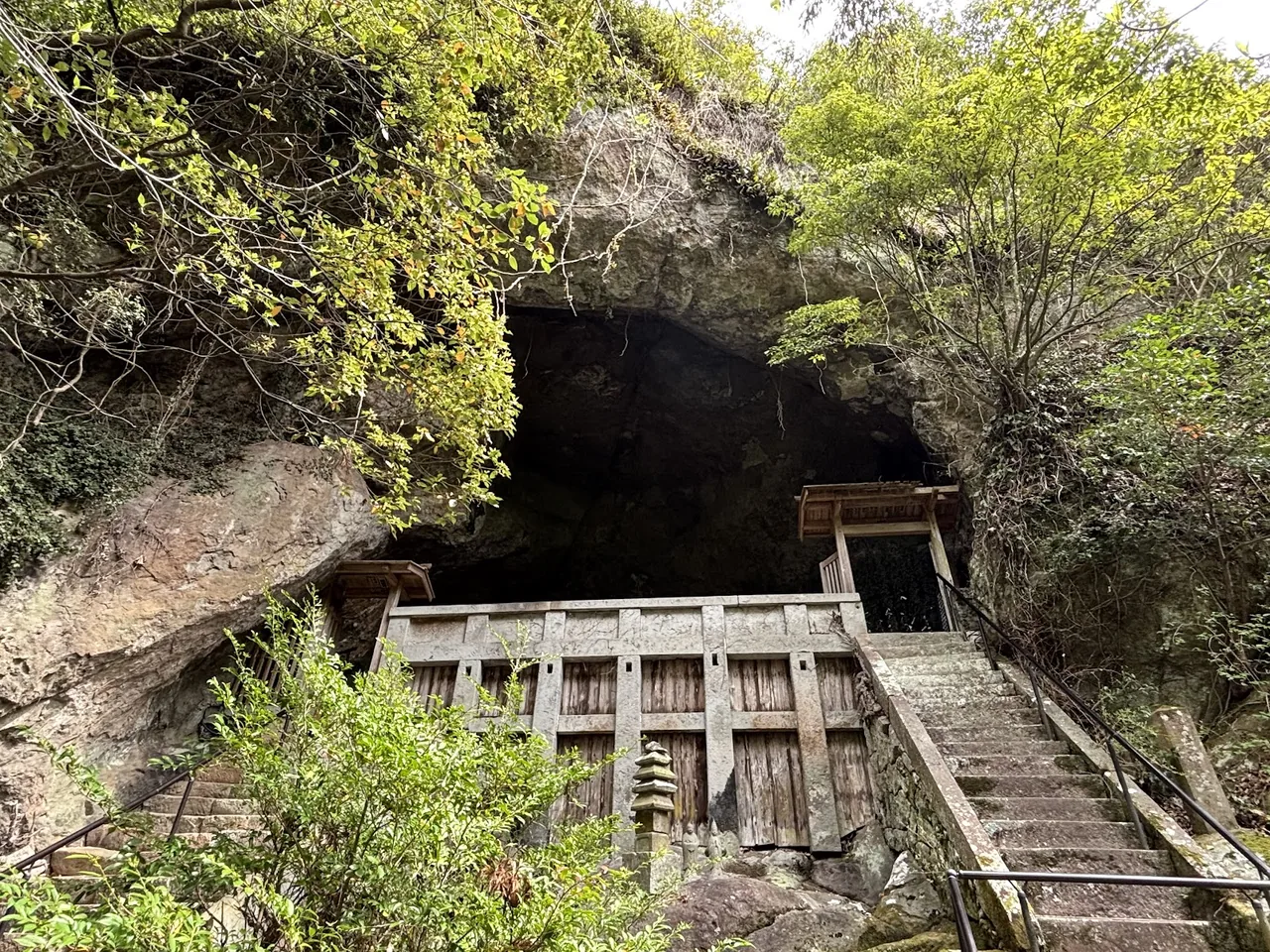
The cave where Miyamoto Musashi wrote The Book of Five Rings, a quiet pilgrimage site on the western edge of Kumamoto City that most visitors miss entirely
When to Visit
Kumamoto's volcanic highlands and coastal plains create distinct seasonal experiences. Spring and autumn draw the most visitors, but each season has a genuine case.
Springharu
Mar – May10–20°CHigh crowds
Springharu
- Cherry blossoms at Kumamoto Castle late March to early April
- Golden Week crowds late April to early May
- Mild conditions for hiking the Aso caldera rim
- Green grasslands at Kusasenri at their freshest
Summernatsu
Jun – Aug25–33°CModerate crowds
Summernatsu
- Hot and humid on the plains; highland Aso offers relief
- Rainy season through late June to mid-July
- Spider lily season begins in Yamaga by late summer
- Amakusa beaches at their best for swimming
Autumnaki
Sep – Nov10–22°CHigh crowds
Autumnaki
- Peak foliage around Aso caldera mid to late November
- Yamaga spider lily (higanbana) viewing mid-September
- Comfortable temperatures for castle and garden visits
- Clear skies for Daikanbo panoramic views
Winterfuyu
Dec – Feb2–9°CLow crowds
Winterfuyu
- Fewest tourists across the prefecture
- Snow on the Aso highlands creates dramatic landscapes
- Prime season for Kurokawa Onsen's outdoor baths
- Cold but manageable on the coast around Kumamoto City
Suggested Itineraries
Two days covers Kumamoto City and Aso; five days lets you add Kurokawa Onsen, the Amakusa islands, and the hidden corners of the south.
FAQ
How do I get to Kumamoto from Fukuoka?
The Shinkansen from Hakata Station takes approximately 40–50 minutes (verify current schedules). Buses are cheaper but slower.
Is Kumamoto Castle open to visitors?
Select areas are open during ongoing reconstruction following the 2016 earthquakes. Access remains more limited than before; check current open zones before your visit, as the situation continues to change.
Can you always visit the Nakadake Crater at Mount Aso?
No. Access depends on the volcanic alert level set by the Japan Meteorological Agency and can close with little warning. Check the current level at JMA's volcano page before making the trip.
Do I need a car to get around Kumamoto Prefecture?
For Kumamoto City, the tram network covers most sights. For Aso, limited buses run from the airport and Aso Station. For hidden gems like Tsujunkyo Bridge, Mogushi Beach, and Kamishikimi Kumanoza Shrine, a rental car is strongly recommended.
What is Kumamoto known for?
The "Land of Fire" for Mount Aso's active caldera and the "Land of Water" for its volcanic springs. Kumamoto Castle, Kurokawa Onsen ryokan stays, and the Aso highlands are the headline draws. See Kyushu Region Guide for broader Kyushu context.
When is the best time to visit Kumamoto?
Late March to early April for cherry blossoms at Kumamoto Castle; mid-September for spider lily viewing in Yamaga. Autumn brings clear skies for Aso caldera views. Summer is hot on the plains, though the highlands offer relief.
How far is Kumamoto from Tokyo?
Around 1 hour 40 minutes by air from Haneda (verify schedules). By Shinkansen via Hakata, roughly 4–5 hours. A JR Pass is worth considering if combining Kumamoto with a broader Kyushu itinerary.