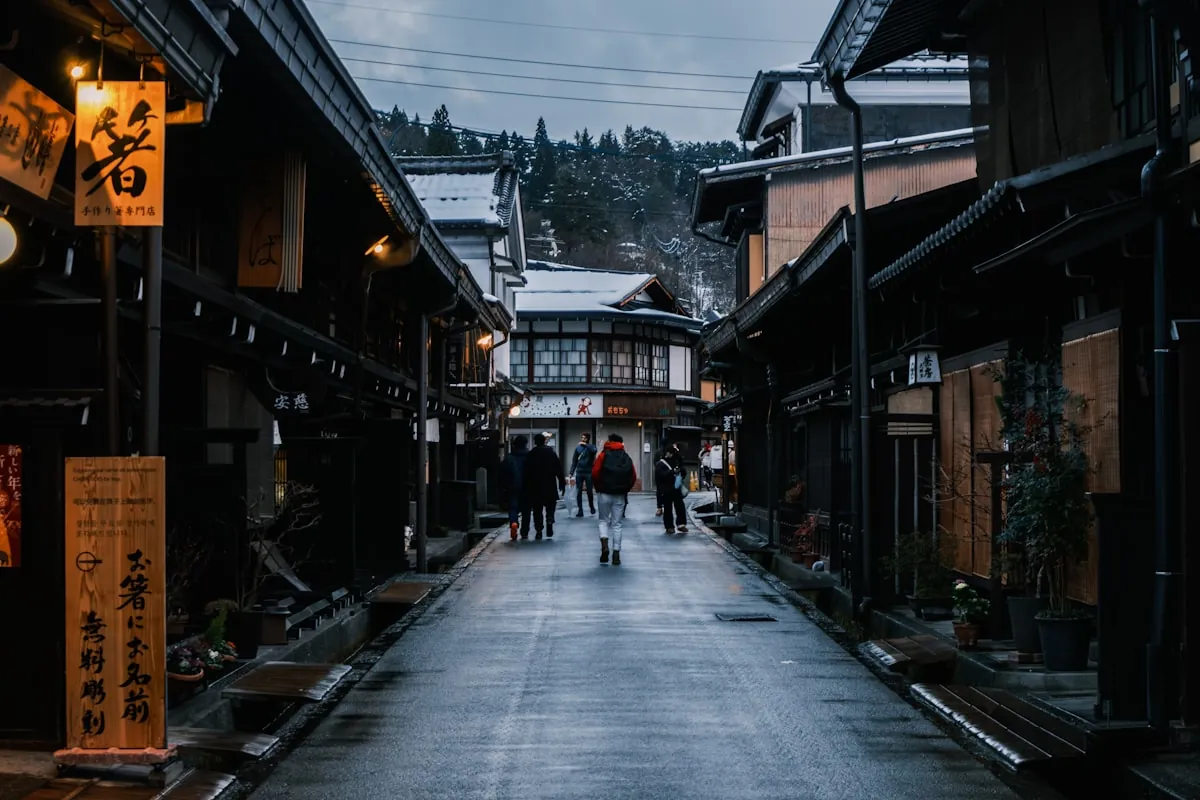
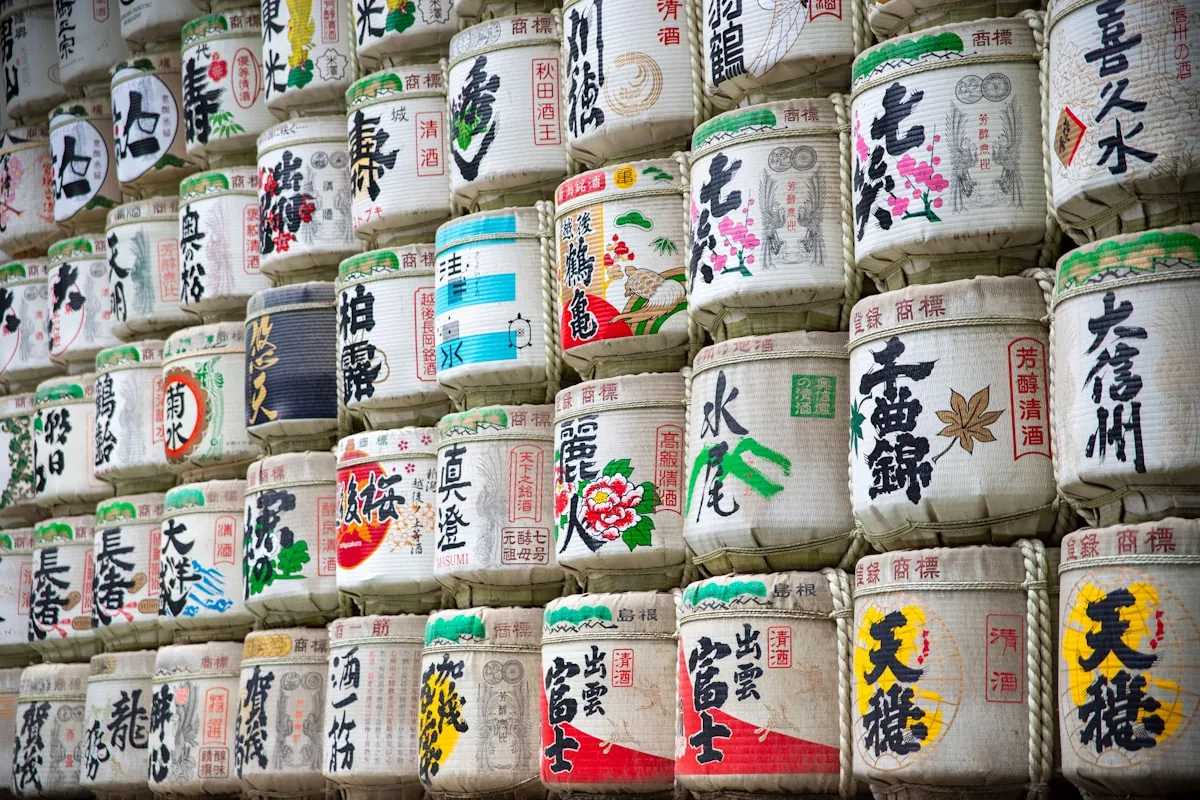
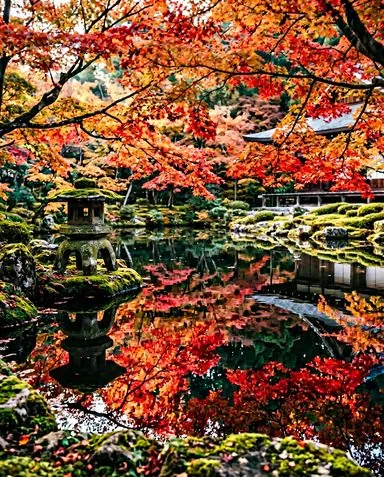
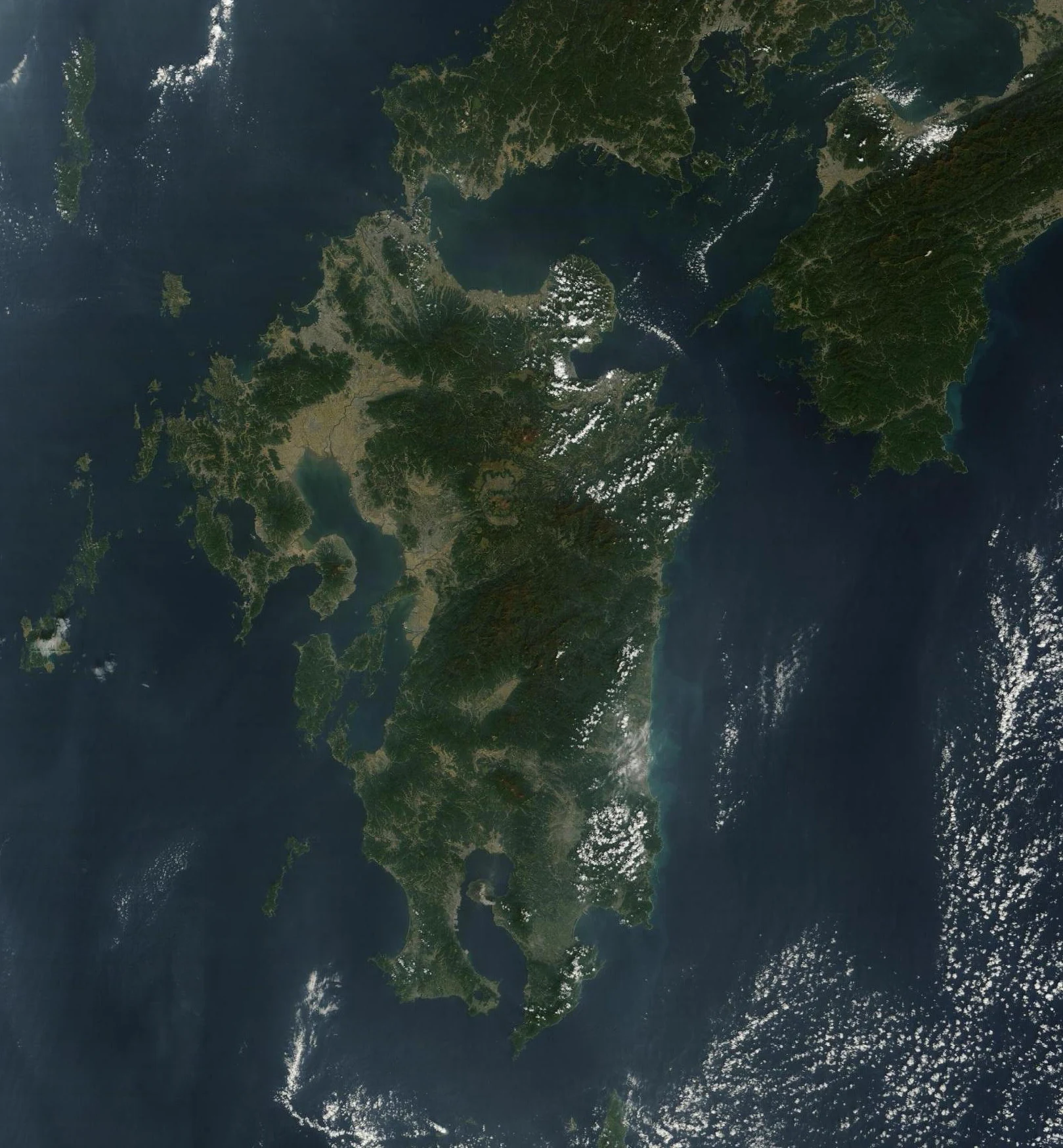
Fukuoka Prefecture sits at Japan's southwestern edge, closer to Seoul than to Tokyo, and that proximity to continental Asia has shaped everything from its history to its food culture. The prefecture's capital, Fukuoka City, is Kyushu's largest city and one of Japan's great underrated urban destinations: compact, walkable, and obsessively focused on eating well. Beyond the city, the prefecture stretches into quiet castle towns, sacred shrine islands, and coastal parks that most visitors never reach.
Cities & Towns
Fukuoka Prefecture ranges from Kyushu's busiest city to quiet inland towns and an industrial northern port, each with a distinct character.
Fukuoka City
Kyushu's capital and Japan's most liveable city: compact, food-obsessed, and easier to navigate than Tokyo or Osaka
Food capital of Kyushu
- Hakata ramen
- Yatai food stalls
- Canal City Hakata
Dazaifu
A historic shrine town 30 minutes from Hakata, famous for 6,000 plum trees and one of Kyushu's most visited shrines
Historic shrine town
- Dazaifu Tenmangu
- Plum blossoms
- Komachi-dori street
Kitakyushu
A gritty industrial port city in the north with a surprisingly charming Meiji-era waterfront district at Mojiko
Retro port district
- Mojiko Retro District
- Yahata steel heritage
- Kokura Castle
Yanagawa
A quiet canal town south of Fukuoka where flat-bottomed boats drift under willow-lined waterways
Canal boat town
- Canal boat rides
- Ohana Garden
- Unagi cuisine
Top Attractions
From sacred shrine islands to seaside flower parks, Fukuoka Prefecture's top draws reach well beyond the city limits.
Kyushu's most atmospheric shrine, surrounded by 6,000 plum trees and linked to the god of scholarship
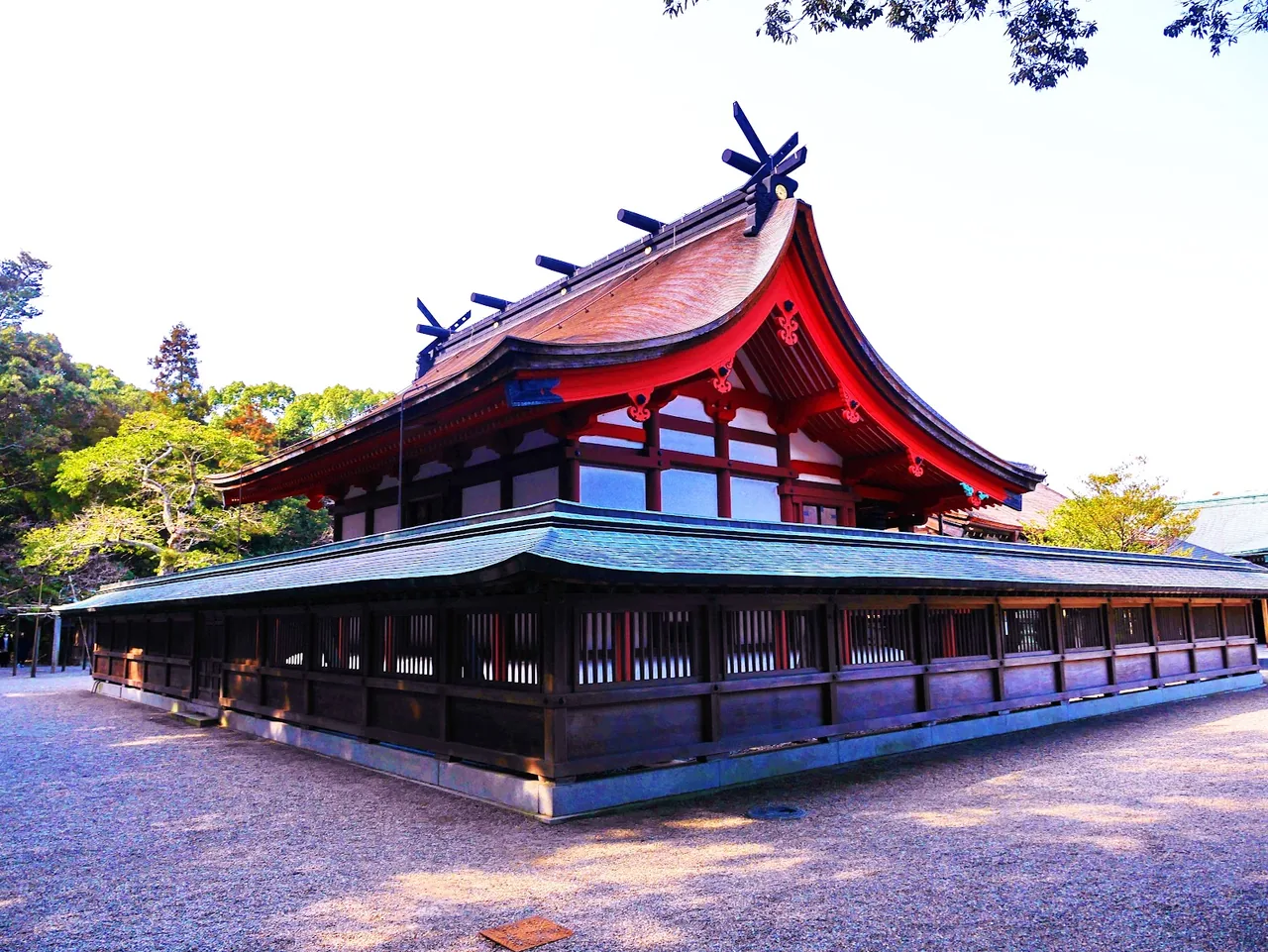
Three shrines and a sacred, off-limits island: a UNESCO World Heritage site that most visitors to Fukuoka never find
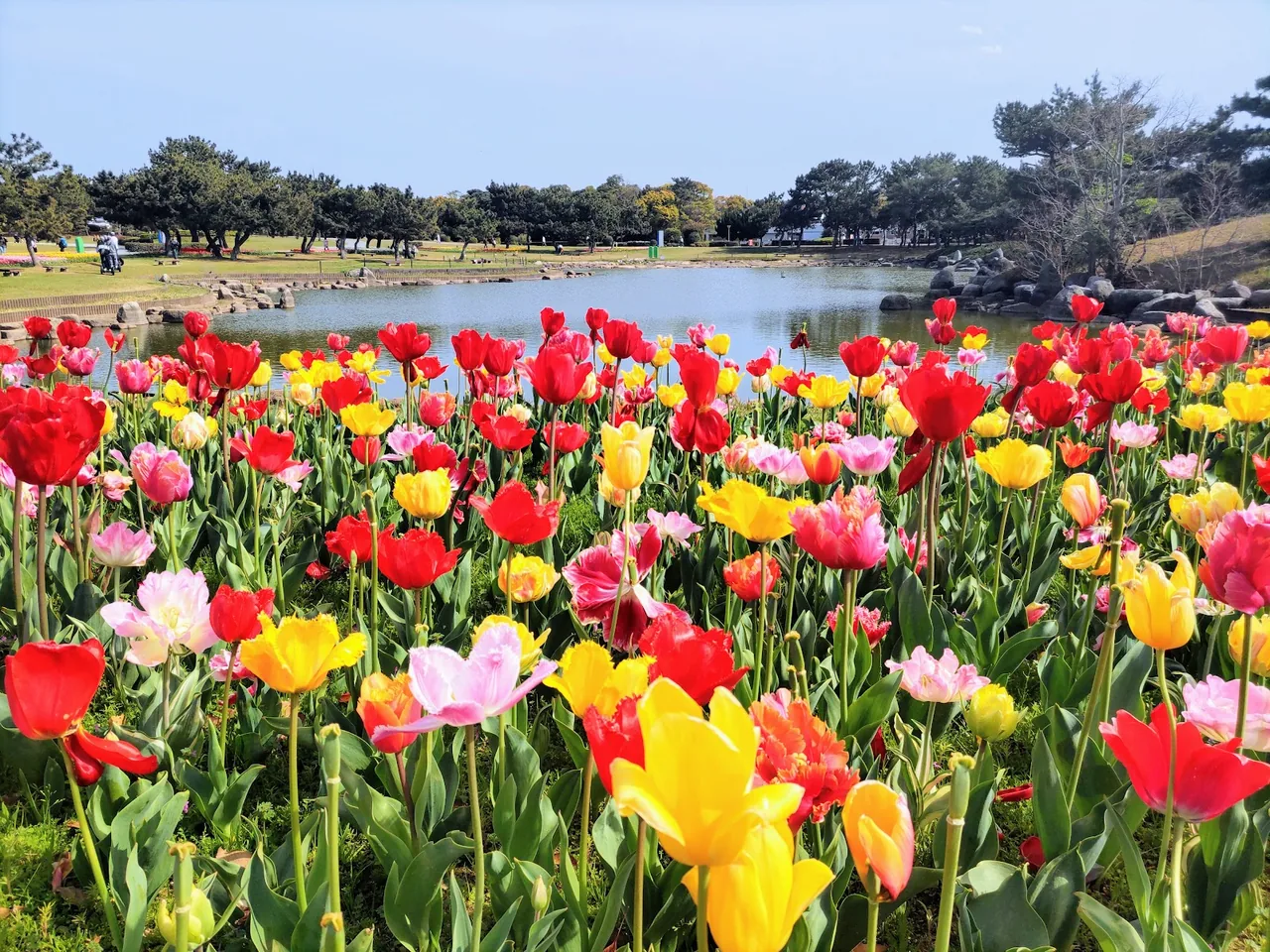
A vast coastal park on a peninsula across the bay, where nemophila flowers blanket the hillsides every April
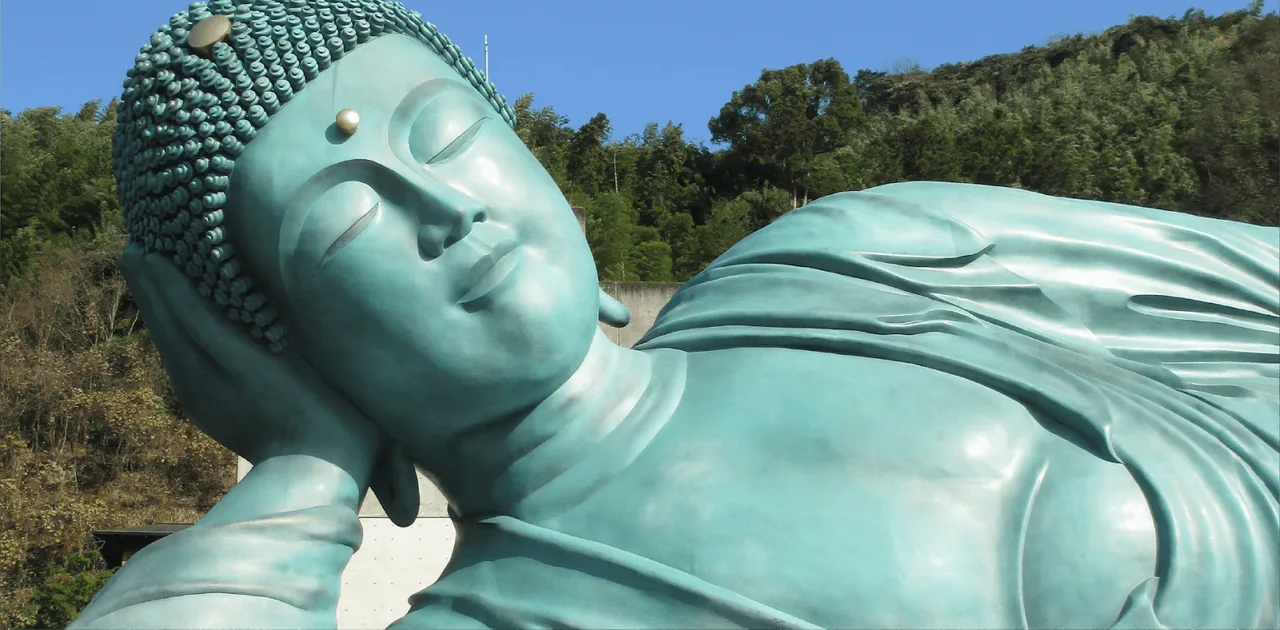
Home to a 41-metre bronze Reclining Buddha, said to be the largest in the world, tucked into the hills 25 minutes from Hakata
Hidden Gems
Most visitors to Fukuoka Prefecture never leave the city. These destinations reward the ones who do.
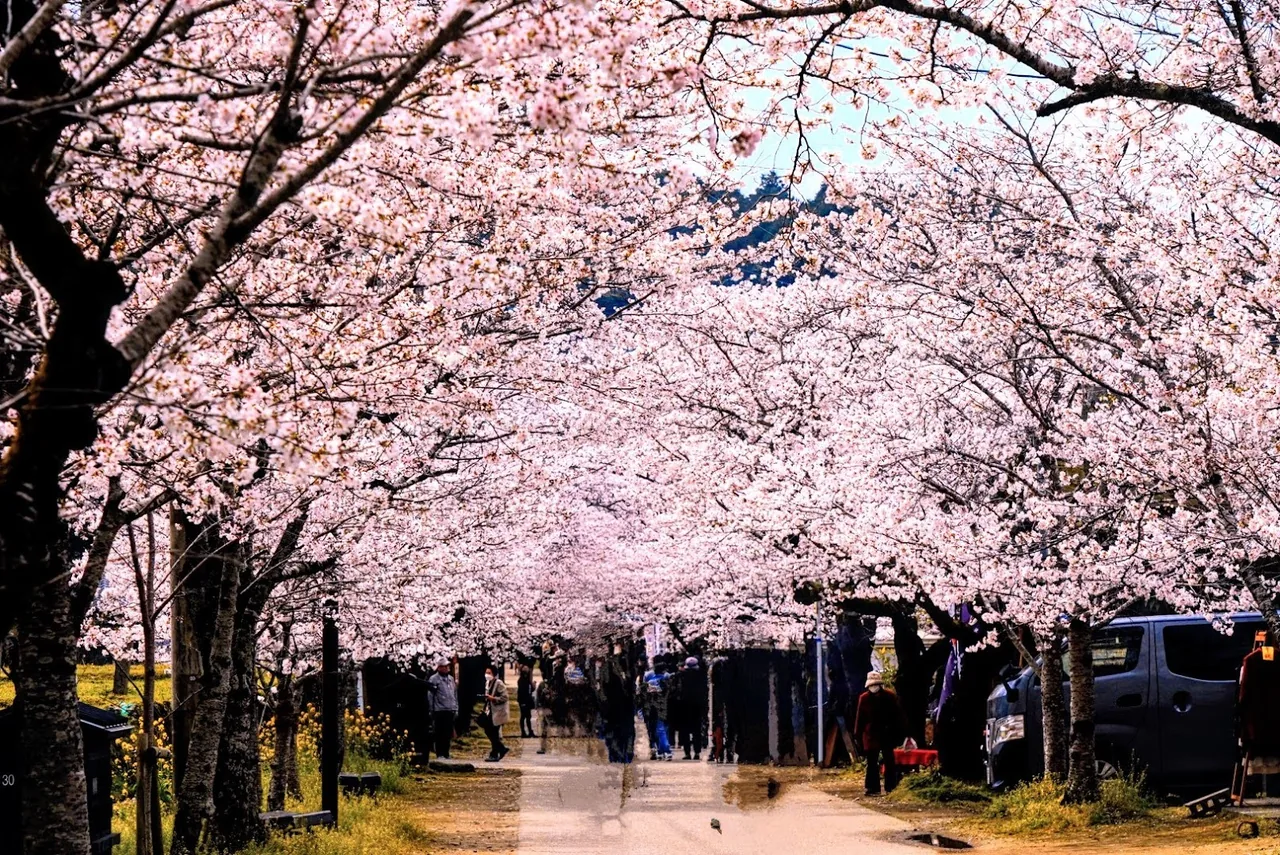 Hidden Gem
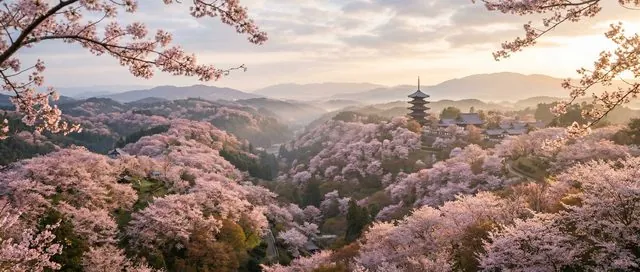
A forgotten castle town in the Asakura hills with a 500-meter cherry blossom tunnel and almost no foreign tourists
Hidden GemA quiet temple in Sasaguri housing one of the world's largest bronze statues: a 41-metre reclining Buddha that most Fukuoka visitors never hear about
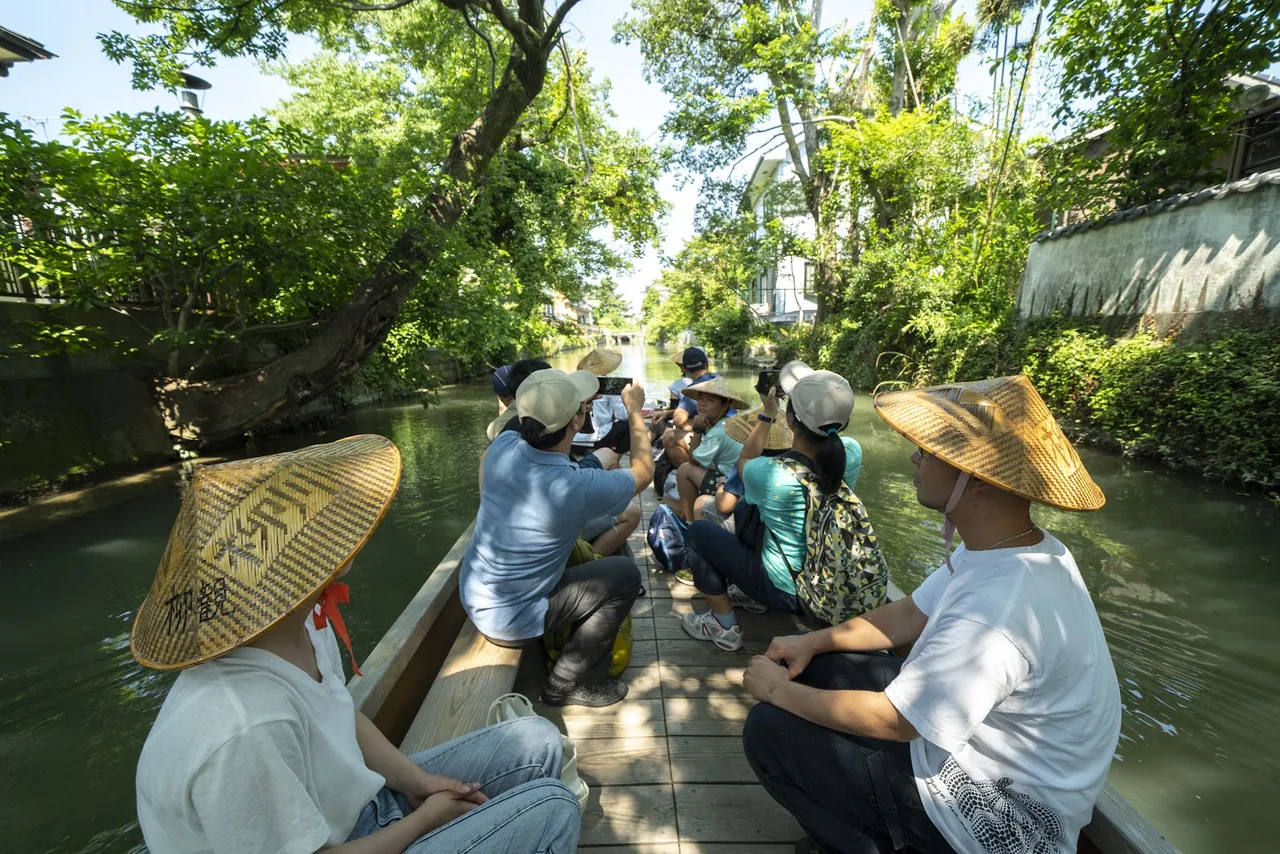 Hidden Gem
A canal town south of Fukuoka where flat-bottomed boats drift past willow-lined waterways. The kind of slow travel the rest of the prefecture doesn't offer
When to Visit
Spring and autumn are the sweet spots: mild temperatures, seasonal spectacles, and manageable crowds. Summer brings festivals but also serious heat and humidity.
Springharu
Mar – May18–25°CHigh crowds
Springharu
- Cherry blossoms peak late March to early April at Maizuru Park and Nishi Park
- Dazaifu Tenmangu's 6,000 plum trees bloom around early March
- Golden Week crowds late April to early May
Summernatsu
Jun – Aug28–33°CModerate crowds
Summernatsu
- Hakata Gion Yamakasa festival float race in July
- Rainy season through early July
- Hot and humid; coastal areas offer some relief
Autumnaki
Sep – Nov15–25°CModerate crowds
Autumnaki
- Comfortable temperatures for day trips to Dazaifu and Akizuki
- Foliage in the Asakura hills
- Far fewer crowds than spring
Winterfuyu
Dec – Feb4–13°CLow crowds
Winterfuyu
- Fewest tourists of the year
- Setsubun Festival at Dazaifu Tenmangu in February
- Fukuoka's famous Amaou strawberries at their peak
Suggested Itineraries
Two days gets you the city highlights; four days opens up Dazaifu, Munakata, and the quieter corners of the prefecture. If you're travelling from Tokyo or Osaka, a JR Pass can cover your Shinkansen fare to Hakata; worth calculating before you book.
FAQ
Do I need a visa to visit Fukuoka Prefecture?
Most Western visitors, including UK, US, Australian, and Canadian citizens, can enter Japan visa-free for stays up to 90 days. No advance application needed; you'll receive a stamp on arrival.
How do I get from Tokyo to Fukuoka?
Fly (around 2 hours from Haneda or Narita) or take the Shinkansen (around 5 hours on the Tokaido/Sanyo line to Hakata Station). Flying is faster; the bullet train is city-centre to city-centre. The JR Pass covers the Shinkansen if you're travelling widely, so check whether it makes sense for your trip.
Is Fukuoka Airport easy to get into the city from?
Unusually easy. The airport sits within the city limits, and the subway to Hakata Station takes just 5 minutes, one of the most convenient airport connections in Japan.
How many days should I spend in Fukuoka Prefecture?
Two days covers the city highlights. Add a third for Dazaifu (30 minutes by bus) and a fourth to reach Munakata Taisha or Akizuki Castle Town. A week gives you a comfortable Kyushu loop with Fukuoka as base.
What is Fukuoka most famous for?
Food, primarily. Fukuoka is the birthplace of Hakata ramen and home to open-air yatai stalls along the Naka River. Beyond eating, the prefecture is known for Dazaifu Tenmangu shrine and the UNESCO-listed Munakata Taisha.
What is the best time of year to visit Fukuoka?
Spring (late March to early April) for cherry blossoms, or autumn (October to November) for comfortable temperatures. Summer is hot and humid, though the Hakata Gion Yamakasa festival in July is worth the heat if you can time it right.
Is Fukuoka worth visiting beyond the city?
Yes. Dazaifu is an easy half-day from Hakata. Munakata Taisha is a UNESCO World Heritage shrine complex most visitors never reach. Akizuki Castle Town sees almost no foreign tourists and has a 500-metre cherry blossom tunnel in spring. See day-trip guides for logistics.