
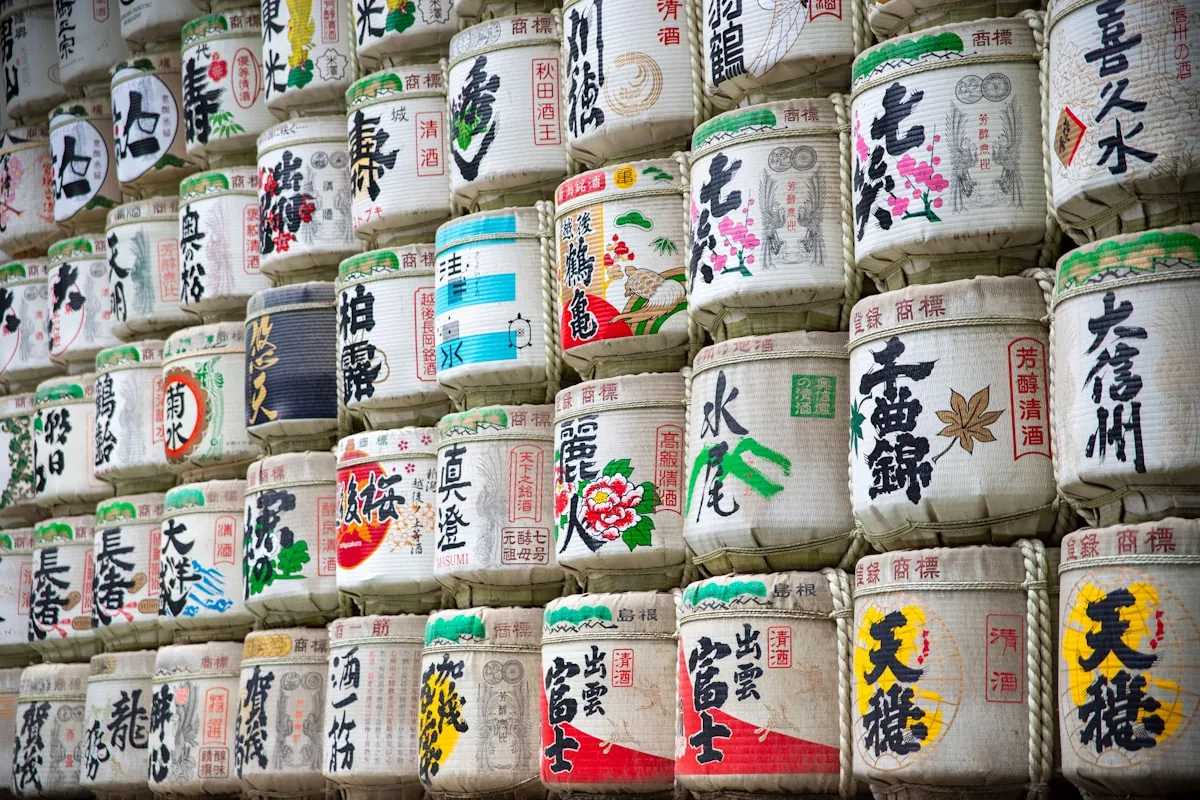
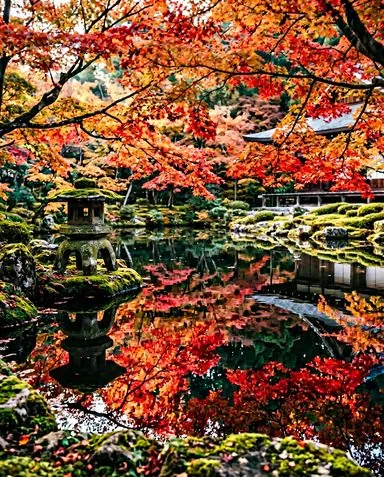

Naoshima sits in the Seto Inland Sea between Honshu and Shikoku, a former copper-smelting island the Benesse Corporation rescued in the 1990s by commissioning Tadao Ando to build museum-hotels and gradually filling the place with site-specific contemporary art. Today it’s the cultural anchor of the Setouchi Triennale and the most-talked-about Japanese art experience among international visitors. Plan one or two nights. Day-tripping from Okayama works, but it’s rushed and you miss the best part: the island after the day-tripper ferry leaves at 17:00.
When to Visit
Springharu
Mar–May8–22°CHigh crowds
Springharu
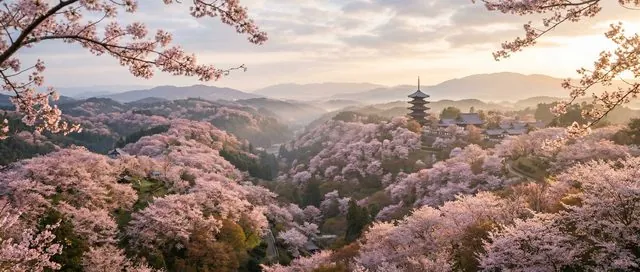
- Cherry blossom on the hilltop trail behind Honmura
- Mild ferry crossings, calm Inland Sea
- Setouchi Triennale spring session in 2026
Summernatsu
Jun–Aug22–32°CHigh crowds
Summernatsu
- Long daylight for Tsutsuji-so beach pumpkin photography
- Hot, humid; bring a hat for outdoor sculptures
- Setouchi Triennale summer session in 2026
Autumnaki
Sep–Nov12–26°CHigh crowds
Autumnaki
- Best season: clear Inland Sea weather, mild temperatures
- Setouchi Triennale autumn session in 2026
- Ferry to Teshima or Inujima for the day
Winterfuyu
Dec–Feb3–11°CLow crowds
Winterfuyu
- Quietest season; some museums close Tuesdays in addition to Mondays
- Cold ferry crossings, but empty galleries
- Mainland weather can disrupt sailings, so check forecasts
What to Do on Naoshima
The island is small enough to cover the headline sites in a single day, but the spacing between them (and the way Ando’s architecture rewards slow looking) makes a two-night stay much better.
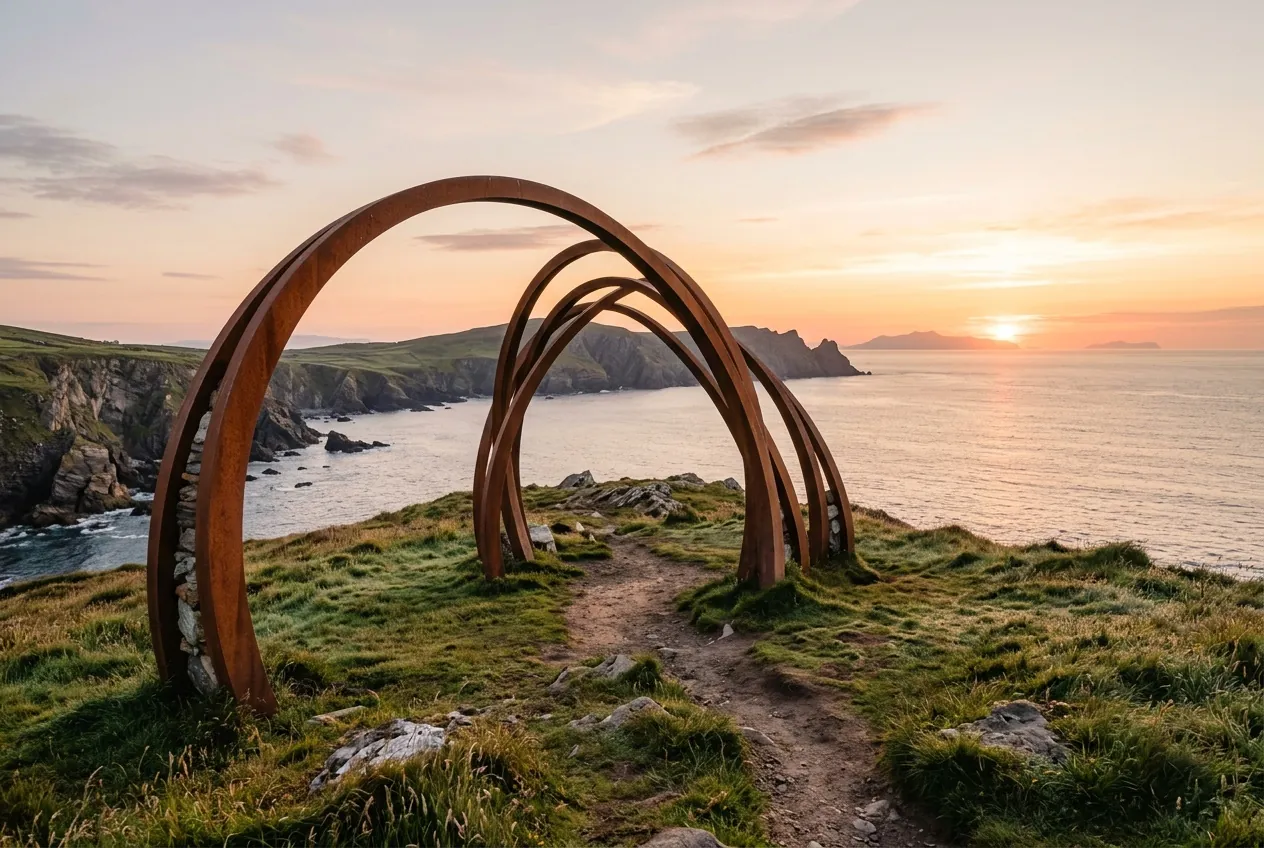
Tadao Ando’s underground concrete museum lit only by skylights: Monet’s five Water Lilies, James Turrell’s Open Sky and Walter De Maria’s sphere chamber
Underground Ando museum
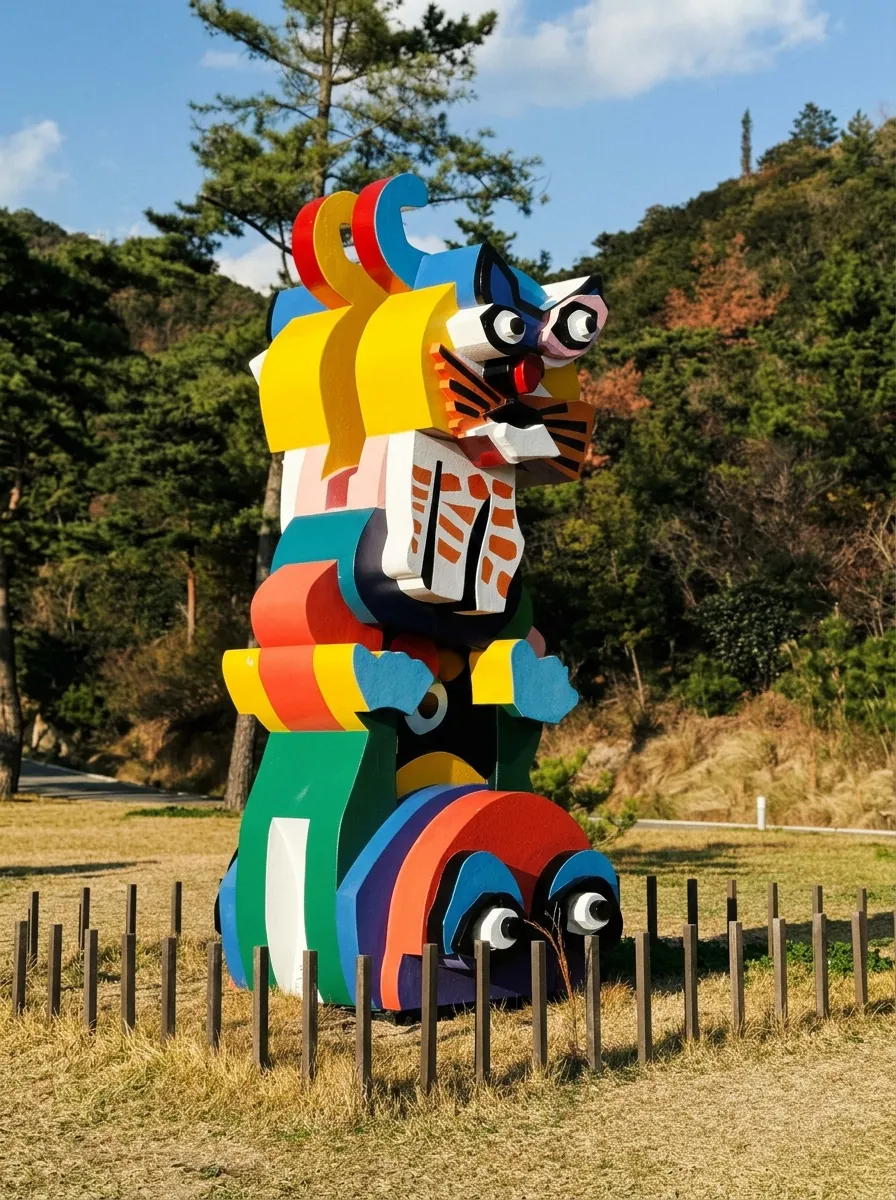
Ando-designed hotel-museum on the south coast; day visitors can enter the museum portion, guests sleep among the art
Ando art-hotel museum
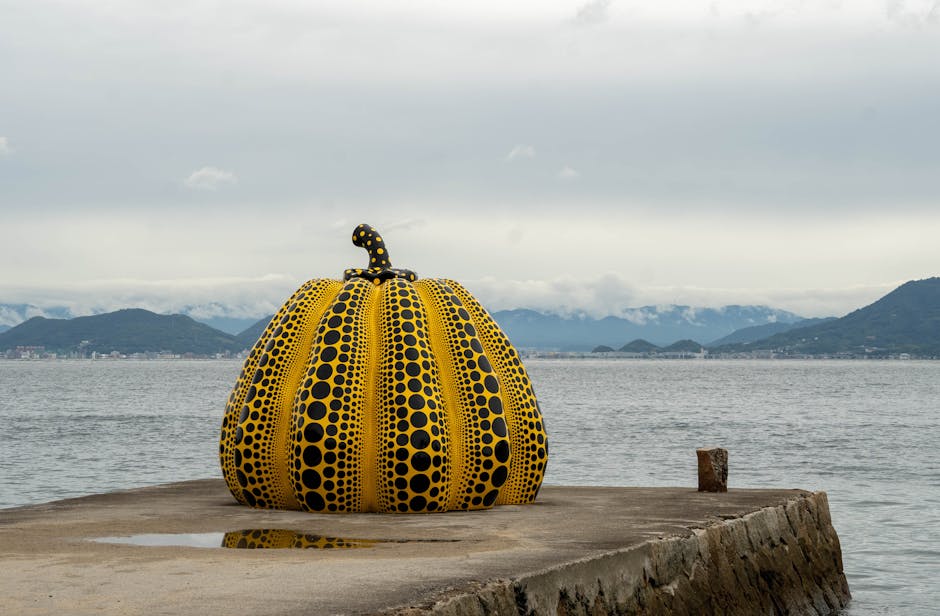
Yellow pumpkin at Tsutsuji-so beach, red pumpkin at Miyanoura ferry pier: the iconic outdoor sculptures, free to visit
Iconic Kusama sculptures
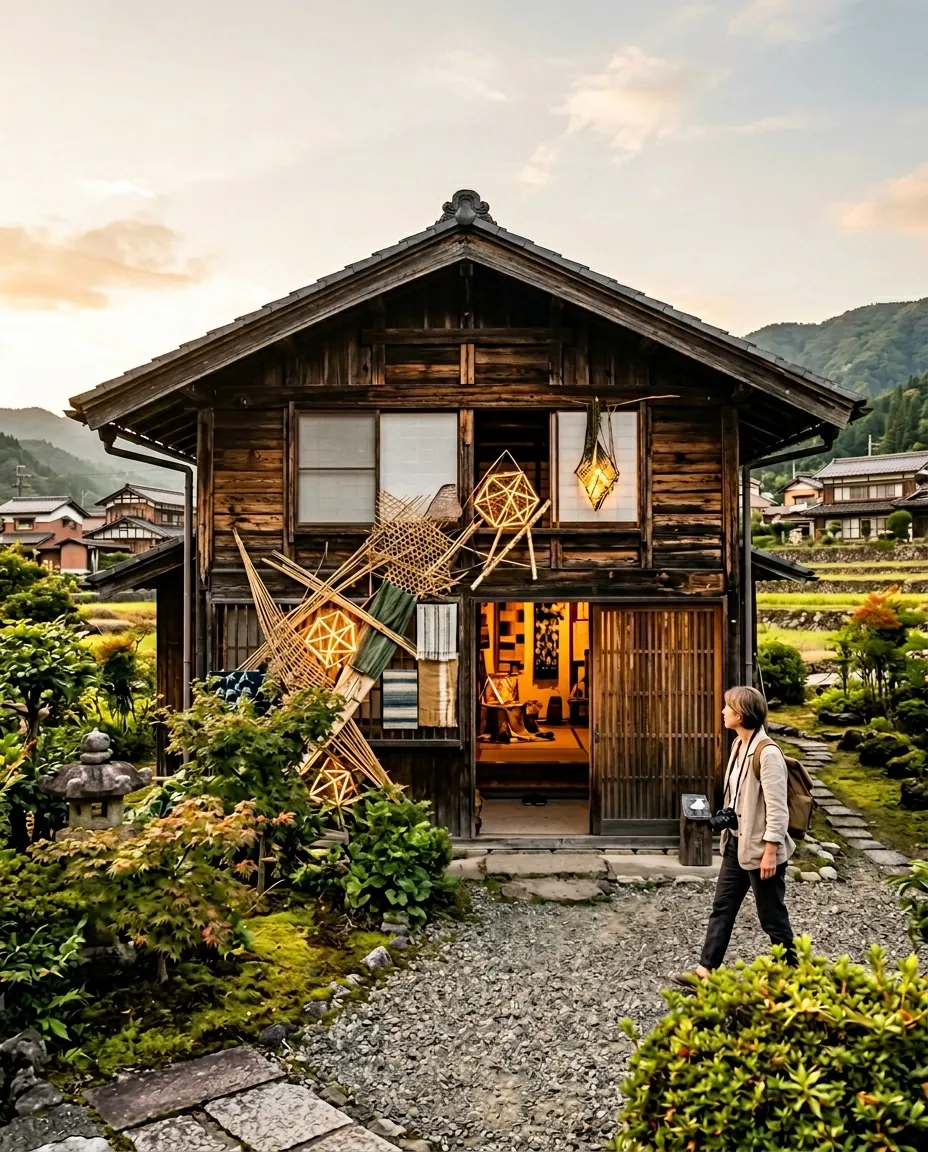
Seven traditional Honmura houses converted into permanent installations by Tatsuo Miyajima, James Turrell and others. Buy the multi-house ticket.
Houses-as-galleries
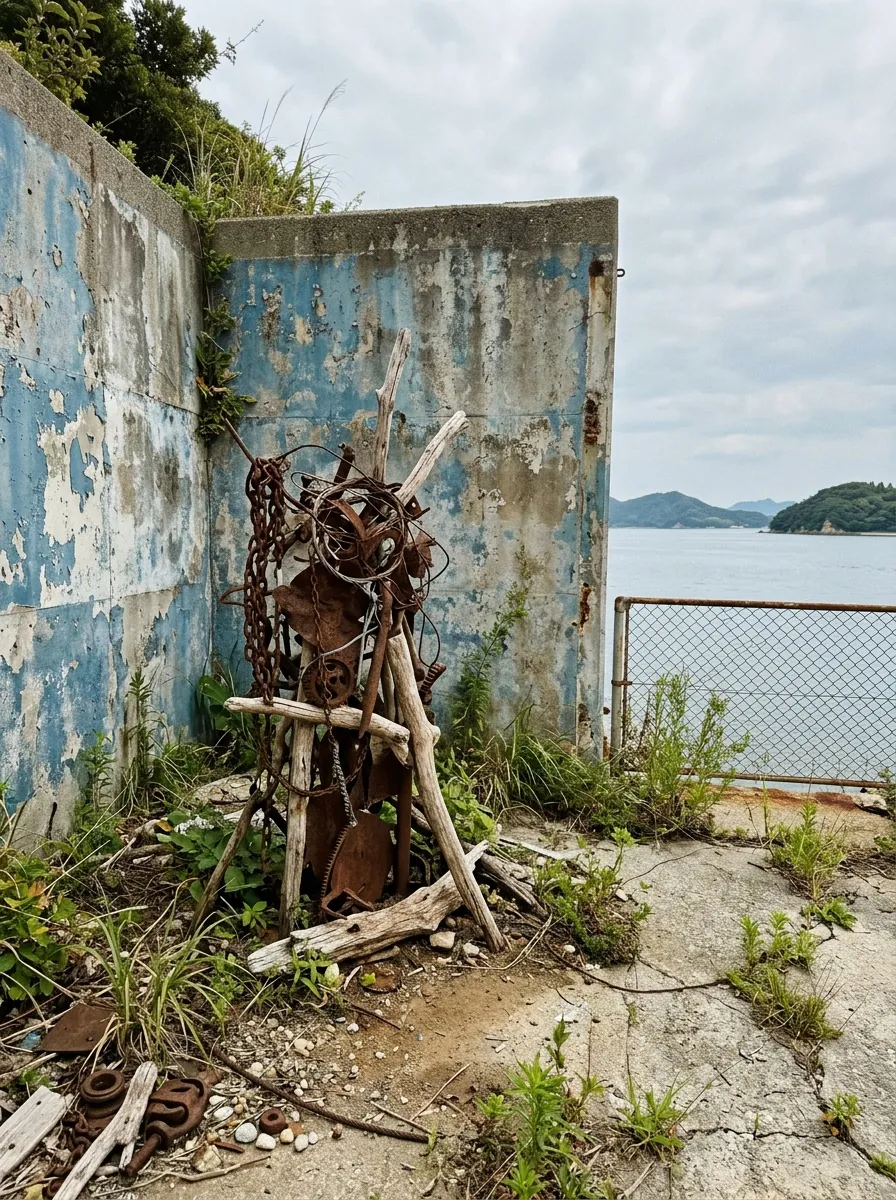
Minimalist Ando concrete pavilions for sparse Korean-Japanese sculpture and painting, the most contemplative space on the island
Minimalist Ando pavilion
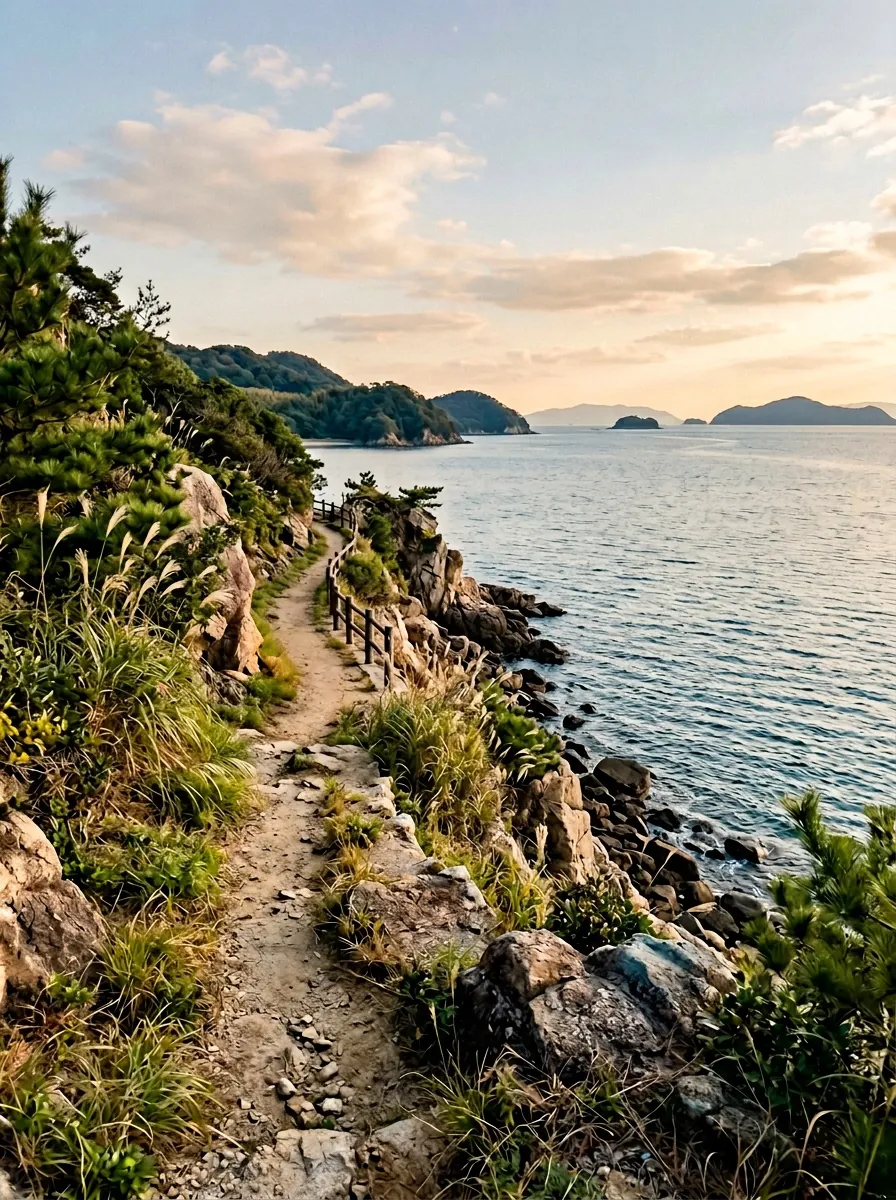 Hidden Gem
Quiet coastal path behind Honmura with Inland Sea views; most visitors never leave the museum loop
Coastal hilltop trail
Skip the Crowds
- Stay overnight. The day-tripper ferry leaves at 17:00; after that the museums close but the village, the coastal trail and the sunset over the Inland Sea are nearly empty.
- Reserve Chichu Museum at opening. Tickets are time-slotted; book the 10:00 entry online a week ahead and you walk in before the bus tours.
- Day-trip to Teshima. 30 minutes by ferry, the Teshima Art Museum (Ryue Nishizawa) is arguably better than anything on Naoshima itself, and a fraction of the visitors.
- Avoid Mondays. Most museums close, and so do half the cafés in Honmura.
- Walk, don’t bus. The shuttle bus loops between the major sites but the island is small and flat enough to cycle (rentals at Miyanoura Port).
Food & Drink
Naoshima eats are concentrated in Honmura village and Miyanoura Port. Reserve dinners; the island runs out of food by 19:00 in low season.
 ★ Author's Pick
Aisunao
Honmura village set-lunch institution; book ahead in season
HonmuraView on Google Maps →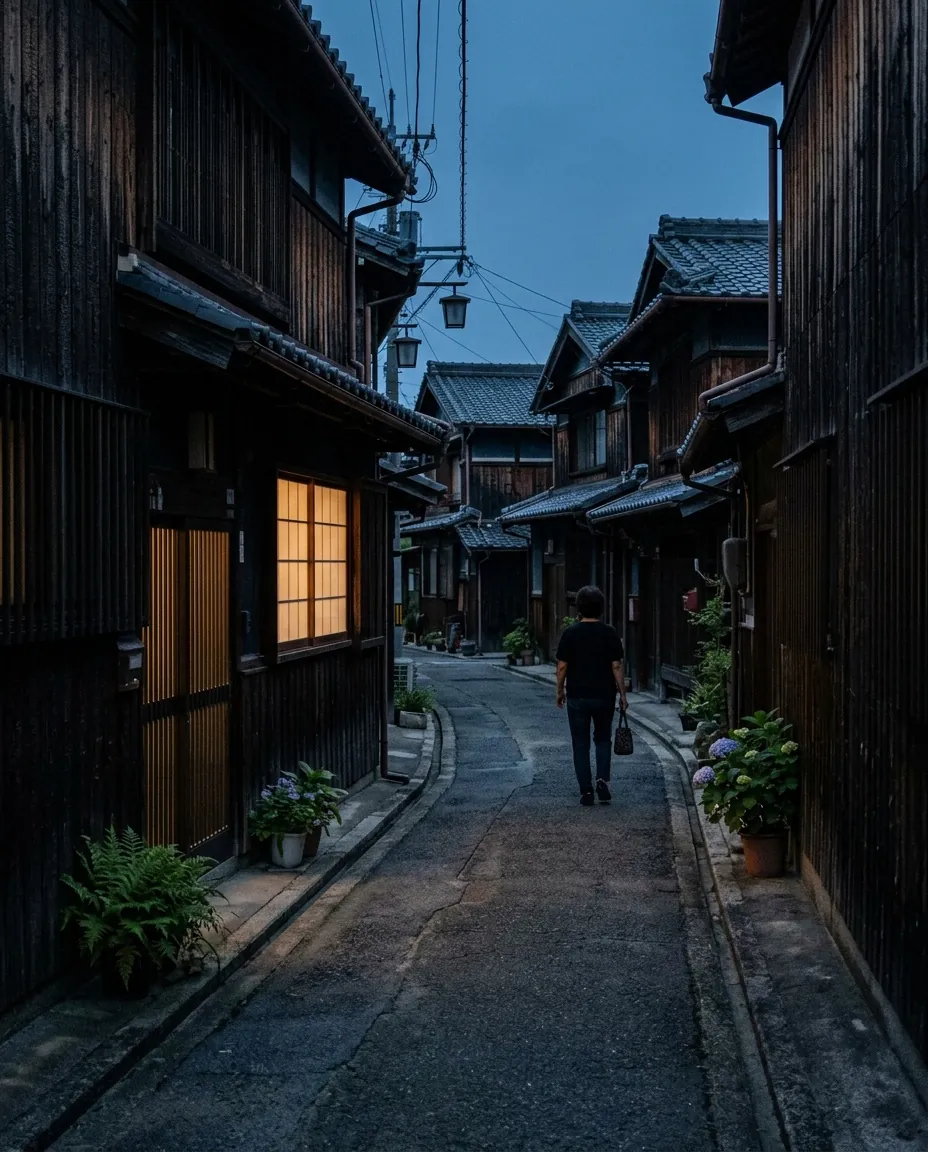
Cin.na.mon
All-day café in Honmura, easiest place to eat between museums
HonmuraView on Google Maps →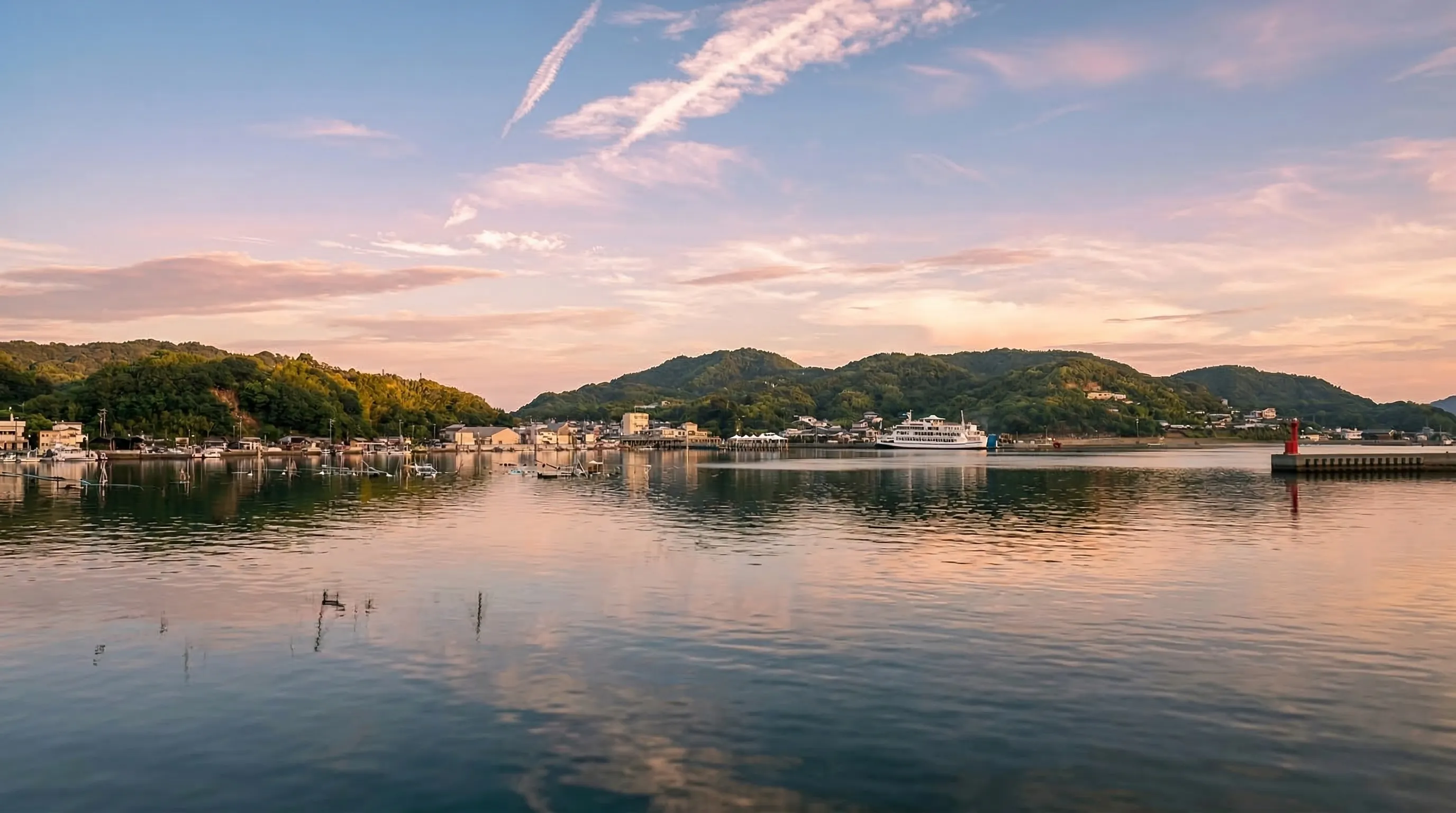
Shimakko
Family-run izakaya near Miyanoura Port; book by 18:00
MiyanouraView on Google Maps →Where to Stay
Three brackets: Benesse House (sleep among the art), Honmura village guesthouses, or stay in Okayama and ferry over.
★ Author's PickBenesse House
The Ando-designed art-hotel; guests get after-hours museum access
Tsutsuji-soCheck availability →Roka Naoshima
Newer design hotel in Miyanoura with Inland Sea-view rooms and a quiet onsen
MiyanouraCheck availability →Tsutsujiso Lodge
Mongolian-yurt and beach-cottage lodging next to the yellow pumpkin
Tsutsuji-so beachCheck availability →Inland Sea art-island day trips
Naoshima is the gateway, but the smaller islands across the Inland Sea hold some of the festival’s best work, and far fewer visitors.
Teshima
30-min ferry; Teshima Art Museum (Ryue Nishizawa) is arguably the best contemporary art building in Japan
Best contemporary museum
- Teshima Art Museum droplet building
- Les Archives du Coeur (Boltanski)
- Quiet hilltop rice terraces
Inujima
50-min ferry; Inujima Seirensho Art Museum repurposes a copper refinery into a thermal art experience
Refinery-as-museum
- Seirensho Art Museum
- Inujima Art House Project
- Tiny island, half-day visit
Megijima & Ogijima
Two smaller islands with Setouchi Triennale installations, ferries from Takamatsu on the Shikoku side
Triennale outer islands
- Onigashima Cave (Megijima)
- Tilted concrete-frame installation (Ogijima)
- Easy combine from Takamatsu base
How to Get There
Getting There
- 1Take JR Uno Line → Uno Station
- 2Walk to Uno Port and take ferry → Miyanoura Port (Naoshima)
- 1Take ferry → Honmura or Miyanoura Port
- 1Take JR Tokaido/Sanyo Shinkansen → Okayama Station
- 2Continue via JR Uno Line + ferry → Miyanoura Port
Tips for Visiting
- Book Chichu Museum online. Time-slotted entry; in summer / Triennale years it sells out 1-2 weeks ahead.
- Most museums close Mondays. Outdoor pumpkins are always available; plan indoor sites for Tue-Sun.
- Setouchi Triennale runs every three years. Next: 2026, in three sessions (spring / summer / autumn). Off-Triennale years are quieter and most permanent works are still open.
- Cycle, don’t bus. Rental bicycles at Miyanoura cost ¥500/day and the island is flat enough for casual riders.
- Combine with Teshima. Single-day Teshima visit (30-min ferry) doubles your art and halves your crowds.
FAQ
How long do I need on Naoshima?
One full day covers Chichu, Benesse House Museum and the Art House Project if you’re efficient, but you’ll feel rushed. Two nights is the sweet spot: day one for the headline museums, day two for Teshima or the coastal walk and Lee Ufan, and two evenings of an empty island after the ferries leave.
Day trip from Okayama or stay overnight?
Day trip works in 6-7 hours total but you’ll see the headline museums under bus-tour pressure and miss the empty evenings. Overnight is the better experience by a wide margin; book 2-3 months ahead in season.
Can I visit during the Setouchi Triennale?
Yes, and you’ll see the most work, but also the largest crowds and highest prices. Off-Triennale years are quieter and most of Naoshima’s permanent collection (Chichu, Benesse House, Lee Ufan, Art House Project) is open year-round regardless.
Is Naoshima accessible without Japanese?
Yes. Museum staff speak English, ticket booking is in English, ferry signs are bilingual. Honmura village restaurants are more Japanese-only but pointing at menus works fine.