
When to Visit
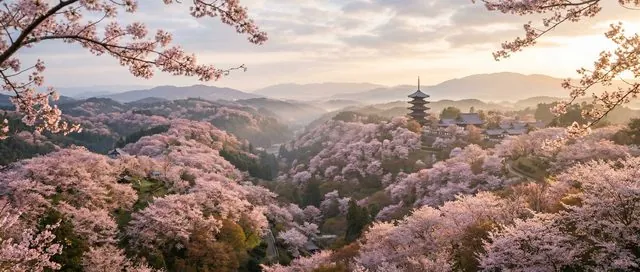
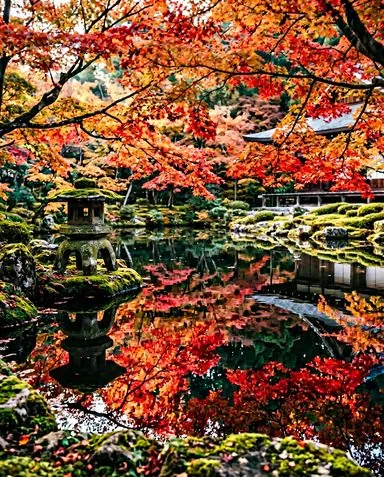
Yufuin rewards visitors year-round, but spring and autumn deliver the most dramatic scenery around Mount Yufu and Lake Kinrinko.
What to Do in Yufuin
Yufuin's main attractions run along a single 1.5-kilometre walking route: easy to cover on foot, with a few quieter spots worth seeking out beyond the main drag.
Icons worth the crowds
Hidden gems
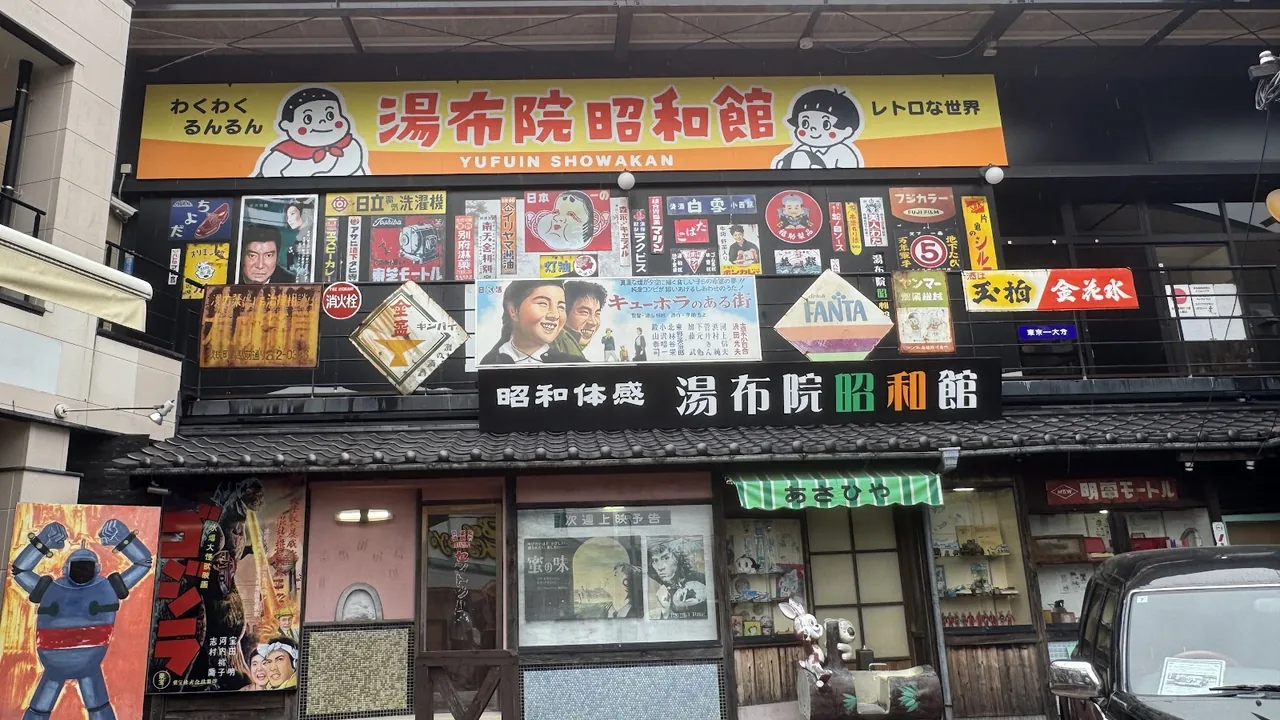
More Yufuin highlights
Skip the Crowds
- Arrive before 8am at Lake Kinrinko. The mist is thickest at dawn, the tour groups haven't arrived, and the torii of Tenso Shrine reflects in near-perfect stillness.
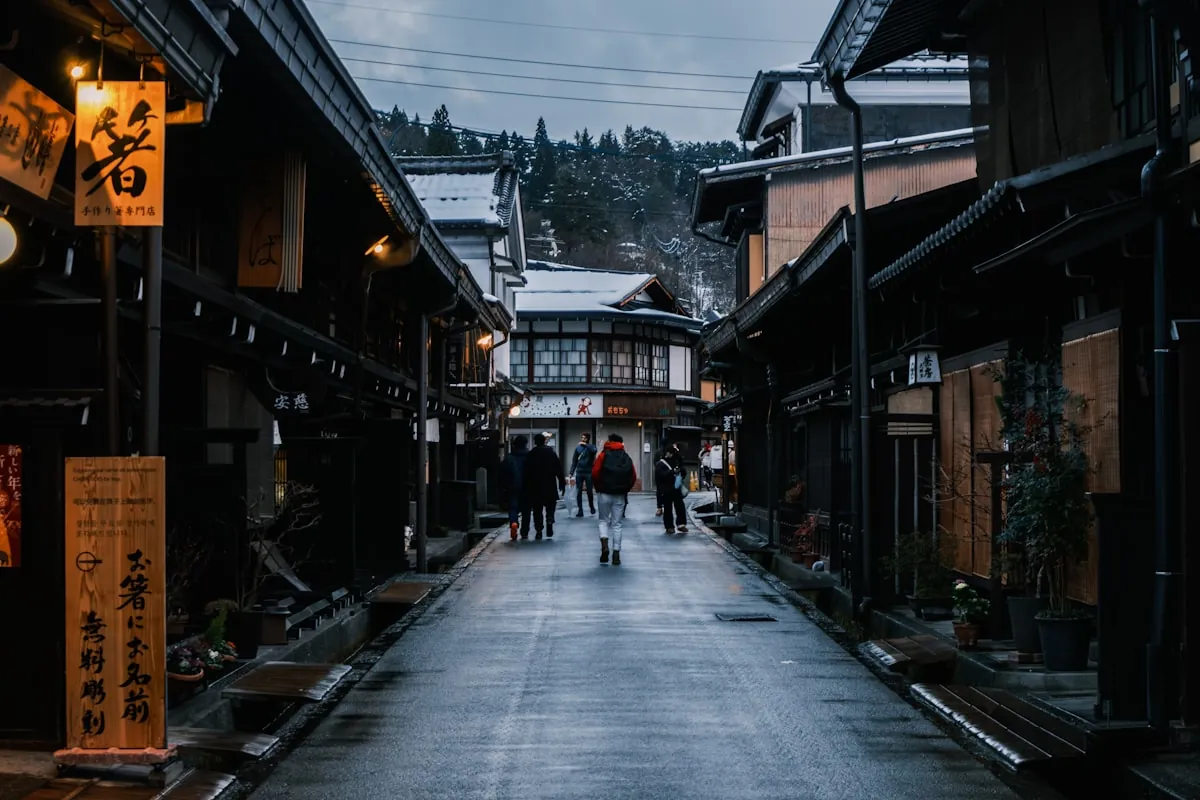
- Stay overnight. Day-trippers from Beppu and Fukuoka clear out by early evening. The town that remains (quiet streets, lit ryokan lanterns, no crowds) is the Yufuin worth coming for.
- Skip Floral Village on weekends. The fairy-tale aesthetic draws big weekend crowds. Weekday mornings are manageable; weekends are not.
- Walk beyond Yunotsubo Kaido. The main street handles the majority of foot traffic. Side lanes and the rice paddy paths around the basin see a fraction of the visitors.
- Rent a bicycle. Around ¥1,250 per day (check current rates), it gets you to Mount Yufu's trailhead and the quieter southern edge of town faster than the crowds on foot.
Food & Drink
Yufuin's dining scene leans into local Oita produce: think fresh tofu, Bungo beef, and onigiri made with regional rice. Options cluster along Yunotsubo Kaido and around the station.
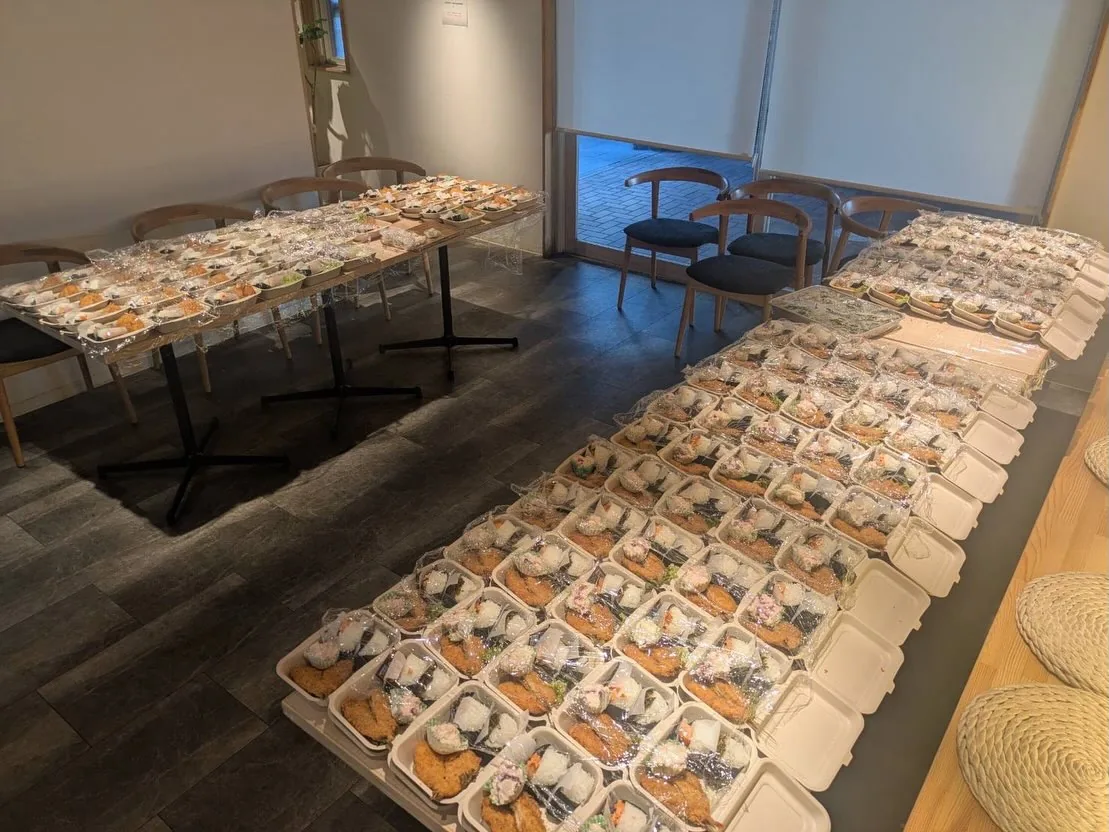
Handmade onigiri using local Oita rice: simple, fresh, and worth the queue
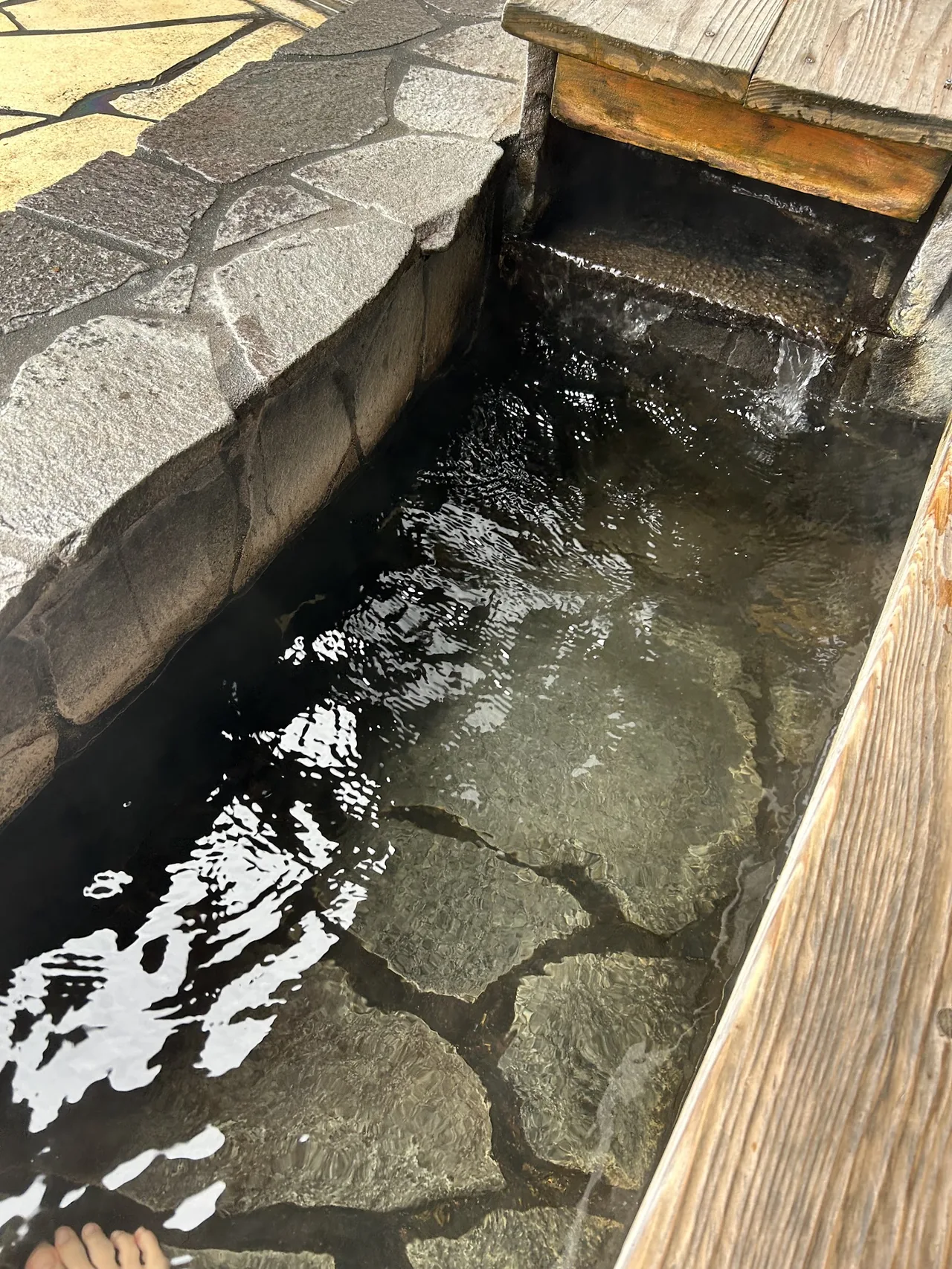
Local wagashi and baked goods near the station, with a free foot bath out back
Rotating stalls selling Oita specialities: fresh tofu, grilled skewers, and soft-serve
Where to Stay
Yufuin's ryokan and hotels are scattered across town rather than clustered on one strip; choose based on how close you want to be to the station versus the quieter outskirts.
Booking links are affiliate links. They cost nothing extra and support the site.
Day Trips
Yufuin sits at the centre of Oita Prefecture's best scenery; Beppu's famous hell springs and the Kunisaki Peninsula are both within easy reach.
How to Get There
FAQ
Is Yufuin worth visiting as a day trip from Fukuoka?
Yes, but an overnight stay is better. The two-hour train ride from Hakata is scenic, and the town is walkable in a day. The real charm, however, emerges after the day-trippers leave: quiet streets, lit ryokan lanterns, and no crowds.
How do I get from Beppu to Yufuin?
The easiest option is the Kamenoi Bus: around ¥1,100 (verify current fares), running 1–2 times per hour, taking about 50 minutes. By train, you'll need to transfer at Oita Station; the journey takes around 80 minutes and costs around ¥1,300, covered by the JR Pass and Kyushu Rail Pass.
What is the best time to visit Yufuin?
Spring (March–May) for cherry blossoms and autumn (October–November) for foliage are peak season. Winter is quieter and the onsen atmosphere is at its most compelling. Summer is warm and humid but manageable.
Can I visit Yufuin's onsen without staying at a ryokan?
Yes. Sansuikan offers day bathing from around ¥1,000 (12:00–16:00; verify current rates). The Shitanyu public bath at Lake Kinrinko charges around ¥300 (open 10:00–20:00). Note that Shitanyu is mixed-gender with no dedicated changing rooms.
How far is Lake Kinrinko from Yufuin Station?
About 1.5 kilometres: a 20–30 minute walk along Yunotsubo Kaido, the main shopping street. The walk itself is half the experience.
Is Yufuin good for hiking?
Mount Yufu's trailhead is about 5 kilometres from the station; a bus or taxi gets you there. The twin-peaked volcano is hikeable year-round in good weather. Check trail conditions before setting out.
Do I need cash in Yufuin?
Yes. Many smaller shops, street food stalls, and public baths along Yunotsubo Kaido are cash-only. Bring yen before arriving; ATM options in town are limited.