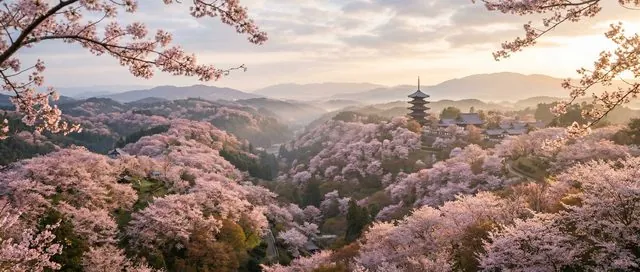
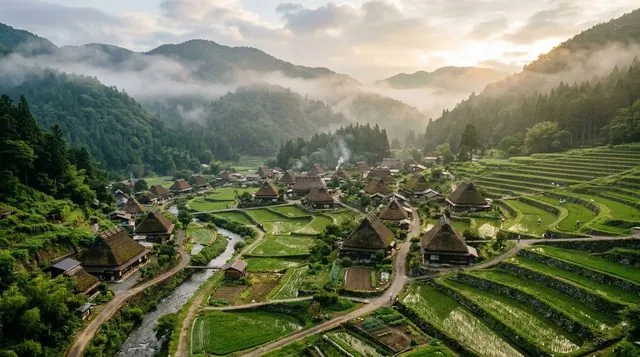
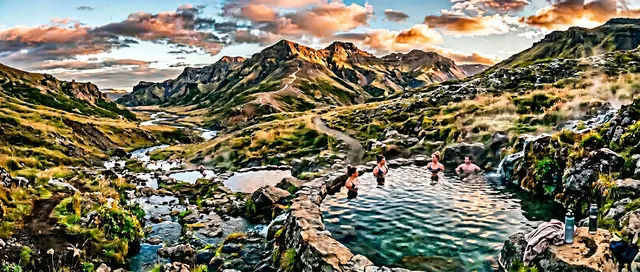
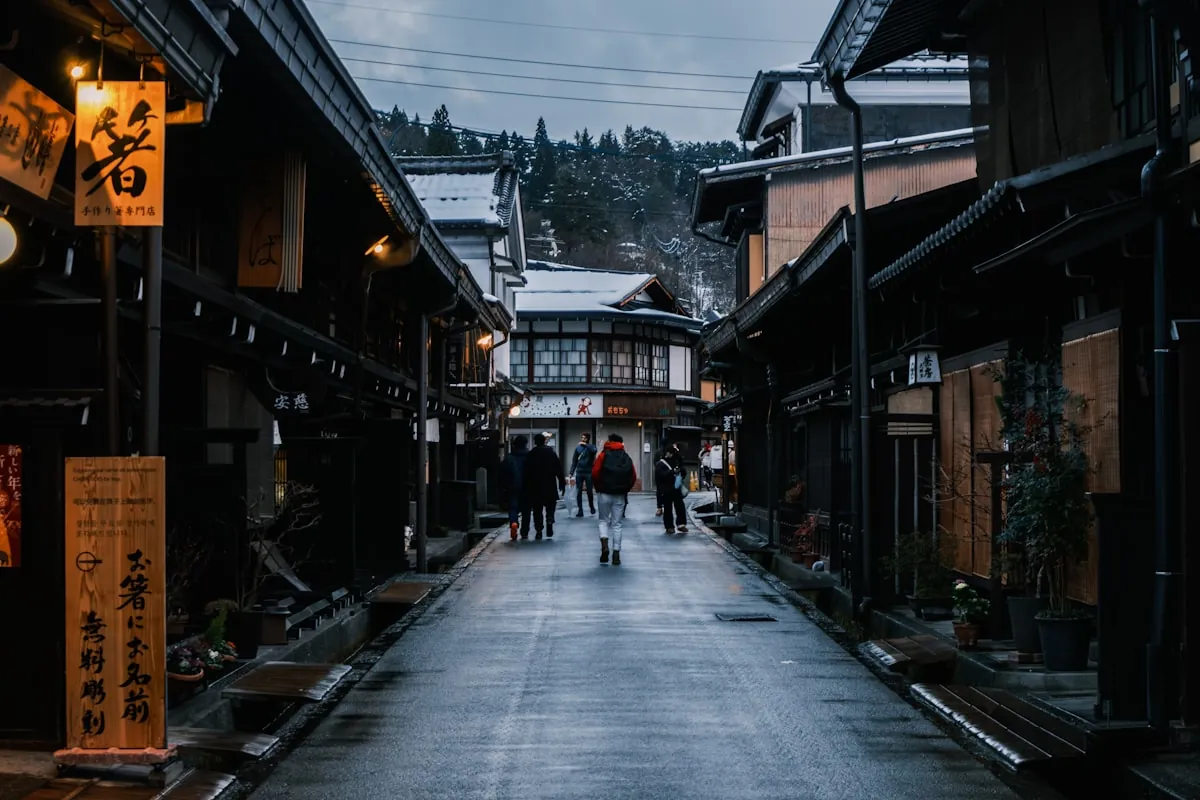
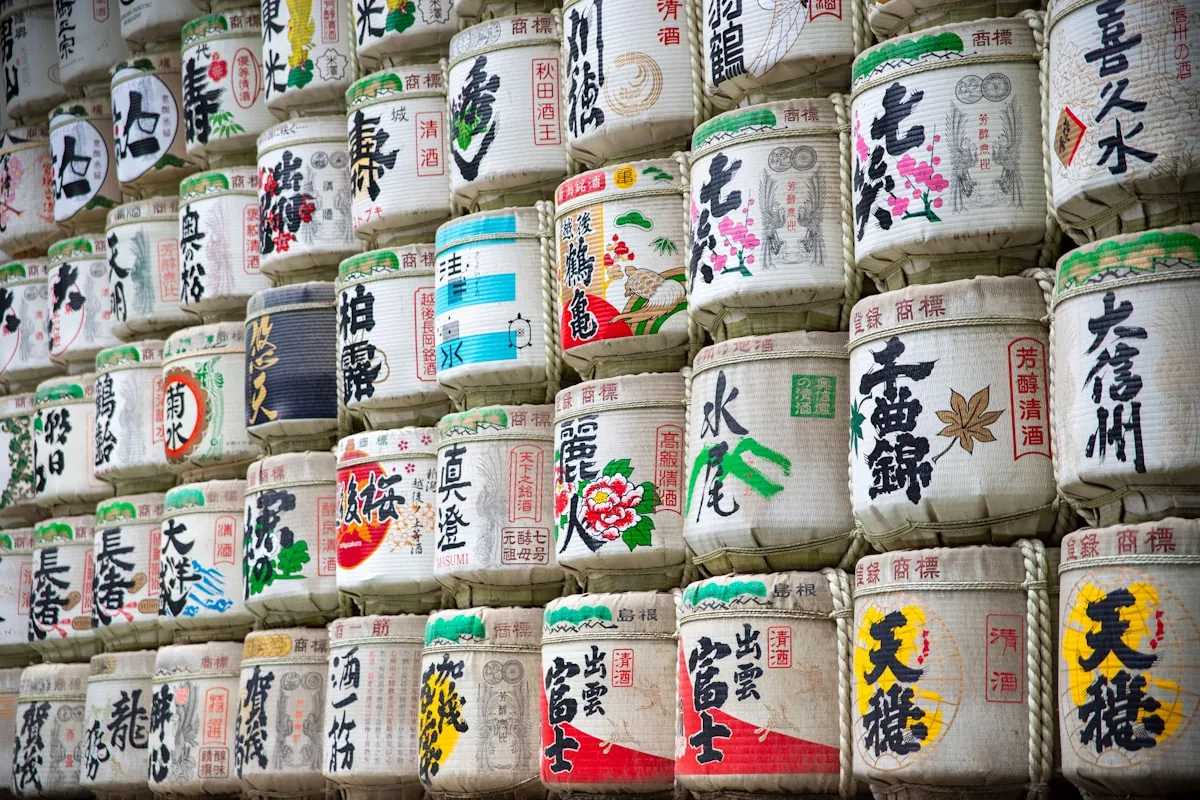
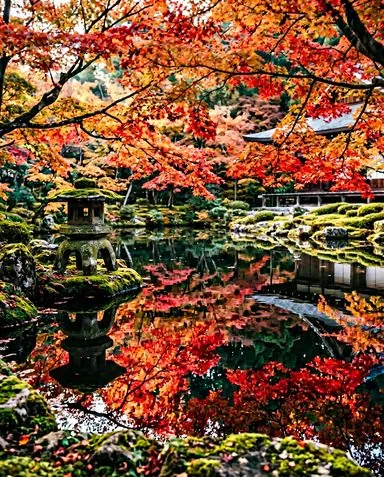
Beppu produces more onsen water than any other city on earth, with 2,800+ hot springs across eight bathing districts. The headline draws are the turquoise Umi Jigoku, the 1879 bathhouse Takegawara Onsen with its black-sand baths, and the milky-white mountain village of Myōban. The real Beppu, though, is the working-class sento culture in between. For where to actually bathe, district by district, see the Beppu onsen guide.
When to Visit
Beppu works year-round; the season changes how the steam looks and how busy the Hells get.
What to Do in Beppu
The Hells are the postcard; the bathhouses and the mountain districts are the reason to stay.
Icons worth the crowds
Hidden gems
More Beppu highlights
Where to Bathe
The Hells are for looking. These are the baths you actually get into, from Meiji-era sento to milky mountain pools.
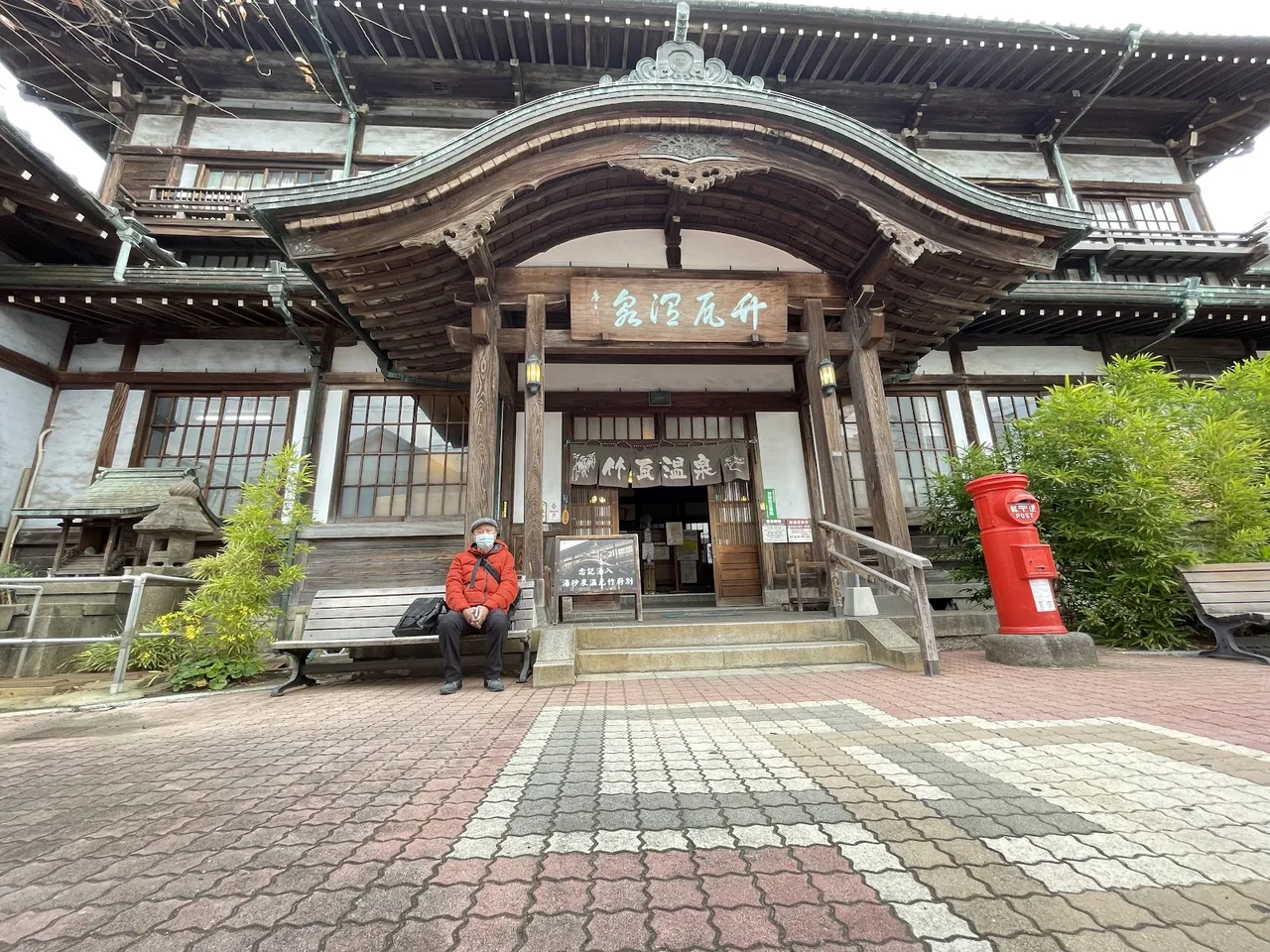
1879 Meiji-era bathhouse where attendants bury you in volcanically heated black sand
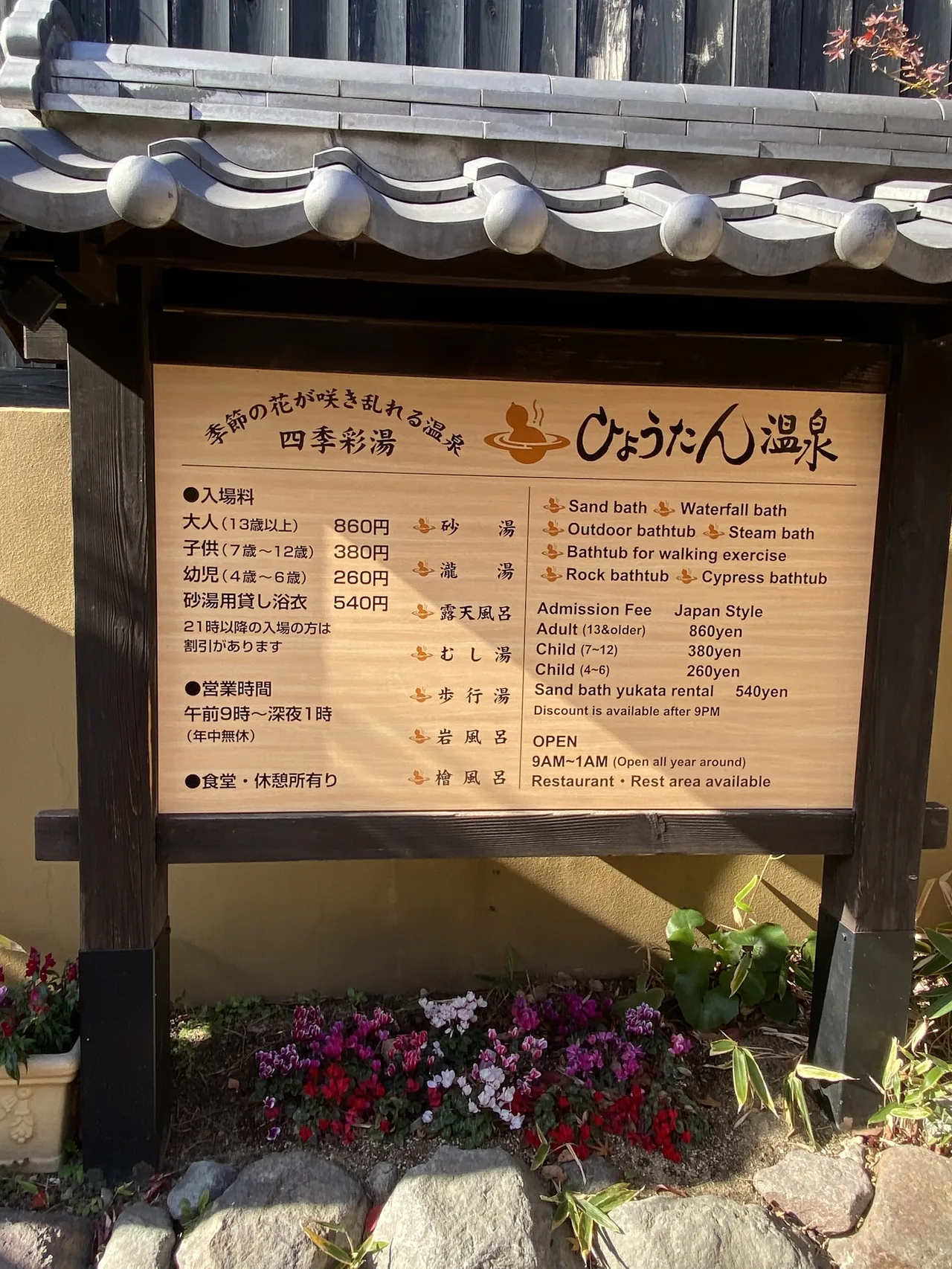
The only Michelin three-star onsen in Japan: waterfall baths, sand bath and steam food in one Kannawa complex
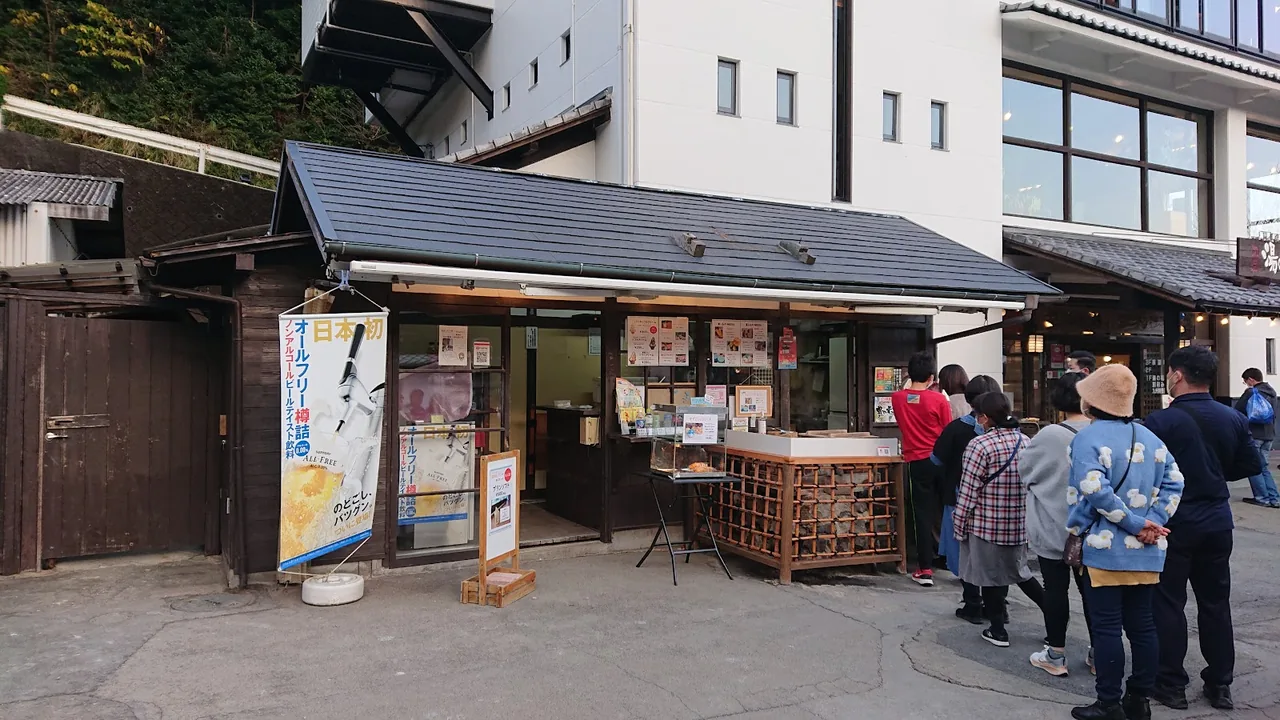 Hidden Gem
Mountain onsen village with thatched yunohana huts, milky sulphur baths and views over the bay
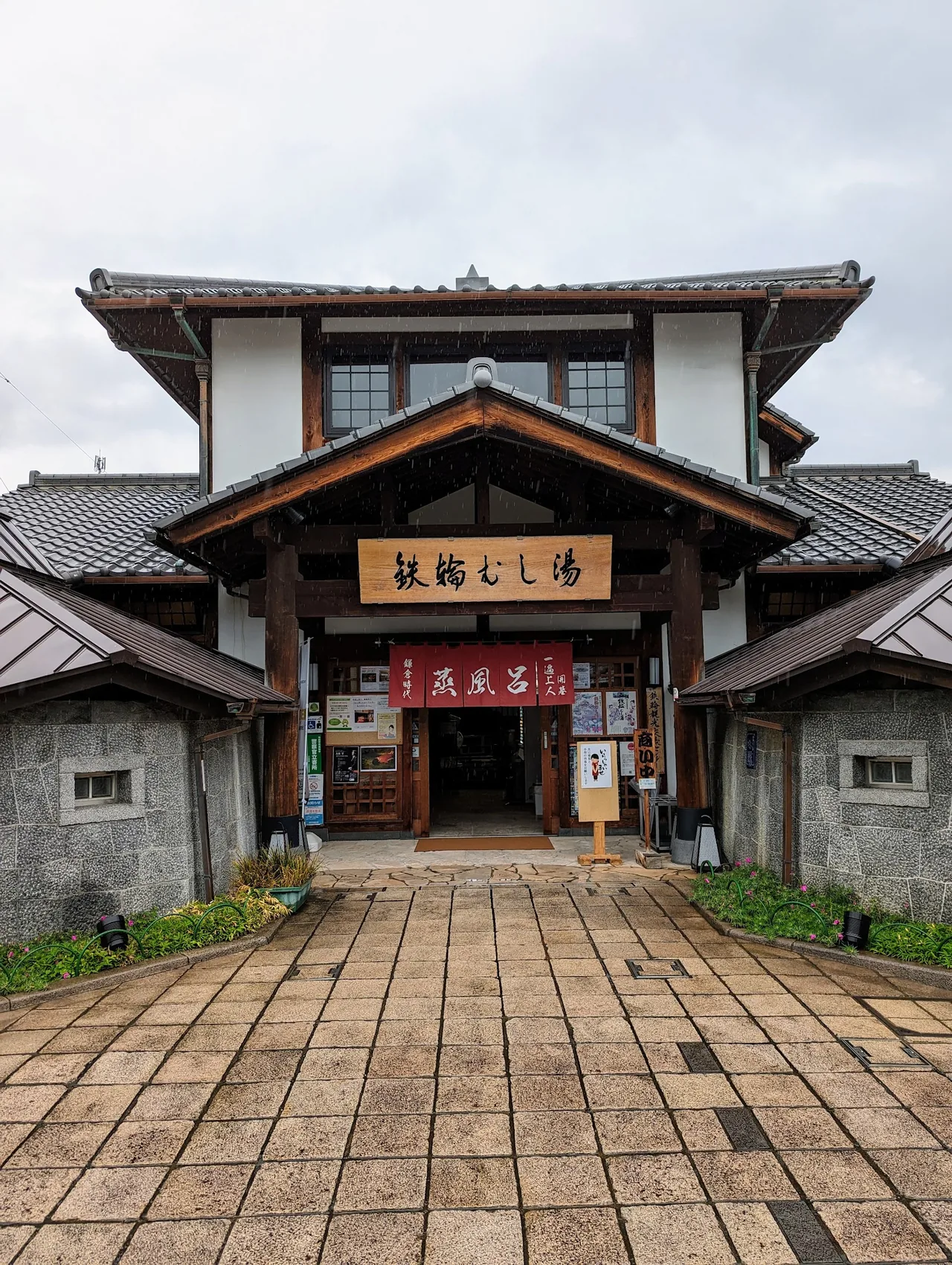 Hidden Gem
Municipal steam bath over a natural vent. Ten minutes in the wooden box, the Kannawa way
Skip the Crowds
- Do the Hells at opening time (8:00), before the tour buses arrive from 10:00. You don't need all seven: Umi Jigoku and Chinoike Jigoku cover the two colours everyone comes for.
- Bathe where locals bathe: the ¥300 sento of Hamawaki and Kannawa stay quiet even in peak season.
- Skip the midday queue for the station-area sand bath and book the beach version at Beppu Beach Sand Bath on a weekday morning.
- Head up to Myōban in late afternoon. Day-trippers are gone by 16:00 and the yunohana huts glow in low light.
- End the day at Jumonji Viewpoint instead of the crowded Global Tower.
Food & Drink
Beppu's kitchen runs on steam: jigoku-mushi vegetables, toriten chicken tempura and dango-jiru dumpling soup.
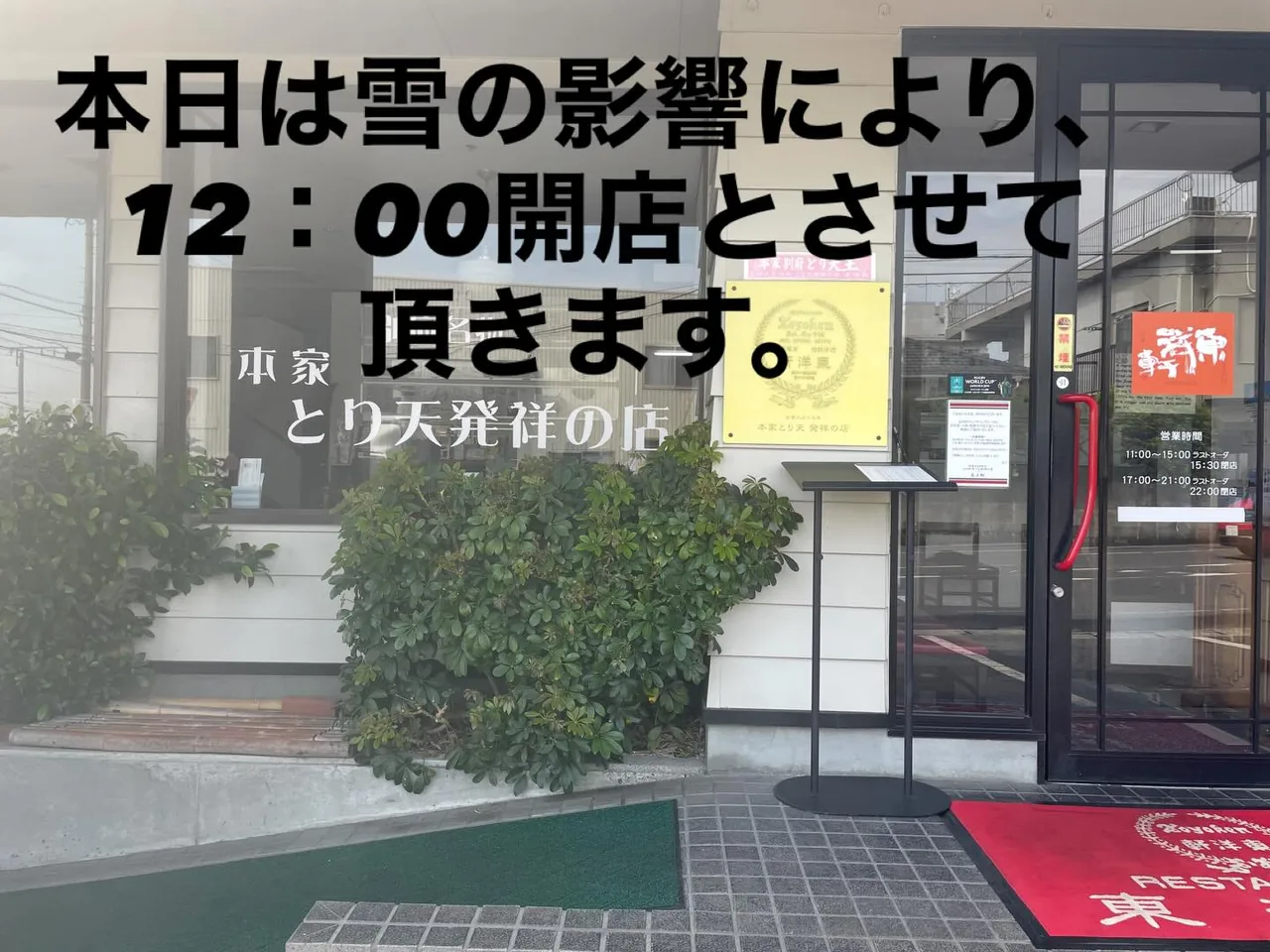 ★ Author's Pick
The 1926 birthplace of toriten: chicken tempura with ponzu and mustard
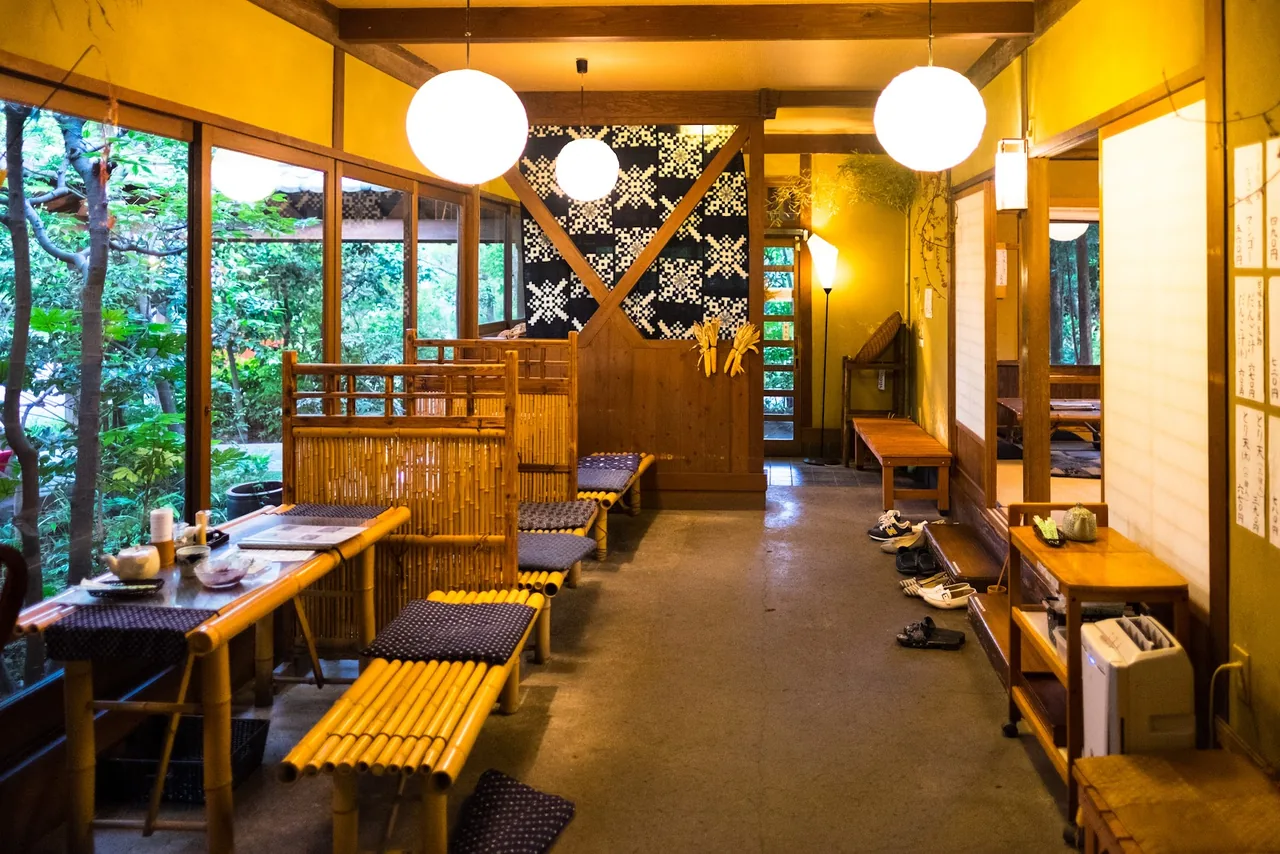
Dango-jiru dumpling soup and yaseuma sweets in a rustic farmhouse setting
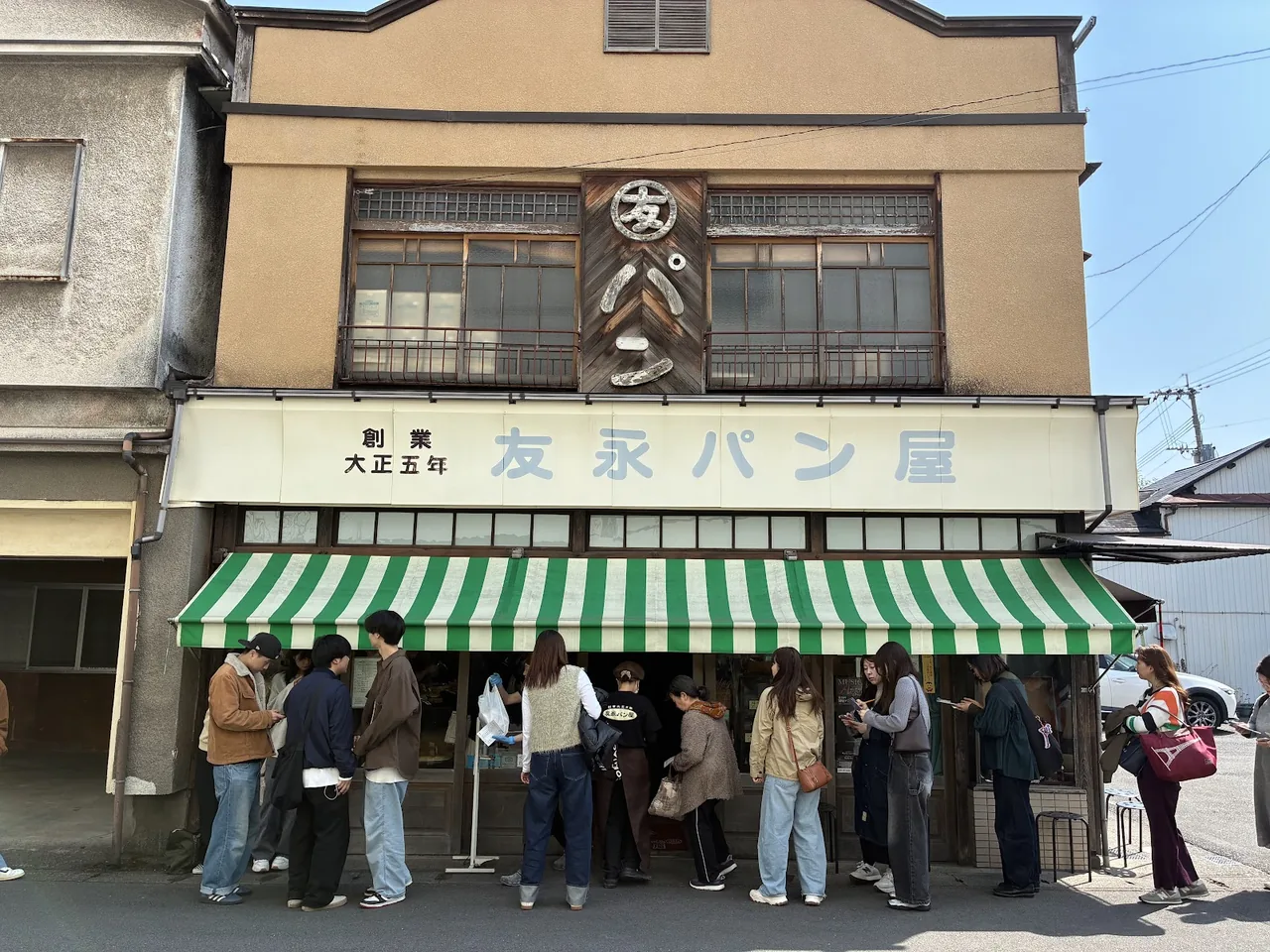
Butter-topped soft rolls from a 1916 storefront. Expect a line of locals
Where to Stay
Sleep in Kannawa for steam at your doorstep, or near the station for transport and cheap sento.
Booking links are affiliate links. They cost nothing extra and support the site.
Day Trips
Beppu sits on Kyushu's east coast with the mountains of central Kyushu at its back.
Events in Beppu
Matsuri can double a neighborhood's crowds overnight. Plan toward them or around them; these are the dates that shape the year.
How to Get There
FAQ
Are the Hells safe to visit?
Yes. Visitors view from designated boardwalks; no swimming. The water is 78–100°C. The ¥2,200 combination ticket covers all seven Hells; each takes 15–20 minutes, the full circuit 3–4 hours.
What is Beppu best known for?
The world's largest hot-spring output, the Jigoku Meguri Hells circuit, the sand-bath ritual at Takegawara, and steam-cooked jigoku-mushi cuisine, plus everyday sento culture across eight districts.
Should I do the sand bath?
Yes. Being buried in volcanically heated black sand for 10 minutes is worth the ¥1,500. It's hot and heavy, so skip it if you have a heart condition or claustrophobia. The beach version at Shoningahama adds sea air.
Can I do Beppu as a day trip from Fukuoka?
Possible but tight, with 4 hours of travel round trip. Most travellers stay overnight for a ryokan dinner and a morning bath. Combining Beppu with Yufuin makes a natural 2-day onsen weekend.
What are Beppu's hidden gems?
The Myōban district with its thatched yunohana huts, the ¥100 working-class baths of Hamawaki, Hachiman Asami Shrine above the station, and the dusk view from Jumonji Viewpoint.