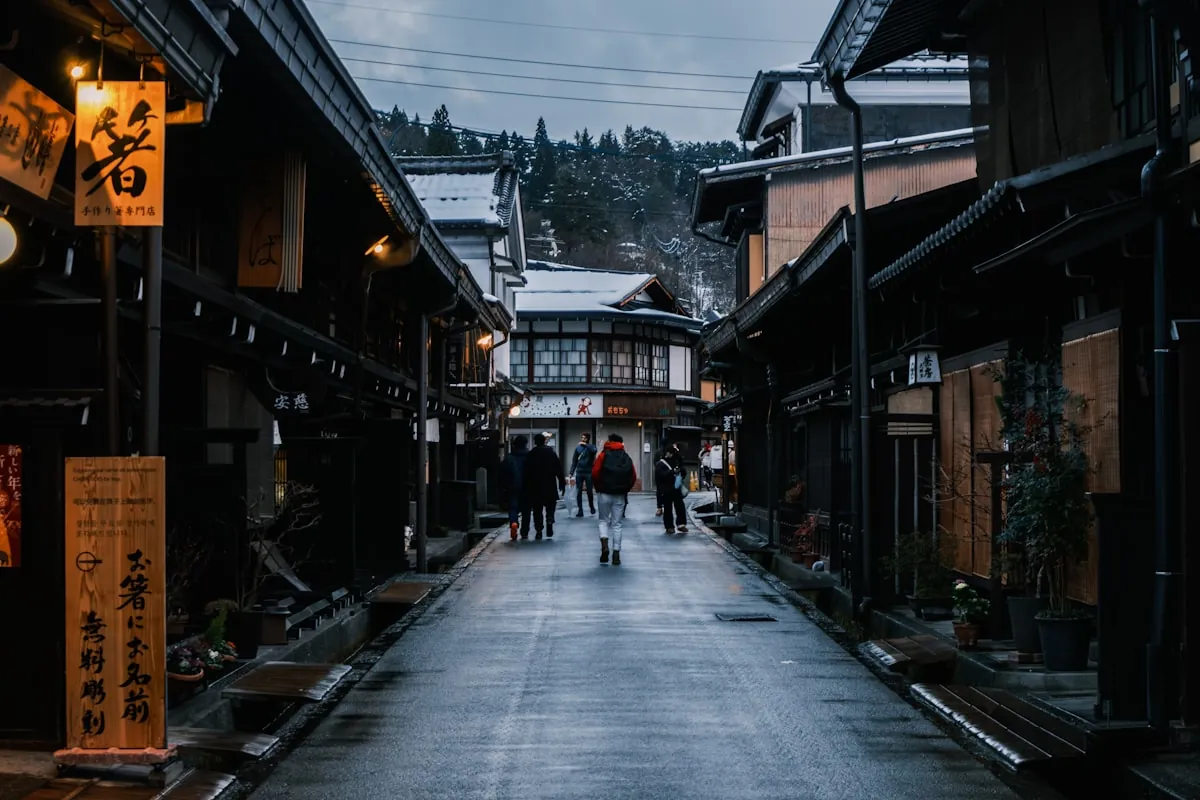
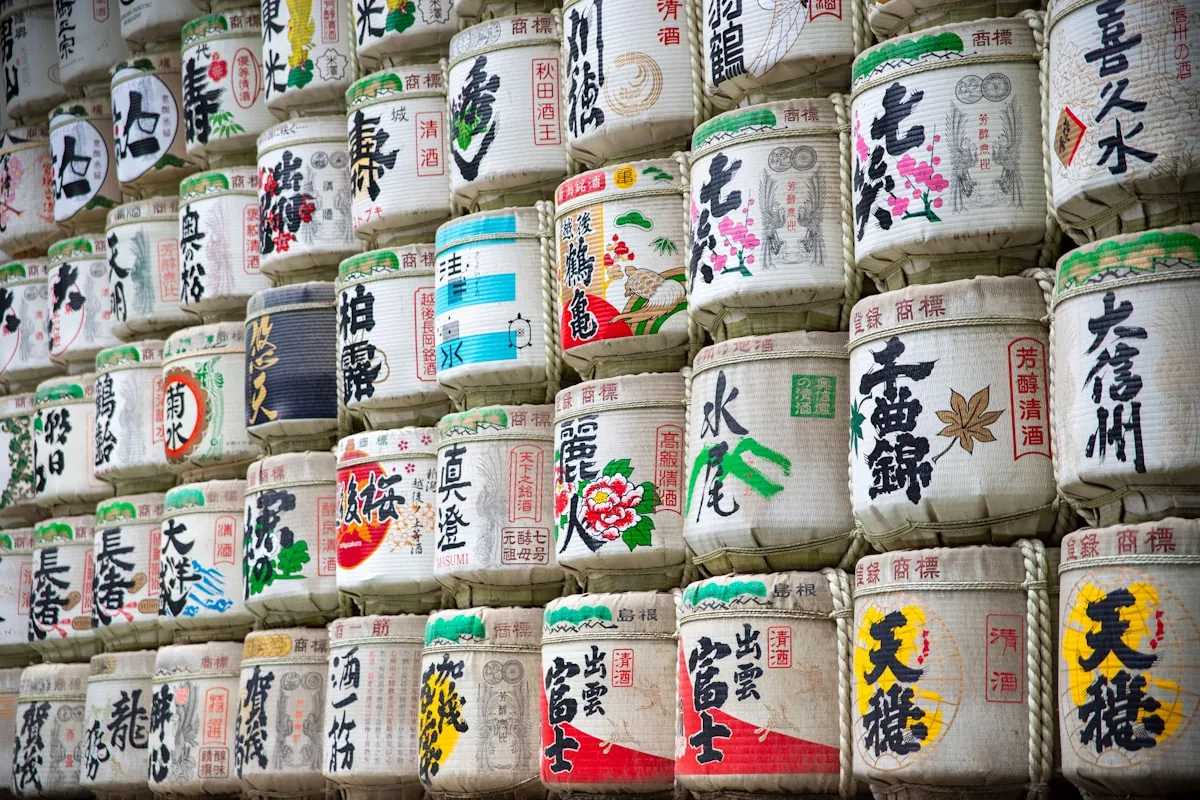
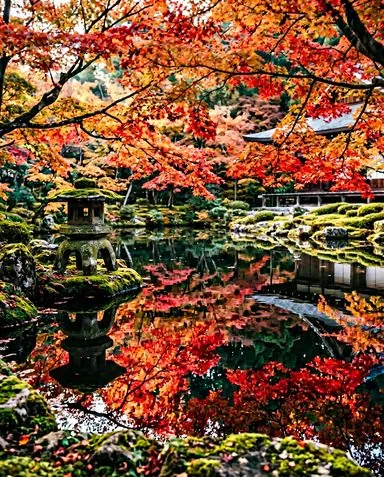
Miyajima is a small, sacred island in Hiroshima Bay where a 16-metre vermilion torii gate rises straight out of the sea, or stands on bare sand, depending entirely on that day's tide. The shrine behind it, Itsukushima Jinja, dates to the sixth century. Most visitors arrive with the late-morning ferries and are gone by four. Plan around two things (the tide table and that exodus) and you get a different island: empty shrine corridors at opening time, the gate lit by lanterns at night, deer drifting through quiet streets.
When to Visit
Every season works on Miyajima; what changes is the crowd pressure and what's on the grill. Autumn is the headliner; winter is the secret.
What to Do in Miyajima
The shrine and the gate first, then the mountain, plus the quiet corners most day-trippers walk straight past.
The sixth-century shrine built over the sea. At high tide its corridors and Noh stage appear to float on the bay; ¥300 admission, corridors open from 6:30 AM
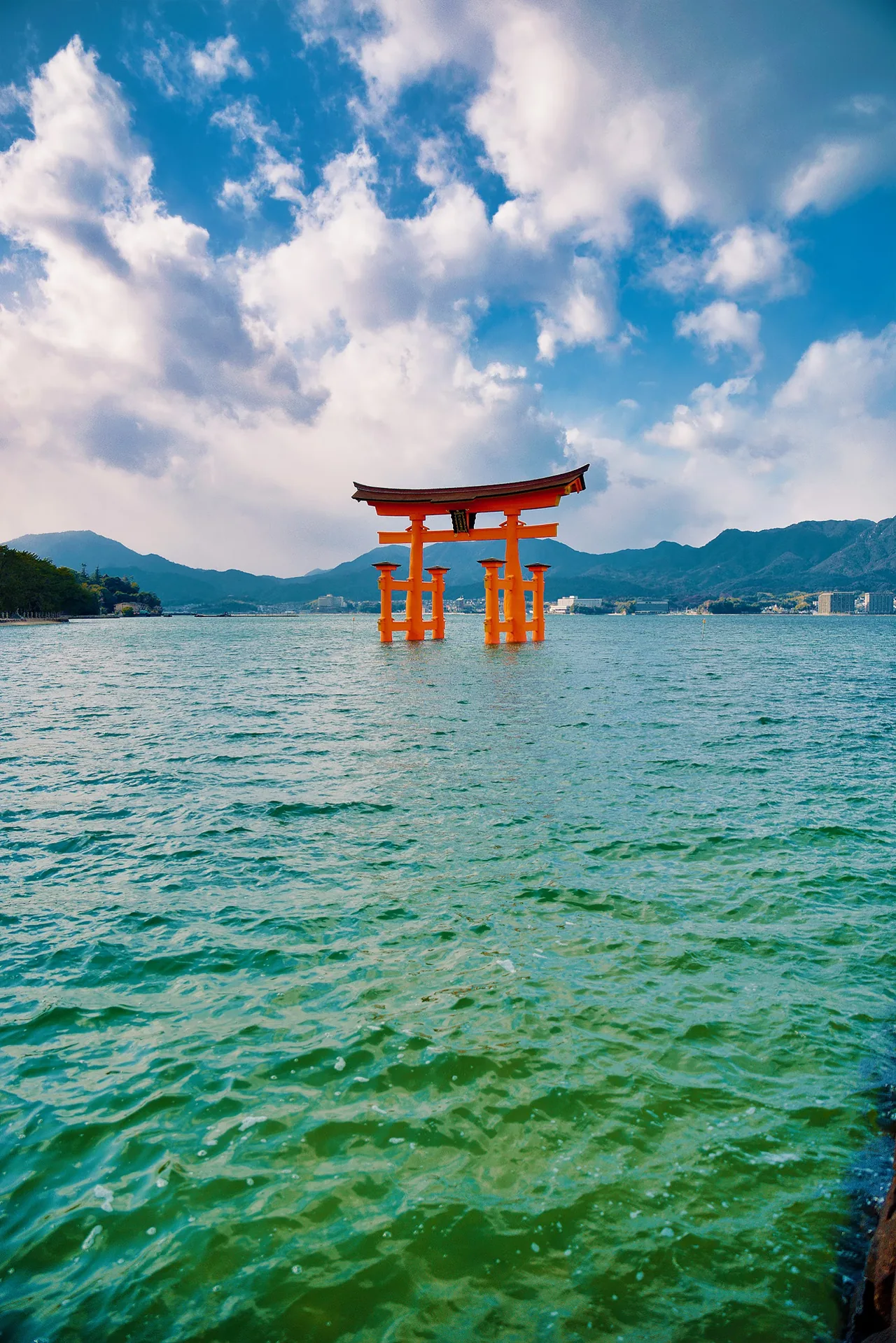
The 16-metre camphor-wood gate floats above water when the tide rises past 250 cm and can be walked to across the seabed below 100 cm; both in one day is usually possible
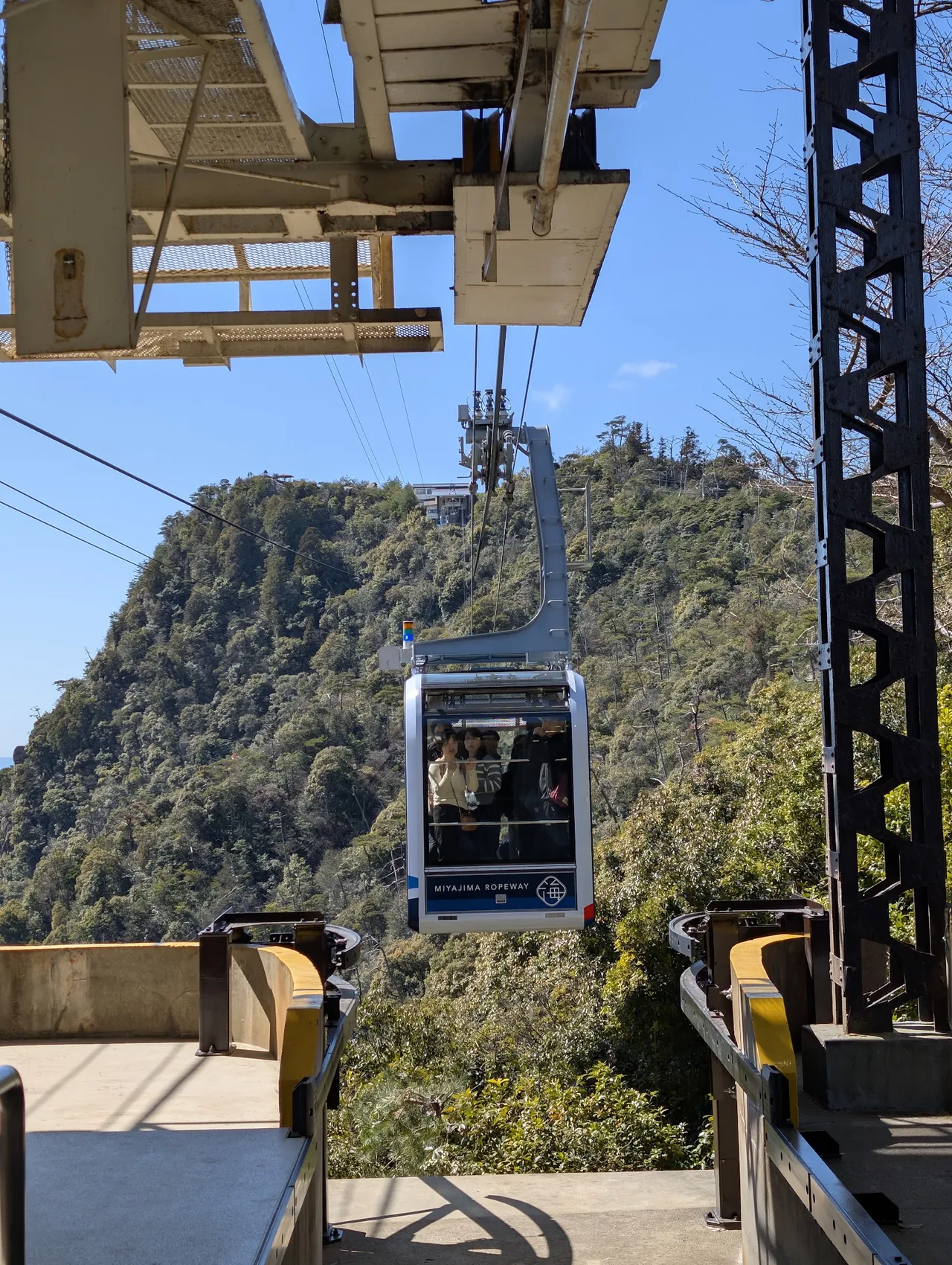
A two-stage ropeway (¥1,840 return) plus a 30-minute summit walk to 535-metre views over the inland sea: the natural escape while midday crowds peak below
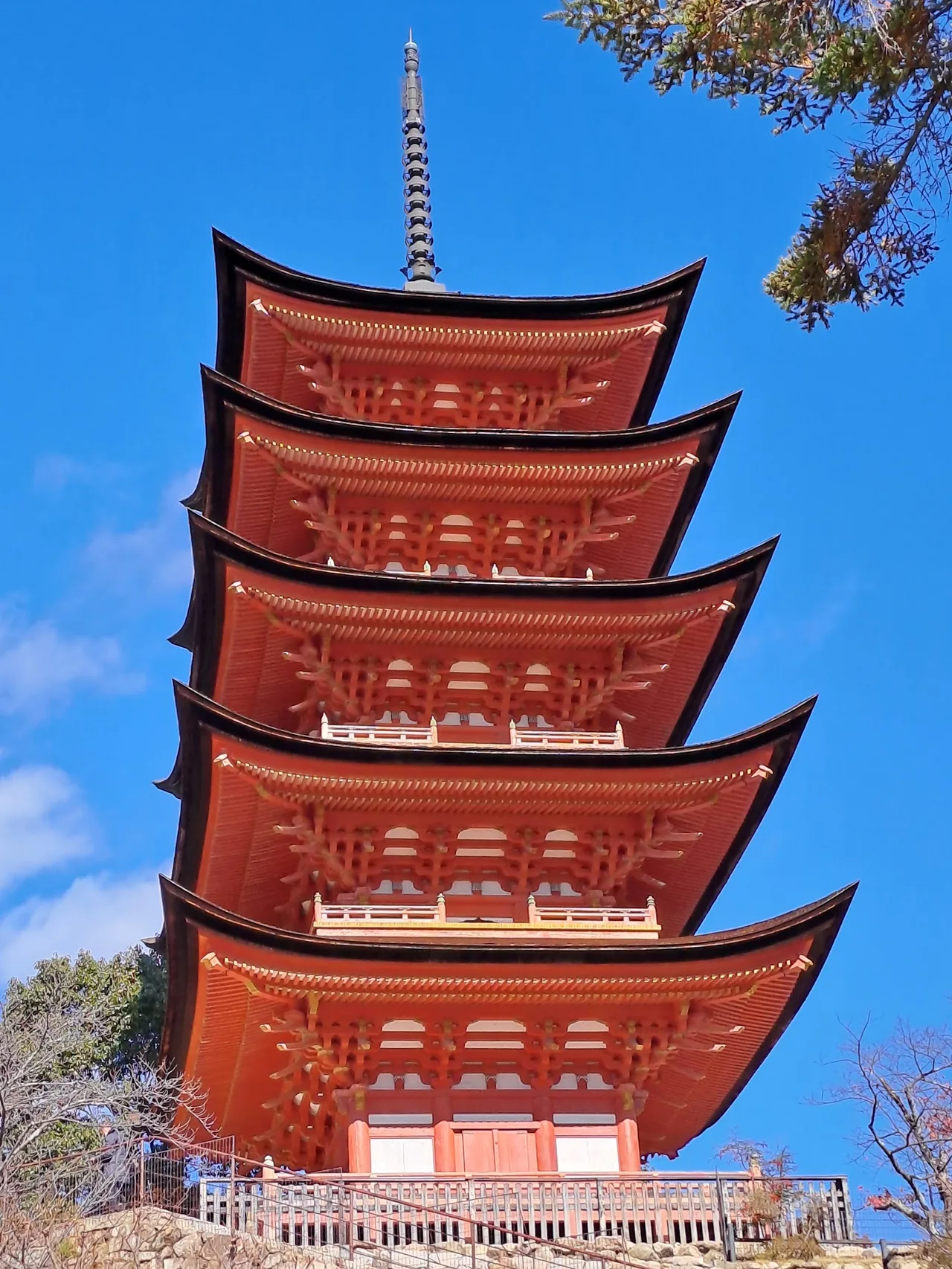 Hidden Gem
Hideyoshi's vast, never-finished wooden hall of 1587: exposed rafters, sea breeze through open walls, and a fraction of the shrine's footfall
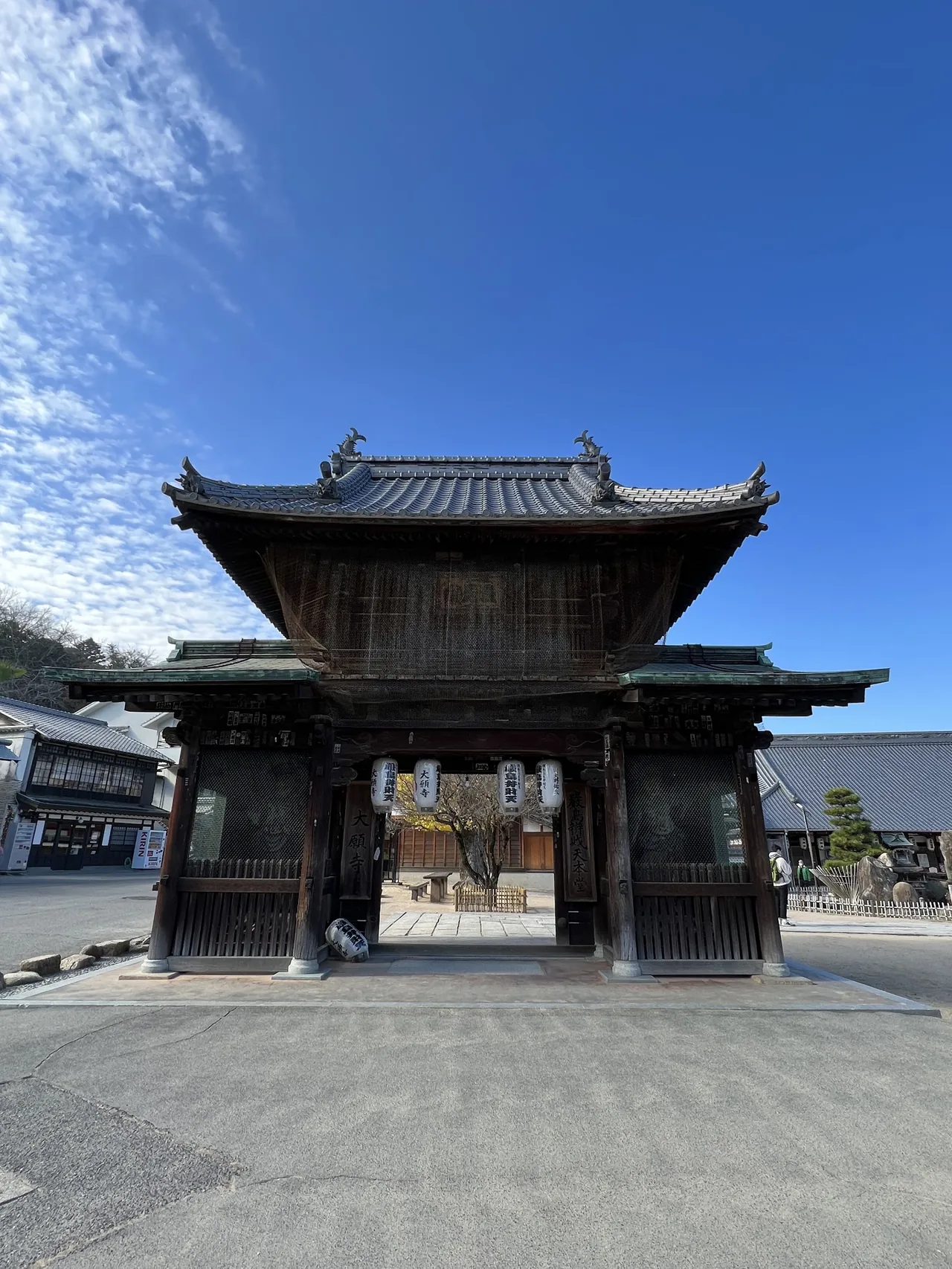 Hidden Gem
A quiet Benzaiten temple steps from the shrine's exit, counted among Japan's three great Benzaiten sanctuaries, and oddly overlooked
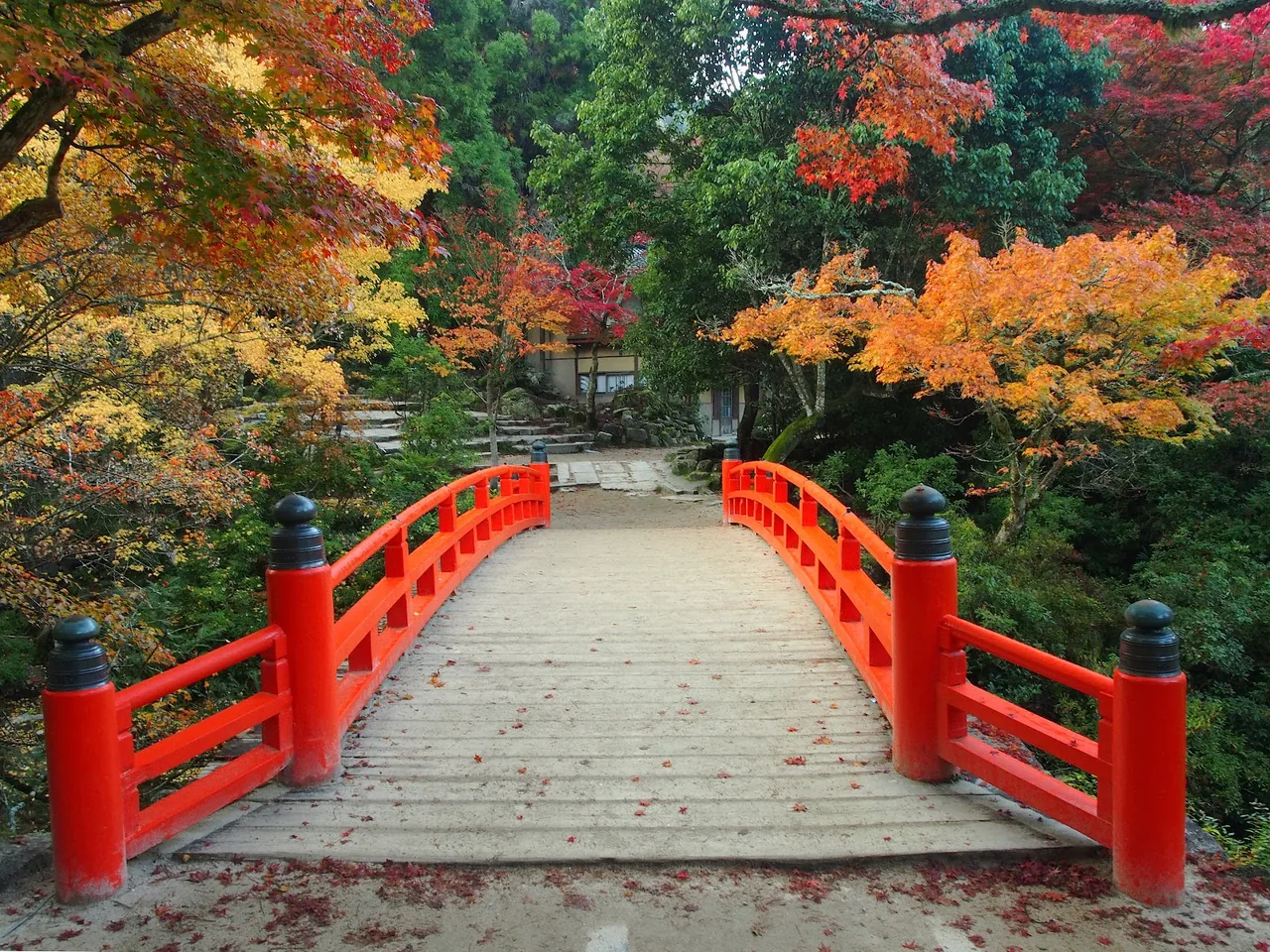
A maple-filled valley at the foot of Misen, ten minutes' walk from the shrine: incandescent in late November, near-empty at dawn in any season
Skip the Crowds
- Read the tide table first: the day's plan should follow the water, not a checklist. High tide for the floating gate, low tide to walk out to its pillars; they sit roughly six hours apart, so most days offer both.
- Before 9 AM or after 4 PM: between the first and last day-tripper ferries the island is a procession. Outside that window, deer outnumber tourists.
- Send midday up the mountain: when Omotesando is shoulder-to-shoulder, the ropeway and the Misen summit trails absorb the hours painlessly.
- Stay one night: the lantern-lit shrine after dinner and the dawn torii at first light are essentially private to overnight guests.
- Step one street back: Daigan-ji and the machiya backstreet running parallel to Omotesando see a fraction of the main drag's traffic.
Food & Drink
Two island specialities decide every menu: Hiroshima Bay oysters (peak season October–March) and wild conger eel served over rice as anagomeshi.
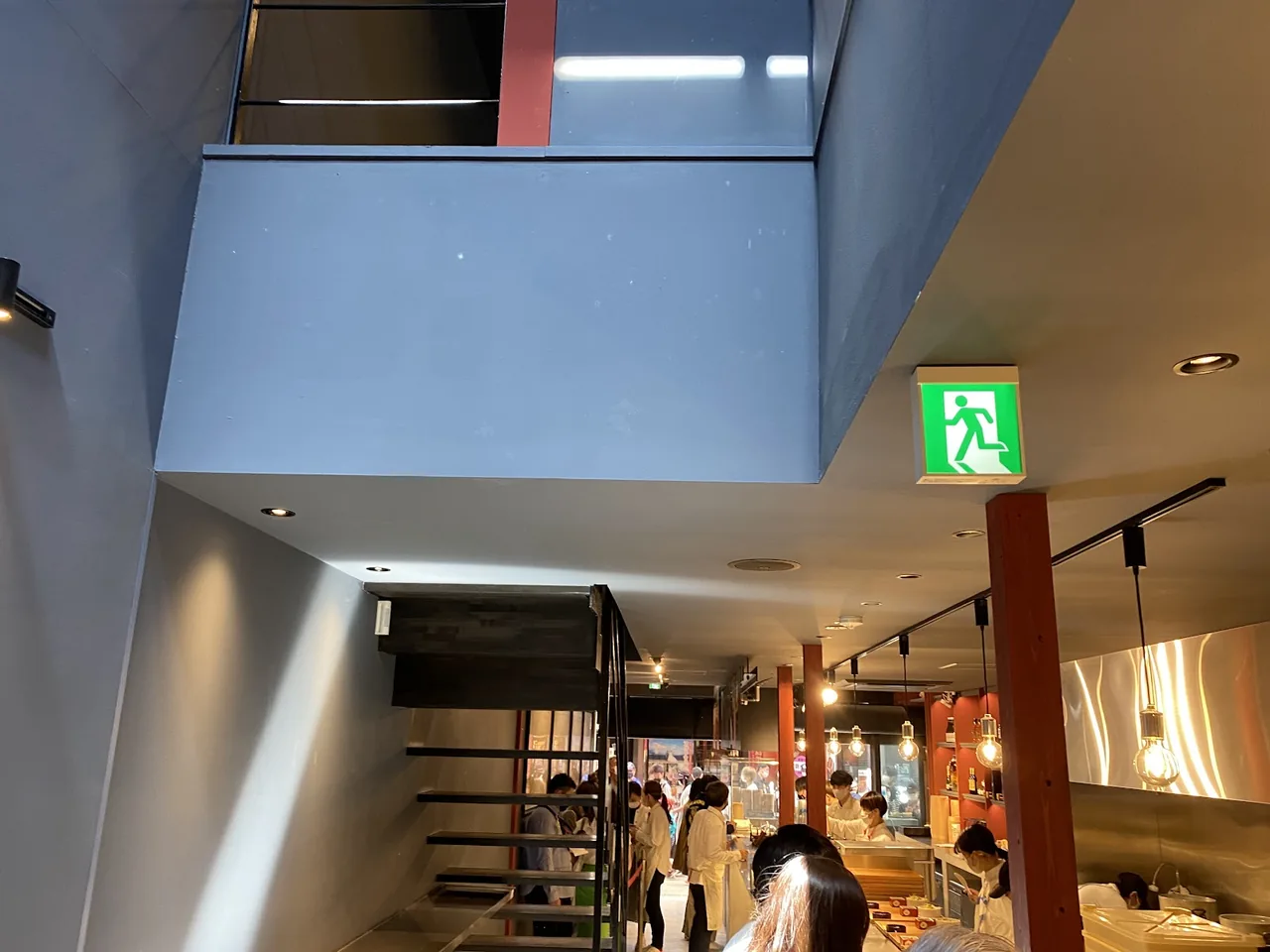
Miyajima's only oyster-exclusive restaurant, serving premium Jigozen oysters grilled fast over high heat; listed in the Michelin Guide Hiroshima
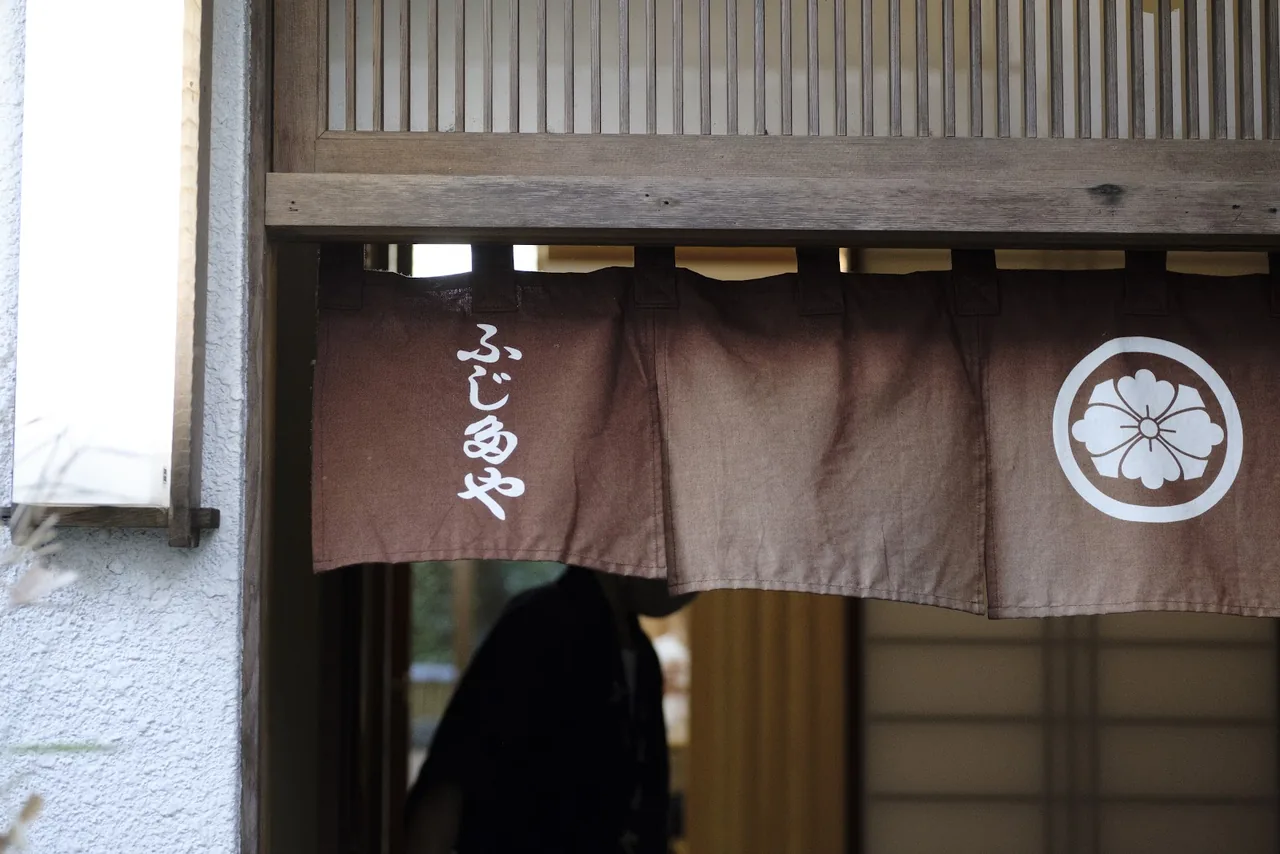 ★ Author's Pick
The island's only Michelin-starred restaurant: wild Miyajima conger eel over rice, served since 1902. No reservations; queue early
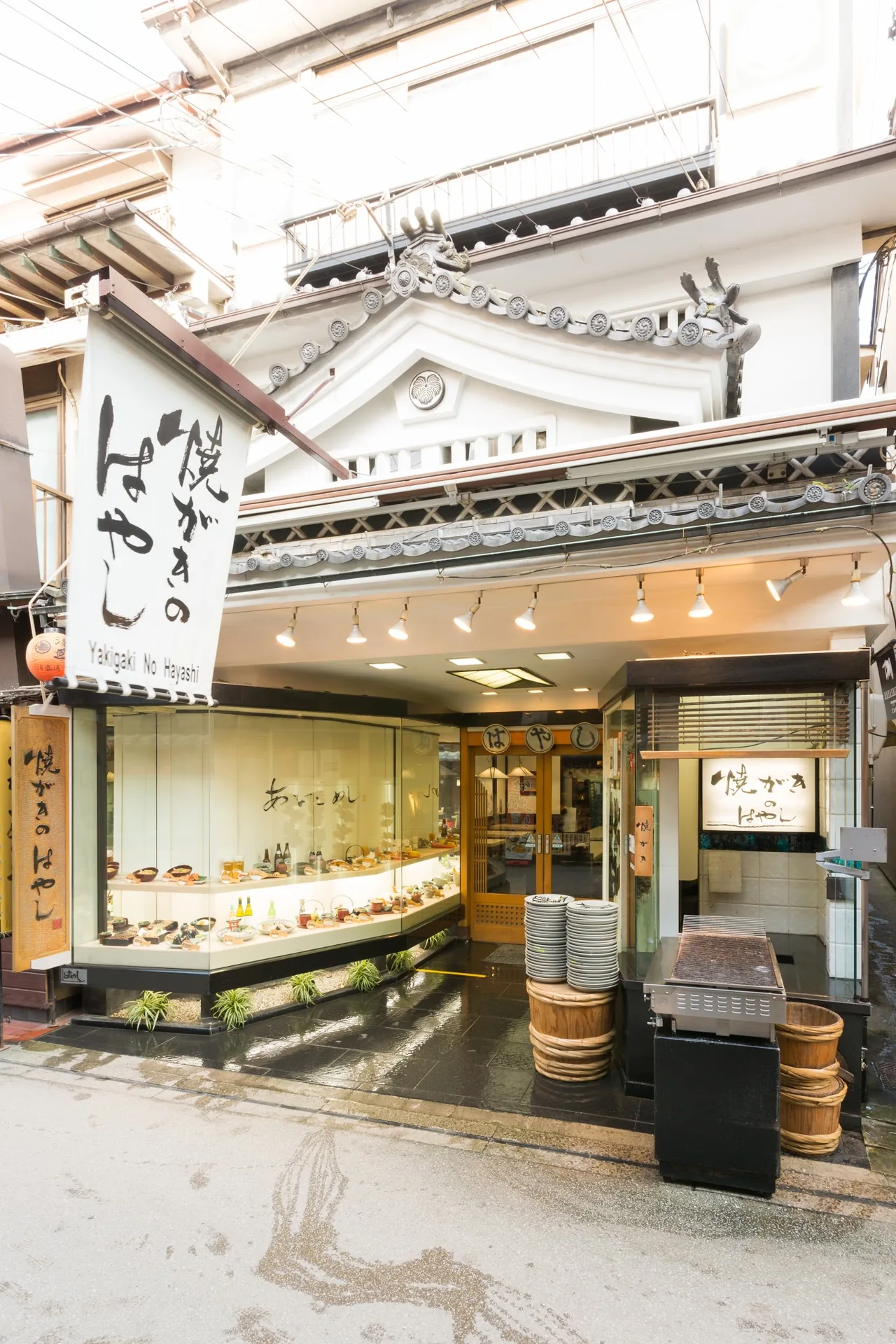
The original grilled-oyster house, serving yakigaki on the half-shell since 1948. Jigozen oysters here too, plus conger eel sets
Where to Stay
Staying one night is the single best decision you can make on Miyajima. All three inns below are within ten minutes of the pier, and all book out months ahead for April and November.
Booking links are affiliate links. They cost nothing extra and support the site.
Day Trips
Miyajima pairs naturally with Hiroshima city, and the inland sea rewards going further in either direction.
Hiroshima
The Peace Memorial Park and Museum are essential context for the region, 45 minutes door-to-door from the island
Peace Memorial & city food
- Peace Memorial Museum
- A-Bomb Dome
- Okonomiyaki downtown
Iwakuni
The five-arched wooden Kintaikyo bridge is 25 minutes down the JR Sanyō Line from Miyajimaguchi, an easy half-day add-on
Kintaikyo wooden bridge
- Kintaikyo bridge
- Iwakuni Castle ropeway
- Far fewer tourists
Onomichi
A hillside temple-walk town on the inland sea, 90 minutes east; the natural next stop on a slow Setouchi route
Hillside temples & cats
- 25-temple hillside walk
- Shimanami Kaidō cycling
- Indie café scene
How to Get There
FAQ
Can you walk to the torii gate?
Yes. When the tide drops below about 100 cm, the seabed around the gate is exposed and you can walk to the base of the 60-tonne pillars. The window lasts roughly two hours either side of low tide. Wear shoes you don't mind getting muddy.
Is Miyajima worth staying overnight?
Strongly yes. Between the last evening ferry and the first morning wave, the island empties: the shrine glows under lanterns until around 11 PM, and dawn at the torii is essentially private. It is the cheapest upgrade Miyajima offers; one night changes the entire experience.
How do I get from Hiroshima to Miyajima?
Take the JR train from Hiroshima Station toward Iwakuni and get off at Miyajimaguchi (25 minutes, ¥420), then take the 10-minute JR ferry. Both legs are covered by the JR Pass; a ¥100 visitor tax is added to the ferry fare. Door-to-door, count on about 45 minutes.
Where do I find the Miyajima tide table?
Japan's official meteorological authority (jma.go.jp) publishes daily tide predictions for Hiroshima Port, which apply to Miyajima. The site gethiroshima.com translates the same data into a traveller-friendly format with colour-coded high and low markers.
When is oyster season on Miyajima?
Hiroshima Bay oysters peak from October through March, when colder water concentrates their flavour. The Omotesando grills serve them year-round, but off-season oysters are noticeably thinner. Momiji manju, the island's maple-leaf cakes, are the better buy outside oyster season.
Can you feed the deer on Miyajima?
No. The deer are wild animals protected under national park regulations, and feeding them is prohibited. They are persistent and will take food or paper without warning, so keep snacks sealed and hold maps at shoulder height.