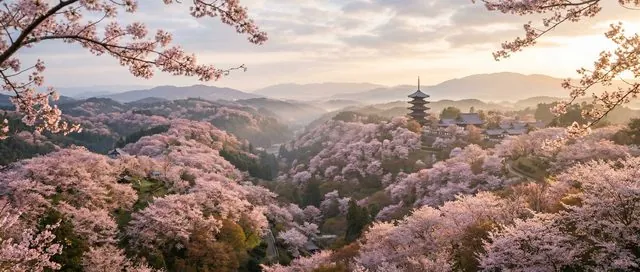
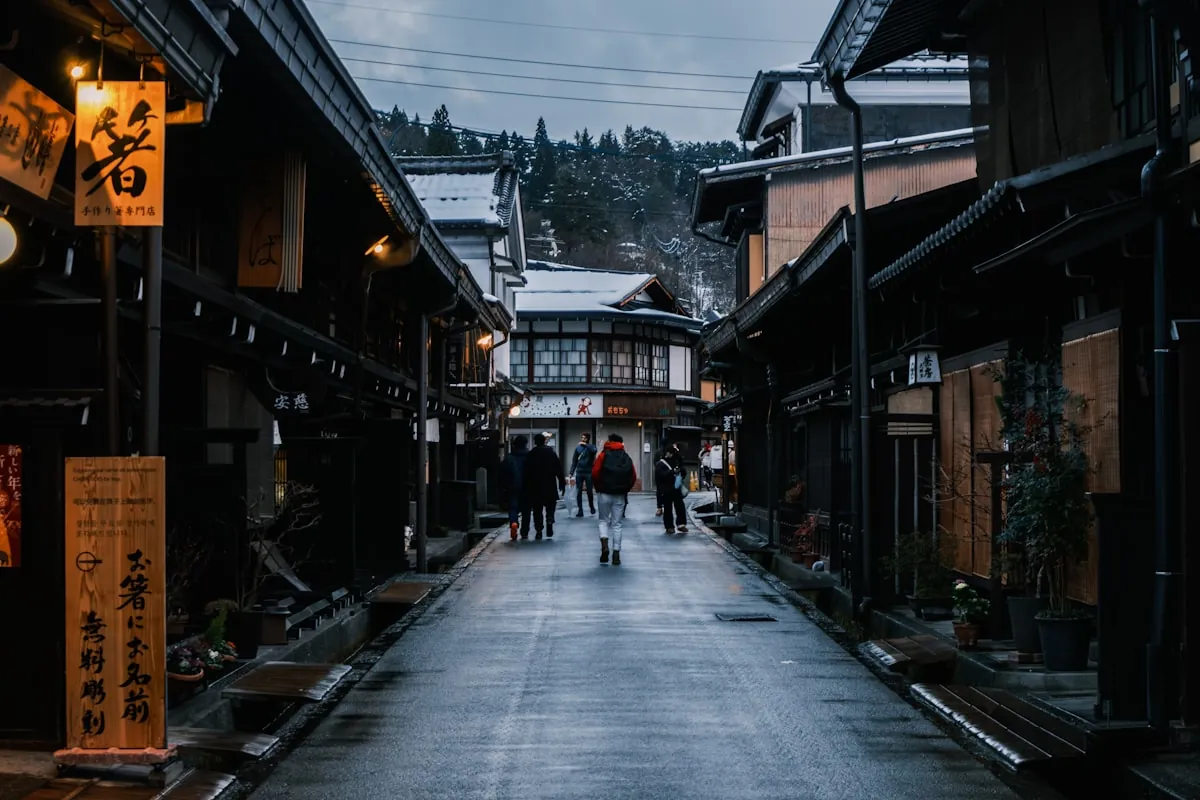
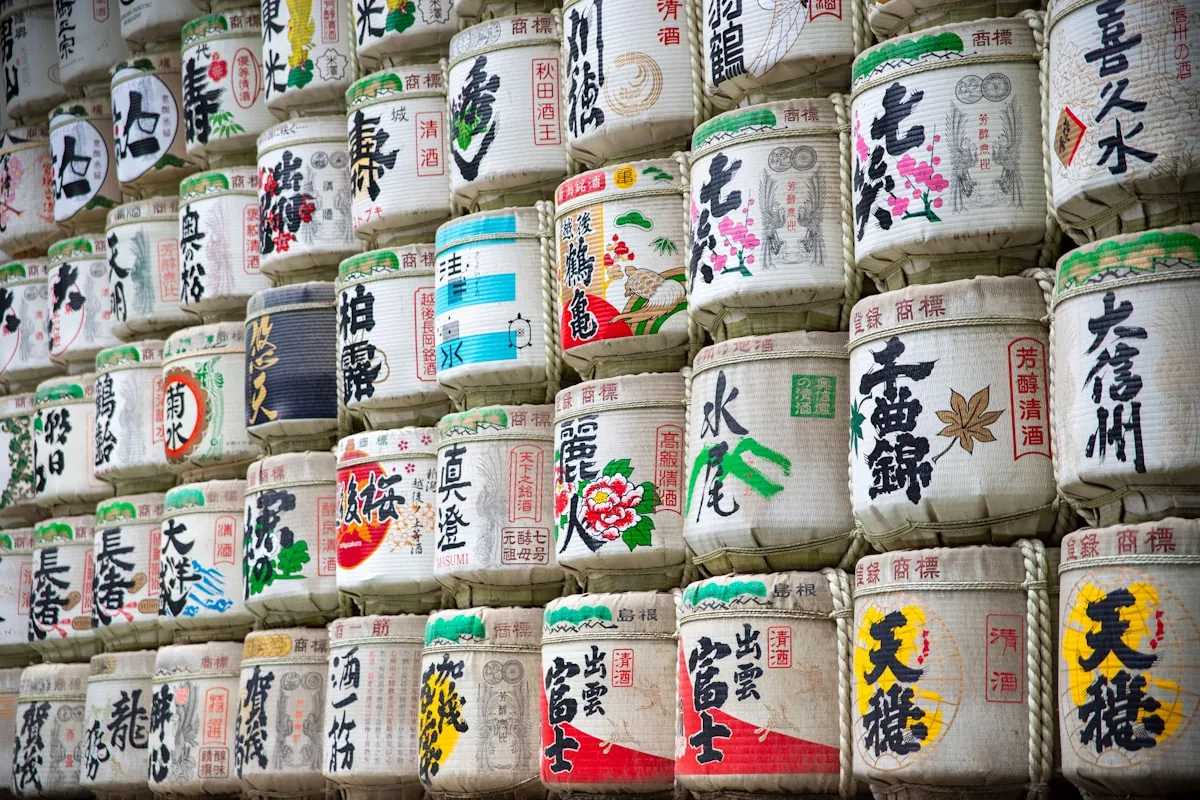
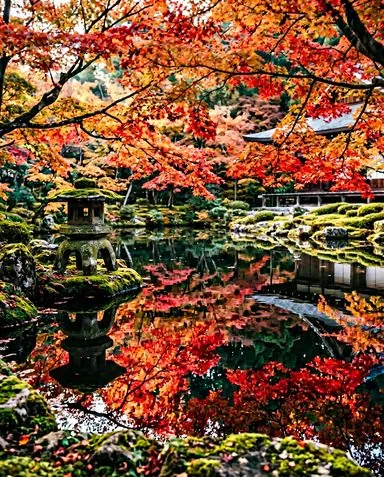

Kyoto holds Japan's densest concentration of world heritage and its densest crowds, often in the same hundred meters. Timing decides which city you get. This route puts the two busiest icons at first light, walks the temple lanes while the day trippers are still on the train, and keeps a quiet valley in reserve. Every stop links to a full guide with hours and a crowd calendar.
Route overview
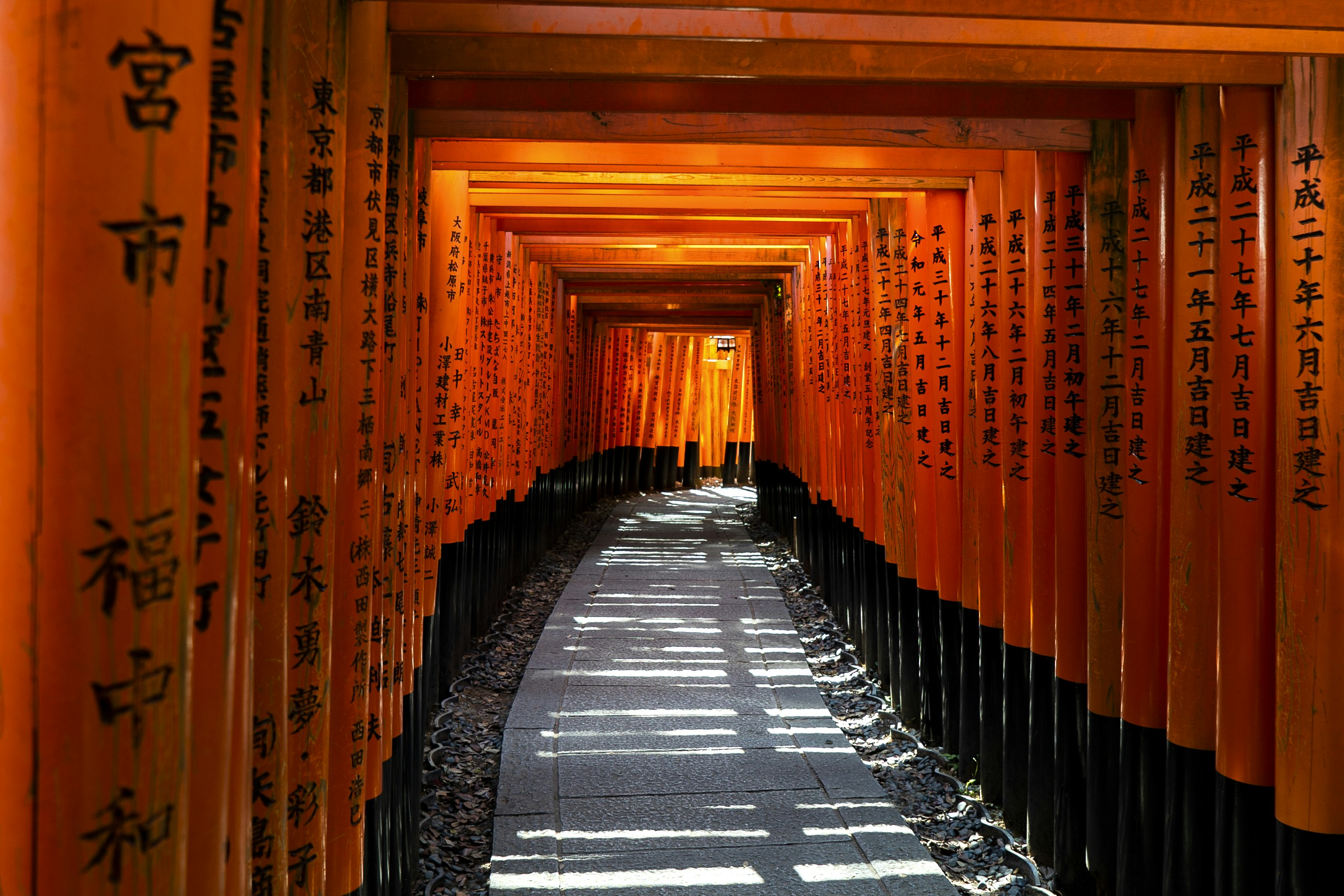
Day 1 runs south to northeast: the torii tunnels of Fushimi Inari at dawn, Kiyomizu-dera at opening, the Higashiyama lanes downhill, and Gion as the lanterns come on. Day 2 goes west and then decides: bamboo at Arashiyama first thing, the silver pavilion over the gold one in the afternoon, or the Ohara valley for a half day of mountain temples that most itineraries never reach.
Itinerary · 3 days
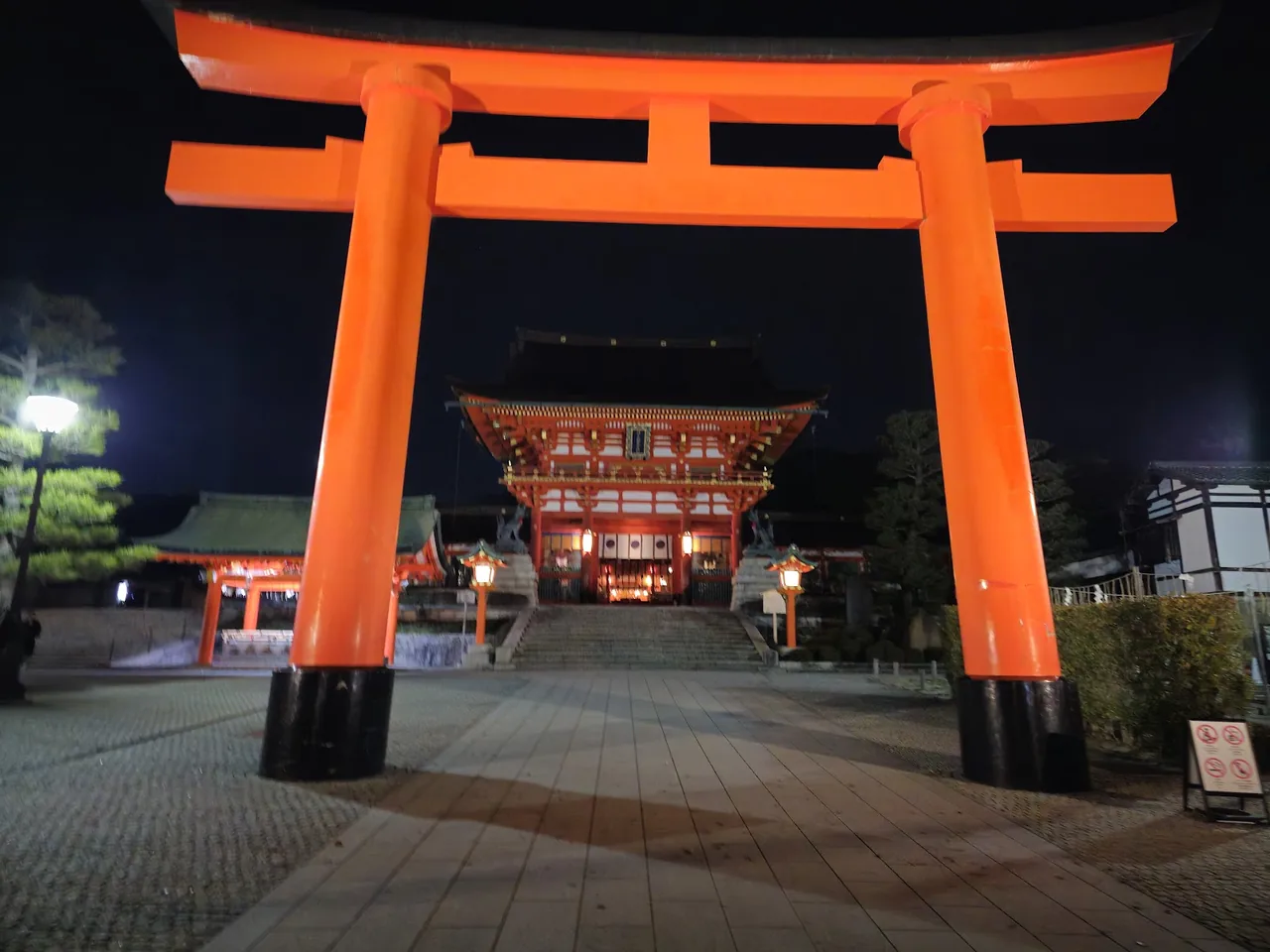 07:00
07:00The shrine never closes. At 07:00 the lower gates are yours; by 10:00 the same path is a slow queue. Climb at least to the Yotsutsuji viewpoint.
Route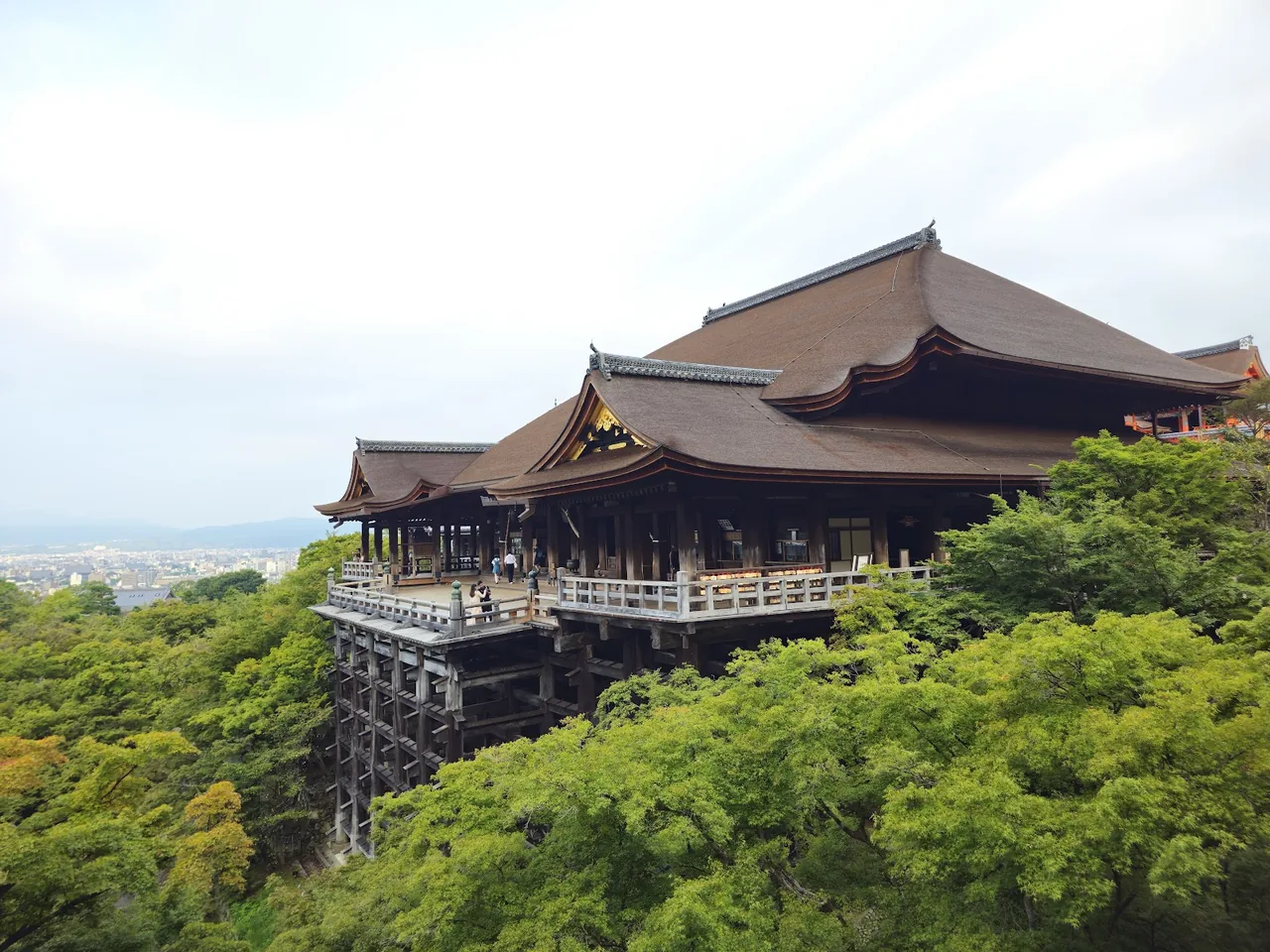 09:45
09:45Arrive as close to opening as the trains allow. The wooden stage earns its fame; the walk down through the lanes is the reward.
Route12:00Lunch in the Higashiyama lanes
Skip the queues on Matsubara-dori itself; one street either side halves the wait.
14:00Higashiyama on foot
Yasaka Pagoda, Ninenzaka and Sannenzaka at a stroll. This is the crush window, so treat it as people-watching, not sightseeing.
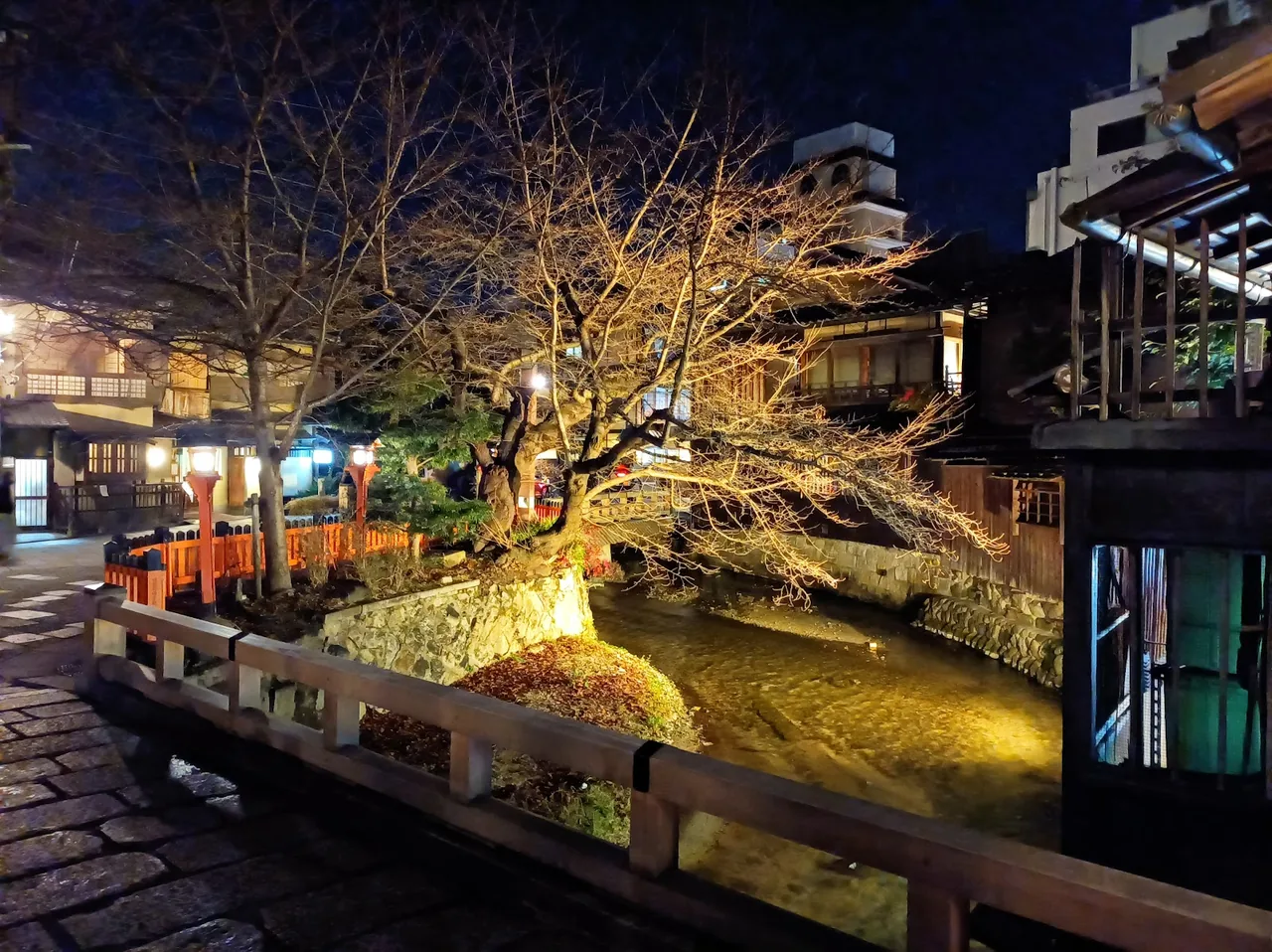
Quieter alternative
Everything on this day is free except Kiyomizu-dera. The order matters more than the budget: run it backwards and you meet every tour bus head-on.
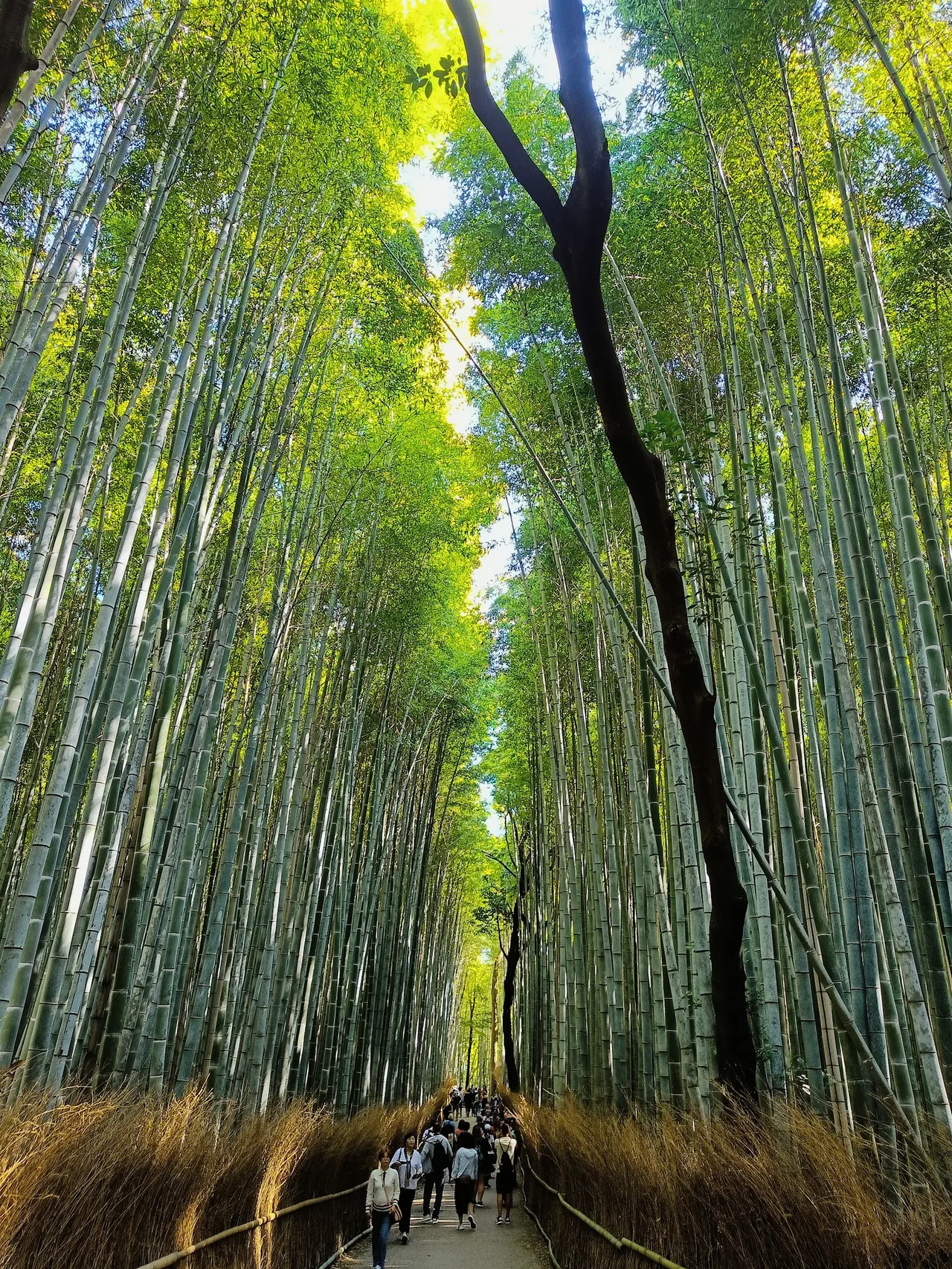 07:30
07:30Enter from the west side before 08:00 and the grove is a sound, not a photo queue. By 09:30 it is over.
Route09:00Arashiyama riverside
Coffee by the Katsura river, the Togetsukyo bridge, and the monkey park if you have the legs for the hill.
 11:30
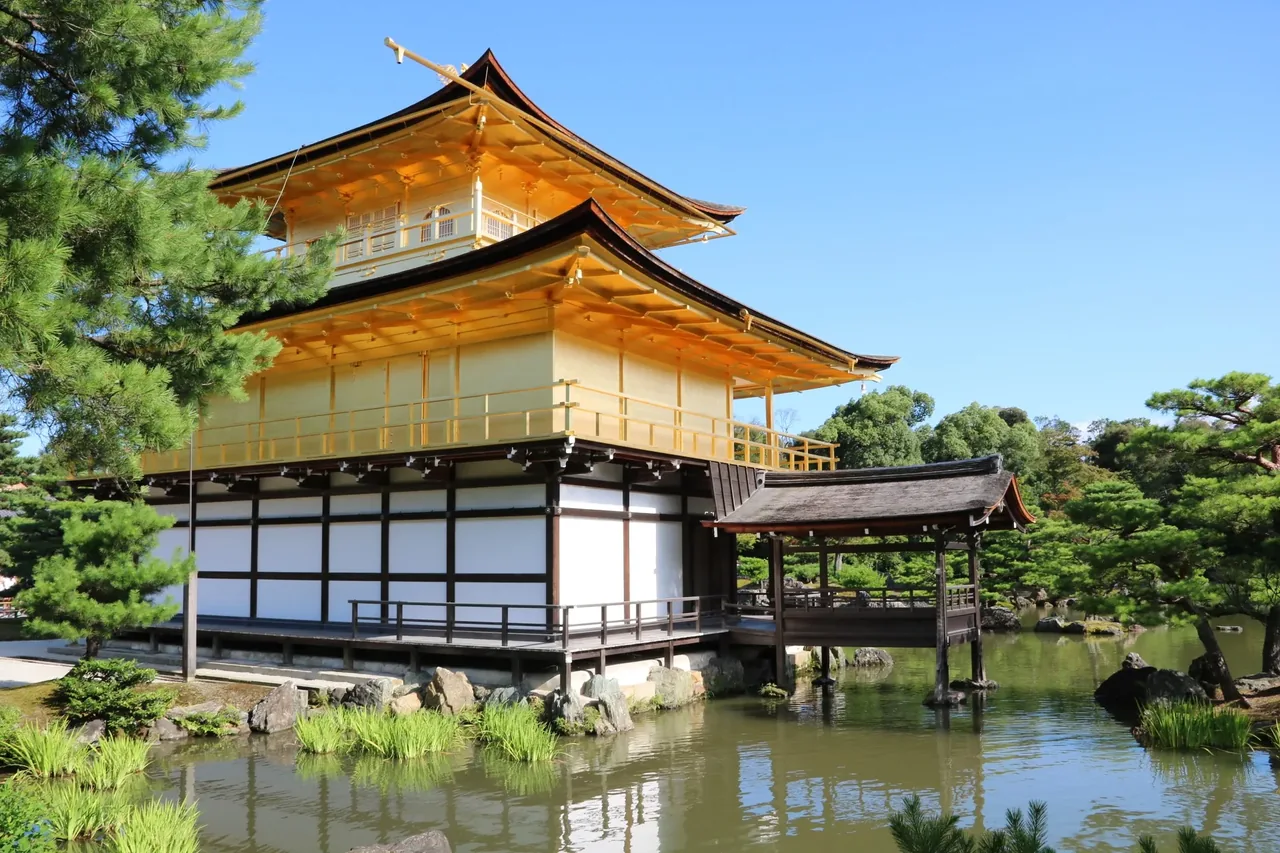
11:30The gold pavilion photographs the same at any hour and queues at all of them. Go now if you must see it, or skip ahead.
Route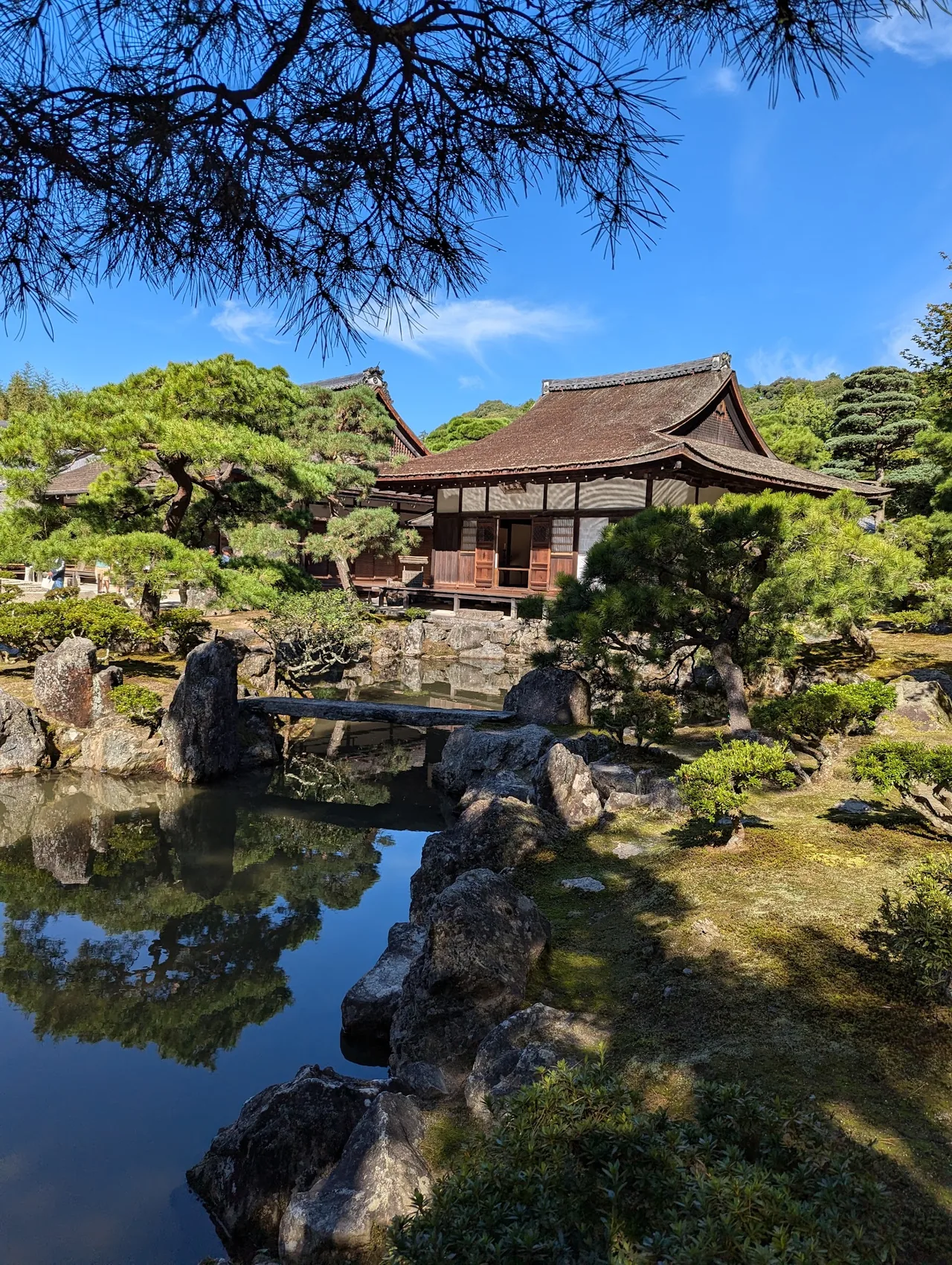 14:00
14:00The silver pavilion is the connoisseur's choice: a raked garden, a moss hillside and a fraction of the crowd. The Philosopher's Path starts at its gate.
Route16:00Philosopher's Path south
Follow the canal at walking pace. In late afternoon the path empties and the temples along it close one by one, which is exactly the mood.
Quieter alternative
With foliage-season crowds, replace the whole afternoon: take the bus north to Ohara or the train to Kurama instead and trade two icons for a silent valley.
 09:00
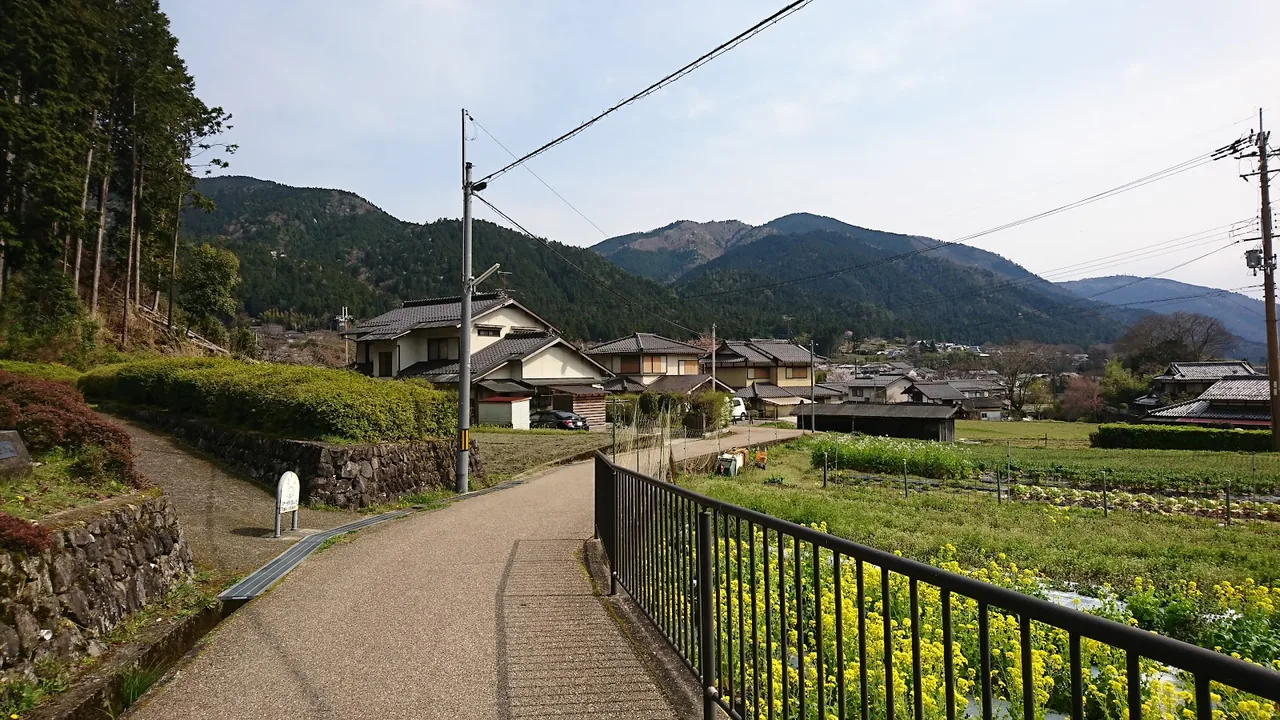
09:00Ohara Village
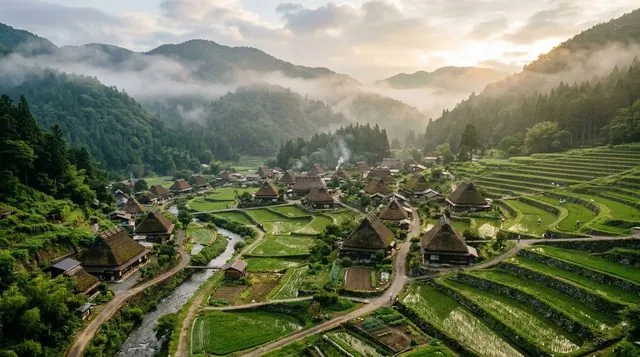
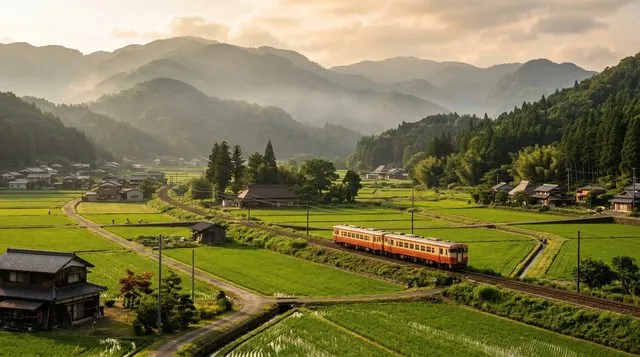
An hour north by bus, a farm valley with mountain temples and almost no coaches. This is the Kyoto most visitors never meet.
Route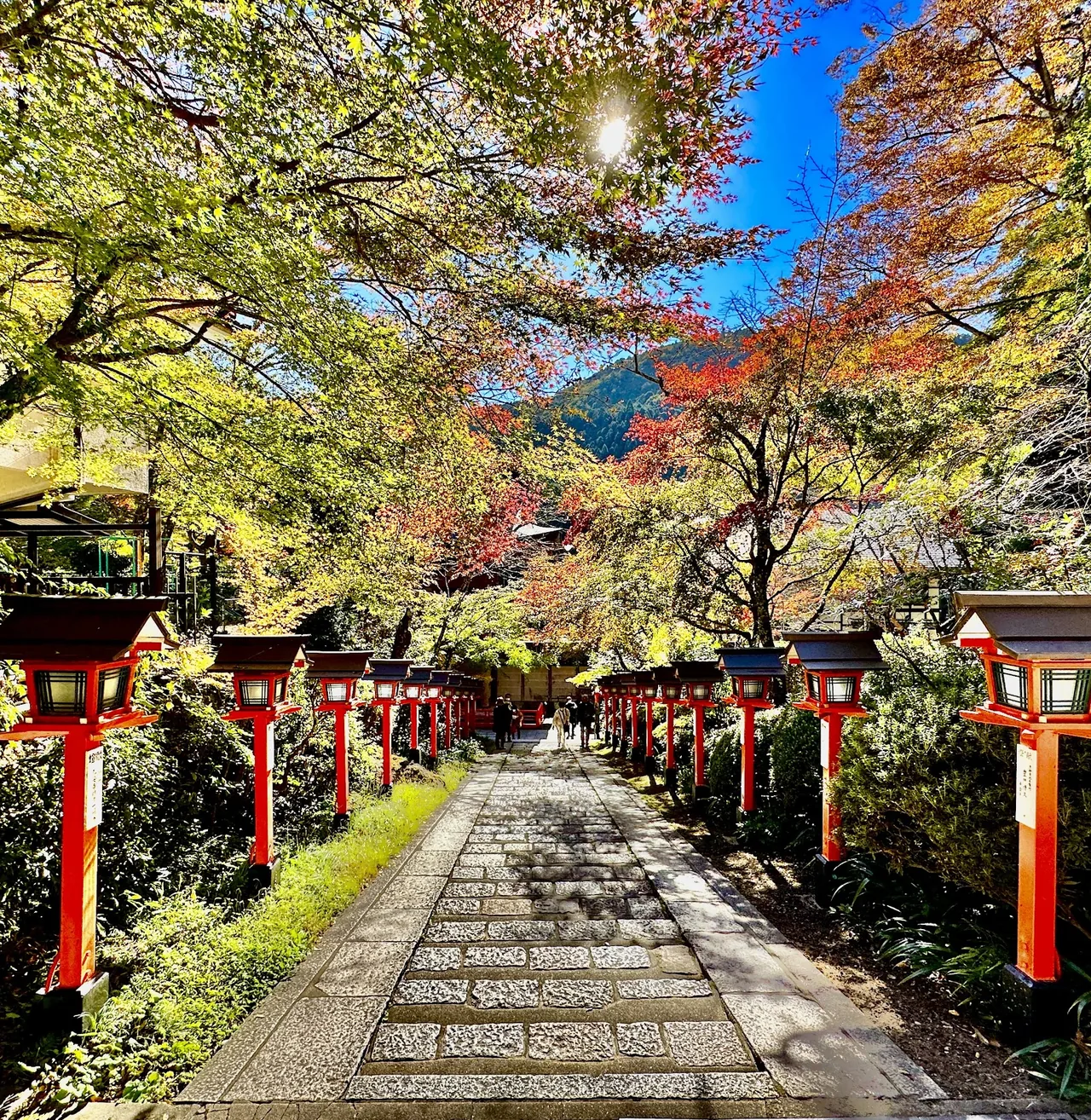 14:00
14:00A mountain temple reached by cable car or a forest climb, with an onsen in the village below for the way back.
RouteQuieter alternative
This bonus day is the quiet inverse of day 1. If you only have two days, fold one of these into a foliage-season afternoon instead.
Photo: Fushimi Inari-taisha — bobby Newcomb · Kiyomizu-dera — Raymond Wu · Gion — 大門豪 · Arashiyama Bamboo Grove — Miquel Lapuente Marquès · Kinkaku-ji — Photo: Nick · Ginkaku-ji — Sylvia Lin · Ohara Village — M N · Kuramadera Temple — JR JR
Where to stay
Higashiyama puts day 1 outside your door before the buses arrive; downtown around the station is better value and one train from everything. The Kyoto city guide compares the districts in detail.
Budget breakdown
Per person, per day, excluding flights. Kyoto's icons are unusually cheap; the money goes to sleep and food.
| Item | Budget | Comfort |
|---|---|---|
| Hotel (per night) | ¥8,000 | ¥30,000 |
| Food (three meals) | ¥3,000 | ¥9,000 |
| Transit (bus and train day) | ¥900 | ¥1,500 |
| Temple admissions | ¥400–1,000 | ¥1,500–2,500 |
| Per day | ≈ ¥12,500–14,000 | ≈ ¥42,000–44,000 |
Variations
With three days, give the third to the north as written above. In foliage season, book everything months out and invert the route: the icons at dawn are non-negotiable, and Ohara absorbs the afternoons. With children, the bamboo grove, the monkey park and the Fushimi lower gates carry the trip; drop the Philosopher's Path. Arriving from Tokyo, the first shinkansen lands early enough to start day 1 at Kiyomizu-dera instead.
Tips
- Buses fill by mid-morning; the trains plus twenty minutes of walking usually beat them.
- Carry an IC card and coins: temple admissions are small and often cash.
- Photography of geiko without consent is banned on parts of the Gion side streets. The signs mean it.
- Temple gardens close early, most between 16:30 and 17:00. Plan the paid entries before four.
- Rain improves the moss and empties the lanes. Do not reschedule around it.
FAQ
How many days in Kyoto do you need?
Two full days for the icons at a humane pace. Three lets you add the Ohara valley or Kurama, which is where Kyoto stops performing and starts breathing.
Is 3 days in Kyoto too much?
Not if the third day leaves the center. The city's north holds valleys and mountain temples that reward exactly the time most itineraries do not give them.
What is the first thing I should do in Kyoto?
Set an alarm. The single highest-value decision in this city is standing under the first torii gates of Fushimi Inari-taisha at 07:00.
Is Kyoto walkable?
The east side is one long, rewarding walk. The west and north are not; budget bus and train time between districts and walk within them.