

The best restaurants in Shinjuku are not hard to find, they are hard to reach. The station has more than 200 named exits, and surfacing from the wrong one costs twenty minutes, so this list is sorted by district rather than cuisine: pick by where you already are. It runs from a Michelin-listed lunch under ¥1,000 to an eight-hour ginseng broth one stop north.
Five micro-districts do the work: Shinjuku 3-chome to the east is department-store country, Nishi-Shinjuku and Omoide Yokocho lie west among the skyscraper hotels, Kabukicho and Golden Gai sit north-east, the quiet Gyoen edge lies south-east, and Shin-Okubo, Tokyo's Koreatown, is one stop further north. Our Shinjuku area guide maps the layout. Book the top end and queue for the rest, because several of the best counters seat under a dozen people and take cash only. For the wider city, see where to eat in Tokyo.
1. Shinjuku Kappo Nakajima
 Google
Kappo and kaiseki, Michelin-listed
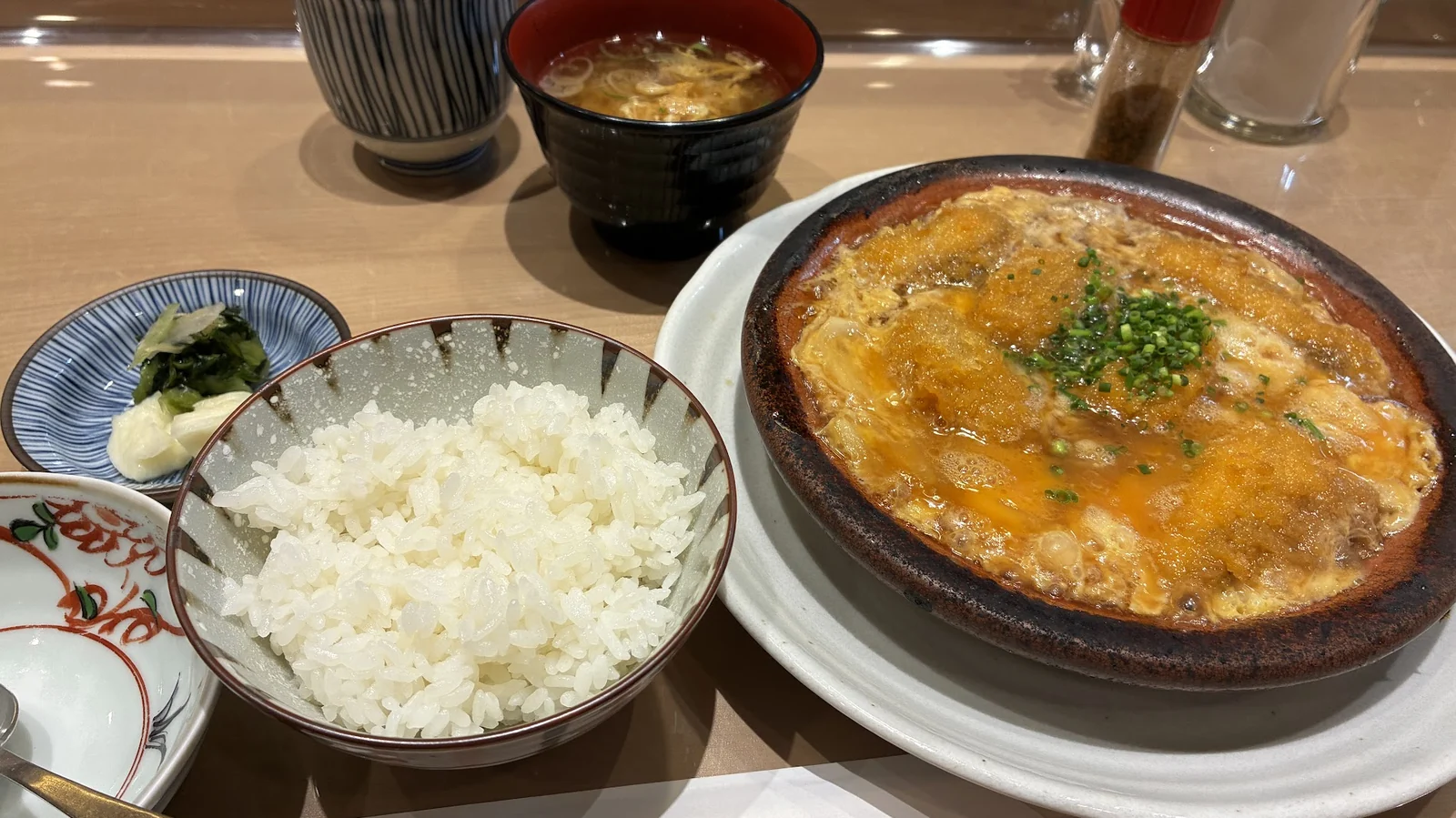
A basement kaiseki kitchen that spends lunchtime cooking one cheap fish four ways is not the obvious opening for this list, which is the point. Shinjuku Kappo Nakajima serves sardines as sashimi, deep-fried, simmered, or in a yanagawa-nabe that arrives bubbling in its own iron pan. At night the same counter becomes a full kaiseki restaurant. The bargain slot and the splurge slot at one address.
- Getting there: Shinjuku-sanchome exit A1, 1 minute; Shinjuku east exit about 5.
- Crowd warning: no lunch bookings, and the queue forms before the 11:30 opening. Be in line by 11:00.
- Budget: sardine sets from ¥990, yanagawa-nabe ¥1,100; kaiseki dinners from ¥11,000.
Go if you want a Michelin-listed kitchen for the price of a station bento. Skip it if you will not queue.
2. Unagi Kabuto (Omoide Yokocho)
 Google
Charcoal-grilled eel skewers, stall from 1948
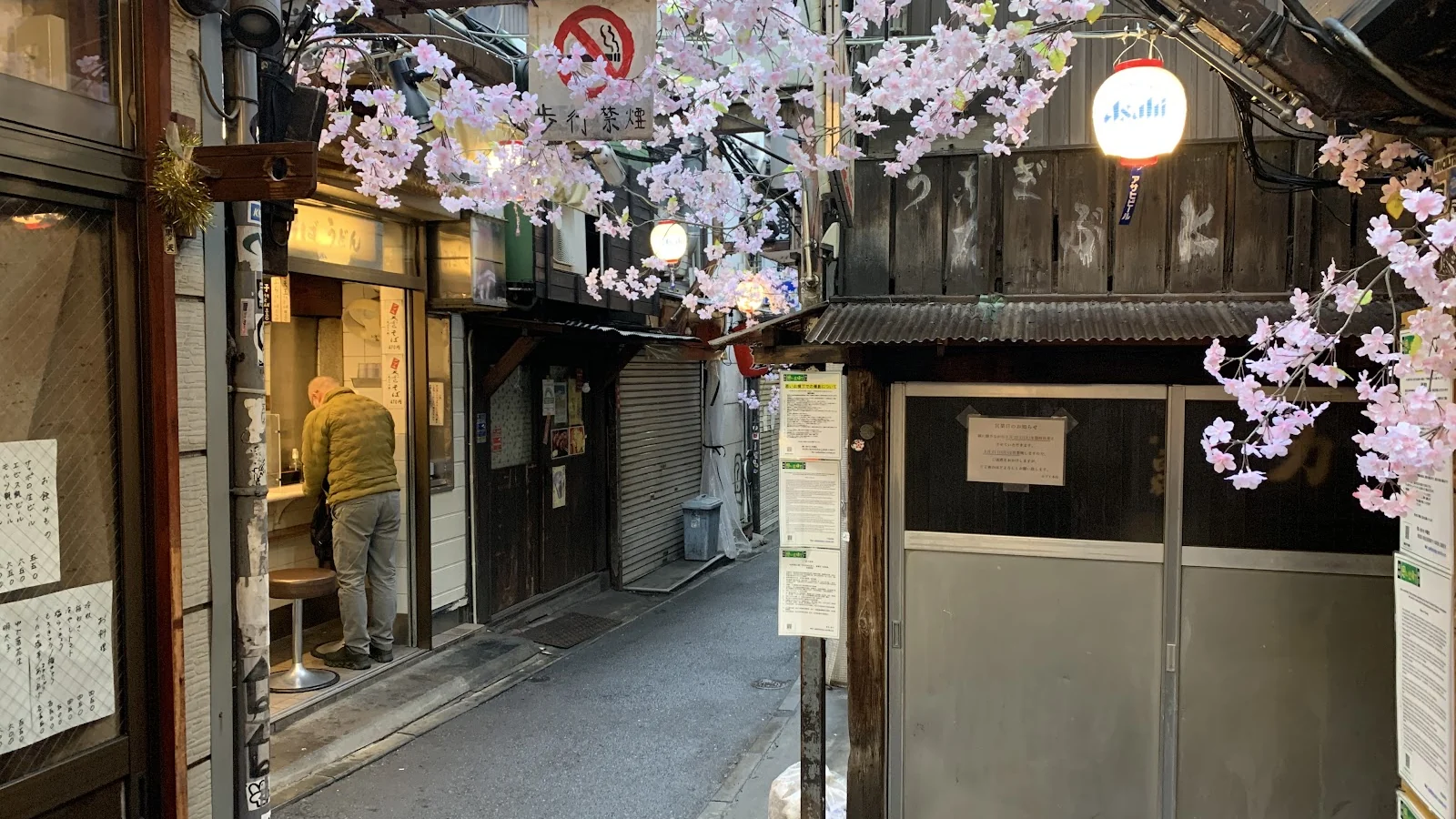
Most of the crowd in Omoide Yokocho stops at the first chicken skewers it sees and never reaches the eel. Unagi Kabuto has grilled every part of the fish over binchotan on an eleven-seat counter since 1948, smoke pouring from under the shutter all afternoon. Consider it instead of the front-lane yakitori chains: same alley, one turn deeper, a fraction of the tour traffic.
- Getting there: Omoide Yokocho, about 2 minutes from the Shinjuku west exit.
- Opening hours: 13:00 to 20:00, closed Sundays and holidays, far earlier than the rest of the alley.
- Order this: the hitotoori, not single skewers at ¥350 to 400. Cash only.
Go if you want the alley without the tour groups. Skip it if you eat after 20:00 or carry only cards.
3. Tempura Shinjuku Tsunahachi Sohonten
 Google
Tempura, flagship of a house founded in 1923
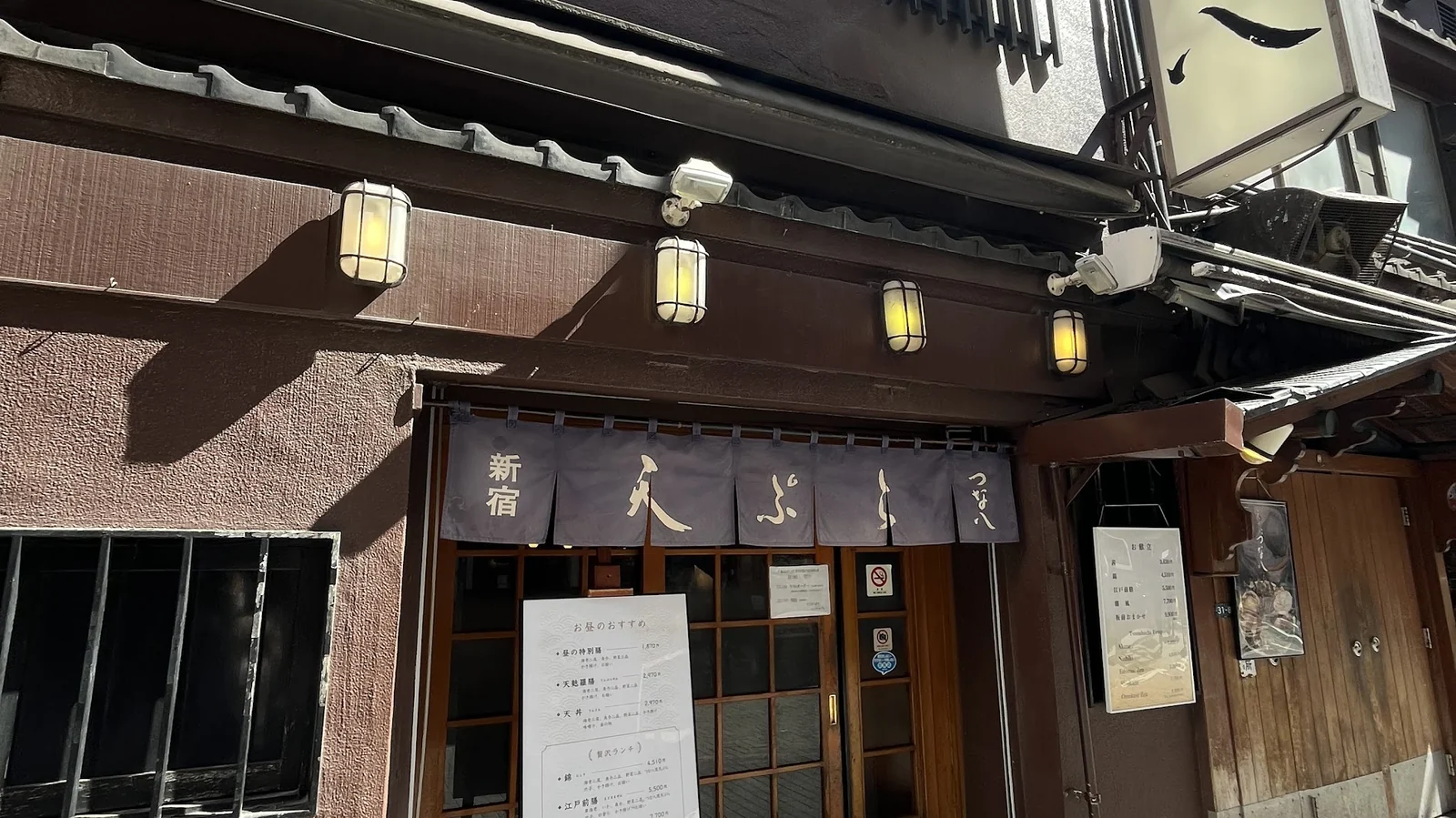
A low wooden tempura house among the glass frontages of Shinjuku 3-chome looks like an administrative error until you step inside. Tempura Shinjuku Tsunahachi Sohonten has fried at this address since 1964, and the business dates to 1923. Kuruma-ebi lands piece by piece at the counter, fried in sesame oil, light and fragrant rather than heavy. The Takashimaya and Lumine branches are handier; this room is worth the walk.
- Getting there: Shinjuku 3-chome, a few minutes from the Shinjuku east exit or Shinjuku-sanchome Station.
- Best time: 11:00 sharp or after 13:30, since the queue builds from noon. Ask for the counter.
- Budget: lunch sets from ¥1,870, dinner courses ¥2,970 to ¥9,680.
Go if you want counter tempura without a reservation ritual. Skip it if you arrive at 12:30 and hate queues.
4. Sobahouse Konjiki Hototogisu Shinjuku Gyoen Honten
 Google
Ramen, Michelin star 2019-2022 and Bib Gourmand since
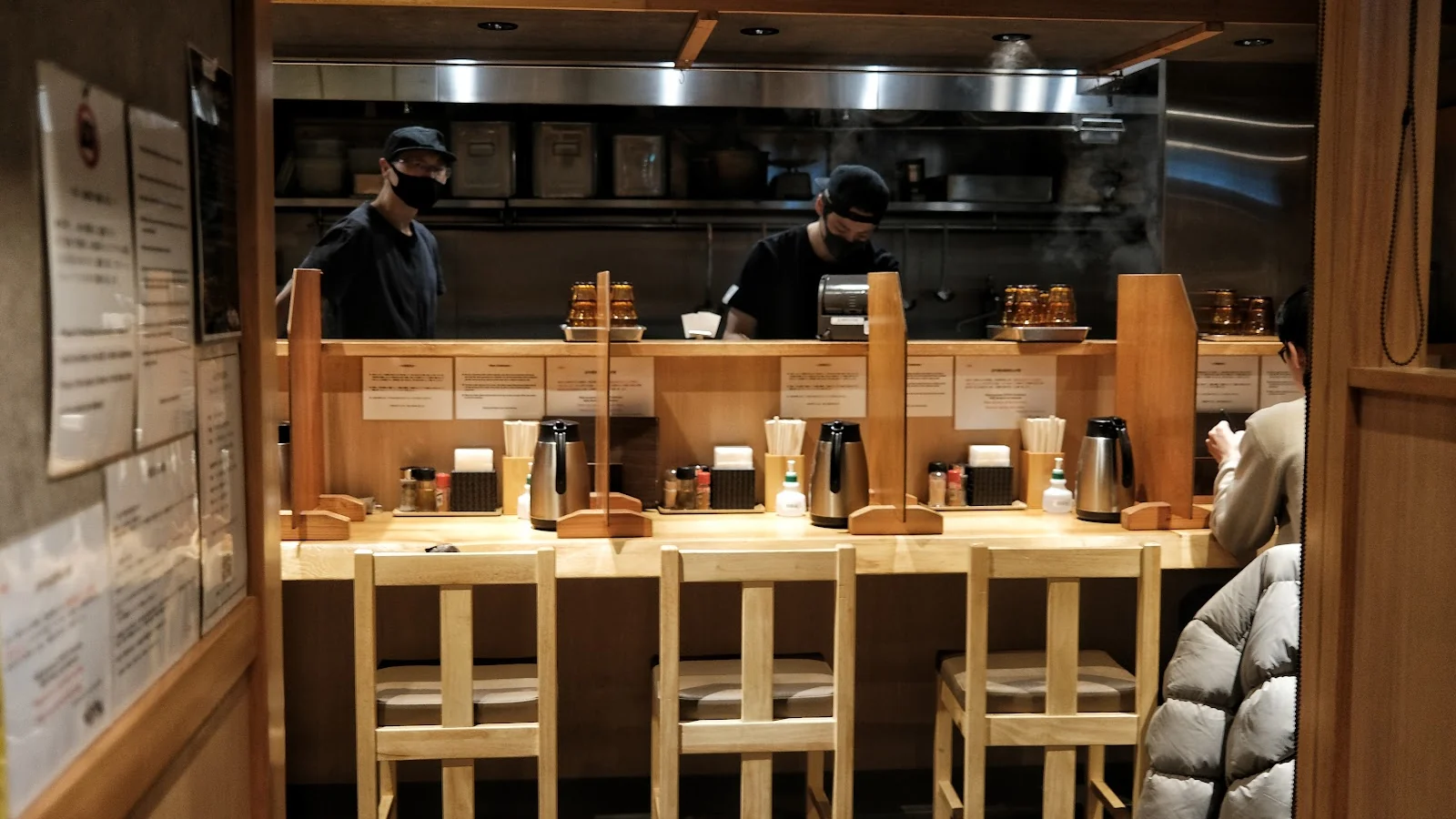
The sign says soba house. It is an eight-seat ramen counter that held a Michelin star from the 2019 to 2022 guides and still carries a Bib Gourmand. Sobahouse Konjiki Hototogisu Shinjuku Gyoen Honten layers pork stock with hamaguri clam broth and dashi, then finishes with truffle sauce and porcini oil, a world away from the niboshi bowls on the Kabukicho side.
- Getting there: Shinjuku-gyoemmae Station, 2 minutes, on the Gyoen edge of Shinjuku 2-chome.
- Best time: tickets are handed out before opening and usually run out before the doors do. Arrive well before 11:00.
- Budget: about ¥1,500 a bowl.
Go if you are spending the morning in Shinjuku Gyoen and will get there early. Skip it if a pre-breakfast ticket run sounds like work.
5. Tonkatsu Niimura Honten
 Google
Tonkatsu, founded 1961
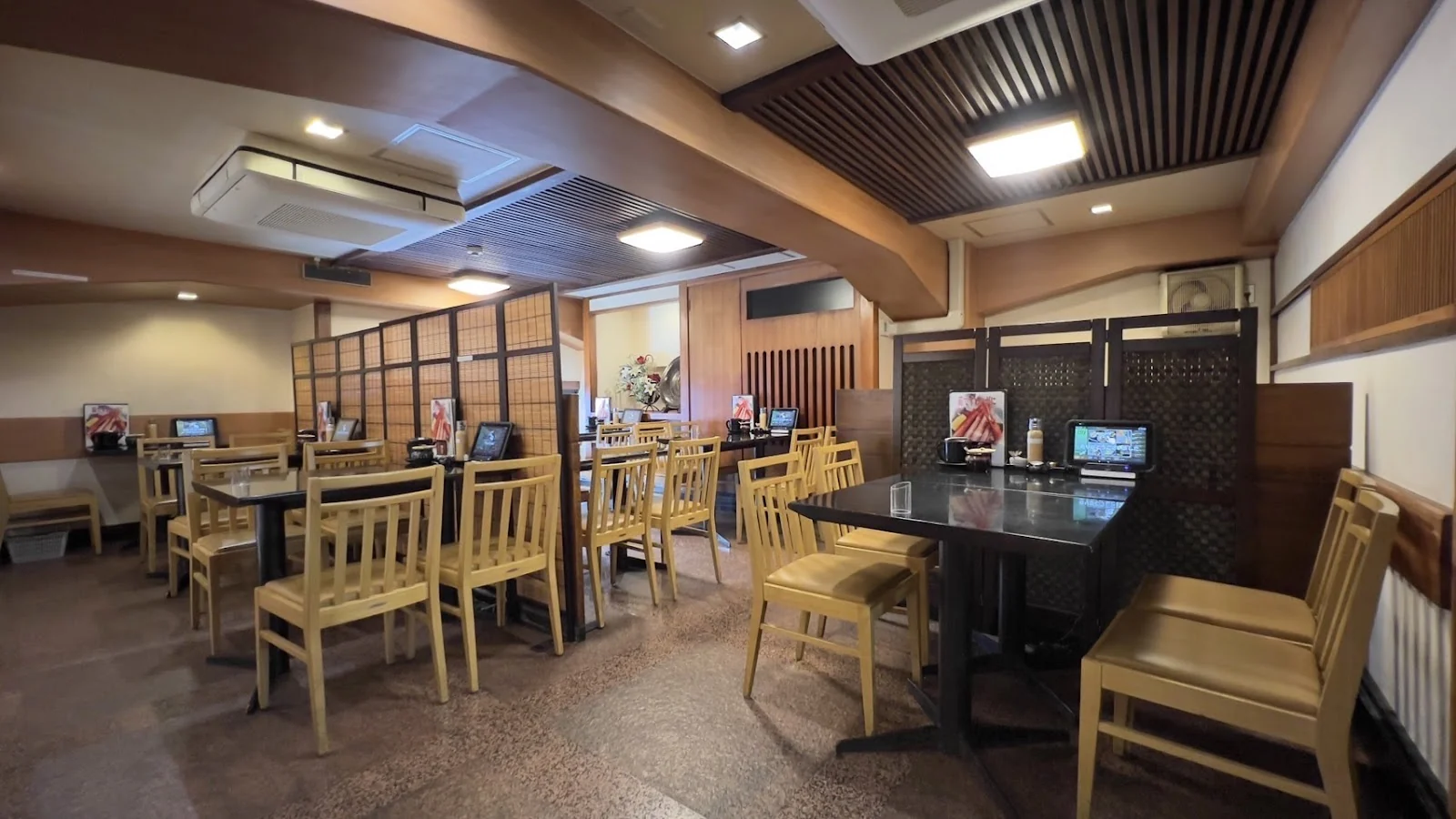
The tonkatsu most guides point at, Katsukura inside Takashimaya, is closed for renovation from 1 September 2026 until mid-March 2027, and the alternative is better placed anyway. Tonkatsu Niimura Honten has fried Kagoshima black pork in Kabukicho since 1961: a quick fry, then a slow finish in the oven, so the crust stays crisp instead of greasy. It is also the most useful address in Shinjuku after midnight.
- Getting there: Kabukicho, 1 minute from Seibu-Shinjuku Station, 3 from the JR east exit.
- Opening hours: until 06:00 most nights, 02:30 on Thursdays, year-round. Lunch queues run 12:00 to 13:30.
- Budget: ¥1,000 to 1,999 for a set.
Go if it is 02:00 and you want better than a convenience store. Skip it if you want a quiet room.
6. Udon Shin
 Google
Handmade udon with tempura
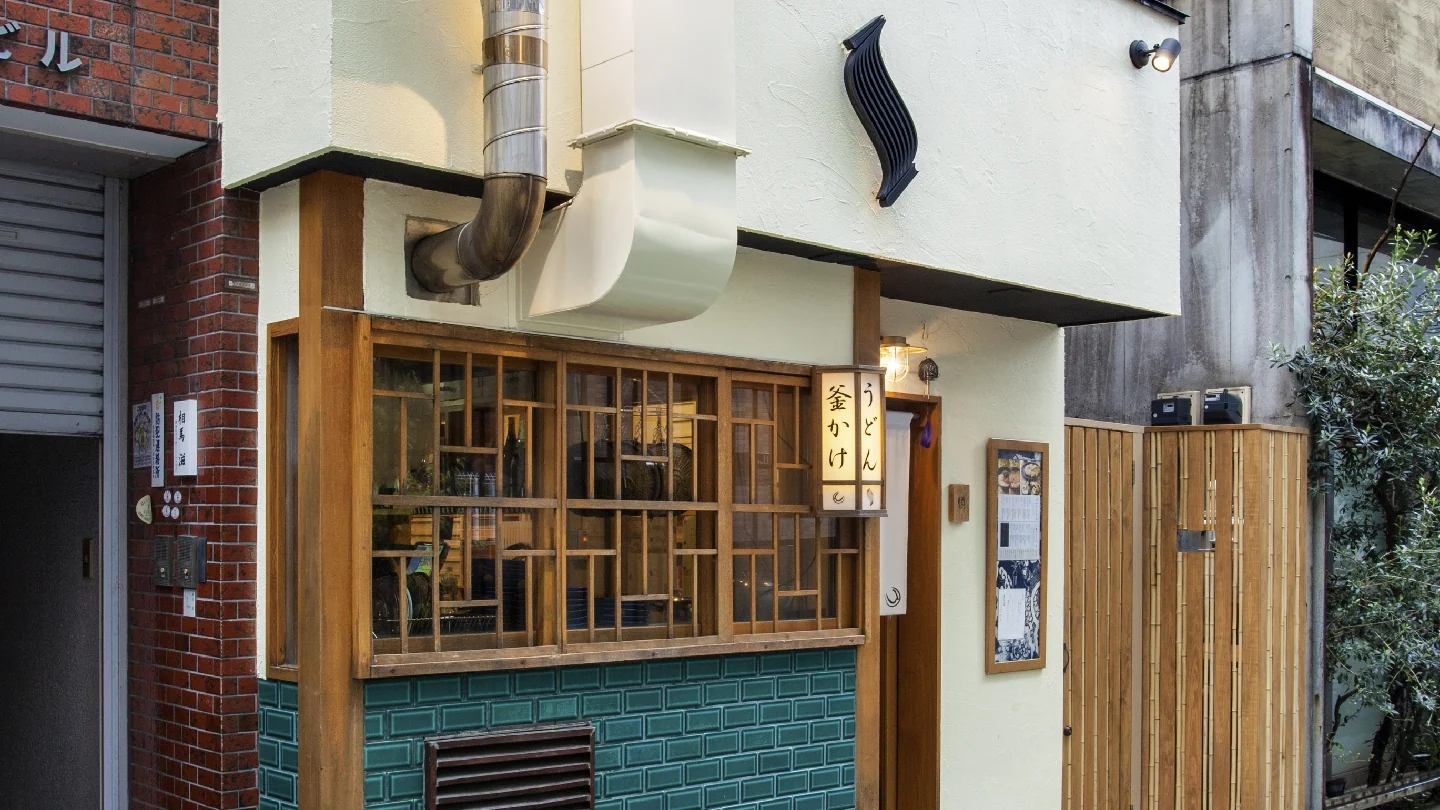
Noodles cut to order have a firmness machine-made udon cannot fake, and twelve counter seats south of the station are where Tokyo goes to prove it. Udon Shin tops its bowls with an oversized chikuwa tempura fried the moment you order, and has made Tabelog's Udon EAST 100 list six times. The carbonara-style udon is better than it sounds.
- Getting there: Yoyogi 2-chome, south of the station: Toei Shinjuku and Oedo exit 6 is 2 minutes, the JR new south exit about 6.
- Crowd warning: waits of one to two hours are normal. Take a ticket from the machine outside or book online up to 30 days ahead.
- Order this: chikuwa tempura udon, or the carbonara. Cash only, ¥1,000 to 1,999.
Go if you will treat the wait as part of the plan. Skip it if you have a train to catch.
7. Sushidokoro Shigeru
 Google
Edomae sushi counter, Michelin Bib Gourmand 2026
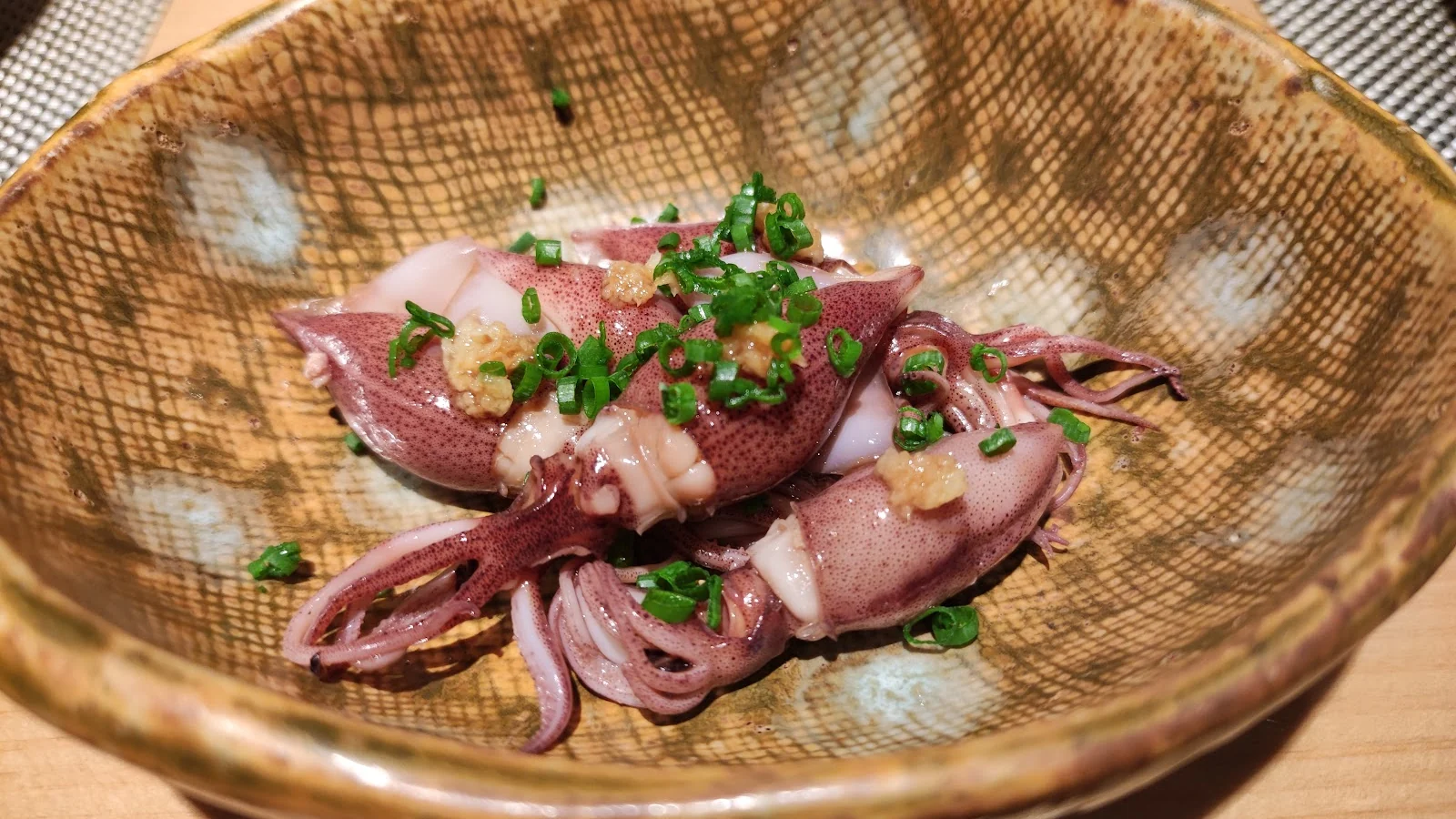
A seven-seat counter in residential Funamachi, run by a Shinjuku-born chef whose stated aim is sushi for ordinary people, is the antidote to Ginza pricing. Sushidokoro Shigeru opens its omakase with steamed, grilled and simmered dishes before any nigiri appears, and the torotaku is the signature. The knife work is fast and practised, and the tuna carries no tourist mark-up.
- Getting there: Funamachi, on the Yotsuya edge of Shinjuku-ku, 3 minutes from Akebonobashi Station.
- Opening hours: evenings only, irregular closing days. Bookings by phone, parties of four at most.
- Budget: nigiri set about ¥3,000, omakase about ¥6,500.
Go if you want a real omakase without the Ginza bill. Skip it if you will not phone ahead.
8. Ban Thai
 Go Hidpon !
Thai, in Kabukicho since 1987, Tabelog Hyakumeiten
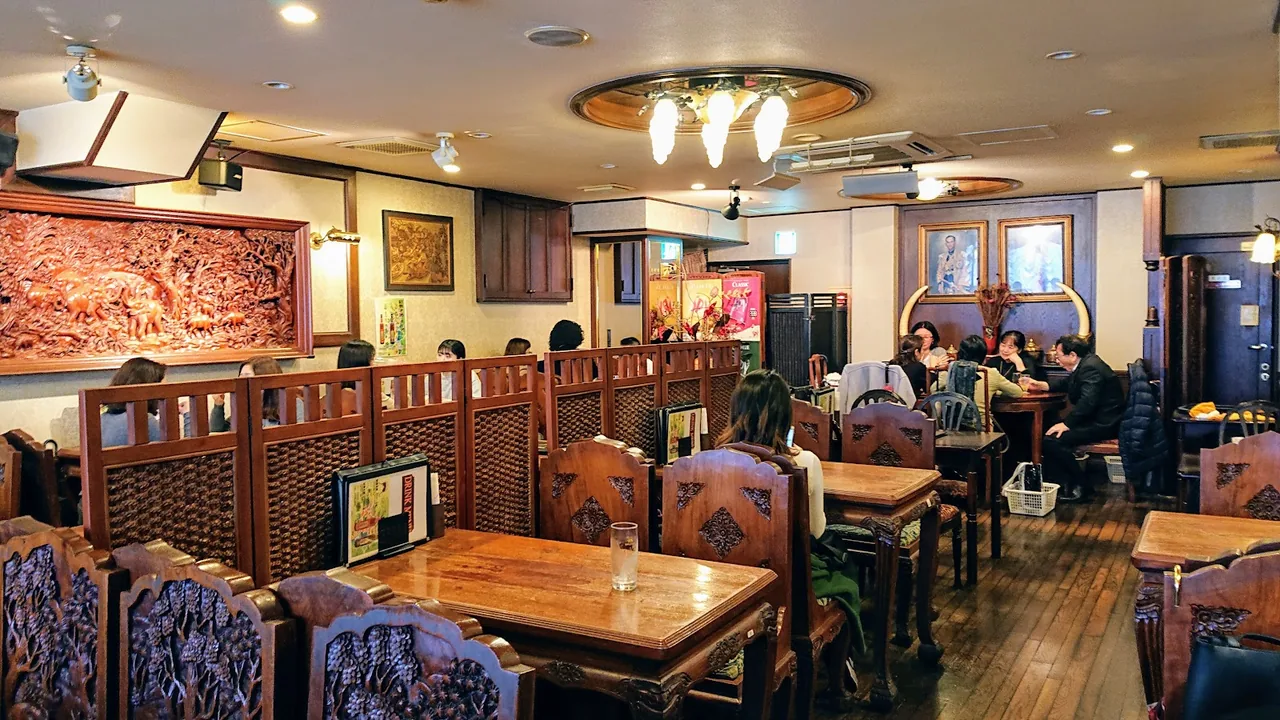
The best dinner in Kabukicho is not necessarily Japanese. Ban Thai has held a third floor here since 1987, with Thai chefs, carved wooden furniture across 110 seats and a menu past a hundred dishes. Three years running on Tabelog's Asian and Ethnic 100 list counts for more in this district than any street-level sign.
- Getting there: Kabukicho, 2 minutes from Seibu-Shinjuku Station, 5 from the JR east exit. Look for the building name, not a sign.
- Opening hours: weekdays with a break from 15:30, straight through from 11:30 at weekends and on holidays.
- Order this: green curry with eggplant, number 70. Dinner takes bookings, lunch is walk-in.
Go if you have had four Japanese dinners in a row. Skip it if you only have two nights in Tokyo.
9. Korean Samgetan (Korai Samgyetang)
 yummy
yummySamgyetang (ginseng chicken soup) specialist, since 2005
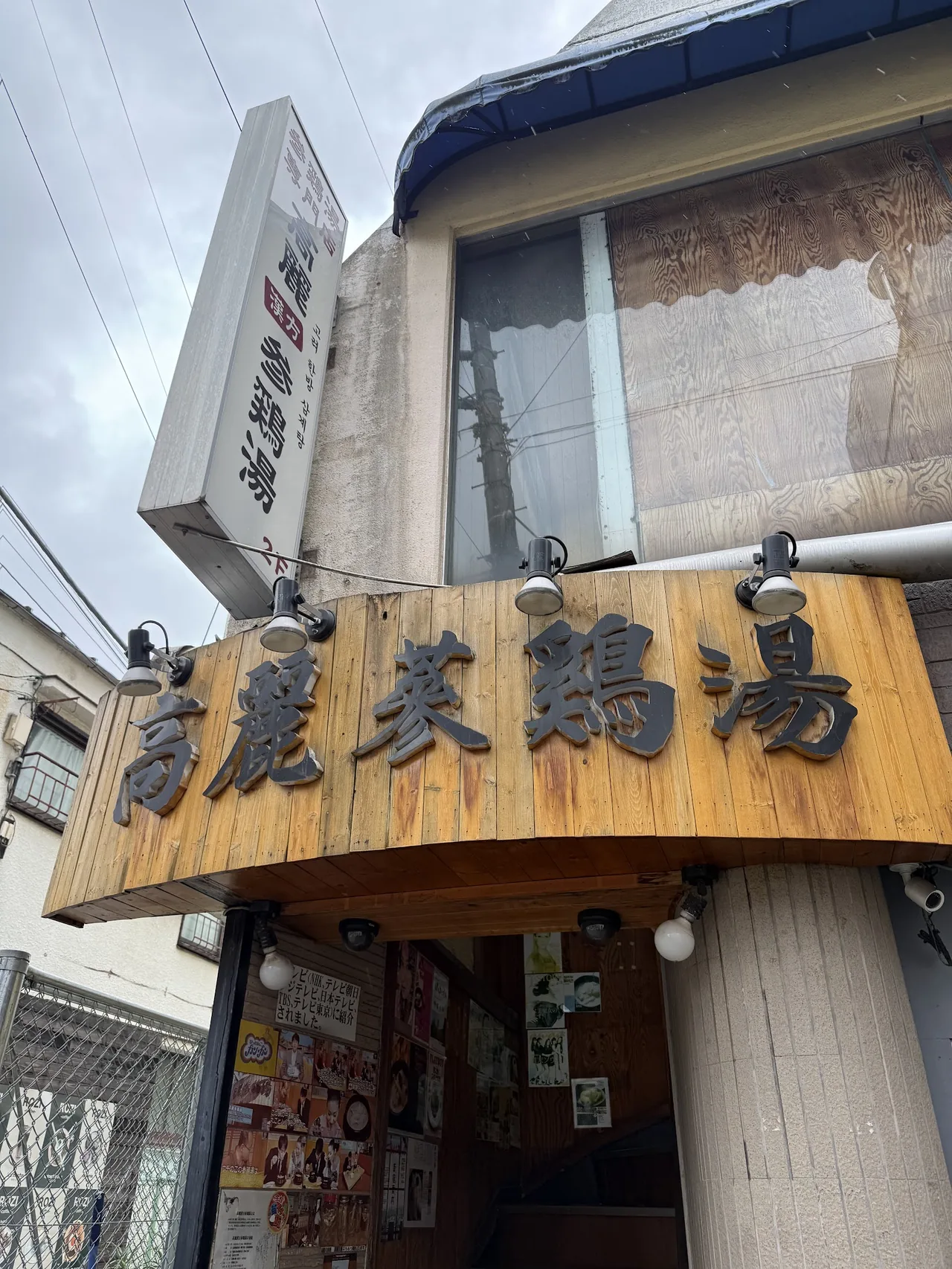
Shin-Okubo runs on grilled pork belly and cheese dakgalbi for the K-pop crowd, and one restaurant up a staircase has ignored all of it since 2005. Korean Samgetan (Korai Samgyetang) does one dish: a whole young chicken stuffed with rice, simmered eight hours with ginseng, deer antler, walnuts and pine nuts. More than thirty ingredients go into the pot. One stop up the Yamanote, and it feels like ten.
- Getting there: Shin-Okubo Station on the Yamanote line, 4 minutes into Koreatown, second floor.
- Best time: a humid Tokyo August, since samgyetang is a Korean summer stamina dish. Open 11:00 to 23:00 daily.
- Budget: ¥3,000 to 4,999 a head. Cash only, takeout available.
Go if you need a restorative meal or the humidity has beaten you. Skip it if you came to Shin-Okubo for barbecue.
10. Sugoi Niboshi Ramen Nagi Shinjuku Golden Gai Honkan
 Google
Niboshi (dried sardine) ramen, open 24 hours
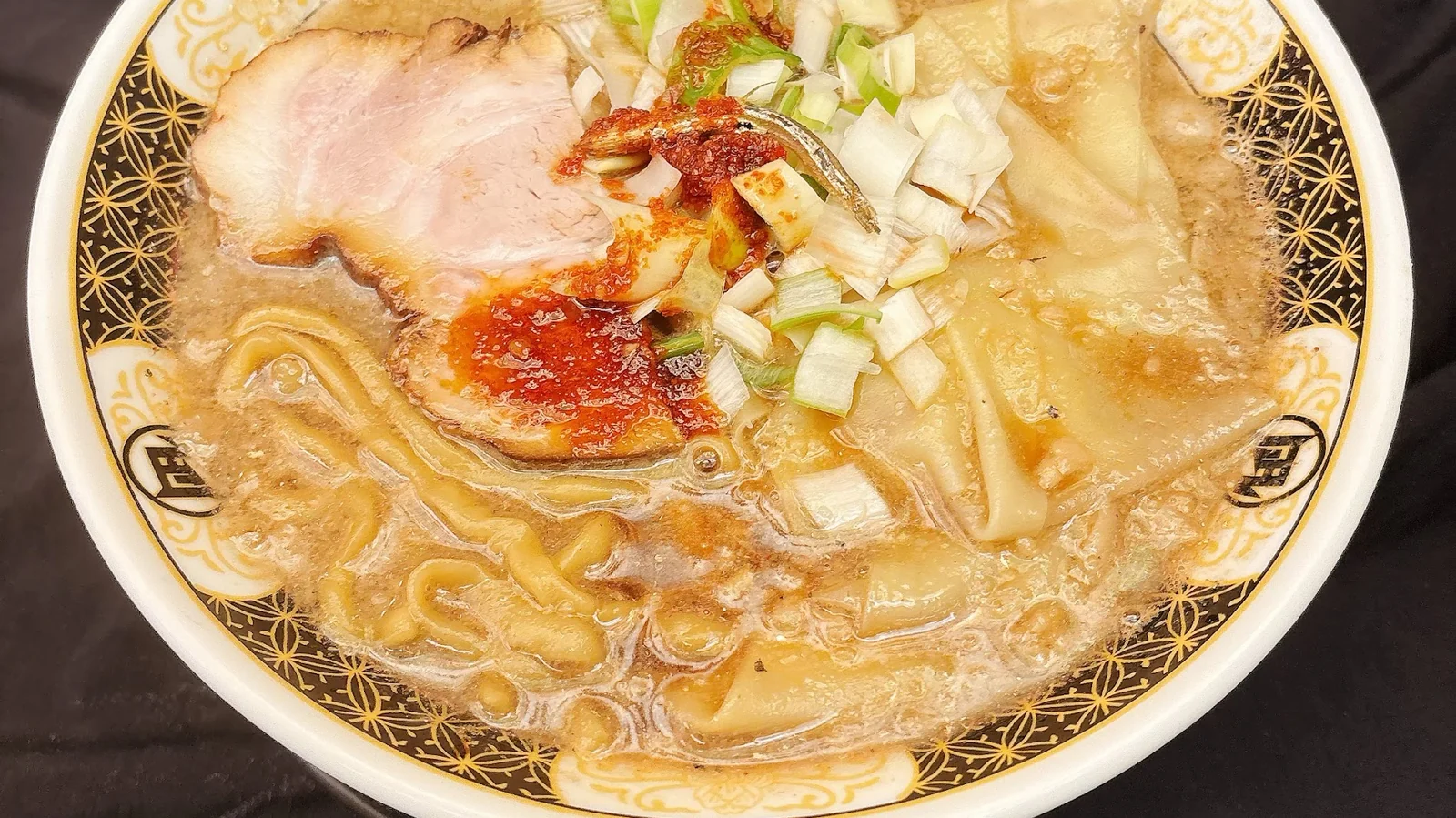
Golden Gai is six lanes of drinking rather than eating, and the one thing there worth queueing for sits up a steep staircase. Sugoi Niboshi Ramen Nagi Shinjuku Golden Gai Honkan builds its shoyu broth from more than twenty kinds of dried sardine, over 70 grams a bowl, around the clock. The result is pungent and unapologetically fishy, which is the appeal for niboshi fans and a problem for everyone else.
- Getting there: Golden Gai, G2 street, second floor, 3 minutes from Shinjuku-sanchome Station.
- Opening hours: 24 hours. Ticket machine at the door, narrow staircase, and a wait at 01:00.
- Budget: ¥1,350 a bowl.
Go if you like niboshi and it is past midnight. Skip it if strong fish flavour worries you.
11. Isetan Shinjuku depachika
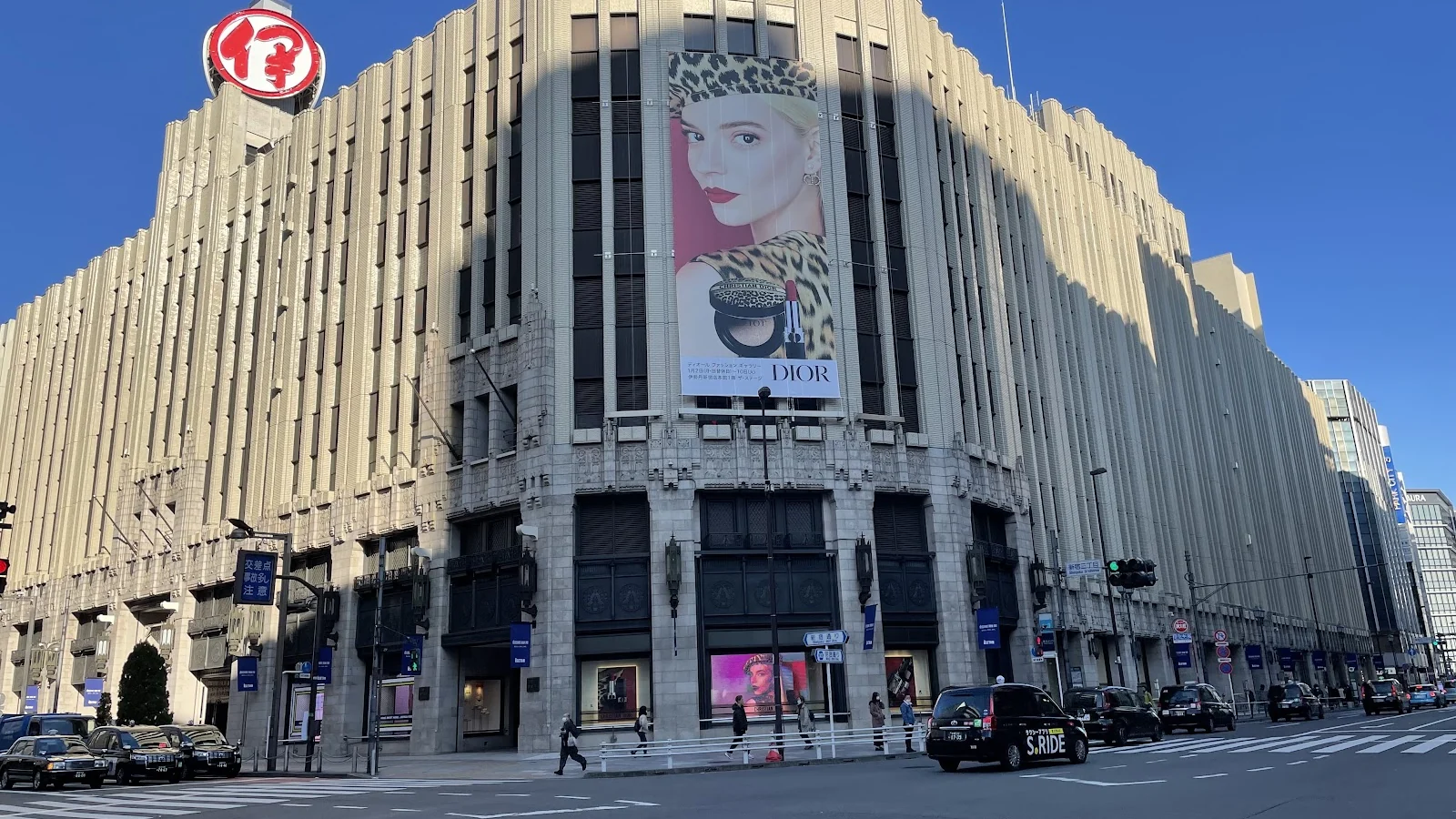 Google
Department-store food hall
The best-value dinner in Shinjuku is not in a restaurant at all. Isetan Shinjuku depachika is widely rated the deepest food basement in Tokyo: deli counters, sake, long-established wagashi makers, weekly guest pop-ups and a chocolate cafe by chocolatier Jean-Paul Hevin on one floor. Assemble a bento, carry it to Shinjuku Gyoen or the hotel room, and you eat better than most sit-down meals at the price.
- Getting there: Shinjuku 3-chome: exits B3, B4 and B5 at Shinjuku-sanchome lead straight in underground, which beats crossing Shinjuku Station.
- Best time: the last 30 to 60 minutes before the 20:00 close, when prepared food is marked down 10 to 30 percent.
- Budget: bento and deli portions from a few hundred yen. The seventh-floor restaurants cover the table version.
Go if you want a good dinner in your hotel room for the price of a snack. Skip it if the occasion needs a table.
Honorable mentions
- Sasamoto (Omoide Yokocho): sixteen seats, no signboard, cash only, and the master decides the order of the pork and beef skewers.
- Shinjuku Unagi Kikukawa: the full lacquered box of unaju rather than Kabuto's skewers, five minutes north of the west exit. Lunch is the value sitting.
- Fuunji: the tsukemen benchmark south of the station, covered in our best ramen in Tokyo guide.
- Donzoko: the Shinjuku 3-chome izakaya pouring since 1951, covered in our best izakaya in Tokyo guide.
FAQ
What are the best restaurants in Shinjuku on a small budget?
The ladder starts lower than most visitors expect. Shinjuku Kappo Nakajima serves weekday sardine lunch sets from ¥990, widely cited as the cheapest Michelin-recognised meal in Tokyo. A bowl at Ramen Nagi in Golden Gai is ¥1,350 and Konjiki Hototogisu around ¥1,500. Cheapest of all is a marked-down bento from Isetan Shinjuku depachika in the last hour.
What stays open after the last train?
Last trains leave Shinjuku between roughly 0:15 and 0:30 depending on the line, the Marunouchi first out and the Yamanote and Oedo last. After that, Tonkatsu Niimura Honten in Kabukicho serves until 06:00 most nights, Thursdays until 02:30, and Ramen Nagi in Golden Gai never closes. A taxi to Shibuya costs about ¥2,500, to Tokyo Station about ¥3,500.
Which places need a reservation, and which want cash?
Nakajima takes no lunch bookings, so join the queue by 11:00; dinner should be booked. Udon Shin books online up to 30 days ahead, Ban Thai takes dinner bookings only, and Sushidokoro Shigeru answers its own phone. Kabuto, Sasamoto, Udon Shin and Korean Samgetan are cash only, so draw yen first.
Where should you eat straight out of the station with luggage?
Head east and stay underground. Exits B3, B4 and B5 at Shinjuku-sanchome Station lead directly into Isetan Shinjuku depachika without crossing a street, which is the easiest thing to manage with a suitcase. If you want a table instead, Tsunahachi is a few minutes from the same exits and takes walk-ins from 11:00.