

The izakaya is the closest thing Japan has to a British pub or a Spanish tapas bar — not quite a restaurant, not quite a bar, definitely not a club. You sit at a counter or a low table, you order beer or sake or shochu, and you order a stream of small plates to graze through across two to four hours. Salarymen go straight from the office. Couples turn up after the cinema. Friends meet there by default rather than at home. Tokyo has tens of thousands of them — most of them are fine, a couple of hundred are excellent, and four below are the ones I’d send a first-time Tokyo visitor to without overthinking it.
The four are deliberately different. Yurakucho for the under-the-tracks foreigner-friendly entry. Shinjuku for the 1950s heritage room that hosted Mishima. Ebisu for the standing-bar sake nerds. Shibuya for the motsuyaki (grilled offal — trust me) specialist that Tokyoites send out-of-towners to. After those, the fifth section is the izakaya yokocho — the covered alleys of small shops where you don’t book ahead, you just walk in. That’s where Tokyo actually drinks.
For the wider Tokyo food picture, see our Where to Eat in Tokyo guide. For the skewer-specific tier, jump to Best Yakitori in Tokyo — yakitori shops overlap with izakayas but the dedicated yakitori temples are their own thing.
1. Andy’s Shin Hinomoto, the under-the-tracks Yurakucho counter
 ★ Author's Pick
Andy’s Shin Hinomoto (アンディーズ 新日の基)
Under the JR Yamanote-line tracks at Yurakucho, the rumbling-train atmosphere is half the appeal. Andy Lunt has been running it since the 1980s with his Japanese wife’s family. Reservations strongly recommended for weekend nights. Cash + cards.
2-4-4 Yurakucho, Chiyoda-ku, directly under the JR tracks, 1 min from Yurakucho StnView on Google Maps →Andy’s Shin Hinomoto sits under the JR Yamanote-line tracks at Yurakucho and shakes whenever a train passes overhead. That’s not a flaw; it’s the point. The owner is Andy Lunt, a British man who married into a Japanese family that’s been running an izakaya in this same arched railway space since the 1950s. Andy runs the floor in English. The kitchen runs in Japanese. The fish comes from Tsukiji every morning and the sashimi platter is the order to default to. Order the grilled atka mackerel as well. And one cold Asahi to start, before you switch to sake.
It’s the izakaya I send first-time visitors to. The English is genuine and the menu is translated, but the room is still 95% Japanese regulars and Tokyo salarymen, which means the food and the atmosphere haven’t been adjusted for tourists. You’re drinking with the actual neighbourhood; you just happen to be able to ask what’s in season without sign language. Reservations for weekend nights are essential. Bring cash even though they take cards — it speeds the bill.
2. Donzoko (どん底), the 1951 Shinjuku institution

Donzoko (どん底)
Opened 1951 in post-war Shinjuku. Six-floor building, each floor a different room style (counter, tatami, low tables). Famous Showa-era literary haunt: Mishima Yukio and Kawabata reportedly drank here. Cash preferred, cards accepted. Daily until midnight.
3-10-2 Shinjuku, Shinjuku-ku, Shinjuku-Sanchome Stn 2 min, side street off Yasukuni-doriView on Google Maps →Donzoko has been open in the same Shinjuku Sanchome side street since 1951 and a lot of post-war Japanese literary history walked through the door. The story is that Yukio Mishima drank here. Yasunari Kawabata did too. Whether or not you trust the legend, the building itself is the evidence: six floors of small rooms, each with a different layout (counter on the ground floor, tatami on the second, low tables higher up), wooden interiors that have been polished by 70-plus years of elbows and beer glasses, and a menu that hasn’t modernised much beyond ‘more beer, more grilled fish, more sake’.
It’s the izakaya to come to when you want the Showa-era room rather than the modern one. Order the otoshi (the compulsory ¥500 cover-charge appetiser — it’s usually a small dish of something seasonal), the kawasaki-style oden in winter, the chilled tofu in summer, plus whatever the chalkboard recommends. Sit on the second floor if it’s open — the tatami room is the one with the literary ghosts.
3. Buri (ぶり), the Ebisu standing-bar for sake nerds

Buri (ぶり)
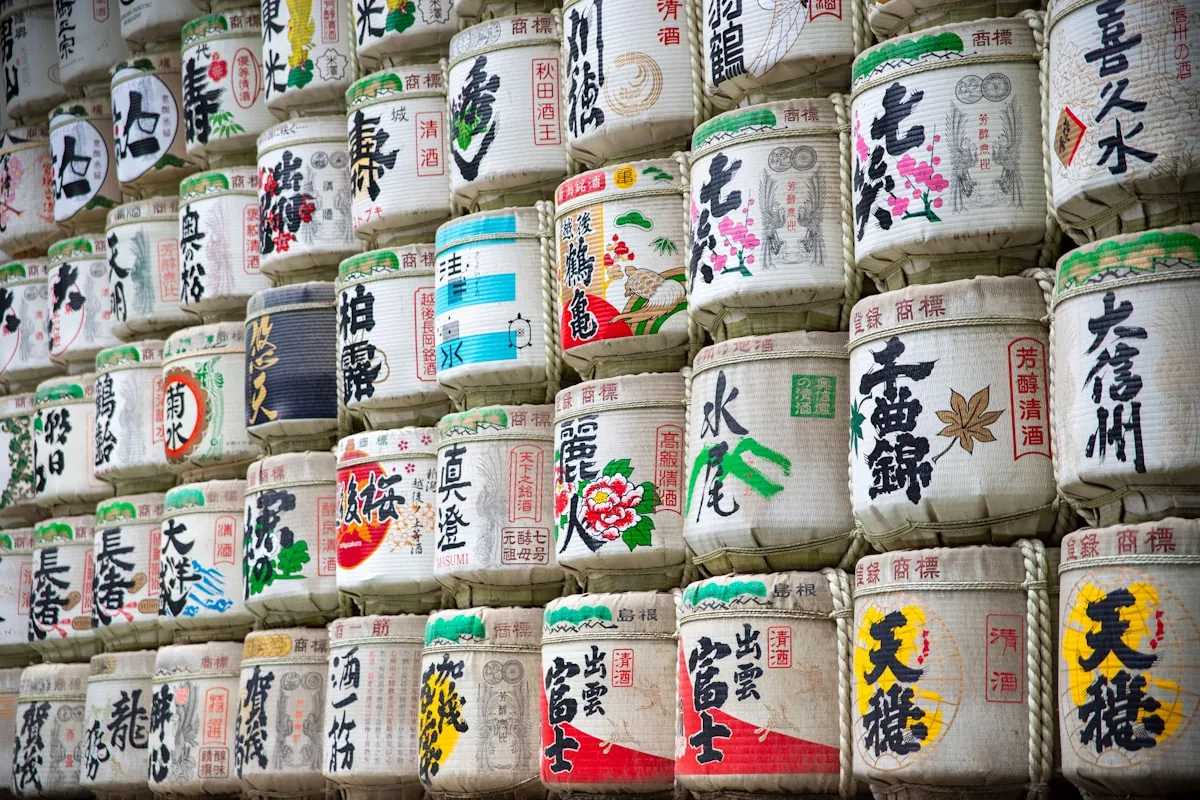
Standing-only bar (10-12 people fits) in Ebisu Nishi. The defining feature: one wall is lined with vintage one-cup sake (frozen, served as ‘sake slushie’) and the other with the regular sake selection. Counter food: yakitori skewers, simple sashimi, pickles. Cash preferred. Daily 17:00–midnight.
1-14-1 Ebisu Nishi, Shibuya-ku, Ebisu Stn 3 min walk, behind Ebisu YokochoView on Google Maps →Buri is a standing-only izakaya in Ebisu Nishi that’s the local sake nerd’s headquarters. The room fits 10–12 people, all standing at the counter, no tables, no chairs, no exceptions. The defining feature is the wall of one-cup sake behind the bar — vintage frozen cups served as “sake slushie” (yes, frozen) plus the regular non-frozen one-cups in every grade from cheap to premium. Pick one off the wall, point, hand over coins. Food is simple counter stuff: skewers, sashimi, pickles, a few warm dishes. None of it is the reason you came. You came for the sake and the standing-room camaraderie.
Best time to go: 19:00–20:30 on a weekday when the after-work salarymen are warming up. The atmosphere is louder, quicker, and less self-conscious than a sit-down place. You’ll leave within an hour with a slight buzz and a much better idea of what ‘junmai daiginjo’ actually means in practice. Cash strongly preferred; the till is the till.
4. Motsuyaki Ucchan (もつ焼きうっちゃん), the offal-skewer specialist

Motsuyaki Ucchan (もつ焼きうっちゃん)
Small chain with branches in Shibuya, Shinjuku, Kichijoji, Otsuka. Skewers ¥150–¥250 each. Order 6–8 skewers + a beer + a shochu highball, total ¥2,500–¥3,500 per person. Loud, smoky, fast. Cash + IC. Daily until late.
Branches across Tokyo; the Shibuya and Shinjuku Sanchome branches are the most accessible for first-timersView on Google Maps →Motsuyaki Ucchan is the small chain that introduced thousands of Tokyo salarymen to grilled offal as a Friday-night thing. Motsuyaki is pork and chicken offal skewered and grilled over charcoal — heart (hatsu), liver (reba), gizzard (zuri), intestine (shiro), throat (nodogoshi). It sounds adventurous; it tastes like the most familiar barbecue you’ve ever had, except richer and more savoury because organ meat carries more flavour than muscle does. Each skewer is ¥150–¥250. You order six to eight, plus a beer to start and a shochu highball to keep going.
The Shibuya and Shinjuku Sanchome branches are the ones to try first — centrally located, English menus available, the chefs will steer you toward the gateway skewers (hatsu, reba) before letting you order the more challenging ones (shiro, kashira). Loud and smoky, exactly as it should be. The bill rarely exceeds ¥3,500 per person even after multiple rounds. The izakaya that proves cheap doesn’t mean lazy.
5. The yokocho alleys, where you don’t book ahead
The four picks above are reservations-recommended sit-downs. The fifth experience is the opposite: the izakaya yokocho — covered alleys of tiny shops where you don’t book ahead, you just turn up after 19:00, walk the length of the alley, and step into whichever stool happens to be open. The shops are 6–15 seats, the menus are scribbled on paper, the food is grilled-and-served at counter speed, and the atmosphere is a kind of organised chaos that doesn’t exist in any sit-down restaurant. Three to walk:
- Shinjuku Omoide Yokocho (memory lane). The famous ‘piss alley’ behind Shinjuku Station’s west exit — a 100-metre alley of yakitori counters, motsuyaki shops, and tiny standing bars, mostly post-war wooden stalls. Get there by 19:30 on a weekday for the best chance of a seat. Cash everywhere. Most shops grill on the alley side of the counter so the smoke covers your jacket on the way out.
- Shinjuku Golden Gai. Six narrow alleys, 200+ tiny bars (most seat 4–8 people), each themed around its owner’s obsession — old films, jazz, punk rock, manga. Cover charges ¥500–¥1,000 are normal. Not strictly izakaya (some are bar-only), but the closest experience Tokyo has to wandering into someone’s private living room. Some shops actively welcome tourists; others discourage them with English signs at the door. Respect the signs.
- Ebisu Yokocho. A covered indoor alley two minutes from Ebisu Station with 15-20 small shops — yakitori, motsunabe, sashimi counters, oden carts. Newer (opened 2008 in a converted shotengai) but with the same alley-bar feel. Most welcoming of the three for first-timers; menus often translated, staff often used to non-Japanese customers.
Walking strategy: arrive at one of these alleys around 19:00, walk the length once before picking a place (see what’s open, what’s busy with regulars, what smells right), then commit. Stay 45–60 minutes, pay in cash, move on. Two alleys in one night is doable.
How to navigate a Japanese izakaya
- Otoshi (compulsory appetiser). Sit down at any izakaya and a small dish — pickles, a few cubes of marinated tofu, sometimes a small salad — will arrive without you ordering it. That’s the otoshi: a ¥300–¥700 cover charge per person, served as food. Not a scam; this is how the room earns its rent. Eat it.
- One drink first. The order to follow: a cold draught beer (“nama biiru”) to start, then move to sake or shochu highballs for the rest of the night. Ordering food before drinks is awkward in an izakaya. The drink is the ticket.
- Order one round of dishes, then more. Don’t order everything at once. Order 3–4 small plates, see what you want next, order again. The kitchen is fast and the plates are small. Eating is paced over hours, not minutes.
- The chalkboard is the menu. Most izakayas have a permanent printed menu (or photo book) plus a chalkboard above the counter showing the day’s specials. Ask the staff what’s on the board — that’s the in-season pick.
- Beer is served at the bar; food at the table. If you sit at a counter, the bartender pours your beer in front of you. If you sit at a table or tatami, the server brings it. Either way, raise the glass slightly when it arrives and say ‘kanpai’.
- Splitting the bill is fine. Most izakayas will split bills evenly across the table (‘warikan’) without complaint — especially the chain-style ones. The smaller traditional places might prefer one person paying for the table, but it’s never an issue to ask. Cash is faster than card.
- Smoking is rarer than it used to be. Most central-Tokyo izakayas are now non-smoking by law (2020 onwards), with smoking allowed only at branches above a certain size that maintain a separate smoking room. The yokocho alleys are the exception: small enough to be exempt, so expect smoke.
- The bill is at the counter, not the table. When you’re done, the staff will leave the bill on a small clipboard or ask you to pay at the door. No tipping. Pay, bow slightly, leave.
Related reading
- Where to Eat in Tokyo — the wider Tokyo food guide across 8 cuisines.
- Best Yakitori in Tokyo — the dedicated yakitori temple tier, when an izakaya isn’t serious enough.
- The 5 Cheapest Chain Restaurants in Japan — for the budget side of the food spectrum.
- Japanese Food — interest hub with all our food articles.