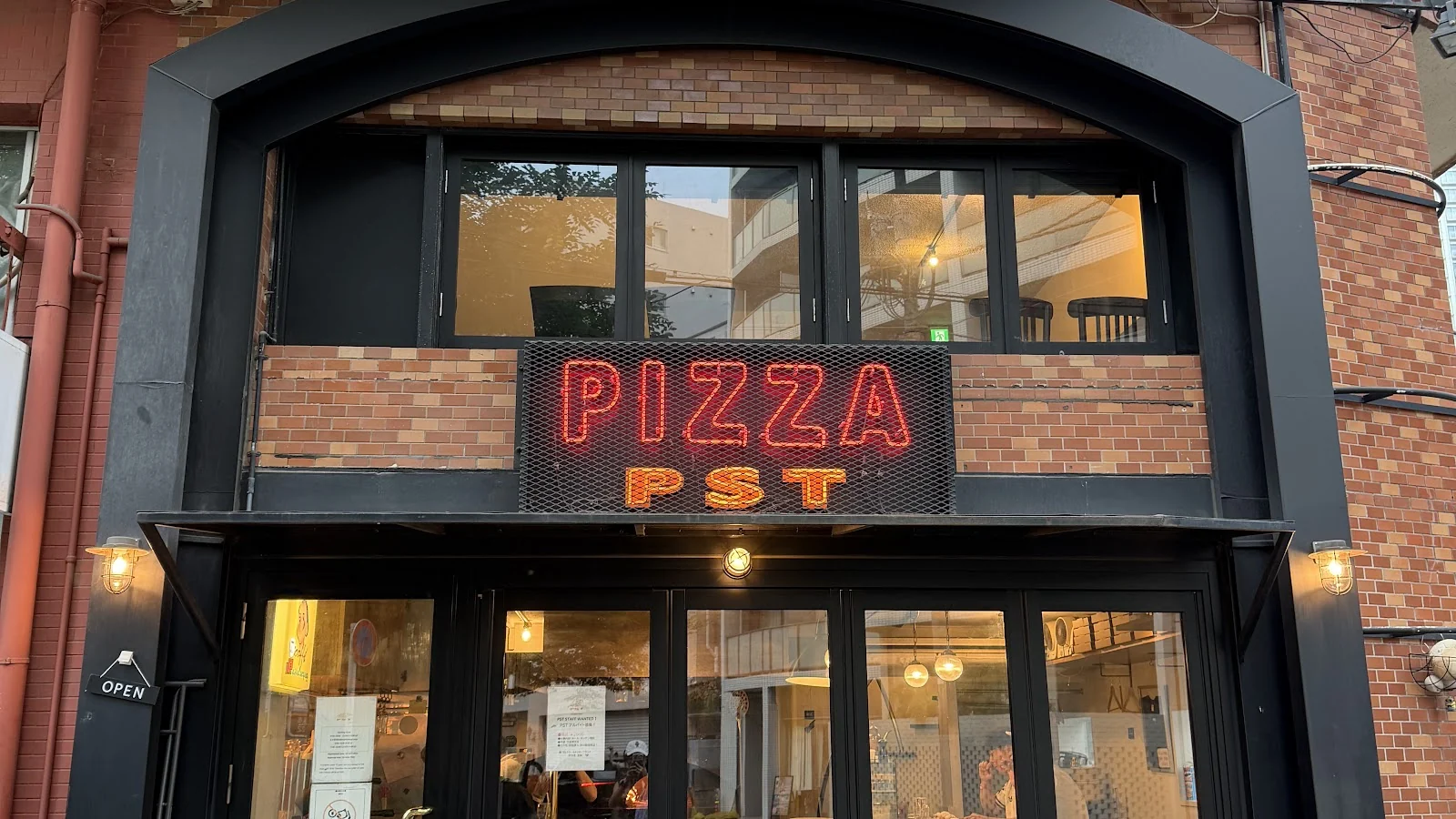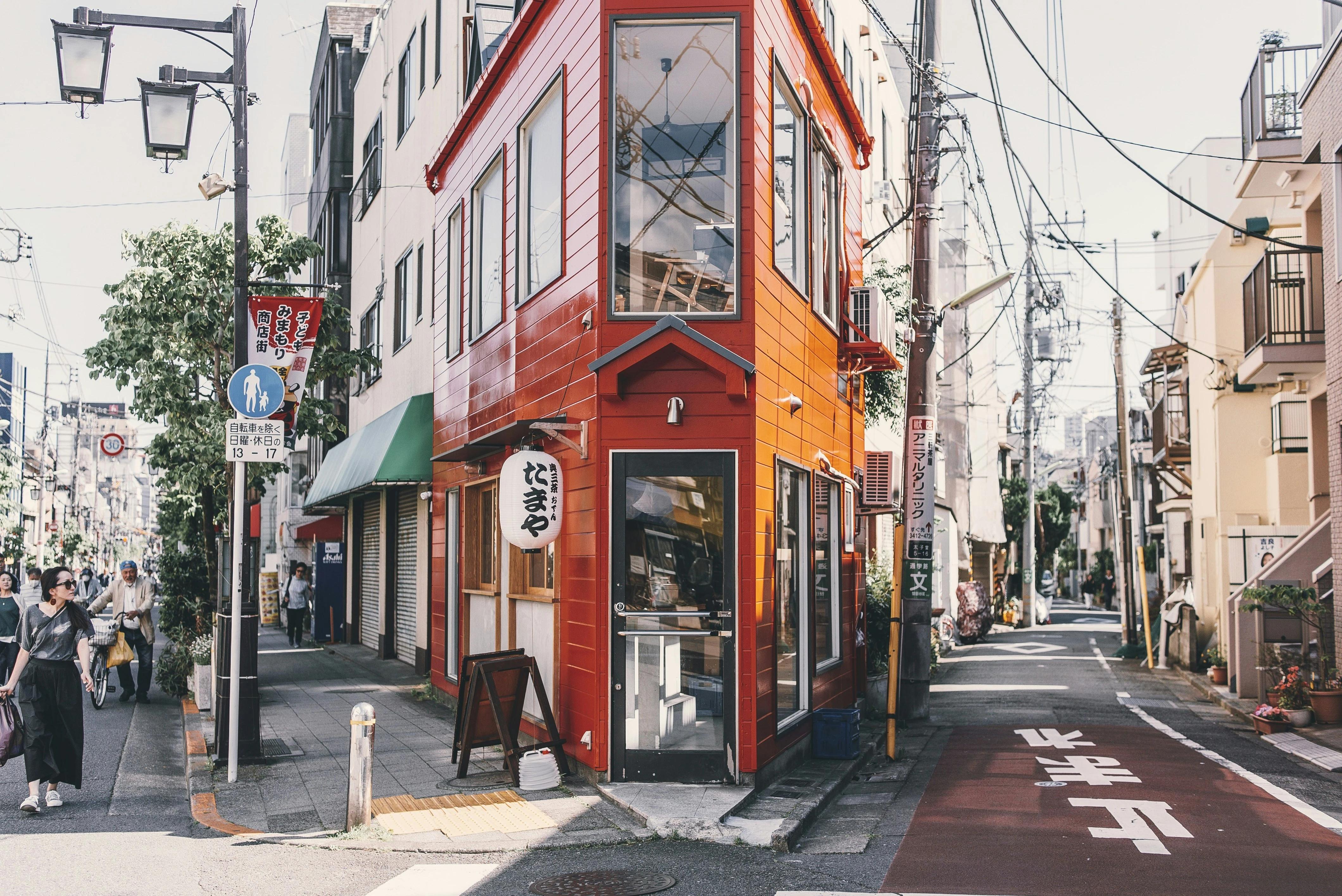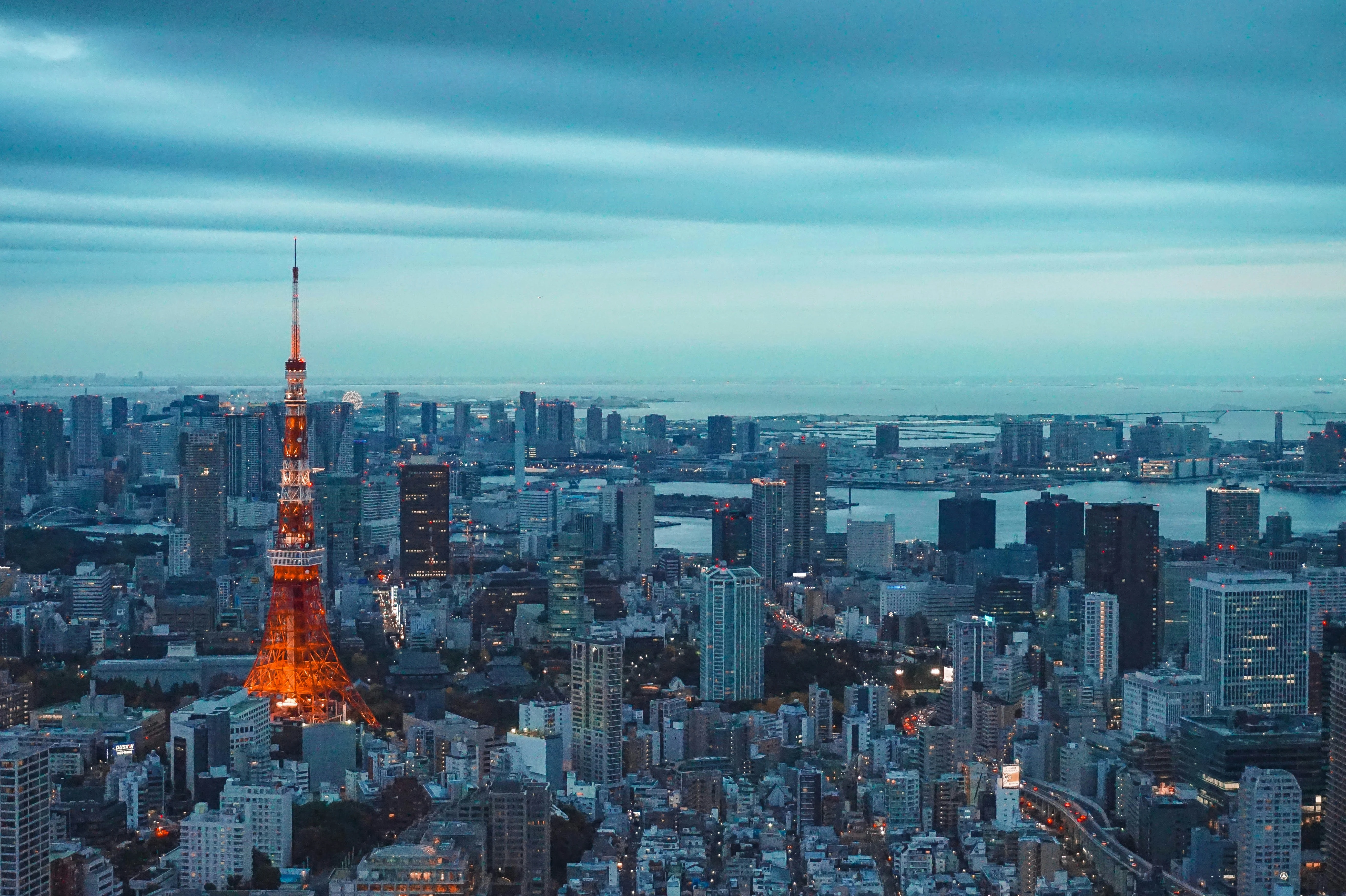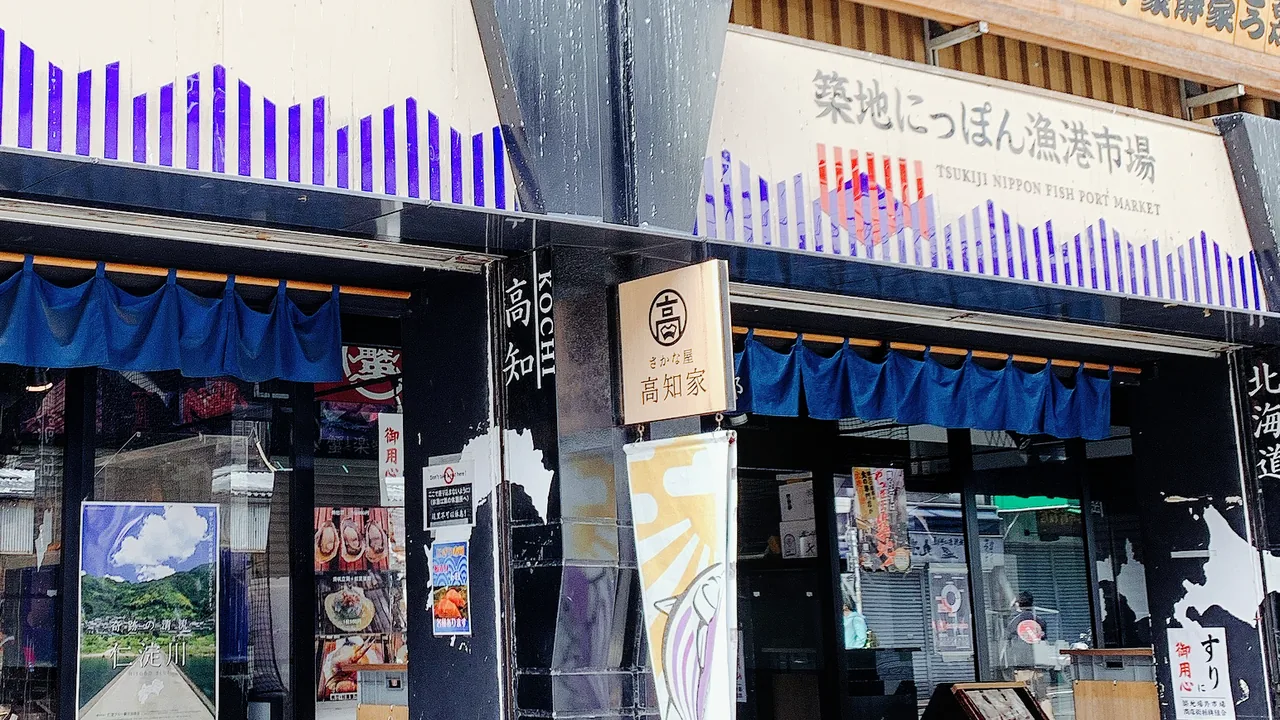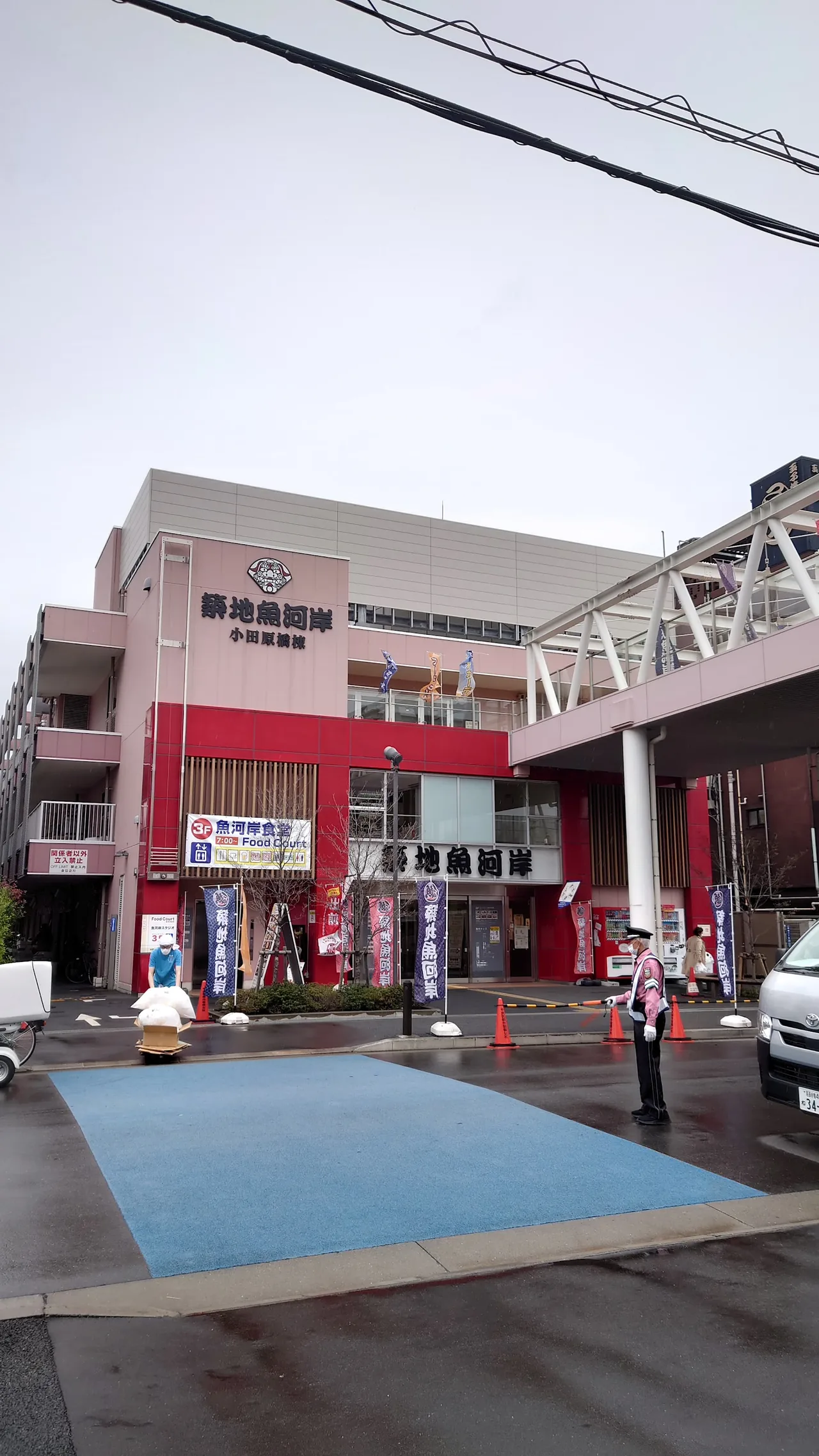

Tsukiji’s wholesale fish auctions famously moved to Toyosu in 2018, but the outer market (Tsukiji Jogai Shijo), 460 stalls of street food, knife shops, dried-fish vendors and breakfast counters, never moved. The auctions are at Toyosu now (separate visit, 45 minutes away); Tsukiji is for eating.
What to Expect
The market opens 05:00 and is busiest 08:00–11:00 with the breakfast crowd. Atmosphere is more ‘working market’ than tourist trap: sushi at the counters is fresher than 90% of Tokyo restaurants, the famous Marutake tamagoyaki stand has a queue out the door from 09:00, and the knife alley (Aritsugu, Sugimoto, Masamoto) is a 10-minute browse if you’re curious or a 30-minute purchase if you’re buying.
The cult addresses for breakfast are Sushizanmai Honten (24-hour Edomae sushi, English menu) and Tsukiji Sushiko Honten (¥4,500 set lunch, more serious counter). Bring cash, because many small stalls don’t take cards. Don’t walk while eating sushi: local etiquette is to eat at the stall.
How to Get There
Getting There
- 1Take Tokyo Metro Marunouchi Line → Ginza Station
- 2Transfer to Hibiya Line → Tsukiji Station
- 3Walk to outer market → market entrance
- 1Take Tokyo Metro Hibiya Line → Tsukiji Station
- 2Walk to outer market → market entrance
Tips
- Closed Sundays and most Wednesdays. Check the calendar on the official website before going. Bank holidays vary.
- Cash, not card. Many small stalls take coins-and-bills only. ATM at the Tsukiji Hongan-ji temple next door.
- Don’t food-walk. Tsukiji’s alleys are narrow; local etiquette is eat at the counter or right next to the stall, not while moving.
- Combine with Hama-rikyu Garden. A 10-minute walk south, the Edo-era shogun garden is open by the time you finish breakfast.
Consider Hakodate Morning Market Ekini Market Instead
- Where
- 9-19 Wakamatsu-cho, Hakodate, Hokkaido 040-0063
- Hours
- Monday: 6:00 AM – 2:00 PM / Tuesday: 6:00 AM – 2:00 PM / Wednesday: 6:00 AM – 2:00 PM / Thursday: 6:00 AM – 2:00 PM / Friday: 6:00 AM – 2:00 PM / Saturday: 6:00 AM – 2:00 PM / Sunday: 6:00 AM – 2:00 PM
- Map
- Open in Google Maps →
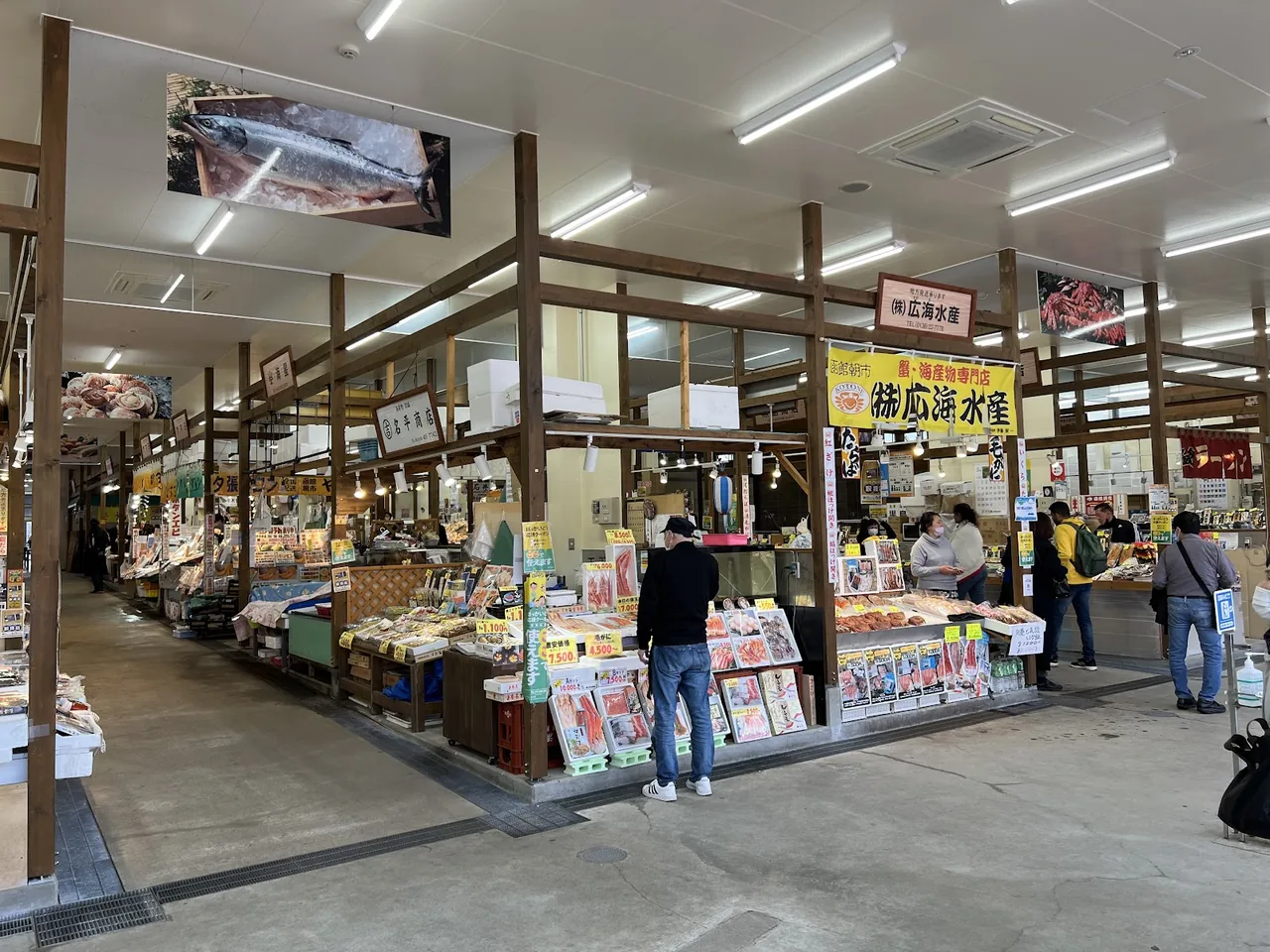
Visitors to Tsukiji Outer Market seek the sensory immersion of a working seafood and produce market—the energy of vendors, the quality of fresh catch, the chance to eat street food among locals. Hakodate Morning Market delivers this same experience with comparable authenticity and far fewer crowds; it is a genuine working market where fishmongers sell directly to locals and tourists, with fresh seafood and market-stall food. The trade-off is geography: Hakodate sits in Hokkaido rather than central Tokyo, requiring a separate trip, but the market itself is worth the visit on its own merits.

- Where
- 50 Kamiomicho, Kanazawa, Ishikawa 920-0905
- Hours
- Shops 9:00 – 17:00, restaurants ~11:00 – 21:00 (some closed Wed)
- Price
- Free entry
- Map
- Open in Google Maps →
Ōmichō Market has been Kanazawa's fish-market heart since 1721 — 200 stalls of Sea-of-Japan seafood, fresh in by dawn, eaten right there from kaisendon counters by 10am. Same emotional payoff as Tsukiji Outer Market without the bus tours: locals shopping, narrow alleys, crab and uni on ice. 2½ hours from Tokyo on the Hokuriku Shinkansen makes Kanazawa a 2-day add-on for travellers who've already done Tokyo + Kyoto.
FAQ
Tsukiji or Toyosu: which one?
Tsukiji Outer Market for street food, sushi breakfast and atmosphere: easy and central. Toyosu Market for the actual fish auctions and the original Sushi Dai/Daiwa Sushi counters; it needs a 04:30 wake-up and a 45-minute trip. Most travellers want Tsukiji; food obsessives do both on different days.
How long do I need at Tsukiji?
2–3 hours covers the main alleys, sushi breakfast or counter lunch, tamagoyaki, knife browsing, and Namiyoke Inari shrine. Combine with the Hama-rikyu garden (10-min walk) for a full half-day.
Is Tsukiji good for vegetarians?
Limited. Most stalls are seafood-focused, but you’ll find tamagoyaki (sweet egg), pickled vegetables, mochi, taiyaki, and sweet potato vendors. Strict vegetarians may want to eat elsewhere and visit Tsukiji for atmosphere only.