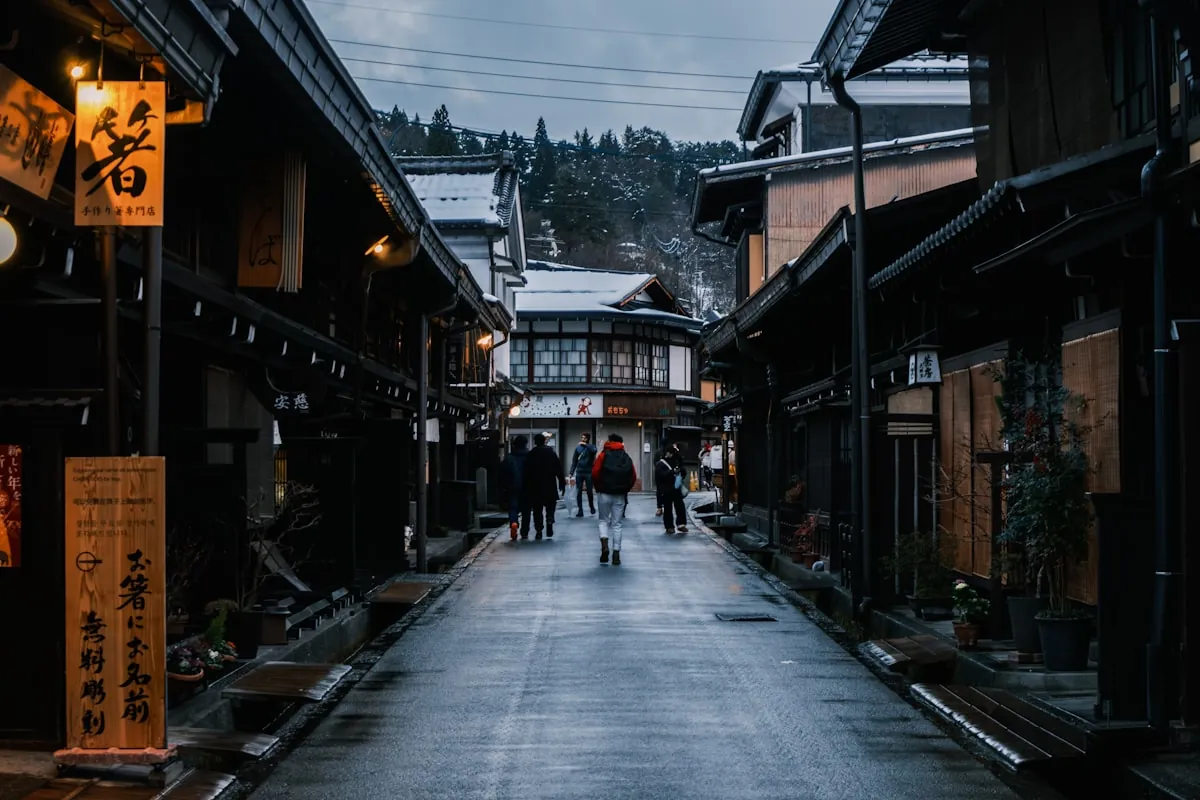

Ameya-Yokocho (Ameyoko) is the 500m market street between Ueno and Okachimachi stations, running under the JR Yamanote elevated tracks. It started as a post-war black market for sweets (ame) and American (America) goods; today it’s 400 stalls of seafood, fruit, spices, sneakers, herbs and yakitori, busiest at evening rush when locals stop in on the way home from work.
What to Expect
Walk south from Ueno Station’s Hirokoji Exit and the market starts immediately. The first half (closer to Ueno) is fish, fruit and Korean food; the second half toward Okachimachi shifts to clothes, sneakers and bag stalls. Niku no Oyama sells beef-stick yakitori (¥150 each); Daiya Coffee on the south end is the post-war kissaten that survived; multiple stand-ups serve raw oyster (¥300 each) at counter level.
Ameyoko gets noisy and chaotic: vendors call prices, locals haggle, JR trains rumble overhead every two minutes. Different from Japan’s polite-shop default; it’s the closest you get to old Tokyo on the Yamanote.
Consider This Instead
For a more concentrated food-only experience without the clothing stalls, head to Tsukiji Outer Market instead. Daytime market vibe rather than evening, sushi and street food focus, less chaotic; opens 05:00 and closes by 14:00 daily.
How to Get There
Getting There
- 1Take JR Yamanote/Keihin-Tohoku Line → Ueno Station
- 2Exit Hirokoji and walk south → Ameyoko entrance
- 1Take JR Yamanote (1 stop) → Okachimachi Station
- 2Walk into market from south → Ameyoko
Tips
- Evening 17:00–20:00 is peak. Office workers stop on the way home, yakitori grills smoke, prices drop to clear stock.
- Cash works better. Many small stalls; some take card but cash speeds you through the queue.
- Pair with Ueno Park. 5 min walk west; museums by day + Ameyoko by evening makes a full day.
- New Year week is wild. 28-31 December: locals stock up on osechi-ryori. Crowded but fascinating.
FAQ
Is Ameyoko safe at night?
Yes. Busy and policed; locals shop here after work. Peak hours are louder but not unsafe.
Best stalls?
Niku no Oyama for beef yakitori, Daiya Coffee for old-school espresso, the back-row stand-up oyster bars in the middle section.
Ameyoko or Tsukiji?
Tsukiji = morning, sushi-focused, less chaotic. Ameyoko = evening, working-class, more variety. Both worth a visit if you're in Tokyo for more than three days.