
Osaka sits at the centre of Kansai's rail network, placing a dozen worthwhile destinations within two hours and a handful more within three. Most day-trip guides point to the same trio, Kyoto, Nara and Himeji, then stop.
All three are here, with the transport logistics and timing advice that make each worth doing even in peak season. So are three destinations that almost never reach an international list: a mountainside carrying 30,000 cherry trees, Japan's best-preserved Edo merchant quarter, and a UNESCO waterfall shrine at the top of a cedar stairway. Kobe and Koyasan complete the eight.
Every entry gives you the fare, the timing and how long the day takes, and closes with a "go if you" line so you can match the trip to the day you actually have.
Find your day trip
Answer two questions to match a destination to your day.
Your match
Tondabayashi
Japan’s most complete Edo-era merchant townscape: thirty minutes by Kintetsu from Namba, no entrance fees, almost no international visitors.
You want preserved Edo-era townscape without the tourist infrastructure or prices of Kyoto’s Gion.
Your match
Kobe
Port-city harbour walk, Meiji-era Western buildings, and Kobe beef: all walkable from Sannomiya, twenty-five minutes by Hankyu from Umeda.
You want port-city atmosphere and legendary beef without a temple in sight.
Your match
Nara
Freely roaming deer among century-old monuments. The deer park circuit and main temple area take three to four hours from Namba.
You want ancient history and unhurried nature in the same morning.
Your match
Kyoto
Japan’s cultural heartland: Higashiyama lanes, Fushimi Inari-taisha, Kinkaku-ji. Best explored before the crowds arrive at nine.
You want Japan’s cultural heartland without an overnight stay.
Your match
Himeji
Japan’s most complete surviving feudal castle, never destroyed by war or fire. Late March sakura lines the approach path from the main gate.
You have seen enough temples and want to understand castle Japan.
Your match
Yoshino
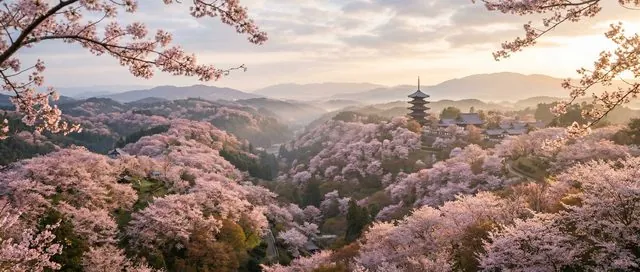
30,000 cherry trees across a mountainside in four staggered zones: well-known in Japan, barely on the international radar.
You want Japan’s most dramatic cherry blossom landscape without being swept along in a tour-group queue.
Your match
Koyasan
Headquarters of Shingon Buddhism: a mountain monastery town with a vast cedar cemetery, around two hours from Namba via Nankai Railway.
You want spiritual weight over sightseeing volume and a mountain landscape that feels apart from the Osaka basin.
Your match
Kumano Nachi Taisha
A 267-step cedar stairway to Japan’s tallest waterfall and a UNESCO shrine, around two and a half hours from Tennoji by JR Kuroshio.
You have a long day available and want UNESCO pilgrimage atmosphere at a fraction of Kyoto’s visitor numbers.
1. Kyoto
 Google
Cultural city
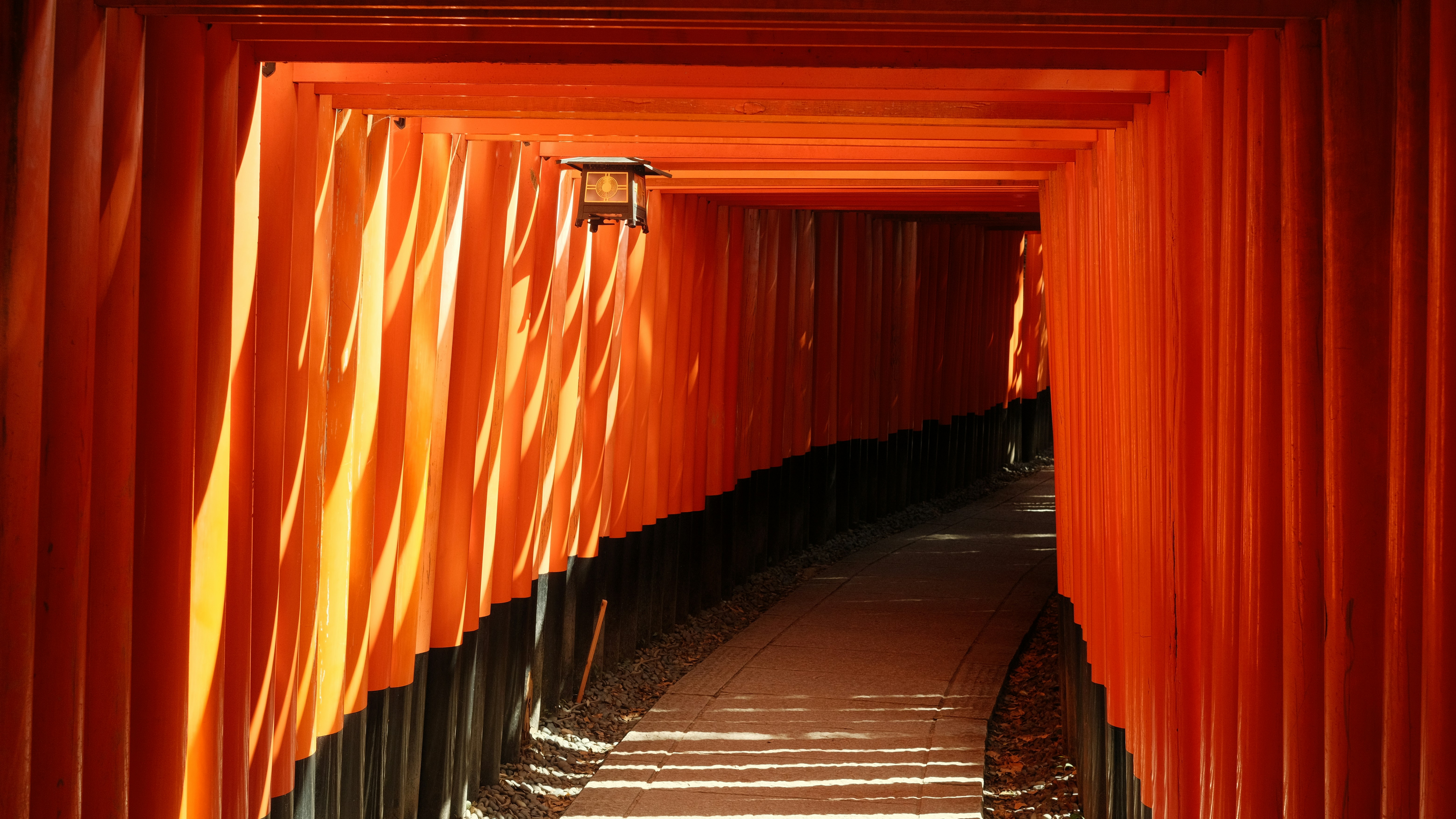
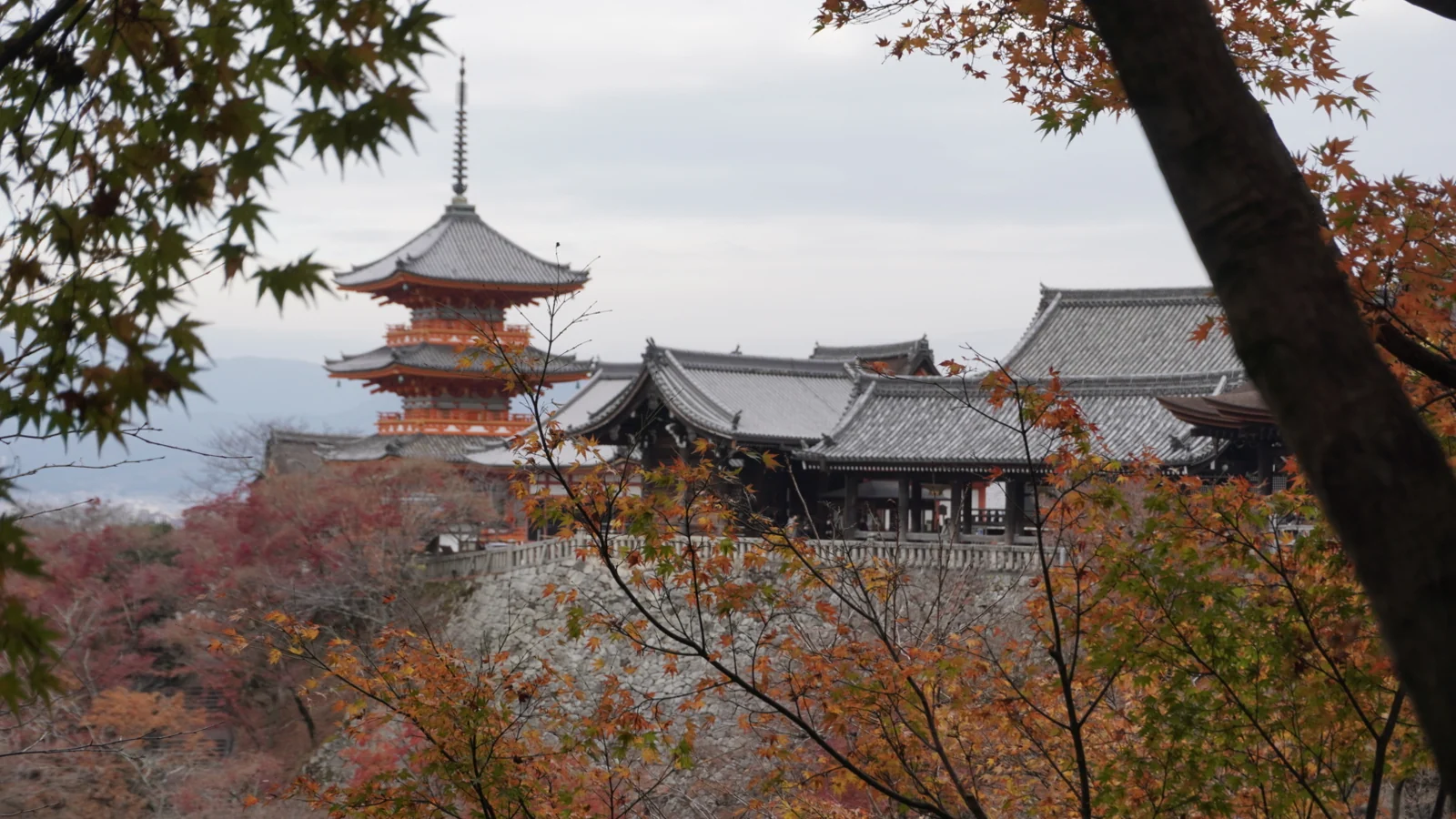
Kyoto remains the most obvious day trip from Osaka, and it still rewards careful timing. Walk through Higashiyama's stone-paved lanes before 8:30, when the souvenir stalls are still shuttered and only commuters and monks are moving. Climb Fushimi Inari-taisha's torii-gate mountain path, open 24 hours and free, before 7:00 if you want the lower thousand gates to yourself. Kinkaku-ji opens at 9:00 (¥500), and opening time beats mid-afternoon by a wide margin.
- Getting there: Hankyu express from Umeda or Juso, 45 minutes, around ¥410 each way on an IC card.
- Crowd warning: avoid weekends in late March and mid-November, when peak blossom and autumn foliage turn temple visits into slow shuffles.
- Time needed: a full day. Those three sites alone fill six hours once you count the transit between them, so a half-day means picking one.
Go if you want Japan's cultural heartland without an overnight stay.
2. Nara

Historic park and deer town
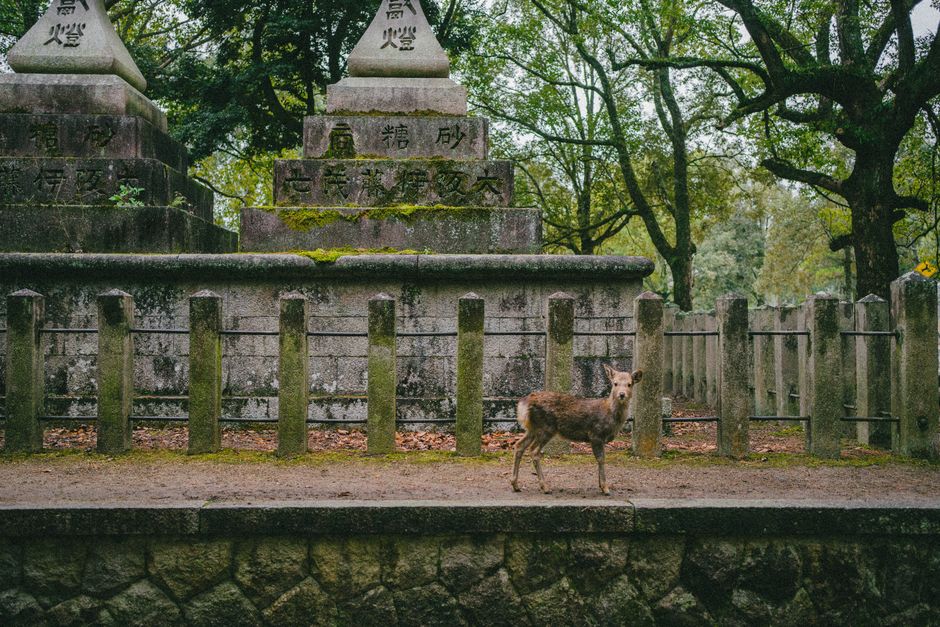
Nara delivers something no other Kansai city has: freely roaming deer among century-old monuments. Nara Park stretches across the eastern edge of the city and is the setting for most of what draws visitors, the deer, the great temple halls, and the forested paths up Wakakusayama.
- Getting there: Kintetsu from Namba, 35 minutes, around ¥680 each way on an IC card. The JR Yamatoji Rapid takes 45 minutes.
- Best time: the sika are most active before 9:00 and in the cool of late afternoon. At summer midday they retreat to shade and become considerably less cooperative.
- Time needed: four to five hours for a complete circuit. Any season works except peak midsummer heat, when the park offers little shade of its own.
Go if you want ancient history and unhurried nature in the same morning.
3. Himeji
 Allen Z.
UNESCO World Heritage castle
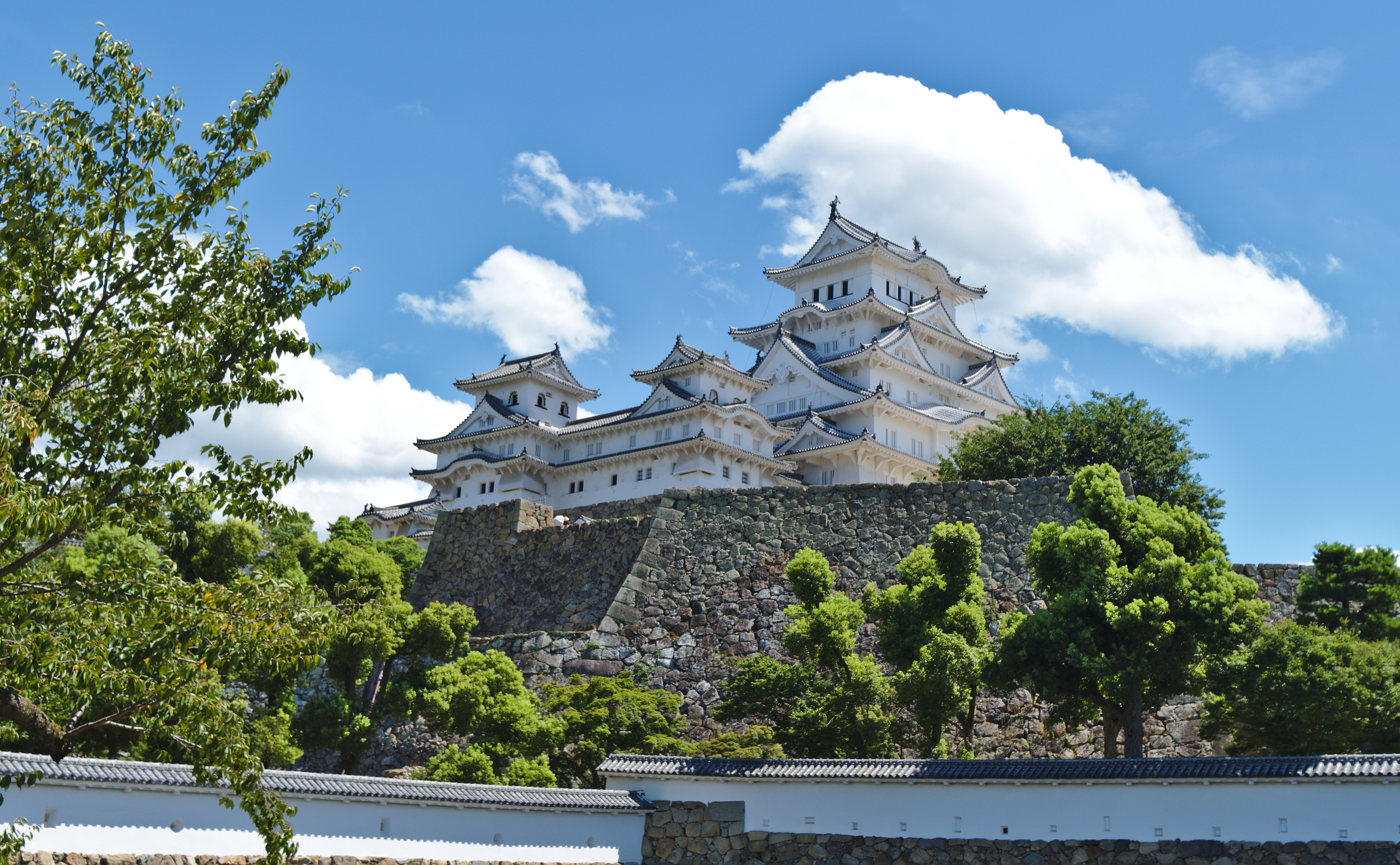
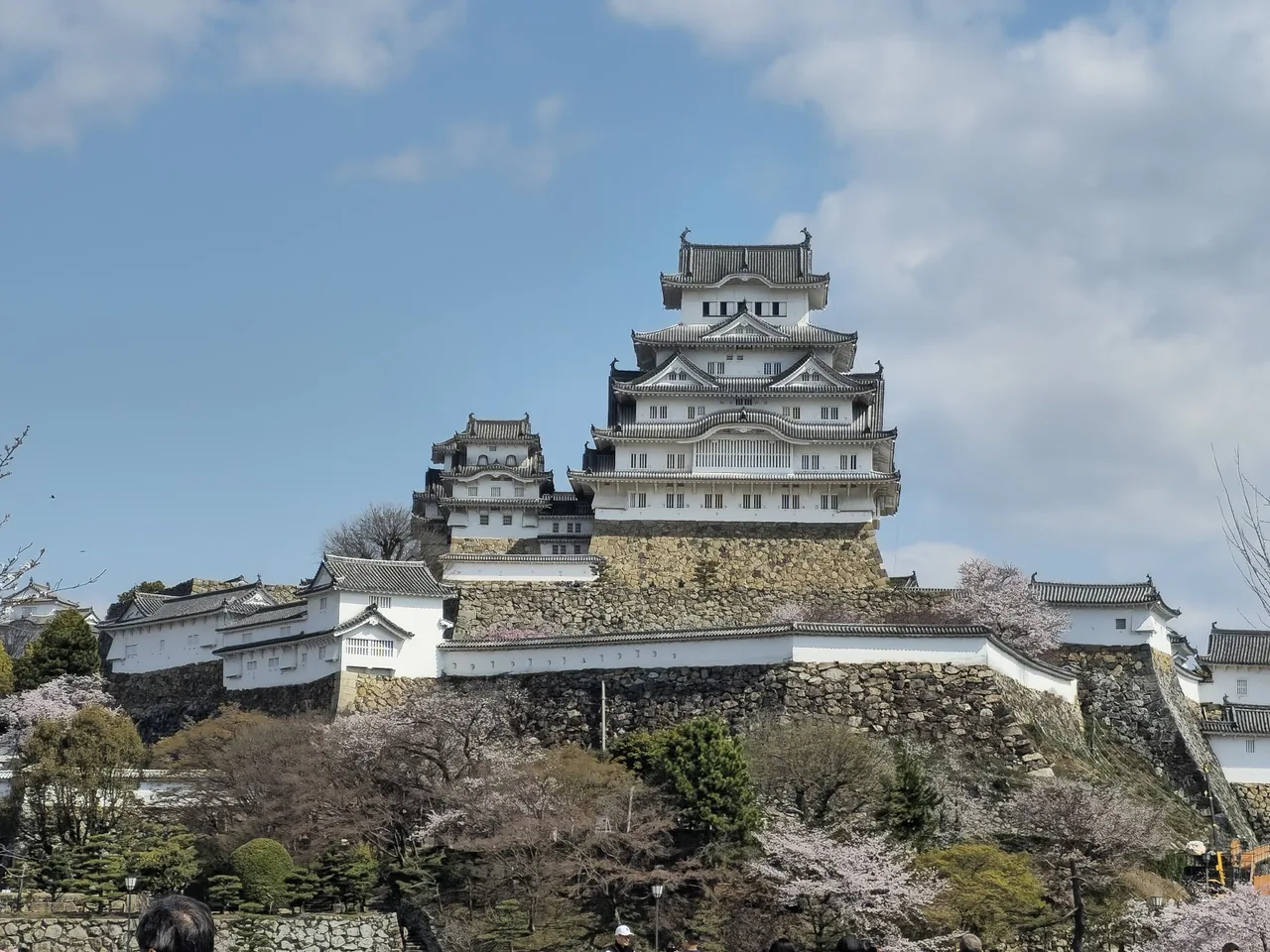
Himeji Castle is the only reason most visitors come, and it delivers: Japan's most complete surviving feudal castle, never destroyed by war or fire, never substantially rebuilt. The main keep opens at 9:00 (¥1,000 for adults, last entry 16:00). On ordinary weekday mornings outside spring and autumn, the grounds feel genuinely quiet.
- Getting there: JR Special Rapid from Osaka Station, a little over an hour, around ¥1,520 on an IC card with no reservation needed. The shinkansen from Shin-Osaka cuts that to about thirty minutes but wants a reserved seat on top of the base fare.
- Crowd warning: late March turns the approach path from the main gate into one of Kansai's best sakura corridors, and the trains fill accordingly. Start early.
- Time needed: a full day is comfortable. The keep alone is six floors of steep wooden staircases, which slows to a shuffle when it is busy.
Go if you have seen enough temples and want to understand castle Japan.
4. Kobe
 Aibi Y.
Port city
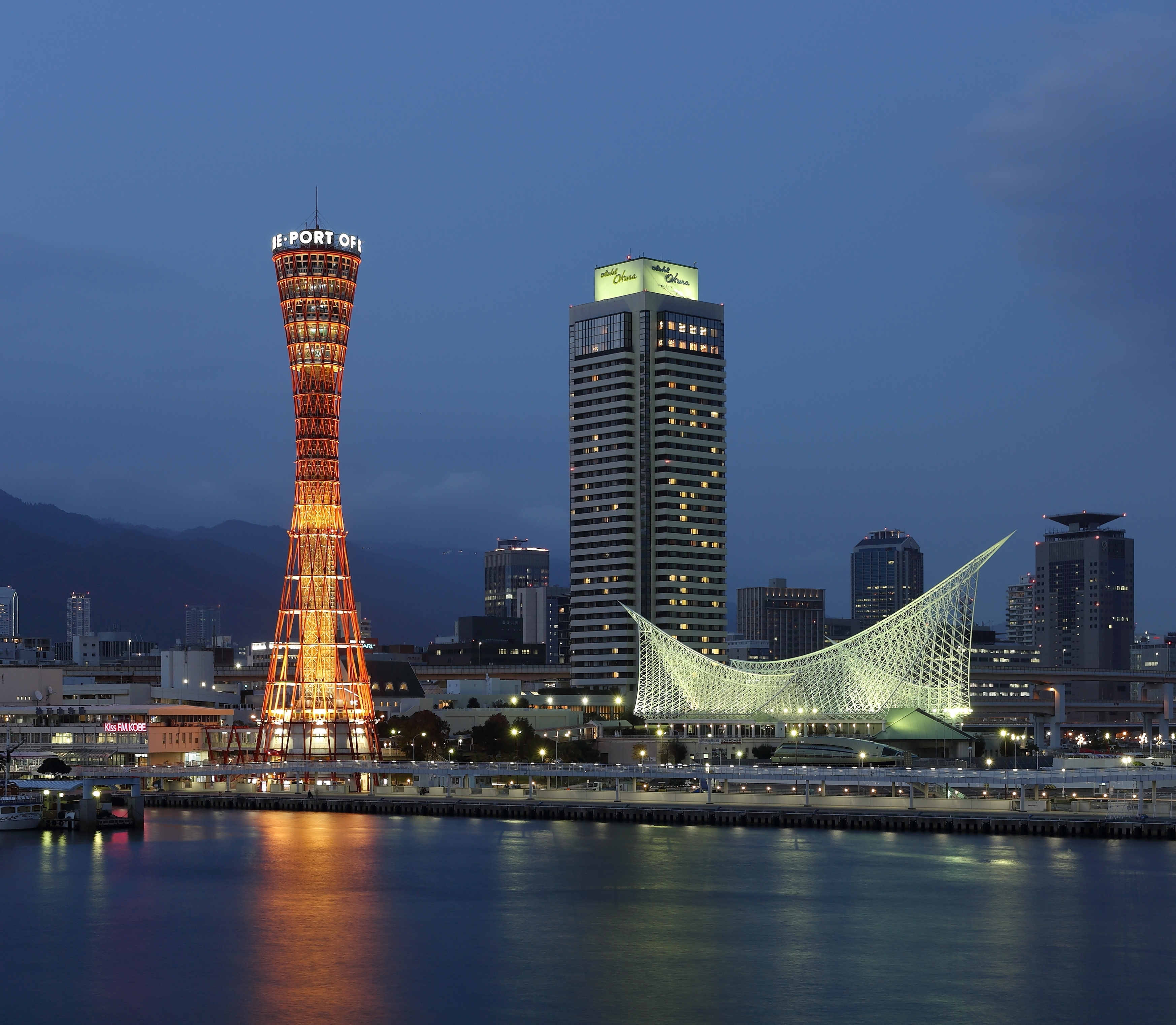
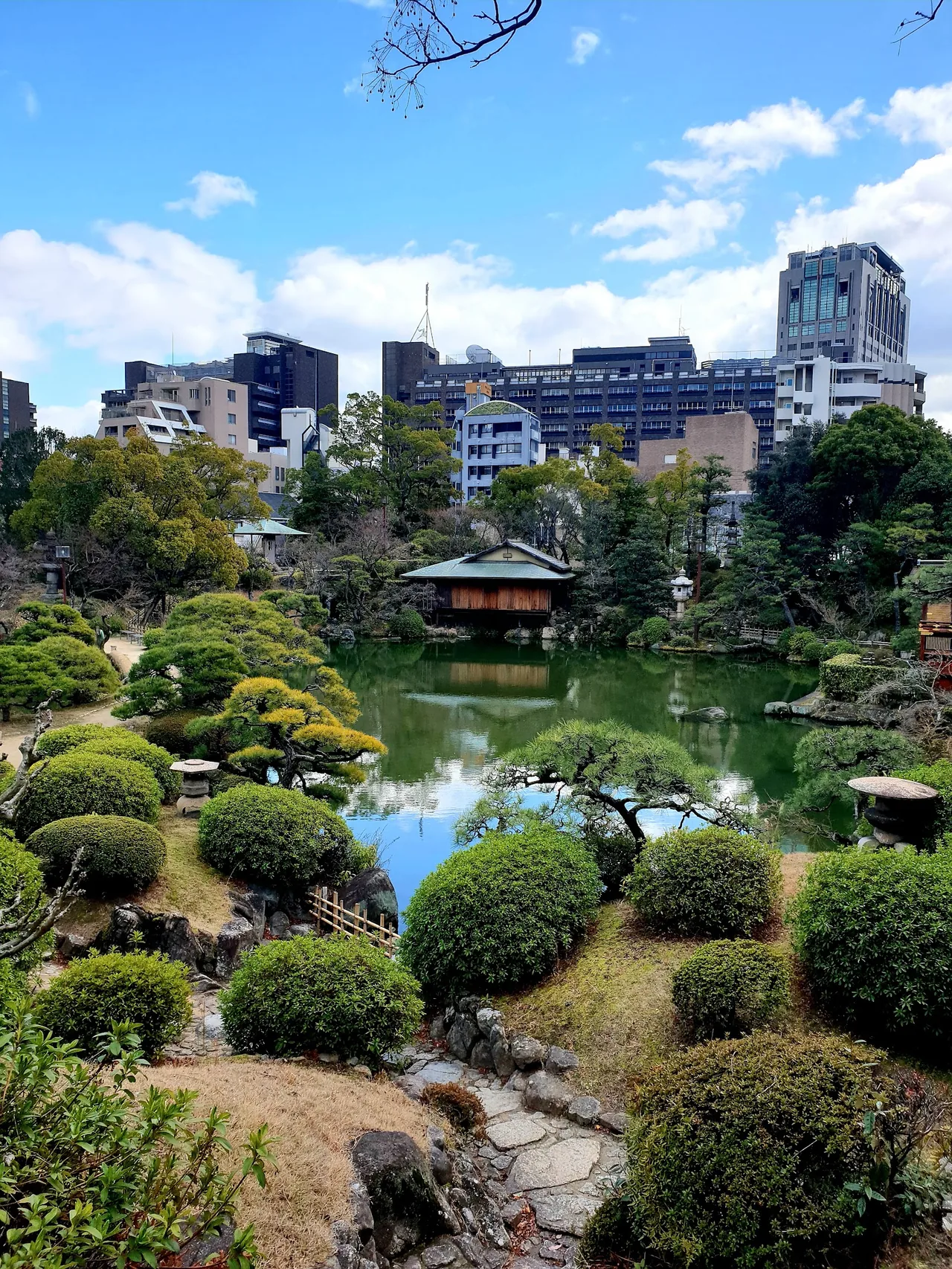
Kobe is the day trip to reach for when the group has temple fatigue. The harbour district, the Western-style Meiji-era buildings and the compact centre are all walkable from Sannomiya station. Sorakuen Garden, a nine-hectare formal garden in the city centre, is the kind of place you have largely to yourself on a weekday.
- Getting there: Hankyu from Umeda, 25 minutes, around ¥330 each way on an IC card. JR takes 30 minutes.
- Where to eat: Kobe Beef Steak Restaurant Royal Mouriya near Sannomiya is among the city's most established yakiniku and teppanyaki specialists. Expect ¥8,000 to ¥20,000 per person for a lunch course, and reserve a day ahead.
- Time needed: half a day covers the harbour, the garden and lunch. Sorakuen opens 9:00 to 17:00 and closes on Thursdays (¥300), which catches people out.
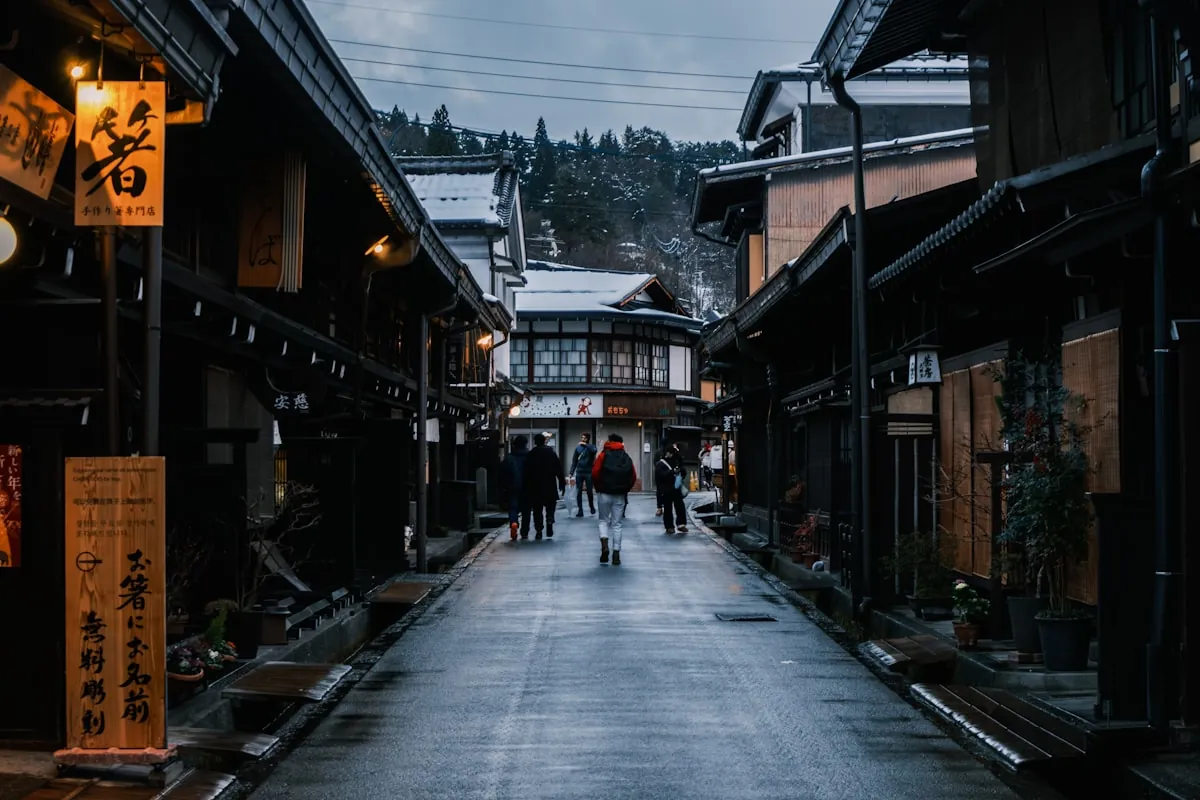
Go if you want port-city atmosphere and legendary beef without a temple in sight.
5. Yoshino
Mountain cherry-blossom town
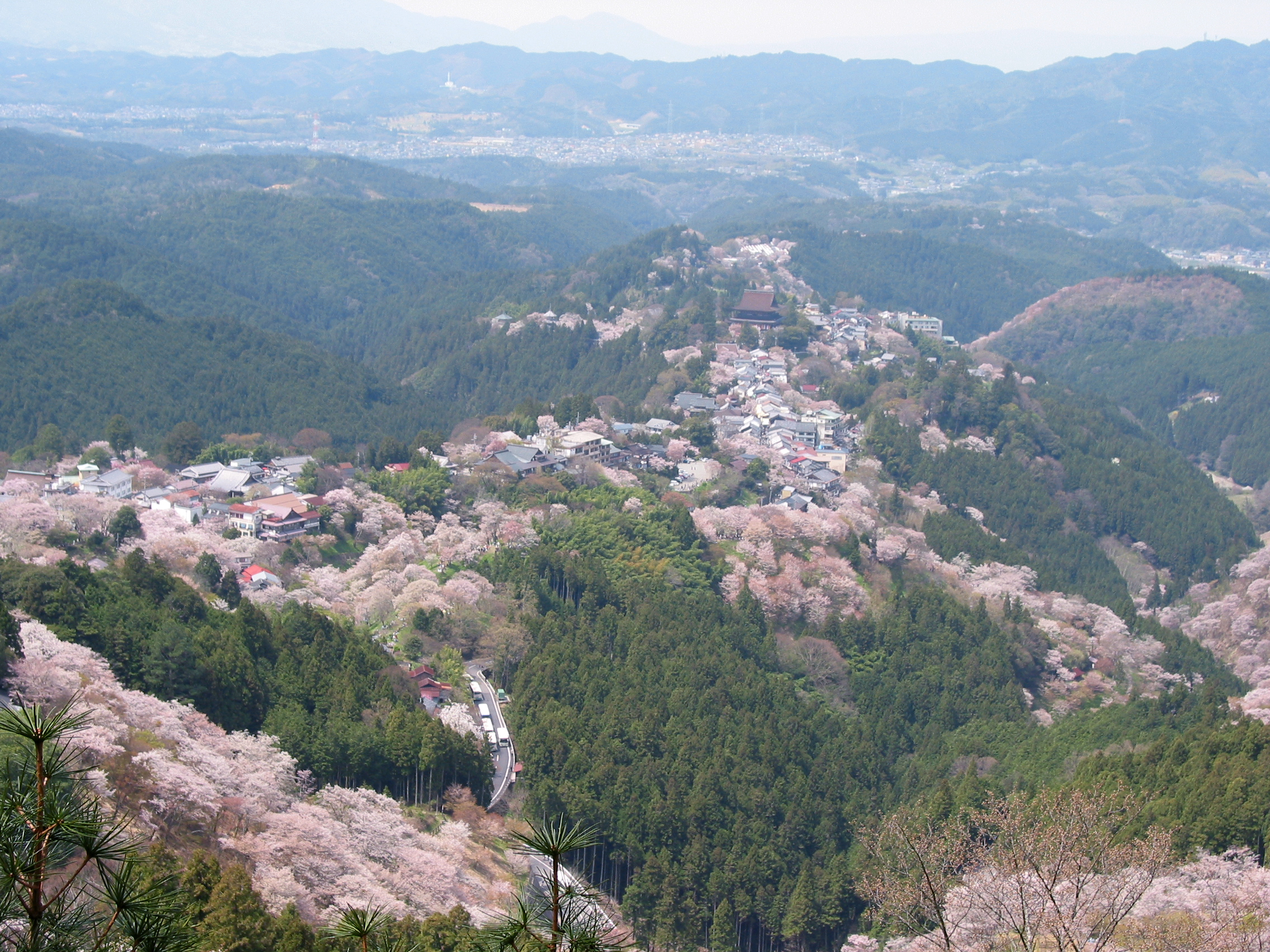
Yoshino is what happens when 30,000 cherry trees cover an entire mountainside in four staggered zones from base to summit. The lower zones (shimo-senbon) bloom from late March; the upper reaches (kami-senbon) follow a week later, stretching the season well into April. It is well-known in Japan but barely appears in international day-trip lists, so the crowds are large by rural standards and modest next to Nara Park at peak bloom.
- Getting there: Kintetsu from Osaka Namba with a change at Kashihara-Jingumae, about 90 minutes, around ¥1,020 each way. IC card acceptance is limited on the Yoshino line, so buy a physical ticket at the machine, which has English.
- Best time: late March into mid-April for the staggered bloom. October and November bring autumn colour with the mountain almost empty.
- Time needed: a full day. The four zones climb the mountain in sequence, and walking up through them is the point rather than a detour.
Go if you want Japan's most dramatic cherry blossom landscape without being swept along in a tour-group queue.
6. Tondabayashi and the Jinaimachi district
Preserved Edo merchant quarter
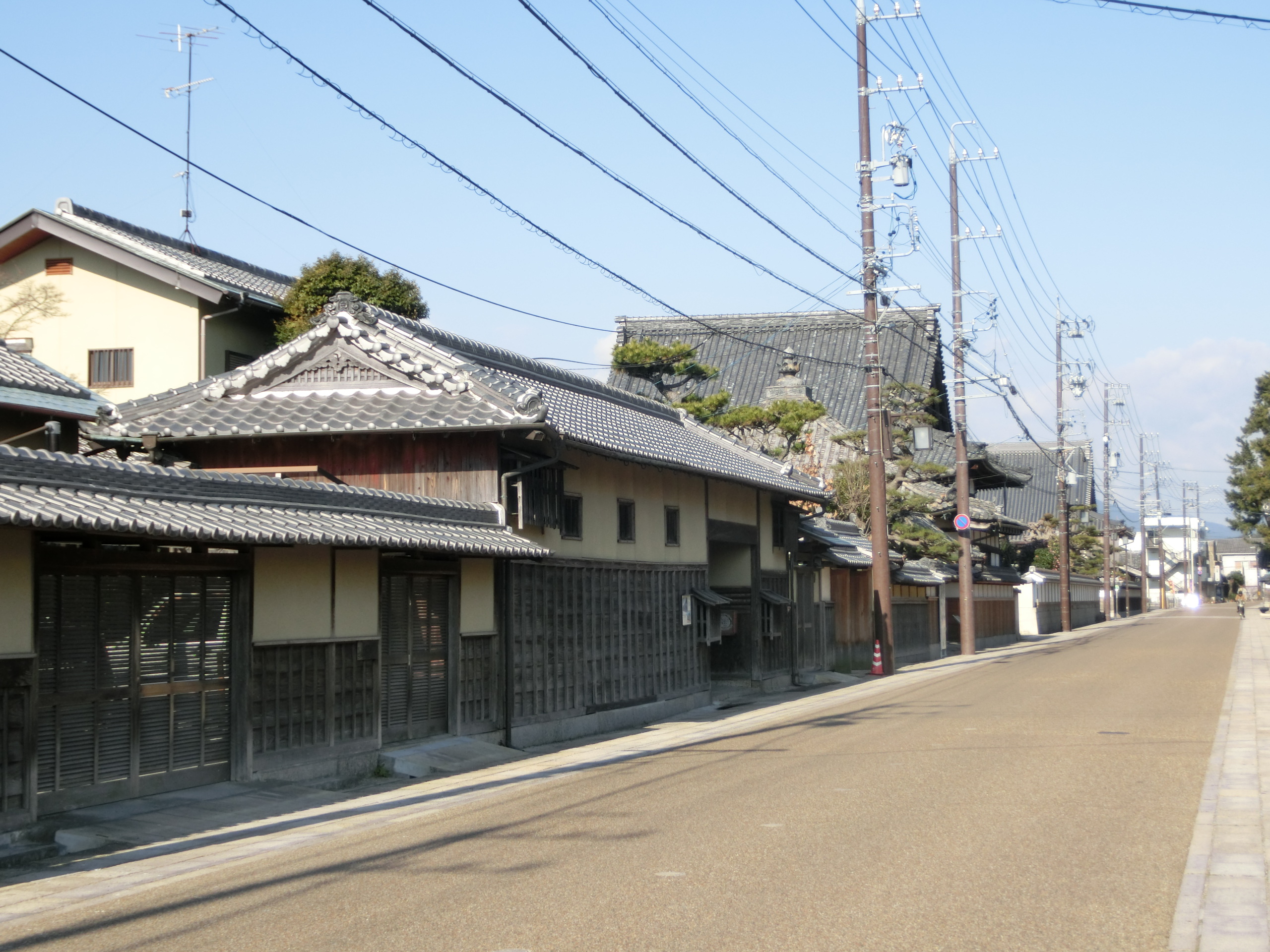
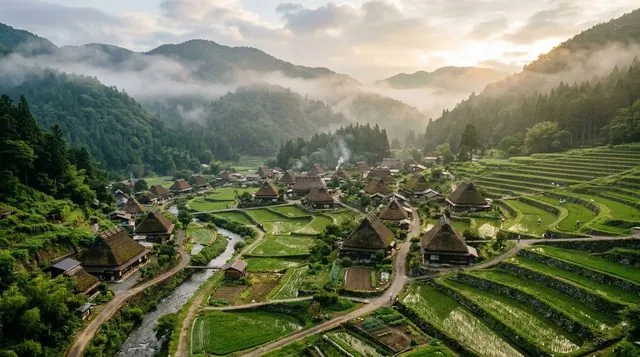
Tondabayashi's Jinaimachi district is one of Japan's most complete Edo-era commercial streetscapes, and almost no international traveller knows it. The district grew around a Jodo Shinshu Buddhist temple in the fifteenth century, and the layout, machiya townhouses, earthen walls and street grid have barely changed since. There are no entrance fees, no queues, and the other visitors on a weekday are overwhelmingly local.
- Getting there: Kintetsu Nagano line from Osaka Namba, 30 minutes, around ¥340 each way on an IC card.
- Best time: any weekday. Local festivals run in April and November, so check the Tondabayashi city tourism calendar for exact dates before you go.
- Time needed: two to three hours to walk the preserved streets properly and look into the small craft and food shops occupying the historic buildings.
Go if you want preserved Edo-era townscape without the tourist infrastructure, or prices, of Kyoto's Gion.
7. Kumano Nachi Taisha and the forest approach
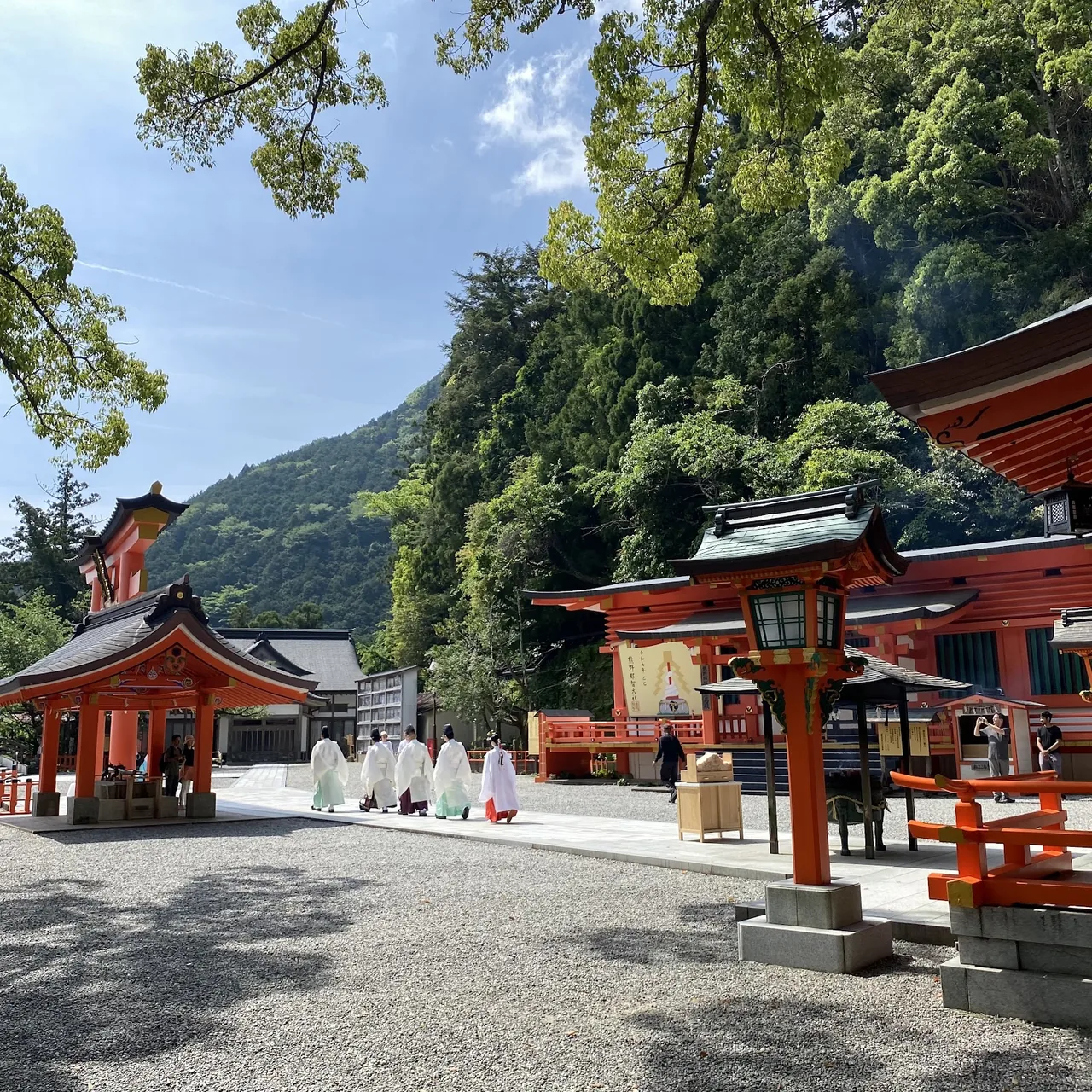 BWV324
UNESCO World Heritage shrine
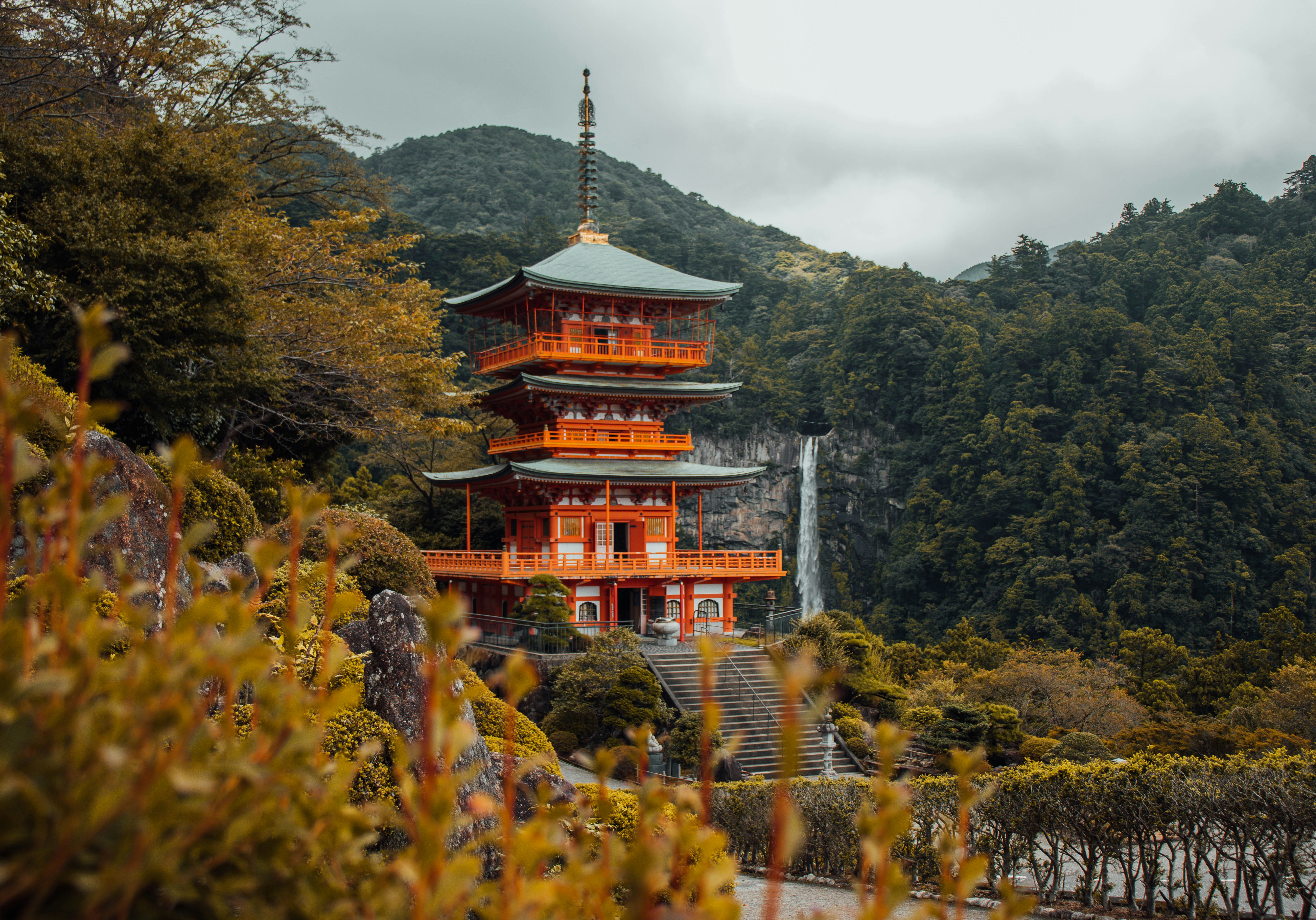
This is the longest day on the list, and the reward is proportional. Daimonzaka, a 267-step stone stairway flanked by 800-year-old cryptomeria cedars, rises through the forest to the shrine complex above. Kumano Nachi Taisha sits directly above Nachi Falls, at 133 metres Japan's tallest single-drop waterfall, creating the most photographed Shinto composition on the Kumano Kodo pilgrimage route.
- Getting there: JR Kuroshio limited express from Osaka Tennoji, around two and a half hours. The IC card covers the base fare but a reserved seat is required on top of it, roughly ¥5,100 each way.
- Opening hours: grounds 8:30 to 16:30, free entry, ¥300 for the inner precincts.
- Time needed: at least three hours on site. Check the last return Kuroshio departure when you book, because the evening service thins out early.
Go if you have a long day available and want UNESCO pilgrimage atmosphere at a fraction of Kyoto's visitor numbers.
8. Koyasan
 Wikimedia Commons
Mountain monastery complex
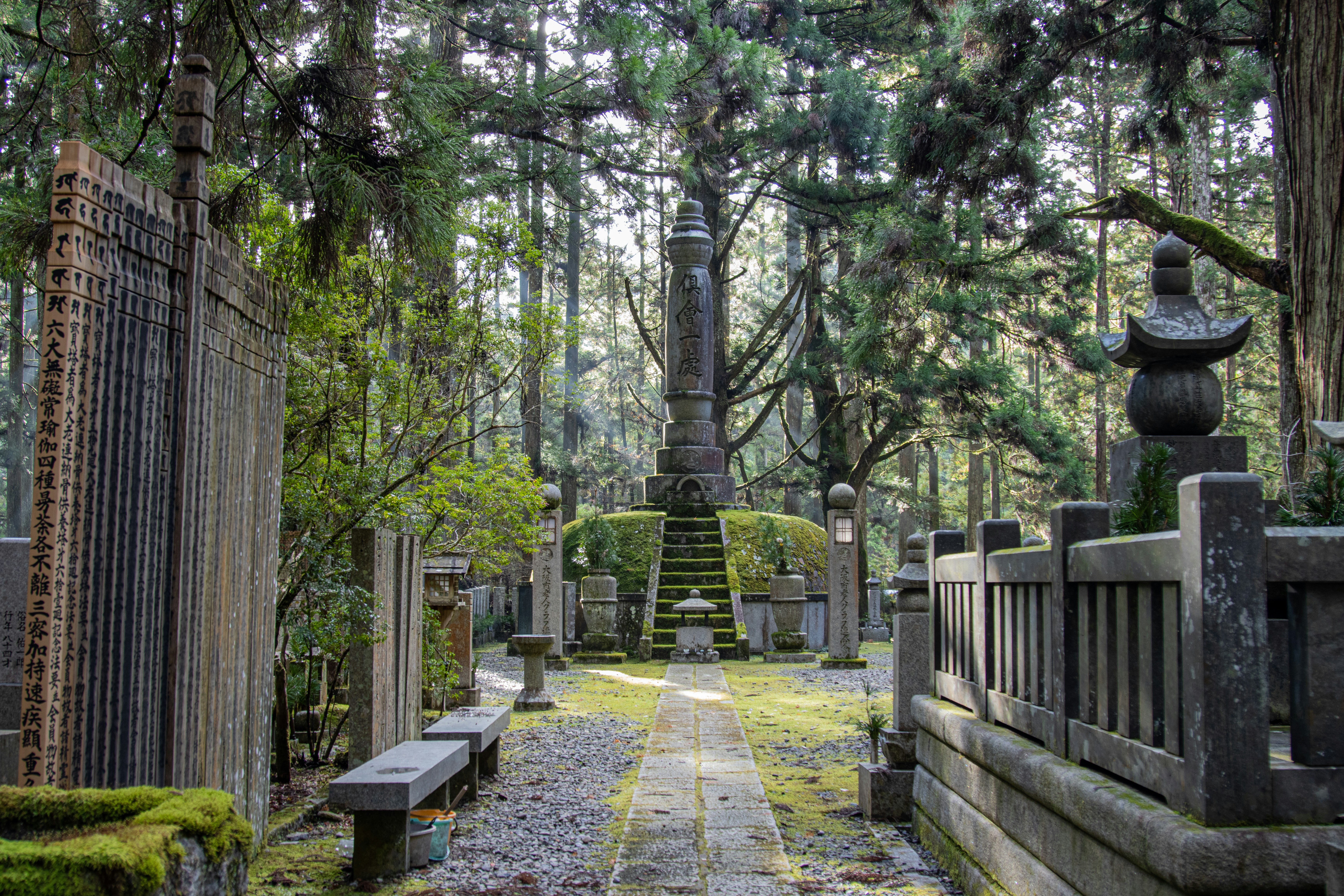
Koyasan is the headquarters of Shingon Buddhism and one of the most atmospheric places in Japan to spend a full day. The mountain air is noticeably cooler than Osaka even in August, and in October and November the maple colour on the plateau rivals anything on the Kansai autumn circuit. The monastic town receives a fraction of Kyoto's visitor numbers, and the cemetery, treasure museums and temple grounds can be covered in a single day without feeling rushed.
- Getting there: Nankai Railway from Osaka Namba to Gokurakubashi, around two hours and ¥880 on an IC card, then a five-minute cable car up to the plateau (IC card accepted).
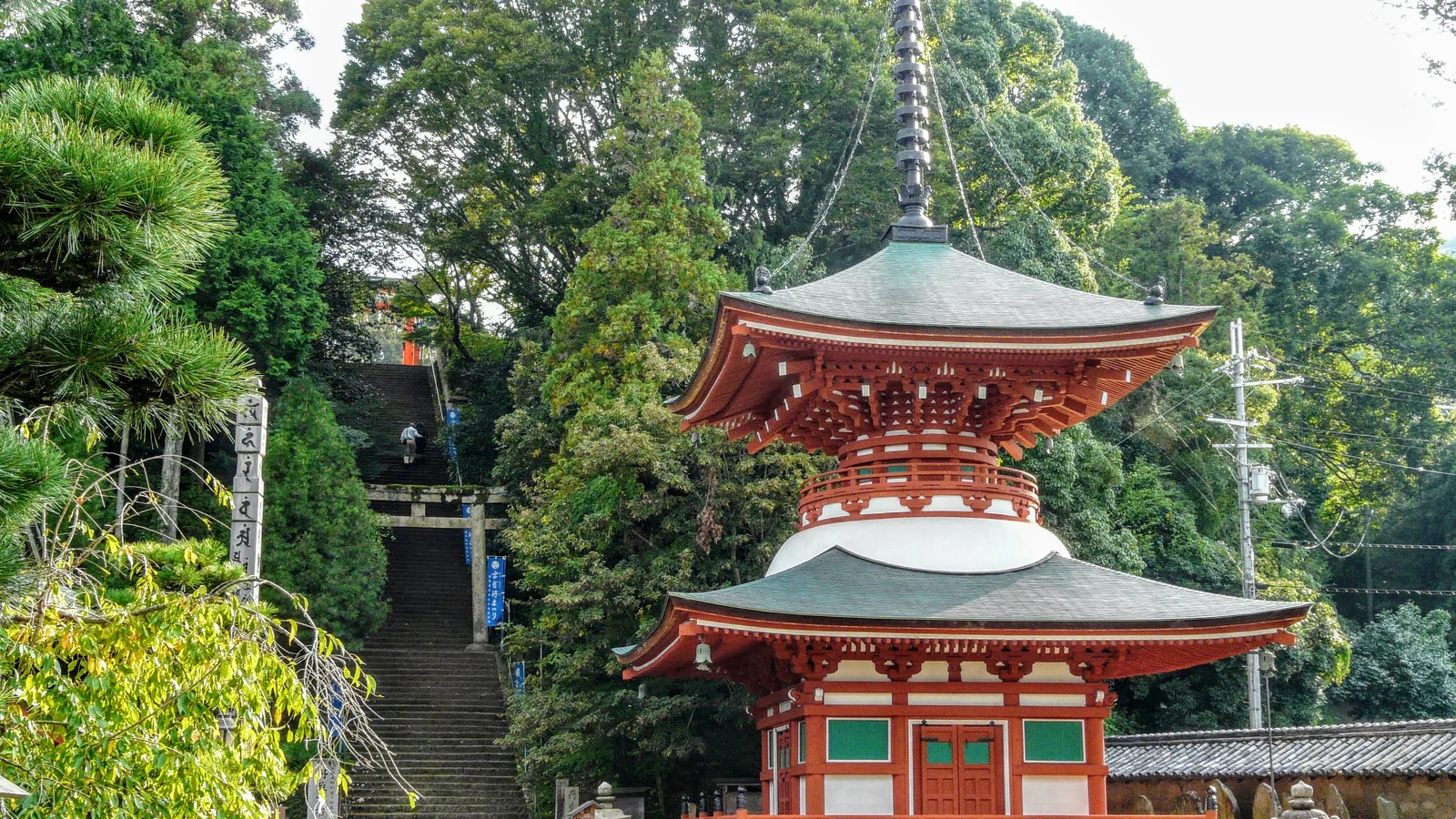
- Worth a stop: Jison-in Temple in Kudoyama, about thirty minutes before the cable-car terminus, marks the traditional start of the Choishimichi pilgrim trail up the mountain.
- Time needed: a full day, and take an early Nankai train. Two hours each way eats a late start alive.
Go if you want spiritual weight over sightseeing volume, and a mountain landscape that feels genuinely apart from the Osaka basin.
Honorable mentions
Three more that did not make the eight, each for a different reason.
- Ise (Mie): Japan's most sacred Shinto shrine complex, about ninety minutes by Kintetsu express. A ticket is required and the IC card is not valid on this route. Best as a dedicated full day rather than an add-on.
- Minoh: thirty minutes by Hankyu from Umeda and a short uphill walk to a 33-metre waterfall. Osaka's own nature escape, and the only entry here that works as a half-morning outing. Autumn colour from mid-November.
- Kii-Tanabe (Wakayama): the gateway city for a multi-day Kumano Kodo walk, roughly ninety minutes by JR Kuroshio. If you intend to hike, it is an overnight rather than a day trip.
FAQ
What are the best day trips from Osaka for first-time visitors?
For a first visit, Nara and Kyoto together cover the most essential ground. Nara works as a half-day, three to four hours for the park and the main temples, which leaves an afternoon back in Osaka. Kyoto rewards a full day, and a second one if you can spare it.
With a third free day, Himeji adds castle architecture that neither Kyoto nor Nara offers, and the JR Special Rapid makes getting there straightforward. All three accept IC cards, so none of them needs planning beyond deciding what time to leave.
Which day trips from Osaka need a reserved seat or special ticket?
Three on this list ask for more than an IC card tap.
- Kumano Nachi Taisha: the JR Kuroshio limited express requires a reserved seat ticket, bought at any JR ticketing window or through the JR West app.
- Himeji: the JR Special Rapid takes an IC card and needs no reservation. Only the faster shinkansen does, and it sells out in cherry blossom season.
- Ise (in honorable mentions): a Kintetsu ticket is required and the IC card is not valid on that route.
Which day trip is best for cherry blossom season?
Yoshino is the strongest answer: 30,000 trees across a mountain in staggered zones, blooming from late March into mid-April. The upper zones peak a week after the lower ones, which effectively extends the season, and the mountain as a whole runs one to two weeks behind Osaka city centre. That lag is useful: it gives you a second chance at blossom after the city is over.
If that trip is too long for the day you have, Himeji Castle is spectacular in late March, when the avenue along the inner approach is in bloom. Nara Park has good trees near the shrines, but the crowds in peak week are substantial.
Which options work as half-day trips from Osaka?
Three of the eight genuinely work in half a day.
- Nara: the deer park circuit and the main temple area take three to four hours from Namba.
- Kobe: a harbour walk, Sorakuen Garden and a Kobe beef lunch fit comfortably into a morning or an early afternoon.
- Tondabayashi: the Jinaimachi district is compact enough for a focused two-hour visit.
Kyoto, Himeji, Yoshino, Kumano and Koyasan all need a full day to justify the travel time.
How much should I budget for a day trip from Osaka?
Return fares from Osaka, before food:
- Cheapest: Tondabayashi (around ¥680, the district is free), Kobe (around ¥660 by Hankyu, Sorakuen ¥300), Nara (around ¥1,360 by Kintetsu, the park is free).
- Mid-range: Kyoto (around ¥820 by Hankyu, but the temple entries add up), Yoshino (around ¥2,040), Himeji (around ¥3,000 by JR Special Rapid, plus ¥1,000 castle entry).
- The outlier: Kumano Nachi Taisha at around ¥10,200 return in a reserved-seat limited express. Budget a full ¥15,000 for that day.