

The best wagyu in Tokyo is not a single restaurant. It is a choice between four ways of cooking the same beef, and that choice moves the bill from ¥2,110 to ¥80,000 a head. Pick the format first: the 11 places below then run cheapest to most expensive, so you can enter at your budget.
Yakiniku is grill-it-yourself: raw slices you cook over charcoal, from about ¥790 at a chain. Teppanyaki is a set course on an iron plate in front of you, from ¥7,500. Sukiyaki is a tableside hotpot in sweet soy, dipped in raw egg, from around ¥10,000. A steakhouse is the format you already know, priced by weight. For the wider city, see where to eat in Tokyo; cards work almost everywhere, though some cash stays sensible.
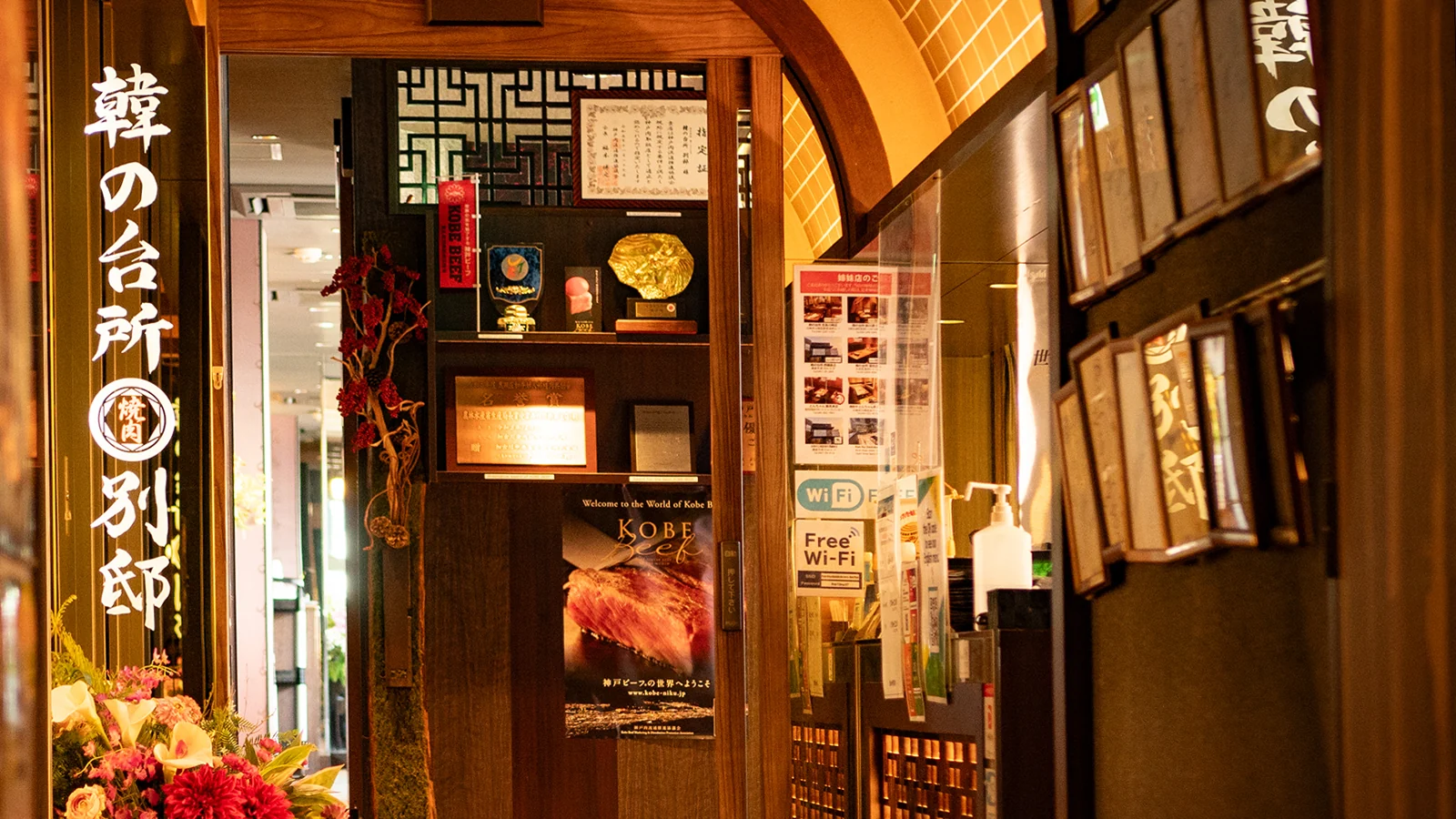
1. Han no Daidokoro Bettei (Dogenzaka)
 Google
Mid-range yakiniku with a raw-meat licence
The cheapest verified route to A5 beef in central Shibuya is a lunch set seven floors above Dogenzaka. Han no Daidokoro Bettei buys A5 Yamagata beef by the whole animal, which is why rare cuts keep turning up, and it is a registered Kobe beef restaurant. It also holds a raw-meat licence, so the yukhoe and beef nigiri are legal versions of dishes most Tokyo yakiniku rooms cannot serve.
- Getting there: Shibuya or Shinsen station, seventh floor of the Dogenzaka Center Building.
- Best time: lunch, when sets start around ¥1,050; dinner courses run ¥5,000–20,000.
- Order this: the yukhoe or the beef nigiri, the dishes the licence makes possible.
Go if you want A5 without a queue or a five-figure bill. Skip it if you came for a chef-led course rather than your own tongs.
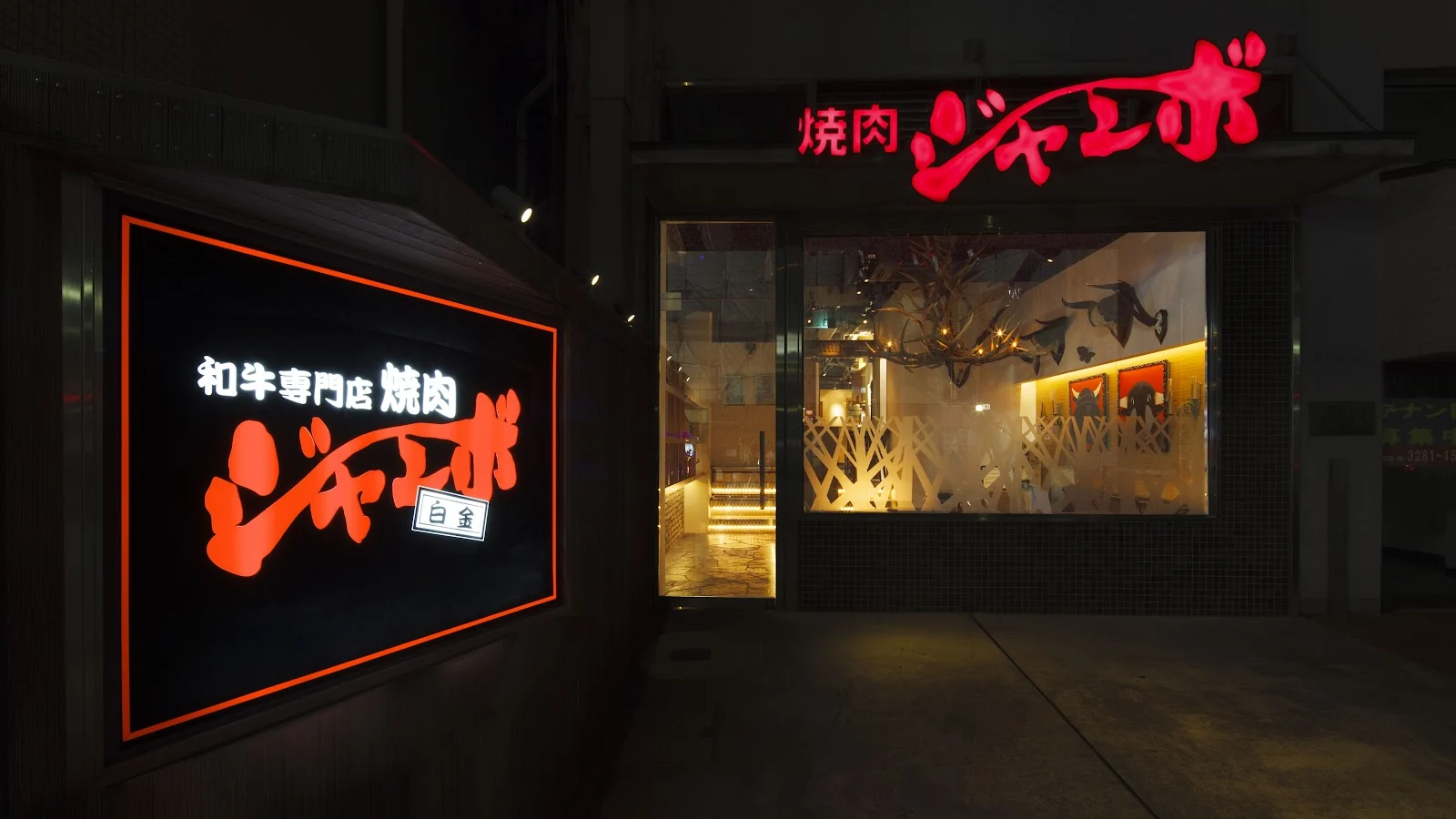
2. Yakiniku Jumbo Shirokane
 Google
Classic Tokyo yakiniku, grill-it-yourself
Old-school Tokyo yakiniku has a reference point, and it is a family of shops that began in Hongo. Yakiniku Jumbo Shirokane buys single Kuroge Wagyu carcasses selected by lineage, age and quality, which shows in the thick tongue and the marbled zabuton. The sirloin goes through a sweet house sauce the kitchen will not explain.
- Getting there: Shirokane-Takanawa, 7 minutes from exit A4, Namboku or Mita line.
- Opening hours: weekdays 17:00–23:00; weekends and holidays 11:30–14:30 and 17:00–23:00.
- Budget: ¥10,000–15,000 at dinner, ¥4,000–5,000 at weekend lunch.
Go if you want the classic Tokyo grill without a fixed course. Skip it if a two-hour seating limit will rush you.
3. Kobe Teppanyaki Hakushu
 Google
Family-run teppanyaki counter
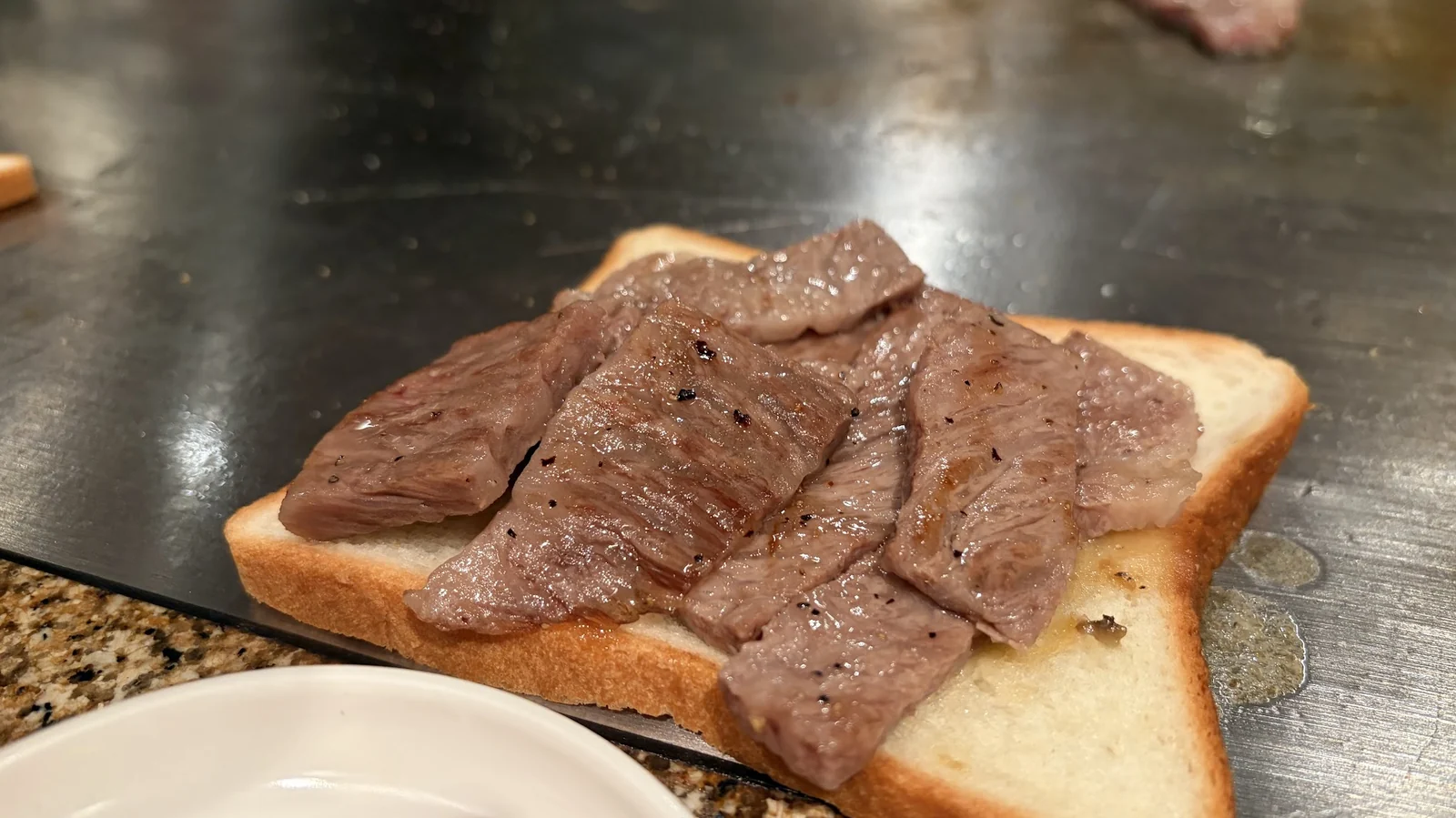
Teppanyaki does not have to cost more than the flight. Kobe Teppanyaki Hakushu has run an 18-seat counter behind Shibuya's south exit since 1966, cooking domestic Japanese Black including Kobe beef a metre from your plate. Courses open at ¥7,500, less than lunch at the Ginza teppanyaki rooms and roughly a quarter of their dinner.
- Getting there: Shibuya, 4 minutes from the south exit.
- Opening hours: Tue–Sun 17:30–22:30, closed Monday; booking sites list other days, so confirm.
- Budget: courses from ¥7,500, typical spend ¥10,000–15,000. Carry cash as a backup.
Go if you want a chef searing Kobe beef in front of you at a sane price. Skip it if you need a table tonight, because 18 seats fill days ahead.
4. Ningyocho Imahan Honten
 Google
Sukiyaki and shabu-shabu, cooked tableside
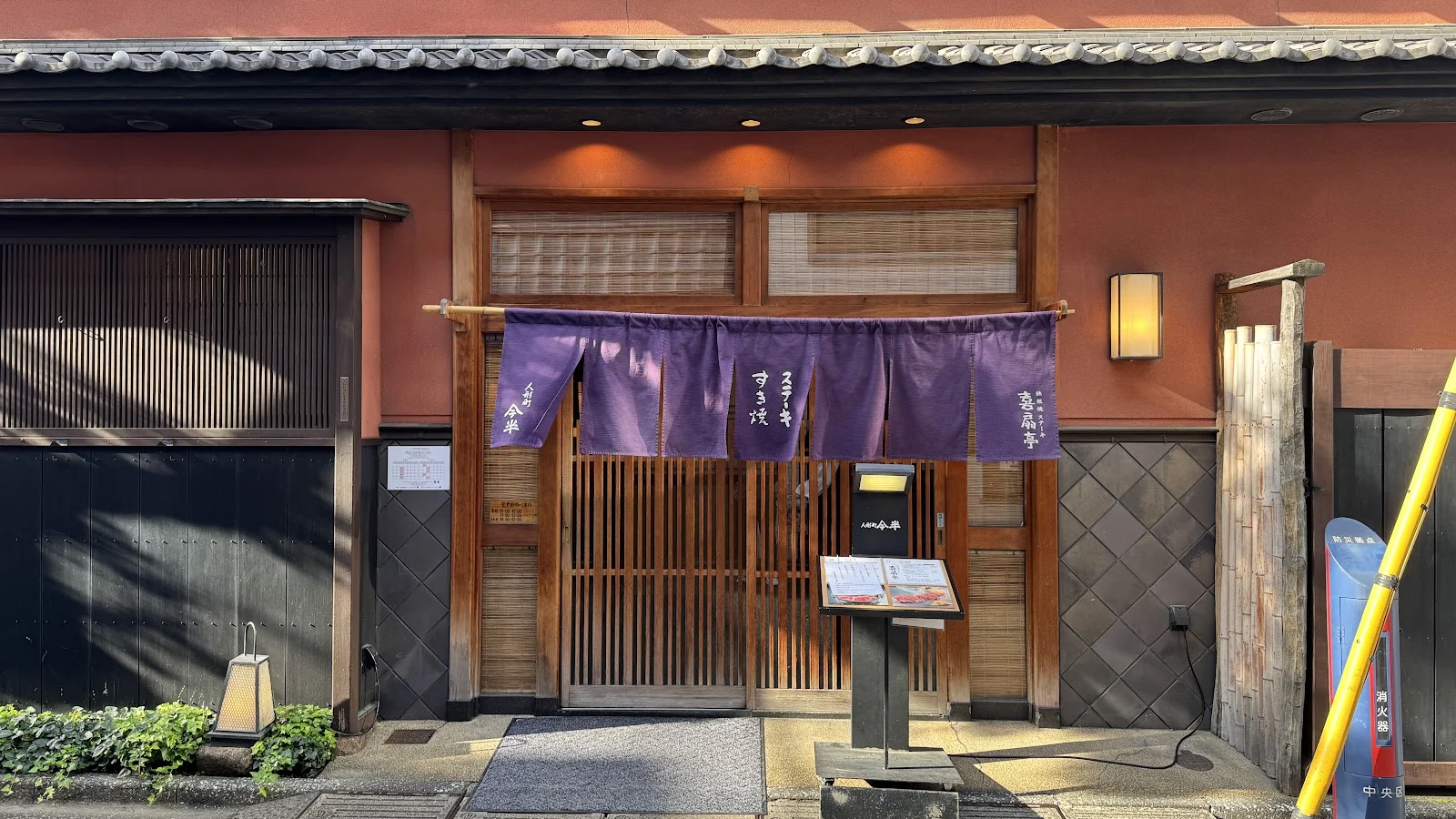
Sukiyaki is the counterweight to yakiniku: same beef, no charcoal, and a server who runs the pan so you cannot ruin it. Ningyocho Imahan Honten has done this since 1895, in tatami rooms where the shoes come off at the door. The Kanto method caramelises sugar and soy onto the Kuroge Wagyu before it hits the raw egg, which turns the fat into something closer to a sauce.
- Getting there: Ningyocho, 2 minutes on the Hibiya or Asakusa line; Suitengumae exit 7, 3 minutes.
- Best time: lunch is the calmer sitting; reserve three days ahead with card prepayment.
- Budget: from ¥10,000 per person, plus 12% service.
Go if you want wagyu the Japanese way rather than the Korean-derived way. Skip it if two hours on tatami sounds like work.
5. Gyukatsu Motomura Shibuya
 Google
Gyukatsu, a rare beef cutlet finished on a hot stone
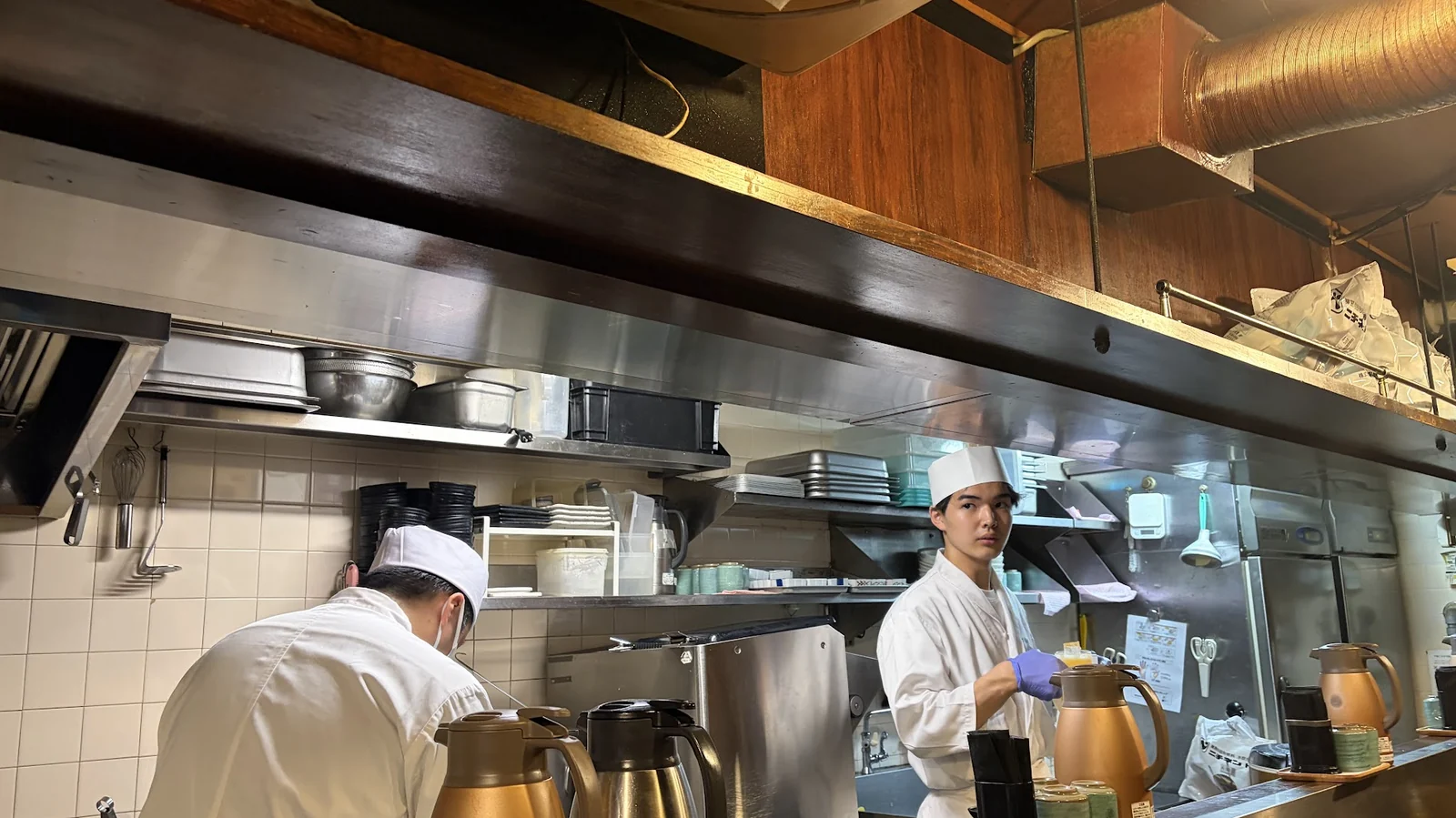
The price ladder breaks here on purpose. Gyukatsu Motomura Shibuya breads a cutlet, fries it just long enough to brown the crust, and hands you a hot stone to sear each pink slice yourself, which is the closest a ¥2,110 lunch gets to the ritual the rest of this list charges five figures for. Motomura publishes no grade and no brand, so treat it as good domestic beef, not A5. If the line is 90 minutes long, Han no Daidokoro Bettei serves a real A5 lunch nearby with no queue.
- Getting there: Shibuya, 4 minutes from the east exit, basement of the Ono Building.
- Crowd warning: no reservations, and 60 to 90 minute queues are standard here. Akihabara and Shinjuku move faster.
- Budget: 130g set ¥2,110, 195g ¥2,810, 260g ¥3,290. One set per person, no sharing.
Go if you want the sear-it-yourself format for the price of a sandwich. Skip it if that hour in line is worth more than the money you saved.
6. Ginza Ukai-tei
 Google
Teppanyaki counter
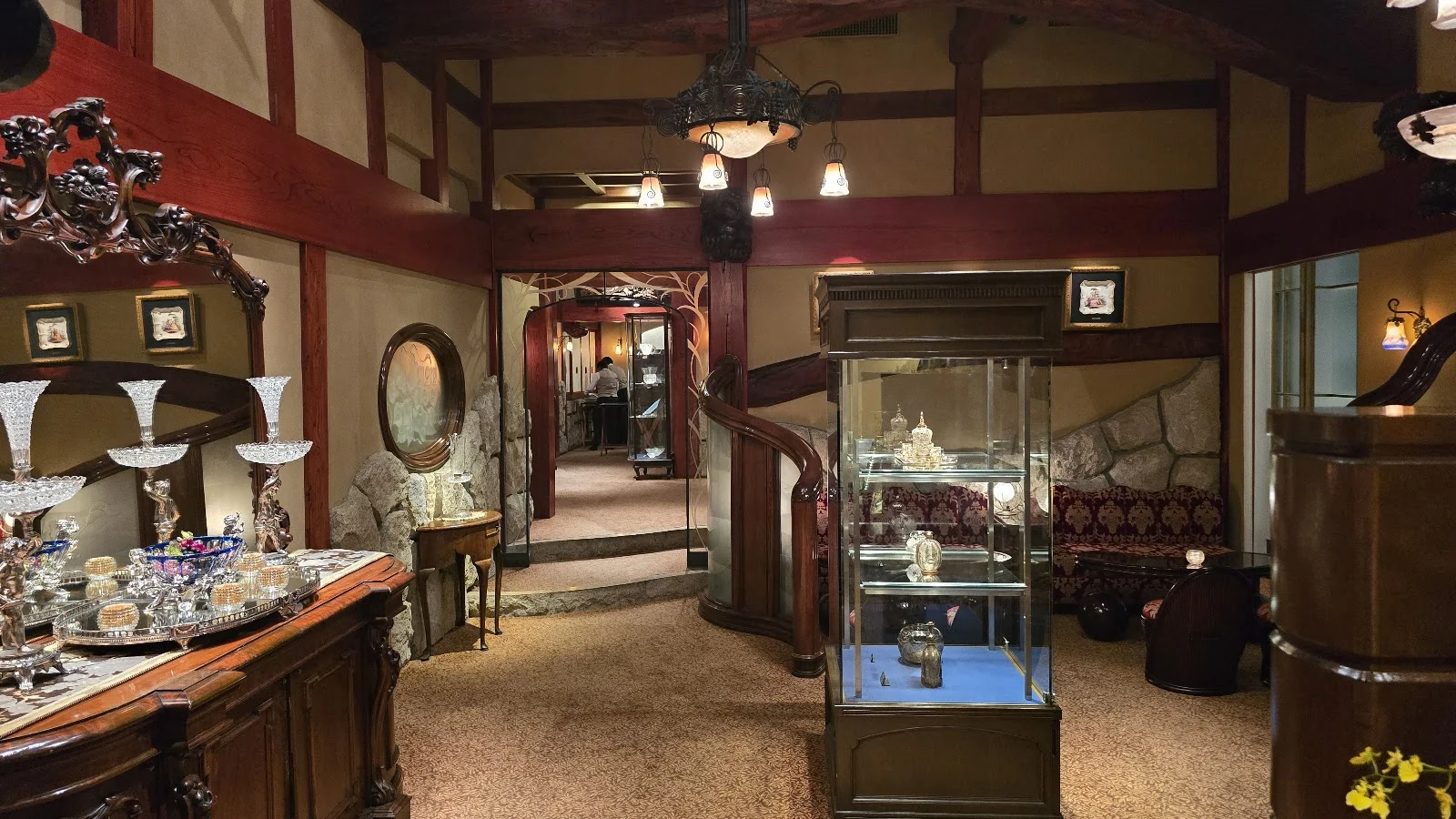
This is the teppanyaki most first-timers picture: art nouveau glass, one chef per counter, beef seared and rested in front of you, dessert in a separate salon. Ginza Ukai-tei names no brand, only "best quality Japanese Black Beef", worth knowing before you compare it with the certified-Kobe rooms nearby. Lunch is the value entry at roughly half the dinner course.
- Getting there: Higashi-Ginza, 1 minute from exit 6; Ginza, 7 minutes from exit A5.
- Best time: lunch, but last order is 13:30, so this is an early sitting.
- Budget: lunch ¥13,200–19,800, dinner ¥27,500–38,500, plus 13% service.
Go if the room matters as much as the beef. Skip it if you resent a ¥15,000 per-person cancellation fee for changing plans.
7. Yoroniku
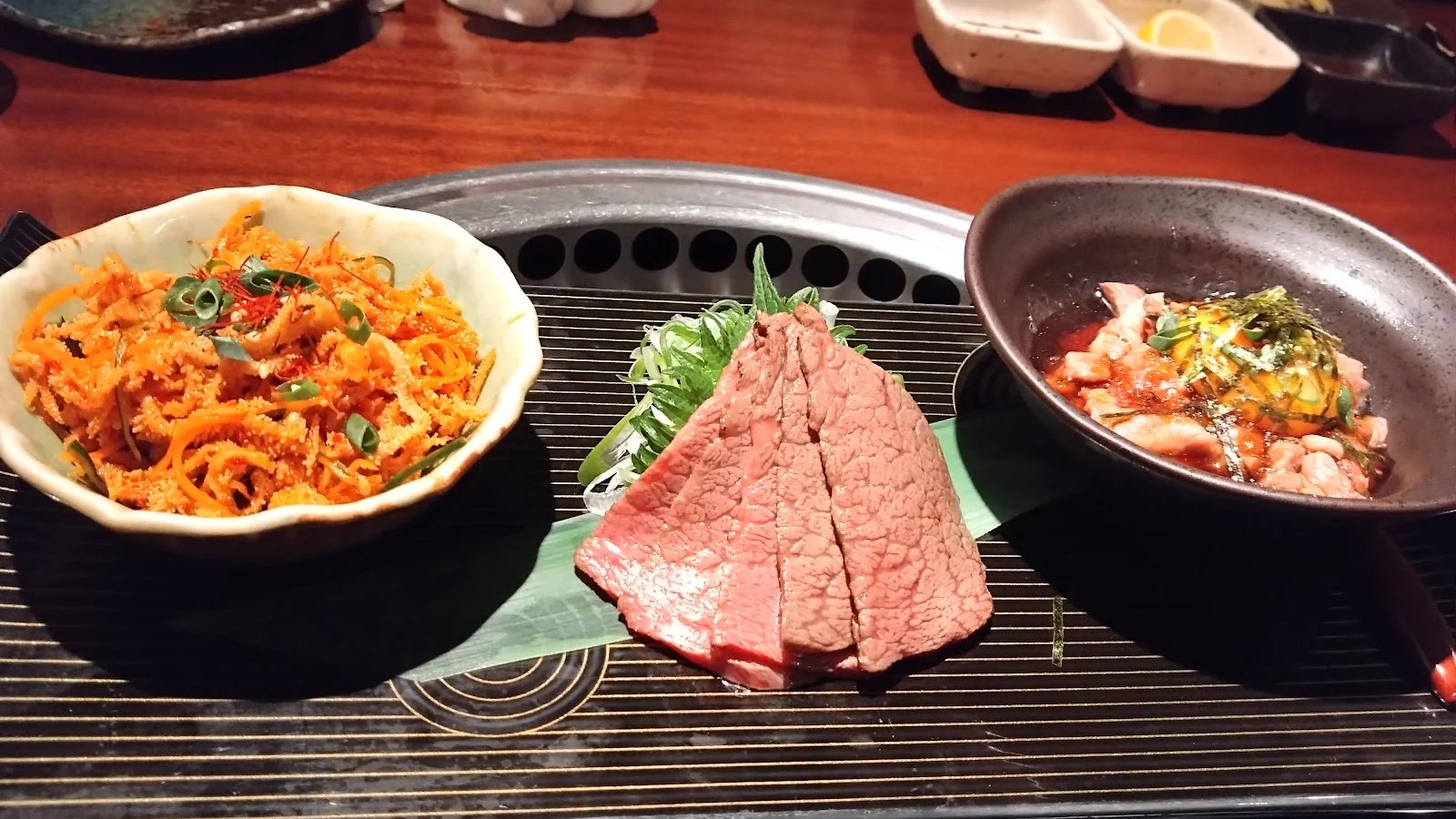 Google
High-end yakiniku, grill-it-yourself with staff assist
Multicourse wagyu yakiniku as Tokyo now understands it was effectively invented in an unmarked Aoyama basement in 2007. Yoroniku hand-cuts slices thin enough to need seconds on the charcoal, then has you wrap them around a bite of rice or drag them through egg yolk. The truffle sukiyaki that closes the course is what people book for.
- Getting there: Omotesando, 10 minutes from exit B1, in a basement with no sign.
- Opening hours: weekdays 18:00–00:00, Sat 17:00–00:00, Sun and holidays 17:00–23:00.
- Budget: ¥15,000–20,000 a head for the course.
Go if you want the modern yakiniku course with an English menu and staff who use it. Skip it if you are booking this week, because the phone line is closed and weekend slots go weeks out.
8. Bifteck Kawamura Tokyo Ginza
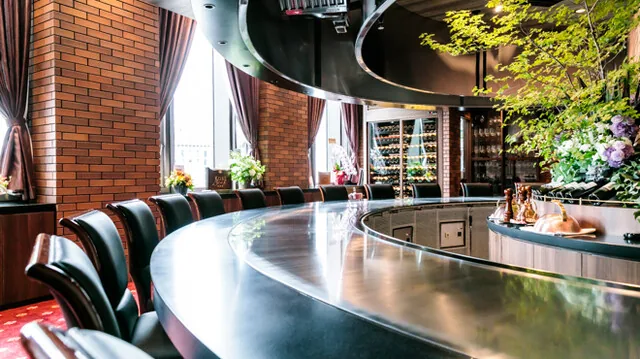 ビフテキのカワムラ 東京銀座店
Kobe beef steak and teppan counter
Kobe is the most expensive word on a Tokyo menu, and this is the clearest place to see what it buys. Bifteck Kawamura Tokyo Ginza is the only Tokyo restaurant of a Kobe house founded in 1972, and it prices by the gram: ¥16,500 for 100g of ribeye, ¥20,900 for 140g. That honesty also exposes the premium. Certified Kobe is Tajima-strain Japanese Black from Hyogo, and it is real, but the yakiniku counters earlier in this list serve Japanese Black from the same grade band for a third of the money. A ¥12,000 dinner at Yakiniku Jumbo Shirokane is not lesser beef. It is the same breed without the certificate.
- Getting there: Ginza, 3 minutes on the Ginza, Marunouchi or Hibiya line; reception on the 10th floor.
- Opening hours: 11:30–14:00 and 17:00–21:00 for last orders, with irregular closing days.
- Budget: ribeye courses ¥16,500–20,900, fillet ¥19,800–25,520.
Go if you want certified Kobe beef and the gram count in writing. Skip it if the certificate matters less than the meat, because the yakiniku rooms above give you more beef per yen.
9. Sumibi Yakiniku Nakahara
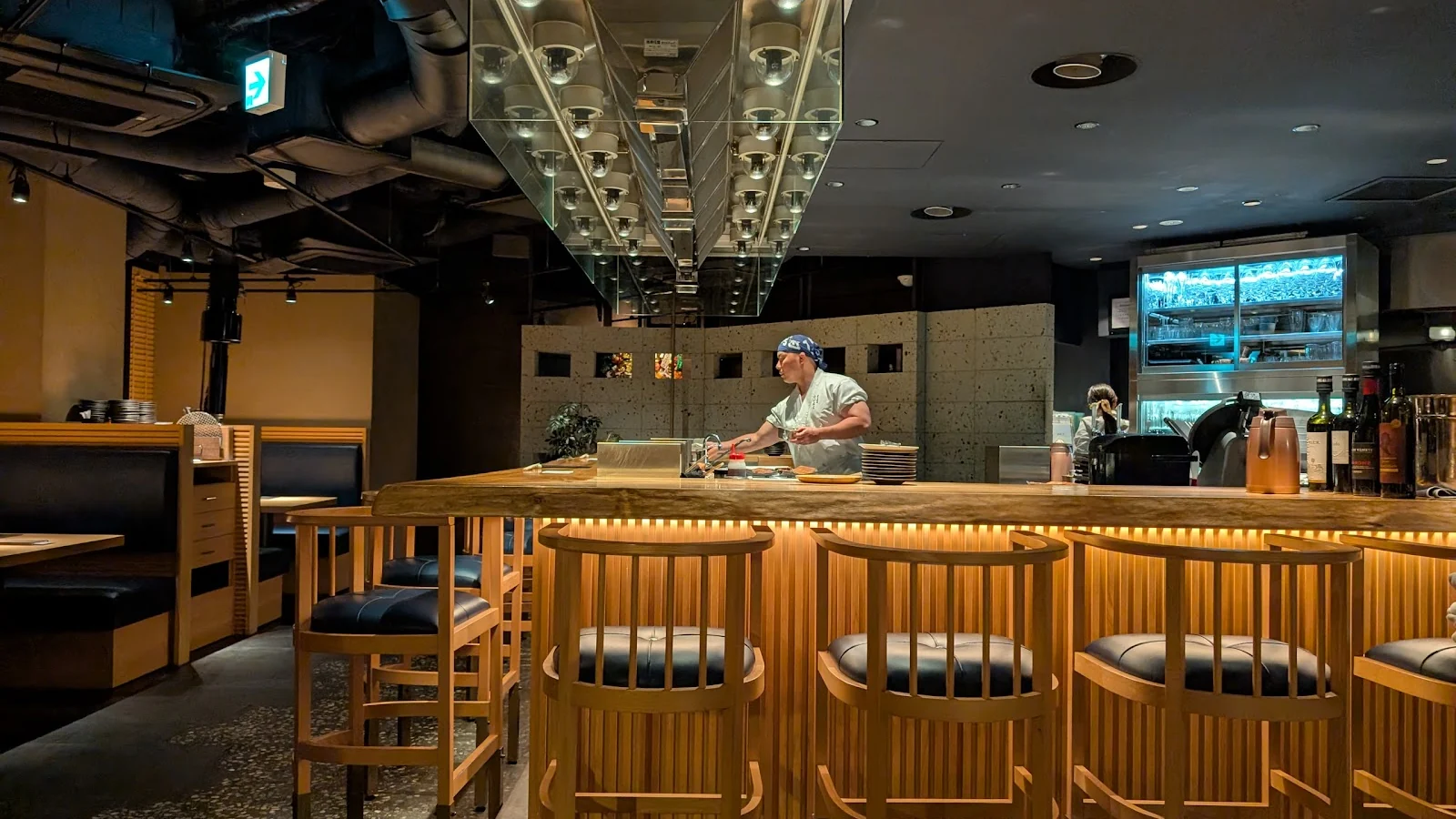 Google
Chef-cut omakase yakiniku
Ichigaya is an office district with almost no tourist traffic, which is part of why the yakiniku Tokyo insiders book ended up there. Owner Kentaro Nakahara taught himself butchery after taking over his wife's family shichirin shop, and Sumibi Yakiniku Nakahara has held a ninth-floor room over the city since 2014. Every cut is hand-sliced at a calculated angle, and the beef comes straight from named producers.
- Getting there: Ichigaya, 2 minutes on the JR Chuo or Toei Shinjuku line.
- Opening hours: weekdays 18:00–23:00, weekends 17:00–22:00, closed Wednesday, two seatings a night.
- Budget: ¥30,000–40,000 for the omakase course.
Go if texture interests you more than a famous name. Skip it if you want to pick your own cuts, because this is one course and the chef decides.
10. Aragawa
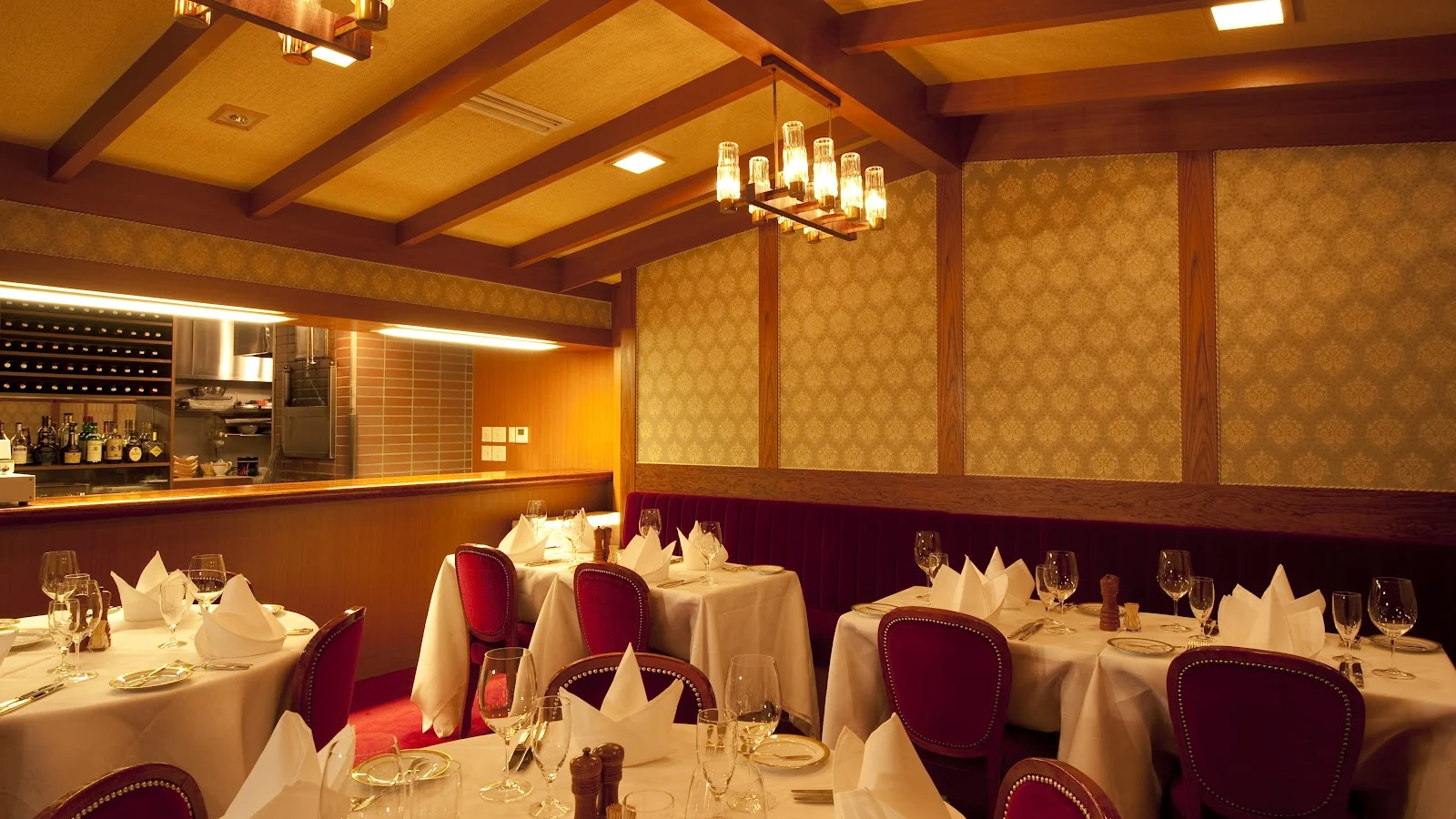 Google
Charcoal steakhouse
One idea, held since 1967: purebred never-bred Tajima heifers from Sanda in Hyogo, dry-aged, grilled over charcoal, served with salt and pepper and nothing else. Aragawa seats 22 in a wood-panelled room in Nishi-Shinbashi, publishes no prices anywhere, and has a long reputation as the most expensive steak in the city. Most readers will read this entry rather than book it.
- Getting there: 3-23-11 Nishi-Shinbashi, Minato-ku; no station walk is published, so navigate by address.
- Opening hours: 12:00–22:30, closed Sunday, holidays and over New Year; the 14:00 to 17:00 window is phone booking only.
- Budget: no published prices, steak sold by weight; expect well over ¥50,000 a head plus 12% service.
Go if you want the oldest and purest version of the Japanese steakhouse. Skip it if you need to know the bill before you sit down.
11. Nikuya Tanaka
 Google
Wagyu kappo counter, binchotan-grilled omakase
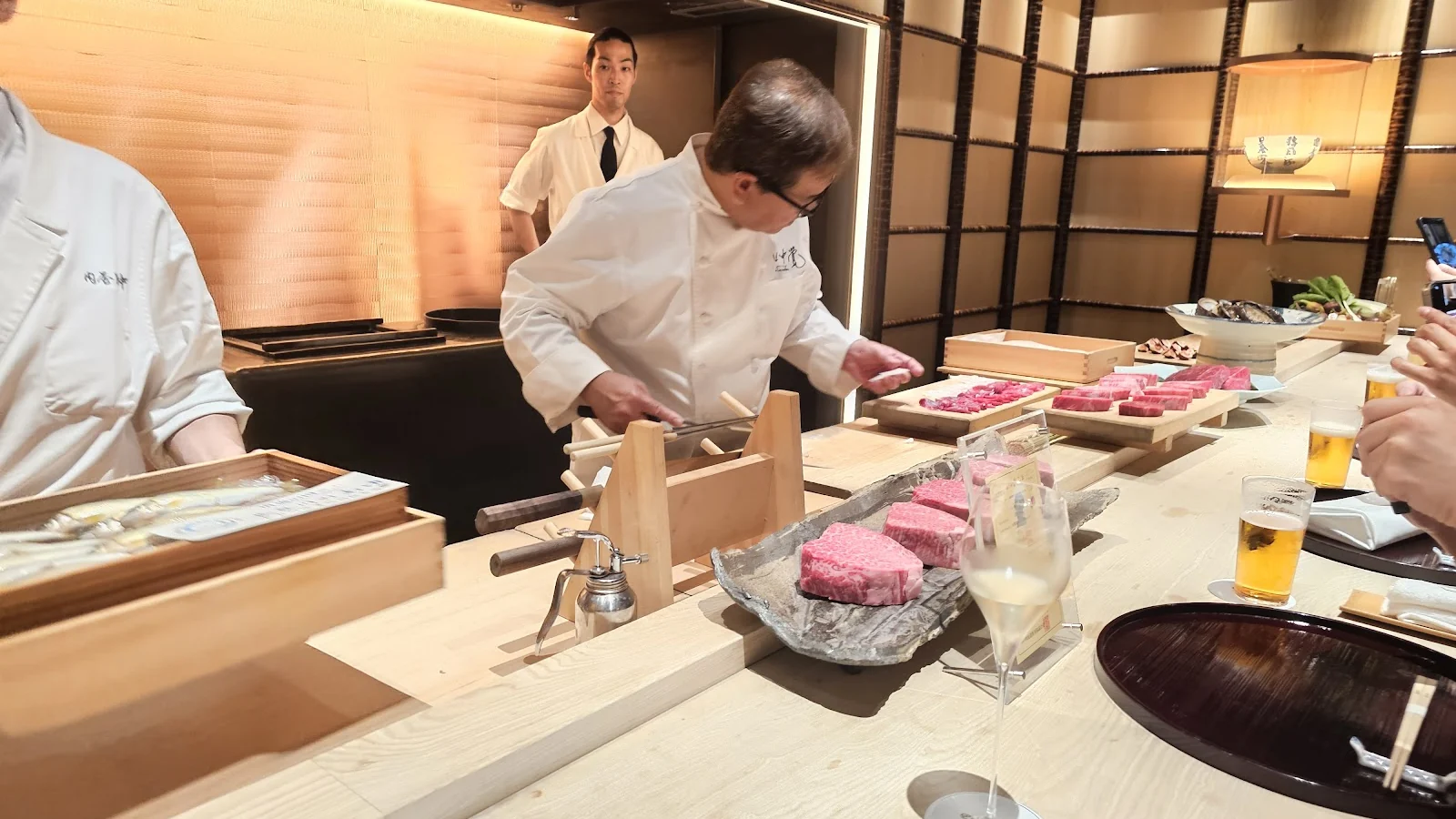
Nine hinoki counter seats face a charcoal hearth on a Ginza ninth floor, and the beef arrives cut by cut from one animal. Third-generation butcher Satoru Tanaka bids at auction on female cattle raised 35 months or longer, and Nikuya Tanaka works through them from tartare to steak. Tajima and Matsusaka both appear, the dress code is enforced, and children are admitted from 15.
- Getting there: Ginza, 2 minutes from exit C2, ninth floor.
- Opening hours: Mon–Sat 17:00–23:00, closed Sunday; bookable up to three months ahead.
- Budget: ¥60,000–80,000 a head, plus 10% service.
Go if you want one whole animal read out course by course and money is not the constraint. Skip it if plans might move, because cancellation is 50% at seven days and 100% at three.
Honorable mentions
- Wagyumafia The Cutlet Sandwich: six seats in Nakameguro and one product, the Kobe chateaubriand katsu sando. Cheaper cuts from around ¥2,000. Go for the spectacle, not the value.
- Yakiniku Yazawa Tokyo: a butcher's own yakiniku three minutes from Tokyo Station, courses ¥14,500–15,500 on a 105-minute seating, online booking only.
- Yakiniku Oonishi: a counter a minute from Ebisu station that serves until 5am in small portions, so one person can taste five cuts for ¥6,000–8,000.
- Yakiniku Like: sets from ¥790 with a smokeless roaster per seat. The standard sets are not wagyu, so this is a format pick, not a beef pick.
FAQ
What does the best wagyu in Tokyo actually cost?
Anywhere from ¥2,110 to ¥80,000 a head, and both ends are legitimate. A gyukatsu set is ¥2,110, a Shibuya yakiniku lunch set starts near ¥1,050, a top yakiniku course runs ¥15,000–20,000, a Ginza teppanyaki dinner ¥27,500–38,500, and a whole-animal omakase ¥60,000–80,000. Add 10% to 13% service above roughly ¥15,000 a head.
How far ahead do you need to book?
Weeks, for the counters worth planning around. Yoroniku, Yakiniku Yazawa Tokyo and Sumibi Yakiniku Nakahara have closed their phone lines and take online bookings only, and weekend slots go first. Ningyocho Imahan Honten wants three days' notice with card prepayment. Gyukatsu Motomura takes no reservations at all, which is exactly why the queue exists.
Is lunch better value than dinner?
Consistently, yes. Ginza Ukai-tei's lunch course is roughly half its dinner price for the same teppan and the same chef. Yakiniku Jumbo Shirokane serves a ¥4,000–5,000 lunch, but only at weekends. Han no Daidokoro Bettei's lunch sets start near ¥1,050. The trade-off is timing: Ukai-tei stops taking lunch orders at 13:30.
Are English menus available?
At most of this list. Yoroniku states English menus and English-speaking staff, Gyukatsu Motomura has a multilingual menu, and Ginza Ukai-tei, Ningyocho Imahan Honten and Bifteck Kawamura Tokyo Ginza run full English sites you can book through. The smaller family counters are easier if a hotel concierge makes the call for you.
Is Kobe beef worth the premium in Tokyo?
Rarely, in Ginza. Certified Kobe is real and tightly controlled, with only about 3,000 head qualifying a year, but the branded steakhouses charge for the name as much as for the beef. A yakiniku counter serving Japanese Black of the same grade band gives you more meat for a third of the price. If Kobe matters, check the association membership.