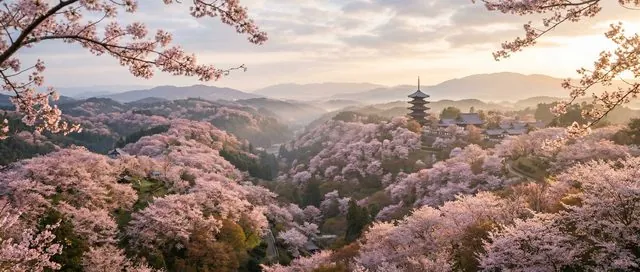
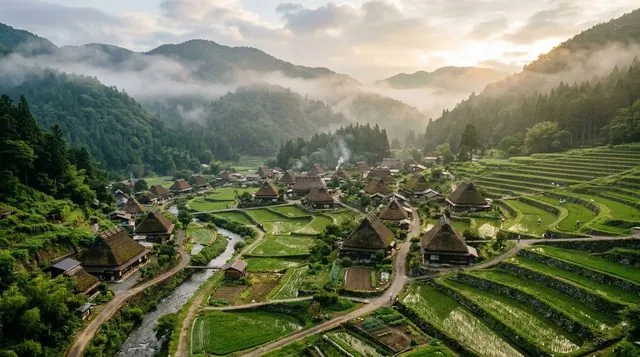

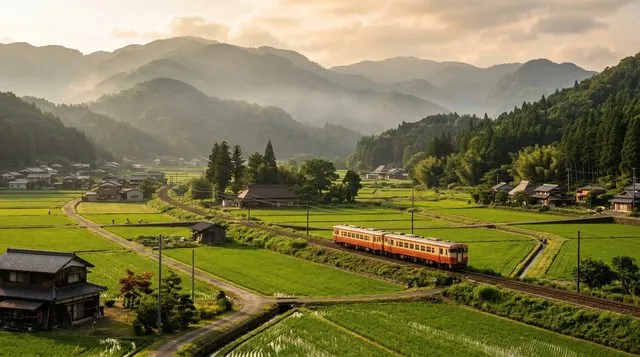
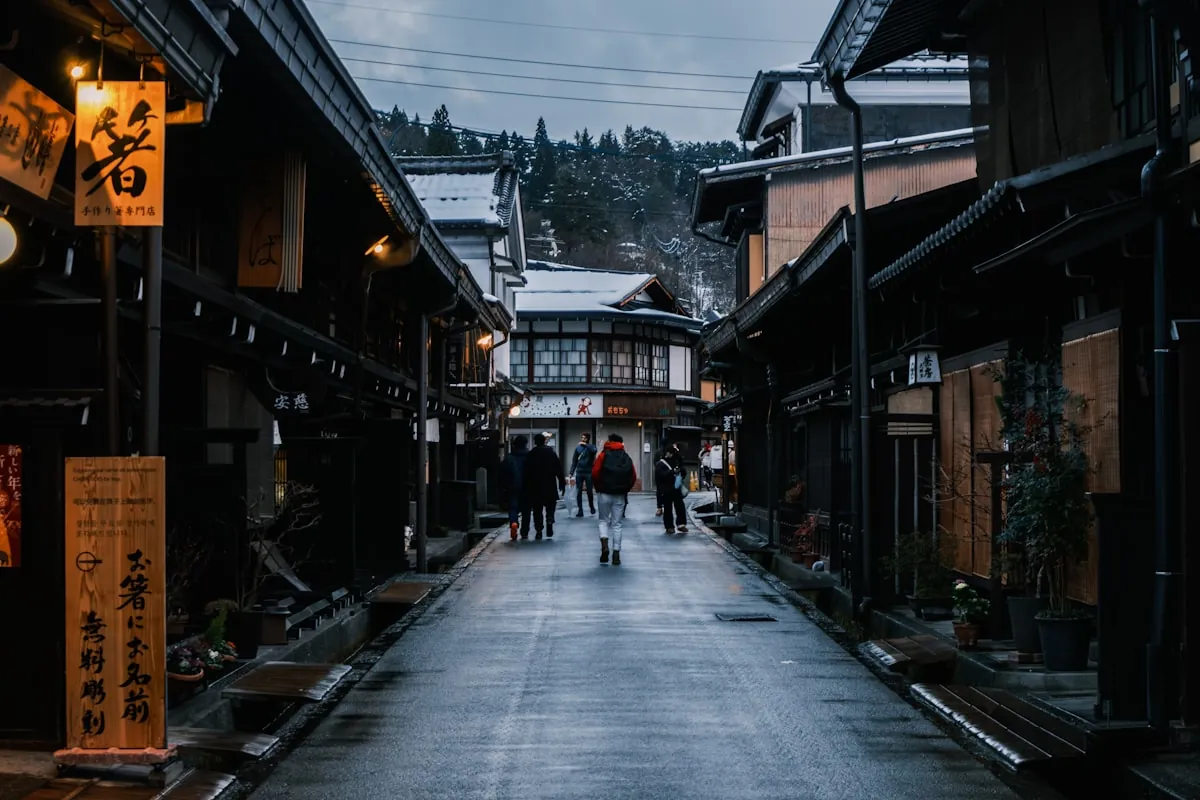

October has a reputation it only half deserves. Travel writers call it "perfect" without qualification; the reality is more interesting. The first two weeks of October still carry real typhoon risk. The Hagibis typhoon, which struck central Honshu on October 12–13, 2019, was the costliest typhoon in Japan's recorded history. Mid-to-late October is a different story: stable weather, Tohoku and Nikko at peak autumn colour, and Tokyo at its outdoor best. This guide gives you the split so you can judge whether your specific dates fall in the good October or the unpredictable one.
What you need to know about October in Japan
October is the handover between summer's heat and autumn's cool. By mid-month, central Honshu settles into 19–22°C: comfortable for walking, cool enough for layers after dark, and far drier than September. The qualifier is typhoons. The season officially runs to October 31, and the first ten days can still bring damaging storms to Kyushu, Okinawa and southern Shikoku. Risk drops sharply after mid-month on central and northern Honshu, but never quite to zero before November.
The other variable is koyo, the autumn leaf colour, which moves south through the month. October is when Tohoku and Nikko peak, and the timeline below shows where the front sits on any given week.
Temperature by region in October
Typical low to high per region, north to south. The bands barely overlap, which is the whole packing problem.
- HokkaidoSnow possible at higher elevations by late October.7–13°C
- TohokuMountain areas turn noticeably cold after dark.10–17°C
- Tokyo and KantoHighs 22–24 early, 19–21 late. Low humidity, reliably clear skies.12–24°C
- Kyushu and OkinawaStill warm, but typhoon-exposed in early October.22–27°C
Kansai tracks Kanto closely: warm to start, jacket weather by late-October evenings.
October week by week: the split that matters
No other Japan travel guide makes this distinction explicitly. Here is the honest breakdown:
| Week | Typhoon risk | Koyo status | Crowd level | Verdict |
|---|---|---|---|---|
| Oct 1–7 | Moderate: southern Japan exposed | Hokkaido (Sounkyo gorge) peak; none elsewhere | Elevated (early-month domestic travel) | Hokkaido gorge specialists or northern cities only; book refundable accommodation |
| Oct 8–14 | Fading. Hagibis struck Oct 12 in 2019 | Hokkaido mid-elevation and Sapporo building; Tohoku not yet | Medium | Tokyo, Hokkaido lowlands: good; buy cancellation-flexible tickets |
| Oct 15–21 | Dropping: central/northern Honshu safe | Tohoku building; Nikko lake area approaching | Medium | Strong window: Tohoku early colour and Tokyo both work well |
| Oct 22–31 | Near zero north of Kyushu | Tohoku and Nikko lake area at peak; Kyoto early hints | Lower than November | Near-ideal. Go |
Where to go in Japan in October
Japan's koyo front moves south and downhill through October. Each bar is that region's peak window on the calendar below, so you can line your travel dates up against it.
- Hokkaido: Sounkyo gorgeHighest-altitude gorge. Peaks first of allColour begins Late SeptemberPeak window Around October 5
- Hokkaido: Jozankei & FuranoMid-elevation valley and farm countryColour begins Early OctoberPeak window October 10–15
- Hokkaido: Sapporo city parksLowest-elevation Hokkaido; latest to peakColour begins October 10Peak window Mid-to-late October
- Tohoku: Naruko, Yamadera, Tazawa-koWorld-class foliage with far fewer crowds than November KyotoColour begins Mid-OctoberPeak window October 20–31
- Nikko: Lake Chuzenji & fallsLake area peaks before the town; go higher firstColour begins Mid-OctoberPeak window October 18 – November 1
- Nikko: town & Tosho-gu shrineAbout ten days after the lake area aboveColour begins Late OctoberPeak window Early November
- Kyoto & KansaiFamous maple gorges peak well after October endsColour begins Late OctoberPeak window Late November
Late October: Tohoku for the smartest autumn colour
Tohoku is the anti-overtourism answer to November Kyoto. Naruko Gorge, Yamadera, and the shores of Lake Tazawa hit peak foliage in the last ten days of October: reds and golds at full intensity, with a fraction of the crowds that descend on Kansai the following month. Base in Sendai or Yamagata for access to all three. See the Tohoku guide for transport and logistics.
Late October: Nikko for dramatic foliage (with an elevation note)
Nikko's colour peaks at different altitudes on different dates. Lake Chuzenji and Kegon Falls, reached by the winding Irohazaka road, hit peak colour October 18 to November 1. The main town, Tosho-gu shrine and Shinkyo Bridge peak about ten days later, in early November. For the full October display, go to the lake first and work your way down. The journey from Tokyo takes under two hours by direct Tobu line train from Asakusa.
All of October: Tokyo for outdoor exploration
Tokyo in October is as close to ideal as urban Japan gets. By mid-month, humidity has dropped to near zero, skies are reliably clear, and temperatures settle into a comfortable 19–21°C by day. Shinjuku Gyoen in early colour, Yoyogi Park for afternoon light, rooftop terraces without the summer haze. October is the single best month to walk the city. Book outdoor activities here rather than any other month.
Early October only: Hokkaido for the first peak foliage
Hokkaido is the exception to the rule: its season arrives earliest. Sounkyo Gorge peaks around October 5; mid-elevation spots and Jozankei follow by October 10–15; Sapporo and the city parks reach colour by mid-to-late October. If Hokkaido autumn is your goal, target the first two weeks. After mid-October, the high-mountain colour has largely gone and temperatures drop sharply.
October: Kyoto as a preview, not the main event
Kyoto in October offers early-colour atmosphere and significantly lower accommodation prices than November, but the famous maple gorges at Tofuku-ji and Eikan-do won't peak until late November. October Kyoto has real advantages: manageable crowds, comfortable weather, and genuine autumn atmosphere in temple gardens. Frame the visit accordingly. If peak koyo is your priority, choose November instead.
October festivals and events
Four festivals fall in October and all of them sit on fixed dates: they either fit your trip or they don't. Two land on the same evening of October 22 at opposite ends of Kyoto, so treat that date as a choice rather than a double bill.

Festival
Nikko Toshogu Autumn Festival
annual2026-10-16 → 2026-10-17
Two hours from Tokyo by Tobu limited express. Archery falls on the first day, the procession on the second. Town-level foliage is still building in mid-October, so the festival and the autumn colour do not fully overlap.
Autumn counterpart of the spring grand festival: yabusame mounted archery on Omotesando, plus a warrior procession down to the shrine.

Festival
Kawagoe Matsuri
annual2026-10-17 → 2026-10-18
Thirty minutes from Ikebukuro by Tobu rail, which makes it the easiest of the four to reach. The dates follow the third weekend rather than fixed numbers, so check the year you travel.
UNESCO-listed float festival in the Edo-style streets of Kawagoe. 29 ornate dashi (floats) parade and clash in a hikkawase confrontation on the third Saturday/Sunday of October.

Festival
Kurama Fire Festival
annual2026-10-22 → 2026-10-22
Thirty minutes from Kyoto on the Eizan line. Crowd management on the narrow mountain path is genuinely difficult and the descent after dark is slow: experienced travellers only.
One of Kyoto's three "weird festivals". Locals carry man-sized pine torches up the slope to Yuki Shrine after sundown on Oct 22: same night as Jidai Matsuri but worth the train ride.

Festival
Jidai Matsuri
annual2026-10-22 → 2026-10-22
Central Kyoto, the same evening as Kurama. Doing both in one day means crossing the city twice against festival traffic, so treat October 22 as a choice between them.
The "Festival of the Ages": a 2,000-person procession in costumes spanning every era from Heian to Meiji, from the Imperial Palace to Heian Shrine.
October vs November: which is better?
The honest answer depends on where you're going, not which month sounds better on paper:
| Factor | October | November |
|---|---|---|
| Tohoku foliage | Peak (late Oct) | Past peak or bare |
| Nikko lake area foliage | Peak (Oct 18 – Nov 1) | Town peak early Nov |
| Kyoto / Nara foliage | Early colour only | Peak (mid-to-late Nov) |
| Typhoon risk | Low after mid-month | Zero |
| Tokyo daytime temperatures | 19–24°C | 13–18°C |
| Kyoto accommodation prices | Normal | Peak (+20–40% on foliage weekends) |
| Crowds at famous leaf spots | Moderate | High (Kyoto and Nara) |
Decision rule: going for Tohoku or Nikko's lake district? Late October is the right call. Going for Kyoto and the classic autumn leaf temples? November wins. Want both in one trip? A mid-to-late October arrival catches Tohoku at peak, and Kyoto in November wraps the second half: a route that lets you see both regions at their best without compromising either. See the companion Japan in November guide for the full regional timing. For the longer seasonal view, the best time to visit Japan guide covers the full year.
Tips & common mistakes
- Don't assume all of October is typhoon-safe. The first ten days carry real risk. The Hagibis typhoon made landfall on October 12–13, 2019, killing over 100 people and causing catastrophic flooding. If visiting southern Japan or Okinawa before October 15, book fully refundable accommodation and buy travel insurance covering typhoon cancellations. ANA and JAL typically offer fee-free rebooking when a named typhoon affects your route.
- Tohoku foliage weekends fill up fast. The last two weekends of October are Tohoku's peak: accommodation near Naruko gorge, Yamadera, and Lake Tazawa fills four to six weeks ahead. Book by early September.
- Early October crowds are manageable. Japan's late-September national holidays end in September. In 2026 they close out September 19–23. any crowd pressure from those days has fully dissipated by the time October begins. The first-week uptick in trains and accommodation comes from returning domestic travellers, not an ongoing holiday event; it is far below Obon or Golden Week levels.
- Pack for a 10°C daily range. A late-October trip combining Tokyo (19–21°C days) and Tohoku (10°C mountain evenings) means you need layers that pack small rather than one heavy jacket. A packable down vest is more versatile than a thick coat for this month.
- October is the best month for outdoor onsen. Mountain evenings in October are cold enough to make an outdoor (rotenburo) bath genuinely rewarding: the contrast between cold air and hot water is exactly what it's designed for. Mountain ryokan in Tohoku, at Nikko, and in the Hakone area reach their most enjoyable point this month. See the onsen guide for where to find the best outdoor baths.
- Don't go to Kyoto in October expecting peak foliage. The famous maple gorges won't peak until late November. What October Kyoto offers instead is real: manageable crowds, comfortable weather, and lower accommodation prices than November peak. Go for those, not for the Instagram shots, and you'll enjoy it.
FAQ
Is October a good time to visit Japan?
Yes: specifically, mid-to-late October (from around the 15th onward) is excellent. Comfortable temperatures, low humidity, and stable weather make it one of the best months for outdoor exploration and urban walking. The qualifier is early October, which carries real typhoon risk in southern Japan. The first ten days should be treated cautiously; the last two weeks can be treated as near-ideal.
Are there typhoons in Japan in October?
Yes. October is still within Japan's official typhoon season, which runs to October 31. The risk drops markedly after mid-month for central and northern Honshu, Tokyo and Kyoto are relatively safe from October 15 onward, but early October in southern Japan remains genuinely exposed. The Hagibis typhoon struck the Tokyo area on October 12–13, 2019, and was the most destructive typhoon in Japan's modern history. Buy typhoon-cancellation insurance if visiting the south before the 15th.
When do the autumn leaves start in October in Japan?
Hokkaido sees peak colour first: Sounkyo gorge around October 5, with mid-elevation spots (Jozankei, Furano) following by October 10–15 and Sapporo city parks by mid-to-late October. Tohoku, Naruko gorge, Yamadera, and Lake Tazawa, peaks in the last ten days of October. Nikko's Lake Chuzenji and Kegon falls area peak October 18 to November 1; the main town and shrine area follow about ten days later. Kyoto shows only early hints in October. The famous maple gorges don't peak until late November.
Is Kyoto worth visiting in October?
Yes, but not for peak autumn colour. That arrives in mid-to-late November. October Kyoto offers manageable crowds, comfortable weather, and significantly lower accommodation prices than peak foliage season. The temples and gardens are still beautiful in early-colour form. If peak koyo is your priority, choose November; if you want Kyoto without the November premium, October is a smart compromise.
What is the weather like in Tokyo in October?
October is arguably Tokyo's best month for outdoor activities. Temperatures run around 22–24°C in early October and cool to 19–21°C by late month, with evening lows dropping to 12–15°C. Humidity falls sharply from September levels, the overcast days that typify summer largely disappear, and late October delivers some of the clearest skies of the year. It is the single most comfortable month for walking the city.
What festivals happen in Japan in October?
Three stand out: the Kawagoe festival (third Saturday–Sunday of October, October 17–18 in 2026, a major Edo-era float festival in Saitama, day-trip from Tokyo); the Kurama fire festival (always October 22 in Kyoto: a dramatic torch procession, very crowded, experienced travellers only); and Nikko's autumn festival (October 16–17: yabusame horseback archery on the 16th, samurai procession on the 17th at Tosho-gu shrine). Note that October 22 also sees the Festival of the Ages, meaning central Kyoto runs two major events simultaneously.
Should I visit Japan in October or November?
Depends on your itinerary. Late October wins for Tohoku, Nikko's lake district, and outdoor Tokyo. November wins for Kyoto, Nara, and Hiroshima autumn foliage. For a trip covering both regions, a mid-October arrival in Hokkaido or Tohoku, moving south as the colour follows, with Kyoto in early November covers both at their peaks. See the Japan in November guide for the companion perspective on the month that immediately follows.
Is late October a good time to visit Tohoku?
Late October, roughly October 20–31, is one of the best times to visit Tohoku in the entire year. Naruko gorge, Yamadera, and Lake Tazawa hit peak autumn colour with far fewer tourists than Kyoto draws in November. Accommodation near these spots fills four to six weeks ahead of the peak weekends, so book by early September. See the Tohoku guide for the regional overview and suggested bases.