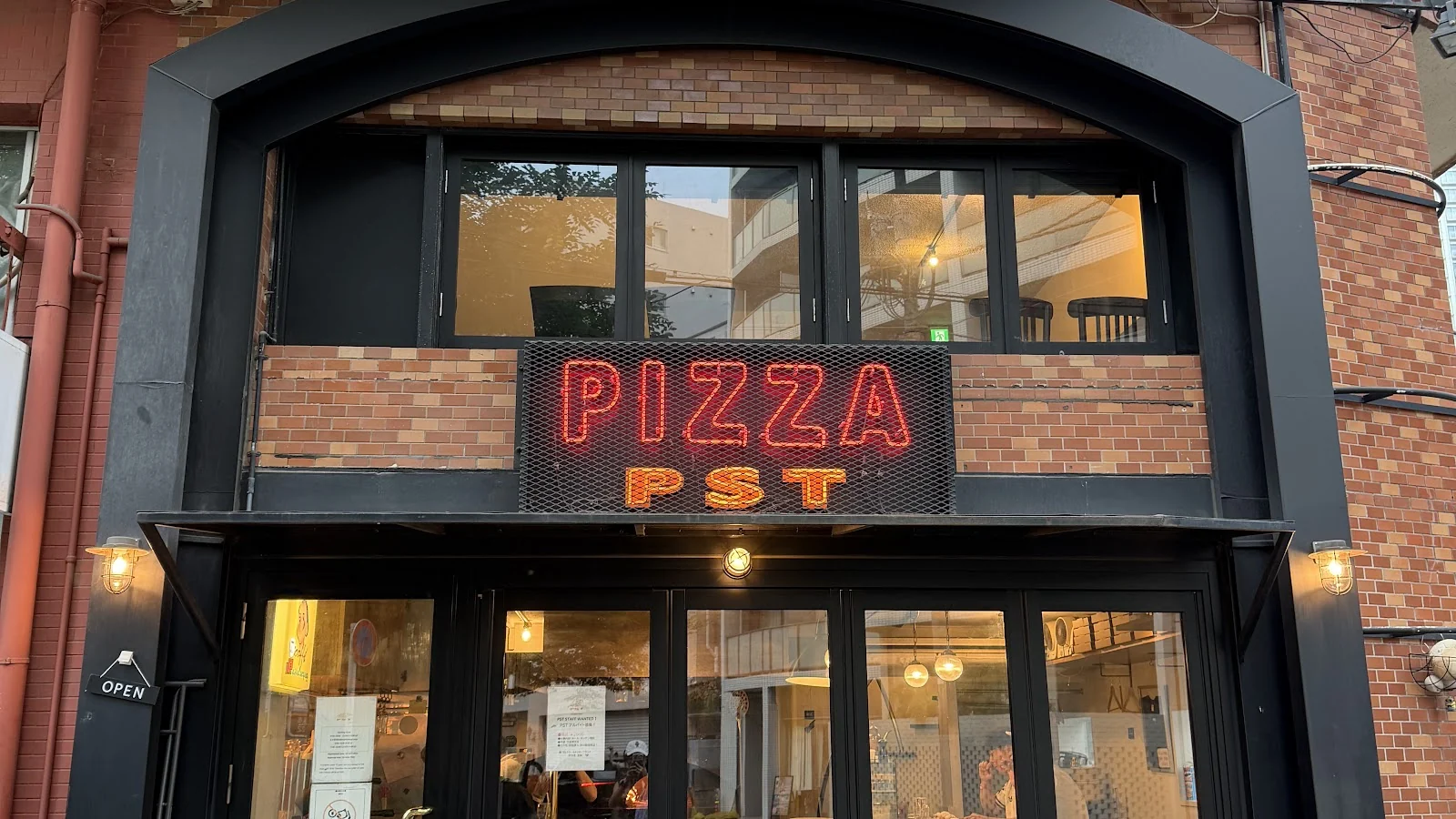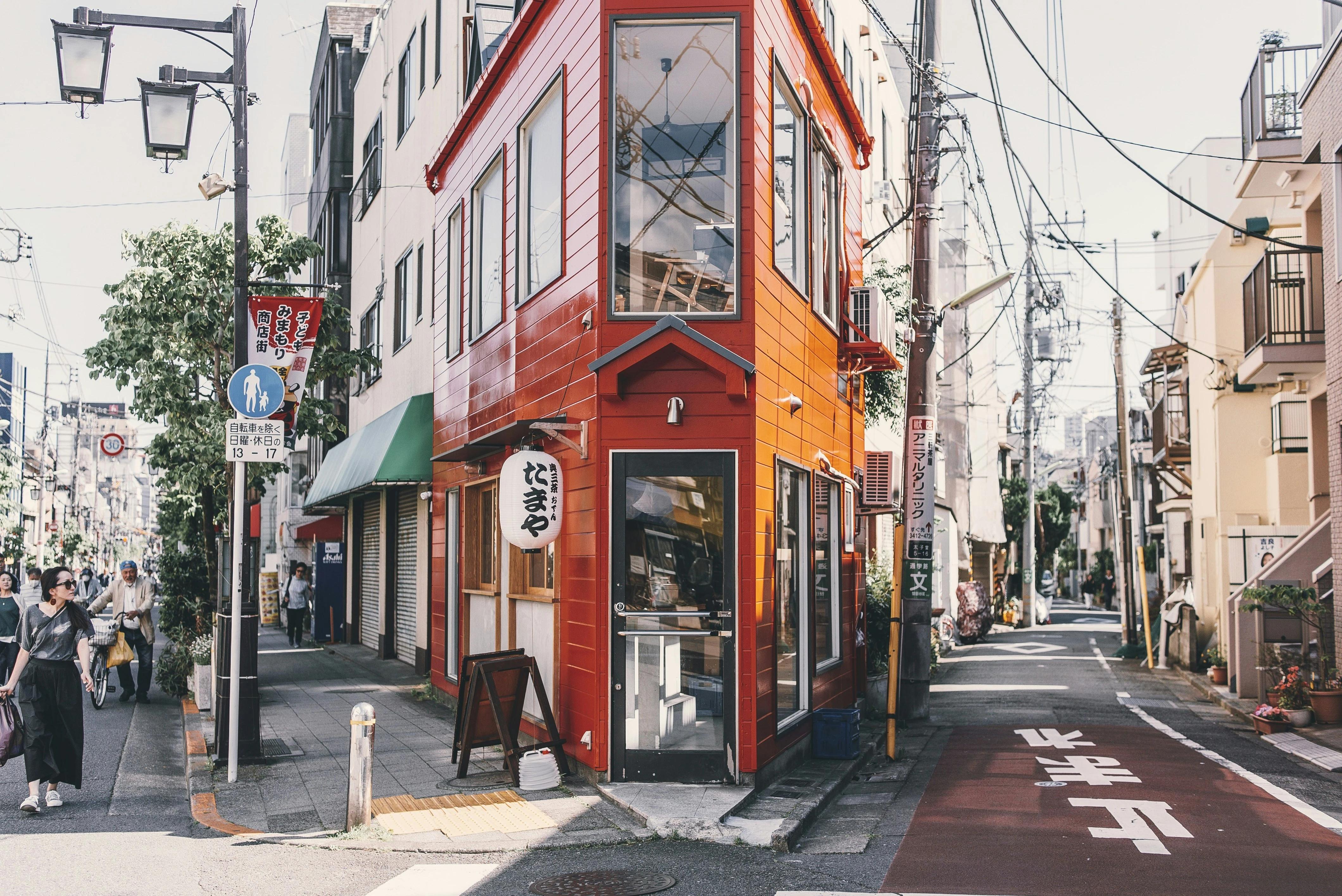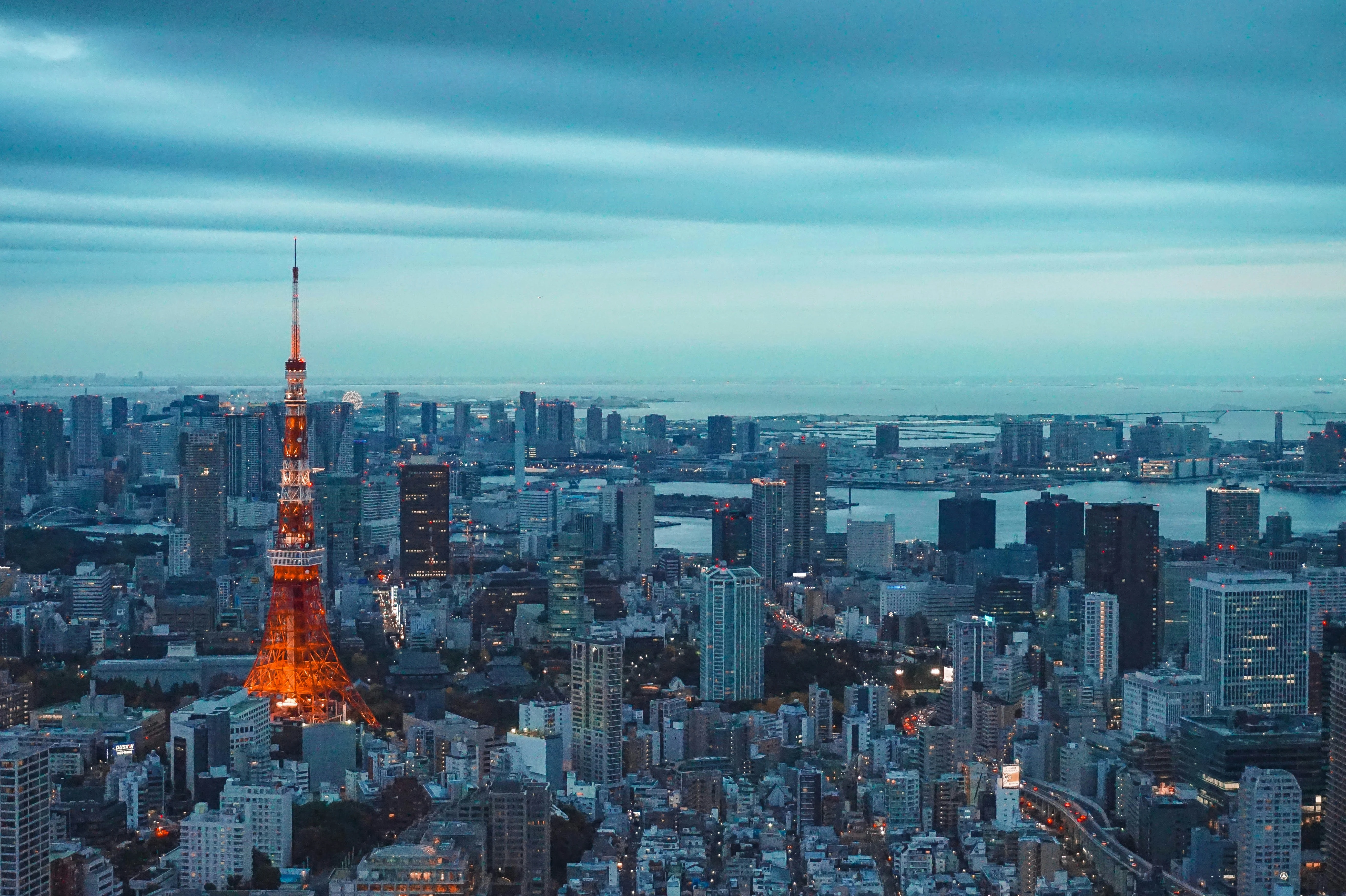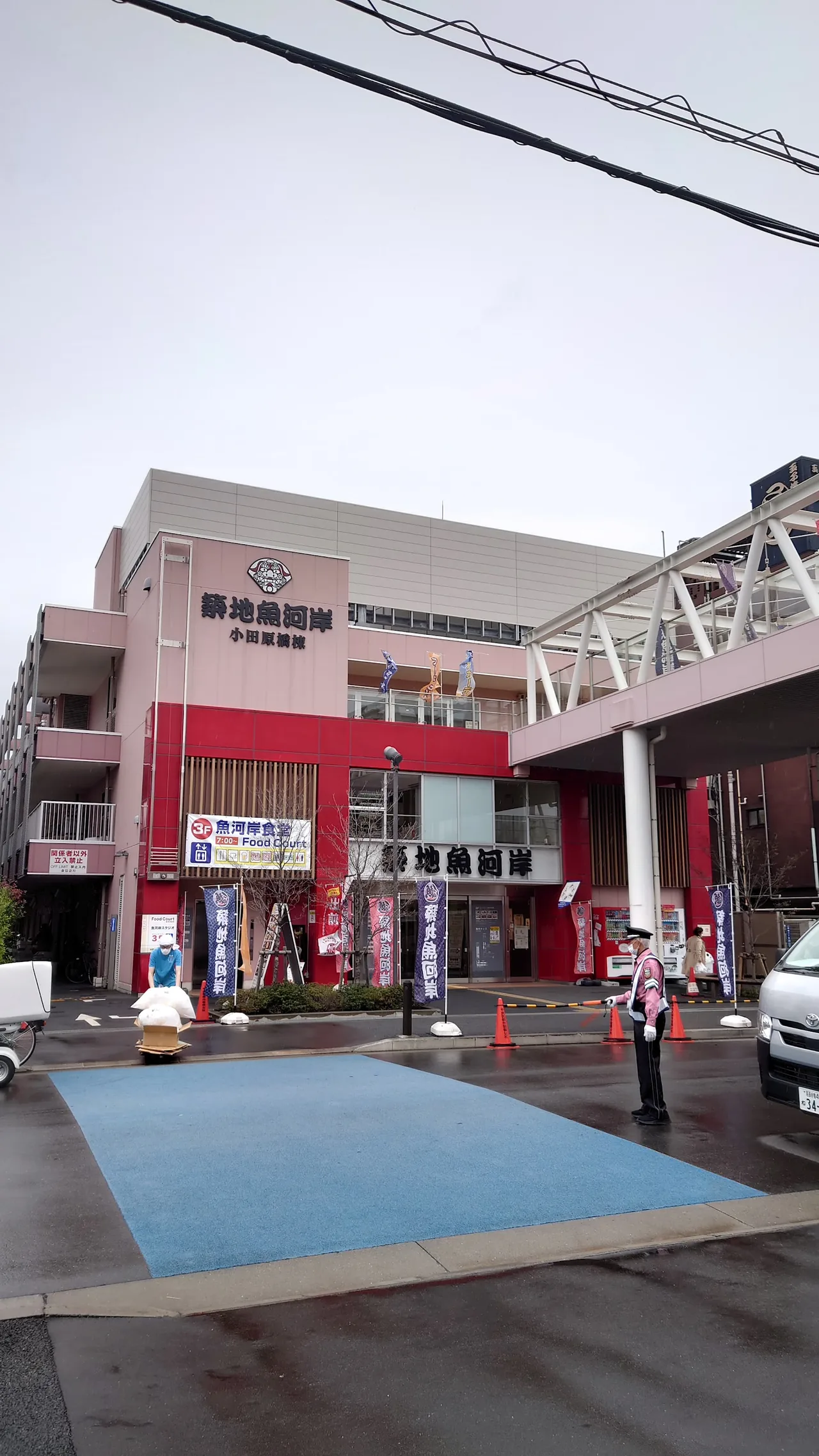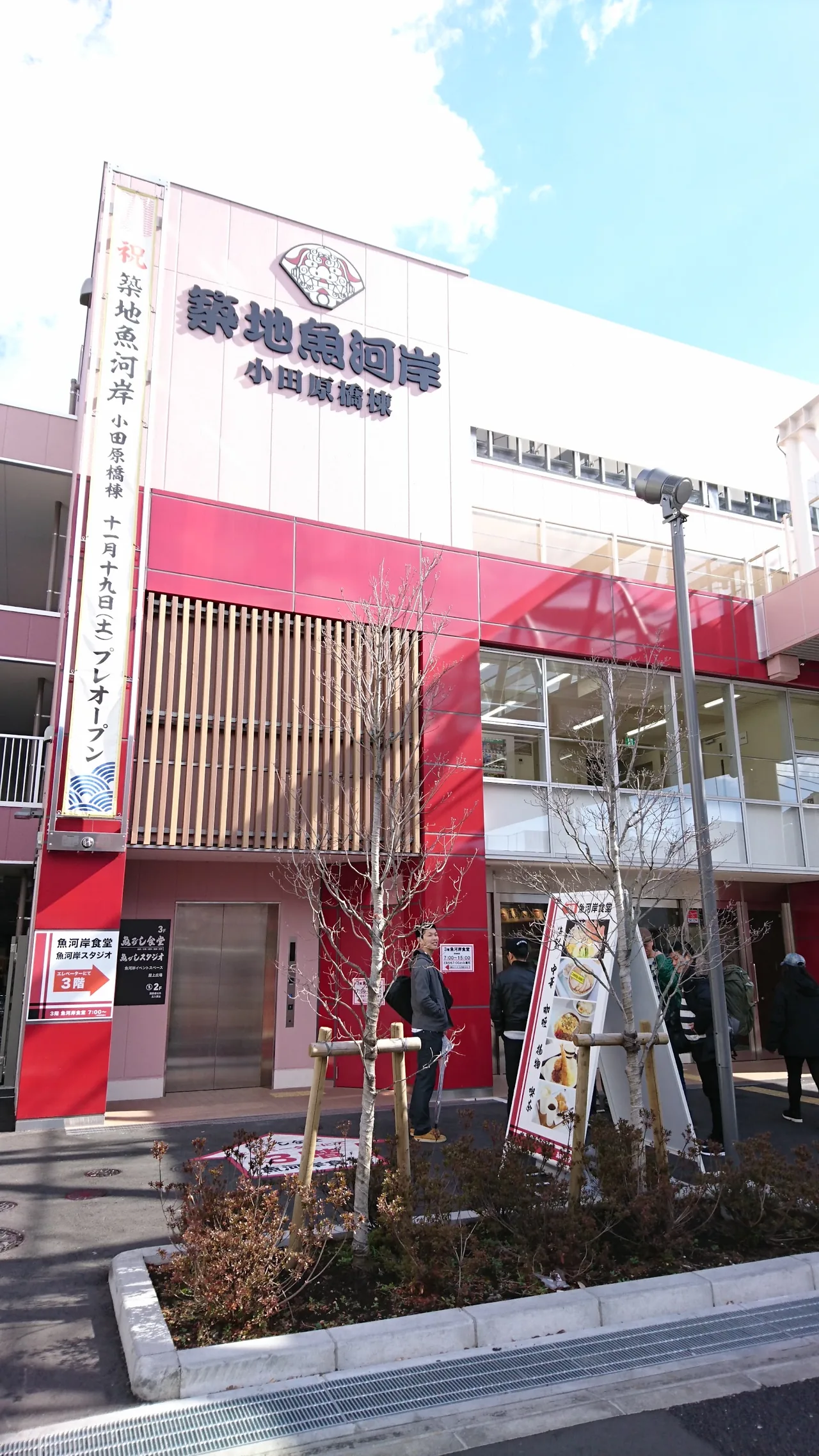

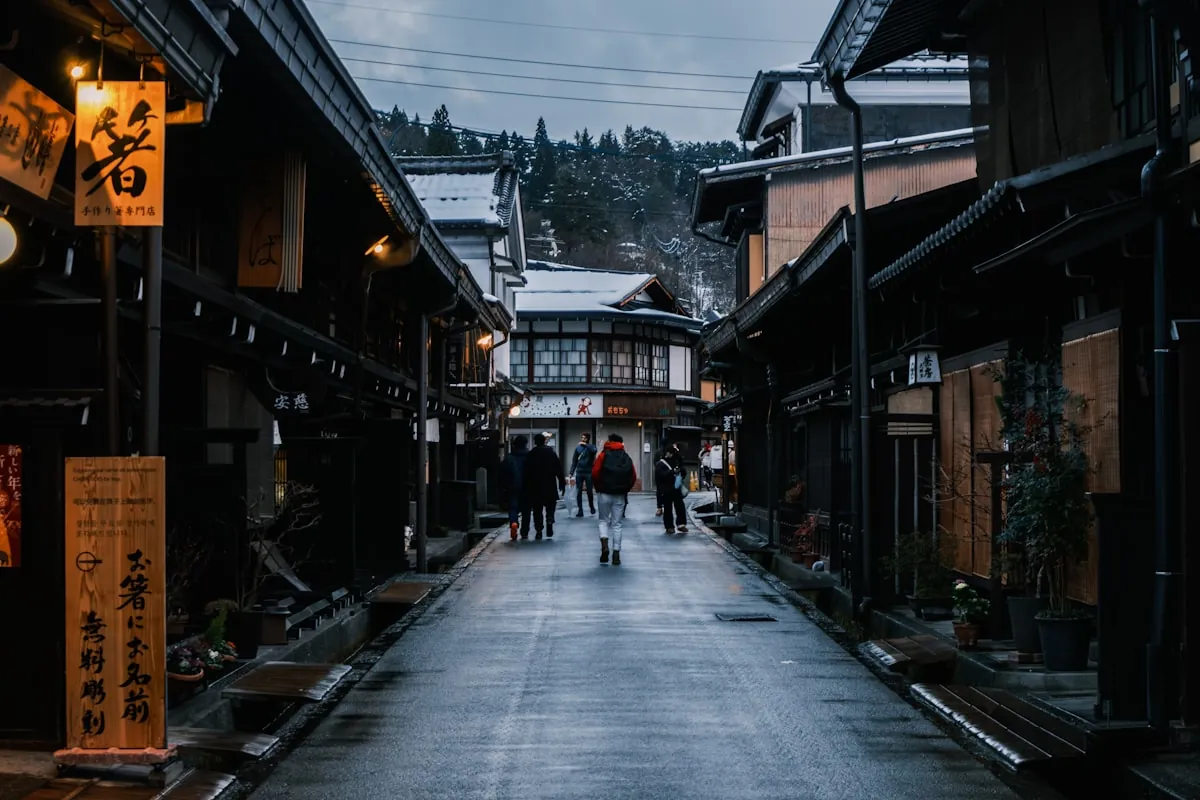

Monja Street is the 400m strip in Tsukishima’s working-island neighborhood where 70 monjayaki restaurants pack one block: the birthplace and capital of Tokyo’s loose-batter teppan dish. Each restaurant has 4-8 tables with a built-in teppan grill; staff cooks the first batch as a demo, then you take over.
What to Expect
Pick any restaurant with empty tables (most have similar menus). Order: monjayaki batter (loose, scooped onto the grill in a circle) + 1-2 add-ons (mochi, cheese, seafood, kimchi). Staff demos the first batch, making the ‘dam wall’ that contains the batter and showing how to scrape thin pieces with the small spatulas. Then you do round 2 yourself.
Consider This Instead
For Osaka-style okonomiyaki (thicker, served as a pancake) instead of Tokyo monja, head to any okonomiyaki specialist; Sometaro in Asakusa is a Tokyo institution.
How to Get There
Getting There
From Tokyo Station
- 1Take Tokyo Metro Yurakucho Line → Tsukishima Station
- 2West Exit, Monja Street starts immediately → Monja Street
Tips
- First-timer: cheese-mochi monja. Beginner-friendly add-ons; staff demo handles the technique.
- Try Iroha (the original 1955). First Tsukishima monja restaurant; small, queue, atmosphere.
- Plan transport home before 22:30. Last train back to central Tokyo runs ~23:30; not late.
FAQ
Monja vs okonomiyaki?
Monja = Tokyo, looser batter, scraped thin off the grill. Okonomiyaki = Osaka, thick pancake. Monja is messier and more communal.
Best monja restaurant?
Iroha (the original), Bambi (cheese-corn classic), Tsuru (good English help). All ¥1,500-2,500.