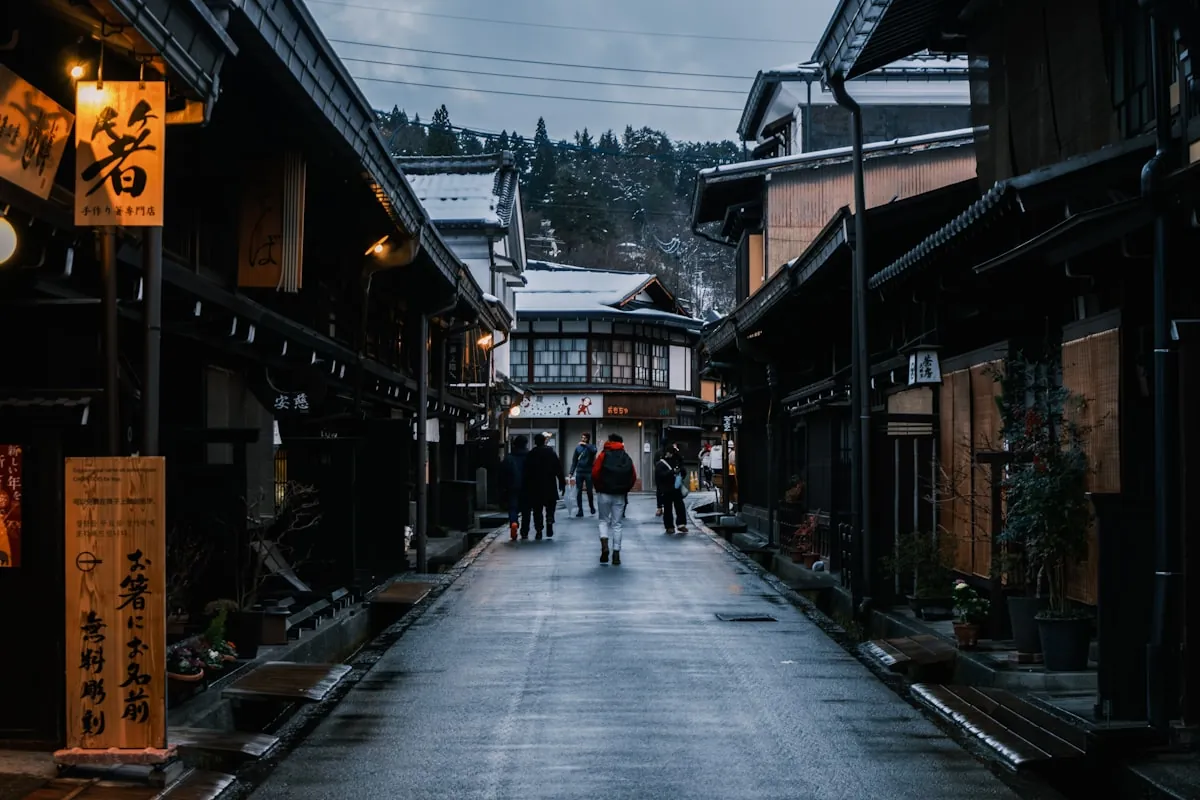
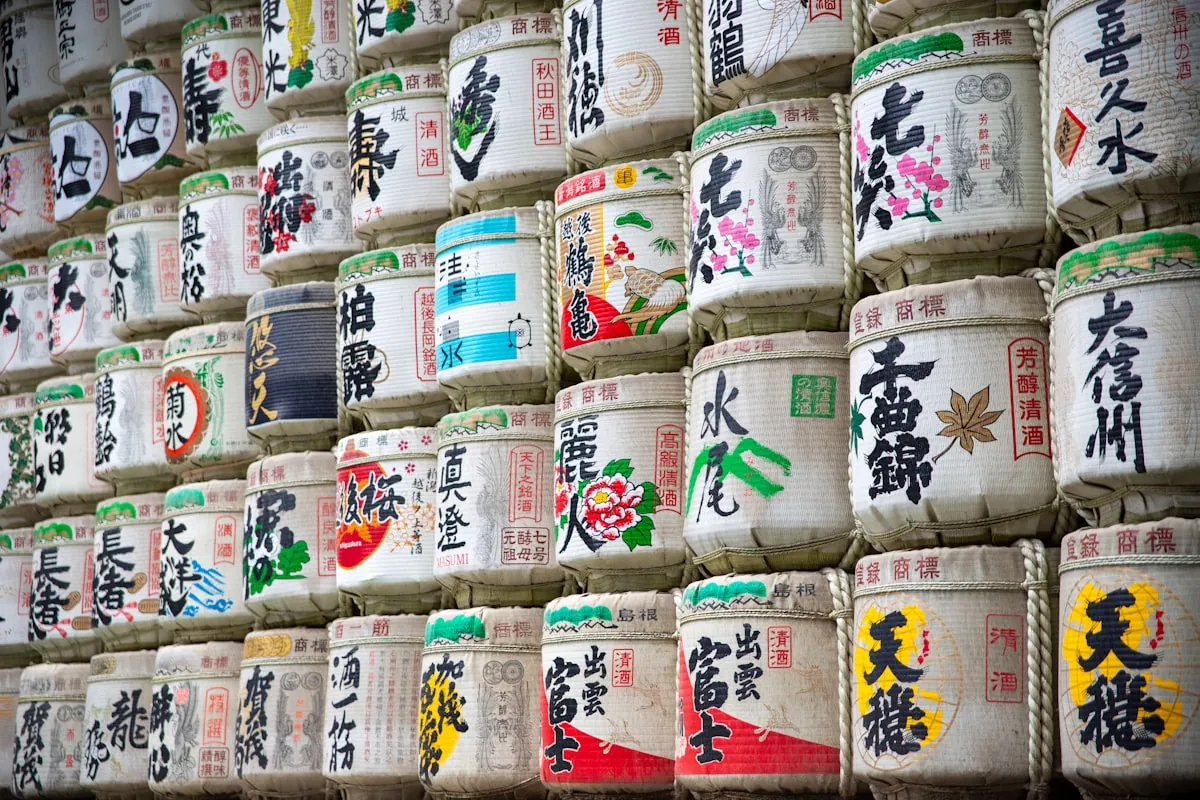

Arima Onsen is Japan's oldest documented hot spring resort, recorded as far back as 720 AD, and its most accessible: about an hour from Osaka, 25 minutes from central Kobe by bus.
What sets it apart is two chemically opposite waters in one small town: a reddish-brown iron spring and a clear, fizzy radium spring. Each has its own public bathhouse, at ¥800 or less.
What to Expect
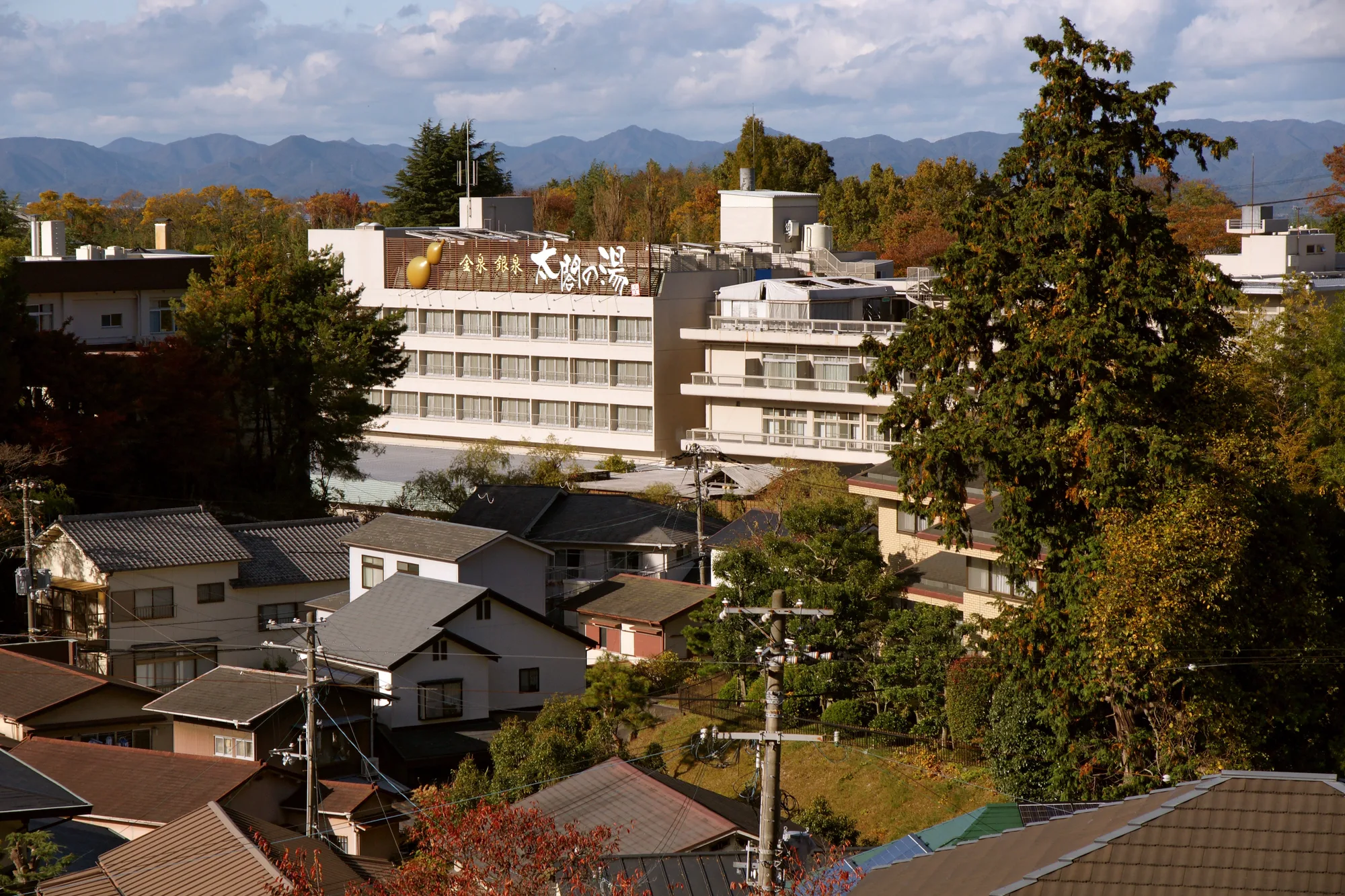
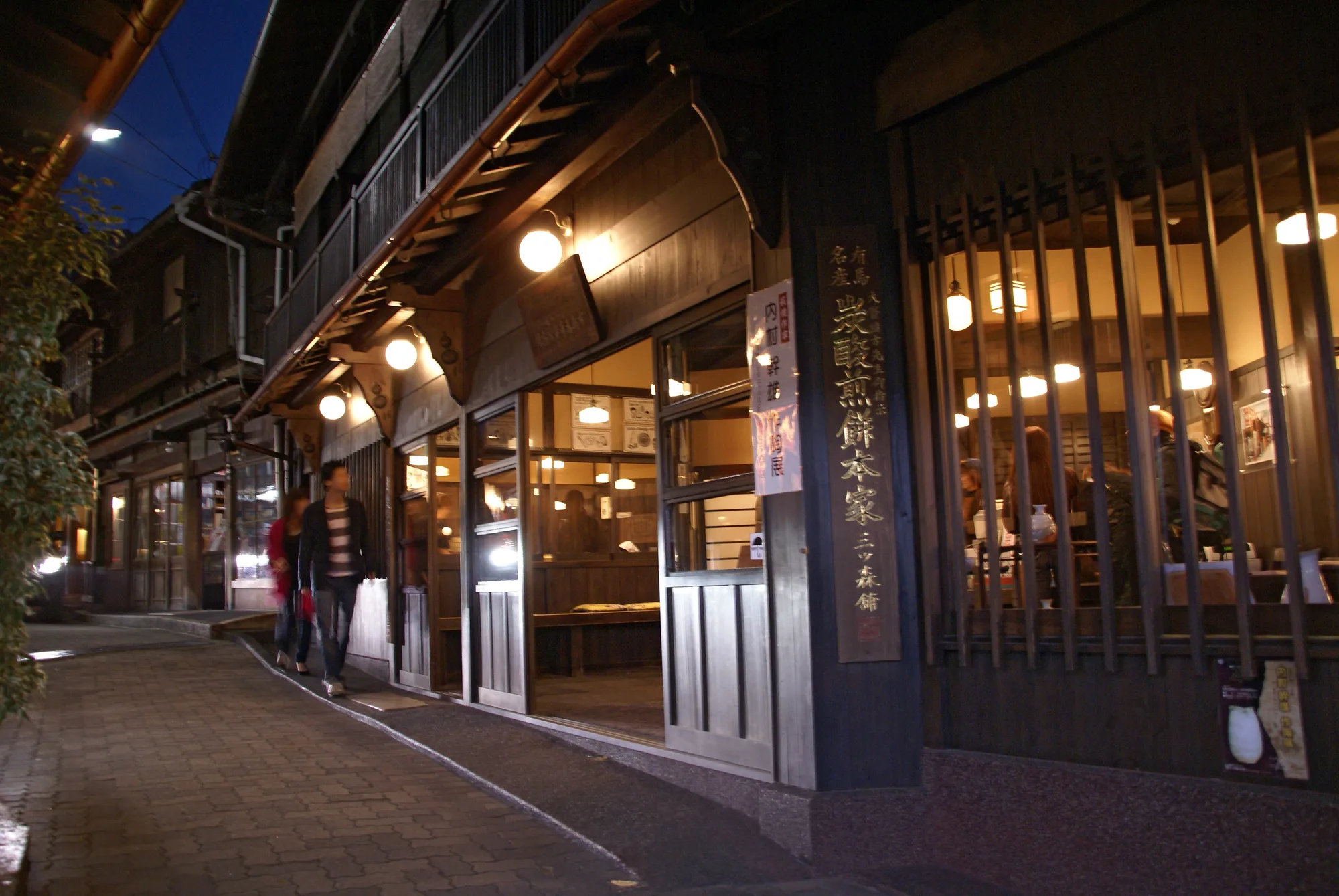
Arima is a hillside village built along its main street, Taiko-dori, and the narrow old lane of Yumotozaka, lined with shops, cafes and ryokan. The compact centre can be explored entirely on foot. The rhythm of a visit is slower: bathe, dry off, then bathe again in the other spring.
Most Japanese onsen towns have one type of water. Arima has two, from different sources, and the village has been built around both for more than 1,300 years.
Kinsen: the gold spring
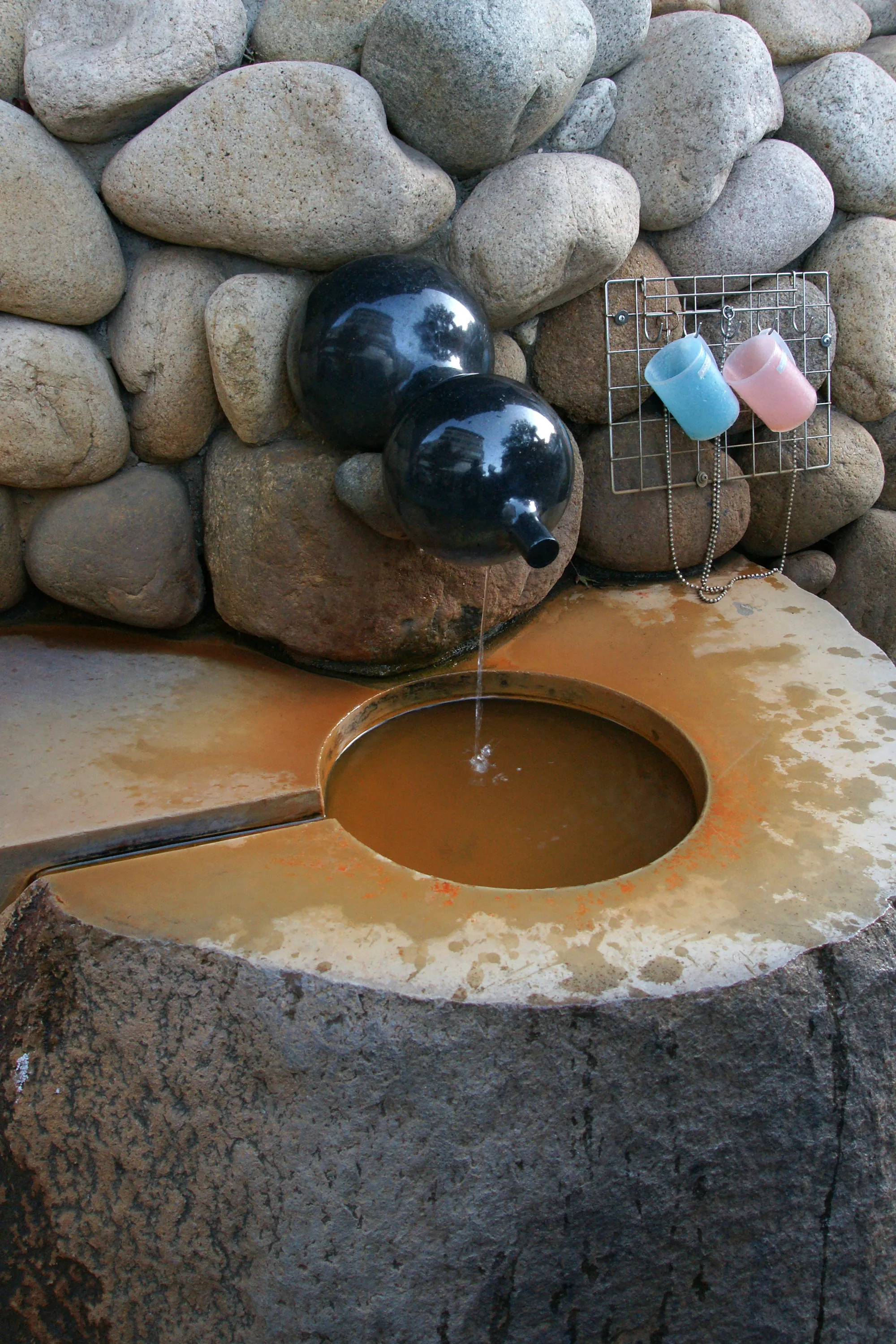
- The water: rich in iron, sodium chloride and calcium. It turns reddish-brown as it oxidises in air, and its mineralisation is among the highest of any public hot spring in Japan.
- The feel: a faint iron scent on the skin afterwards, and a warmth that lasts even in cool air.
Kinsen public bath (also called Kin no Yu) is the larger of the two public bathhouses, with an indoor bath and a standing-foot bath outside.
Public bathhouse
Bring cash and your own towel; towels are on sale at the bathhouse. The water stains light fabrics permanently, so wear something you are prepared to lose.
Ginsen: the silver spring
- The water: colourless, lightly carbonic and containing radium. It does not stain.
- The feel: gentler than Kinsen, with a mild fizz and a warmth that builds slowly.
Ginsen public bath (Gin no Yu) is the smaller bathhouse, slightly up the hill from Kinsen.
Public bathhouse
Order: Ginsen first, Kinsen last. Kinsen leaves a reddish residue on the skin that fades within a few hours, and it is the stronger bath to end on.
Both bathhouses together cost around ¥1,200. Ryokan baths are quieter and more private, but the water is identical.
Ryokan and day-use onsen
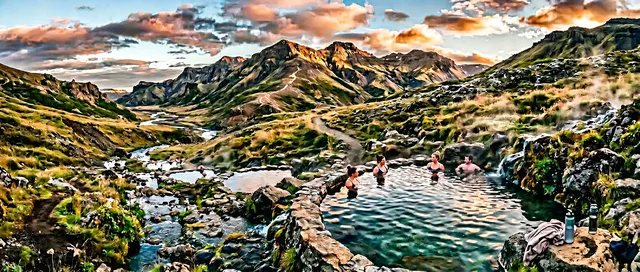
For an outdoor bath or a longer soak, the most accessible option is Taiko no Yu, a large spa with indoor and outdoor baths in both Kinsen and Ginsen water.
Day-use spa with outdoor baths
- Price: ¥2,750 on weekdays, ¥2,970 on weekends and public holidays.
- Why go: the outdoor baths are among the more memorable soaks in Kansai.
- When: at opening; weekend crowds build from 11:00.
Book a ryokan day-use package [AFFILIATE:gyg:arima-onsen-day-tour] for the best value combination.
Staying overnight: a kaiseki ryokan costs many times the day trip, and rates vary widely by ryokan and season. What you pay for is the town after dark, when the day-trippers leave and Taiko-dori goes quiet. [AFFILIATE:booking:arima-onsen-ryokan]
Beyond the baths
Arima has just enough beyond the baths to fill a half-day:
- Souvenirs on Taiko-dori and Yumotozaka: Arima senbei (charcoal-grilled rice crackers) and tansan manju (buns leavened with the town's carbonated water). Both are best warm.
- Arima Toy Museum: mechanical automata and wooden toys, mostly European, a short walk from the bathhouses. Genuinely interesting.
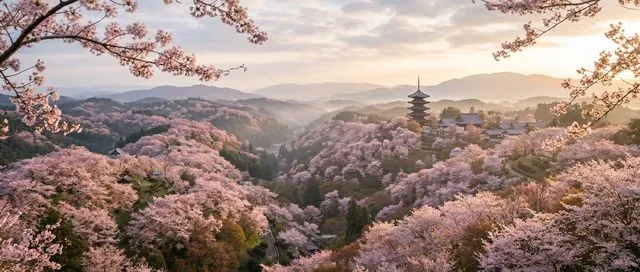
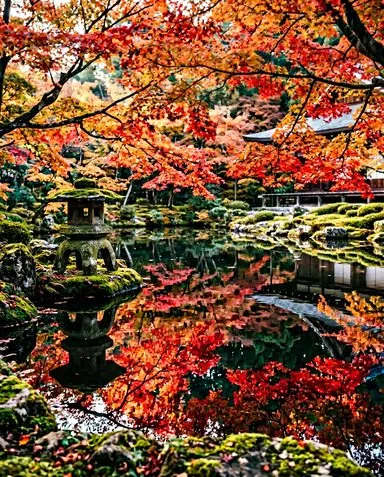
- Zuihouji Park: on the northern edge of town. Worth it in cherry blossom season (late March to early April) or for autumn foliage (mid-November), otherwise skip it.
- Meals: soba, matcha cafes and manju stalls along the main street, no booking needed. For a full kaiseki dinner, book it with a ryokan stay.
How to Get There
Getting There
- 1Take the Hankyu highway bus from Umeda (direct, no transfer required) → Arima Onsen
- 1Take the Hankyu Kobe line to Kobe Sannomiya → Kobe Sannomiya
- 2Take the subway to Tanigami → Tanigami
- 3Take the Shintetsu line via Arima-guchi → Arima Onsen Station
- 1Take the Shinki bus (direct, no transfer required) → Arima Onsen
- 1Take the direct highway bus (a few per day) → Arima Onsen
- From Kobe: the Shinki bus from Sannomiya is the simplest option, with no transfers.
- From Osaka: the Hankyu highway bus is the only option without changes. The train needs three.
- From Kyoto: the direct highway bus takes about 70 minutes. By train allow 1 hour 40 minutes (¥1,830) with three changes.
- Return: trains from Arima Onsen Station run until late evening.
- By car: parking is limited and fills before noon on weekends and holidays.
Fares are approximate; confirm them with the operators (Hankyu, Shintetsu, Shinki bus) before travelling.
Tips
On a weekend, the 10:00–15:00 bus-tour window is the busiest stretch. Weekday afternoons are always quieter.
10:00
Crowd levelBusy
Domestic tour buses from Osaka begin arriving from 10:00.11:00
Crowd levelPeak
Crowds build from 11:00 onwards; baths and main street fill.15:00
Crowd levelModerate
10:00–15:00 bus-tour window ends; crowds begin clearing.17:00
Crowd levelQuiet
Arrive after 17:00 for a quieter visit.
- Weekday afternoons: weekend tour buses from Osaka fill the baths and the main street from 10:00 to 15:00. A Tuesday or Wednesday afternoon is a different place.
- Payment: bring cash, and ask at the entrance whether cards or IC cards are accepted.
- What to bring: a small towel (sold on site), a waterproof bag, and dark clothing in case of Kinsen drips.
- Autumn: November foliage in the Rokko mountains brings more visitors. Arrive before 11:00 or after 17:00.
- Time needed: both baths, the old streets and the toy museum take three to four hours. Taiko no Yu adds extra time if you want a longer soak.
- Day trip or overnight: the two public baths cost ¥1,200 together; a ryokan night costs many times that. Unless the ryokan itself is the goal, the day trip gives you 80% of Arima.
Osaka is about an hour back and Kyoto under two hours, so a morning in Arima leaves the afternoon free elsewhere in Kansai. For onsen etiquette, see the onsen guide; for Kobe connections, see the Kobe guide.
Nearby
Arima makes an easy half-day from Kobe and pairs well with either Kobe or a Himeji day trip.
FAQ
How do I get from Osaka to Arima Onsen?
Take the Hankyu Kobe line from Osaka-Umeda to Kobe Sannomiya, the subway to Tanigami, then the Shintetsu line to Arima Onsen. Allow about 70 minutes and ¥1,050 in total, with three changes. The Hankyu highway bus from Umeda takes about 1 hour for ¥1,400, with no changes.
What is the difference between Kinsen and Ginsen in Arima Onsen?
Kinsen is the iron and salt spring: reddish-brown and strongly mineral. Ginsen is the radium and carbonic spring: colourless, lightly fizzy and milder. Their bathhouses are about three minutes' walk apart, and most visitors use both.
Can you do Arima Onsen as a day trip from Osaka?
Yes, and most visitors do. It is about an hour each way, and the baths, the main street and the toy museum fill three to four hours. Stay overnight only for the ryokan dinner and the quiet evening town.
Are tattoos allowed at Arima Onsen's public baths?
Kinsen and Ginsen generally follow traditional onsen policies, and Taiko no Yu has its own; confirm with each before you go. Private ryokan baths that you book exclusively avoid the issue.
What is the best time to visit Arima Onsen?
Weekday afternoons, any time of year. Weekends are busy with tour buses from 10:00 to 15:00, and November and late March to early April are beautiful but crowded. Winter is quiet, and the baths are at their best.