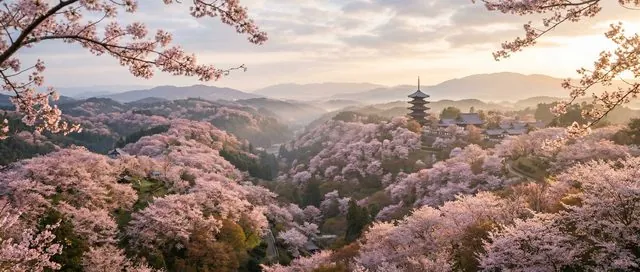
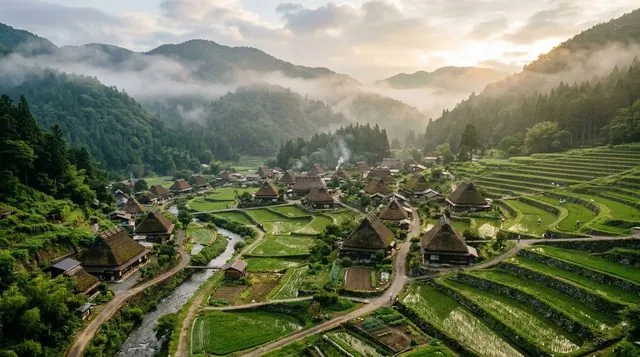
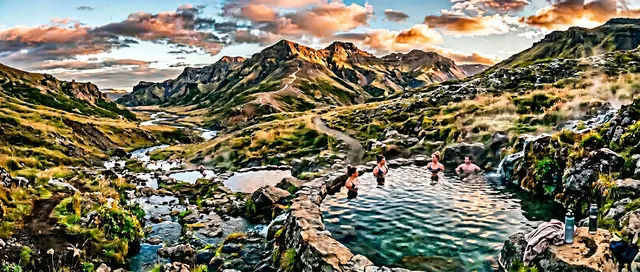
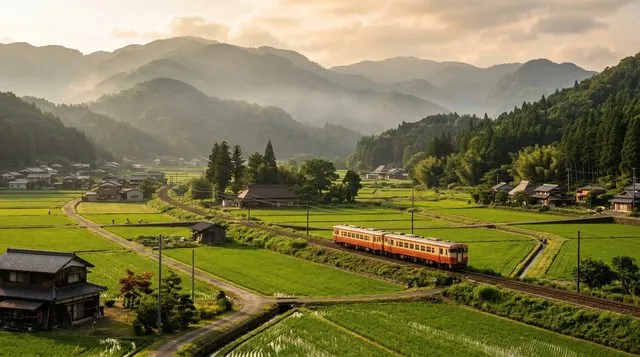
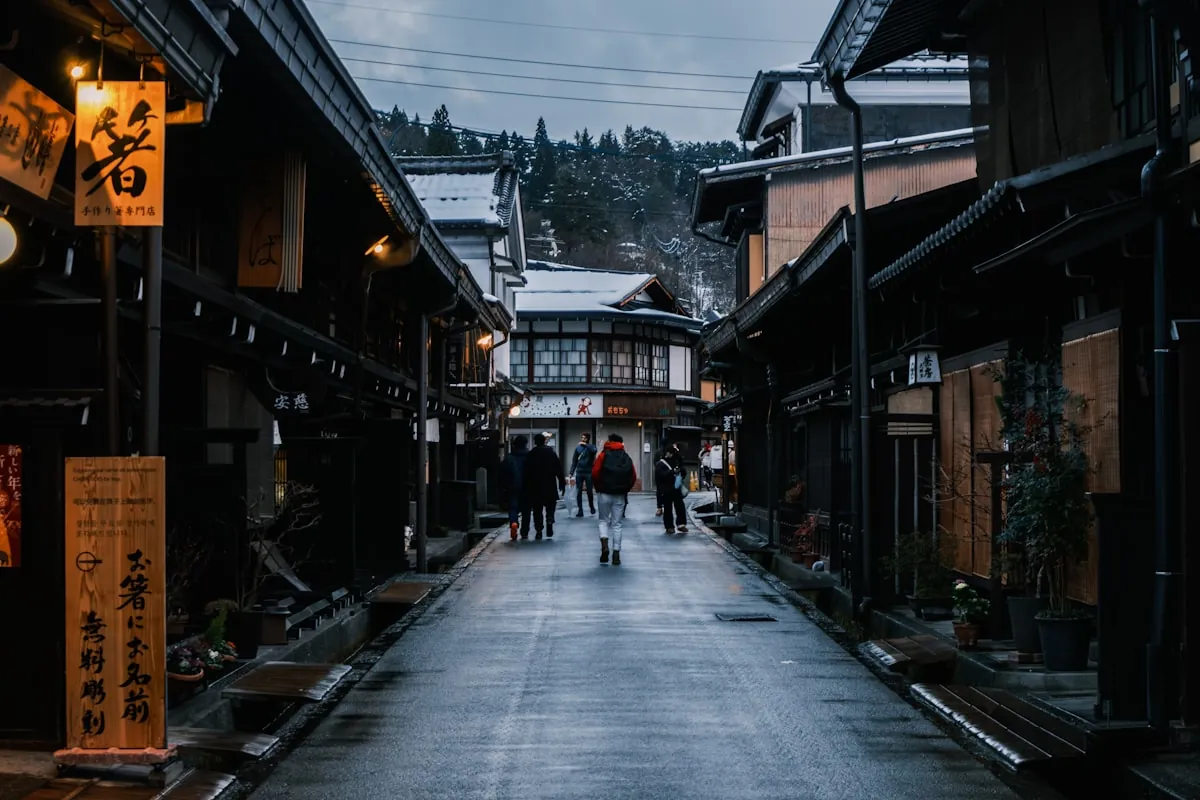
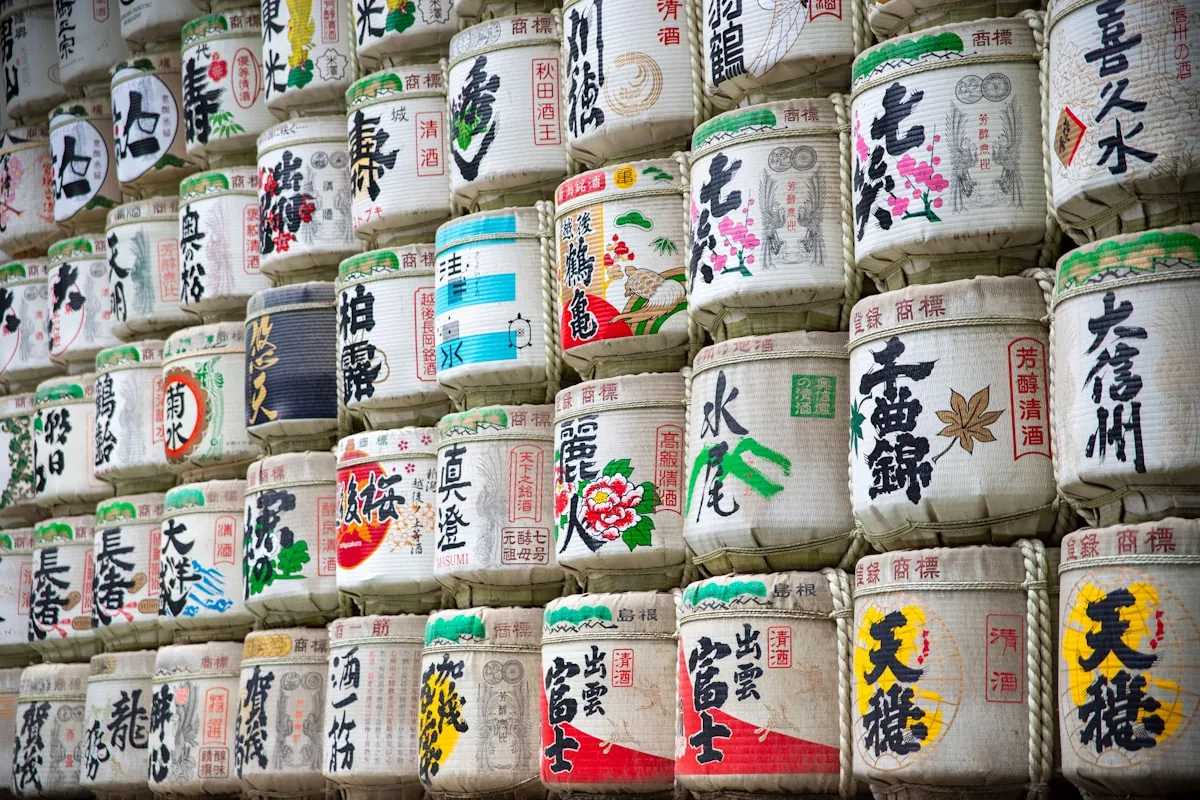
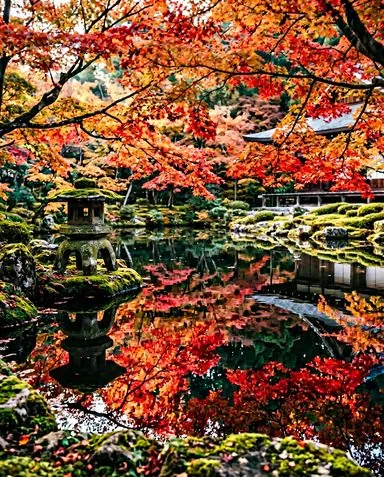
Kobe is where Japan shows its cosmopolitan side: a port city with international flair that made beef world-famous and elevated sake to an art form. Tucked between the Rokko mountains and Osaka Bay, it embraces Western influences without losing its Japanese character. Here you can walk from polished shopping streets to centuries-old sake breweries, from harbour cruises to mountain trails, all within a single day.
When to Visit
Kobe's bergachtige ligging zorgt voor aangename temperaturen, maar timing bepaalt je ervaring.What to Do in Kobe
Kobe balanceert tussen internationale flair en Japanse tradities, van wereldberoemde beef tot eeuwenoude sake.Icons worth the crowds
Hidden gems
More Kobe highlights
Skip the Crowds
- Early morning in Nada: The sake breweries open at 9:00, but from 7:30 the streets are perfect for a quiet walk past the traditional wooden buildings.
- Weekdays on Mount Rokko: Weekends draw Osaka day-trippers; midweek you have the hiking trails and viewpoints almost to yourself.
- Arima Onsen through the back door: Take the Rokko Cable Car up and walk the mountain trails down to Arima. Most visitors arrive directly by train.
- Harborland after 19:00: Packed with families by day, it turns into a relaxed spot for harbour walks in the evening, without the Meriken Park crowds.
- Suma Beach instead of Akashi: Locals head to Suma for swimming and beach walks; far less known to tourists than the famous Akashi Kaikyo Bridge area.
- Sannomiya backstreets: The parallel streets behind Center Gai have better restaurants and bars than the main drag, without the crowds.
Kobe Neighborhoods
Kobe is best navigated as a set of neighborhoods, each with its own pace. These are the areas where the spot guides above cluster.
Food & Drink
Kobe's culinary scene goes beyond its world-famous beef, from sake tastings to harbourside izakaya.
Where to eat in Kobe: beef, bakeries & Chinatown25 verified picks across the city→Where to Stay
Kobe's accommodation balances harbour views against mountain access; pick your base by what you want on your doorstep.
Booking links are affiliate links. They cost nothing extra and support the site.
Day Trips
Perfect escapes from Kobe's urban energy, all within easy reach by train.
Events in Kobe
Matsuri can double a neighborhood's crowds overnight. Plan toward them or around them; these are the dates that shape the year.
How to Get There
FAQ
Is Kobe beef worth the high price?
Authentic Kobe beef (with certificate) is a unique experience. The marbling and tenderness are genuinely different from regular wagyu. Budget ¥15,000-25,000 for a proper tasting at certified restaurants like Kawamura.
How long should I spend in Kobe?
Two days covers the essentials: one day for Nada sake district and Mount Rokko, another for harbor area and Kobe beef. Add a third day if you want Arima Onsen or Himeji as day trips.
Can I visit Kobe as a day trip from Osaka?
Yes. It's only 30 minutes by train from Osaka Station to Sannomiya. Focus on either the harbor area (Meriken Park, Kobe beef) or Nada sake district for a day trip, not both.
Do I need to book Kobe beef restaurants in advance?
Top restaurants like Kawamura require reservations weeks ahead. Mid-range teppanyaki places accept walk-ins, but expect waits during dinner hours. Lunch is easier to secure.
What's the difference between Shin-Kobe and Sannomiya stations?
Shin-Kobe is the Shinkansen stop but isolated in the mountains. Sannomiya is the city center with hotels, restaurants, and shopping. Take local trains between them (3 minutes by subway).
Is Mount Rokko accessible in winter?
Yes, but cable cars run shorter hours (until 17:30). The summit can be snowy and windy. Arima Onsen hot springs make winter visits worthwhile: perfect après-hike relaxation.