

The best souvenirs from Japan are rarely sold near the departure gate. This list of twelve categories favours things Japan makes better than anywhere else and that survive a suitcase, each with a shop to visit. Money rules come first: they change on 1 November 2026.
Tax-free still needs ¥5,000 pre-tax, one store, one day. Until 31 October 2026 it works at the till: tax-excluded price, consumables capped at ¥500,000 and sealed until you leave Japan. From 1 November 2026 you pay full price, then claim the 10 percent back at departure once customs confirms the goods are leaving; see cash versus card in Japan. Duty-free alcohol: 1 litre of spirits, or 2 under 22 percent, plus 4 litres of wine and 16 of beer into the EU; 4 litres of spirits into Great Britain; 1 litre into the US for travellers 21 and over. Liquids over 100 ml go in the hold, so pack with the packing list open.
1. Japanese kitchen knives
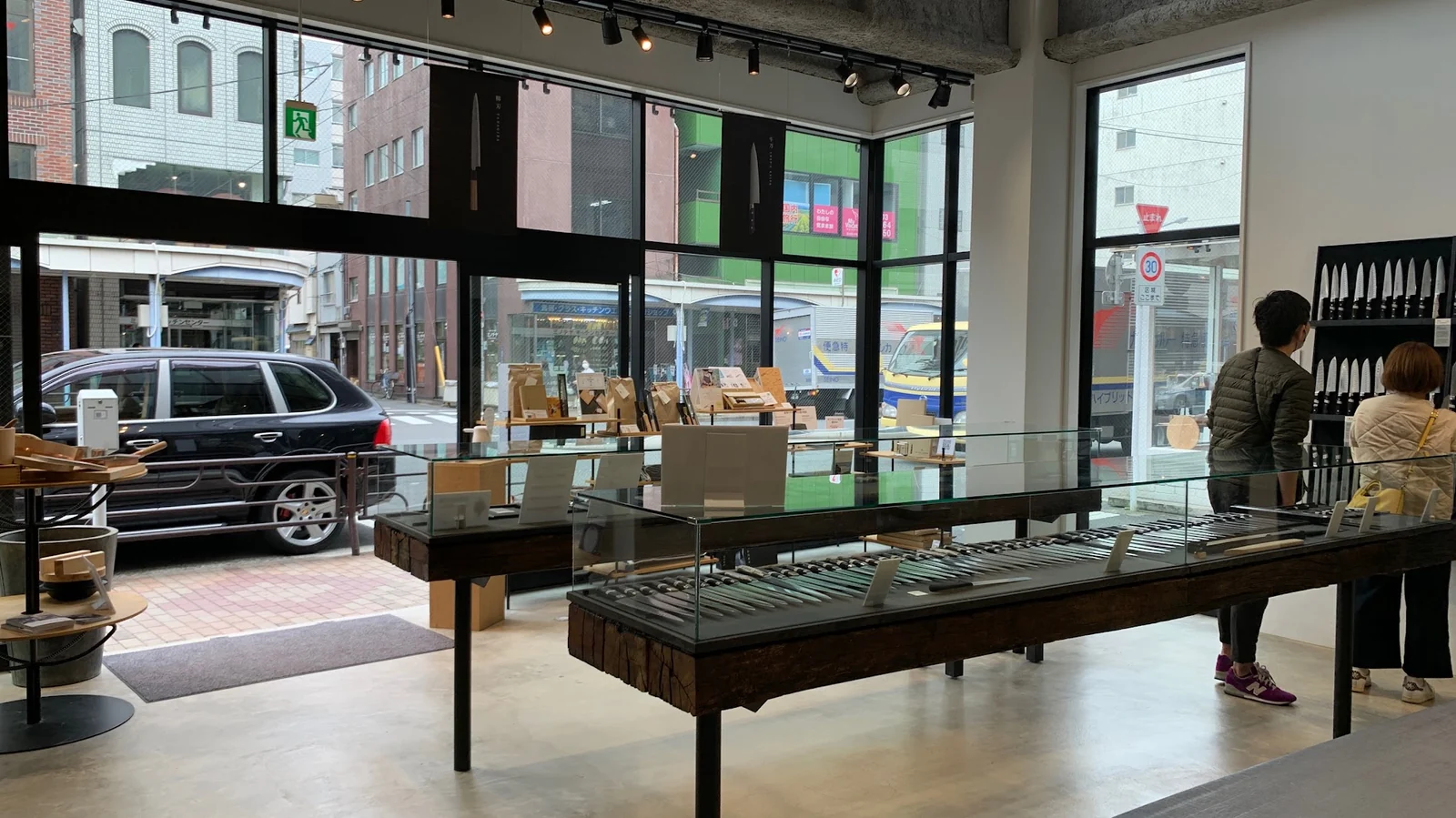
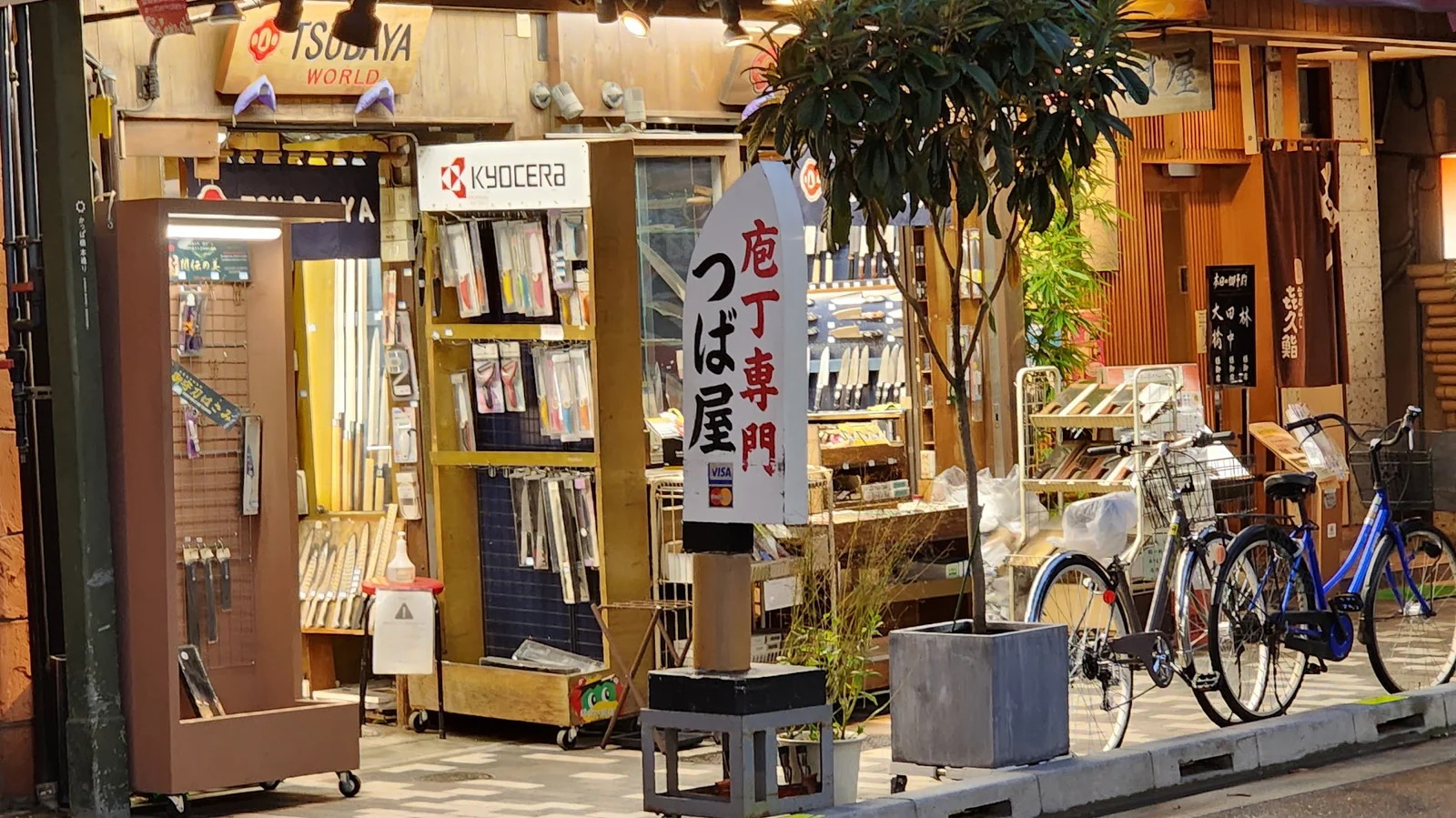
Kappabashi sits fifteen minutes north of Asakusa's Nakamise-dori and sells the real version of what that street sells at a markup. Kama-Asa Kappabashi Store and Tsubaya Knives dress the edge for your grip and engrave your name in the handle in kanji or katakana while you wait. A hand-forged blade costs a fraction of what the same maker charges in a European shop. In Kyoto, Aritsugu does the same job inside Nishiki Market.
 Google
kitchen knives
Kama-Asa Kappabashi Store
 Google
kitchen knives
Tsubaya Knives
 Google
kitchen knives
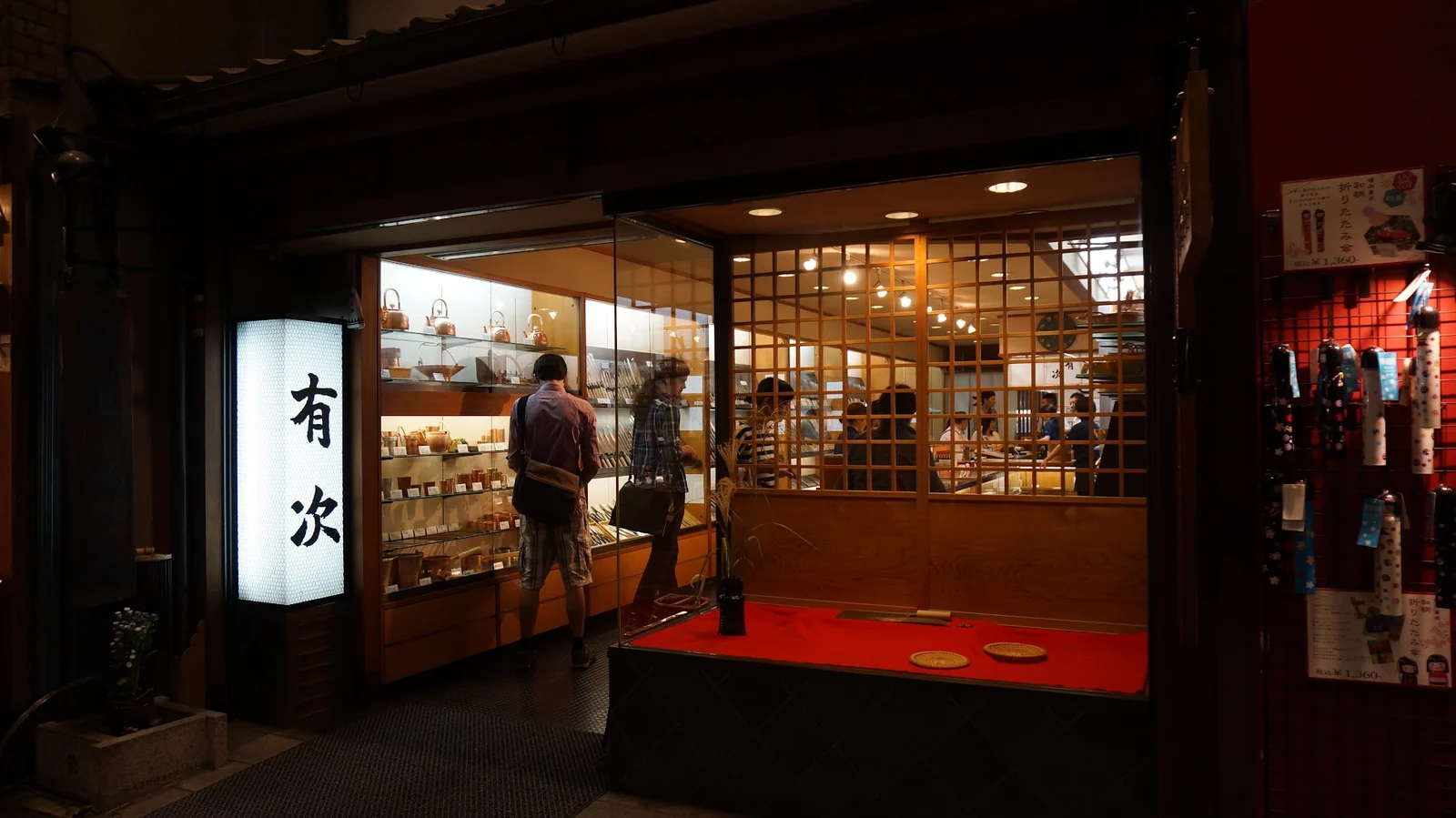
Aritsugu (Nishiki Market)
- Budget: ¥8,000–25,000 for a 180 mm santoku or 210 mm gyuto in clad stainless, ¥30,000 and up for hand-forged carbon steel, ¥1,000–3,000 for engraving.
- Where to buy: Kama-Asa or Tsubaya in Kappabashi, Tokyo; Aritsugu in Nishiki Market, Kyoto.
- Watch out for: a knife never goes in your carry-on. Checked baggage only, in its cardboard sheath, and ask the shop to pack it for flying. Carbon steel rusts if you leave it wet, so buy stainless unless you will wipe and oil it.
Go if you cook most days and will keep the edge. Skip it if the blade is destined for a display shelf.
2. Stationery
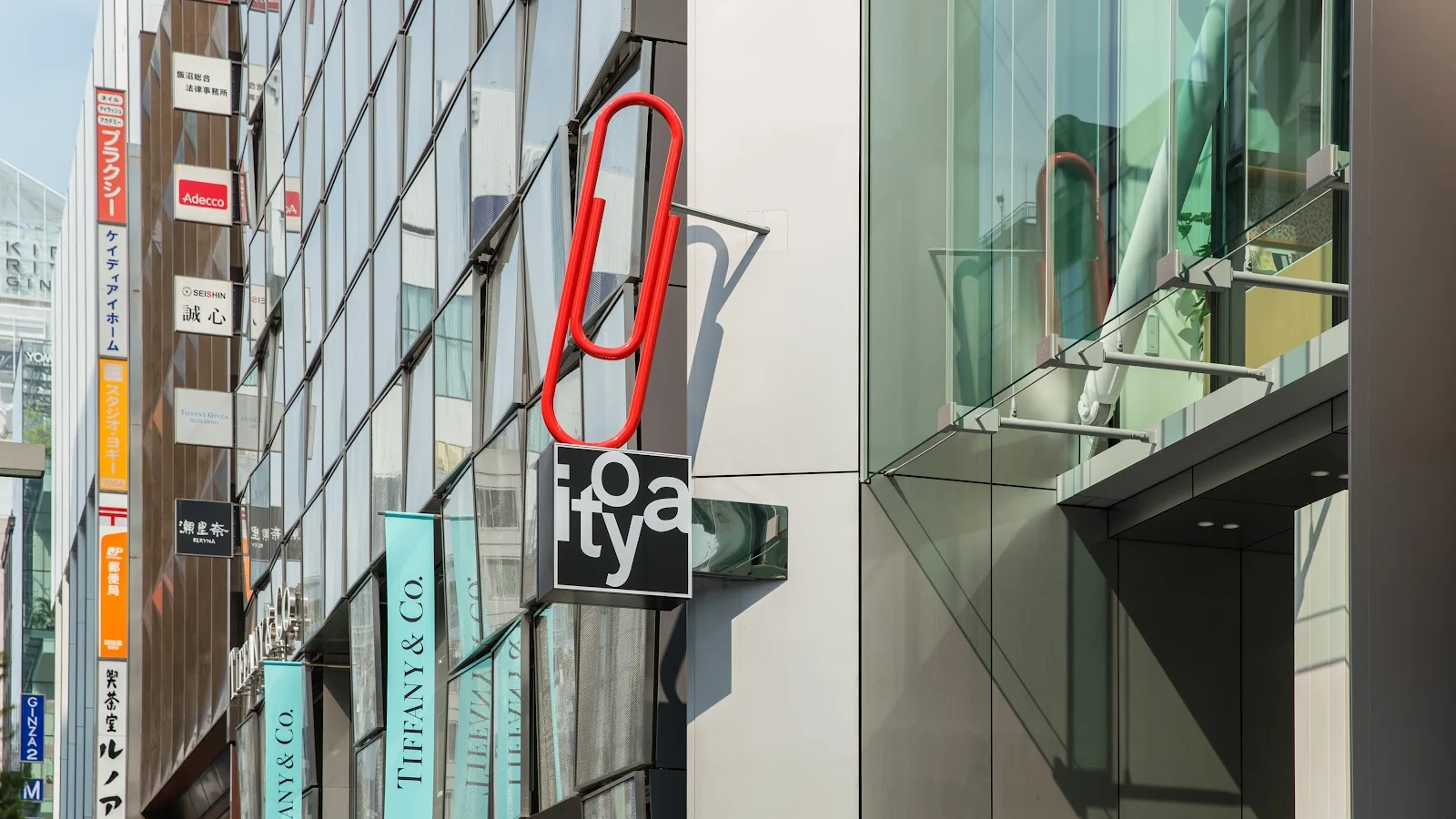
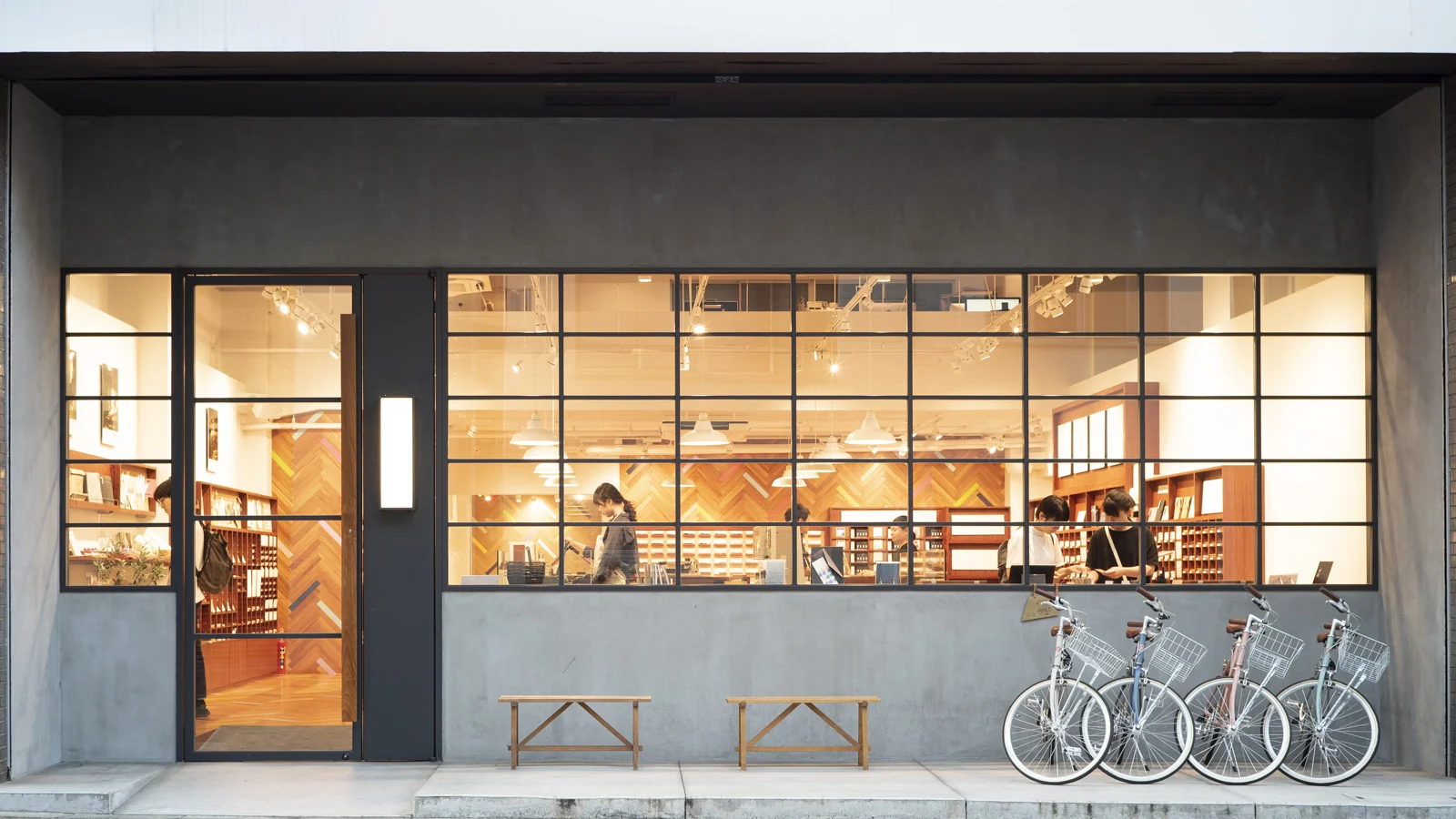
Nothing else on this list has a better value-to-weight ratio. A ¥200 gel pen in a colour that was never exported weighs nothing, needs no declaration and makes a serious gift. Ginza Itoya has been selling pens in Ginza since 1904 and now runs twelve floors where you can test almost everything before paying. Kakimori in Kuramae binds a notebook to your spec, paper, cover and rings chosen at the counter.
 Google
stationery
Ginza Itoya (G.Itoya main store)
 Google
stationery
Kakimori
- Budget: ¥150–600 a gel pen, ¥800–2,500 a notebook, ¥3,000–15,000 for a fountain pen, ¥5,000 and up for a made-to-order notebook.
- Where to buy: Ginza Itoya for range and testing; Kakimori in Kuramae for a notebook built at the counter.
- Watch out for: buy refills, not just pens, because Japanese refills are cheap here and often unobtainable at home. Hobonichi planners for the coming year go on sale on 1 September and the good covers sell out, and the English edition is a different product from the Japanese one. Fountain pen ink over 100 ml has to be checked; cartridges fly better.
Go if you write by hand or need twenty small gifts. Skip it if nothing on your desk is analogue.
3. Matcha and Japanese tea
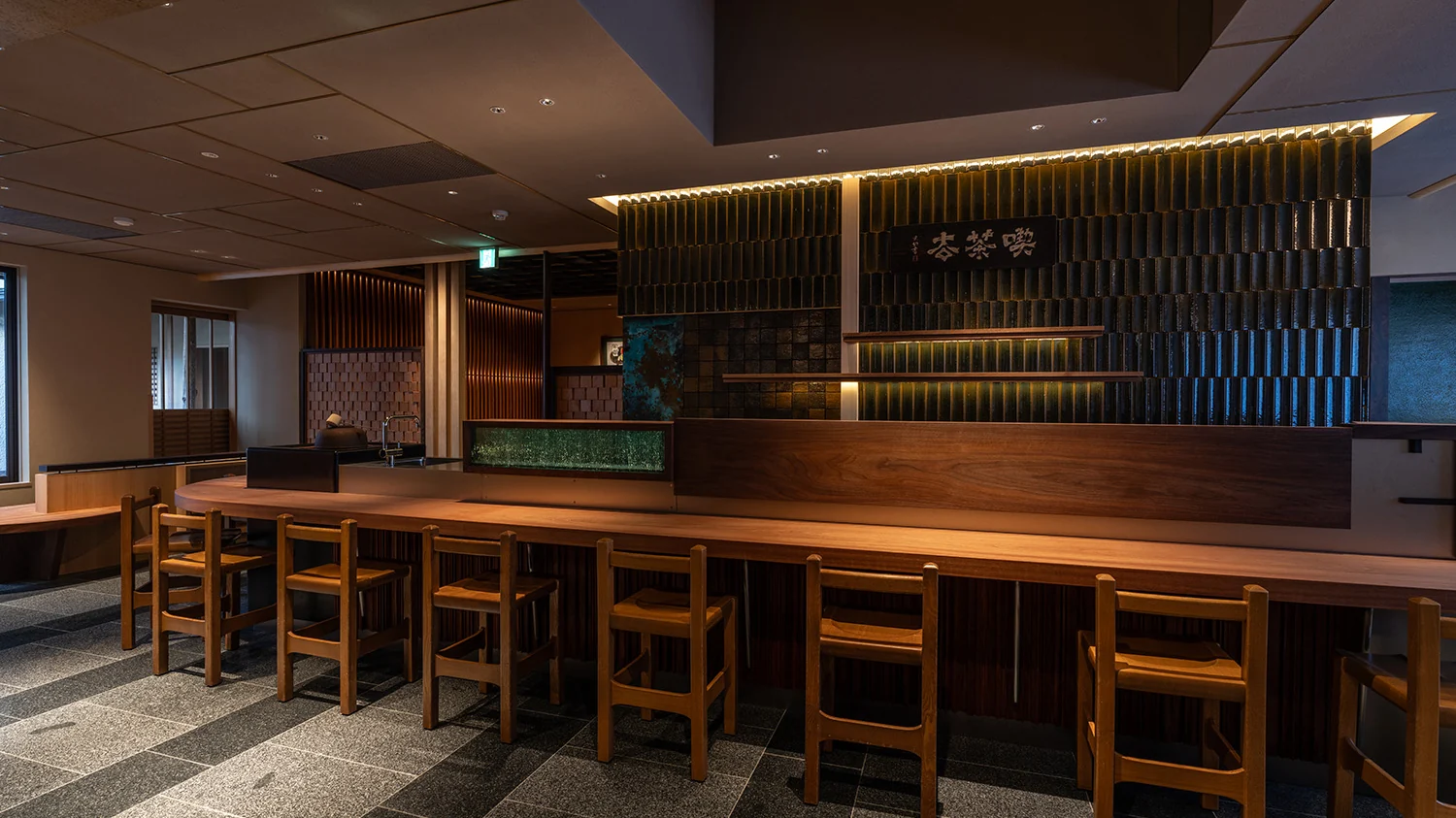
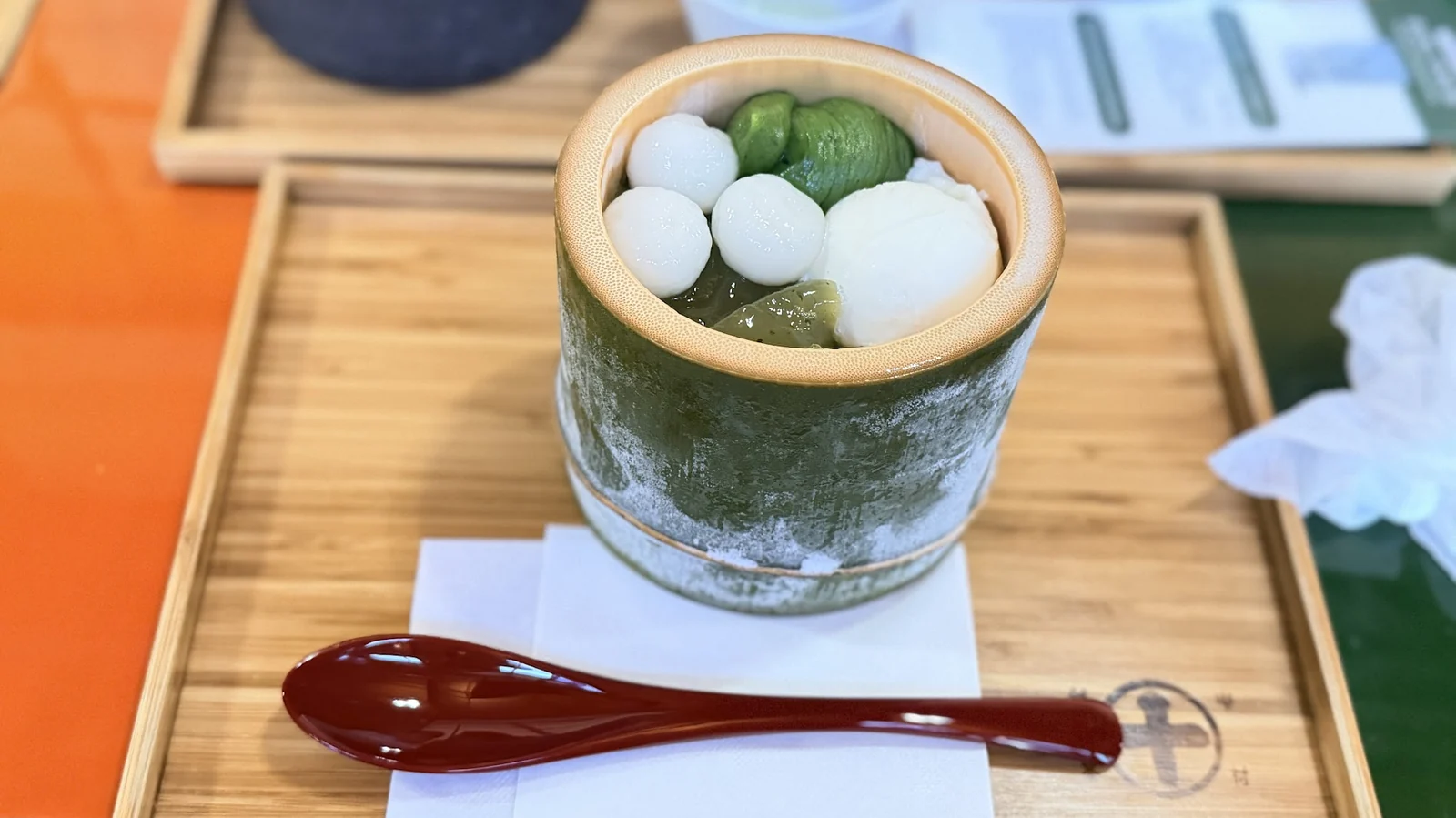
Matcha oxidises, so a tin bought in Kyoto is fresher than anything ordered abroad, and the gap on ceremonial grade is wide. Ippodo Tea has been on Teramachi since 1717 and the staff will talk you through water temperature and grams per cup in English without upselling, with the Kaboku tearoom next door for tasting first. In Uji, Nakamura Tokichi Honten sells stone-milled tea in the town the leaf comes from. Buy the bamboo whisk at the same time.
 Google
tea
Ippodo Tea Kyoto Main Store and Kaboku Tearoom
 Google
tea
Nakamura Tokichi Honten (Uji main store)
- Budget: ¥1,000–2,500 for a 20–40 g tin of good matcha, ¥800–2,000 for 100 g of sencha or gyokuro, ¥3,000–6,000 for a whisk and bowl starter set.
- Where to buy: Ippodo on Teramachi in Kyoto; Nakamura Tokichi in Uji, half an hour south.
- Watch out for: tea is a consumable, so until November 2026 it stays sealed until you leave Japan. Since 2025 several Kyoto tea houses have capped ceremonial matcha per person because of a global shortage, so do not plan on ten tins. Use an opened tin within a month or two.
Go if you drink tea properly at home. Skip it if the whisk will live in a drawer.
4. Incense
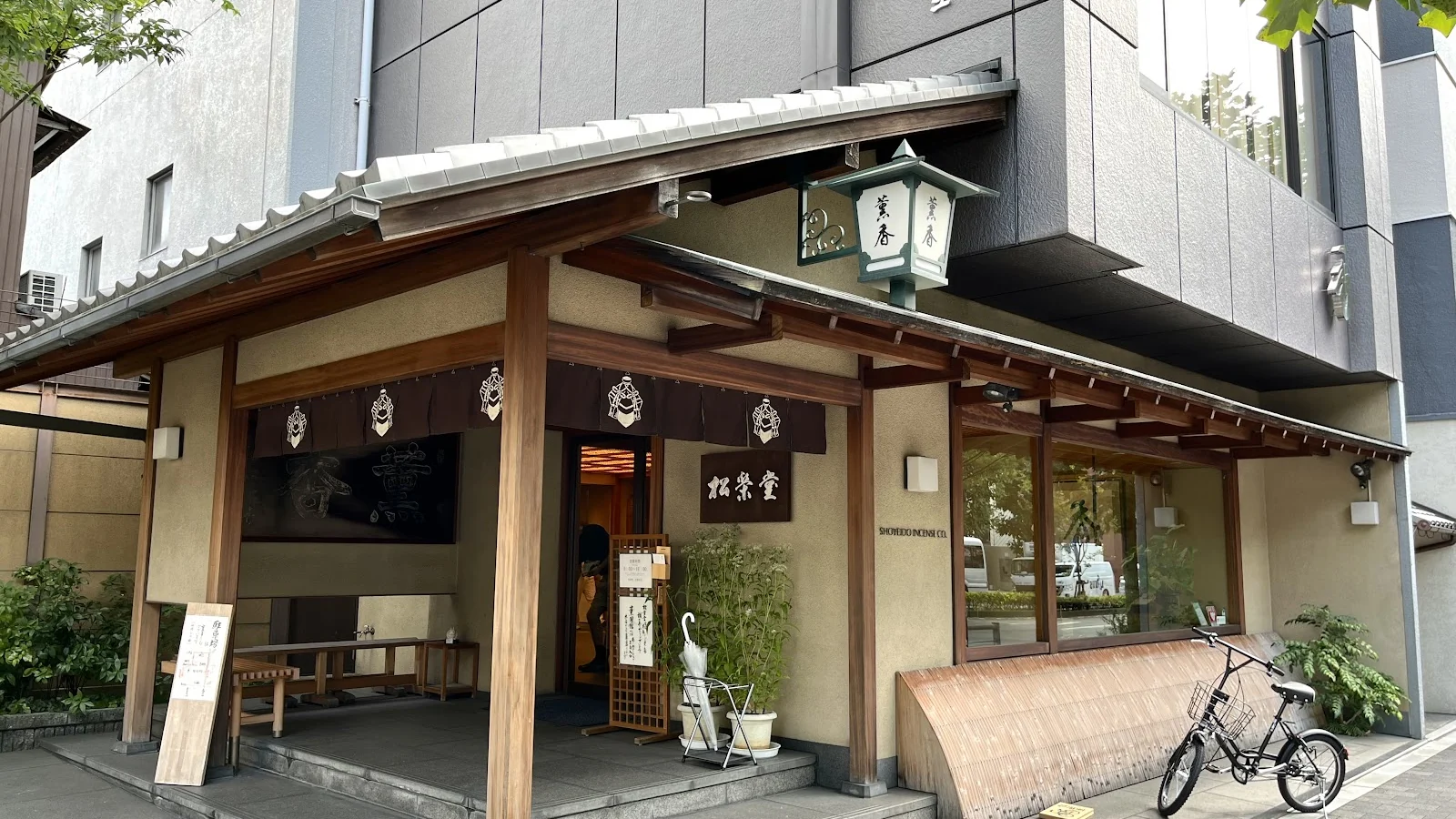
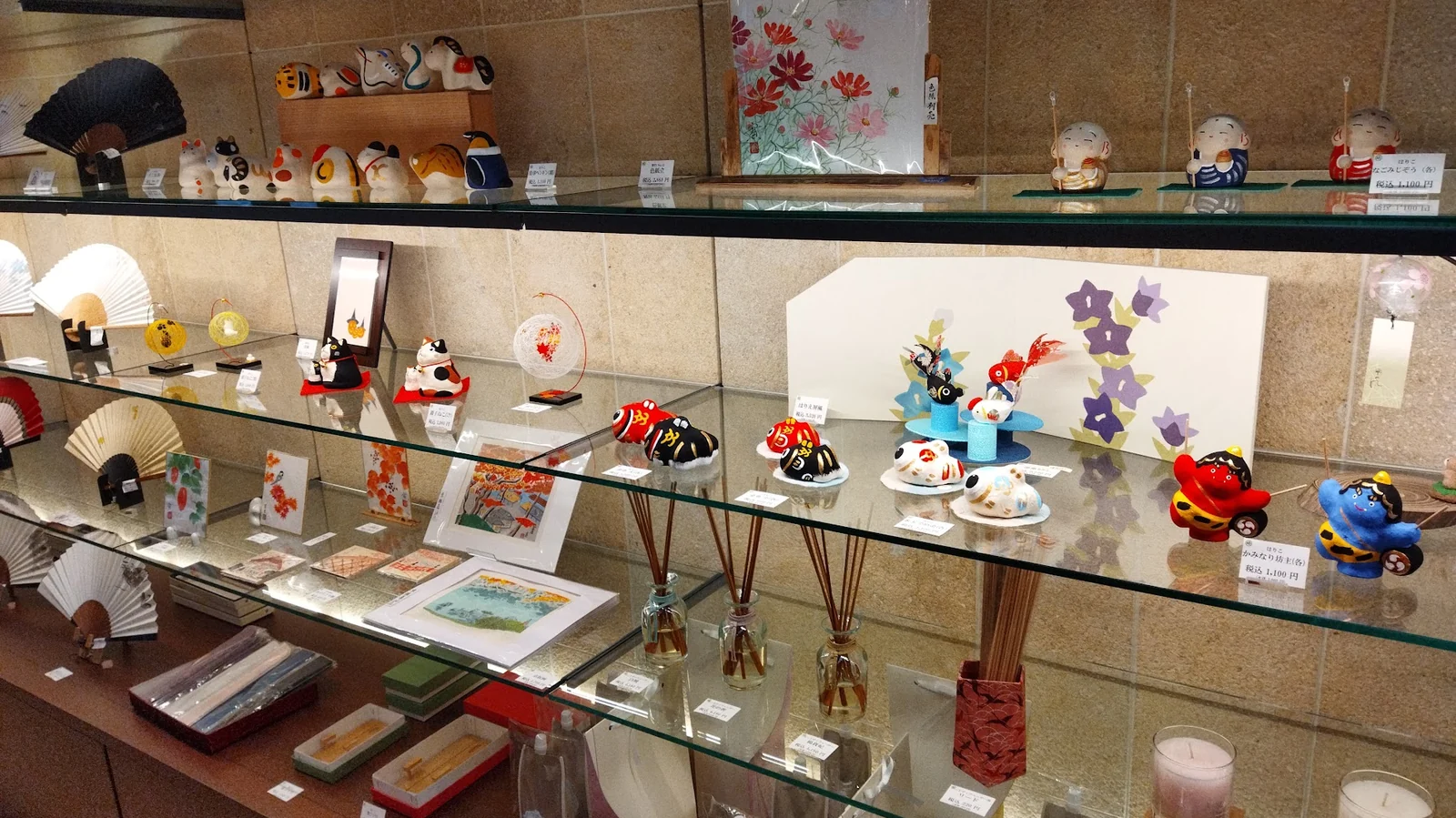
Light, flat, unbreakable, and it slides into the corner of a bag. Shoyeido has been blending in Kyoto since 1705, and the main store near Karasuma Nijo is a working showroom where you smell dozens of blends side by side instead of guessing from a box. Kyoto Kyukyodo Honten on Teramachi pairs classic sandalwood sticks with washi letter paper, which makes a complete gift for the price of a lunch.
 Google
incense
Shoyeido Kyoto Main Store
 Google
incense and paper
Kyoto Kyukyodo Honten
- Budget: ¥500–1,500 for an everyday bundle, ¥2,000–6,000 for a gift box, ¥10,000 and far beyond for aloeswood and sandalwood grades.
- Where to buy: Shoyeido at Karasuma Nijo; Kyukyodo on Teramachi, both in central Kyoto.
- Watch out for: Japanese sticks have no bamboo core, so a holder built for Indian incense will not take them. Buy a burner or ash bowl at the same time. Check the gram price before assuming the prettiest box is the best blend, because the tiers sit side by side.
Go if you want one thing that fits any bag and any recipient. Skip it if anyone at home objects to smoke.
5. Ceramics and pottery
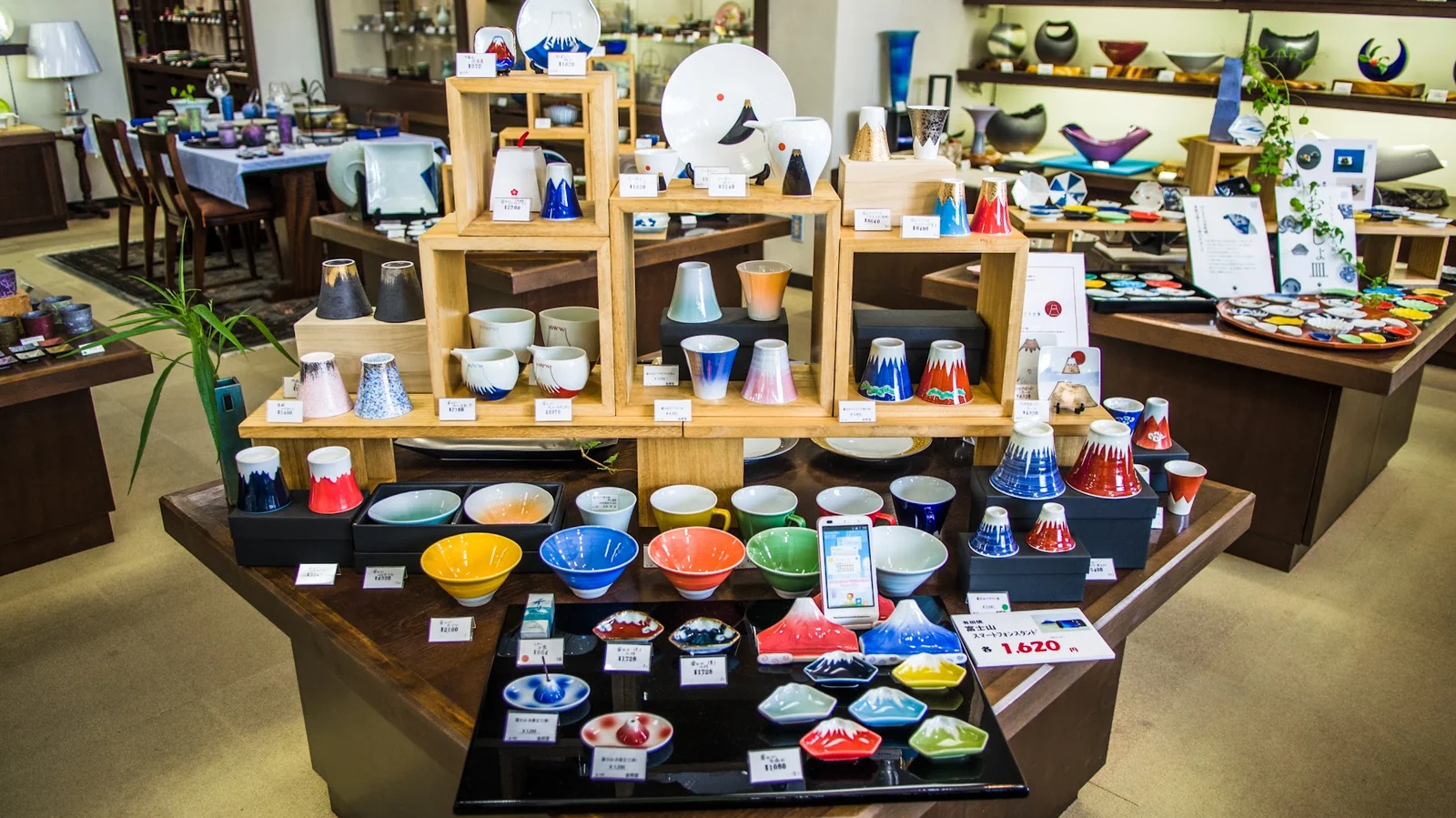
Buying pottery in the town that fires it is a different transaction entirely. Arita Sera in Saga puts 22 specialist shops on one 66,000 square metre site, seconds and outlet pricing included, and almost no visitor itinerary goes near it. If you are staying in the cities, Ginza Kuroda Toen has been the reference gallery for contemporary Japanese ceramics for decades and will explain what makes a piece worth its price. A pair of teacups travels better than plates.
 Google
ceramics
Arita Sera
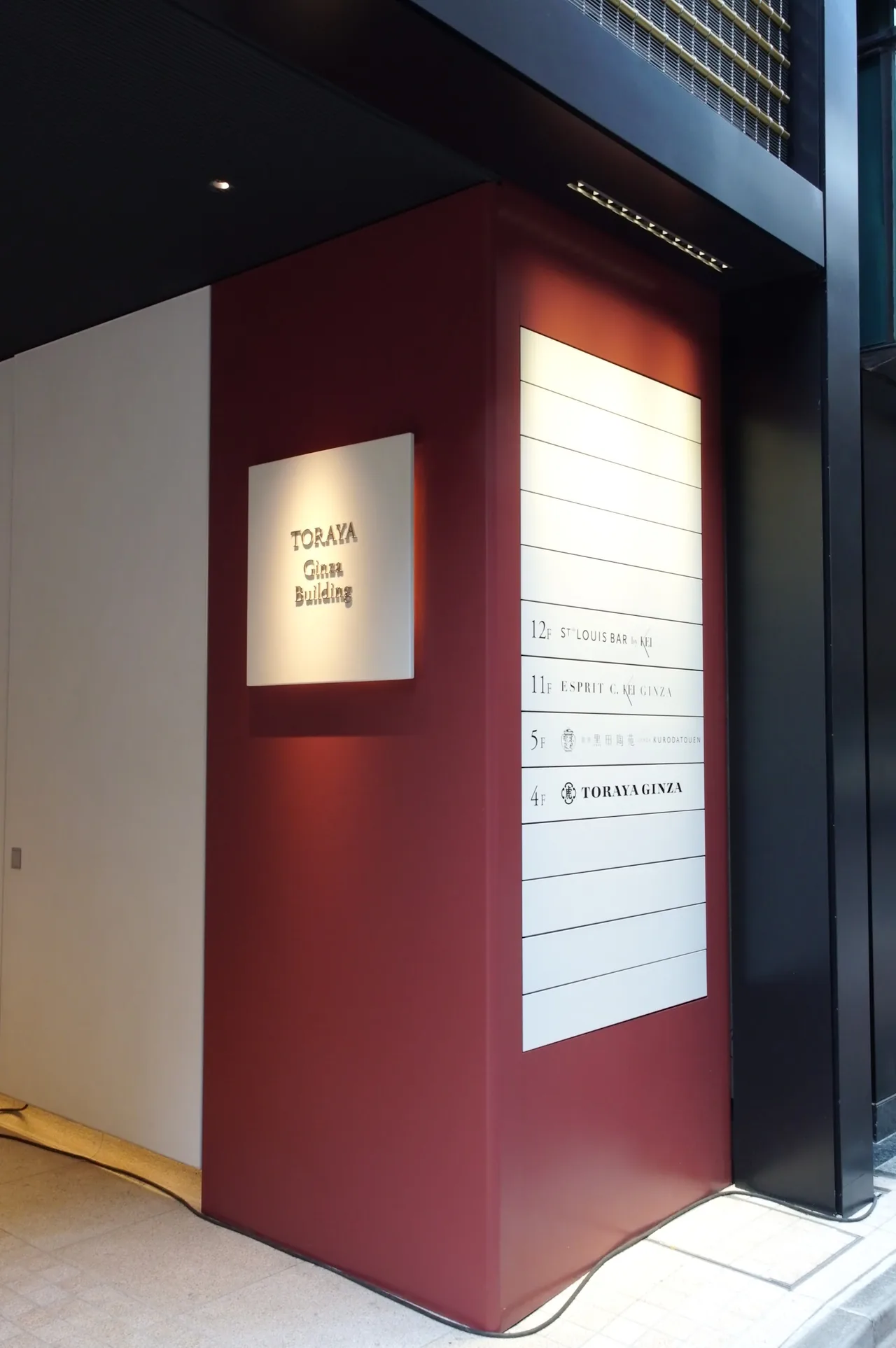 DOUDOUKYO
ceramics gallery
Ginza Kuroda Toen
- Budget: ¥500–2,000 for an everyday Mino rice bowl, ¥3,000–10,000 for a good Arita or Kutani piece, ¥30,000 and up for a named potter.
- Where to buy: Arita Sera in Saga, two hours from Fukuoka; Kuroda Toen in Ginza if you are not going west.
- Watch out for: ask for double boxing and then carry it, do not check it. Arita's pottery market falls in Golden Week, when the town is packed and rooms triple in price. The tax-free minimum applies per shop, so consolidate your buying rather than spreading it over three.
Go if you want tableware you will use every day. Skip it if your bag is already at the weight limit.
6. Furoshiki and tenugui cloths
The best gift-to-luggage-space ratio here, and it doubles as the wrapping for everything else in the bag. A 70 cm cotton furoshiki wraps a bento, a wine bottle or a book with the same knot. Musubi Furoshiki in Jingumae keeps more than 500 patterns in one small shop and the staff will demonstrate the knots on the spot. Nothing about it is fragile, liquid or subject to a customs limit.
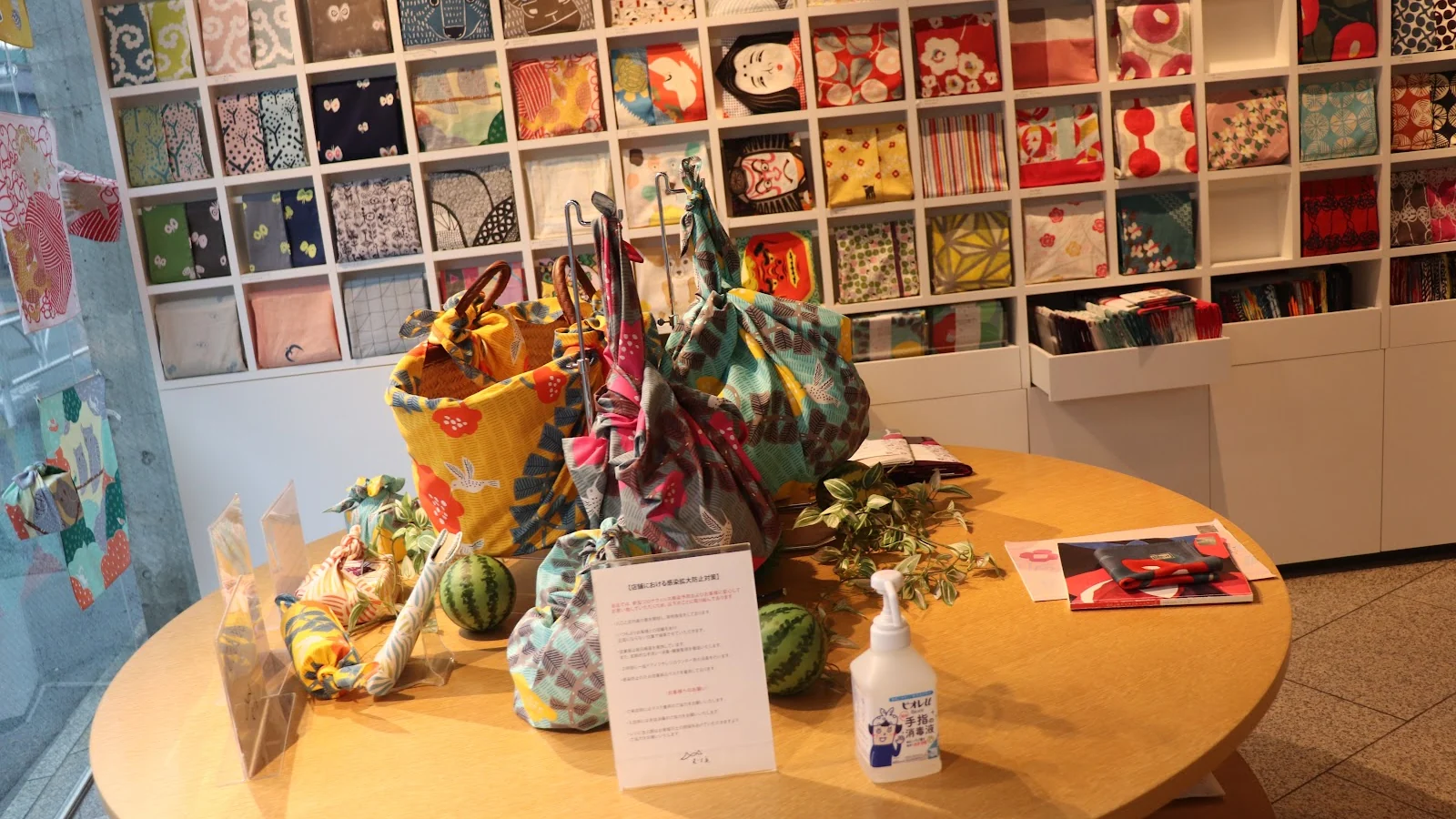 Google
textiles
Musubi Furoshiki (Tokyo Musubi Store)
- Budget: ¥800–1,500 for a cotton tenugui, ¥1,500–4,000 for a standard 70 cm furoshiki, ¥8,000 and up for silk or a designer collaboration.
- Where to buy: Musubi in Jingumae, a few minutes from Harajuku station.
- Watch out for: check the fibre. Rayon drapes beautifully but wrinkles and dislikes a washing machine, and cotton is the practical choice. Buy the 100 cm size if the pattern is going on a wall rather than around a box. Musubi is closed on Wednesdays, which catches people planning a midweek Harajuku day.
Go if you want one flat thing that solves five problems. Skip it if you will never learn the knots.
7. Sake
Buying at a specialist rather than a supermarket is the difference between a souvenir and a bottle of cooking sake. Hasegawa Saketen sits inside the ticket gates at Tokyo Station, opens at 07:00 and runs a standing tasting counter, so you taste first and then buy the bottle you liked. The shelves carry small regional breweries that never export, in chilled storage, which matters more for sake than for whisky. It is the most practical last stop in the country before a Narita or Haneda transfer.
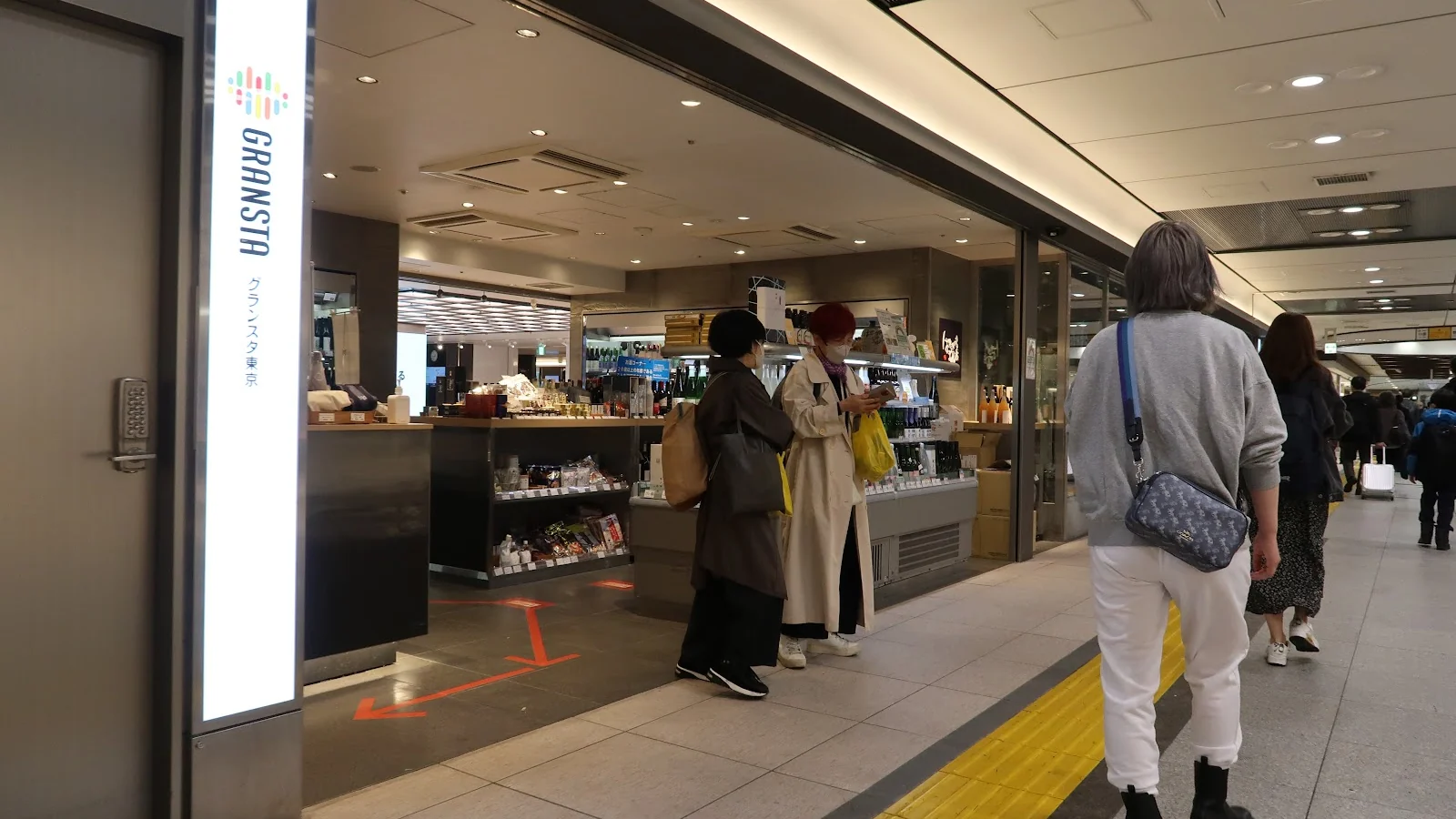 Google
sake
Hasegawa Saketen GranSta Tokyo
- Budget: ¥1,500–3,500 for a good 720 ml junmai ginjo, ¥4,000–10,000 for a daiginjo or a limited brewery release.
- Where to buy: Hasegawa Saketen in GranSta, inside JR Tokyo Station.
- Watch out for: ask for the styrofoam shipper and check it, because glass and light both ruin sake. The EU allowance of 2 litres for drinks up to 22 percent ABV is not quite three 720 ml bottles per adult. Drink most sake within a year, and unpasteurised nama within weeks.
Go if you tasted something at a brewery and want it at home. Skip it if you are already carrying whisky.
8. Japanese whisky
The bottles worth carrying are the ones that never leave the country, not the famous labels. Shinanoya Shinjuku is a Japanese liquor shop rather than a tourist stop, and it stocks Japan-only releases and independent single casks from craft distilleries such as Akkeshi, Kanosuke and Yuza at retail rather than auction prices. Staff will tell you which bottles are allocation and which are simply good. Age-statement Yamazaki and Hakushu are effectively unbuyable on an open shelf.
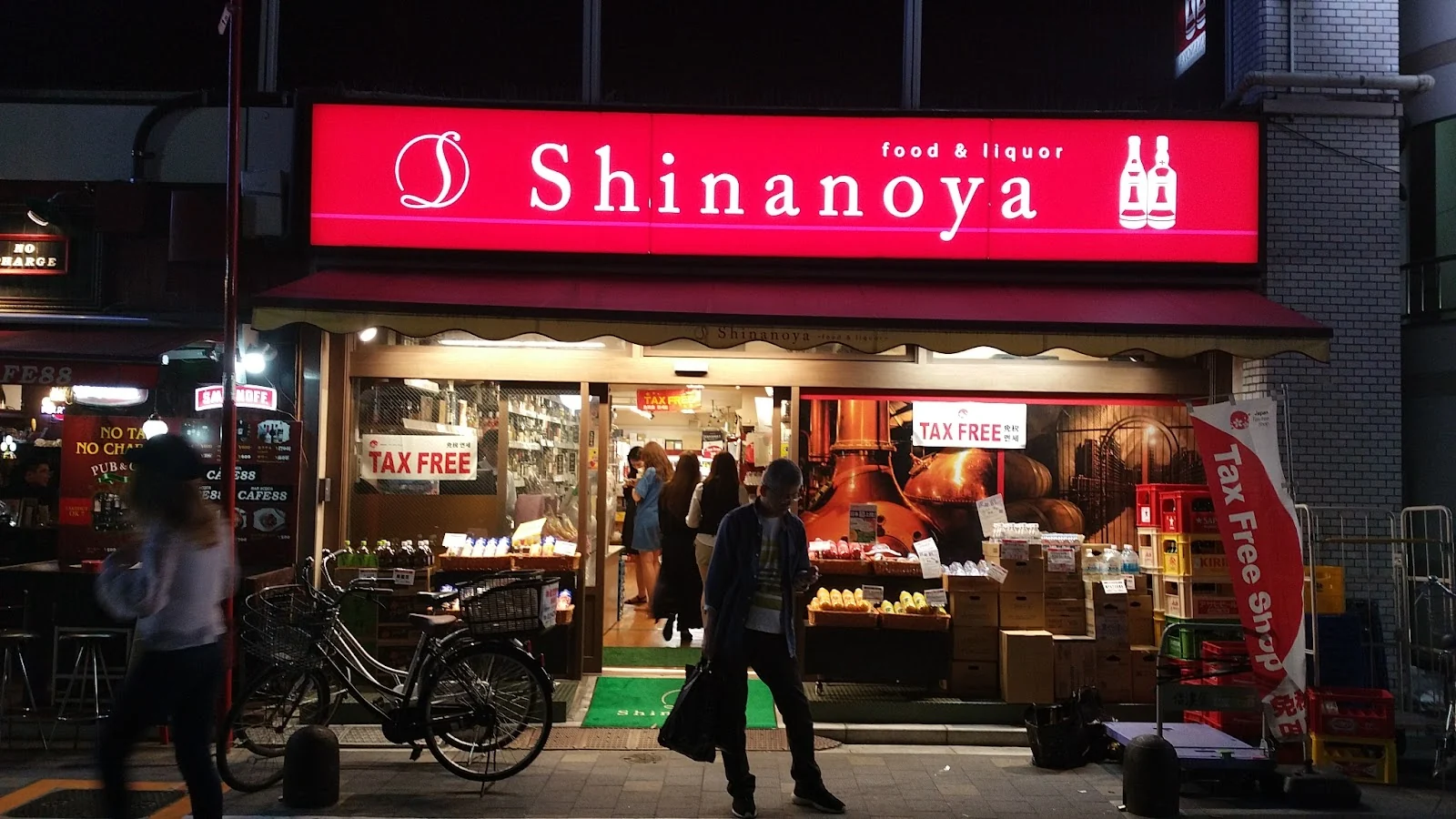 Google
whisky and spirits
Shinanoya Shinjuku
- Budget: ¥2,500–4,500 for Nikka From The Barrel or Suntory Toki, ¥8,000–15,000 for entry Hibiki or Taketsuru.
- Where to buy: Shinanoya in Shinjuku for the specialist shelves; airport duty-free for the mainstream bottles, where prices are genuinely competitive.
- Watch out for: the customs gap is brutal here. One litre of spirits over 22 percent ABV per adult into the EU and into the United States, against 4 litres into Great Britain. Shinanoya's Shinjuku branch closed for renovation in August 2026, so confirm it has reopened.
Go if you want something no importer at home can source. Skip it if you only recognise the labels on the duty-free wall.
9. Sunscreen and skincare
Japanese UV formulations are years ahead of what Europe and the United States approve, because the regulatory route for filters is different, and they cost a fraction of the imported price. Biore UV Aqua Rich Watery Essence SPF50+ sits around ¥500 to ¥900 in a drugstore against roughly triple that from an importer at home. Hada Labo lotion, Senka cleanser and sheet masks by the bulk pack fill the rest of the bag for very little.
- Budget: ¥500–900 for Biore UV, ¥2,000–3,500 for Anessa, ¥600–1,500 for Hada Labo lotion, ¥100–200 per sheet mask.
- Where to buy: the drugstore chains, Matsumoto Kiyoshi, Welcia, Sundrug and Cosmos, which are dense around Shinjuku, Shibuya, Ginza, Namba and Shinsaibashi and discount heavily against Don Quijote on the same products.
- Watch out for: sunscreen, lotion and essence are liquids, so anything over 100 ml goes in the hold. Skincare also counts as a consumable for tax-free until November 2026, which means sealed bags you cannot open until you leave.
Go if you burn, or if anyone at home takes skincare seriously. Skip it if your suitcase is going in the cabin only.
10. Regional KitKats and confectionery
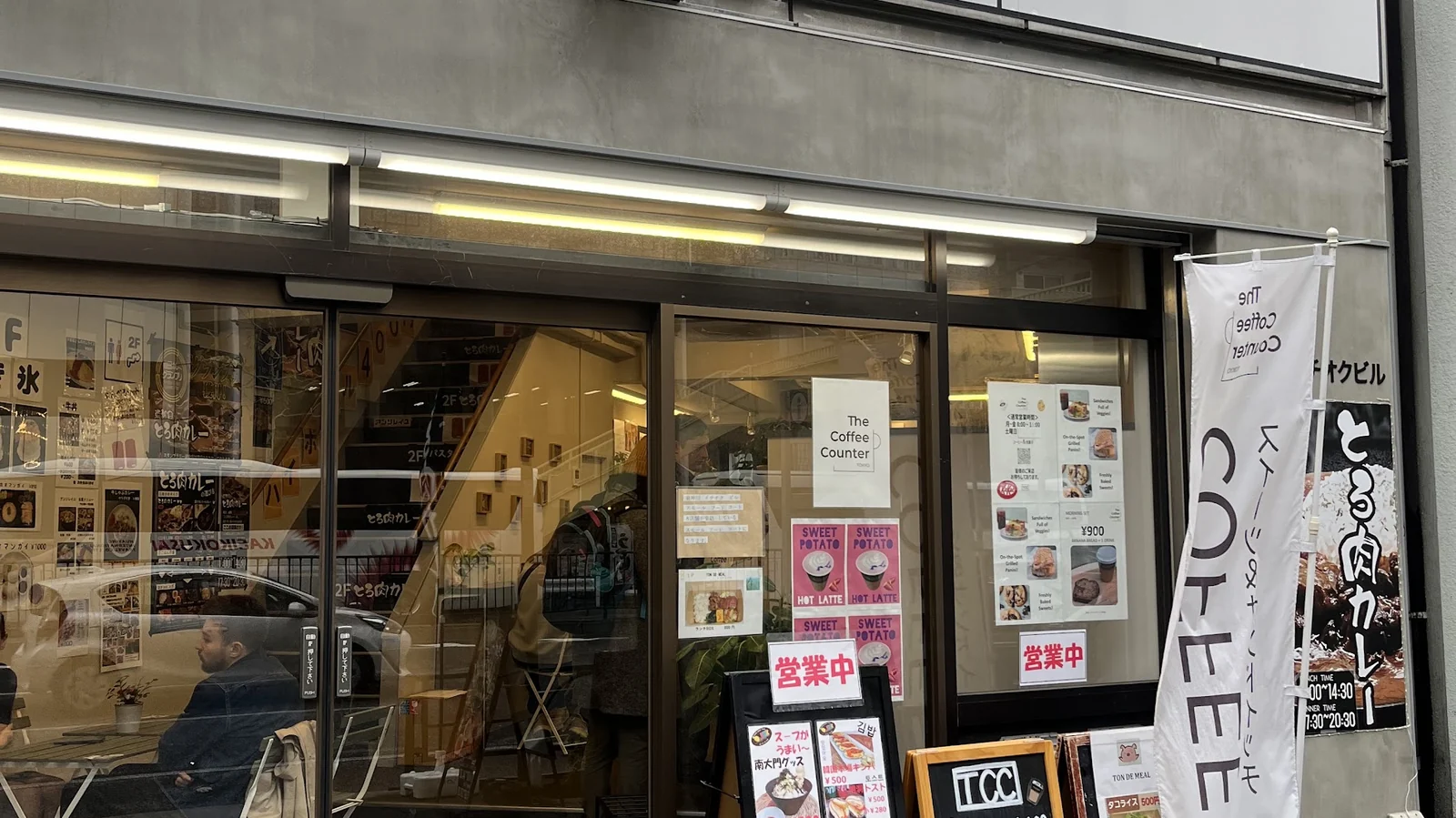
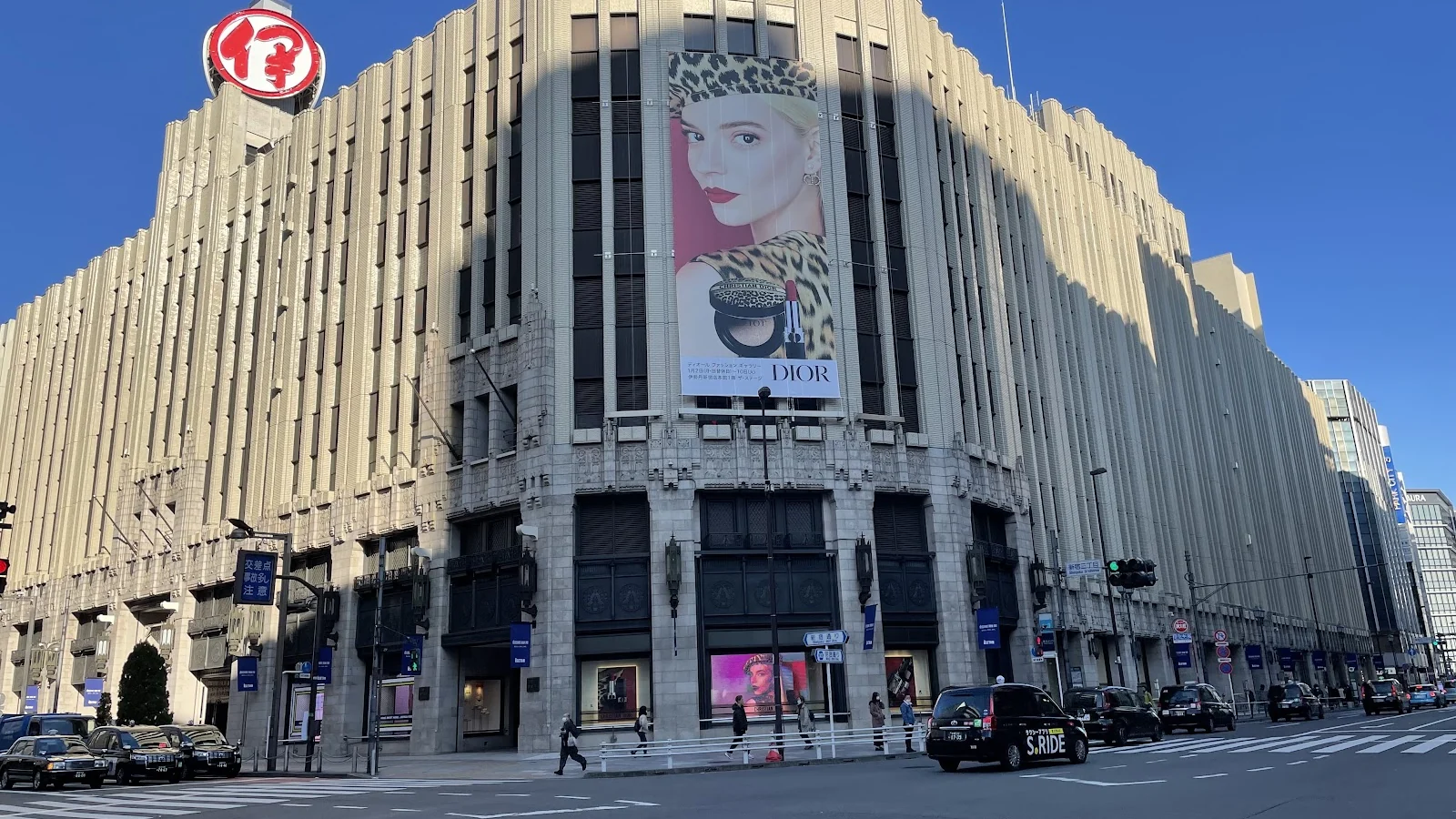
This is the rare tourist cliche that delivers, because the flavours really are region-locked rather than a marketing story. Shizuoka wasabi, Uji matcha, Hokkaido melon and Tokyo rum raisin are cheap, individually wrapped and safe for people you barely know. KitKat Chocolatory Ginza adds a tier that is neither cheap nor mass-produced, with Sublime bars and store-only editions no convenience store carries. For boxed regional sweets from makers who otherwise require a trip to Kyoto or Kanazawa, the Isetan Shinjuku basement food hall does it in one stop, wrapping included.
 Google
confectionery
KitKat Chocolatory Ginza
 Google
department store food hall
Isetan Shinjuku
- Budget: ¥600–1,200 for a regional KitKat multipack, ¥324–540 per bar at the Chocolatory, ¥1,000–3,000 for a boxed regional sweet.
- Where to buy: KitKat Chocolatory in Ginza for the store-only bars; Isetan Shinjuku's basement for everything boxed.
- Watch out for: buy the flavour of the region you actually visited, in that region, or the story falls apart when you hand it over. Chocolate melts in a sunlit suitcase. Check the best-before date on seasonal editions, because some regional sweets last a week or two rather than months.
Go if you have an office or a class to bring something back for. Skip it if you are buying it at the gate out of panic.
11. Omamori charms
The cheapest thing on this list and the one with the most story attached, because you buy it at a specific shrine on a specific day for a specific reason. Pick the charm for the wish you actually have: katsumamori for competition, koutsu-anzen for road safety, gakugyo-joju for study, en-musubi for relationships, anzan for a safe birth. Buy it at the shrine or temple whose deity covers that wish rather than at a general souvenir stall, which is the entire difference between a charm and a keyring.
- Budget: ¥300–1,000 each, paid at the charm office of the shrine or temple itself.
- Where to buy: any Shinto shrine or Buddhist temple with a juyosho counter, which means no detour on any itinerary.
- Watch out for: the etiquette is the point. An omamori is carried for about a year and then returned to a shrine or temple, where dedicated boxes collect old charms for ritual burning, and it does not have to be the one you bought it from. Never open the pouch. If you give one away, say which wish it covers.
Go if you want a souvenir that comes with something to explain. Skip it if you were going to buy five identical ones.
12. Folk craft: kokeshi, daruma and mingei
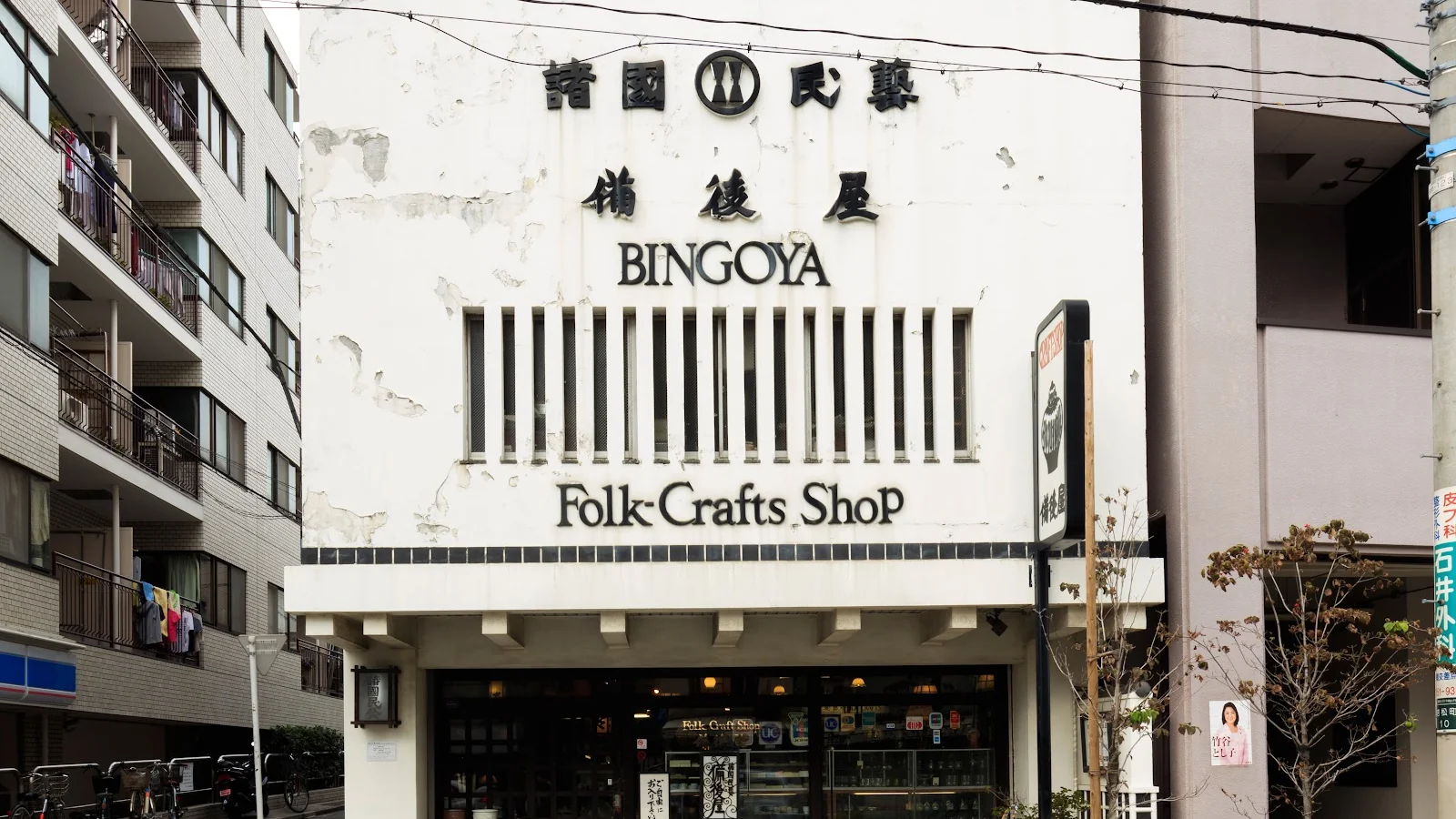
Mingei objects are made to be used rather than displayed, and the prices reflect craft rather than tourist markup. Bingoya is a five-floor folk craft shop in a residential pocket of Shinjuku that buys directly from craftspeople across the country, so one building gives you Tohoku kokeshi, Kyushu pottery and Okinawan textiles without the trips. It is one minute from Wakamatsu-Kawada station and you will often be the only customer in it.
 Google
folk craft
Bingoya
- Budget: ¥1,500–6,000 for a traditional kokeshi, ¥800–3,000 for a papier-mache daruma, ¥2,000–8,000 for indigo textiles or a lacquered bowl.
- Where to buy: Bingoya in Wakamatsu-cho, Shinjuku, one minute from the Toei Oedo line.
- Watch out for: the closing days are irregular, Mondays plus the third Saturday and the following Sunday except in four months of the year, and the shop publishes a monthly calendar. Check it before you go. Wooden kokeshi are unfinished on the base and crack in very dry air, so keep them away from a radiator.
Go if you want objects with a region attached. Skip it if you are short on time in Shinjuku.
What to skip
Four categories take more money out of visitors than anything else on this page, and none of them are worth it.
- Nakamise-dori trinkets: mass-produced fans, chopsticks and phone charms, many of them not made in Japan, at a markup that exists because 30 million people a year walk that 250 metre street in Asakusa. Kappabashi is fifteen minutes north and sells the real thing.
- Airport Tokyo Banana as the default gift: a fine sponge cake, but it belongs to Tokyo. Buying it at Narita on the way out of a Kansai trip tells everyone you bought whatever was nearest the gate.
- Tourist-shop kimono and yukata at ¥3,000 to ¥8,000: usually polyester with printed rather than dyed patterns. If you want a real one, buy second-hand at a flea market or a used-kimono shop.
- Souvenir katana: decorative alloy, and any blade creates checked-baggage and import complications that a ¥5,000 wall hanging does not justify.
One more: bulk-buying regional KitKats at Don Quijote and calling them regional. Buy the flavour where it belongs, or leave it.
Honorable mentions
- Kiddy Land Harajuku: Sanrio, Snoopy, Sumikko Gurashi and a Ghibli floor stacked in one building, which covers a whole gift list in one stop. Go on a weekday morning, because weekend afternoons are shoulder to shoulder.
- Donguri Republic Tokyo Solamachi: the official Ghibli chain, so the goods are licensed rather than the bootlegs sold on tourist streets. Open 10:00 to 21:00 daily. Ghibli Museum exclusives are not sold here.
- Daiso Harajuku: ¥110 to ¥550 for onigiri moulds, chopstick sets, washi tape and lacquer-look tableware. A single visit rarely clears the ¥5,000 tax-free threshold, so expect to pay the tax.
FAQ
What are the best souvenirs from Japan to buy at the airport?
Regional sweets and duty-free alcohol, and not much else. Narita Terminals 1 and 2 and Haneda Terminal 3 run maker counters selling meibutsu sweets at the same prices as the city shops, and their duty-free whisky, sake and skincare is competitive with city retail. Some Haneda counters open as early as 06:25. Knives, ceramics and specialist stationery are worth a trip into town instead.
How does tax-free shopping work in Japan?
Until 31 October 2026: spend at least ¥5,000 before tax at one tax-free store on one day, show your passport at the tax-free counter rather than an ordinary till, and pay the tax-excluded price. Consumables are sealed in a bag you may not open before leaving. From 1 November 2026 you pay the full price and claim the 10 percent tax back at an international departure point, with the goods present for Japan Customs.
Can you ship souvenirs home from Japan?
Yes. Japan Post sends parcels overseas by EMS, air and cheaper surface options, and post offices, most convenience stores and many hotel front desks will handle the label and the customs declaration. One catch under the rules arriving in November 2026: goods you ship home are not physically present at your departure, so they do not qualify for the consumption tax refund. Ship the bulky things, carry the expensive ones.
How much sake or whisky can you bring home?
Into the EU, 1 litre of spirits over 22 percent ABV or 2 litres of drinks up to 22 percent per adult, plus 4 litres of still wine. Great Britain allows 4 litres of spirits and 9 litres of weaker drinks. The United States allows generally 1 litre for travellers aged 21 and over. All of it goes in checked baggage unless it was bought at airport duty-free and sealed in a tamper-evident bag.
What is a reasonable souvenir budget for a Japan trip?
¥20,000 to ¥30,000 covers a generous round of gifts: pens, tenugui, incense, regional sweets and a few omamori, with change. One knife, one ceramic piece or one bottle of allocation whisky can equal that on its own. If you plan to claim the tax back, concentrate the spending in fewer shops, because the ¥5,000 minimum applies per store per day.