

The best museums in Tokyo do not form one ranking: the right pick depends on whether you want National Treasures, digital rooms or a free hour near your hotel. This list covers eleven that justify a half day, chosen on what they hold, cost and how crowded they get.
Nearly every museum in Tokyo closes Monday, shifting to Tuesday when Monday is a public holiday. The Roppongi pair, 21_21 DESIGN SIGHT and the Mori Art Museum, run the opposite way and close Tuesday instead, the Meguro Parasitological Museum closes both days, and the Yayoi Kusama Museum opens Thursday to Sunday only. The digital-art venues, teamLab Borderless, teamLab Planets TOKYO and the Ghibli Museum, Mitaka, sell timed tickets that sell out days ahead, from ¥3,600, while permanent collections like the Tokyo National Museum in Ueno and the Nezu Museum cost ¥400 to ¥1,000.
1. Tokyo National Museum
 Google
National art and history museum
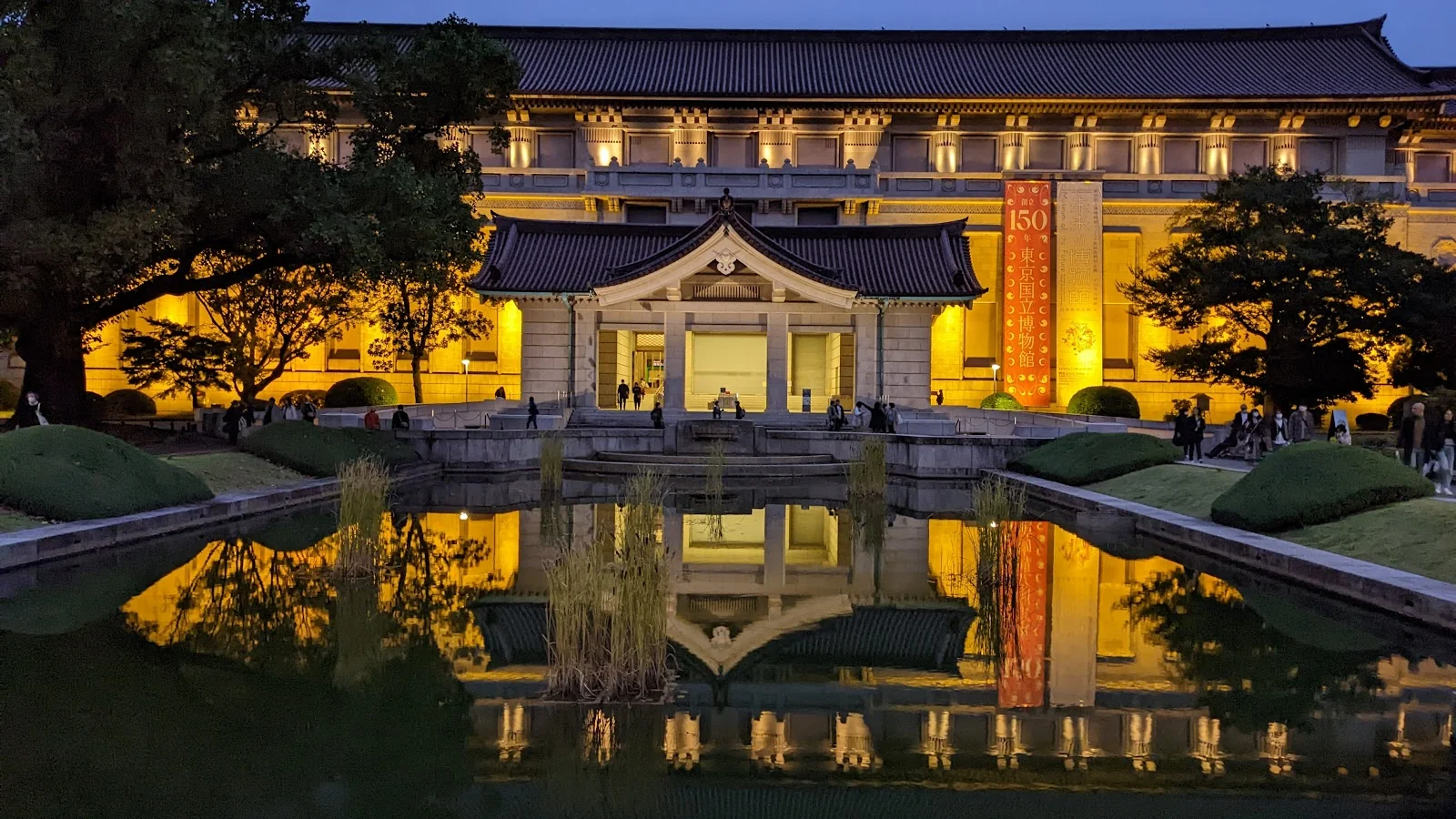
Japan's oldest and largest museum holds over 100,000 objects and nearly a hundred National Treasures, roughly 4,000 on display at once across six buildings. Trying to see all six is the standard mistake. Walk the Honkan highlights route for armour, swords, prints and Buddhist sculpture, then cross to the Gallery of Horyuji Treasures, a hushed pavilion of 7th-century gilt-bronze Buddhas.
- Getting there: JR Ueno Station, Park Exit, 10 minutes on foot.
- Opening hours: 9:30-17:00, until 20:00 Friday and Saturday; closed Monday, or the next day when Monday is a holiday.
- Budget: ¥1,000 regular exhibitions, ¥500 students, free under 18; two hours.
Go if you want the whole span of Japanese art in one visit. Skip it if large collections tire you out.
2. Nezu Museum
 Google
Pre-modern Japanese and East Asian art with garden
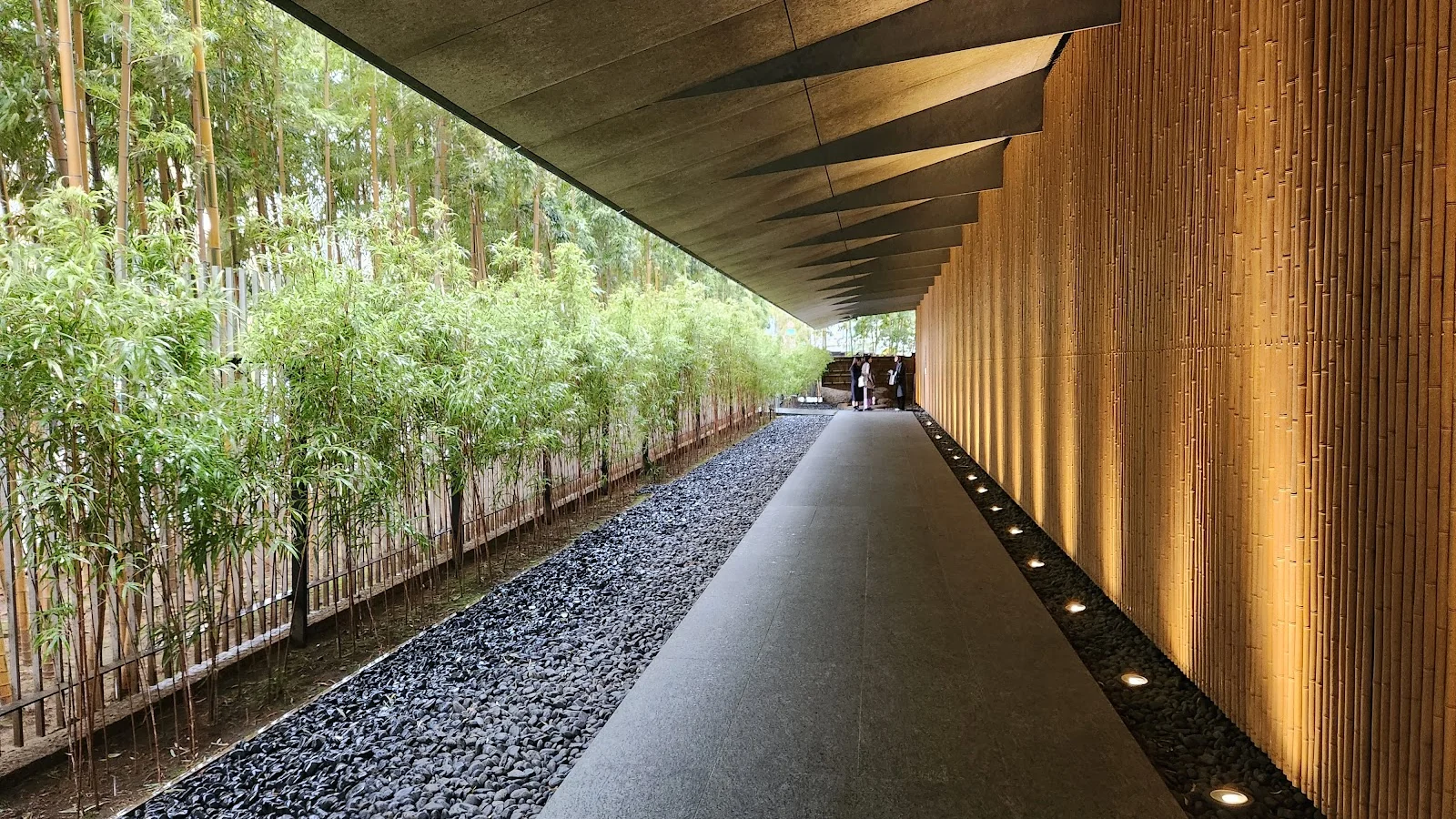
The National Treasures are not the whole draw, though painter Ogata Korin's Irises screens are among them. A building by architect Kengo Kuma with a bamboo-lined approach opens onto a 17,000 square metre hillside garden of ponds, stone lanterns and four tea houses. Two streets from the Omotesando boutiques, it feels an hour out of the city. Garden, cafe and shop are reachable only with a museum ticket.
- Getting there: Omotesando Station, Exit A5, 8 minutes on foot.
- Crowd warning: the Irises screens hang for a few weeks from late April, and draw queues; other months the galleries are near empty. Closed Monday, or the Tuesday after a holiday Monday.
- Budget: ¥1,400 timed entry online, from ¥1,600 for special exhibitions, ¥600 students.
Go if you want art and a garden on one ticket. Skip it if you came for contemporary work.
3. teamLab Borderless
 Google
Digital art museum
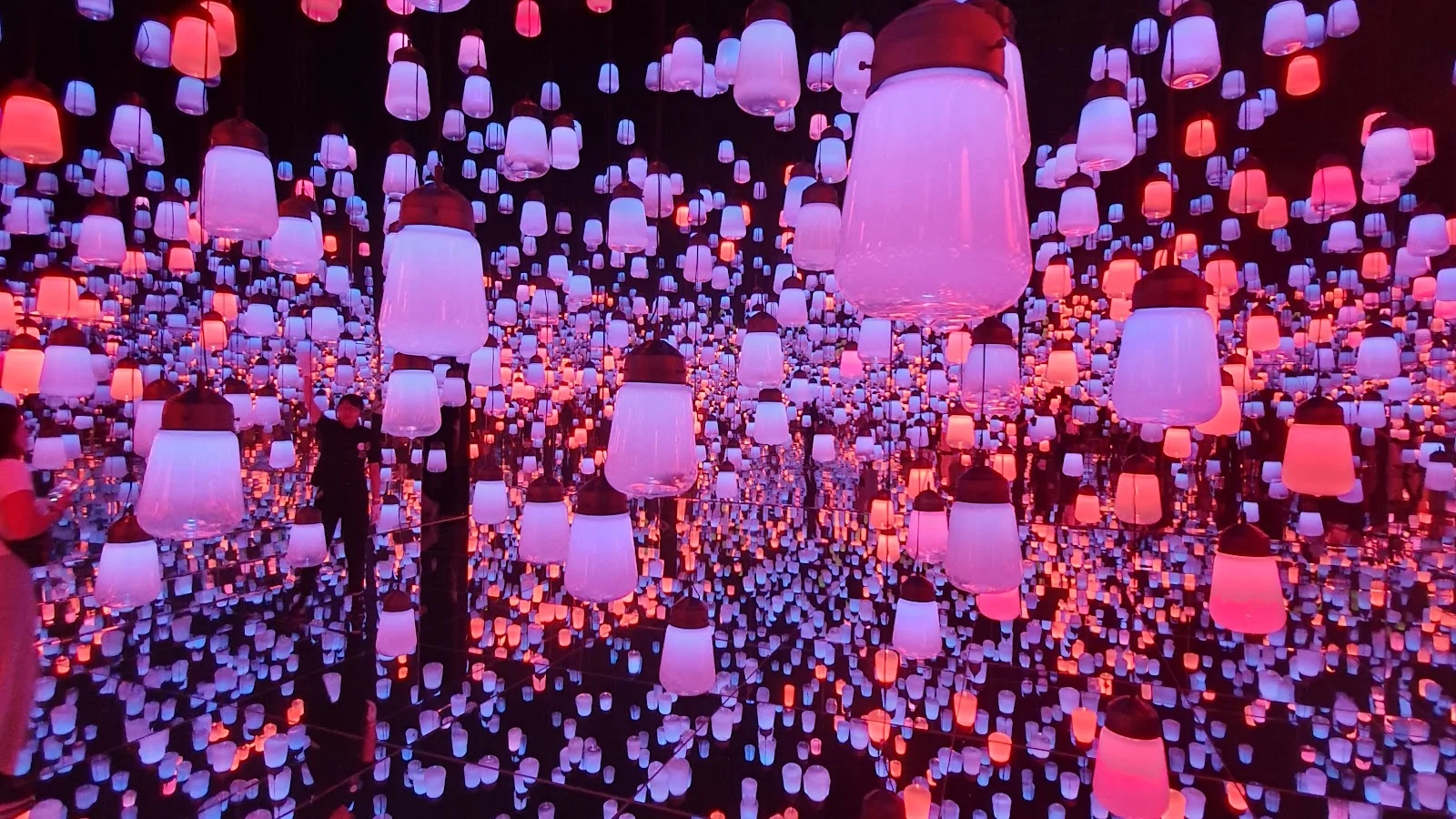
The Odaiba original closed, and this Azabudai Hills basement has been the permanent home since February 2024. Artworks wander out of one room into the next, so the same ticket never produces the same walk twice, and a light-sculpture series arrived in 2026. It drew 1.69 million visitors in 2025, which is the problem as much as the appeal.
- Getting there: Kamiyacho Station, Hibiya Line Exit 5, 2 minutes; Roppongi-itchome 6.
- Opening hours: usually 8:30-21:00, some days to 22:00, last entry an hour before; closed days are irregular and published monthly.
- Budget: from ¥3,600, dynamic pricing, ¥200 more on site; dated tickets, no refunds, date changes allowed.
Go if you booked ahead. Skip it if you want the effect without the crowd: the Yayoi Kusama Museum at number 8 caps every slot and charges ¥1,100.
4. Ota Memorial Museum of Art
 Google
Ukiyo-e museum
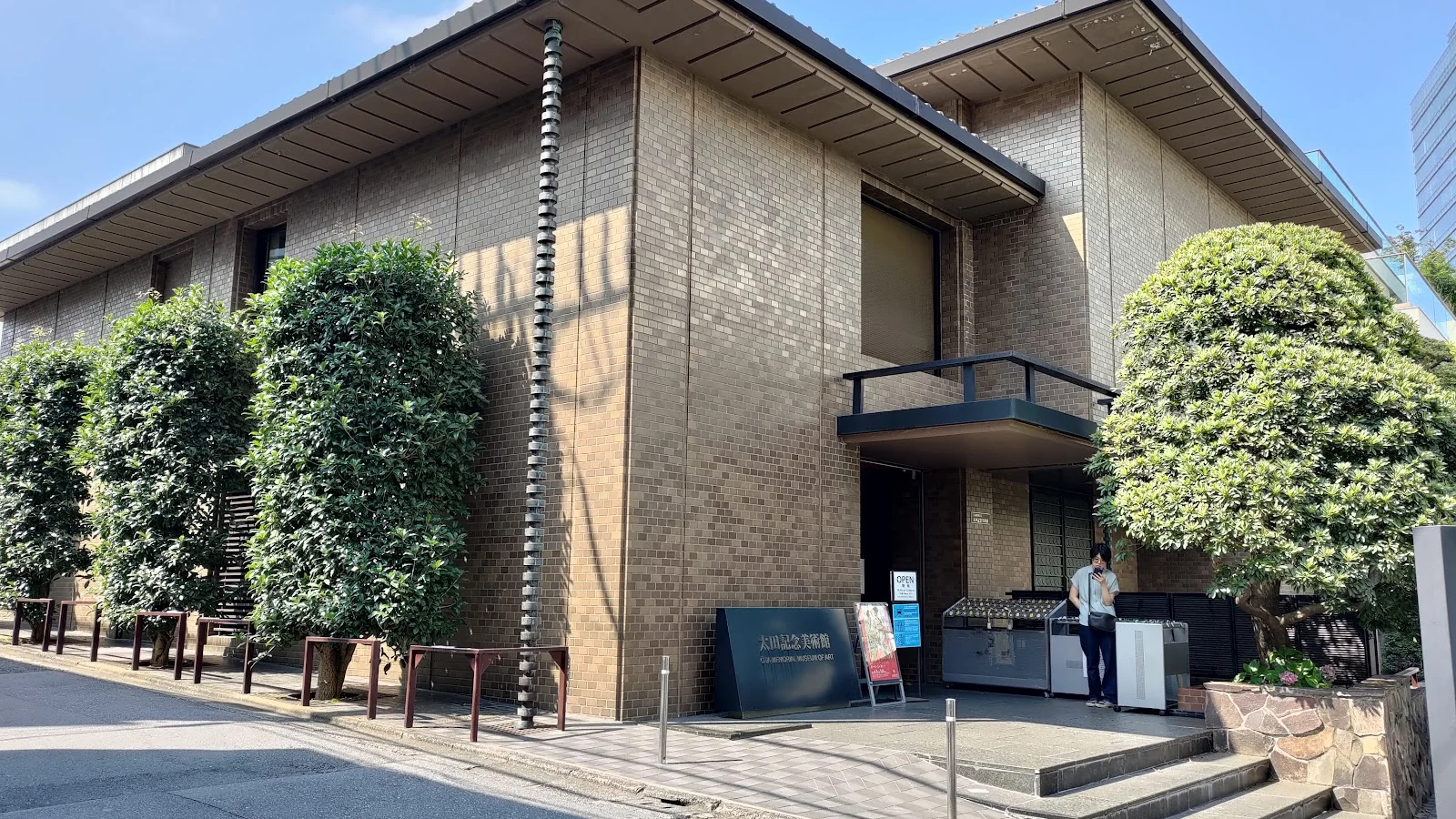
More than 10,000 woodblock prints sit one street behind Takeshita-dori, and the entire show changes every month. Galleries are small and tatami-floored in places, so you stand a hand's width from Hokusai and Kuniyoshi originals rather than three rows back. It is the easiest place in the city to see ukiyo-e without a national-museum queue.
- Getting there: Meiji-jingumae Station, Exit 5, 3 minutes; JR Harajuku 5 minutes.
- Opening hours: 10:30-17:30, entry until 17:00; closed Monday and for several days at the end of most months, while the show is changed.
- Budget: ¥800 to ¥1,200 depending on the exhibition, free under 15, cash only.
Go if prints are on your list. Skip it if you are walking over in the last week of a month without checking the calendar.
5. Edo-Tokyo Museum
 Google
City history museum
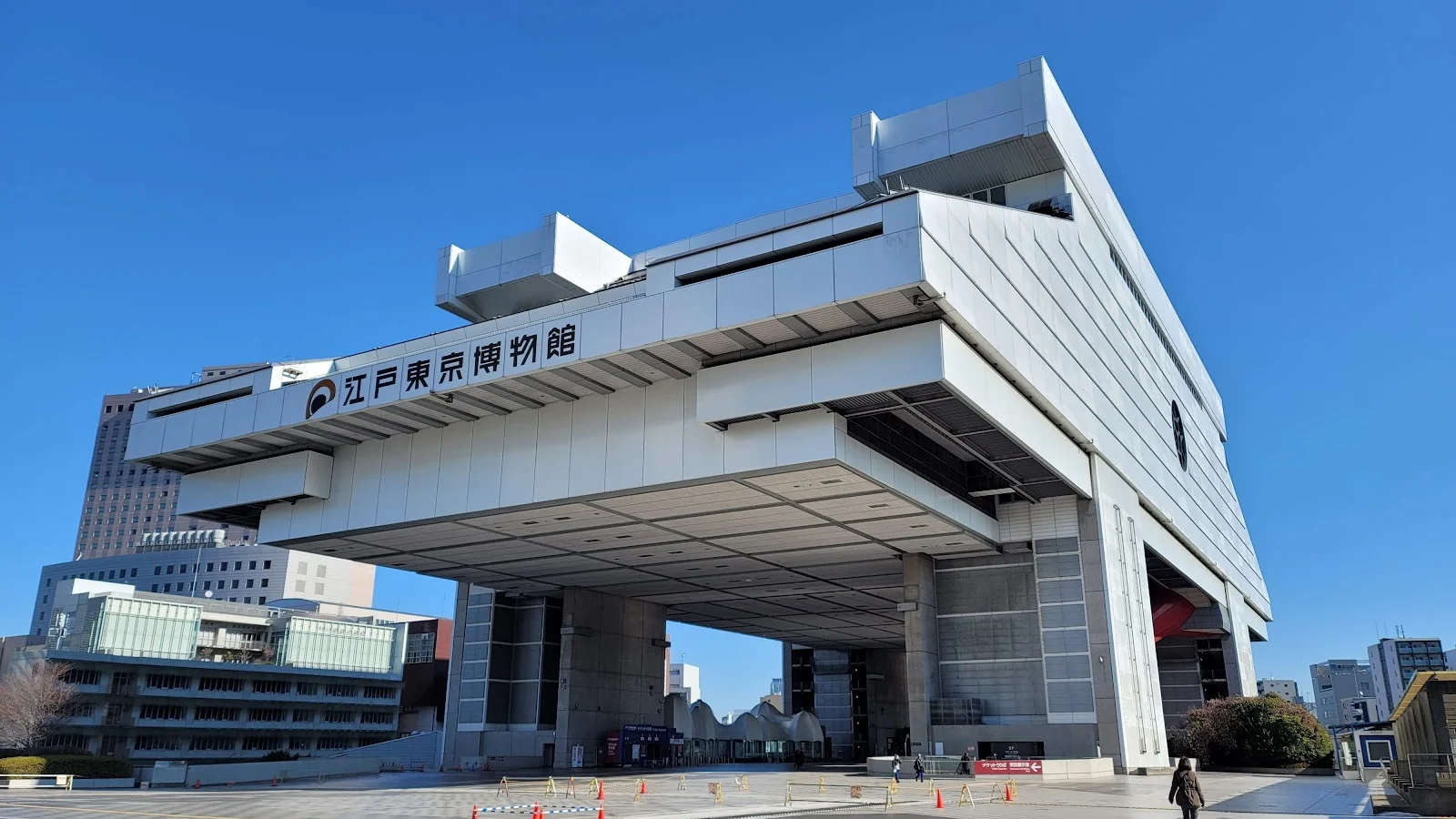
Shut in April 2022 and reopened on 31 March 2026 after its first large-scale renovation since 1993, so any guide still calling it closed is out of date. You cross a full-scale replica of Nihonbashi bridge into an Edo townscape, now with more stalls in it and ceiling screens projecting Edo skies. Nothing else explains as clearly how a fishing village became this city.
- Getting there: Ryogoku Station, Toei Oedo Exit A3 or A4, one minute; JR Sobu West Exit three.
- Crowd warning: the reopening is recent and weekends are busy; a weekday morning or the Saturday opening to 19:30 is calmer. Closed Monday, or the next weekday after a holiday.
- Budget: ¥800 adults, ¥480 university students, ¥400 for 65+, free for junior high and under.
Go if you want the history of Tokyo before you walk more of it. Skip it if you would rather stand inside real buildings, in which case take number 10.
6. Sumida Hokusai Museum
 Google
Ukiyo-e museum (single artist)
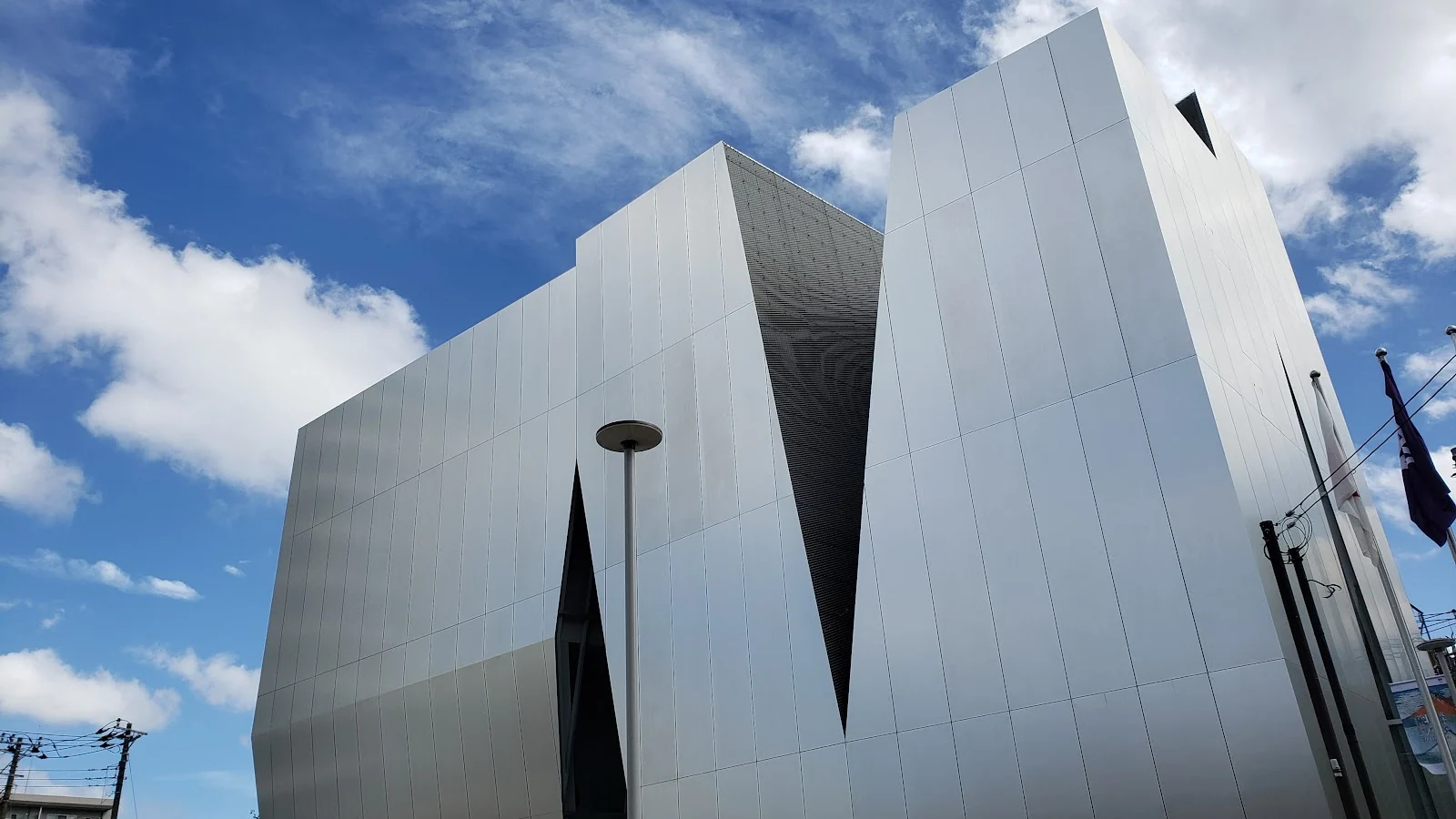
Hokusai was born in this neighbourhood and spent most of his life in it, which is why a mirrored aluminium block by Pritzker winner Kazuyo Sejima stands here. The permanent room follows his career and includes a life-size recreation of the artist at work in his cluttered studio. Its account of how a woodblock print was actually made is the clearest in Tokyo.
- Getting there: Ryogoku Station, 5 to 10 minutes on foot, and 10 minutes from the Edo-Tokyo Museum.
- Opening hours: 9:30-17:30, entry until 17:00; closed Monday, or the next day when Monday is a holiday.
- Budget: ¥400 for the permanent gallery, special exhibitions on top; 45 minutes.
Go if you are already in Ryogoku. Skip it if you have one specific print in mind, since originals rotate out for light protection.
7. Mori Art Museum
 Google
Contemporary art museum
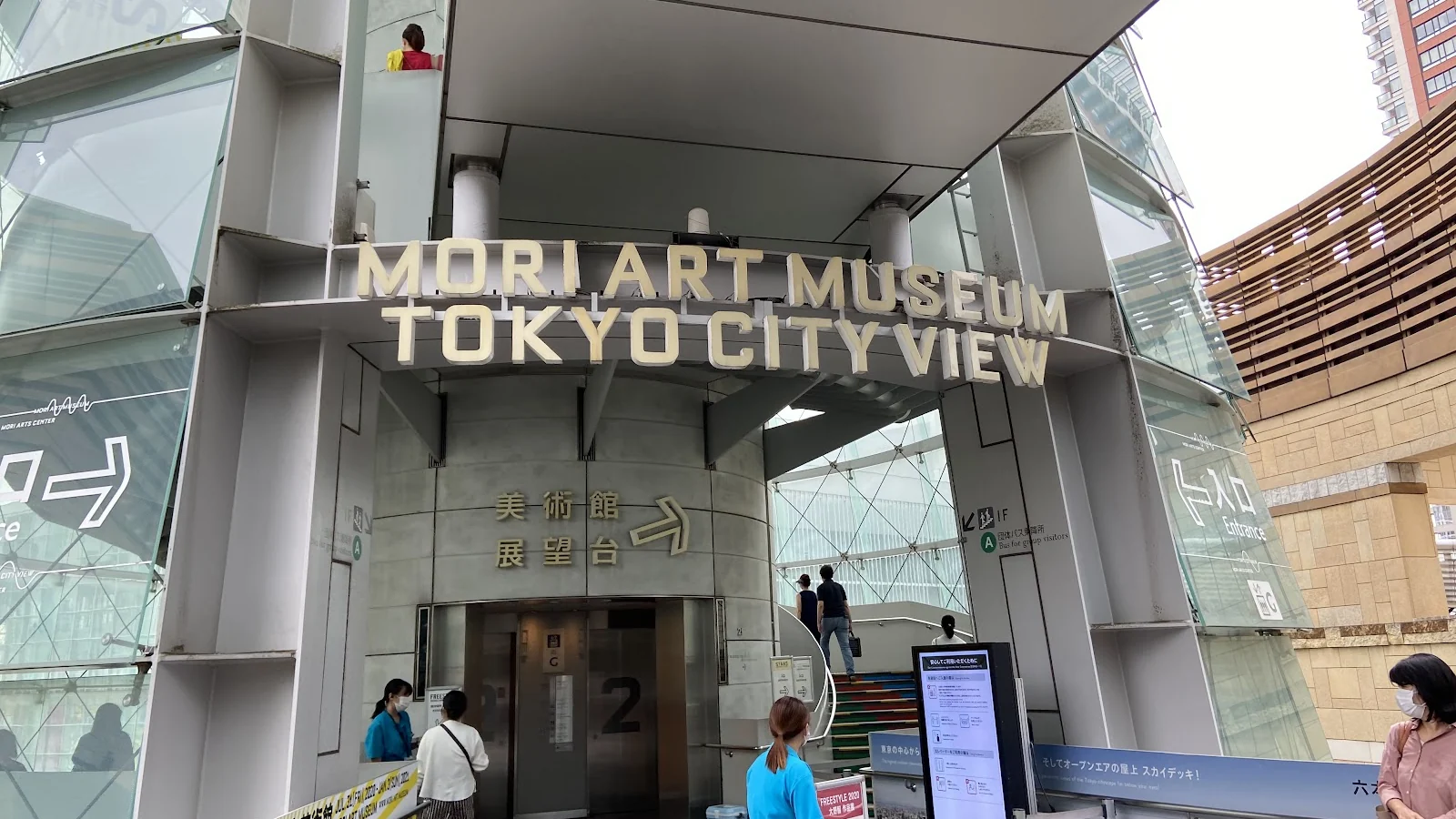
Fifty-three floors up, open until 22:00 most nights, which no other major museum in the city manages. There is no permanent collection, so a visit is whatever single large show is running; through 2026 that is sculptor Ron Mueck, past 200,000 visitors by July. It closes for renovation from autumn 2027, so the window is short.
- Getting there: Roppongi Station, Hibiya Line Exit 1C, 3 minutes via the concourse.
- Opening hours: 10:00-22:00, last entry 21:30, but only 10:00-17:00 on Tuesday; no weekly closing day.
- Budget: ¥2,100 weekday online, ¥2,300 weekends, ¥200 more at the desk; the observation deck is separate.
Go if you want serious contemporary art after dinner. Skip it if you expect a permanent collection, or the view in the price.
8. Yayoi Kusama Museum
 Wikimedia Commons
Single-artist contemporary art museum
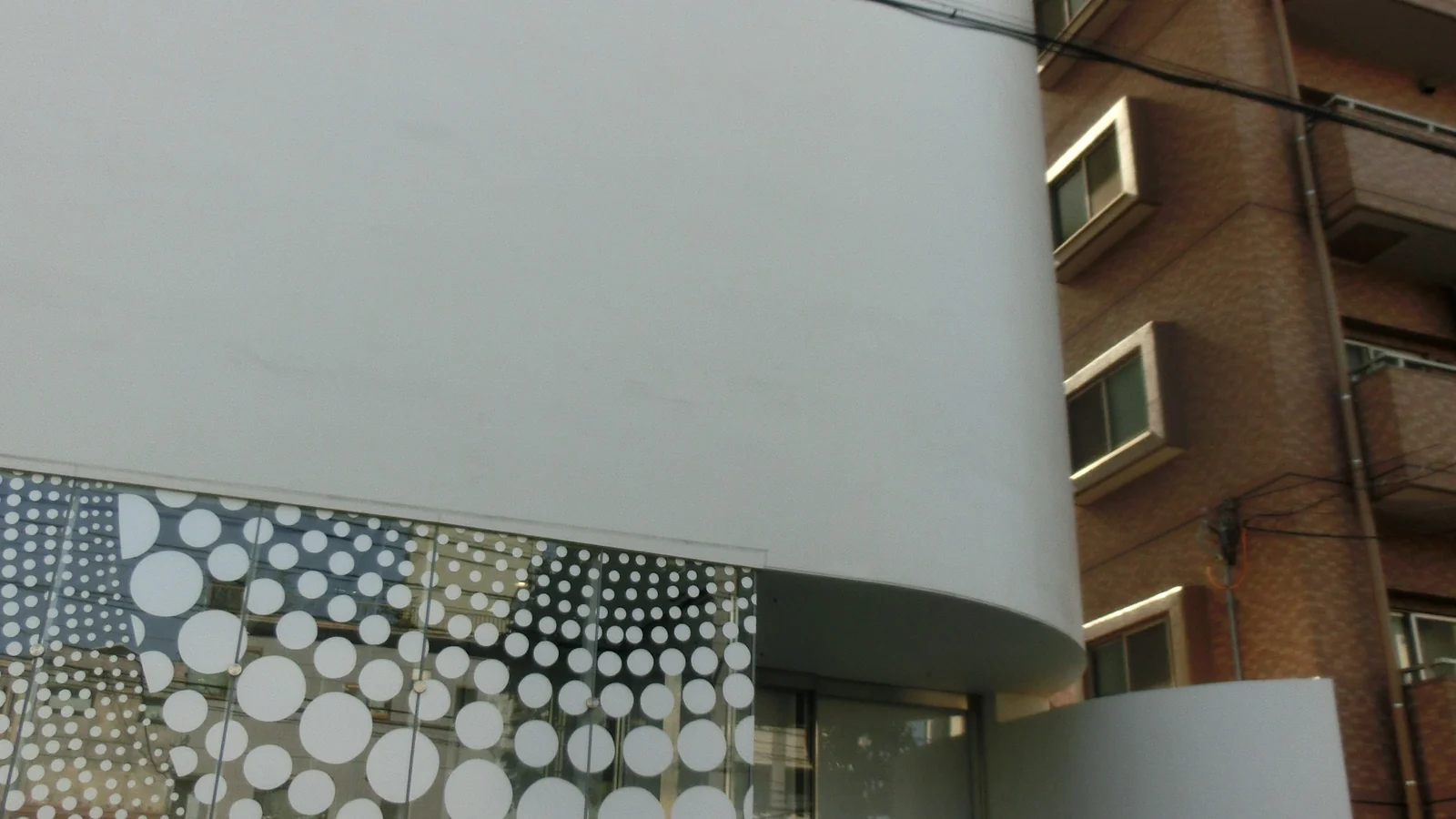
Kusama opened her own five-storey museum on a residential Shinjuku street in 2017 and capped it deliberately: four days a week, six slots a day, ninety minutes each. That is why the top-floor Infinity Mirror Room and the rooftop pumpkin never feel mobbed, and why the ticket is hard to get. Per yen, it is the best contemporary art in the city.
- Getting there: Ushigome-yanagicho, Toei Oedo Line, 6 minutes; Waseda Exit 1, 7 minutes.
- Opening hours: 11:00-17:30, Thursday to Sunday and national holidays only; closed Monday, Tuesday and Wednesday.
- Budget: ¥1,100 adults, ¥600 ages 6 to 18; museum website only, 10:00 JST on the 1st, two months ahead.
Go if you plan two months out. Skip it if you are already in Tokyo without a ticket, because nothing is sold at the door.
9. Intermediatheque
 Google
University natural history and science collection
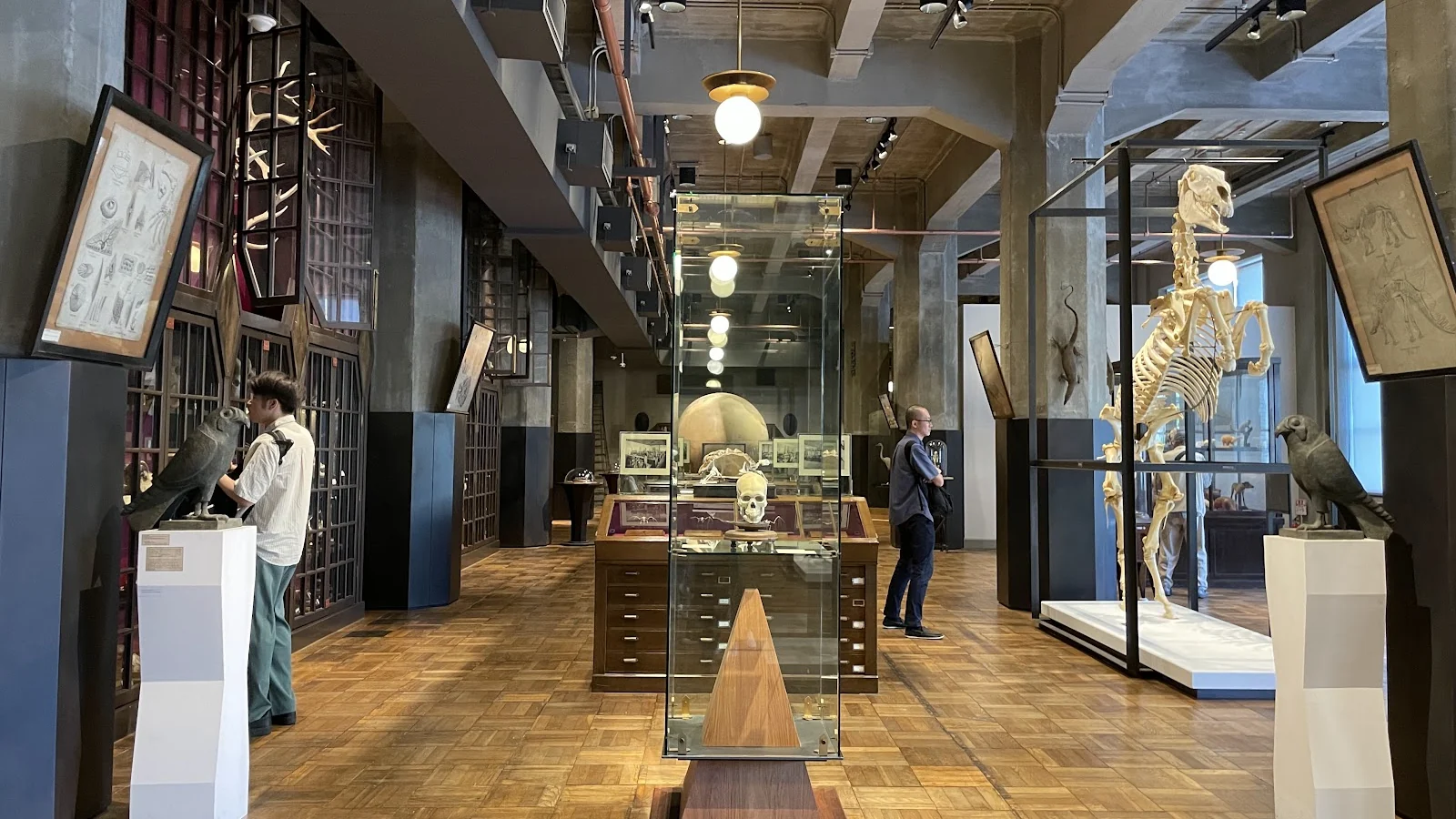
Two floors of the old Central Post Office, one minute from Tokyo Station, hold 150 years of University of Tokyo specimens in their original wooden cases: whale and giraffe skeletons, taxidermy birds, antique instruments. It is staged closer to a Victorian cabinet of curiosities than a science centre. Admission is free and there is no ticket desk, so the shoppers in the KITTE building above rarely find it.
- Getting there: Tokyo Station, Marunouchi South Exit, one minute; Nijubashimae Exit 4, two.
- Opening hours: 11:00-18:00, until 20:00 Friday and Saturday; closed Monday, or the following Tuesday after a holiday.
- Budget: free; an hour is plenty, and photography is banned in most galleries.
Go if you have a gap between trains in Marunouchi. Skip it if you want full captions, because the labelling is thin.
10. Edo-Tokyo Open Air Architectural Museum
 Google
Open-air architecture museum
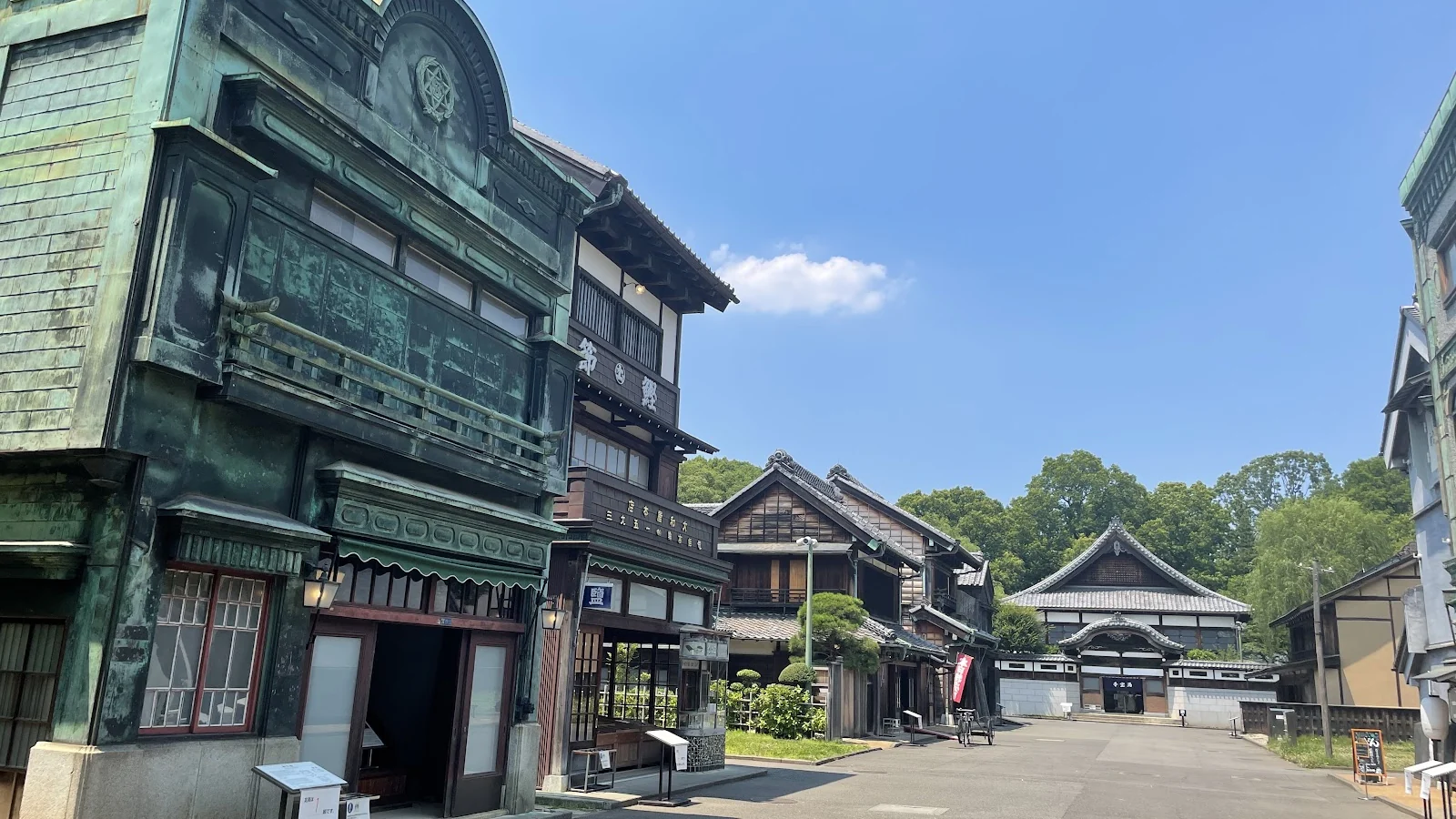
About thirty buildings rescued from demolition across the city and rebuilt inside a park in Koganei, every one of them walk-in: thatched farmhouses, a politician's residence, a 1929 public bathhouse. The east zone is a reconstructed Showa shopping street with a soy sauce merchant, a stationery store and a tin-fronted police box. For ¥400 you get the interiors Tokyo itself bulldozed, twenty-five minutes west of Shinjuku.
- Getting there: JR Musashi-Koganei or Seibu Hana-Koganei, then a 5 to 10 minute bus.
- Opening hours: 9:30-17:30 April to September, 9:30-16:30 October to March; closed Monday, or the next day after a holiday.
- Budget: ¥400 adults, ¥200 high school and 65+, free junior high and under; allow 2-3 hours.
Go if you missed the Ghibli Museum release and still want a Showa streetscape. Skip it if you have under half a day left.
11. Meguro Parasitological Museum
 Wikimedia Commons
Natural history museum (parasites)
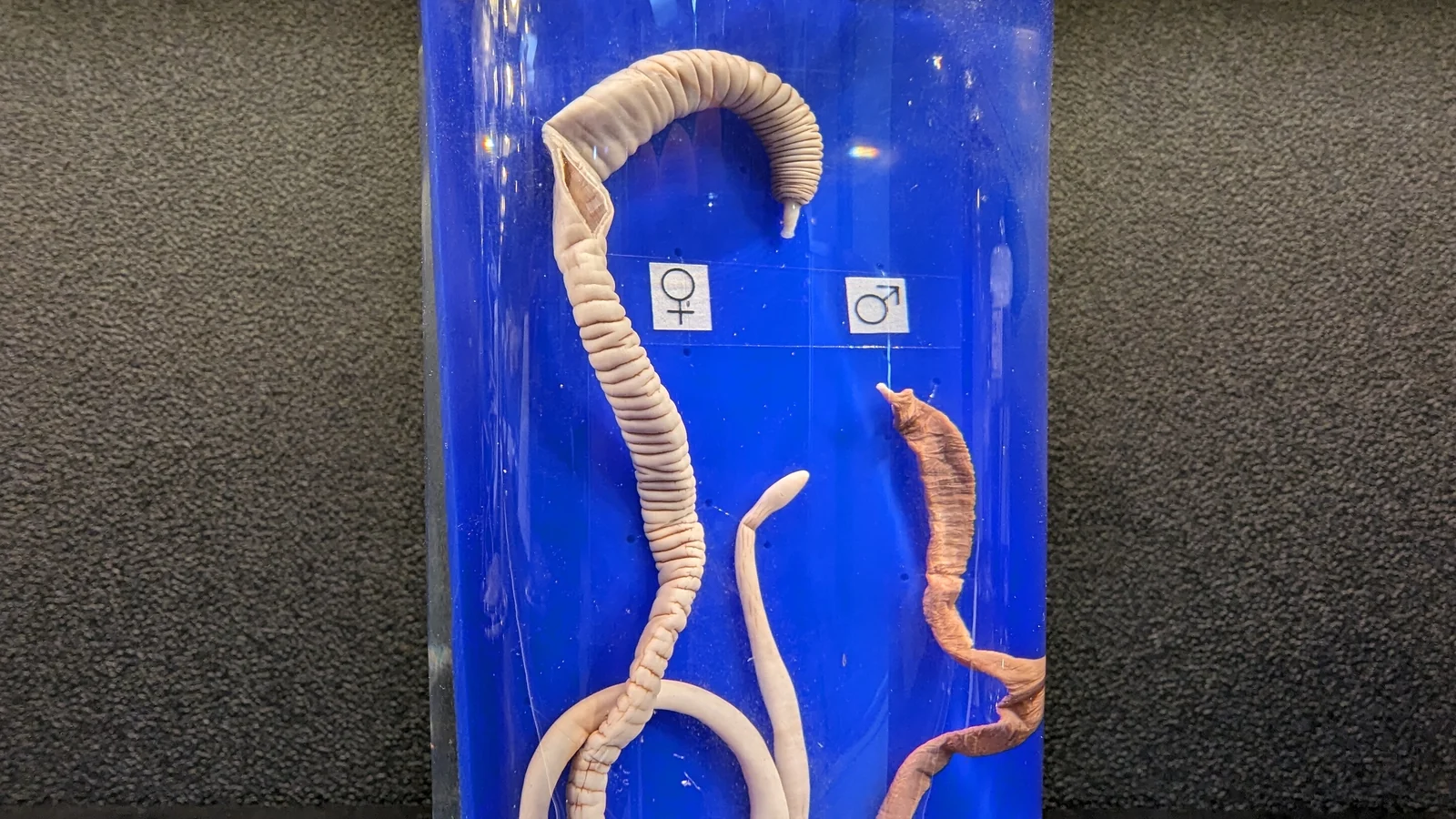
A private research institute from 1953, said to be the only museum in the world devoted to parasites, on a residential street with no ticket desk. Two small floors hold around 300 preserved specimens, among them an 8.8 metre tapeworm with a tape measure laid beside it. The life-cycle displays use real material, so it informs more than it shocks.
- Getting there: Meguro Station, West Exit, about 12 minutes along Meguro-dori.
- Opening hours: 10:00-17:00; closed Monday and Tuesday, unlike almost everything else here, and the following weekday after a holiday.
- Budget: free, with a donation box worth using; 30 minutes, and no cafe.
Go if you want thirty strange minutes and a souvenir nobody else brought home. Skip it if you are squeamish.
Honorable mentions
- teamLab Planets TOKYO: the barefoot half of the teamLab pair, wading knee-deep through a koi projection pond, one minute from Shin-Toyosu, from ¥3,600 and running to the end of 2027.
- Ghibli Museum, Mitaka: ¥1,000 and the hardest ticket in the city, sold by Lawson Ticket at 10:00 JST on the 10th for the following month, ID checked at the door.
- 21_21 DESIGN SIGHT: architect Tadao Ando's mostly underground galleries in Tokyo Midtown, closed Tuesdays, with the most inventive design shows in the city.
FAQ
Which museums in Tokyo are closed on Monday?
Almost all of them, including the Tokyo National Museum, the Edo-Tokyo Museum, the Sumida Hokusai Museum, the Intermediatheque and the Tokyo Photographic Art Museum. They shift the closure to the following day when Monday is a public holiday. The Roppongi museums invert it and close on Tuesday instead.
Which of the best museums in Tokyo need tickets booked in advance?
Four. The Ghibli Museum, Mitaka sells only through Lawson Ticket, released at 10:00 JST on the 10th of the previous month. The Yayoi Kusama Museum sells only on its own site, from the 1st for two months ahead. Both teamLab venues use dated timed tickets with dynamic pricing.
Are there free museums in Tokyo worth visiting?
Two on this list. The Intermediatheque, one minute from Tokyo Station, charges nothing for two floors of University of Tokyo specimens and stays open to 20:00 on Friday and Saturday. The Meguro Parasitological Museum is free with a donation box. Elsewhere admission is low anyway, from ¥400.
Which museum should you pick with only one afternoon?
The Tokyo National Museum at Ueno, on the condition that you skip five of its six buildings and walk the Honkan highlights route plus the Gallery of Horyuji Treasures. It is the only place covering the full span of Japanese art in one visit, for ¥1,000. If you want calm over scope, the Nezu Museum and its garden do more with the same two hours.
Which Tokyo museums work well with children?
The Ghibli Museum, Mitaka first, with its Catbus room for under-12s and tickets from ¥100 for ages 4 to 6, if you land a slot. teamLab Planets TOKYO charges ¥1,500 for ages 4 to 12 and lets them walk through water. Both Edo-Tokyo museums are free for junior high and under.