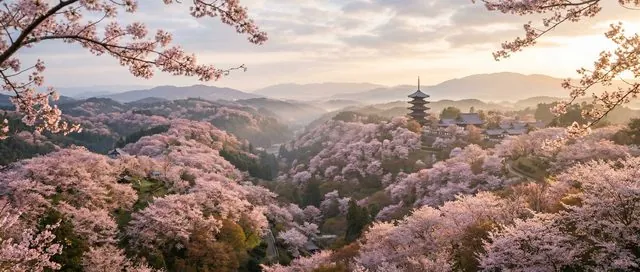
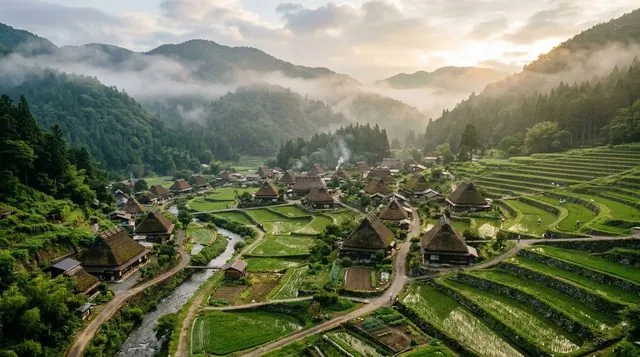
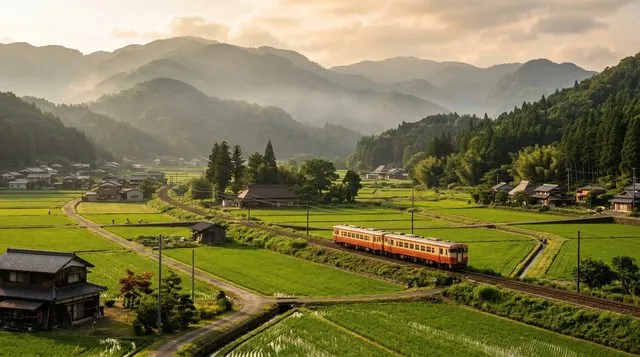

The Noto Peninsula juts into the Sea of Japan from Ishikawa: rice paddies, raw coastline, and a lacquerware tradition three centuries old. A magnitude 7.6 earthquake struck on 1 January 2024, damaging roads and displacing thousands. As of mid-2026, the peninsula is rebuilding, and Ishikawa's tourism authority actively encourages visitors through its "Travel to support Noto" campaign, with group-tour subsidies running through March 2027. Coming here now is not poverty tourism. It is solidarity travel, and the peninsula rewards it.
What to Expect
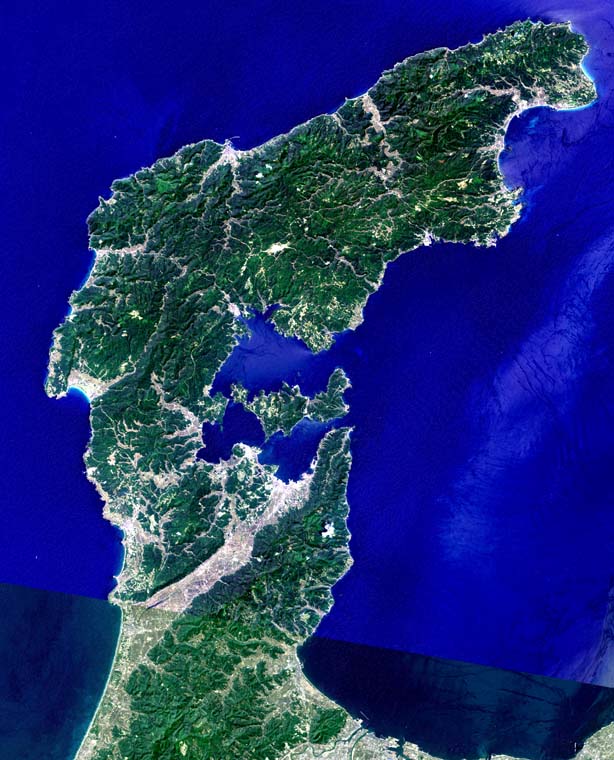
Noto moves at a different pace from the rest of Japan. Towns are small, roads narrow, and the landscape alternates between wild coast and working farmland. The earthquake has reshaped the visitor experience: some roads in the northern tip remain under repair as of mid-2026, certain attractions have reduced hours or restricted access, and the atmosphere in Wajima carries a weight that was not there before 2024. None of that is a reason to stay away. It is the reason to go, with realistic expectations and your spending pointed at local producers and craftspeople.
Allow at least two full days for the peninsula. One day skims the edges; two lets you slow down, attend the morning market properly, and drive the outer coast in both directions. Driving is the only practical way to reach most sights. If you prefer a driver and guide, Noto Peninsula Full-Day Nature & Coastal Exploration tours run from Kanazawa; book ahead in autumn and crab season.
Wajima and the north
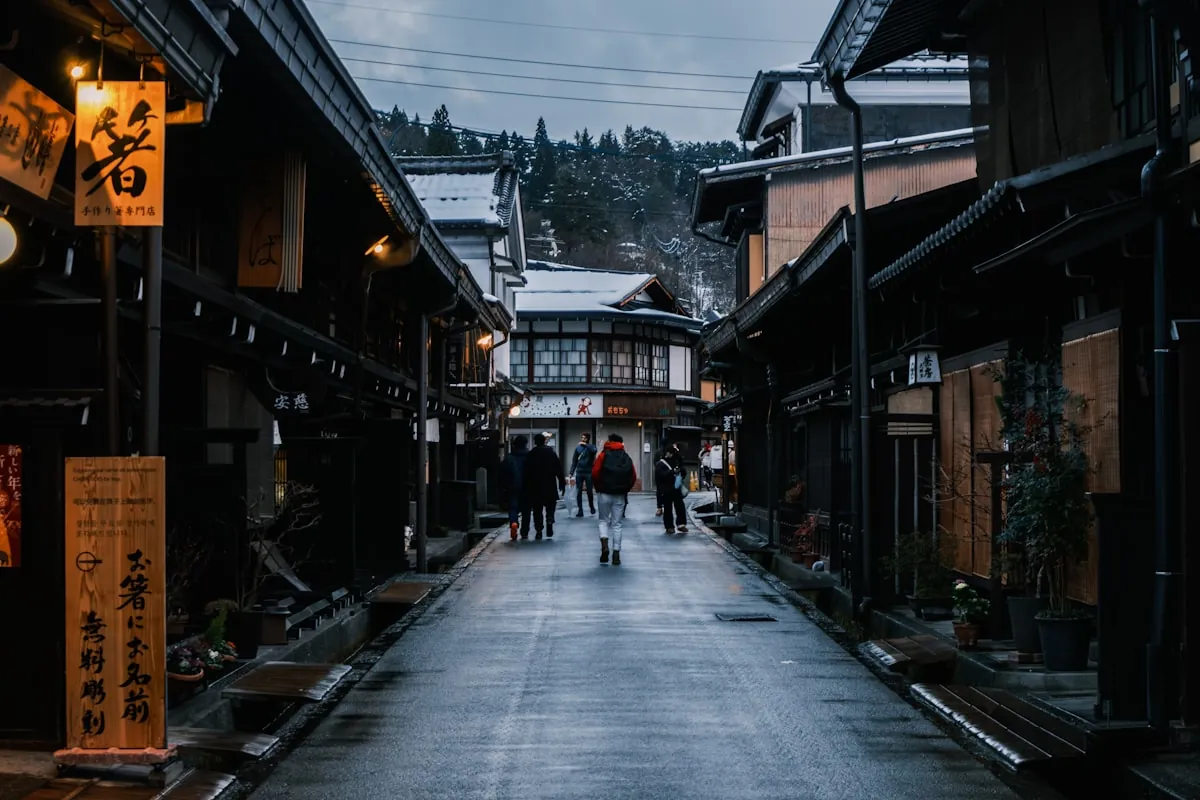
Wajima is the peninsula's main city and its cultural centre. The earthquake and the fire that followed hit this northern zone hardest, and parts of the old town centre still show it as of mid-2026. Despite this, the city is functioning: restaurants have reopened, the market has regrouped, and craftspeople are working.
Wajima Morning Market (Asaichi) counts among Japan's three most famous morning markets, with a thousand years of history behind it. The New Year's Day fire of 2024 burnt its historic street to the ground; the market answered by regrouping at a shopping centre about a kilometre away, where a few dozen vendors now trade in dried seafood, vegetables, pickles and lacquerware every morning. Most stalls are run by women in their seventies and eighties, and the conversation moves as freely as the commerce. Buying here is the most direct form of support the town can offer you.
Wajima Lacquerware Museum is the lacquerware association's own hall, part showroom, part museum, and the safest place to buy genuine Wajima-nuri: dozens of layers of urushi lacquer over a wooden base, each layer needing weeks to dry, producing pieces of exceptional durability and depth. The sales floor is open (8:30–17:00, entry to the exhibits ¥300); the upstairs museum floor was still closed for post-earthquake repairs at last word, so treat the exhibition as a bonus rather than the reason to come.
Wajima Art Studio Nagaya is a harder find, and worth the effort. A nagaya is a traditional long townhouse; this one, on Kawaimachi, has been restored as a collaborative arts residency hosting local and international artists working in ceramics, textiles, and lacquer. A small gallery space is open to visitors. The official site at wajima-nagaya.jp carries current visiting hours and resident information. This is precisely the kind of post-disaster creative revival that does not appear in the generic Japan guide: a community rebuilding its artistic identity in parallel with its physical one.
The Sotoura coast
The outer (Sotoura) coast faces the full Sea of Japan and offers some of the most dramatic shoreline in Japan that most visitors never reach. The road hugs cliffs, passes through working fishing villages, and opens onto long stretches of empty beach between headlands.
Ganmon Cave is the outer coast's signature landmark: a basalt sea-stack eroded into a natural arch and cave by centuries of wave action. A short walkway leads to the viewing area and down to the cave entrance. The geology is best read in the afternoon when low-angle light catches the rock columns. Parking is available at the site; the path is easy on foot. Check locally before you go: sections of the coastal path close periodically after storm damage, and repairs continue along this stretch.
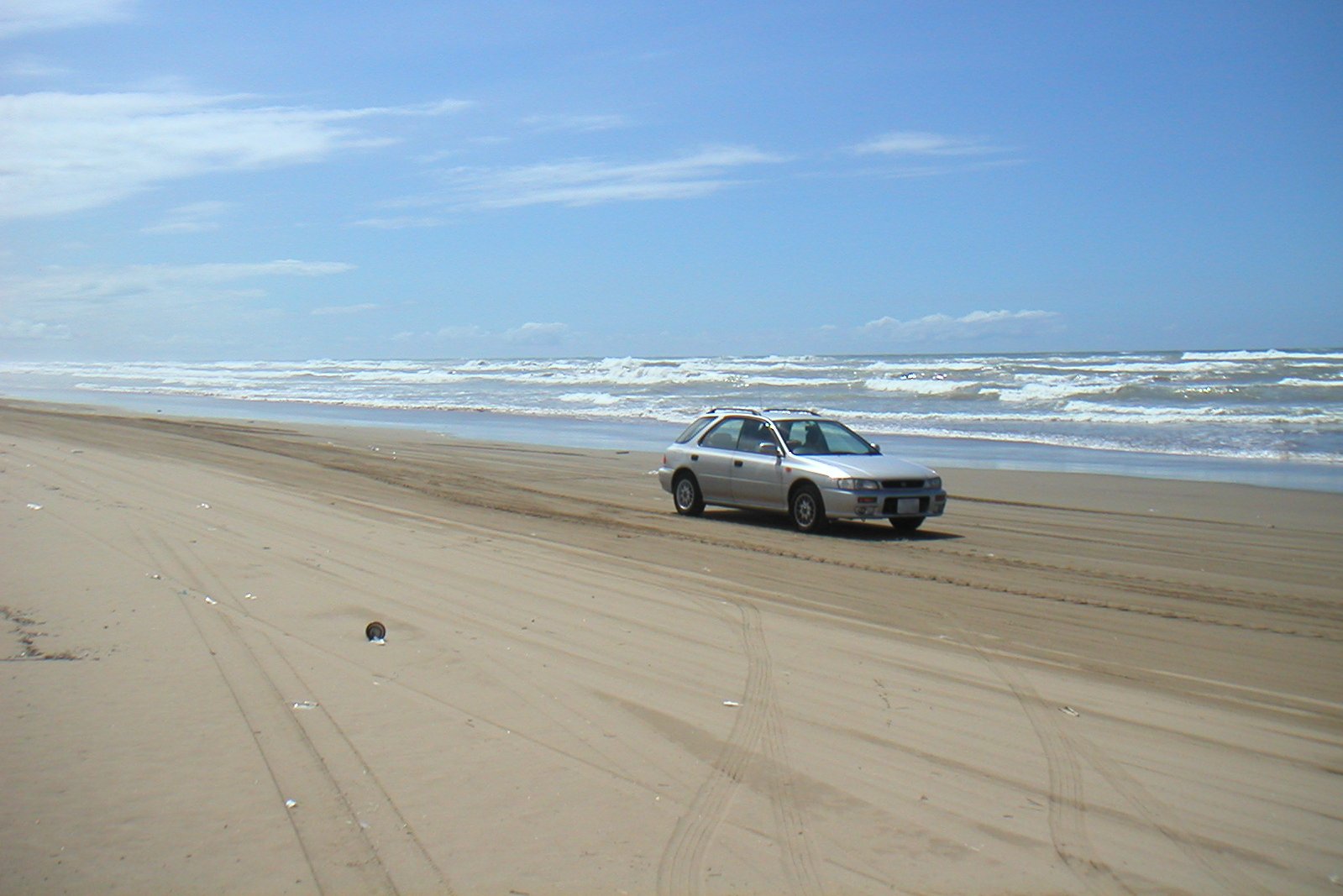
Chirihama Nagisa Driveway is one of Japan's genuine oddities: an 8-kilometre stretch of hard-packed sand on Chirihama beach where cars, buses, and motorcycles share the shoreline with pedestrians and cyclists year-round. The sand compacts enough to support full-size vehicles without risk of sinking, and the beach is wide enough that nothing feels chaotic. Drive slowly; stop and walk to the waterline. It is the kind of detail that makes a travel story land, and it takes less than 30 minutes to cover. Access is free, and entry points are marked on the main coastal road.
Anamizu and Nanao bay
The inner, Nanao bay side of the peninsula is softer in character than the Sotoura coast. Rice paddies run down to the water's edge, oyster-farming rafts dot the sheltered bay, and the towns here escaped the worst of the 2024 earthquake. This is the Noto that most resembles the satoyama landscape described in Japan's hidden-gem regions: working farms, small fishing ports, and views that ask nothing of you except attention.
Oysters from the bay are available fresh from roughly December through March, and restaurants along the inner coast serve them grilled, raw, or over rice. Which ones are open shifts with the season and the rebuild; ask at the tourist information offices in Nanao or Anamizu which oyster shacks are trading that week. The Nanao area escaped significant structural damage and is the most straightforward starting point for visitors who want to ease into the peninsula before driving north.
When to go
When to visit the Noto Peninsula
Post-earthquake, the peninsula has fewer visitors year-round; a rare advantage for those who go now. These are the months worth targeting.
January
Visitor numbersQuiet Crab season at its peak; mountain roads may need snow tyres
Weathersnowflake
March
Visitor numbersQuiet Crab season ends; roads improving as spring approaches
Weathersun_cloud
April
Visitor numbersModerate Cherry blossoms along inland roads; domestic visitors increase
Weathersun
May
Visitor numbersModerate Pleasant weather; Golden Week brings domestic crowds mid-month
Weathersun
July
Visitor numbersModerate Humid heat; the peninsula's kiriko lantern festival season begins
Weathercloud_rain
August
Visitor numbersModerate Wajima Taisai kiriko festival, 22–25 August; hot and humid
Weathersun
November
Visitor numbersQuiet Best overall: autumn foliage, crab season starts, cool and clear
Weathersun_cloud
December
Visitor numbersQuiet Crab season in full swing; cold; mountain roads may need snow tyres
Weathersnowflake
November is the strongest month for the peninsula: autumn foliage arrives inland, the Sotoura coast is dramatic under grey skies, and tourist numbers are low. The crab season running from November through March makes winter worth considering; snow crab from the Sea of Japan (zuwaigani, sold locally under the Ishikawa name kano-gani) lands fresh at waterfront restaurants. Spring (April to May) brings cherry blossoms along inland roads and is popular with domestic visitors. Summer is humid and busy with festivals: the peninsula's kiriko lantern processions run through the warm months, and Wajima's own grand festival fills the town from 22 to 25 August. Winter driving on mountain roads requires snow tyres; check road conditions before heading north from Kanazawa.
How to Get There
Getting There
- 1Rent a car at Kanazawa station (several agencies at the east exit) → Wajima via Route 249
Verify current rental rates and road conditions at booking.
- 1Take the Hokkoku Bus Limited Express from Kanazawa station Bus Terminal (Gate 11) → Wajima Bus Terminal
Verify current fares and post-earthquake schedules at the terminal.
- 1Fly ANA to Noto Satoyama Umi Airport → Noto Satoyama Umi Airport
- 2Rent a car at the airport → Wajima
Service was restored after the earthquake; check current flight frequencies.
Tips
- Rent a car in Kanazawa, not on arrival. Public transport to northern Noto was already sparse before the earthquake; post-earthquake, fewer bus routes are running and the schedule has gaps. A car is not a convenience here; it is the practical requirement for reaching Wajima, the Sotoura coast, Ganmon Cave, and Chirihama. Book in advance during peak seasons.
- Stay in Wajima, not Kanazawa. Several ryokan in Wajima have reopened since 2025; check availability early, because stock is limited. A night in Wajima puts your accommodation spend directly into the local recovery economy. Day-tripping from Kanazawa keeps most of your money 130 kilometres from where it can help most.
- Buy lacquerware from verified sources. Mass-produced lacquerware sold throughout Japan is rarely Wajima-nuri. Buying at the Wajima Lacquerware Museum sales floor or directly from a Wajima workshop ensures the money reaches the craftspeople who make it. Prices for genuine Wajima-nuri start around ¥3,000 for small pieces.
- Carry cash. Many small restaurants, market stalls, and craft shops in Noto operate on cash only. Carry at least ¥20,000 before leaving Kanazawa; ATMs are available at convenience stores and the post office in Wajima.
- Expect repair zones. Road closures and construction continue in parts of northern Noto as of mid-2026. The prefectural road information site and the tourist office in Wajima carry current conditions. A road that was open last year may not be open now; verify on the day.
- Group tour subsidies. The "travel to support Noto" campaign provides financial subsidies for registered group tours through March 2027. Individual travellers are welcome but the subsidy targets organised groups. See the official Ishikawa tourism site for registered operators and eligibility details.
Nearby
Kanazawa is the natural base for any Noto trip: most visitors combine two or three days in the city with a two-day peninsula extension. The full breadth of Ishikawa extends well beyond Kanazawa and Noto, with mountain towns and onsen villages worth the detour.
FAQ
Is it safe to visit the Noto Peninsula after the 2024 earthquake?
Yes, as of mid-2026, the main tourist areas of the peninsula are open and safe to visit. Principal roads have been largely repaired, Wajima is functioning, and accommodation is available. Isolated road closures and construction zones remain in northern Noto; check local information on arrival. The official prefectural position is that visitors are welcome and that tourism spending directly supports the community recovery.
Do I need a rental car to visit Noto?
For anything beyond Nanao at the base of the peninsula, yes. Wajima, Ganmon Cave, and Chirihama Nagisa Driveway are all reachable by car from Kanazawa in under three hours. Bus services exist but run infrequently, and the most rewarding coastline on the Sotoura side is inaccessible without a vehicle. Rent at Kanazawa station before you leave and book in advance during autumn and winter holidays.
What is Ishikawa's "travel to support Noto" campaign?
A prefectural initiative launched after the 2024 earthquake. It provides financial subsidies for registered group tours to the Noto Peninsula and runs through March 2027 as of mid-2026. Individual travellers are welcome; the subsidy applies specifically to organised group tours booked through registered operators. The official Ishikawa tourism website carries current eligibility criteria and a list of approved operators.
What is Wajima-nuri lacquerware and where can I buy it?
Wajima-nuri is a centuries-old lacquerware technique unique to Wajima, involving dozens of layers of urushi lacquer applied to a wooden base. It is among Japan's most technically demanding craft traditions and produces work of exceptional durability. Buy directly from workshops near the museum or from the museum shop. Prices for small pieces start around ¥3,000; a high-end bowl set runs well above ¥30,000. Anything labelled "Wajima lacquerware" at a generic souvenir shop outside the prefecture is unlikely to be authentic.
What is Chirihama Nagisa Driveway?
An 8-kilometre stretch of Chirihama beach in the southwestern part of the peninsula where the sand is hard-packed enough year-round to support full-size vehicles. Cars, buses, and motorcycles drive on the beach legally, alongside pedestrians and cyclists. It is a Japanese road oddity with no real equivalent elsewhere in the country. Access is free; the full drive takes about 20 minutes at a relaxed pace. Entry points are marked from the main coastal road.