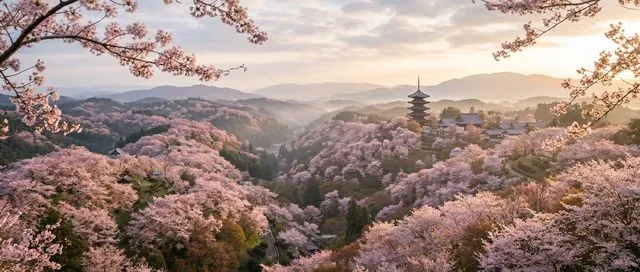
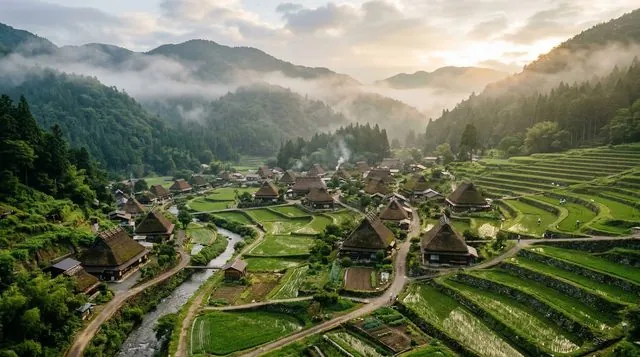
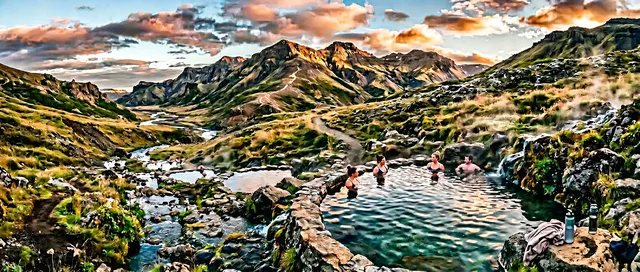
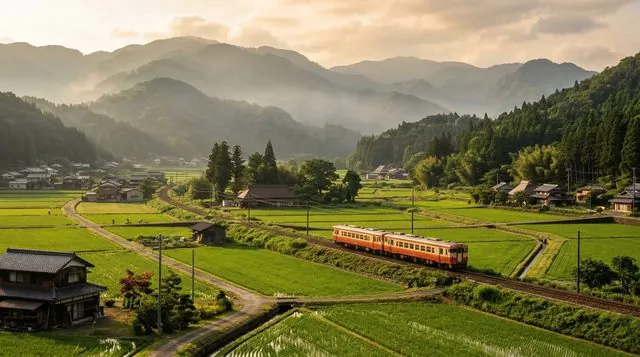
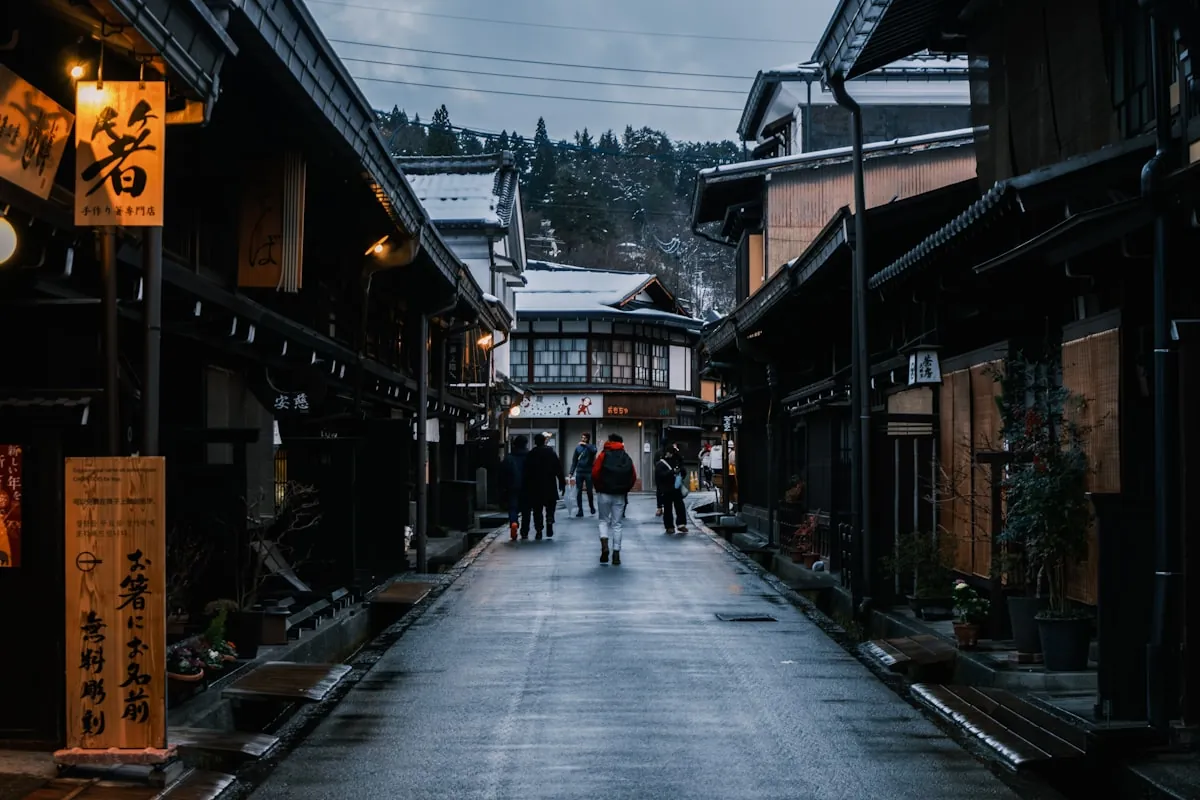
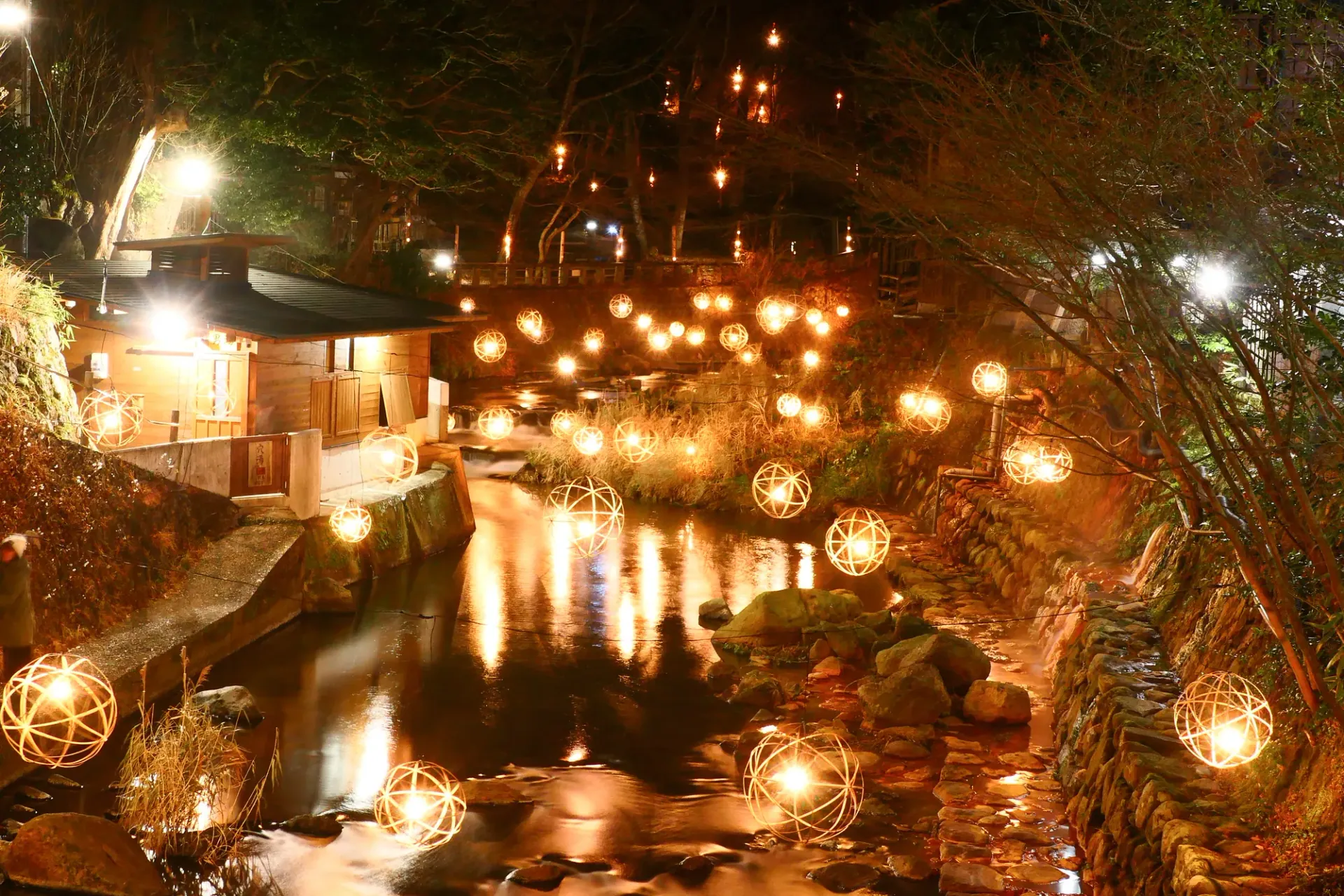

Kurokawa Onsen is a small valley town of around 30 ryokan in the volcanic highlands of Kumamoto prefecture.
Its draw is the nyuto tegata: a wooden pass that admits you to the open-air baths of three establishments, wherever you are staying.
What to expect
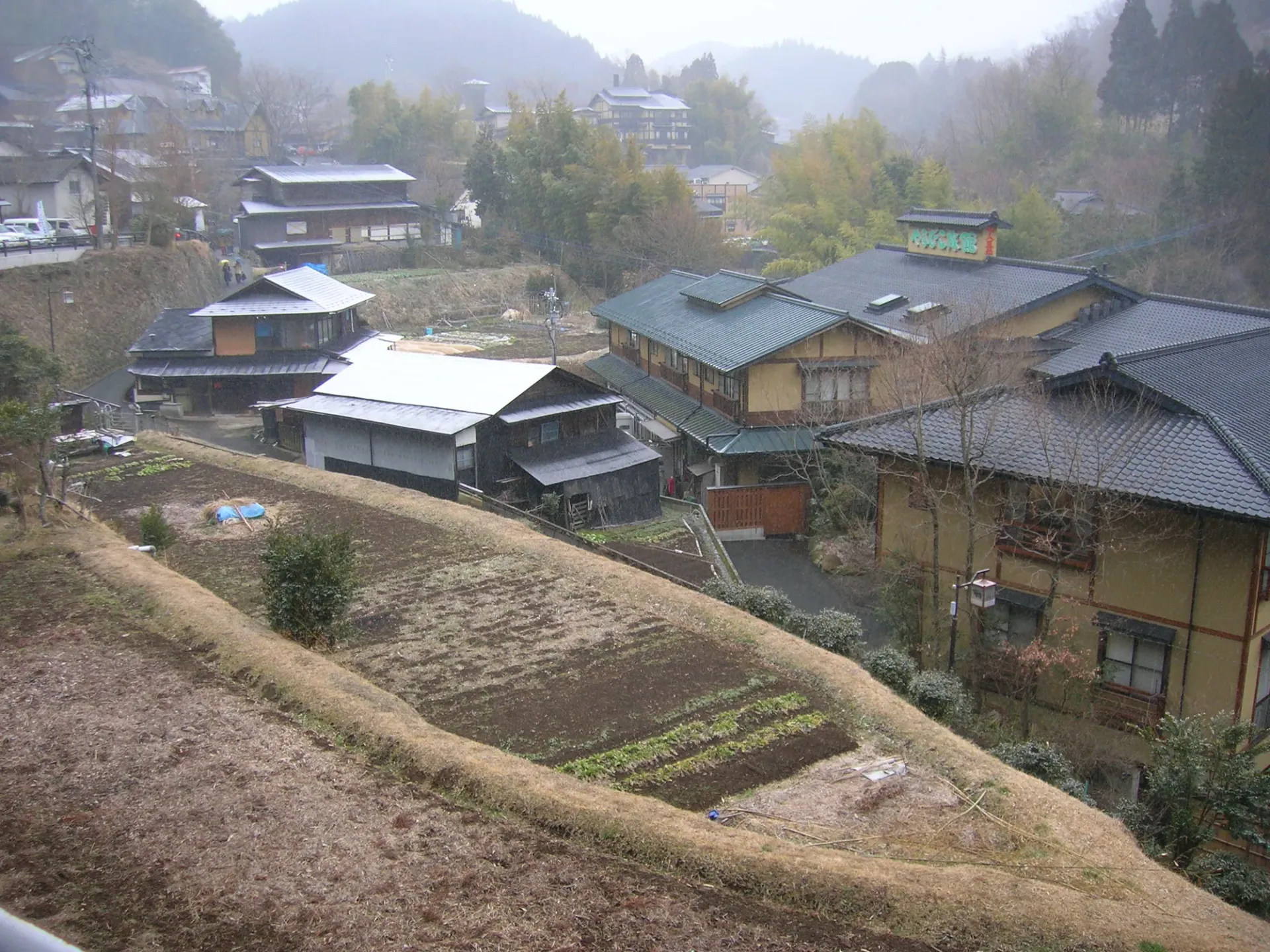
Kurokawa sits in a river gorge on the edge of the Aso caldera region, ringed by cedar and maple forest.
The nyuto tegata (入湯手形)
- Price: ¥1,500, sold at any participating ryokan and at Kazenoya, the association's visitor center on the onsen street.
- What it covers: any three of the 25 open-air baths at participating ryokan. You do not need to stay at them. You can swap one entry for a meal, drink or souvenir in the village.
- Validity: six months from the date of purchase. Unused entries can be saved for a later visit within that period.
- Single baths: day-use entry without the pass runs ¥500–800 per bath, so the tegata is cheaper once you take three.
Bath types across the circuit
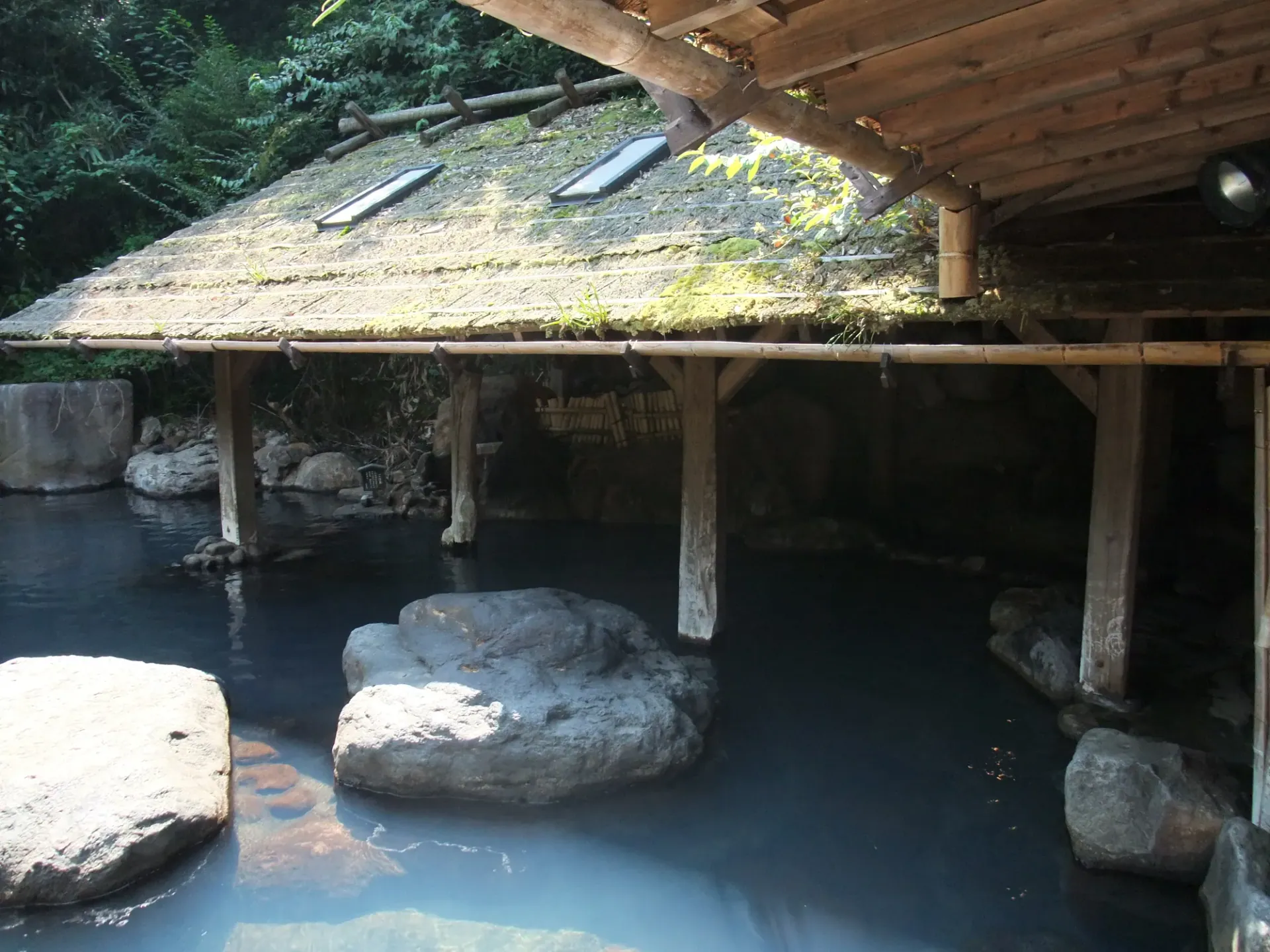
Choose three different bath types rather than three of the same:
- River rotenburo: some sit right beside the river.
- Cave baths (doukutsu-buro): cut into the volcanic hillside, with bare rock walls and a ceiling that traps the steam.
- Indoor rock-set pools: suit rainy days when outdoor bathing feels exposed.
Day trip or overnight
- Day trip from Fukuoka: tight by bus. The earliest bus from Hakata reaches Kurokawa around 12:30 and the last bus back leaves around 14:00, so you get roughly an hour and a half. By car it is much more flexible.
- One night: covers the essential Kurokawa experience. Ryokan serve kaiseki dinner and a full Japanese breakfast. The bath after dinner is the quietest window, and the morning soak adds an entry.
- Two nights: pair the onsen circuit with a day at Mount Aso.
- Budget: Kurokawa is mostly mid-range to high-end ryokan, and budget options are very limited. Yufuin offers more variety at lower prices.
How to get there
Getting There
- 1Highway bus (Sanko Bus and Hita Bus), direct service to Kurokawa Onsen
- 1Kyushu Odan Bus (Kyushu Sanko) along the Yamanami Highway to Kurokawa Onsen
- 1Kyushu Odan Bus (Kyushu Sanko) along the Yamanami Highway to Kurokawa Onsen
- 1Kyushu Odan Bus (Kyushu Sanko) to Kurokawa Onsen
- From Fukuoka (Hakata): direct highway bus (Sanko bus and Hita bus), approx. 2 hrs 35 min, approx. ¥4,000.
- From Kumamoto Station: Kyushu Odan bus (Kyushu Sanko), approx. 2 hrs 50 min, approx. ¥3,400.
- From Yufuin: Kyushu Odan bus, approx. 1 hr 35 min, approx. ¥2,700.
- From Beppu: Kyushu Odan bus, approx. 2 hrs 35 min, approx. ¥4,000. Only one bus a day starts in Beppu.
- By train: not possible. Bus or car only.
- Before you go: check the Sanko bus operating status page. The Kurokawa Onsen association links to it for the Odan and Fukuoka services.
Tips
How the tegata circuit plays out across each visit mode
- Buy the tegata early: at your ryokan, at the first bath you visit or at Kazenoya, the association's visitor center.
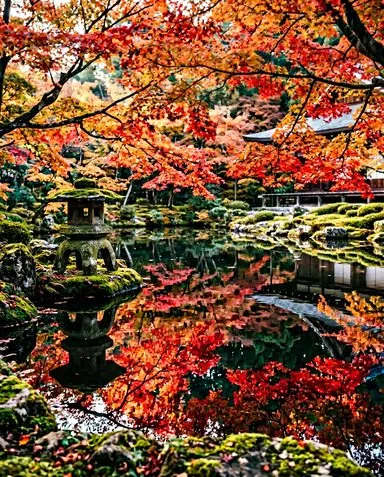
- Best season: October and November for autumn colour in the gorge, or winter for snow on the cedars and steaming open-air pools.
- Avoid Golden Week: late April to early May is peak travel season, so book a ryokan early. When baths get crowded, the association says entry may be restricted.
- Mixed bathing: some rotenburo are mixed-gender (konyoku). Check the sign at the entrance or ask at reception.
- Mount Aso: about an hour by car, or about 50 minutes by Kyushu Odan bus to Aso Station. The Nakadake crater is often restricted. When we checked in November 2026, the area within about 1 km of the crater was off-limits under a level 2 volcanic warning, so check the official restriction page before you plan around it.
Nearby
A second day around the Aso caldera pairs naturally with Kurokawa.
FAQ
What is the nyuto tegata and how does it work?
A wooden pass (¥1,500) for any three of the 25 open-air baths at participating ryokan, no stay required. You can swap one entry for a meal, drink or souvenir. See the list above.
Can I visit Kurokawa Onsen as a day trip from Fukuoka?
By car, yes. By bus it is tight: the earliest bus from Hakata reaches Kurokawa around 12:30 and the last bus back leaves around 14:00, so you get roughly an hour and a half. Staying overnight is better.
When is the best time to visit?
October and November, or winter. Avoid Golden Week.
Is Mount Aso accessible from Kurokawa?
Yes, about an hour by car. Nakadake crater can be restricted at short notice, so check the official restriction page before you go. Kusasenrigahama and the Aso Volcano Museum are nearby, but check their access too.
Is there accommodation for all budgets at Kurokawa Onsen?
No. Budget options are very limited. Do a day trip with the tegata, or stay in Yufuin.