
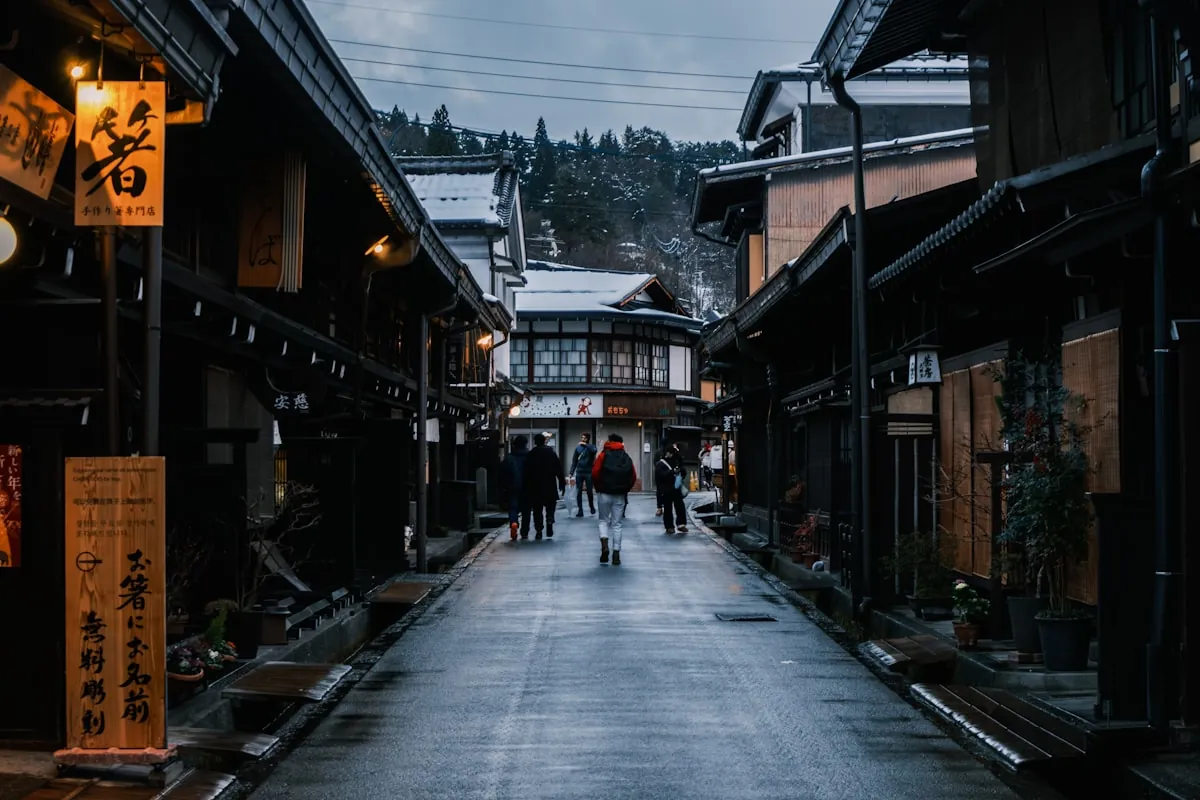

Kyoto rewards the right address twice a day. Sleep in Higashiyama and the temple lanes of the east side are empty on your morning walk, hours before the buses. Sleep downtown and you trade that head start for better prices, better dinners and easier trains. This guide compares the districts on what actually differs, explains the ryokan decision honestly, and names one verified stay per budget.
What you need to know
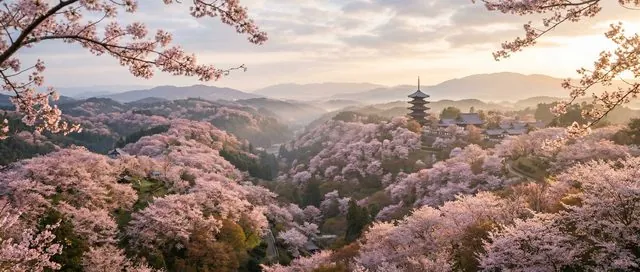
Kyoto is compact but slow: buses crawl in season and the metro grid is thin, so location beats star count. The city also swings harder with the seasons than anywhere in Japan. In the foliage weeks of late November, and the sakura window around the start of April, rooms double in price and sell out months out. The same rooms in January or June cost less than half.
The ryokan question is a rhythm question. Dinner at six, a shared or booked bath, futons on tatami and an early quiet close to the evening suit the temple-day tempo perfectly for a night or two. For a full week most travelers do better mixing one ryokan stay into a hotel trip.
The districts compared
Four bases cover nearly every Kyoto trip:
| Area | Best for | Trade-off | Typical double |
|---|---|---|---|
| Higashiyama / Gion | Temple mornings, lantern evenings | Priciest lanes; restaurants close early | ¥20,000–45,000 |
| Downtown (Shijo–Karasuma) | Value, food, transit | No temple at your door; generic streets | ¥12,000–25,000 |
| Kyoto Station area | Shinkansen days, day trips | Charmless blocks; everything is a ride away | ¥10,000–20,000 |
| Arashiyama | River calm, second visits | Empties and closes early; far from the east side | ¥15,000–60,000 |
Three verified stays, three budgets
One concrete pick per tier, all verified in the spots database.
HOSHINOYA Kyoto: a luxury ryokan on the Arashiyama riverbank that guests reach by boat, at its best after the last day trippers cross back over the bridge.
luxury ryokan
Yuzuya Ryokan: a classic small ryokan on the eastern edge of Gion, with kaiseki dinners and the Higashiyama lanes outside the door at dawn.
classic ryokan
The Millennials Kyoto: smart-capsule beds and a shared lounge on the downtown shopping streets, the strongest value tier in the city center.
smart budget
How to choose in three steps
Decide what the mornings are for
If the answer is temples before the buses, pay for Higashiyama and use it. If mornings are for coffee, downtown saves money you will spend better on dinner.
Check the season first
In foliage and sakura weeks, availability picks the district for you. Book two to four months out, or aim for the shoulder weeks either side.
Book the ryokan night separately
Mix one or two ryokan nights into a hotel stay rather than committing the whole trip. Confirm dinner time and bath arrangements when you book, not at check-in.
When to book
Late November is the hardest week of the year in the whole country; two to four months of lead time is normal for anything in Higashiyama. The sakura window and Golden Week behave the same. Gion Matsuri fills July weekends. Outside those peaks, two to three weeks ahead is comfortable, and winter brings both the lowest prices and the emptiest temple gardens.
FAQ
Which area is best to stay in Kyoto for first-timers?
Higashiyama if the budget allows: the mornings alone repay the premium. Downtown between Shijo and Karasuma is the sensible second choice, one short ride from everything.
Is it worth staying in a ryokan in Kyoto?
Yes, for one or two nights, and Kyoto is the best city in Japan to do it. Treat the dinner hour and bath etiquette as part of the experience rather than restrictions and it lands.
Should I stay near Kyoto Station?
Only when the station is your tool: day trips to Nara or Osaka, an early shinkansen, one-night stops. It is the practical choice, never the atmospheric one.
How far ahead should I book Kyoto hotels?
Foliage and sakura weeks: two to four months. Gion Matsuri weekends in July: six weeks. The rest of the year: two to three weeks is usually enough.