

Yes, you can visit an onsen with tattoos. I've done it across Japan with a half sleeve and have never once been turned away. But that's because I knew which doors to walk through. Some baths genuinely don't care, some quietly hand you a problem at the front desk, and the difference is rarely explained in English. Here you'll find the rules, the workarounds, and a list of baths whose tattoo policy is actually verified.
What you need to know
The tattoo ban is not a law. It's a house rule from the decades when ink in a bathhouse meant organized crime, and it survives mostly out of habit. The people enforcing it today aren't judging your travel tattoo; they're following a sign that predates your visit. That's also why the rule is crumbling: Beppu's city tourism office now publishes its own list of tattoo-allowed baths, and big resorts are dropping the ban outright.
In practice every bath falls into one of three tiers:
- Truly tattoo-friendly. You walk in, pay, bathe. No stickers, no questions. This tier is bigger than the internet suggests.
- Private-bath workaround. The shared baths say no, but you can rent a kashikiri (private) bath by the hour. Nobody sees you, so nobody minds.
- Sticker territory. Allowed only if the tattoo disappears under a cover sticker. Fine for a small piece, useless for a sleeve.
The sento loophole
A sento is a neighborhood public bathhouse, heated tap water or natural spring, but run as a public washing facility rather than a resort. Because sento historically served everyone in the neighborhood, including the tattooed, most simply never adopted a ban. If you just want the hot-water-and-quiet experience without policy anxiety, a sento is the easiest yes in Japan.
Tattoo-friendly baths you can count on
Every bath below comes from our verified database, and each policy was checked against the venue's or city's own pages, not forum hearsay.
Beppu, Kyushu: the easy yes
The onsen capital publishes its own tattoo-allowed list, and covering up is explicitly unnecessary at the baths on it. Four favorites:


Takegawara Onsen: a creaking 19th-century hall downtown; the scalding water and the architecture are the attraction.
Municipal bath
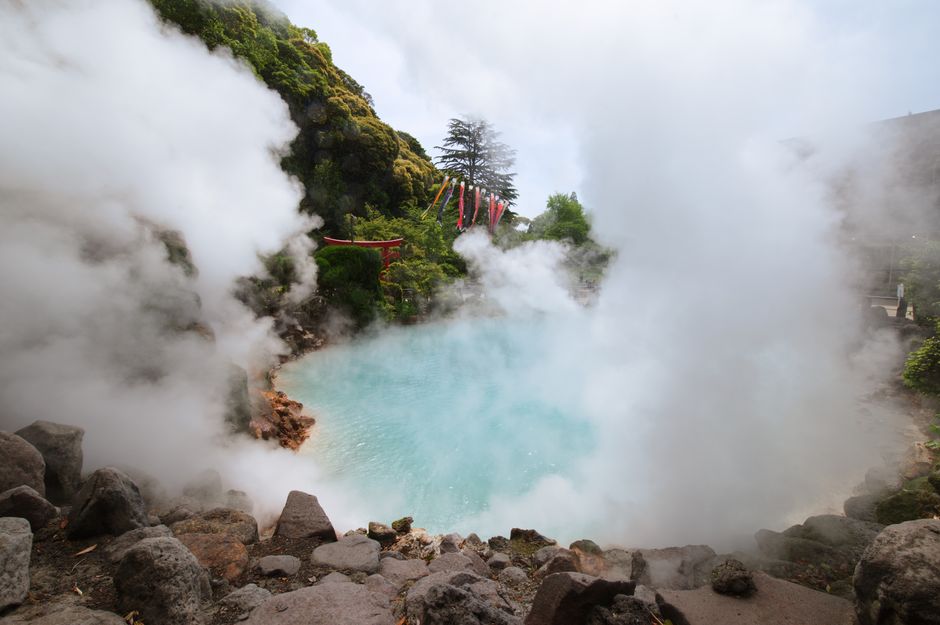
Kannawa Steam Bath: a medieval steam bath over natural hot-spring vents in the steam-wrapped hill district.
Steam bath
Beppu Beach Sand Bath: you're buried to the neck in geothermally heated sand, which makes the policy almost academic.
Sand bath
Hyotan Onsen: waterfall baths, a sand bath and family baths under one roof, and tattooed bathers welcome since it opened in 1922.
Bath complex
Kansai: Arima and Kobe
Arima Onsen Kin no Yu: the municipal bath of one of Japan's oldest hot-spring towns, famous for its rust-colored kinsen water.
Municipal bath
Nada Onsen Suidosuji: a proper local sento with real onsen water, rotenburo and sauna; tattoos welcome in every bath. Open from five in the morning.
Sento
Hakone: the fresh policy change
Hakone Yuryo: this day-use resort lifted its tattoo ban on 1 April 2025, and most guides haven't caught up. Forest rotenburo ten minutes from the station, plus private open-air baths if you want them anyway.
Day-use resort
Takayama: the private-bath route
Private hot spring Garyu no Yu Garyu no Sato: reservable private hot-spring baths just outside Takayama. The workaround tier done properly: you bathe alone, so the question never comes up.
Private rental
Niseko: sticker territory, honestly labeled
Yukichichibu Onsen: mud baths in the middle of nowhere, and a textbook example of tier three. Entry only if your tattoo disappears under a ¥300 cover sticker from the front desk. Fine for a small piece; not for a sleeve.
Mud baths
How to plan an onsen day with tattoos
Check the policy before you go
Look at the bath's official site, not a three-year-old blog post. Policies are changing fast: a major Hakone resort dropped its ban in April 2025. If the site is Japanese-only, search the page for the characters for tattoo (タトゥー or 入れ墨).
Match the bath to your ink
Small tattoo? Sticker-territory baths open up to you for a few hundred yen. Half sleeve or bigger? Go straight to the truly-friendly tier or book a private bath; stickers won't cover you and staff won't pretend they do.
Default to a sento when in doubt
Neighborhood bathhouses rarely ban tattoos and cost about ¥500. Less scenery than a mountain rotenburo, but the water, the ritual and the locals are the real thing.
Book kashikiri for a guaranteed yes
Private rental baths (kashikiri or family baths) remove the policy question entirely. Reserve ahead for popular slots, especially weekends and the late afternoon after check-in.
Walk in like you belong
Wash thoroughly at the stations before entering the water, keep your towel out of the bath, and don't make your tattoo a topic. Confidence and good manners close the discussion before it starts.
Tips & common mistakes
- I bathe with a half sleeve and the honest pattern is this: in tattoo-friendly baths nobody looks twice, and in the rest the problem is the front desk, not the bathers. Pick the right door and the drama never happens.
- Don't gamble on "nobody will notice". Being asked to leave mid-soak is more awkward than five minutes of checking the policy beforehand.
- Beppu is the easiest tattoo-friendly destination in Japan. The city promotes its tattoo-allowed baths itself, and it's far less crowded than Hakone on any weekend.
- Cover stickers sold at front desks are typically about 13 by 9 centimeters. If your tattoo doesn't fit under one, that bath was never really an option.
- Ryokan with in-room or private baths are the stress-free luxury route; the shared-bath policy becomes irrelevant.
- Policies change in both directions. A screenshot of the official page saying tattoos are fine settles any front-desk confusion politely.
FAQ
Can you go to an onsen with tattoos at all?
Yes. There is no law against it; each bath sets its own rule. Plenty of baths welcome tattoos outright, and this guide only lists ones whose policy is verified.
What about Tokyo and Kyoto?
Both cities run on the sento system, and most neighborhood bathhouses there never banned tattoos. For a resort-style soak, Hakone is the practical answer from Tokyo (under two hours away, with a major day-use resort that dropped its tattoo ban in 2025), while from Kyoto, Kobe's tattoo-friendly sento and Arima's municipal baths are a short train ride.
Do cover stickers actually work?
For one small tattoo, yes: buy them at the front desk for around ¥300 or bring your own. For sleeves, back pieces or multiple tattoos they're pointless, and pretending otherwise just moves the awkward conversation indoors.
What happens if staff see my tattoo in a no-tattoo bath?
You'll be asked, politely, to cover up or leave, usually with a refund. It's not a scene and it's not personal. Apologize, leave, and spend your money at a bath that wants it.
Are private baths at ryokan tattoo-friendly?
Effectively always. In-room baths and reservable kashikiri baths are private space, so house tattoo rules don't apply. If a ryokan's shared baths say no, ask about their private options before writing the place off.
Is the tattoo ban disappearing?
Slowly, yes. Beppu's tourism office publishes an official tattoo-allowed list, and resorts are lifting bans as international visitors become their main audience. But it's bath-by-bath, not nationwide, so checking before you go is still the rule.