
You have decided to visit Japan in July. Good news: the advice to "avoid summer" is written for August in Tokyo, and July is a different, more rewarding month, provided you know where to base yourself and how to time your days. Here is what the weather is really like, and how to make the heat work for you.
What you need to know
July is the start of Japan's true summer. The rainy season (tsuyu) usually clears in the first half of the month across most of the country, leaving hot, humid, bright days on Honshu and Kyushu. Tokyo, Kyoto and Osaka regularly sit at 30°C or above, and the humidity makes it feel hotter. Standing outdoors at midday is genuinely tiring.
Japan is a long country, though. Head north to Hokkaido or up into the mountains and July is pleasant rather than punishing. It is also peak festival season, and one of the best months of the year for fireworks. Three adjustments (go cooler, time your days, build around a festival) turn July from a compromise into one of the most characterful times to travel.
The upside most guides skip
July is not a peak travel season the way spring's cherry blossom and autumn's leaves are, so outside festival hotspots, accommodation is easier to find and often cheaper. Crowds at the big sights are lighter than in April or November. If you can handle the heat, or sidestep it, that is a real advantage.
July temperatures by region
Daytime highs and nighttime lows for July, so you can pick a base that matches your tolerance for heat:
| Region | Avg high | Avg low | In short |
|---|---|---|---|
| Tokyo | 29°C | 23°C | Hot, humid; rainy season ends mid-month |
| Kyoto & Osaka | 31°C | 24°C | The hottest, most humid bases |
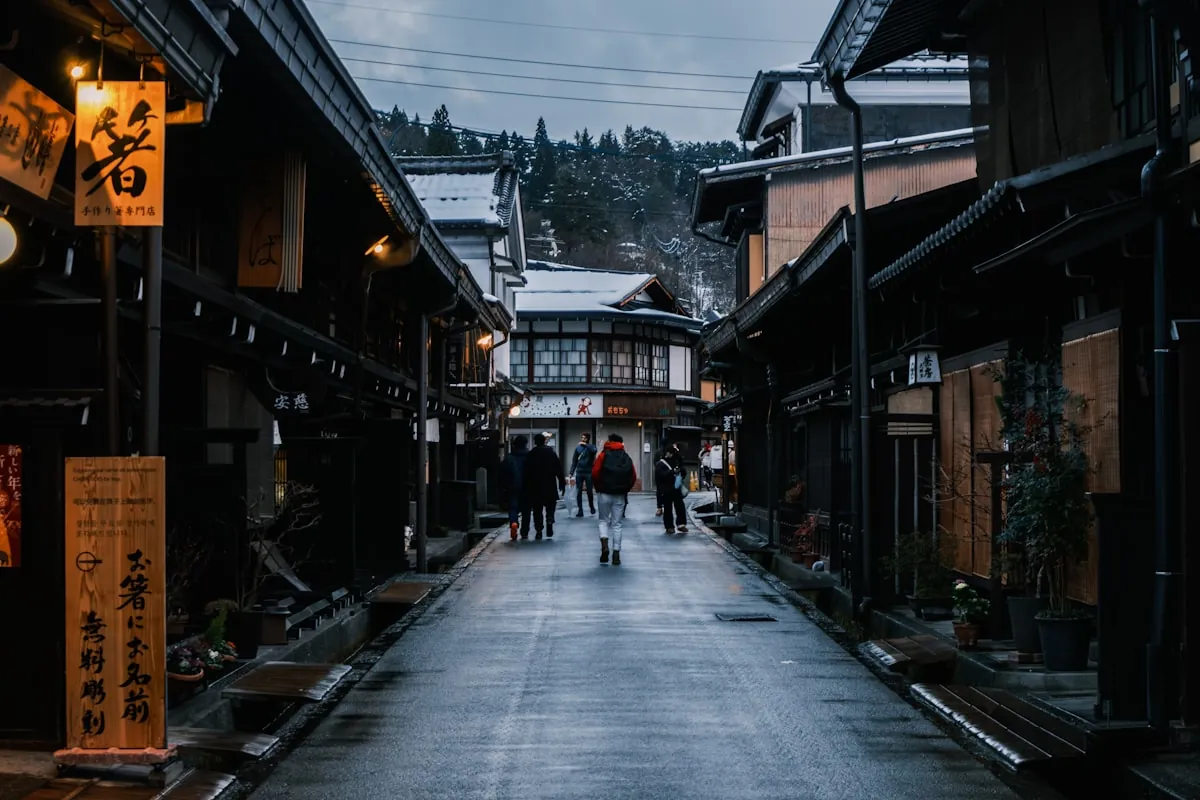
| Highlands (Takayama) | 29°C | 19°C | Hot by day, but cools off sharply at night |
| Hokkaido (Sapporo) | 25°C | 17°C | The heat-escape: dry, mild, no rainy season |
| Okinawa (Naha) | 31°C | 26°C | Hot but beachy; rainy season already over |
The takeaway: if heat worries you, build your trip around Hokkaido and the highlands, and treat the big Honshu cities as morning-and-evening stops.
How to plan a comfortable July trip
Pick a heat-smart base
Split your time: a few days in the cooler north or mountains, a few in the cities. Hokkaido and highland towns like Takayama give you a break from Honshu's humidity without leaving the country.
Flip your daily rhythm
Do outdoor sights before 09:00 and after 17:00, when temperatures and crowds drop. Reserve the hot middle of the day for air-conditioned museums, department stores, cafes and long lunches.
Build around a festival
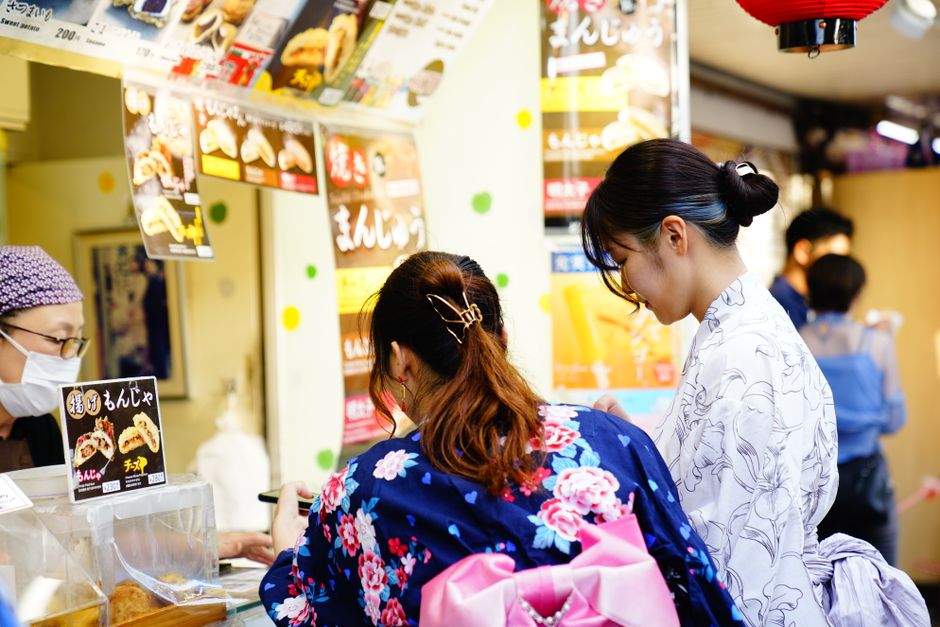
July is festival season. Anchor a few days to a matsuri or fireworks display you actually want to see, then plan the rest of the route around it. The events are the reason to come now.
Pack for humidity
Breathable, quick-dry clothing, a hat, a refillable water bottle, a hand fan and high-SPF sunscreen. Add a light layer for fiercely air-conditioned trains and shops.
Festivals worth building a trip around
This is July's trump card. A handful of the country's greatest summer events fall this month:
- Gion matsuri (Kyoto): the big one. A month-long festival peaking with float processions on 17 and 24 July, and lantern-lit evening street parties beforehand. Worth structuring a Kansai leg around. See more of Japan's summer festivals.
- Tenjin matsuri (Osaka): one of Japan's top three festivals, late July, ending with a procession of boats on the river and fireworks overhead.
- Sumida river fireworks (Tokyo): a vast, traditional fireworks display over the river in late July, drawing huge, festive crowds.
- Mountain and beach season: Mount Fuji's official climbing season opens in July, and Okinawa's beaches are at their best now that its rainy season has ended.
Escape the heat: go north or go up
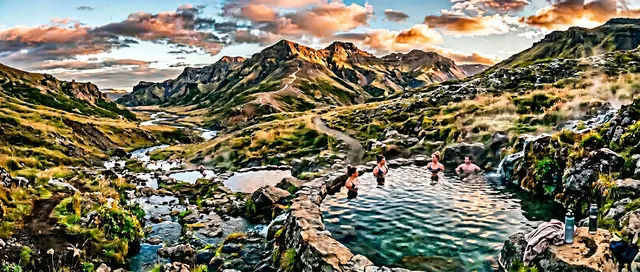
If the humidity sounds unbearable, build your route around the places that barely feel it. Hokkaido is the obvious answer: around 25°C, low humidity, and no rainy season, with lavender fields in full colour around Furano and Biei from mid-July. The central highlands are the other escape: Takayama and the surrounding mountains are hot by day but cool sharply at night, and put you within reach of mountain onsen like the wooded settings of Kurokawa onsen and Nyuto onsen.
Tips & common mistakes
- Don't over-pack your daytime schedule; heat exhaustion is the fastest way to ruin a trip. Two outdoor sights a day in July is plenty.
- Do use convenience stores constantly: cold drinks, cool air and clean toilets are never more than a few blocks away.
- Don't assume the whole country is sweltering. The single biggest mistake is treating Japan as one climate. Hokkaido in July feels like a mild European summer.
- Do book early for festival dates. Kyoto fills up months ahead for Gion matsuri, even though July is otherwise quiet.
- Do carry a small towel and a fan. Both are normal, useful, and sold everywhere.
FAQ
Is July a bad time to visit Japan?
No, just a different one. The cities are hot and humid, but July is festival and fireworks season, crowds are lighter than in spring or autumn, and the north and the mountains stay comfortable. With the right base and timing, it's a strong month to travel.
How hot does it get in Japan in July?
On the main island, daytime highs sit around 29–31°C in Tokyo, Kyoto and Osaka, with high humidity that makes it feel hotter. Hokkaido is much milder at around 25°C, and the mountains cool off at night.
Is the rainy season over by July?
Usually, yes. The rainy season (tsuyu) typically ends in the first half of July across most of Japan. Okinawa clears even earlier, in late June, while Hokkaido has no real rainy season at all.
Where should I go to escape the heat?
Hokkaido is the classic choice: cool, dry and green, with lavender fields in mid-July. The central highlands around Takayama are another good option, hot by day but cool at night and close to mountain onsen.
What should I pack for Japan in July?
Breathable, quick-dry clothing, a hat, sunscreen, a refillable water bottle and a hand fan. Add a light layer for heavily air-conditioned trains, shops and museums.
What's the best festival in July?
Kyoto's Gion matsuri is the headline event, a month-long festival peaking on 17 and 24 July. Osaka's Tenjin matsuri and Tokyo's Sumida river fireworks, both in late July, are also worth planning around.