
Japan in December is two trips wearing one name. The first three weeks are among the best-value, lowest-crowd days of the entire year: dry, sunny skies on the Pacific side, glowing winter illuminations, and onsen towns at their atmospheric best. Then the New Year rush arrives and changes everything. This guide explains exactly how to time a December trip, and what closes if you can't avoid the holidays.
What you need to know
One month, three very different windows. Temperatures are Tokyo/Kyoto daytime highs. The weather barely changes; the crowds do.
Dec 1–20
CrowdsQuiet Lowest hotel rates of the season; easy reservations
Weather12° · Dry & sunny on the Pacific side
From Dec 21
CrowdsBusy New Year travel ramps up: book shinkansen & hotels ahead
Weather12° · Cold & clear; snow in the north
Dec 29–Jan 3
CrowdsPeak Independents wind down; deepest closures Jan 1–3
Weather12° · Dry & cold
December splits cleanly in two, and the split decides your trip.
December 1–20 is the sweet spot. The Pacific belt (Tokyo, Kyoto, Osaka, Hiroshima) runs dry and sunny with daytime highs around 12°C. Crowds are thin at sights that are mobbed in spring and autumn, hotel rates sit well below the shoulder seasons, and reservations are easy. Kyoto's late autumn colour can hang on into the first week of the month.
December 21 to early January is a different country. New Year (oshōgatsu) is the most important holiday in Japan, domestic travel peaks, ski-region prices hit their ceiling, and independent restaurants, smaller shops and museums wind down from roughly December 29 to January 3. Department stores and most chains stay open until New Year's Day, with the deepest closures on January 1–3. Trains run on normal schedules but get much busier. Plan around it or shift earlier.
Where it snows, and where it doesn't
The Pacific side stays dry and bright. Snow falls on the Sea-of-Japan side, the Japan Alps, Tōhoku and Hokkaido. Okinawa stays mild at around 20°C, Japan's warm-weather escape in winter.
December weather varies far more by region than by date. Here is the spread across four representative areas.
| Region | Daytime high | Overnight low | Conditions |
|---|---|---|---|
| Tokyo & Pacific belt | ~12°C | ~5°C | Dry, sunny, crisp, little rain |
| Kyoto / Osaka | ~12°C | ~4°C | Cold mornings, clear days; early-month autumn colour |
| Sapporo (Hokkaido) | ~2°C | ~ -4°C | Snow, ski season opening |
| Okinawa | ~20°C | ~15°C | Mild, breezy; beach-adjacent, not swimming weather |
Figures are monthly averages; individual days vary. The takeaway: pack real winter layers for anywhere north of Tokyo, and a good coat everywhere, because the indoor-heating-to-outdoor-cold swing is sharp.
If you only remember one thing, remember the timing. Here is how to build a December trip that lands on the right side of the split.
Aim for the first three weeks
Target December 1–20 for clear skies, low crowds and the lowest hotel rates of the season. This window is the single biggest lever on the quality of a December trip.
If your dates fall over New Year, book early
From around December 21, reserve shinkansen seats and hotels well ahead; domestic travel peaks and seats sell out. Ski-region accommodation is at its most expensive now, so lock it in.
Map the closures before you go
Check whether your must-do restaurants, shops and museums take a New Year break between December 29 and January 3. Independents often do, while department stores and big chains stay open until New Year's Day. Withdraw cash before December 29, because many bank and post-office ATMs go dark over the holiday.
Lean into what December does best
Build the trip around winter illuminations, onsen, and the marquee sights that are blissfully quiet this month. Add snow in Hokkaido or the Alps, or warmth in Okinawa, depending on your taste.
The New Year closure trap
The closure rhythm around oshōgatsu is predictable once you know it. December 28 is the last full business day of the year (shigoto-osame), the day to withdraw cash before bank and post-office counters and ATMs wind down for the holiday. Through December 29 and 30, most shops and chain restaurants stay open as usual, but independent restaurants and museums increasingly start their New Year break, and trains grow busier as the country heads home for the holidays. On December 31 the country turns inward for the quietest evening of the year, though shrines and temples stay open through the night for the first prayers of the year.
January 1 is the deepest closure of all: outside temples, shrines, convenience stores and the big chains, assume things are shut. Department stores reopen around January 2 with their famous lucky-bag (fukubukuro) sales, while many smaller businesses stay closed through January 3. By January 4, normal business resumes.
New Year, day by day
What closes and what stays open around oshōgatsu, and when it comes back.
Dec 28
Open
Last full business day: withdraw cash
Dec 29
Partial
Museums and independent eateries begin closing
Dec 30
Partial
More closures; trains get busier
Dec 31
Partial
Quiet evening; shrines open all night
Jan 1
Closed
Deepest closure: hatsumōde crowds
Jan 2
Partial
Department stores reopen (fukubukuro)
Jan 3
Partial
Many small businesses still shut
Jan 4
Open
Business as usual resumes
Tips & common mistakes
- Don't assume New Year works like Christmas. In the West, December 25 is the dead day and New Year recovers. Here it works the other way round: business runs through Christmas, then the country winds down from December 29, with the deepest closures on January 1–3.
- Use the holiday window, don't fight it. If your trip falls over New Year, shrine and temple visits (hatsumōde), department-store food halls, and big chains stay open and lively. Pre-book experiences rather than relying on walk-ins.
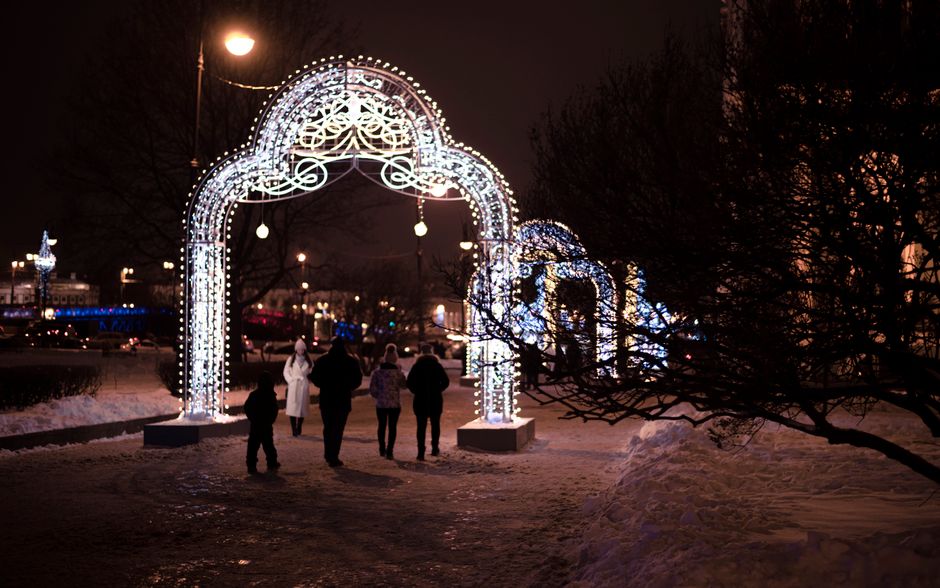
- Chase the illuminations. Winter illumination displays run nightly through December in every major city: one of the month's signature pleasures and free to walk past.
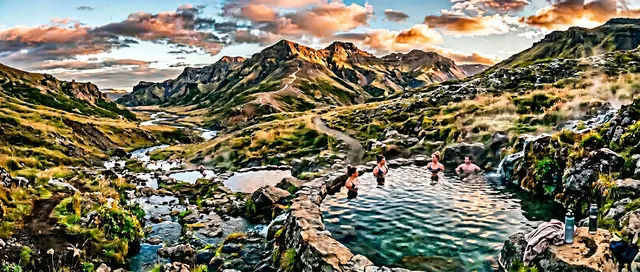
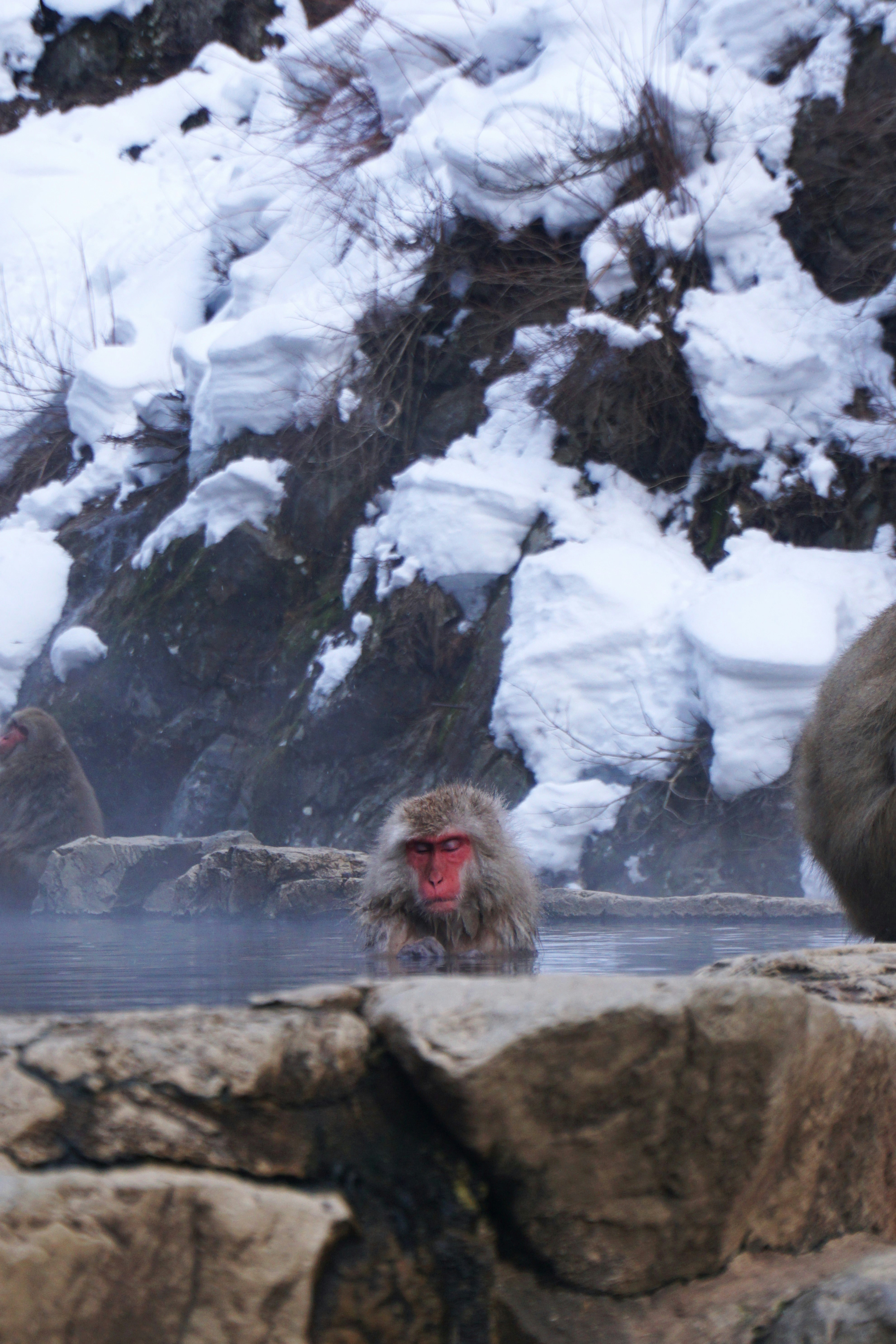
- An outdoor soak beats a heated room. A rotenburo is never better than when there's frost in the air. December is prime onsen season.
- Layer for the swing. Trains, shops and restaurants are heated hard; outside is cold. Wear removable layers rather than one heavy coat.
FAQ
Is December a good time to visit Japan?
Yes, especially December 1–20, which offers clear, dry weather on the Pacific side, thin crowds, low hotel prices and winter illuminations. The later part of the month is busier and partly closed for New Year, so aim early if you can.
How cold is Japan in December?
Tokyo, Kyoto and Osaka see daytime highs around 12°C and overnight lows near 4–5°C, usually dry and sunny. Sapporo and the north sit near or below freezing with snow, while Okinawa stays mild at around 20°C.
Is anything closed in Japan over New Year?
Yes. Independent restaurants, smaller shops, museums and some attractions wind down from roughly December 29 to January 3, while department stores and most chains stay open until New Year's Day; the deepest closures fall on January 1–3. Trains run on normal schedules but are much busier with holiday travel, and major temples and shrines are open and busy with New Year visitors.
Can you see snow in Japan in December?
Yes, on the Sea-of-Japan side, the Japan Alps, Tōhoku and Hokkaido. Ski season is opening by mid-to-late December. The Pacific belt, including Tokyo and Kyoto, generally stays dry and snow-free.
Is December cheaper than other months?
The first three weeks are among the better-value periods of the year, with hotel rates below the spring and autumn shoulder seasons. That reverses sharply from around December 21, when New Year demand pushes prices (especially in ski regions) to their seasonal peak.
When do the winter illuminations run?
Most major-city illumination displays light up from November and run through December, with many continuing into February. They are a nightly fixture across Tokyo, Osaka and other cities throughout the whole of December.