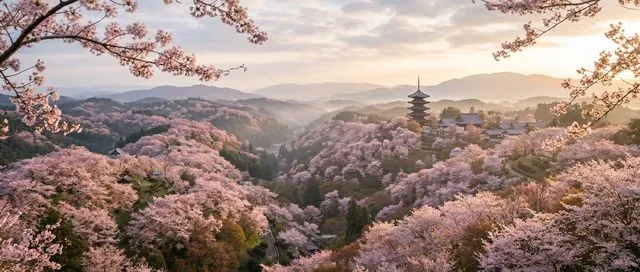
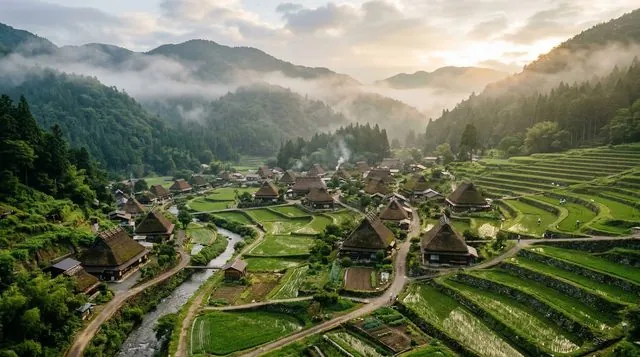
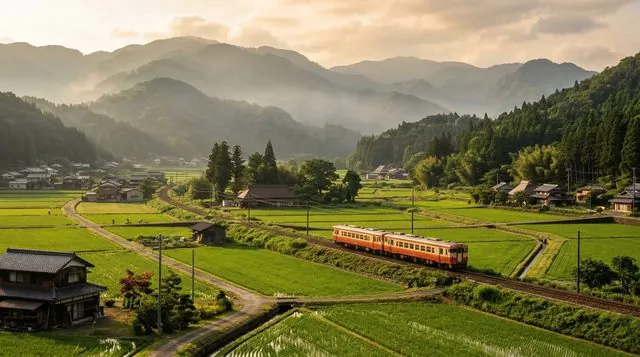

Japan's koyo season lasts six weeks, not two. Most guides cover only the final phase: the Kyoto rush in the first half of November. But the colour begins far earlier, in the mountains of Hokkaido in early October, and travels south as a wave through the Japan Alps, past Nikko and Hakone, reaching Kyoto and Kansai by November. Travellers who understand the wave can follow it for continuous peak foliage, or choose the phase that matches their travel window, well before the main crowds land.
When does koyo peak in Japan?
Colour starts in Hokkaido in mid-September and reaches Miyajima by late November: six regions, six weeks.
Autumn colour map
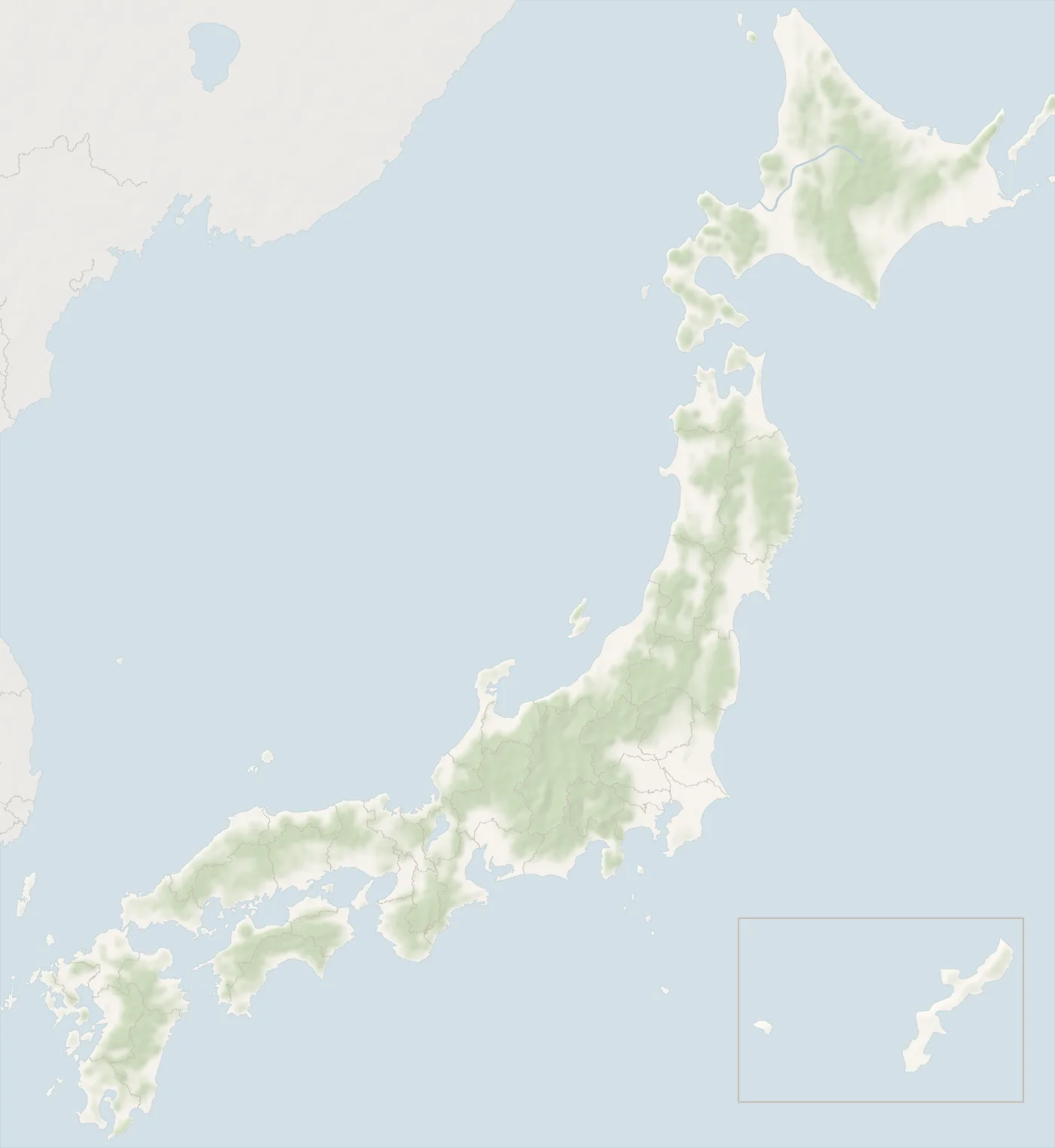 1HokkaidoPast peak2NikkoPeak3Japan AlpsPeak4Hakone / TokyoTurning5Kyoto / KansaiStill green6MiyajimaStill green
- 1HokkaidoJapan's first koyo; alpine areas peak firstFirst colour Mid-Sept · Peak colour Late SeptPast peak
- 2Nikko90 min from TokyoFirst colour Mid Oct · Peak colour Late OctPeak
- 3Japan AlpsKamikochi closes 15 NovFirst colour Mid Oct · Peak colour Late OctPeak
- 4Hakone / TokyoMt Fuji backdropFirst colour Late Oct · Peak colour Early NovTurning
- 5Kyoto / KansaiBook 6–12 months aheadFirst colour Early Nov · Peak colour Mid NovStill green
- 6MiyajimaFinal wave; quieter than KyotoFirst colour Mid Nov · Peak colour Late NovStill green
© OpenStreetMap contributors, OpenFreeMap, AWS Terrain Tiles
The wave moves south and down in altitude. Higher elevations and northern latitudes turn first; Kyoto's famous temple gardens are among the last to peak. Timing shifts by up to two weeks between years, depending on summer temperatures, so treat the table below as a planning guide rather than a fixed calendar. Check the official koyo forecast at tenki.jp (updated from September onwards) once your travel dates are set.
| Region | Typical peak | Notes |
|---|---|---|
| Hokkaido / Daisetsuzan | Late Sept – mid Oct | Japan's earliest koyo; alpine areas peak first |
| Nikko / Tochigi | Mid–late October | 90–100 min from Tokyo; waterfalls and shrines |
| Japan Alps (Kamikochi, Takayama) | Late October | Kamikochi closes 15 Nov; far quieter than Kyoto |
| Hakone / Tokyo surrounds | Late Oct – early Nov | Mt Fuji backdrop; easy day trip from Tokyo |
| Kyoto / Kansai | Early–mid November | Peak crowds; book accommodation 6–12 months ahead |
| Hiroshima / Miyajima | Mid–late November | Final wave; quieter than Kyoto; floating torii backdrop |
Best destinations for autumn leaves in Japan
Daisetsuzan, Hokkaido
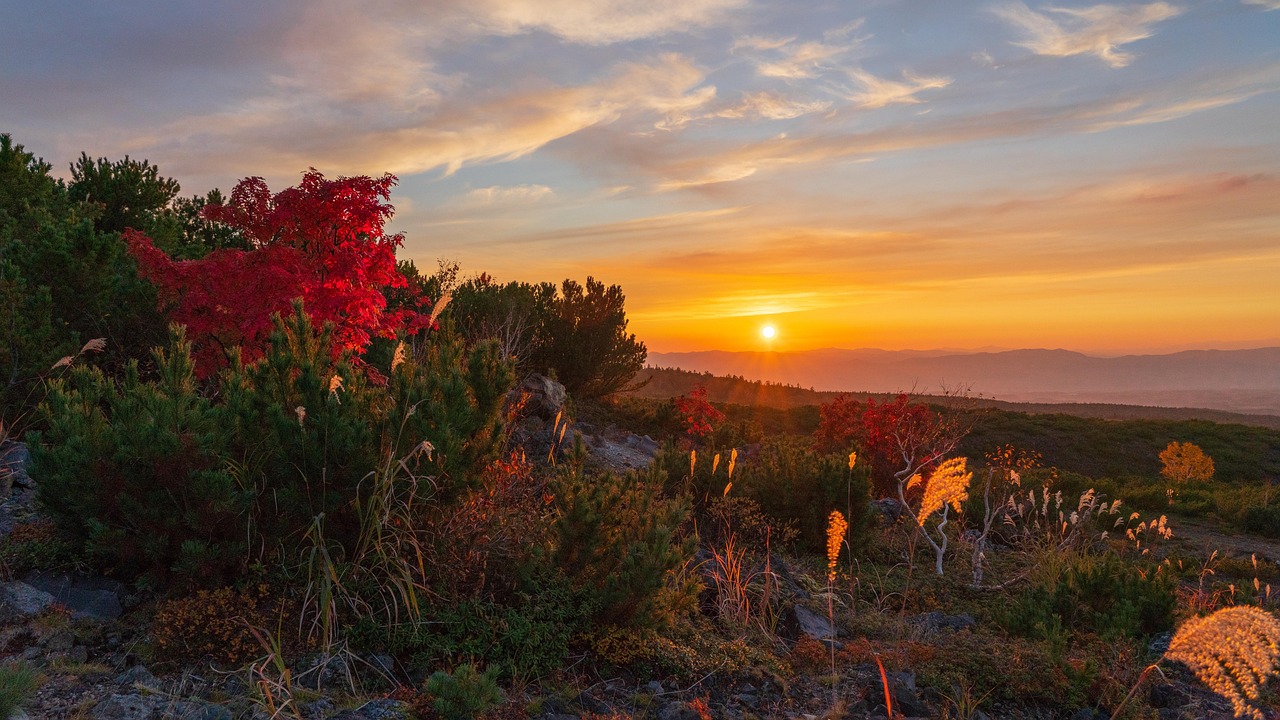
Japan's largest national park is also the first place in the country where autumn colour arrives. Alpine shrubs around Asahidake and Ginsendai turn crimson and gold from mid-September, weeks before any city shows a hint of autumn. The main viewing areas (Asahidake ropeway, Ginsendai trailhead, and Kurodake above the Sounkyo gorge) sit at 1,200–1,600 metres, where the colours are vivid and the air already bites.
Access is via Asahikawa, connected to Sapporo by limited express (around 90 minutes). Buses run from there to the Sounkyo area and the Asahidake ropeway, though car hire gives far more flexibility for reaching trailheads. Crowds here are a fraction of those in Kyoto: the park spans over 2,200 square kilometres and attracts a tiny proportion of the visitors who descend on Tofukuji each November.
Nikko, Tochigi
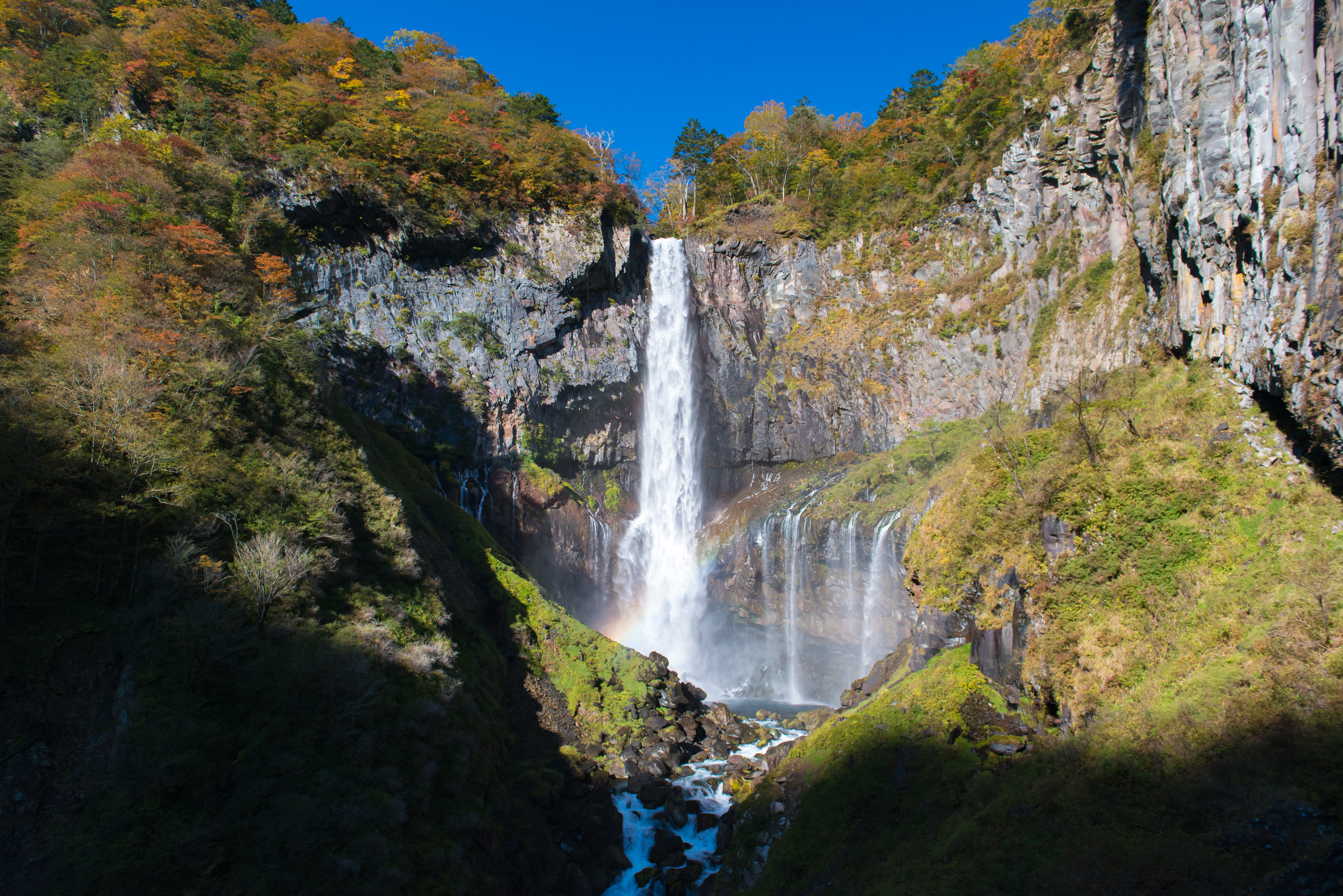
Nikko sits roughly two hours north of Tokyo by limited express and pairs dramatic mountain scenery with gilded shrine gates and thundering waterfalls. The main waterfall viewpoint at Okunikko, the cedar-lined approach to the Toshogu shrine complex, and Lake Chuzenji form a manageable day-trip or overnight circuit. The maples and zelkovas along the Irohazaka switchback road are among the most photographed sections of the drive.
- Getting there: Tobu Nikko Line limited express from Asakusa (~1 hr 50 min); JR Nikko Line from Utsunomiya is JR Pass-eligible
- Best timing: a weekday in mid-October, before Tokyo day-trippers arrive on the weekend
- Time needed: a full day for the lake circuit; one night allows an early-morning temple visit
Kamikochi, Nagano
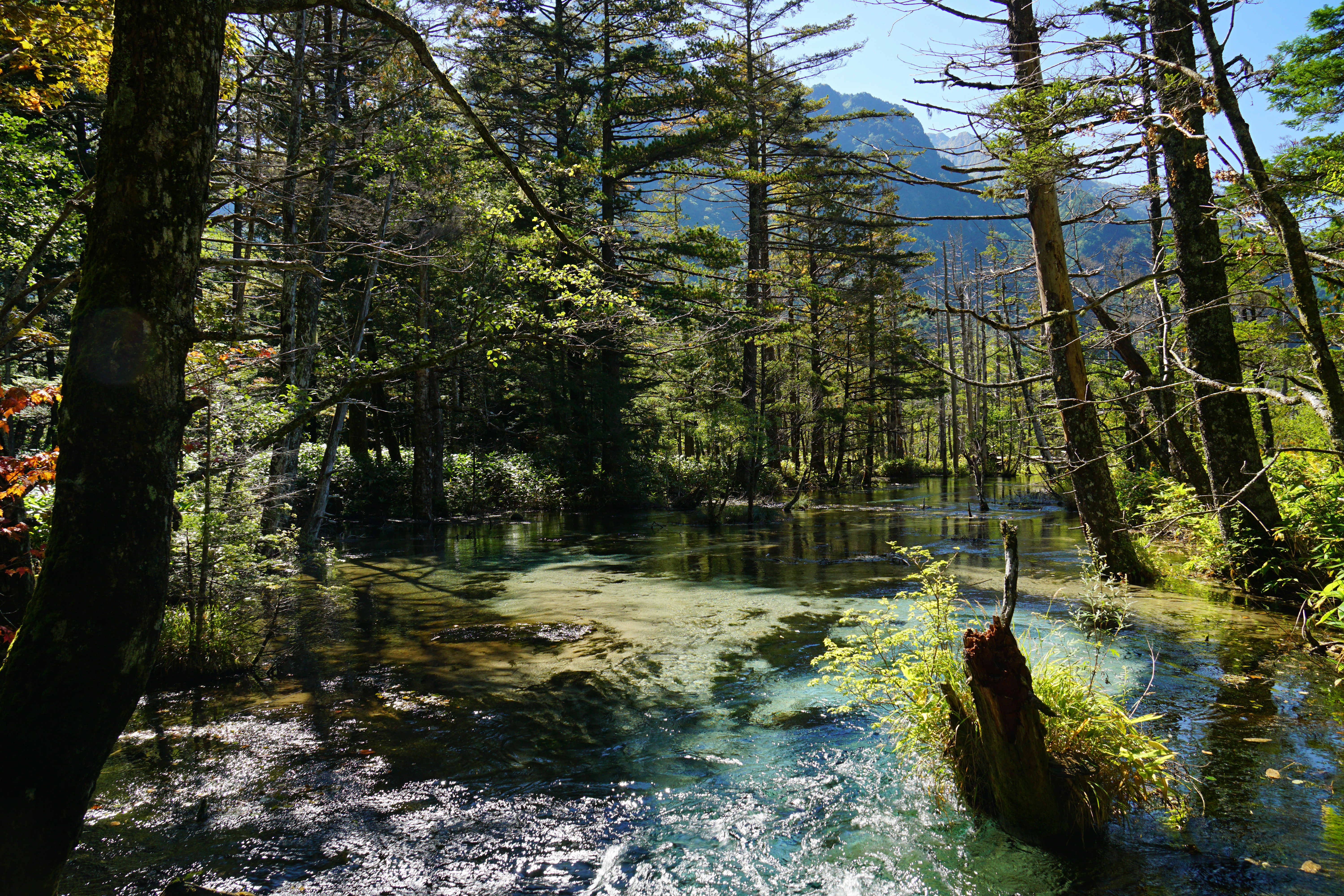
The Kamikochi valley closes on 15 November each year, which naturally caps visitor numbers below those at southern destinations. Maples around Taisho Pond and larch forests along the valley floor peak in late October, and the valley's reflection of the Hotaka range is one of the finest mountain views in Japan. Because the window closes before the Kyoto rush begins, it serves as the ideal first stop on a wave route.
- Access: Matsumoto Dentetsu line from Matsumoto to Shin-Shimashima (~30 min), then bus to Kamikochi Bus Terminal (~60 min)
- Important: the mountain bus section is not covered by JR Pass; advance seat reservations are required from 2025 onwards
- Best window: roughly 15–31 October, with year-to-year variation of up to 10 days
Takayama, Gifu
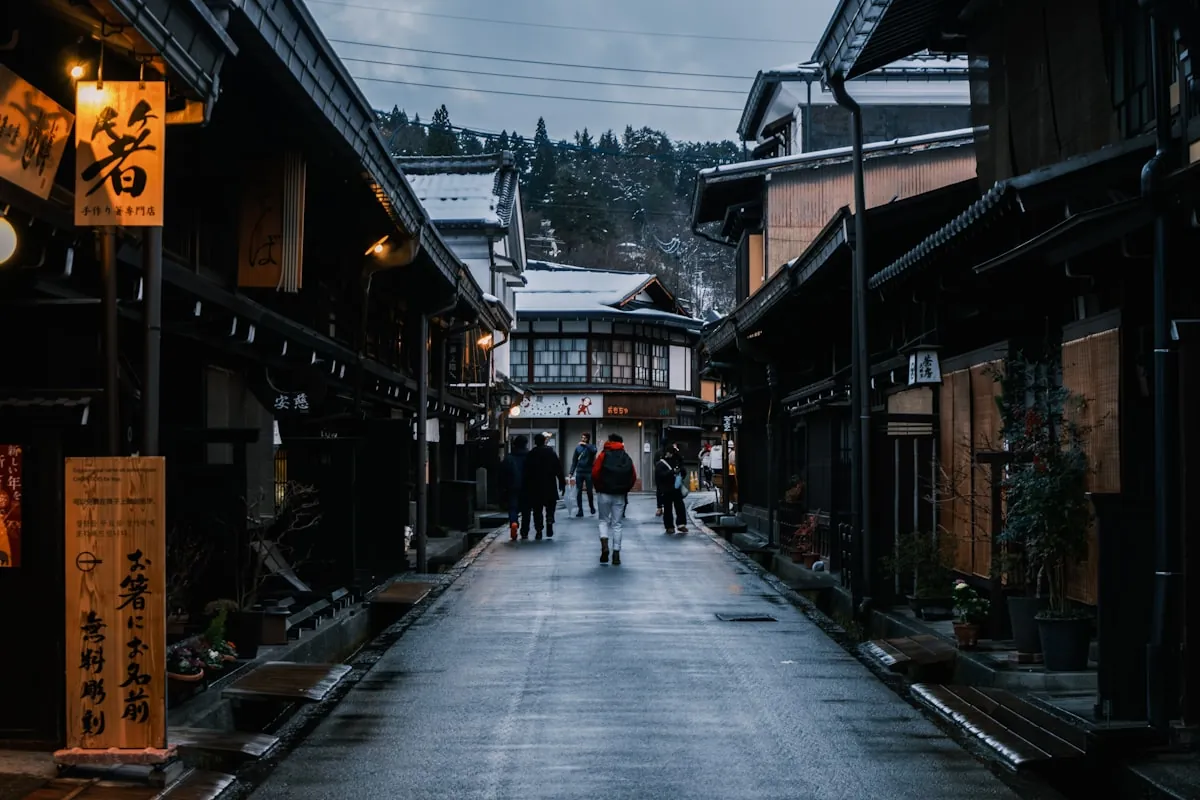
The preserved Edo-period merchant town of Takayama sits in a high mountain valley where surrounding peaks turn colour from mid-October. The old town's sake breweries and machiya townhouses look their best against a backdrop of coloured hillsides, and the nearby Hida Folk Village provides an open-air museum setting that rivals anything in Kyoto for atmosphere. October is the right month: temperatures are mild, the crowds are manageable, and there is no competition with the November rush further south.
Kyoto in November
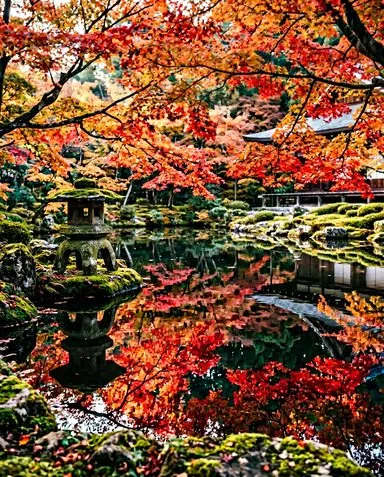
Kyoto's koyo is genuinely world-class. The Tofukuji bridge over the Tsutenkyo canyon, the temple gardens of Kansai, and the hillside paths above Arashiyama deliver colour that justifies the reputation. The question is not whether to come, but when to arrive and how to position each visit.
The first two weekends of November draw the densest crowds. Tofukuji is manageable at the 8:30am opening; by 10am tour groups fill the bridge. Evening illumination events at key temple gardens extend the usable hours into the night and draw smaller numbers than the same sites at midday. Arrive on a Tuesday, not a Saturday, and the experience is a different Japan entirely. Book accommodation for November Kyoto 6–12 months in advance: the best garden-view ryokan sell out before a six-month booking window opens.
Miyajima / Hiroshima
Miyajima island's maple valley park (locally known as Momijidani, meaning "maple valley") holds around 700 maple trees along a river path, a ten-minute walk from the famous floating torii. The combination of the torii gate, blazing autumn maples, and the summit of Mt Misen in the background makes this one of Japan's most photographed autumn scenes. It arrives in mid-to-late November, when Kyoto crowds have already thinned and the island feels disproportionately relaxed. The Daishoin hillside temple nearby adds a quieter alternative to the main valley path.
Planning your koyo trip
Fix your travel window first
Koyo timing shifts by up to two weeks between years. Check the official koyo forecast at tenki.jp from September onwards. Do this before committing to non-refundable bookings.
Match destinations to the wave
Use the comparison table above to identify which phase of the koyo wave matches your dates. Early October: Hokkaido and high-altitude Tohoku. Late October: Nikko, Kamikochi and Takayama. November: Kyoto and Kansai. Late November: Miyajima.
Book Kyoto accommodation immediately if November is in your window
If your itinerary includes Kyoto in November, book ryokan and hotels the same day you fix your travel dates. Prime garden-view rooms fill 6–12 months in advance. For October destinations (Kamikochi, Takayama, Nikko), one to three months is usually sufficient.
Sort transport and advance seat bookings
The standard JR Pass covers the backbone of the wave route (Hokkaido Shinkansen, Tokaido-Sanyo Hikari services, and the JR line to Utsunomiya for Nikko). It does not cover the Matsumoto Dentetsu mountain section to Kamikochi. Book Kamikochi bus seats in advance; reservations are required since 2025.
Arrive weekdays, and mornings or evenings at busy sites
The difference between a Tuesday and a Saturday at Tofukuji in November is substantial. At the most popular Kyoto sites, the 8:30am opening gives a clear 90 minutes before tour groups arrive. Evening illumination events at key temples spread visitors across more hours and run well into November.
Tips and common mistakes
- Don't rely on last year's dates. Koyo timing shifts by up to two weeks depending on the preceding summer's heat. Always check the current-year forecast before making non-refundable bookings.
- Kamikochi bus seats sell out. Since 2025, the Kamikochi-bound mountain bus requires advance seat reservations. Book the bus the same week you book accommodation in Matsumoto.
- The JR Pass does not cover everything. The Matsumoto Dentetsu section to Kamikochi is not included. Budget for the mountain leg separately, and note that Nozomi express Shinkansen services are also excluded from the standard pass.
- Kyoto early morning pays off. Tofukuji opens at 8:30am and is manageable until around 10am. After that, the bridge crowds thicken quickly. Evening illumination events at Kyoto's temple gardens are a practical alternative for those who cannot manage early starts.
- Pack layers for 10–15°C daily swings. Late October in the Japan Alps can be 15°C at noon and near freezing by dusk. A thermal base layer, a mid-layer fleece, and a windproof outer shell cover the full range. Waterproof walking shoes are important: temple grounds and forest trails are often slippery with wet leaves.
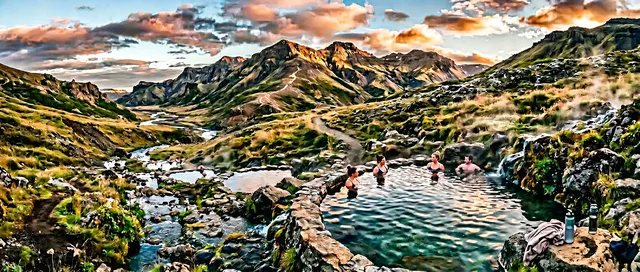
- Consider an onsen stop at the end of each day. Alpine hot spring towns in the Hokkaido gorge country and around Matsumoto give excellent recovery after long forest walks, and November evenings at an outdoor bath with coloured trees overhead is one of Japan's quieter pleasures.
FAQ
When is the best time to visit Japan for autumn leaves?
Late October to mid-November covers the widest range of destinations. If avoiding crowds matters as much as the colour, late October in Nikko, Kamikochi, or Takayama delivers equal or better foliage with far fewer visitors than peak Kyoto in early November.
Is koyo predictable enough to plan a trip around?
Within a margin of one to two weeks, yes. The wave pattern (Hokkaido first, Kansai last) is consistent year to year. Precise peak dates shift with summer temperatures: a warm September delays the onset; a cold one accelerates it. Official koyo forecasts published at tenki.jp from September narrow the uncertainty considerably and are updated through the season.
Which Japan autumn foliage destination is least crowded?
Daisetsuzan in Hokkaido is the least-visited major koyo destination, with only a fraction of the visitors that Nikko or Kyoto see. Among southern destinations, Miyajima in mid-to-late November is significantly quieter than the same island during cherry blossom. Kamikochi and Takayama in late October are well below Kyoto's crowd levels and often cited by returning visitors as the more memorable experience.
Can you see autumn leaves and cherry blossom in the same Japan trip?
Not within a single autumn visit. Cherry blossom peaks from late March through early May, depending on latitude; koyo runs October through December. The two seasons are separated by five months. A long summer trip cannot bridge them. Some travellers plan two Japan trips, one in spring and one in autumn, which is arguably the natural way to see the country at its most dramatic.
Do I need a JR Pass for a koyo trip?
A 14-day JR Pass is worth calculating if the itinerary covers Hokkaido, the Japan Alps (via Shinkansen to Nagano or Matsumoto), Nikko (via JR Nikko Line from Utsunomiya), and Kyoto or Hiroshima. The pass covers Hikari services on the main Shinkansen trunk line and JR lines throughout the country. It does not cover Nozomi express services or the Matsumoto Dentetsu mountain section to Kamikochi. Run the individual fare totals against the current pass price before buying; the calculation changes depending on your exact route.
What should I pack for a Japan koyo trip?
Layering is the practical rule. October in the Japan Alps runs roughly 5–15°C during the day, with temperatures dropping sharply after dark. November in Kyoto is milder: 10–18°C in the daytime. A thermal base layer, a mid-layer fleece, and a windproof or light waterproof shell covers the full range. Comfortable waterproof walking shoes matter: temple grounds and forest paths are often slippery with wet leaves, and many koyo walks involve uneven terrain.