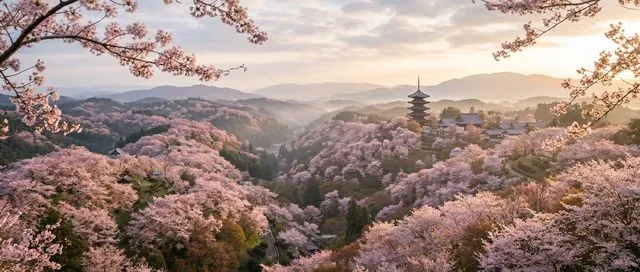
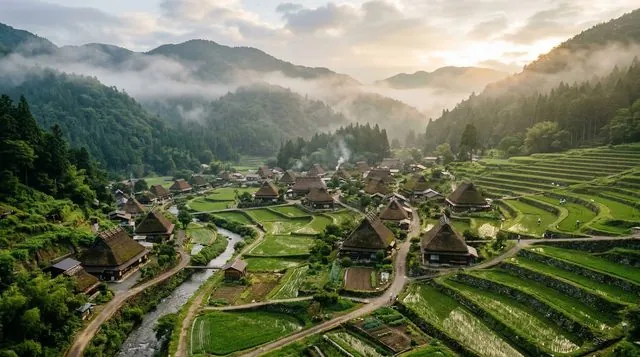

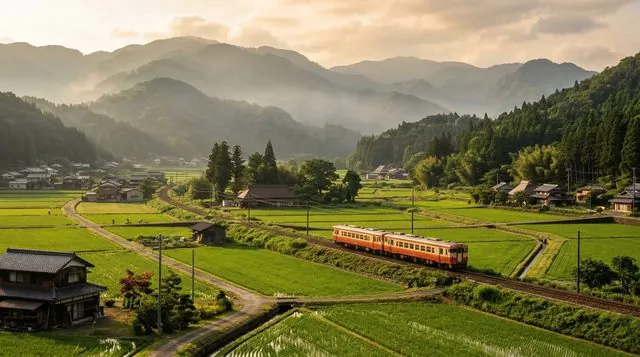
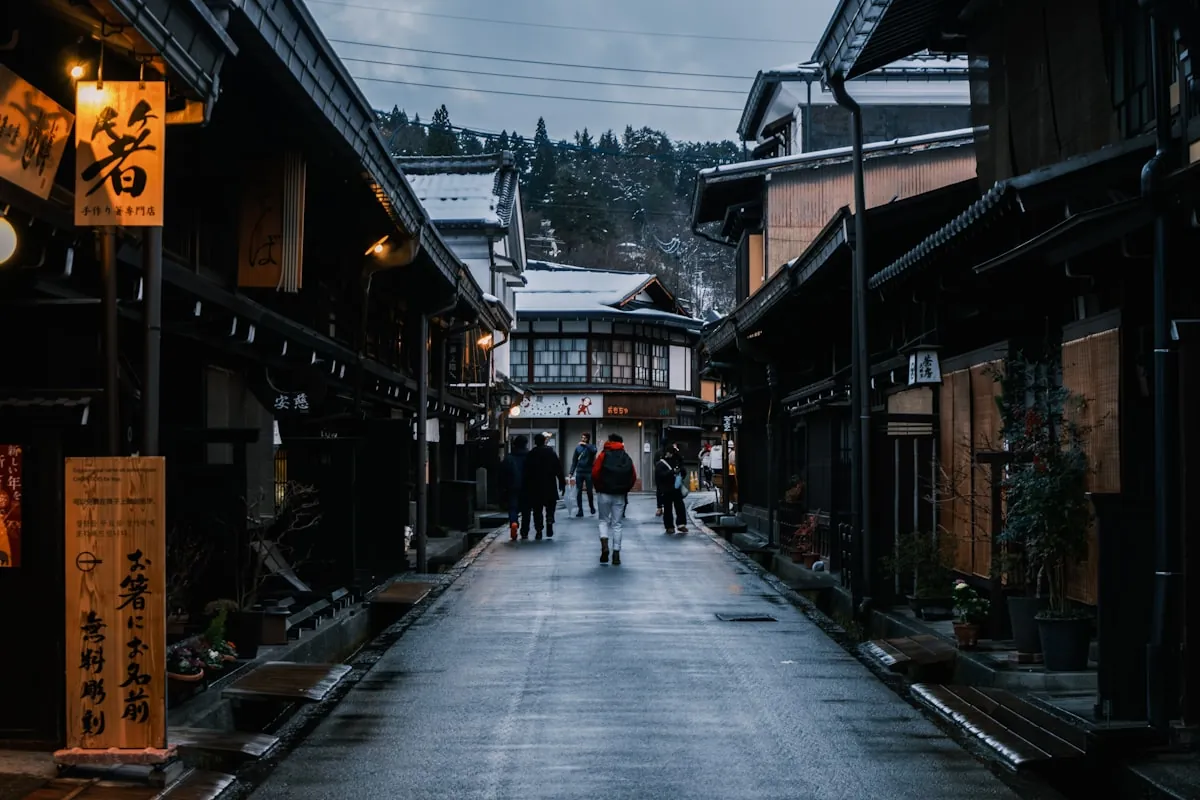

The Kii Peninsula holds three UNESCO World Heritage zones within four hours of Osaka: Koyasan's esoteric Buddhist temples, 300km of Kumano Kodo pilgrimage paths walked for more than 1,000 years, and the three grand Kumano shrines on the Pacific coast.
Only a fraction of the crowds that fill Kyoto make it this far. Below: how to combine the highlights in three to seven days from Osaka.
What to Expect
How many days do you need?
| Duration | What it covers | Best for |
|---|---|---|
| 3 days | Koyasan (1 night), Nachi Falls and Kumano Nachi Taisha (1 night), train back to Osaka | First visit, limited time |
| 4–5 days | Above, plus a full Nakahechi trail section and Kumano Hongu Taisha | Trail walkers, repeat Japan visitors |
| 7 days | full Kii circuit plus Ise Jingu, ending in Nagoya | deep Japan travellers, slow itinerary |
Koyasan: the opening move
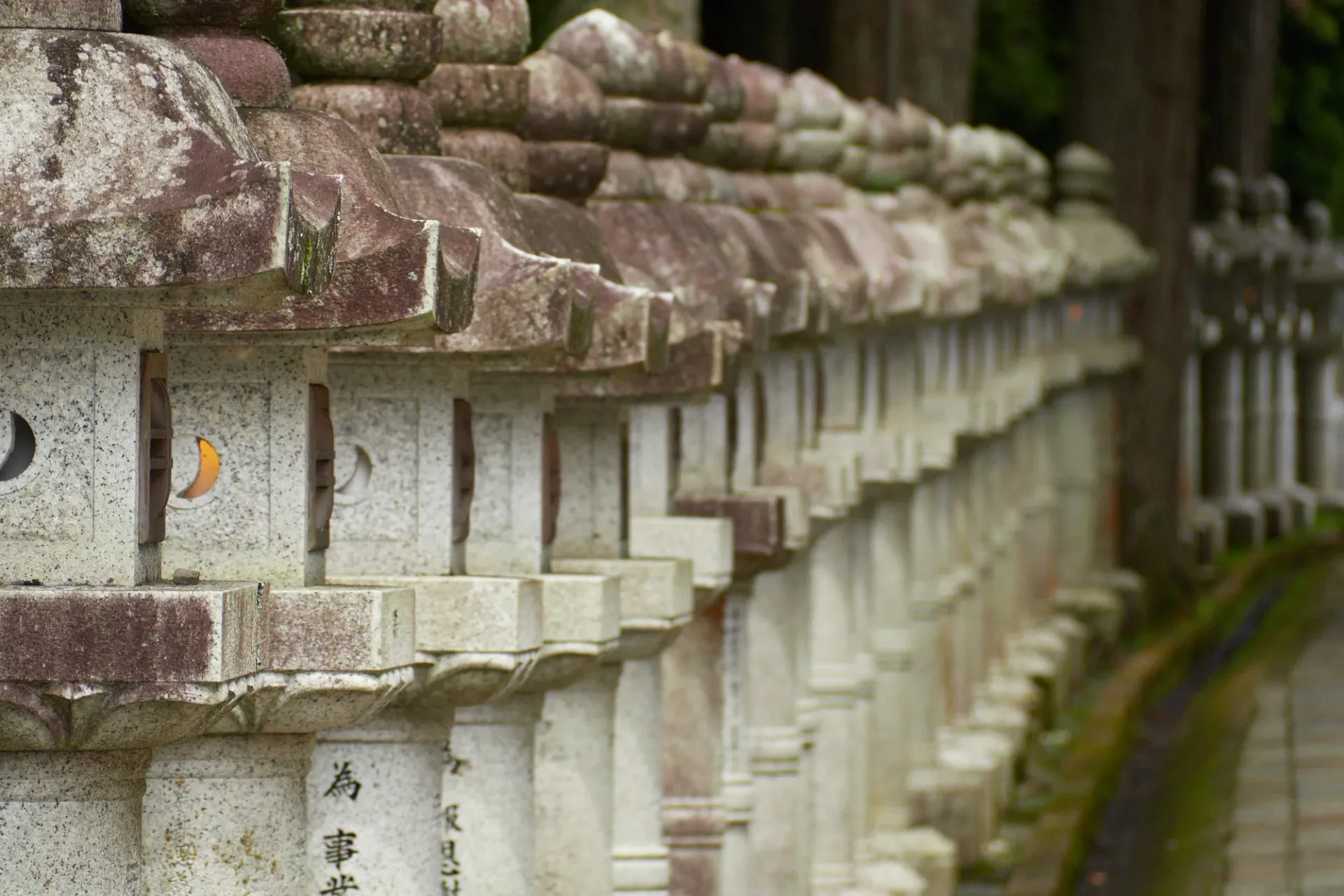
Start at Kongobu-ji Okuno-in, the cemetery where 200,000 moss-covered gravestones stand beneath 400-year-old cedar trees. It is most rewarding before 7am, when lanterns still light the stone paths and mist fills the forest floor.
The monk known as Kobo Daishi, who founded Koyasan in 816 AD as the centre of Shingon Buddhism, is believed to rest in eternal meditation at the innermost shrine. The pilgrims who come to pray at dawn are not performing a ritual for tourists.
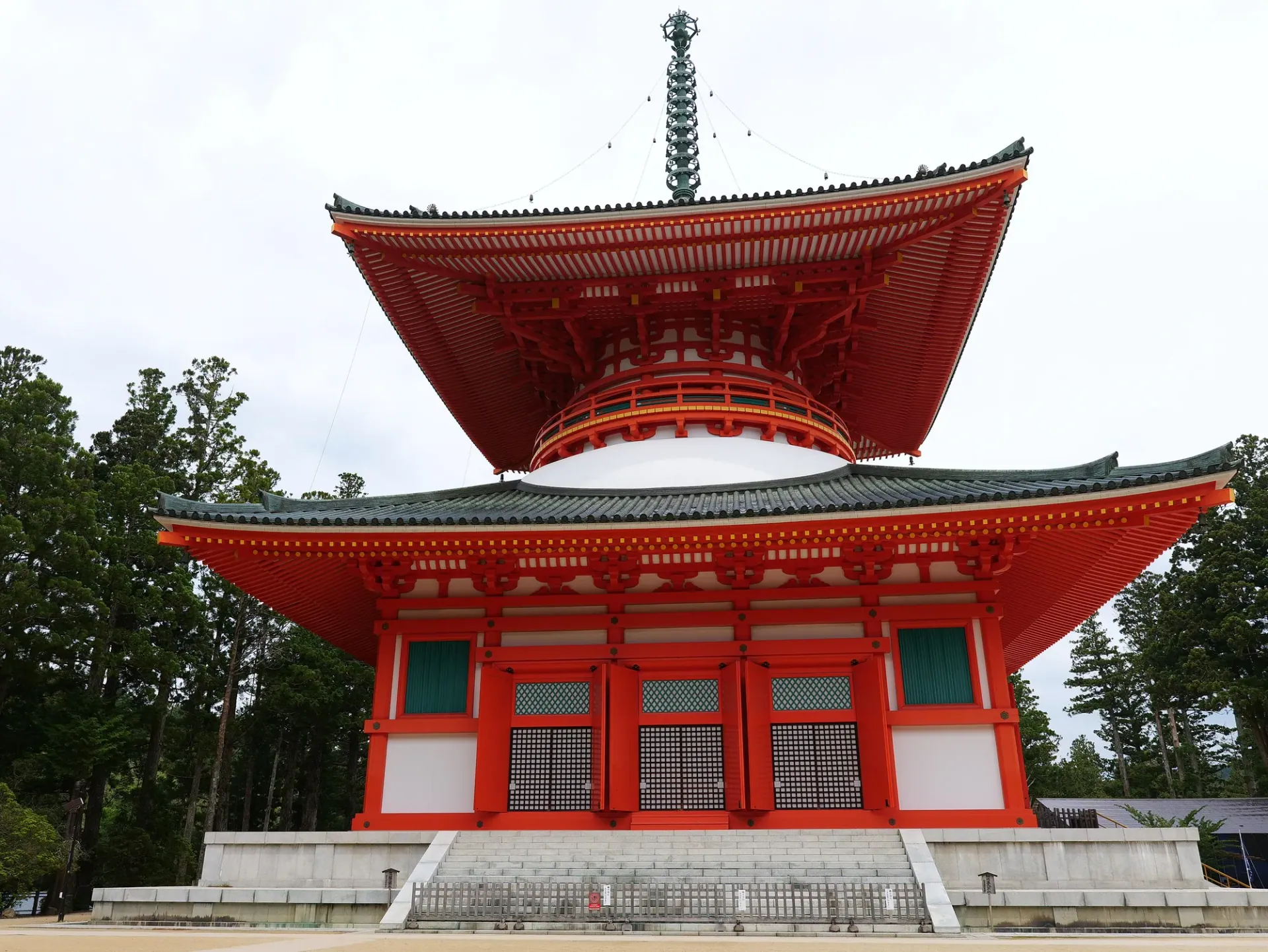
The Kongobu-ji Danjo Garan complex is the ceremonial heart of Koyasan: halls, pagodas and the great central stupa where Shingon Buddhist cosmology is mapped onto architecture. Allow two hours.
- Where to sleep: a shukubo, a working temple guesthouse. You share the building with monks, eat a sesame tofu breakfast and can attend morning sutras at 6am. Around 50 temples offer it.
- Cost: ¥10,000 to ¥40,000 per person including dinner and breakfast, depending on the temple and the room.
- Booking: book first, before anything else in your trip. Temple guesthouses fill four to six months ahead during Golden Week and autumn foliage season (April–May and October–November). Use [AFFILIATE:booking:koyasan-shukubo] or the official shukubo association site (koyasan-shukubo.net).
- Getting there: around two hours from Osaka Namba: 80 minutes on the Limited Express Koya of the Nankai Koya Line to Gokurakubashi (about 100 minutes by rapid express), then a cable car and a bus.
Walking the Nakahechi section of the Kumano Kodo
The Kumano-Kodo Nakahechi Route (Chikatsuyu-Oji to Kobiro-Oji section) is the most accessible section for independent walkers: around 7km and two to three hours, much of it on quiet lanes through mountain hamlets, well-marked in English, no guide required.
The forest is cedar and oak, with small oji shrines along the way. There are no technical sections and no exposed ridgelines, so a fit non-hiker can complete it comfortably.
- To the trailhead: Limited Express on the JR Kinokuni Line from Shin-Osaka to Kii-Tanabe (around 2 hours), then a Meiko or Ryujin bus to Takijiri-Oji (around 40 minutes).
- Luggage transfer: the daily luggage shuttle between accommodations booked through the official kumano-travel.com site starts from ¥3,600 for the Chikatsuyu/Nonaka to Hongu stretch. Book online at least 20 days in advance.
- Accommodation: also booked through kumano-travel.com, run by the Tanabe city tourism bureau.
The Kogumotori-goe and Ogumotori-goe sections between Hongu and Nachi, via Koguchi, are longer, steeper and more remote, and benefit from a local guide. First-timers should stick to Chikatsuyu–Kobiro or Takijiri–Chikatsuyu and return for the deeper routes later. For a guided walk, book through [AFFILIATE:gyg:kumano-kodo-guided-hike].
Which Nakahechi section is right for you?
The Kumano Kodo Nakahechi has three realistic configurations for independent walkers. Answer two questions to find your section.
About 7km · 2–3 hoursYour match
Chikatsuyu-Oji → Kobiro-Oji
Quiet lanes and forest path, well-marked in English, no guide needed. A fit non-hiker can complete it comfortably. The recommended first-timer section.
You have one day and want a taste of the pilgrimage route without overnight logistics.
2–3 daysYour match
Full Nakahechi: Takijiri-Oji → Hongu
More elevation change; benefits from trail poles and waterproof layers for the mountain sections. Ends at Kumano Hongu Taisha, the spiritual terminus of the trail.
You have 4+ days and want the full pilgrimage experience from the original trailhead.
Your match
Guided Kumotori-goe sections
The Kogumotori-goe and Ogumotori-goe sections between Hongu and Nachi, via Koguchi, are longer, steeper and more remote, and benefit from a local guide.
You want to go deeper into the trail but prefer guided support for the technical sections.
The three Kumano grand shrines
- Kumano Hongu Taisha: the spiritual terminus of the Nakahechi trail, rebuilt on its current hillside site in 1891 after floods destroyed the original. The great torii at Oyunohara, the riverside sandbank where the shrine once stood, is the largest in Japan. Bus from Kii-Tanabe takes around 1 hour 45 minutes.
- Kumano Nachi Taisha: the most photogenic approach on the peninsula. See below.
- Kumano Hayatama Taisha: set in the coastal town of Shingu where the river meets the Pacific, with the most accessible setting and the least tourist infrastructure of the three. On the five-day circuit, Shingu is your exit point for the train to Osaka or the bus toward Ise.
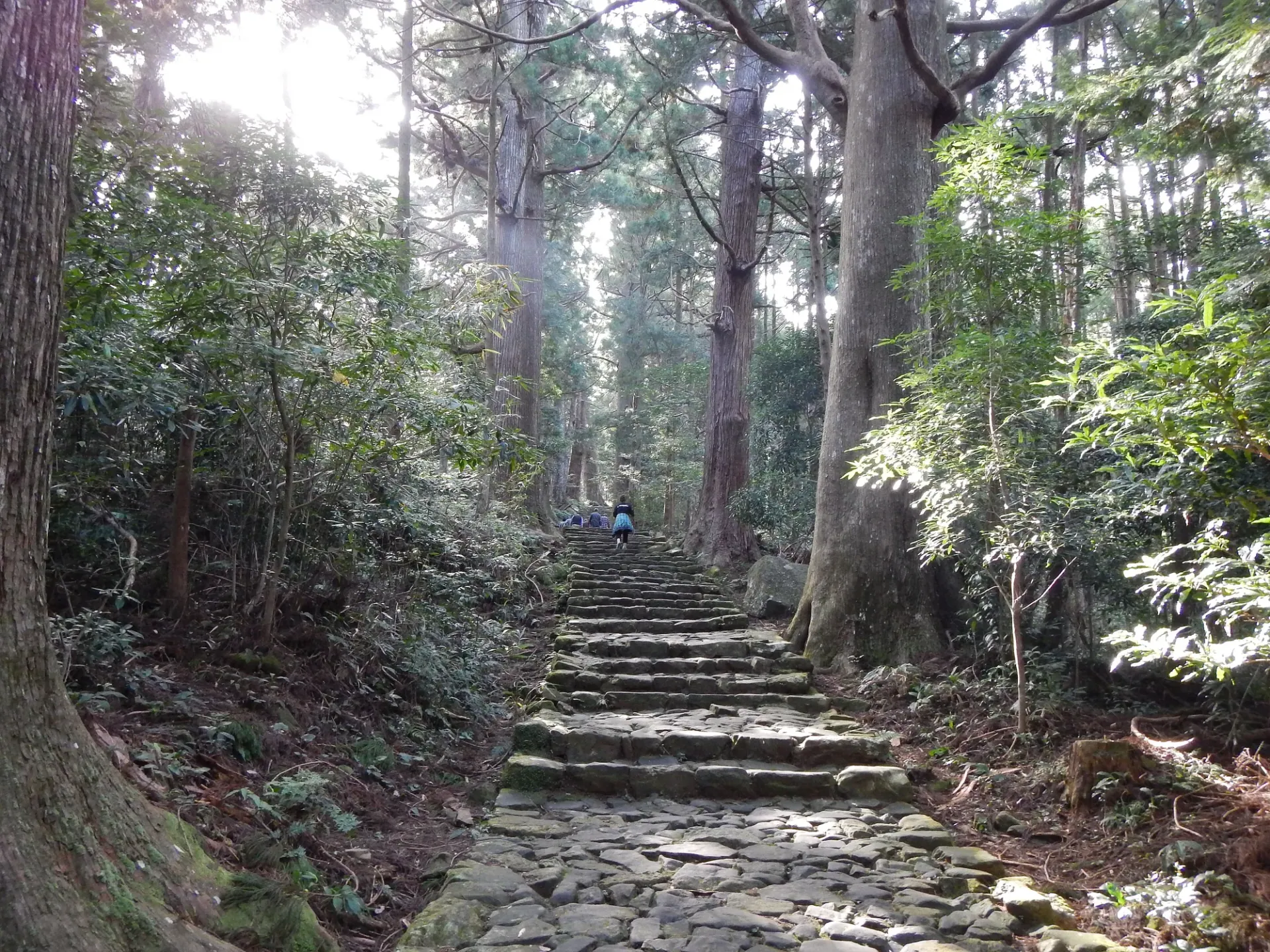
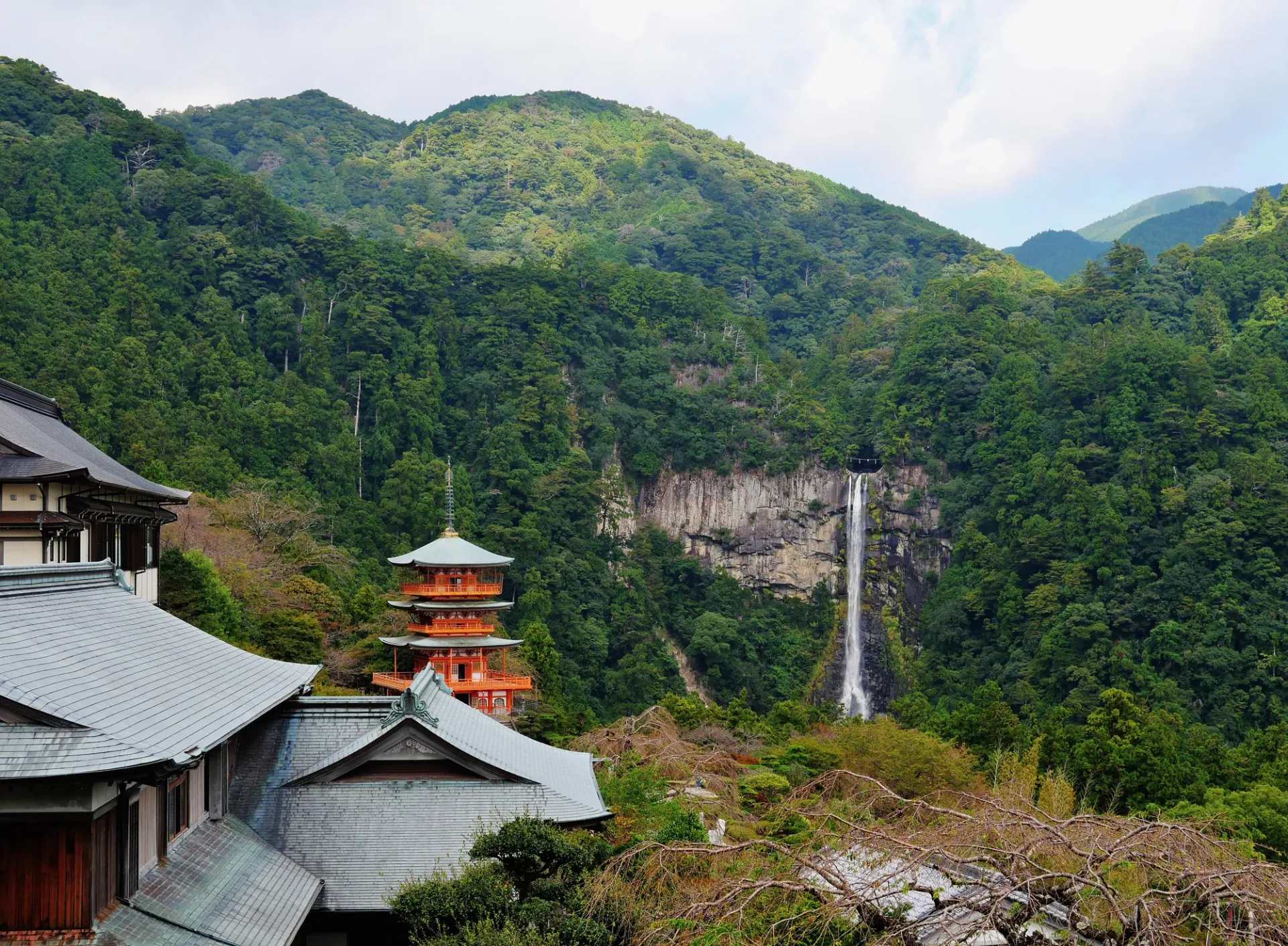
At Nachi, the Daimonzaka approach is a cedar-lined stone staircase of 267 steps. The shrine sits directly above Nachi Falls (Nachi-no-Taki), Japan's tallest single-drop waterfall at 133m.
The red three-storey pagoda framed against the falls is the defining image of the Kii Peninsula, and reason enough for a full day here rather than a half-day stop.
Shirarahama: the optional beach day
- Shirarahama Beach: Wakayama's white-sand Pacific beach, around 10 minutes by bus from Shirahama Station on the JR Kinokuni Line.
- Sandanbeki Cliffs: sandstone cliffs dropping 50m into the sea, fifteen minutes away by car, with a clifftop walk and a lift down to the sea cave.
- Onsen: the town sits on a geothermal field, and several open-air baths face the Pacific.
Consider Shirahama for your final night before returning to Osaka if your schedule allows it.
The Ise add-on (optional, days 6–7)
Ise Jingu is Japan's most sacred Shinto shrine complex, rebuilt every 20 years on a grid of alternating sites using the same blueprint for 1,300 years. It is in Mie, technically outside the Kii Peninsula.
- Getting there: from Shingu by train via the JR Kisei Main Line and the Sangu Line, changing at Taki; allow more than three hours.
- Outer shrine first: Toyouke Daijingu (Ise Jingu Geku), dedicated to the kami of food and agriculture. Walk the 800m road through the cedar grove to the main hall.
- Inner shrine second: Kotai Jingu (Ise Jingu Naiku), where Amaterasu, Japan's sun goddess, is enshrined. Photography stops at the outer fence of the main hall.
- Onward: Nagoya is around 80 minutes on the Kintetsu Limited Express from Ise. Add this loop if your trip ends in central Japan rather than backtracking to Osaka.
How to Get There
Getting There
- 1Take Nankai Limited Express Koya to Gokurakubashi
- 2Take cable car to Koyasan plateau
- 3Take bus to Koyasan town centre
- 1Take JR Limited Express Kuroshio to Kii-Tanabe
- 2Take Meiko or Ryujin Bus to Takijiri-Oji trailhead (Nakahechi start)
Tips
- JR Pass: it does not cover Nankai Line services to Koyasan or most local buses in the Kumano area. Budget separately, or buy Nankai's two-day pass, known as the Koyasan World Heritage Ticket (from ¥3,980, Koyasan only, including the Koyasan buses).
- Cash: ATMs outside the main towns are scarce on the trail. Koyasan, Nachi-Katsuura and Shingu each have convenience store ATMs; the trail between them does not.
- Daimonzaka: most photogenic in the early morning, before tour buses from Osaka arrive around 10am.
Nearby
The Kii Peninsula is in Wakayama, part of the broader Kansai region.
FAQ
Can you walk the Kumano Kodo without a guide?
Yes, for the main Nakahechi sections. Chikatsuyu-Oji to Kobiro-Oji and Takijiri-Oji to Chikatsuyu are well-marked in English and Japanese. The Kogumotori-goe and Ogumotori-goe sections via Koguchi are longer and more remote and benefit from a guide.
How do you combine Koyasan and the Kumano Kodo in one trip?
The standard five-day circuit runs from mountains to coast with no retracing:
- Day 1: Osaka to Koyasan (Okuno-in, Danjo Garan, shukubo overnight).
- Day 2: Koyasan to Kii-Tanabe, bus to Takijiri-Oji, begin trail.
- Day 3: Chikatsuyu to Kobiro-Oji, bus to Hongu.
- Day 4: Hongu to Nachi-Katsuura (Nachi Falls, Daimonzaka, Kumano Nachi Taisha).
- Day 5: Shingu (Kumano Hayatama Taisha), train back to Osaka.
Is the JR Pass useful for the Kii Peninsula?
Partially. The JR Kinokuni Line from Shin-Osaka to Kii-Tanabe, Shirahama and Shingu is covered. The Nankai Koya Line and local Kumano buses are not.
When is the best time to visit?
April to June and September to November. Spring gives mild trail temperatures and blooming trees along the stone paths; autumn adds foliage on the ridge sections. August is 30°C with trail-level humidity and best avoided. December to February is cold but quiet, with the possibility of snow on the Koyasan plateau.
What fitness level do you need for the Nakahechi trail?
Chikatsuyu-Oji to Kobiro-Oji is moderate: around 7km with some uphill stretches but no technical terrain. Standard hiking shoes or trail runners are enough, and you do not need poles. The longer Takijiri-Oji to Hongu route (two to three days) involves more elevation change and benefits from trail poles and waterproof layers.